- The paper introduces a novel all-dielectric resonator design achieving low loss and angle-invariant performance in the mid-wave infrared.
- It employs high-index materials like tellurium and advanced fabrication techniques, validated through rigorous coupled wave analysis and reflectometry.
- The research demonstrates strong negative index behavior and linear scaling of refractive indices, paving the way for high-resolution imaging and cloaking applications.
Introduction
The "Infrared Dielectric Resonator Metamaterial" paper presents a novel approach to designing metamaterials for mid-wave infrared applications using all-dielectric resonant elements. This research introduces dielectric resonators made from high-index materials like tellurium, addressing limitations associated with conventional metallo-dielectric structures. The study examines the optical characteristics of these resonators, focusing on their angular invariance, low loss, and integration capabilities, which hold promise for advanced applications such as wide-angle lenses and cloaking.
Metamaterials have continued to attract interest for their unique electromagnetic properties, enabling effects such as sub-diffraction-limited imaging and cloaking. Traditional optical metamaterials, however, suffer from high conductor losses in metallic resonators, especially at optical frequencies. This research focuses on dielectric cubic resonators (CDRs) which demonstrate significantly reduced losses and angle-invariant modal properties. The metamaterial includes sub-wavelength CDRs exhibiting Lorentzian-like spectral properties adjustable through compositional and dimensional control.
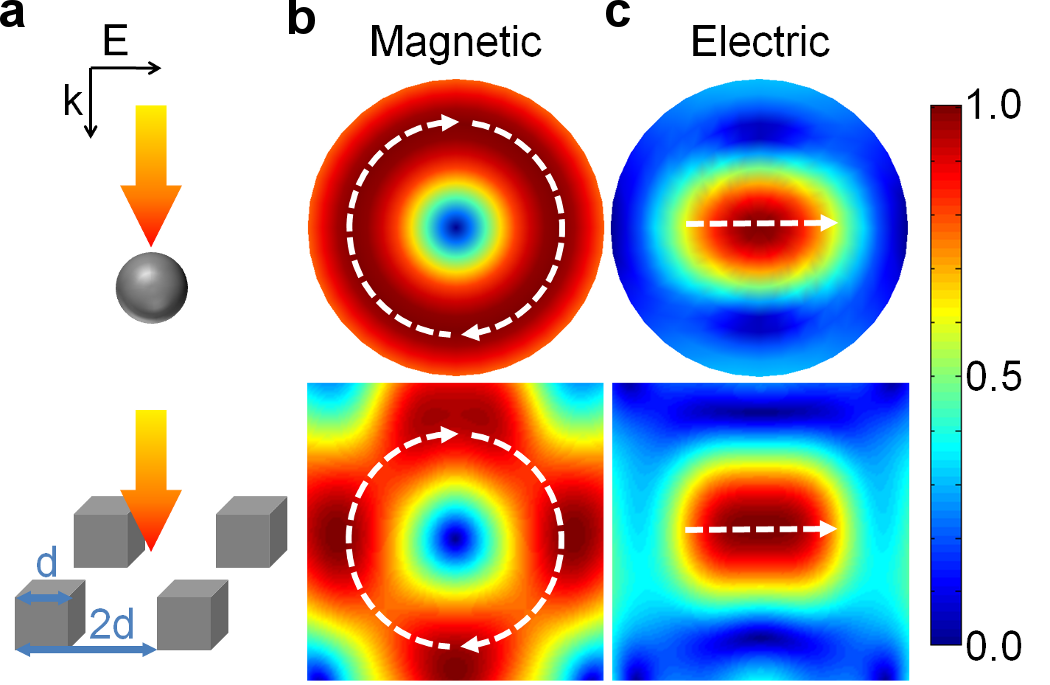
Figure 1: Excitation configurations and field distributions in isolated and arrayed resonators.
Fabrication and Simulation
Using germanium cubes as initial prototypes, the authors transitioned to tellurium for better performance due to its higher refractive index and favorable infrared properties. The study employed electron beam lithography and reactive ion etching to fabricate the resonators, leveraging tellurium's trigonal crystal structure to optimize isotropy in polycrystalline films.
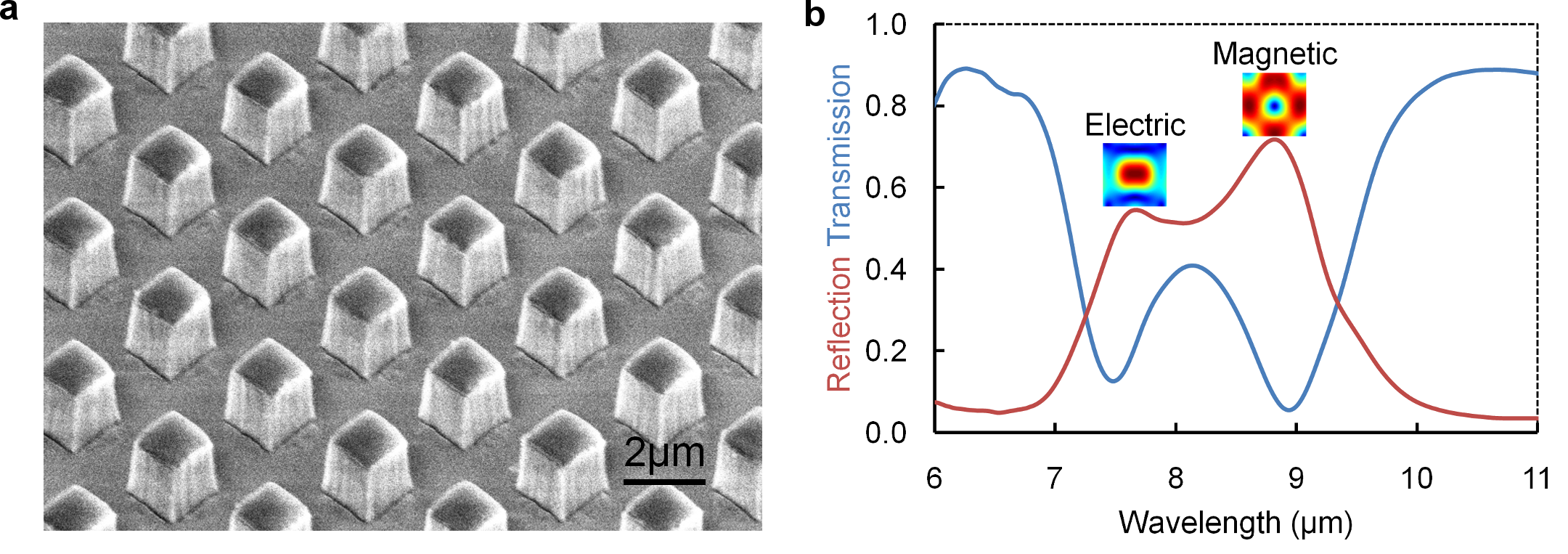
Figure 2: Scanning electron micrograph and measured coefficients of a fabricated CDR.
The simulation of reflection and transmission characteristics revealed two key resonant modes: magnetic and electric. These were realized through rigorous coupled wave analysis (RCWA), revealing that the CDR's effective permittivity and permeability reached less than -1, indicating strong negative index behavior suitable for the desired infrared regime.
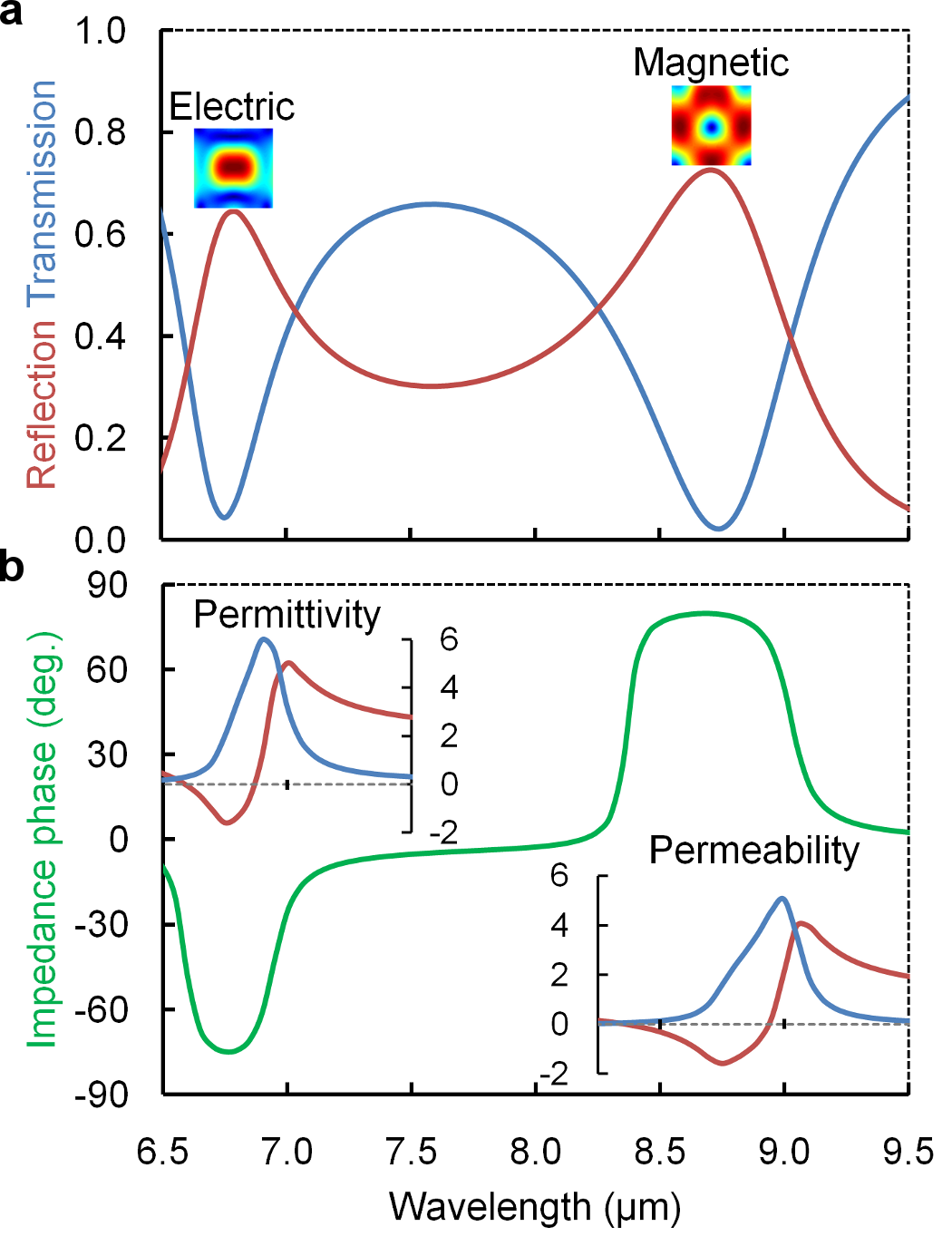
Figure 3: Simulated transmission and reflection, and impedance properties of CDRs.
The research further explored the relationship between the index of refraction and resonant wavelength, asserting a linear scaling that challenges the practicality of certain materials like silicon and germanium due to their limitations at higher wavelengths. This linear relationship limits the use of these high-index materials in creating negative permittivity metamaterials for the mid-wave infrared.
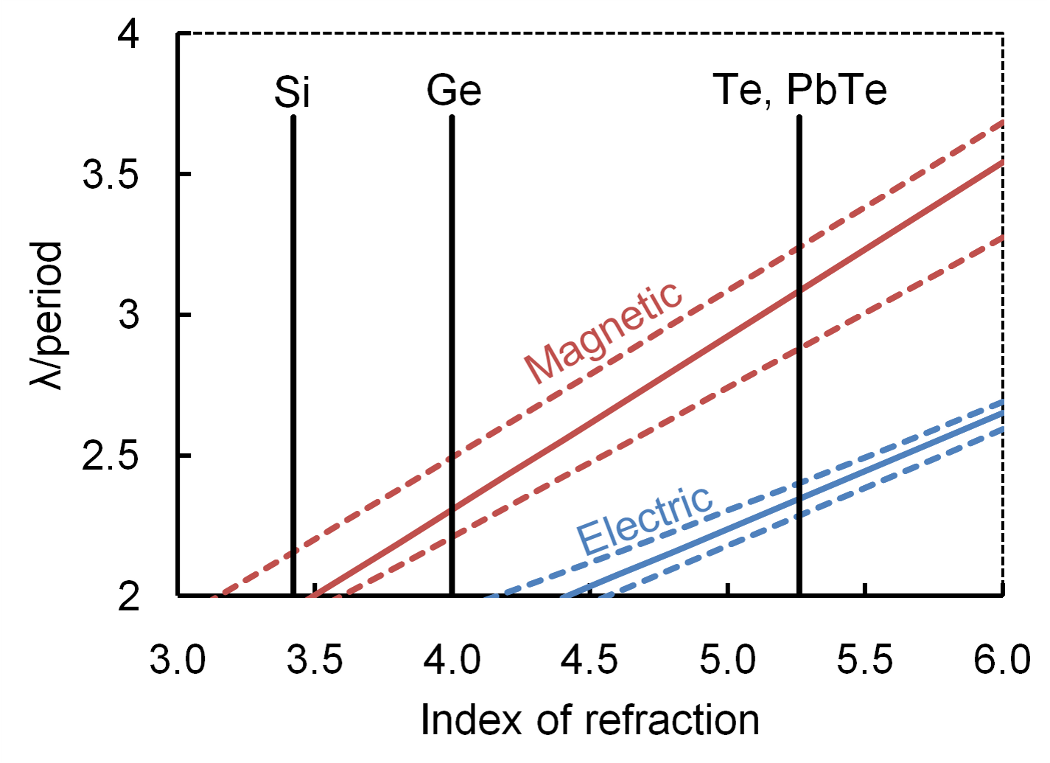
Figure 4: Design metrics outlining resonant behavior across different refractive indices.
The CDR design was also analyzed for spatial dispersion, showing that high refractive indices relative to resonant wavelengths create photonic band-gap modes which complicate effective parameter retrieval. The variations in spatial dispersion were experimentally validated through hemispherical directional reflectometry, aligning measured data with theoretical predictions.
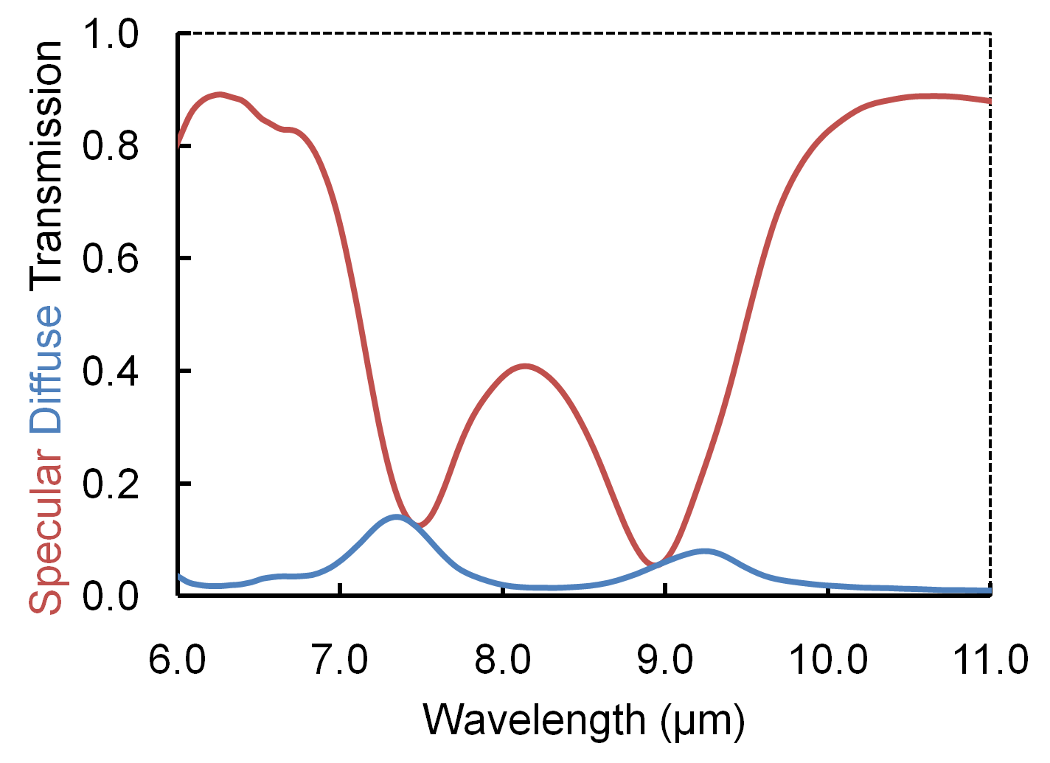
Figure 5: Comparison of specular and diffuse transmission in fabricated CDRs.
Implications and Future Directions
The study provides a foundational approach for crafting dielectric resonator metamaterials operating in the infrared spectrum. By advancing low-loss, isotropic metamaterial devices, the research lays groundwork for potential applications in manipulating light with low angular dependency. These could influence developments in fields requiring precise control over light-matter interactions, including high-resolution imaging systems and novel lens designs.
Conclusion
This work illustrates a critical step in metamaterial development capable of circumventing the limitations posed by metallic resonators at optical frequencies. By demonstrating a low-loss, isotropic dielectric metamaterial, the authors pave the way for potentially transformative applications in optical technologies. The continued exploration of material choices and multi-layer structures could further enhance the range and functionality of infrared metamaterials.