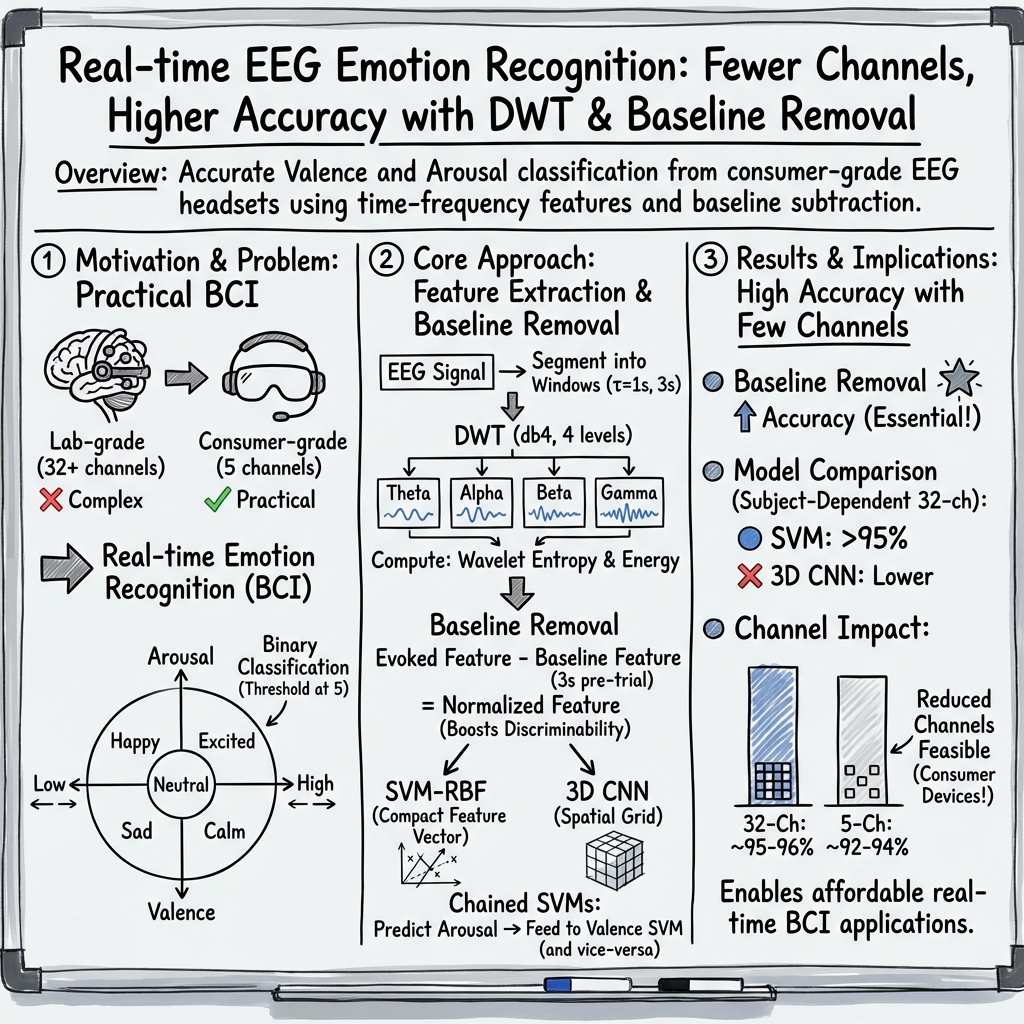
- The paper presents a novel EEG emotion recognition system leveraging discrete wavelet transforms to extract time-frequency features from both full and reduced channel signals.
- It compares traditional 32-channel setups with a practical 5-channel configuration using consumer-grade EEG devices, showing a performance drop of under 4%.
- The study employs SVM and 3D CNN classifiers with baseline removal techniques, reaching over 95% subject-dependent accuracy.
Introduction
Recent advancements in electroencephalogram (EEG)-based emotion recognition have shown promise for both affective computing and psychiatric applications. The study titled "Real-time EEG-based Emotion Recognition using Discrete Wavelet Transforms on Full and Reduced Channel Signals" (2110.05635) introduces novel methods for emotion recognition using consumer-grade EEG devices with limited channels. Traditional setups often depend on extensive channel arrays, such as those found in medical-grade devices, whereas this study explores the viability of reduced, more practical configurations.
EEG Devices and Channel Configurations
This research focuses on a five-channel consumer-grade EEG device, the Emotiv Insight, known for its ease of use and affordability in brain-computer interface (BCI) applications. The study investigates both full 32-channel setups and reduced 5-channel configurations derived from the DEAP database, analyzing their potential in real-time emotion recognition systems.
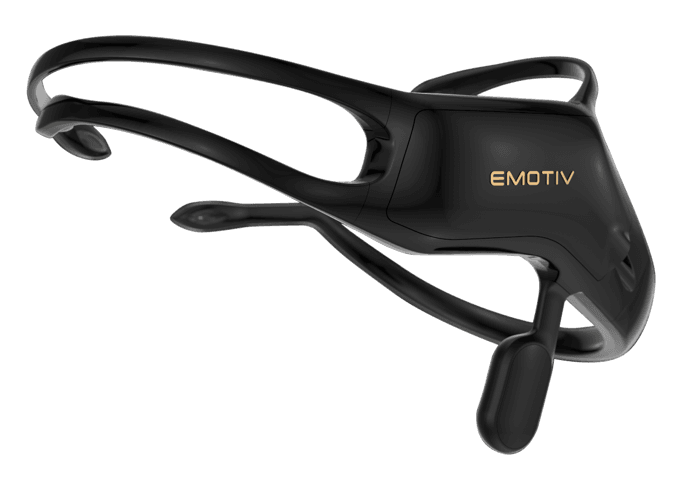
Figure 1: The 5-channel Emotiv Insight EEG Device.
In a foundational part of this research, the authors discuss Russell's Circumplex Model of Affect, which classifies emotional states based on valence and arousal dimensions—key in constructing the emotion recognition framework.
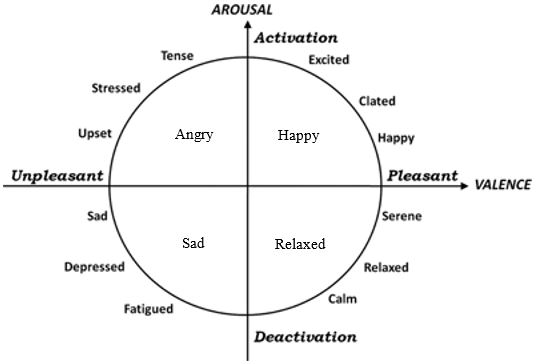
Figure 2: Russell's Circumplex Model of Affect. \cite{Russell1980AAffect
Methodology and Feature Extraction
The authors propose a preprocessing technique utilizing Discrete Wavelet Transforms (DWT) to extract time-frequency domain features from the EEG signals. DWT has been employed to handle nonstationary signals and enhance data representation by capturing both temporal and spectral characteristics.
The EEG data from the DEAP dataset serves a dual purpose as a benchmark for evaluating the efficacy of these features. By applying DWT on various frequency bands (theta, alpha, beta, and gamma), the study aims to achieve emotion recognition with substantial accuracy using baseline removal preprocessing techniques.
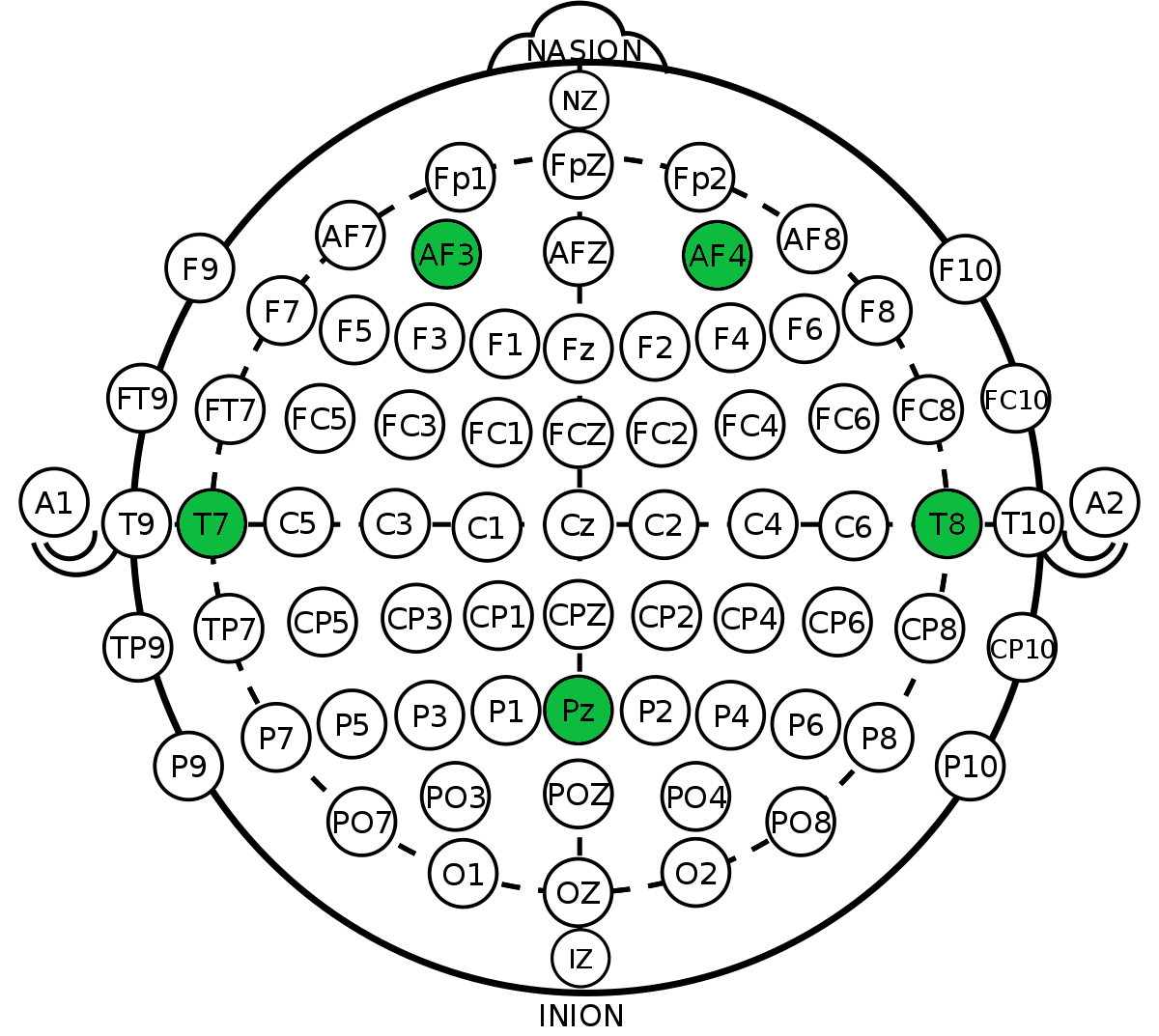
Figure 3: The selected sensors for the reduced 5-channel scenario mapped onto the International 10-20 system.
Classifier Architectures
Two primary models are evaluated: a 3D CNN and an SVM with RBF kernel. The SVM showcased superior performance in most classification tasks, utilizing wavelet entropy and energy as feature inputs. The research also experimented with integrating baseline removal techniques, which significantly improved classification outcomes, particularly in subject-dependent scenarios.
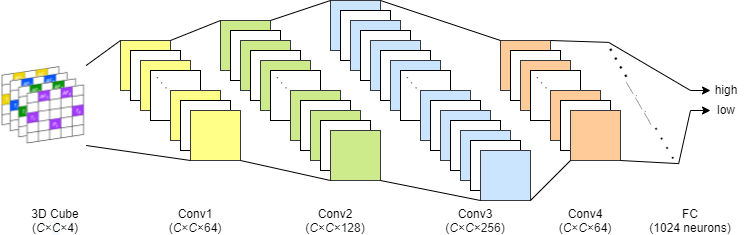 *Figure 4: Continuous Convolutional Neural Network with 3D DWT entropy input. $C \in {5,9*
The study further explores a chained classification approach where valence and arousal predictions are interdependent, leveraging one dimension's outcome to augment the accuracy of the other.
Results and Analysis
The study reports notable accuracy rates exceeding 95% in subject-dependent contexts for both full and reduced channel setups, demonstrating the effectiveness of baseline removal preprocessing. Furthermore, the loss of accuracy when transitioning from 32-channel to 5-channel configurations remains under 4%, reinforcing the potential of low-channel devices for practical applications.
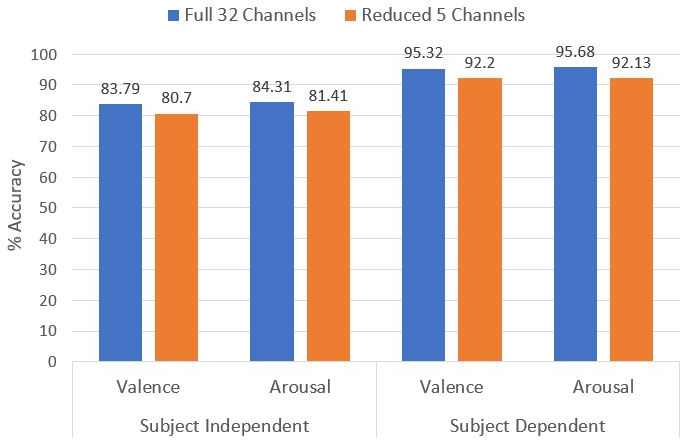
Figure 5: Comparison of the best accuracy for Valence and Arousal. These were all achieved by the proposed SVM model.
Discussion
This research underlines the feasibility of using low-channel, consumer-grade EEG devices for emotion recognition tasks, particularly when coupled with advanced signal processing techniques such as DWT. The implications for BCI systems are vast, potentially transforming both entertainment and therapeutic domains with real-time, emotion-adaptive interactions.
The authors suggest future validation on diverse datasets and consumer experiments, considering further expansion into dimensional space through additional emotion features and more sophisticated preprocessing approaches.
Conclusions
In conclusion, this paper advances the capability of real-time EEG-based emotion recognition using reduced channel setups without significant sacrifice in accuracy. The findings present promising prospects for the deployment of affordable, practical emotion recognition systems in everyday applications, pioneering diverse innovations in affective computing and mental health diagnostics.