- The paper introduces the BDL system, a cost-effective IoT framework leveraging Raspberry Pi nodes for indoor sensing.
- The system architecture employs modular sensor nodes that facilitate rapid installation and secure data transfer over HTTPS.
- Field tests in affordable housing highlight BDL's scalability and flexibility for comprehensive indoor environmental monitoring.
A Cost-Effective, Scalable, and Portable IoT Data Infrastructure for Indoor Environment Sensing
Introduction to the BDL System
The paper introduces the Building Data Lite (BDL) system, an innovative approach to indoor environmental sensing using Internet of Things (IoT) technology. The BDL system is designed to address four primary challenges prevalent in building monitoring systems: high cost, installation difficulties, data interoperability, and system scalability. By leveraging Raspberry Pi computers and a diverse array of sensor modules, BDL aims to offer a comprehensive, distributed, and affordable solution to indoor environmental data collection.
System Architecture and Deployment
The BDL system architecture is centered around a network of modular sensing nodes interconnected with a central server. Each sensing node comprises a Raspberry Pi connected to an array of sensors capable of capturing diverse environmental parameters, such as temperature, humidity, motion, and various gas concentrations. These nodes communicate with a centralized server that aggregates data into a cohesive database accessed via a web-based GUI.
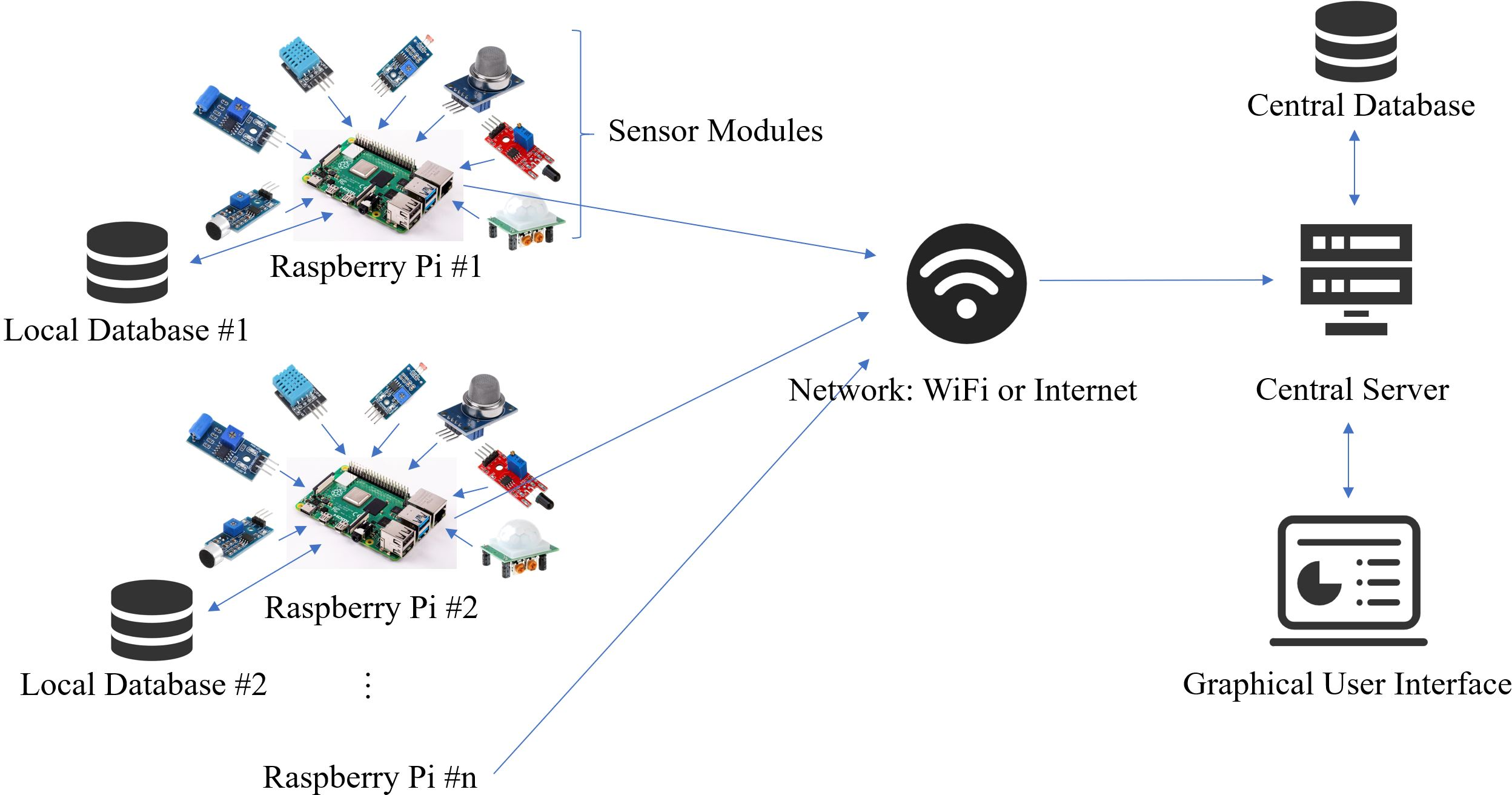
Figure 1: The BDL system architecture.
An example deployment highlights the flexibility and portability of BDL, where nodes are easily scalable and configurable to different environments without extensive engineering or installation disruptions. This is achieved through the system's reliance on wireless connectivity and minimal physical infrastructure requirements.
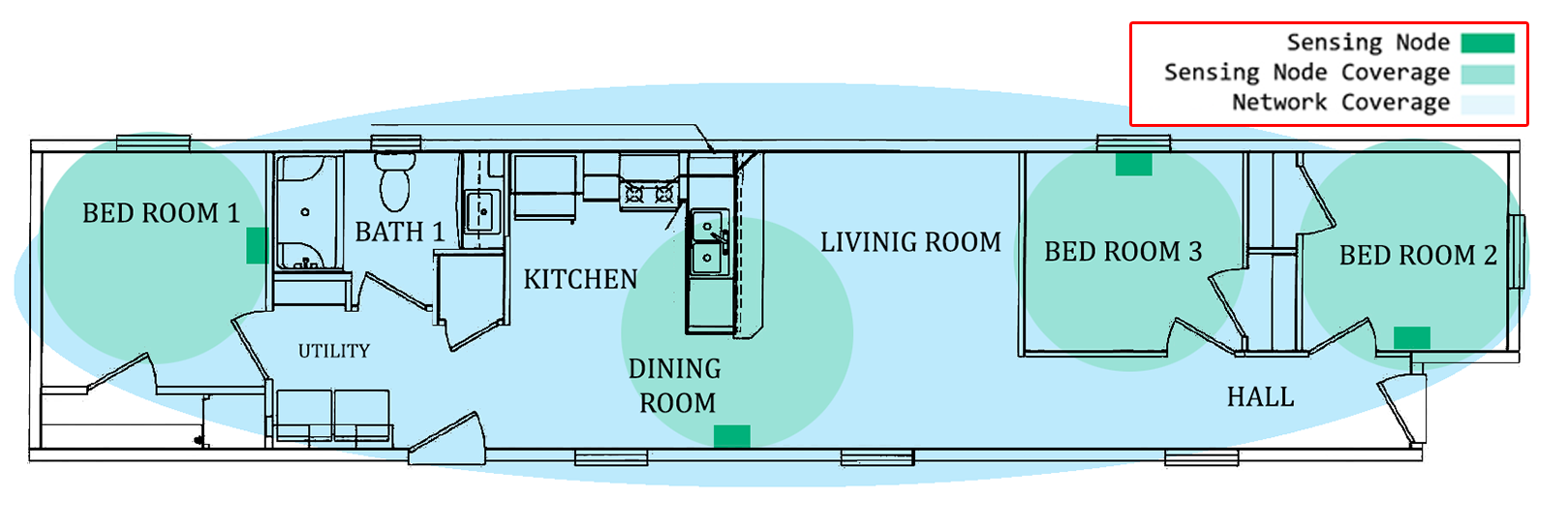
Figure 2: An example of BDL deployment.
Technical Design and Implementation
Central Server and Database Configuration
The central server in BDL operates using open-source platforms such as MariaDB and MySQL for database management. Data is synchronized between sensing nodes and the central database using file-based transfer protocols over HTTPS, ensuring secure and efficient data transfer. The server's design accommodates dynamic growth, allowing new sensor modules and nodes to be integrated effortlessly.
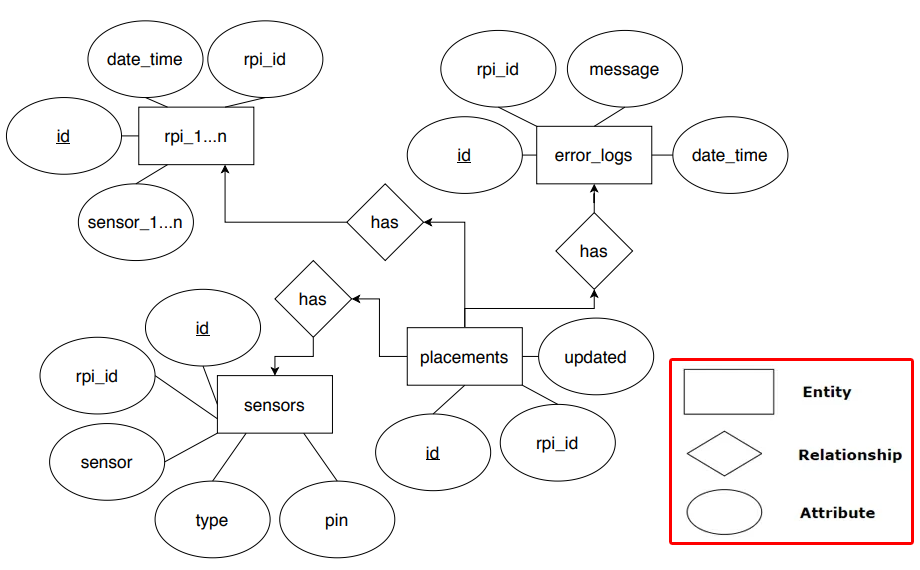
Figure 3: Entity relationship diagram of the central database.
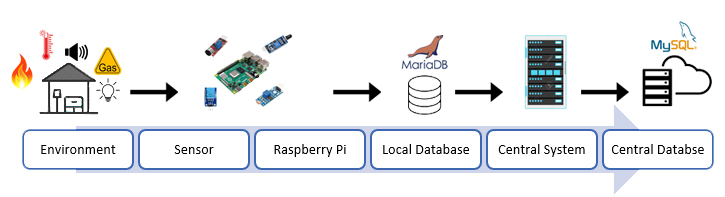
Figure 4: Data flow in the BDL system.
Sensing Node Configuration
A key feature of the BDL system is its adaptability to integrate various sensor types. BDL supports digital inputs directly via GPIO pins and utilizes ADC for analog signals, allowing seamless inclusion of a broad spectrum of sensors. The system's software incorporates Python scripts for data collection, with regular updates to enhance functionality and sensor compatibility.
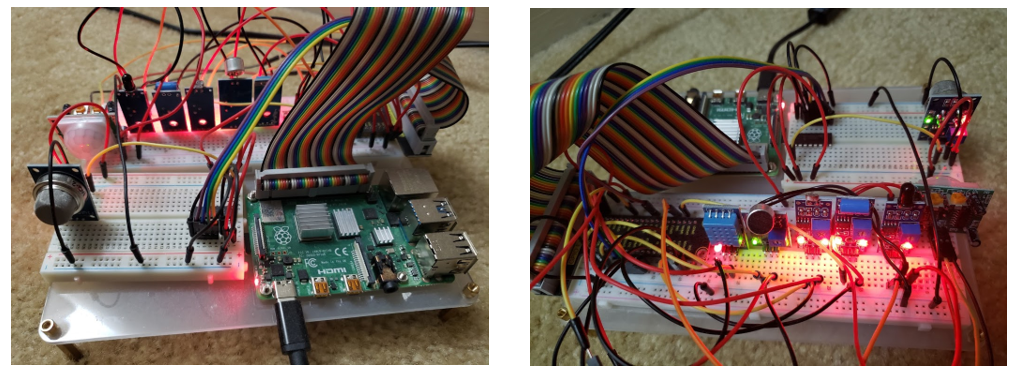
Figure 5: Sensing node prototype version 1.
In a case study conducted within an affordable housing community, the BDL system demonstrated effective deployment across multiple households. A total of 48 nodes were used to continuously collect diverse environmental data over several months, showcasing the system's robustness and utility in real-world conditions.
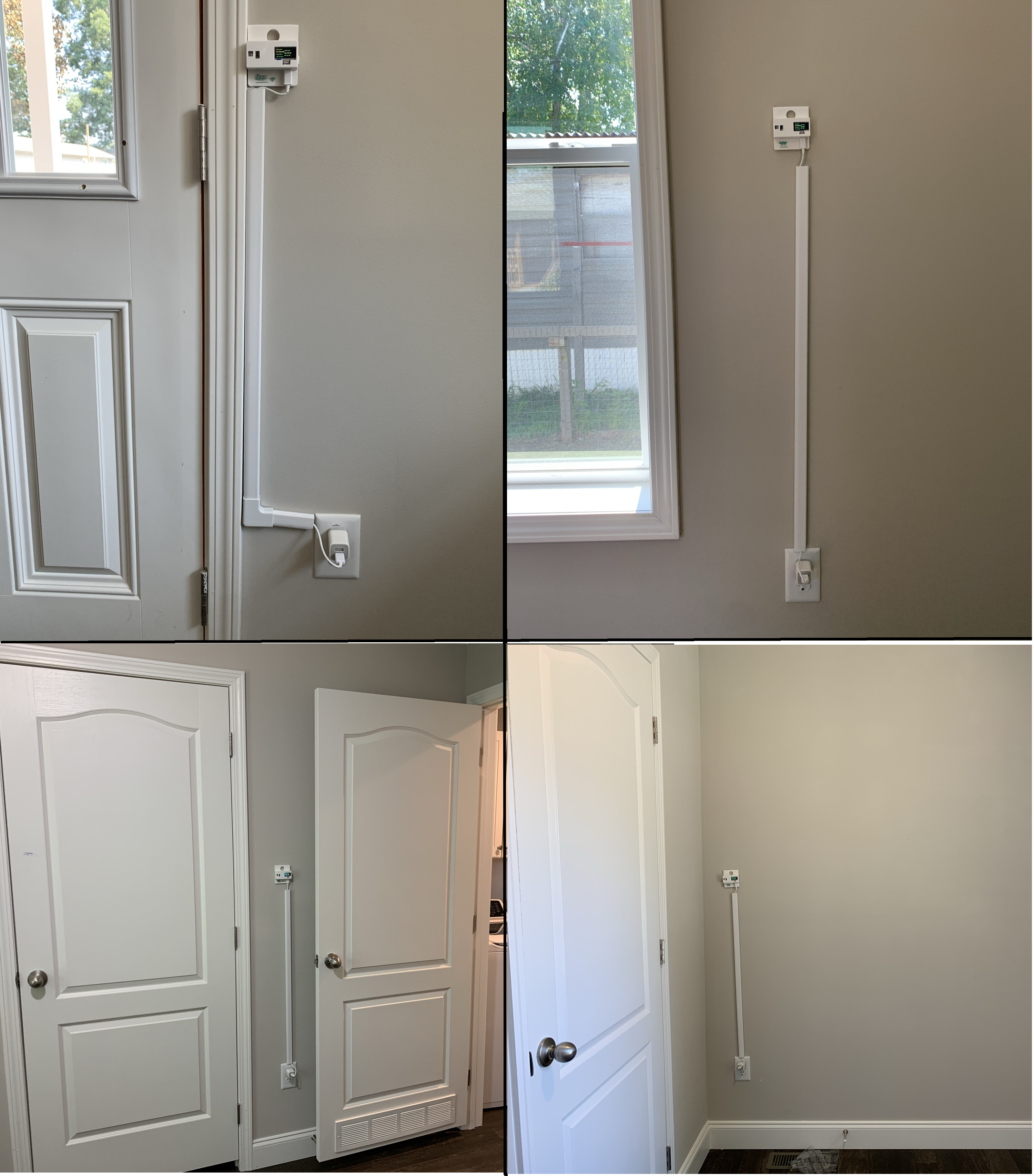
Figure 6: Image a deployed sensing node.
Discussion: Challenges and Future Directions
While BDL provides an innovative solution to indoor environment sensing, challenges such as sensor calibration and system compatibility need addressing. Future iterations will focus on enhancing sensor accuracy and expanding the system's capabilities through integration with other smart building technologies.
Conclusion
The BDL system represents a significant advancement in IoT-based indoor environment monitoring, offering a cost-effective, scalable, and portable solution. Its deployment capabilities and modular design make it suitable for diverse applications, including facility management, smart building innovations, and academic research. The paper underscores the potential of BDL in facilitating smart infrastructure development and enhancing the living conditions within built environments.
These findings contribute a solid foundation for future advancements in IoT-enabled environmental sensing systems, with implications for a wide array of applications in smart building technologies.