- The paper proposes a targeted hardening framework that uses fragility curves and Monte Carlo simulations to address network failures during seismic events.
- It introduces a comprehensive resilience index R(t) and related indices to measure load loss, degradation, and unsupplied energy during earthquakes.
- A case study on the IEEE 33-bus test feeder validates that Strategy S6 optimally balances hardware reinforcement costs with enhanced supply of essential loads.
Targeted Hardening Framework for Electric Distribution Resilience Against Earthquakes
Introduction
The paper "Targeted Hardening of Electric Distribution System for Enhanced Resilience against Earthquakes" (2111.00080) addresses the pressing issue of safeguarding electric distribution networks from natural disasters, with a specific focus on earthquakes. The framework proposed in the paper seeks to enhance the resilience of power distribution systems by employing hardware hardening strategies, considering the fragility of network equipment expressed through fragility curves and using Monte Carlo simulations to determine failure scenarios. The ultimate goal is to maintain the supply to essential loads before, during, and after catastrophic events.
Methodology
Resilience Evaluation
The paper introduces a comprehensive system performance index, R(t), which quantifies the resilience of a distribution network by evaluating the proportion of essential loads supplied during various phases of an earthquake event. It introduces three specific indices: normalized vulnerability index (ζV), degradation index (ζD), and the normalized unsupplied energy index (ζE). These indices provide a differentiated view of resilience in terms of load loss, degradation severity, and unmet energy needs.
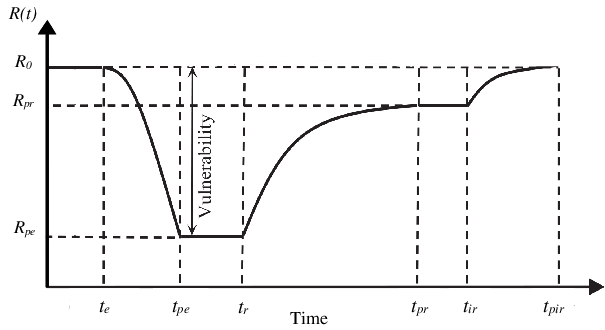
Figure 1: A generic network resilience curve associated with an event.
Hardening Strategies and Decision Framework
The framework is divided into several phases, beginning with the collection of network data necessary for assessing resilience and planning targeted interventions. The subsequent modeling phase involves computing failure probabilities using fragility curves and Monte Carlo algorithms to simulate earthquake-induced network scenarios.
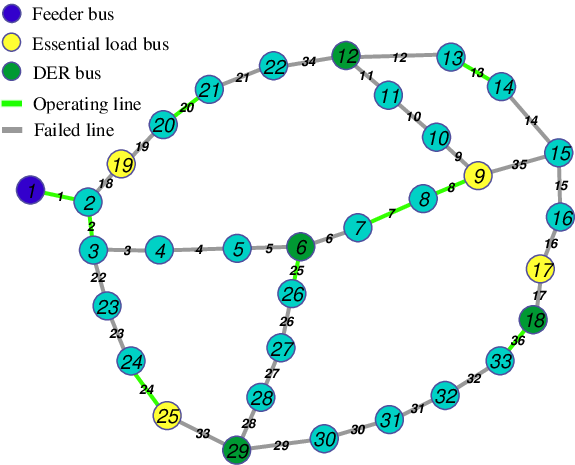
Figure 2: Network graph in one Monte Carlo iteration without hardening.
A pathfinding algorithm, like Dijkstra's, is used to establish optimized hardening strategies across the network, focusing on the critical lines that would ensure essential load supply during network failures. Each strategy is analyzed through a cost-benefit perspective, balancing hardware reinforcement costs against the economic benefits of maintained service continuity.
Case Study
The effectiveness of the framework was validated on the IEEE 33-bus test feeder, mirroring the conditions similar to the 2010 Haiti earthquake. With specified budget constraints and load priorities, several hardening strategies were determined and ranked by their cost-efficiency and impact on resilience improvement.
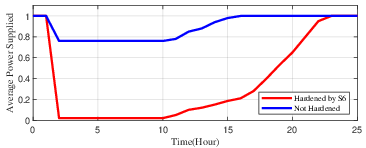
Figure 3: Network resilience Curve before hardening and hardened by S6.
The study highlighted Strategy S6 as optimal, achieving resilience targets while supplying all essential loads during degraded states of the network. This strategy notably improved resilience indices and economic benefits, showcasing the substantial energy savings and reduced vulnerability through timely recovery actions.
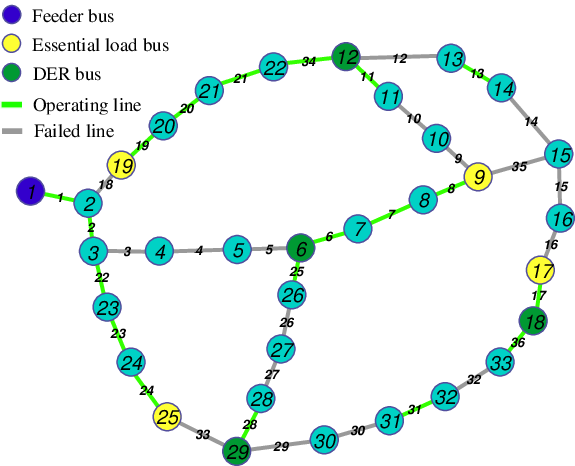
Figure 4: Network graph after adopting S6 in one Monte Carlo iteration.
Conclusion
The paper presents a novel targeted hardening framework addressing electric distribution network resilience against earthquakes. Through detailed indices for performance evaluation and strategic optimization, the methodology enhances the ability of networks to withstand and recover from seismic events. This approach provides actionable insights for planners and engineers to strengthen distribution systems with decisive pre-event actions, minimizing potential losses and ensuring the robustness of power supply to critical loads. Future developments could extend this framework's application across various types of natural disasters, further optimizing resilience strategies in diverse infrastructural contexts.