- The paper introduces an influence-susceptibility algorithm to quantify individual behavioral traits beyond traditional network centrality in social media.
- It reveals that influence and susceptibility are largely independent of centrality metrics, offering improved prediction of information superspreaders.
- Empirical validations on Twitter and Weibo demonstrate that integrating behavioral traits surpasses traditional models in forecasting viral diffusion.
The paper "Beyond network centrality: Individual-level behavioral traits for predicting information superspreaders in social media" explores a nuanced perspective on identifying individuals capable of spreading information widely in social networks. Traditional approaches have predominantly emphasized the importance of network centrality in identifying key influencers. This research, however, introduces and validates an alternative framework focused on individual behavioral traits such as influence and susceptibility.
Introduction and Theoretical Foundation
In the context of social media, information spread is not solely governed by the network position (i.e., centrality) of individuals. This study posits that individual-level behavioral traits—specifically, the influence and susceptibility of users—play a critical and perhaps superior role in determining superspreaders. Influential individuals effectively propagate information, while susceptible individuals are more likely to adopt new information.
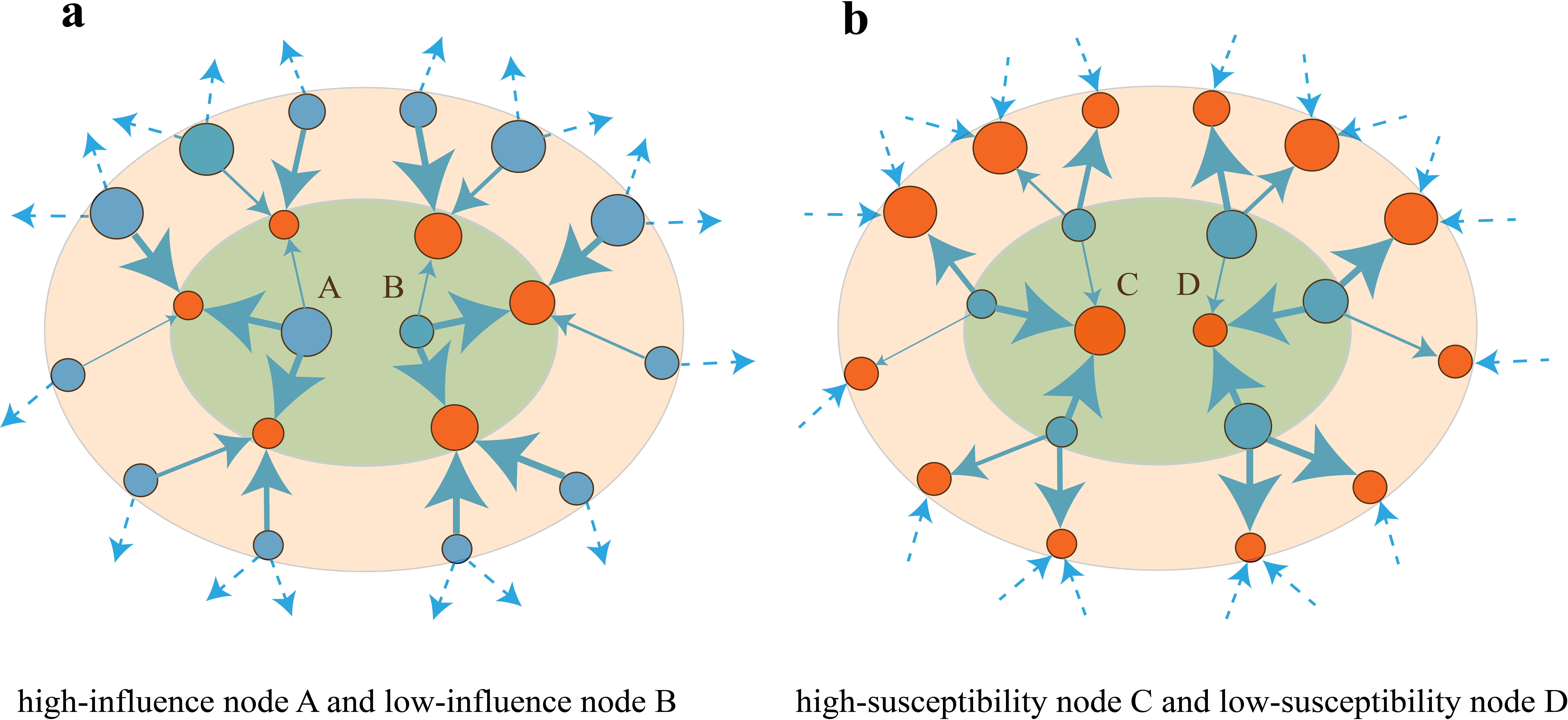
Figure 1: Quantifying individual influence and susceptibility from observational data.
Methodology: Influence-Susceptibility Algorithm
The authors have developed an influence-susceptibility (IS) algorithm to quantify these behavioral traits from empirical data. The algorithm leverages nonlinear equations to compute the influence and susceptibility scores of individuals based on observed diffusion events. Through iterative methods, the algorithm learns these scores by considering both the frequency of information spread and the network's structural properties.
The algorithm's robustness was tested against synthetic datasets, successfully recovering latent influence and susceptibility, even when data was incomplete, and validated against empirical data from platforms like Twitter and Weibo.
Empirical Analysis and Findings
Correlation and Assortativity
The application of this algorithm on large-scale datasets from Twitter and Weibo revealed intriguing patterns:
- Influence and susceptibility are largely independent of network centrality metrics.
- Empirical correlations show that network centrality and individual-level traits such as influence and susceptibility do not reliably predict each other (Figure 2).
- Assortativity analysis reveals that influence and susceptibility exhibit complex dependencies with social network properties (Figure 3).
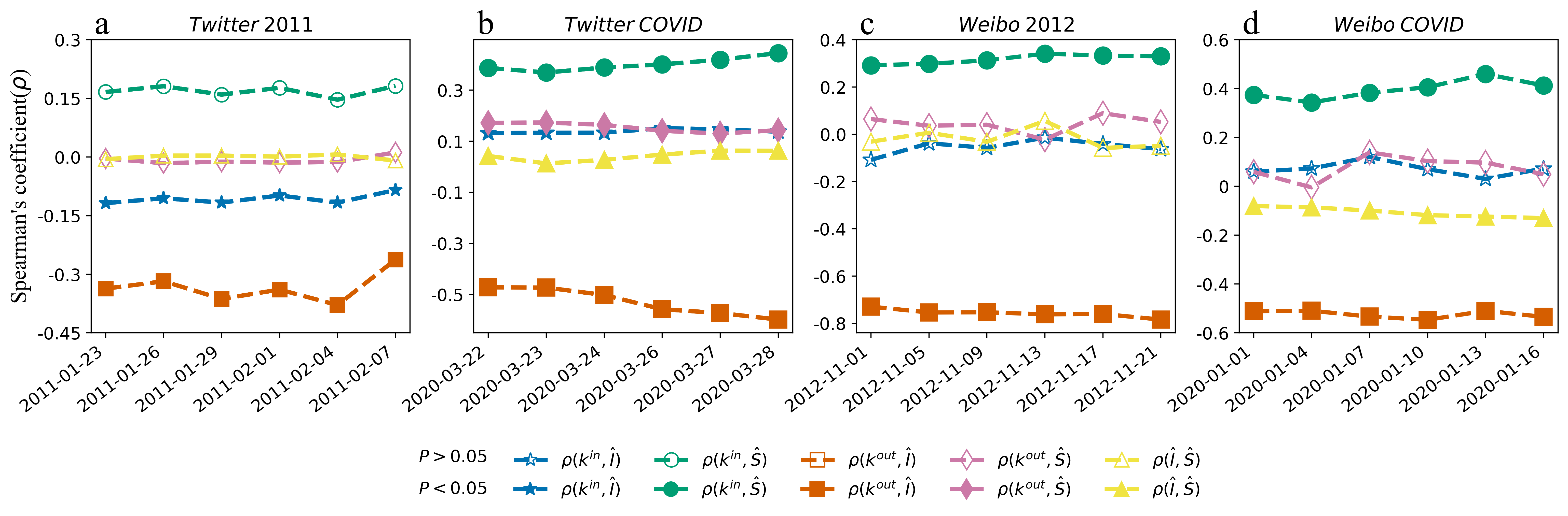
Figure 2: Empirical correlations between individual-level properties.
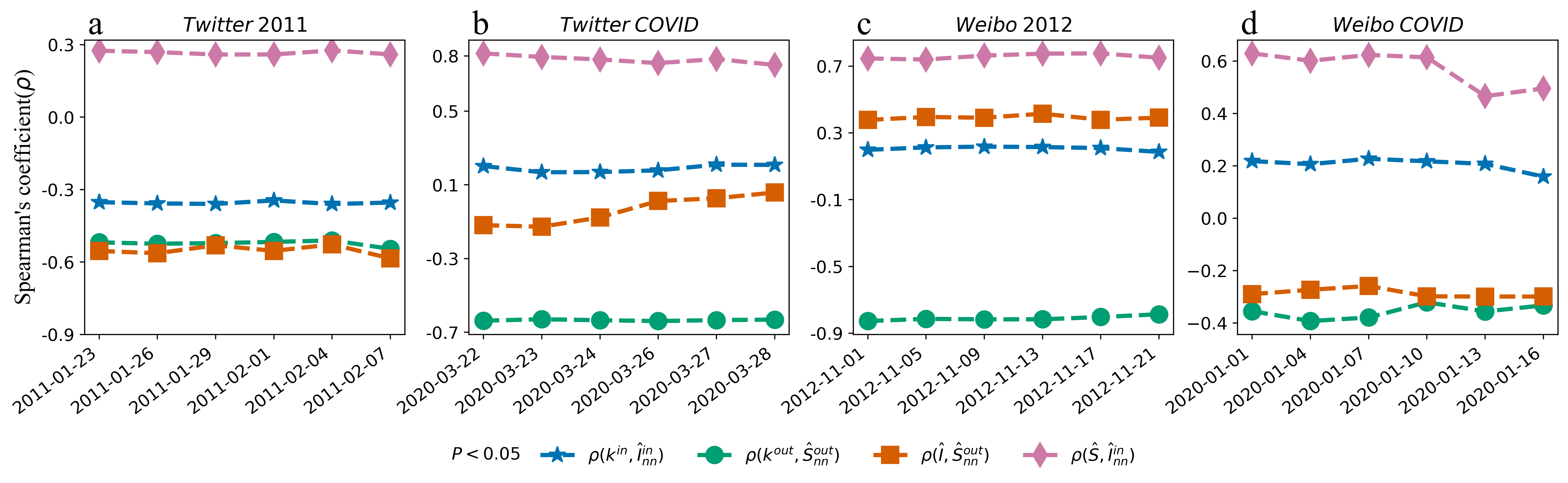
Figure 3: Empirical assortativity properties between degree, influence, and susceptibility.
Superspreader Prediction
The core contribution of this work lies in its predictive capability regarding superspreaders. By employing machine learning approaches using the IS scores as features, the model consistently outperformed traditional network-centrality-based models in forecasting future superspreaders. The integration of these individual-level traits not only improved prediction accuracy but also provided novel insights into the structural positions of influential users (Figure 4).
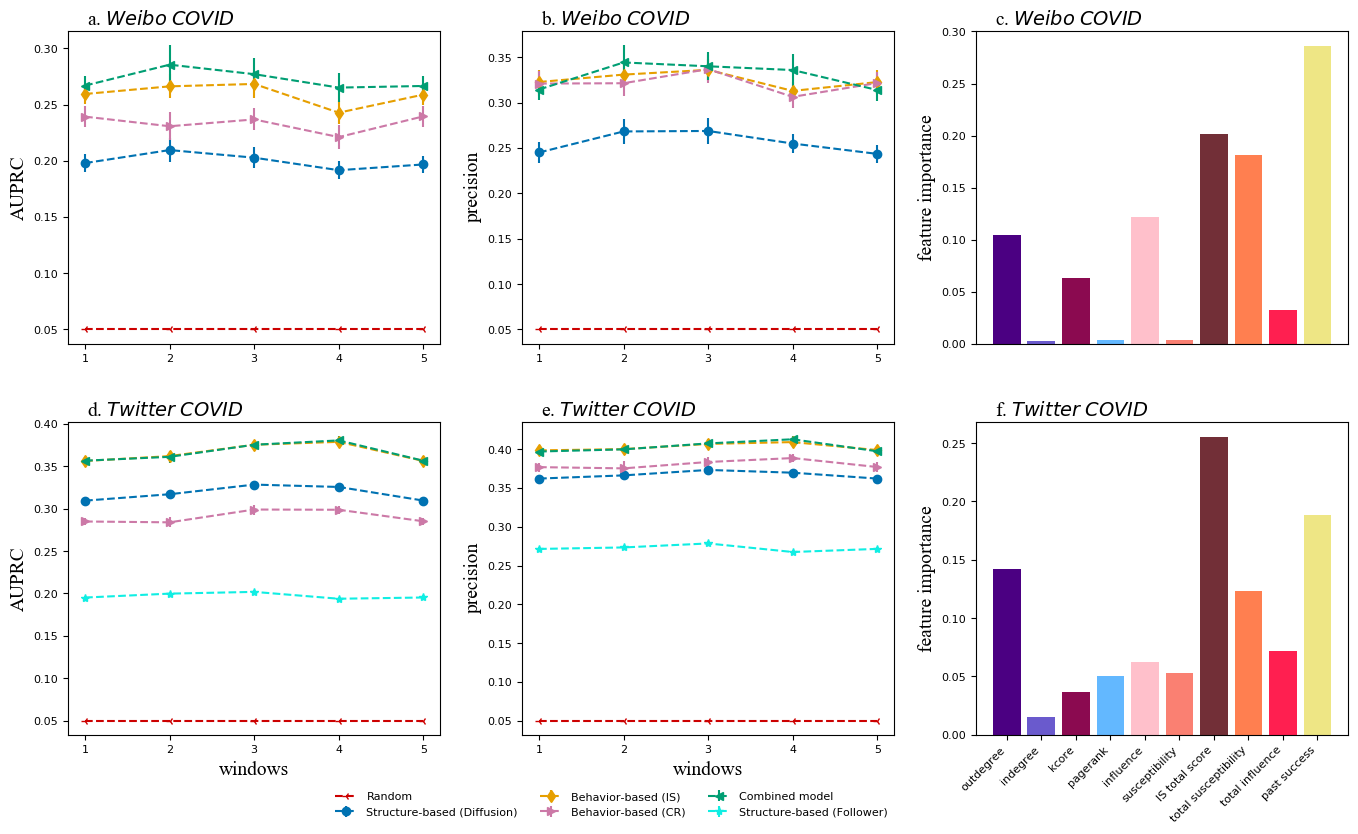
Figure 4: Predicting superspreaders.
Conclusion
This research underscores the significance of individual-level behavioral traits in predicting information superspreaders, challenging the conventional emphasis on network centrality. The influence-susceptibility algorithm offers a robust framework for understanding and modeling information diffusion dynamics. These findings suggest a paradigm shift in network analysis, advocating for the integration of behavioral insights into social media strategies and interventions.
The implications extend beyond online social interactions, potentially informing the design of campaigns for behavioral change, misinformation control, and marketing. Future research may explore the applicability of these insights in diverse contexts and examine the role of these traits in other forms of diffusion, such as epidemiological spread.