- The paper introduces a novel framework—UniComm and UniLight—that enhances inter-agent communication to optimize traffic signal control.
- It employs selective transmission of critical vehicle flow data to reduce nonstationarity challenges and simplify the learning process.
- Empirical evaluations on real-world datasets show significant reductions in average travel and wait times, demonstrating the framework’s scalable performance.
Overview of Traffic Signal Control Using Multi-Agent Reinforcement Learning with Universal Communications
This essay provides a detailed examination of the research presented in the paper, "Multi-Agent Reinforcement Learning for Traffic Signal Control through Universal Communication Method" (2204.12190). The paper introduces a novel framework for optimizing traffic signal control using Multi-Agent Reinforcement Learning (MARL), which benefits from a streamlined communication method—termed UniComm—between traffic signal agents across multiple intersections. It also introduces a new controlling algorithm, UniLight, which complements UniComm.
Problem Statement and Challenges
The control of traffic signals at multiple intersections is inherently a complex problem, cast into the domain of MARL due to its decentralized nature. Central to this complexity is the stability of the learning environment given that multiple agents are simultaneously adjusting their policies—a classic demonstration of nonstationarity which exacerbates the curse of dimensionality inherent in large-scale automation problems like traffic management.
Existing approaches frequently suffer from inadequate coordination between intersections, often relying on simplistic heuristic communications that fail to dynamically consider the actual impact of vehicle flows between intersections. Key challenges also include the need for predictive communication mechanisms that can adapt to fluctuating traffic volumes across multiple intersections without causing convergence issues within learning algorithms.
Methodological Innovations
UniComm
UniComm is proposed to address deficiencies in current communication mechanisms by introducing an efficient method of sharing information between intersections. It focuses on the prediction and transference of critical vehicle flow data—approaching vehicle numbers—using carefully selected observations impacted by phases at neighboring intersections.
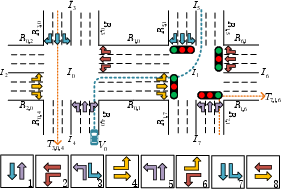
Figure 1: Visualization of two adjacent 4-arm intersections and their corresponding definitions, and 8 phases. Phase #6 is activated in I1. We omit the turn-right traffic movements in all phases as they are always permitted in countries following right-handed driving.
The introduction of UniComm aims to selectively transmit the most salient information, thereby reducing the impact of extraneous data which could hinder learning and stability. This selection process ensures that agents share important vehicle movement predictions, effectively curtailing the dimensionality problem and promoting faster, more stable convergence.
Integrating UniLight
UniLight capitalizes on the efficiencies introduced by UniComm by constructing a network architecture tailored to traffic movement importance. It uses predicted Q-values that derive from UniComm’s communication of traffic movements between intersections, exploiting reinforced observations to inform phase selections at intersection nodes.
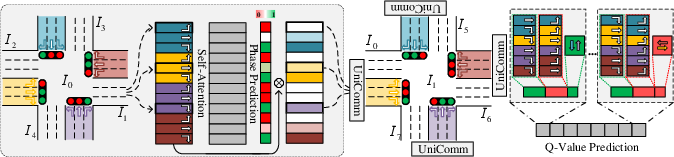
Figure 2: UniComm and UniLight structure.
The phased structure of UniLight benefits from a systematic breakdown of vehicle actions into traffic movement scores, facilitating a more granular prediction of Q-values that optimize traffic signal actions. This innovation means UniLight can outperform many existing traffic signal control methods due to its harmonized relationship with UniComm.
Empirical Evaluation
The paper employs multiple real-world datasets to evaluate and substantiate the performance gains of UniComm and UniLight compared to existing methods. These datasets span different geographic regions and road network complexities, allowing a thorough analysis of the framework's robustness.
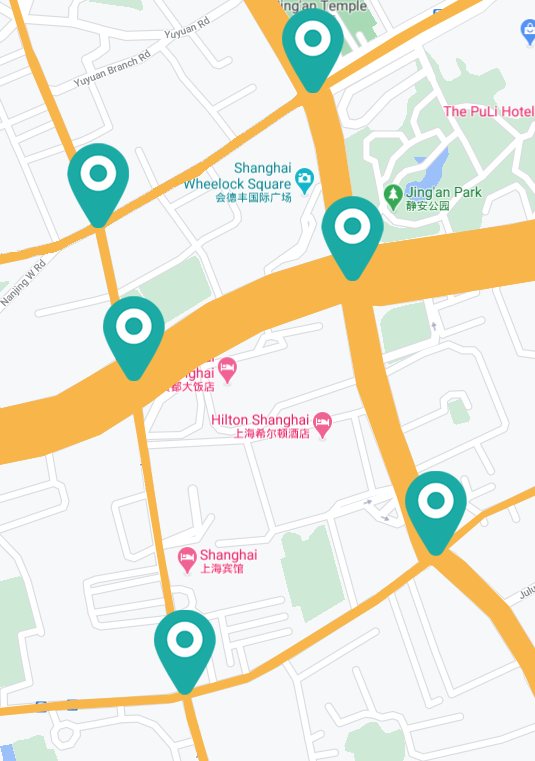
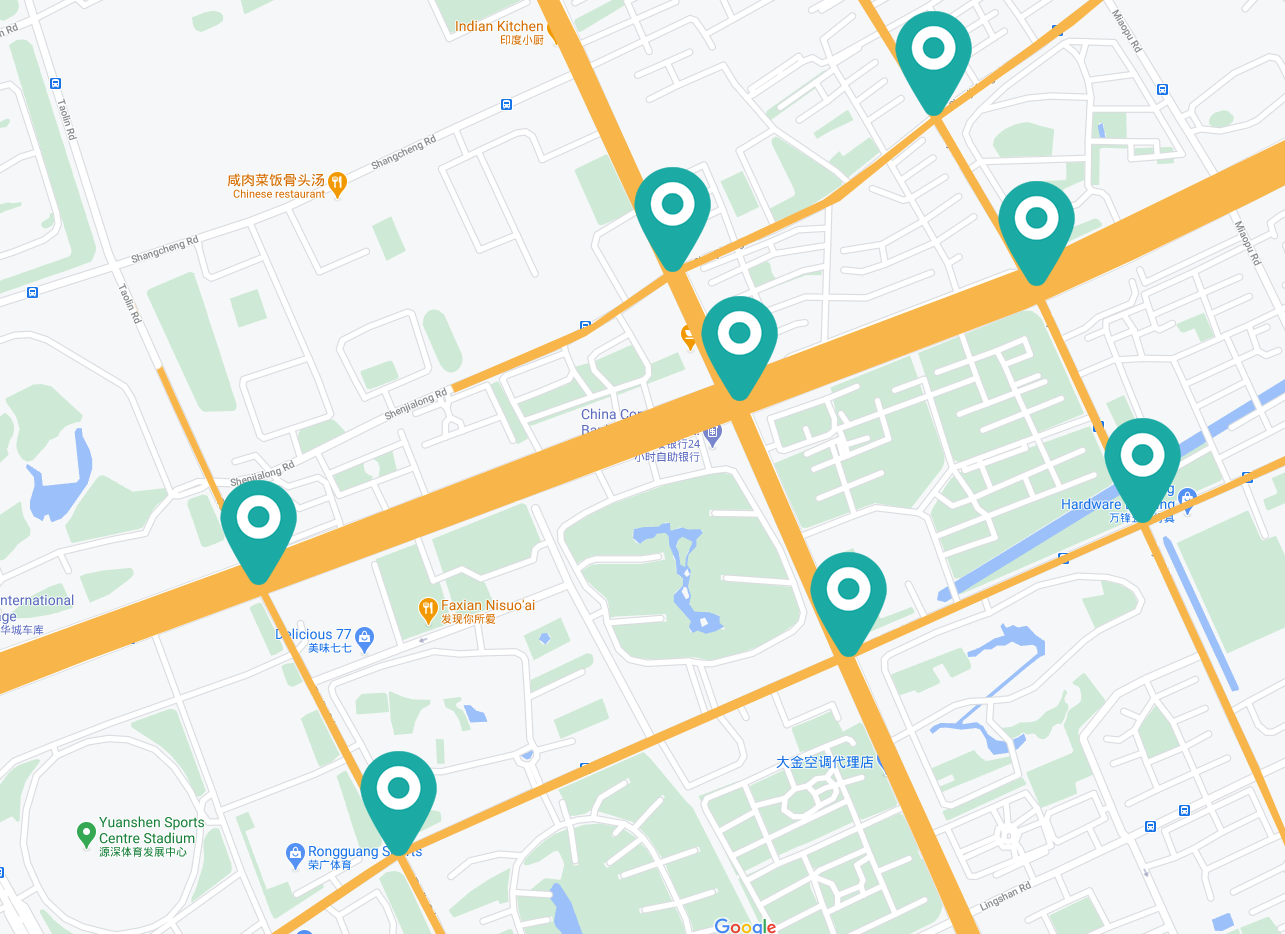
Figure 3: Real road networks of two Shanghai datasets with 6 and 8 intersections respectively. Roads with more lanes are colored with wider lines.
The application of UniComm was shown to universally enhance the performance of existing MARL methods, whilst UniLight consistently delivered superior results in terms of minimizing average travel and wait times across diverse traffic scenarios.
Phase Prediction Analysis
Critically, the paper evaluates the phase prediction elements within UniComm, highlighting the alignment between phase prediction accuracy and subsequent traffic reduction efficiencies. The loss associated with phase prediction targets offers insight into the mathematical robustness behind the model’s prediction capabilities.
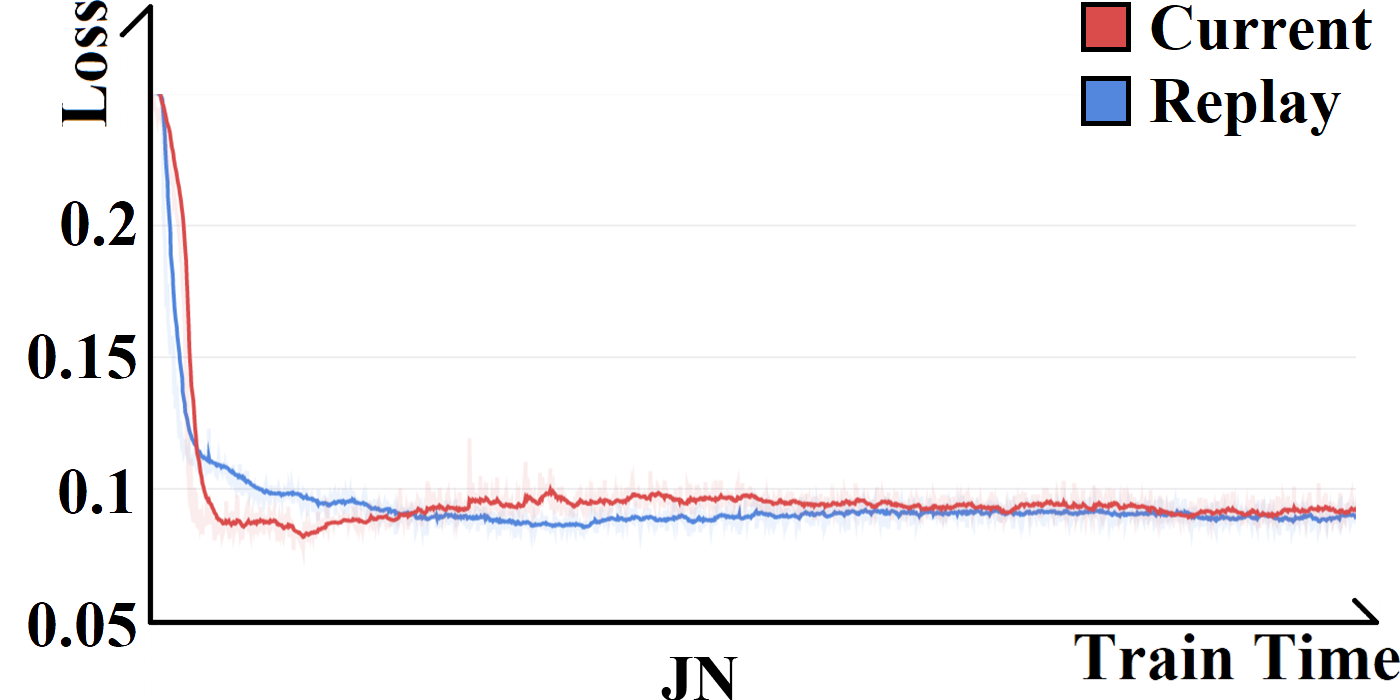
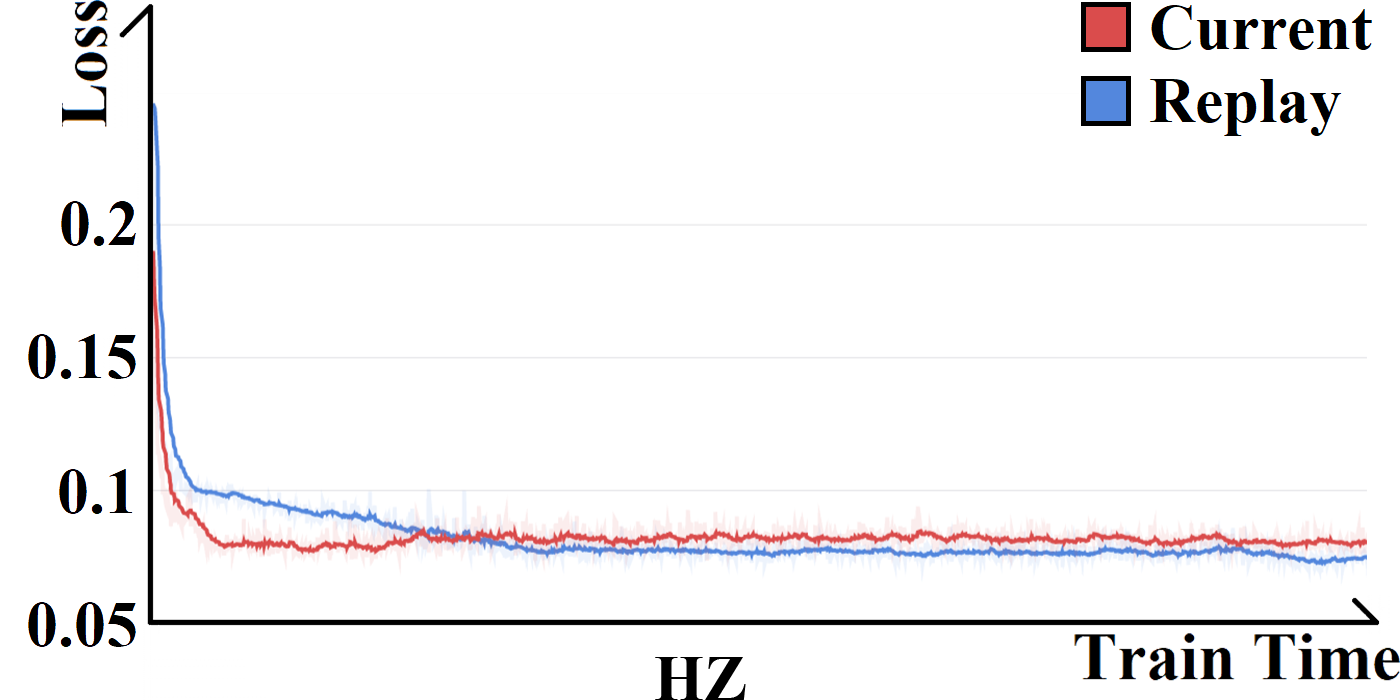
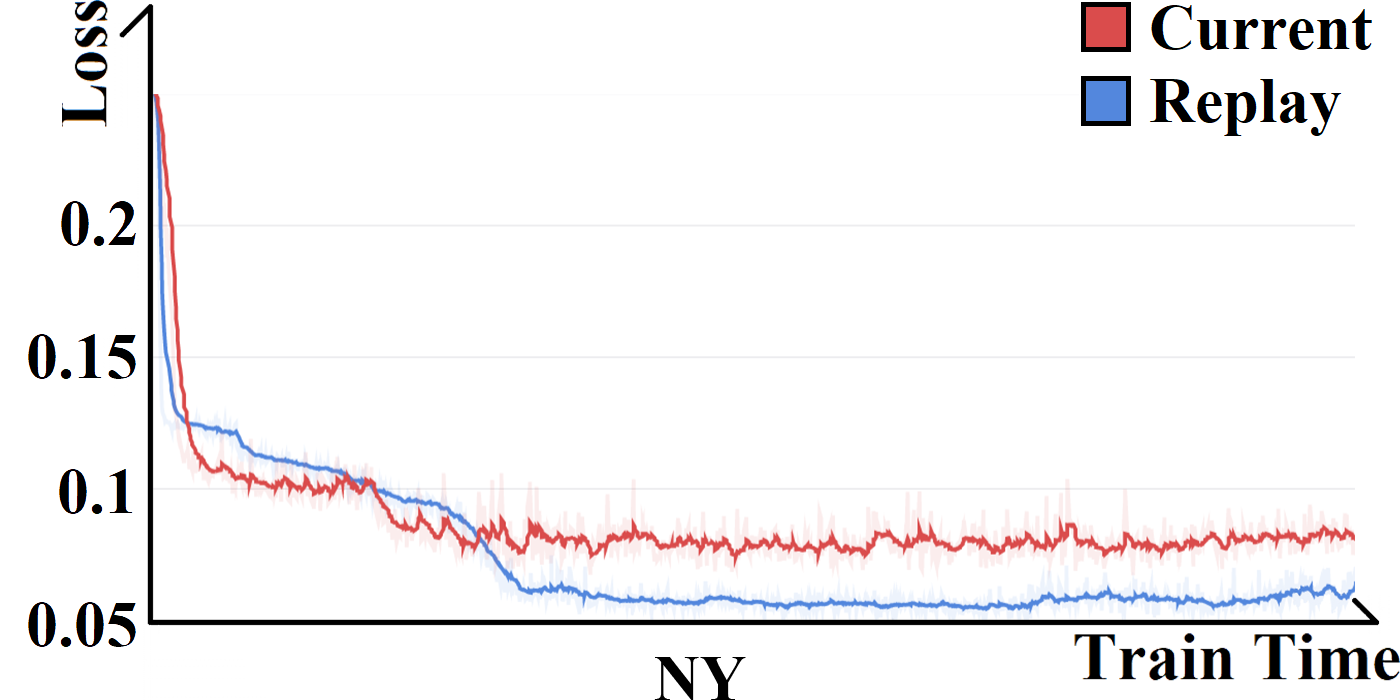
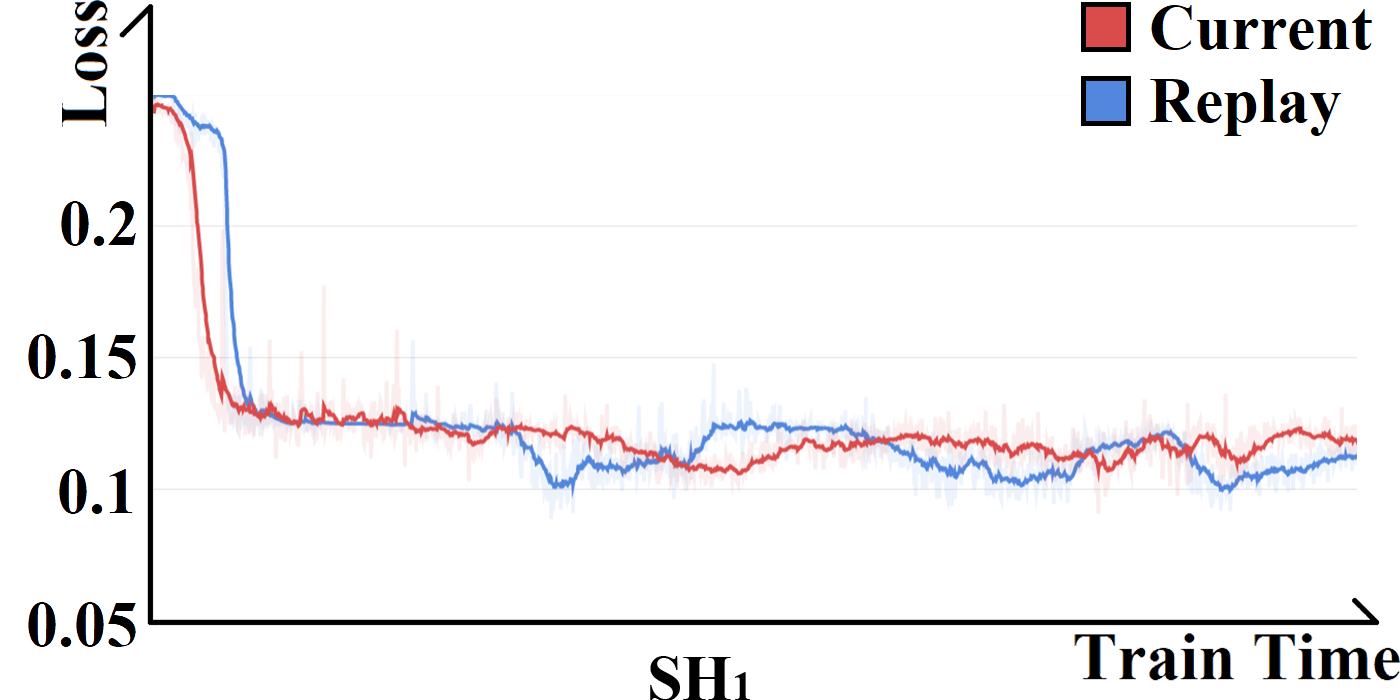
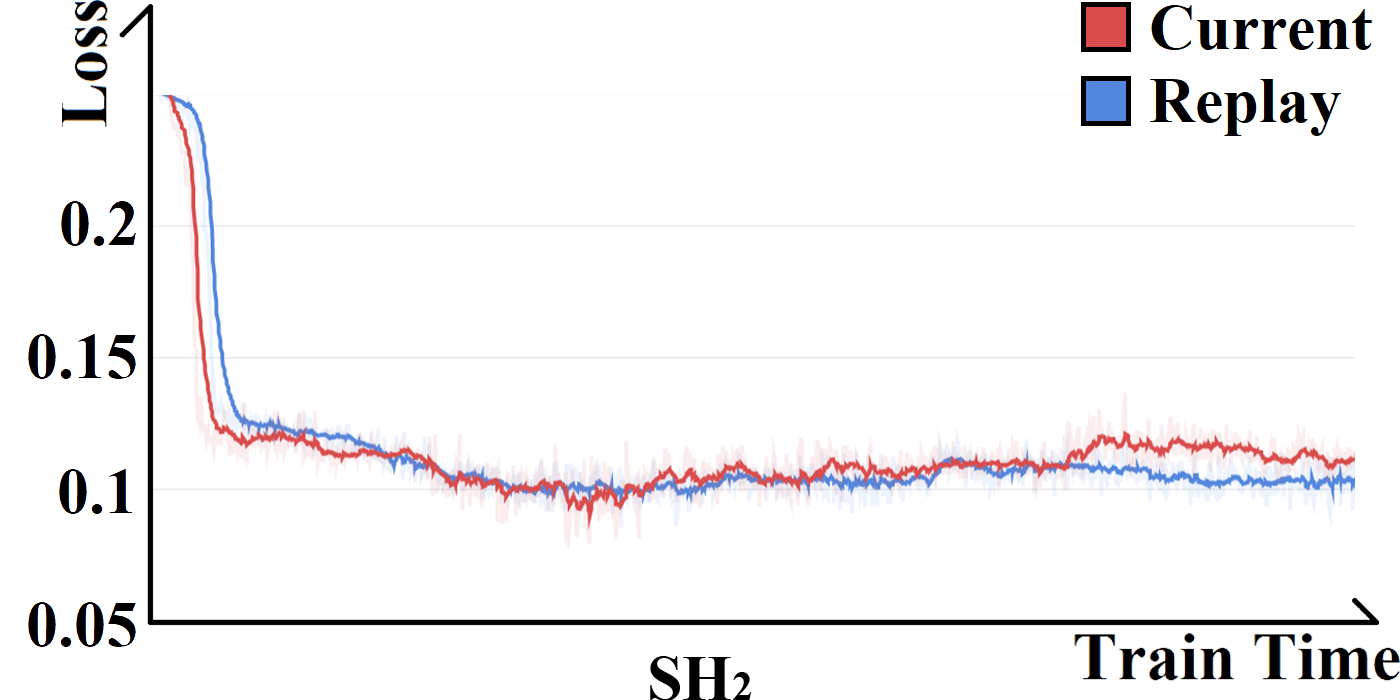
Figure 4: Phase prediction loss of different phase prediction target.
Conclusion and Implications
The study culminates in affirming UniComm's universality as a communication enhancement in MARL for traffic systems, and reinforces the practical efficiency of UniLight as a leading traffic signal control methodology. The implications of this research point towards scalable deployment options for advanced traffic management systems, potentially upping the integration of AI methodologies in smart city contexts.
UniComm promotes future developments in AI-driven coordination for decentralized control systems, advocating a movement towards more intelligent infrastructure management. Embracing scalable, adaptive communication protocols like UniComm will undoubtedly necessitate further exploration into not only traffic management but other areas rich in interconnected automation challenges.