- The paper introduces a novel piecewise convexification method to efficiently approximate the global solution set of box-constrained non-convex problems.
- It leverages strategic subdivision and convex relaxation to focus computational efforts on uncertain regions, reducing iterations and CPU time.
- Numerical experiments demonstrate its robustness in identifying multiple global optima compared to traditional αBB approaches.
A Modification Piecewise Convexification Method for Box-Constrained Non-Convex Optimization Programs
Introduction
This paper introduces a novel piecewise convexification method to approximate the optimal solution set of non-convex optimization problems subject to box constraints. Non-convex optimization poses significant challenges in machine learning and various scientific fields due to the complexity of finding all possible global solutions. The proposed approach is inspired by existing αBB methods and offers a strategic improvement by integrating a box classification strategy. This approach is designed to enhance computational efficiency and solution quality by selectively dividing sub-boxes based on their convexity properties.
Methodology
The methodology centers around the piecewise convexification approach, leveraging the αBB method to create lower bounding convex sub-problems. The process involves subdividing the original box-constrained problem space into smaller sub-boxes and applying convex relaxation to these sub-problems. This strategic subdivision focuses on those sub-boxes where the function is not provably convex, thereby circumventing unnecessary computations on already convex regions. Sub-boxes are classified into two types: those where the function is convex and those where convexity is uncertain, guiding further subdivisions.
Piecewise Convexification Process:
- Subdivision and Classification: The initial box is divided into sub-boxes. Sub-boxes are classified based on convexity determined via a relaxation parameter α.
- Relaxation and Approximation: Convex relaxation is applied to non-convex sub-boxes, generating a piecewise convex problem.
- Solution Set Construction: Solution sets for the piecewise convex problems are constructed by aggregating solutions from convex and non-convex regions, ensuring comprehensive approximation of the global solution set.
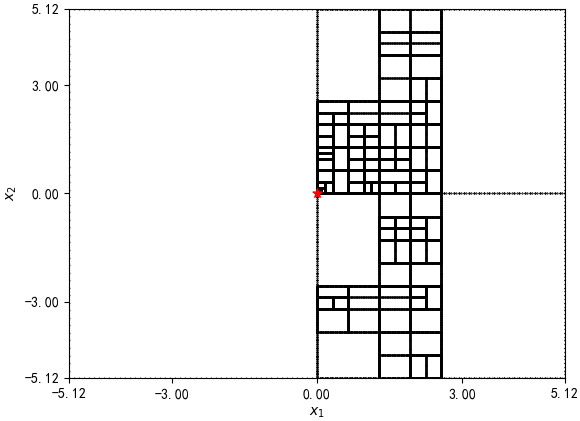
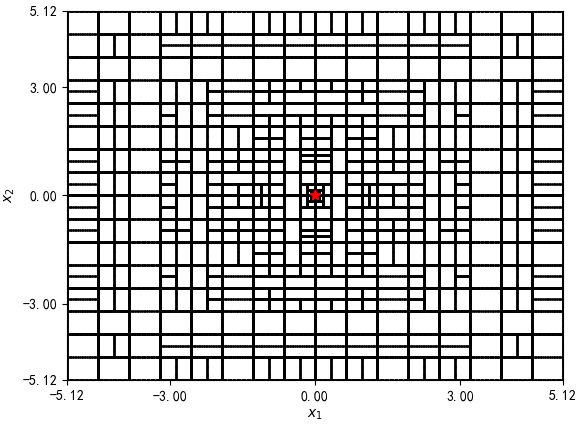
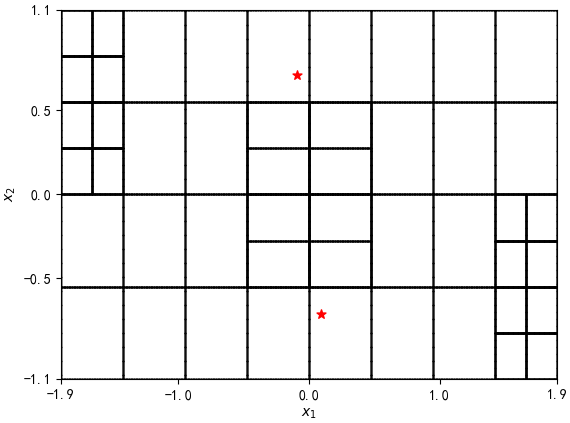
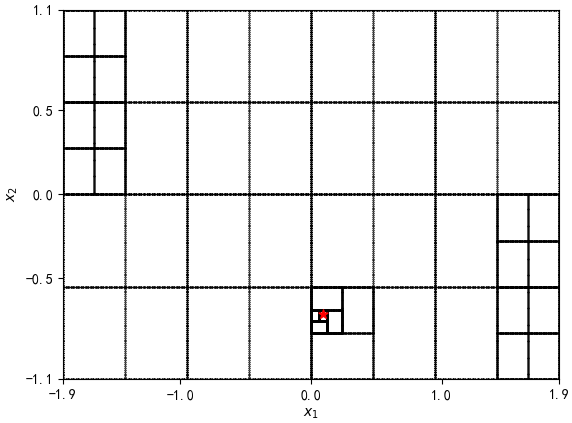
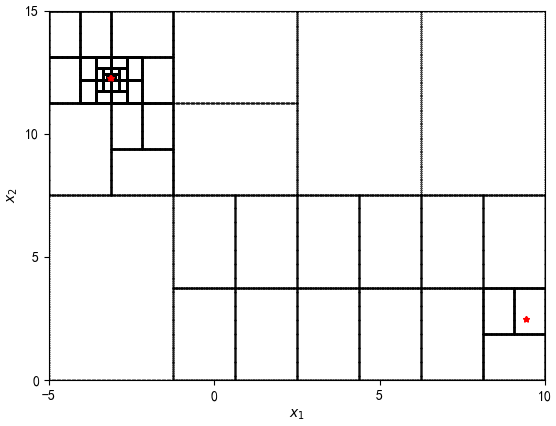
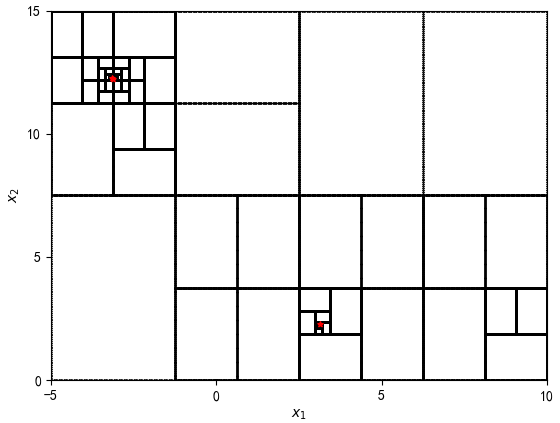
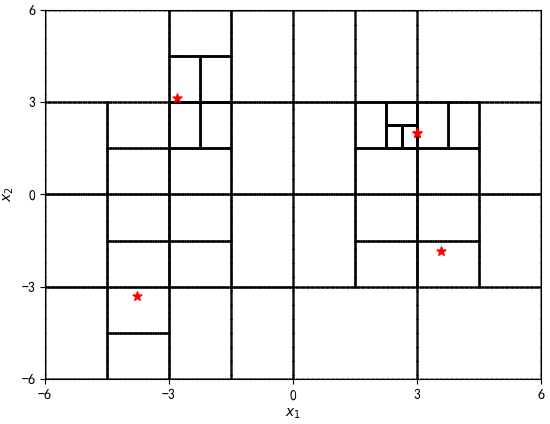
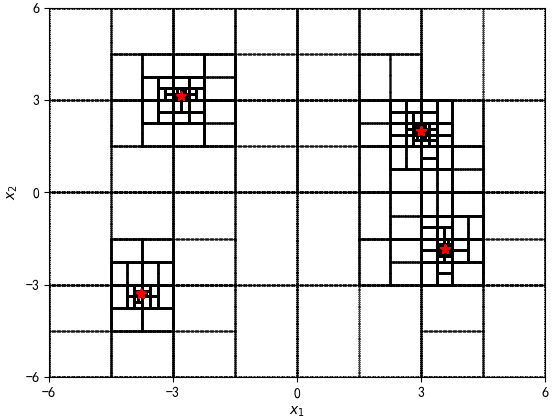
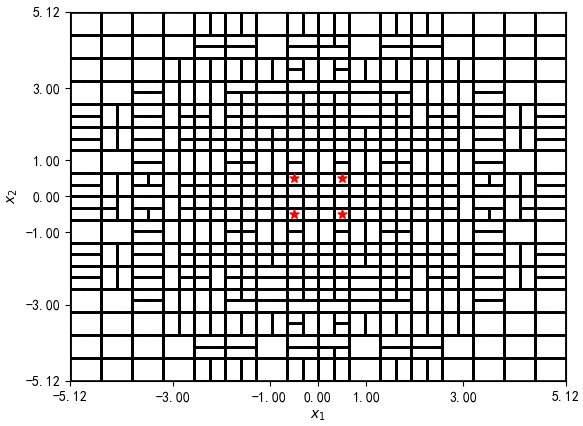
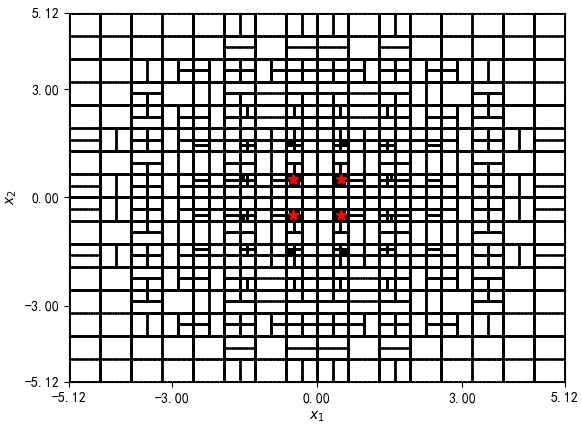
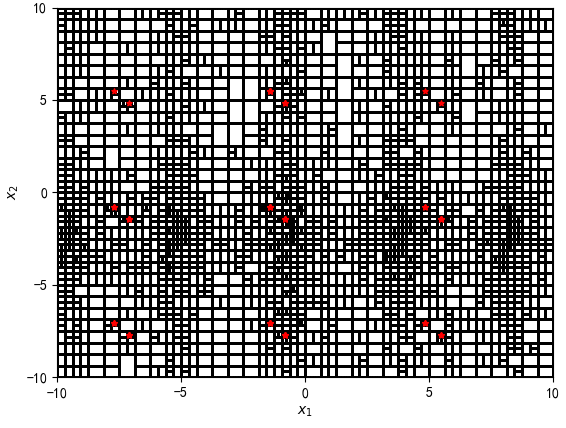
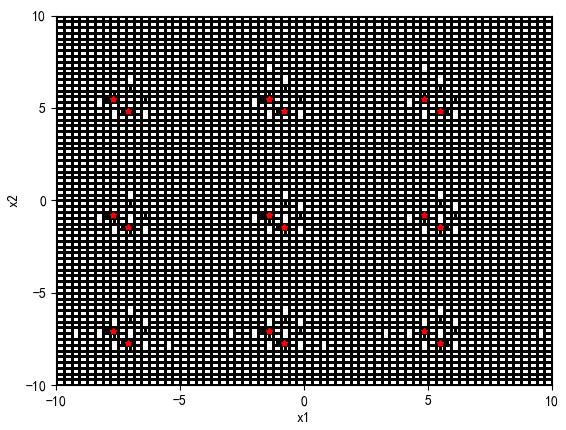
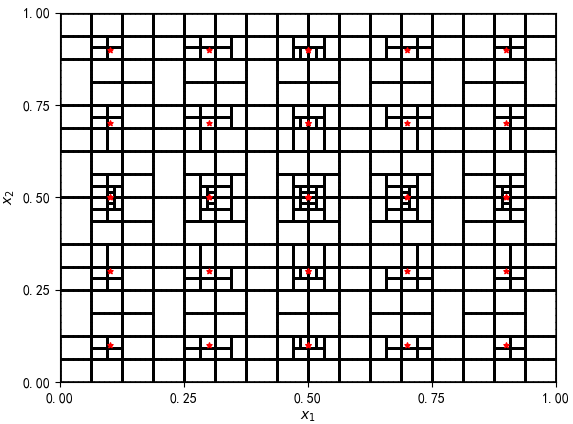
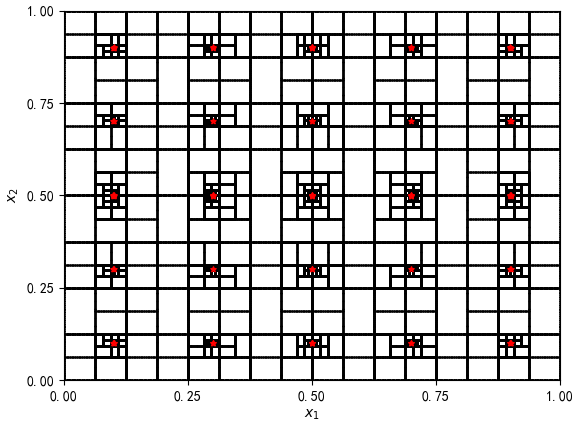
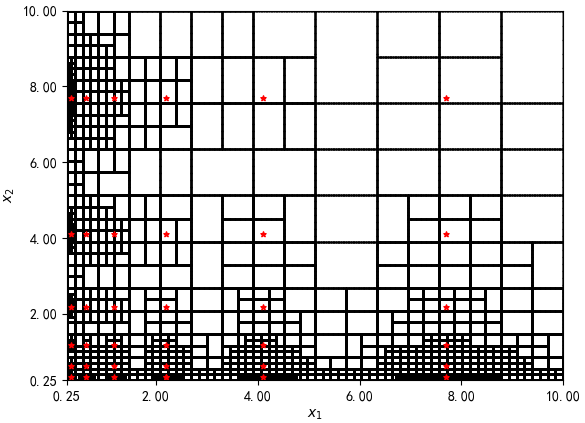
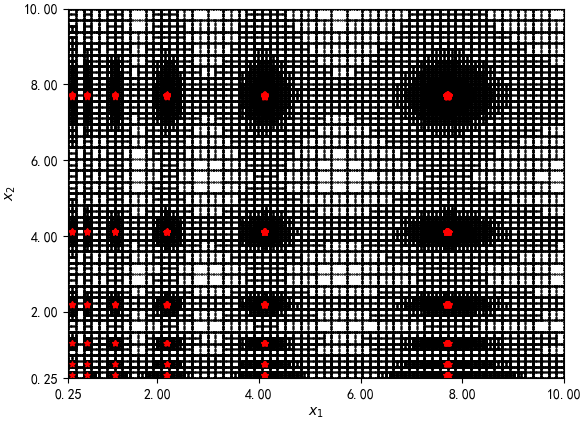
Figure 1: Interval subdivision results of test instances showcasing the effectiveness of the piecewise convexification method.
Algorithm Design
The proposed piecewise convexification algorithm integrates a novel selection rule and dual termination criteria to enhance efficiency. The algorithm iteratively refines the subdivision of the problem space and applies a rigorous selection process focusing on sub-boxes with maximum modified width, facilitating targeted exploration of the solution space.
Algorithm Features:
- Termination Criteria: Includes a novel dual-condition approach—either no sub-boxes remain unexamined, or the maximum modified width meets a predefined threshold.
- Selection Rule: Prioritizes sub-boxes for further exploration based on the width of their convex relaxation estimate, optimizing computational resources.
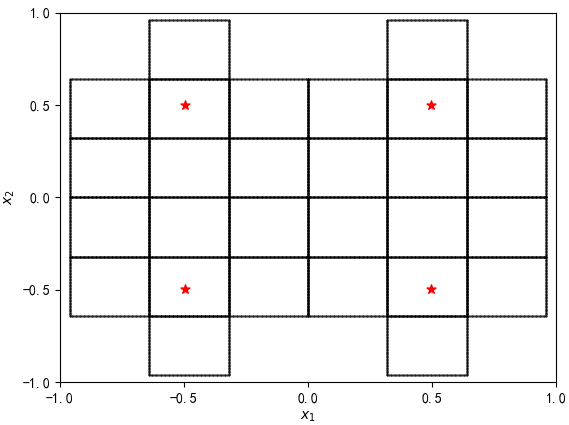
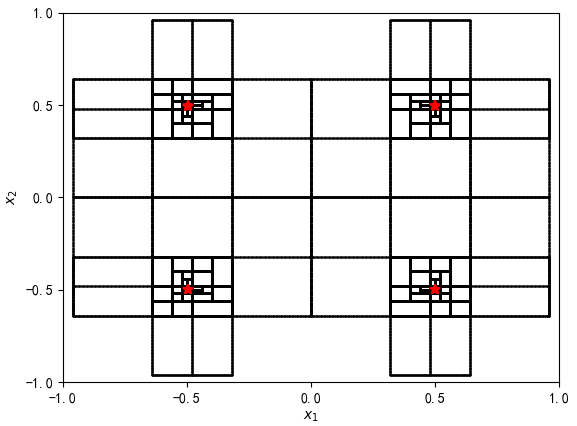
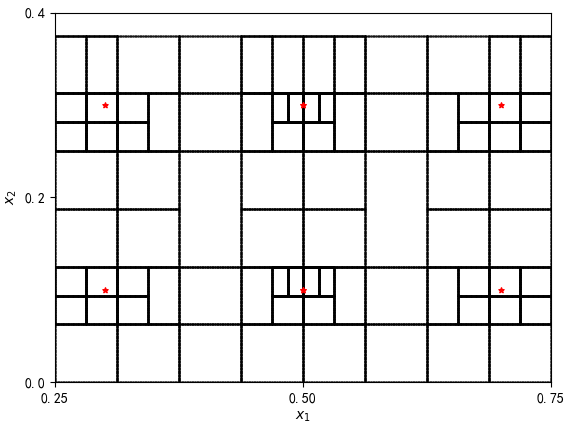
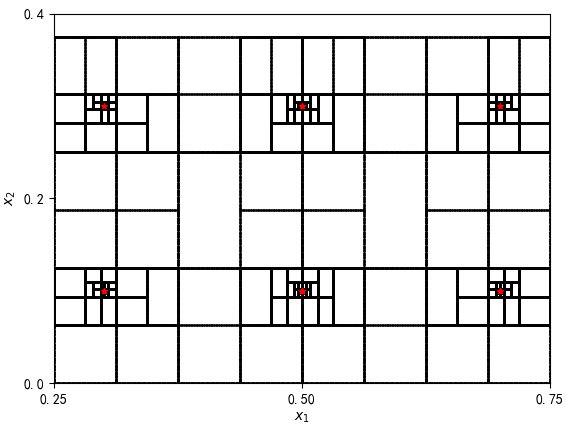
Figure 2: Subdivisions on subinterval for Algorithm refinement process, highlighting selected regions for further exploration.
Numerical Experiments
The paper presents a comprehensive set of numerical experiments comparing the new method against existing αBB methods on various benchmark problems, including instances with both finite and infinite optimal solutions. Results indicate a significant reduction in computational effort—demonstrated by fewer iterations and lower CPU times—while maintaining or exceeding the solution set quality.
Key Numerical Observations:
- Efficiency Gains: The approach outperformed traditional methods in iteration count and CPU time across test cases.
- Solution Quality: Demonstrated ability to identify all or closely approximate all global optima, reinforcing its practical robustness.
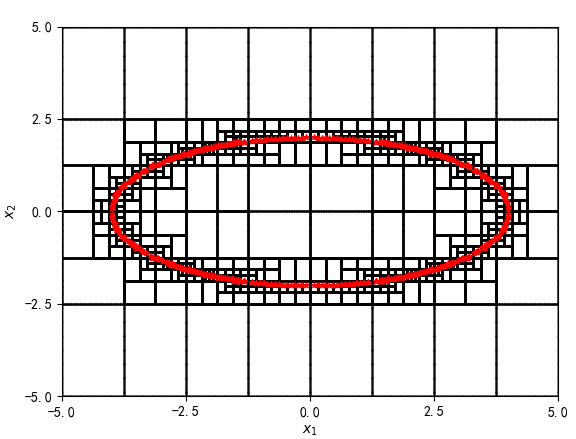
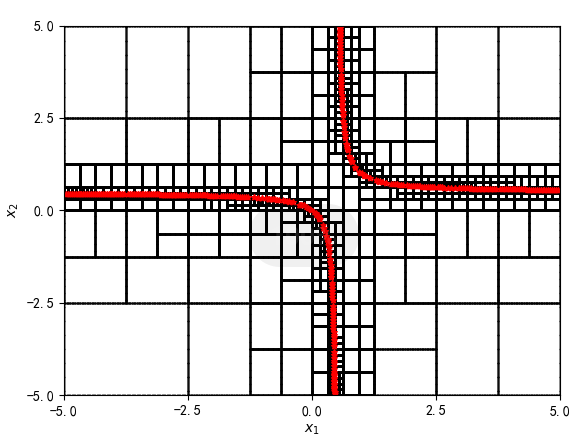
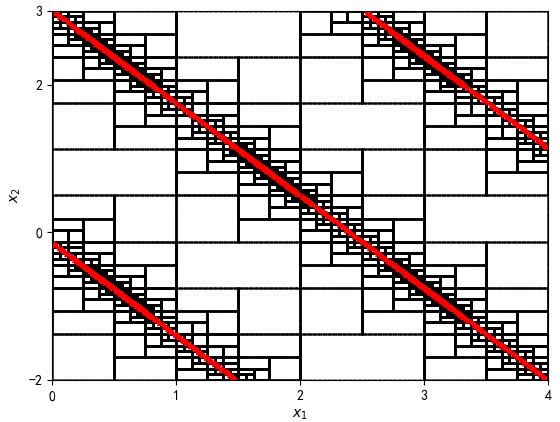
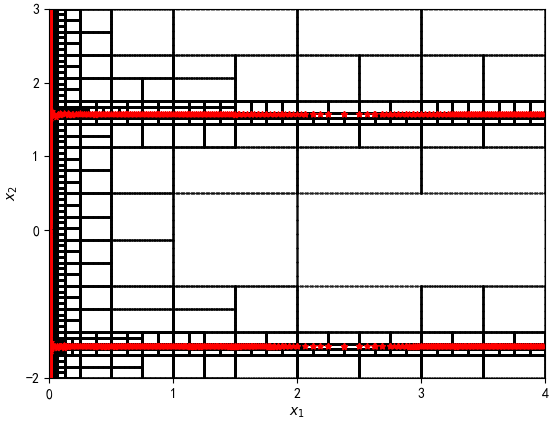
Figure 3: Sub-boxes and solutions in set apnew for the proposed algorithm, illustrating the comprehensive coverage of optimal solutions.
Conclusion
The piecewise convexification method demonstrates a potent and efficient strategy for tackling non-convex optimization problems with box constraints. With notable improvements over traditional αBB modifications, this approach achieves superior computational performance while effectively approximating the global solution set. The algorithm's unique design—particularly its dual termination criteria and selection rule—proves advantageous in both theoretical and practical scenarios. Future work could extend this framework to other non-convex problem classes or explore hybrid techniques integrating machine learning to further refine the solution process.