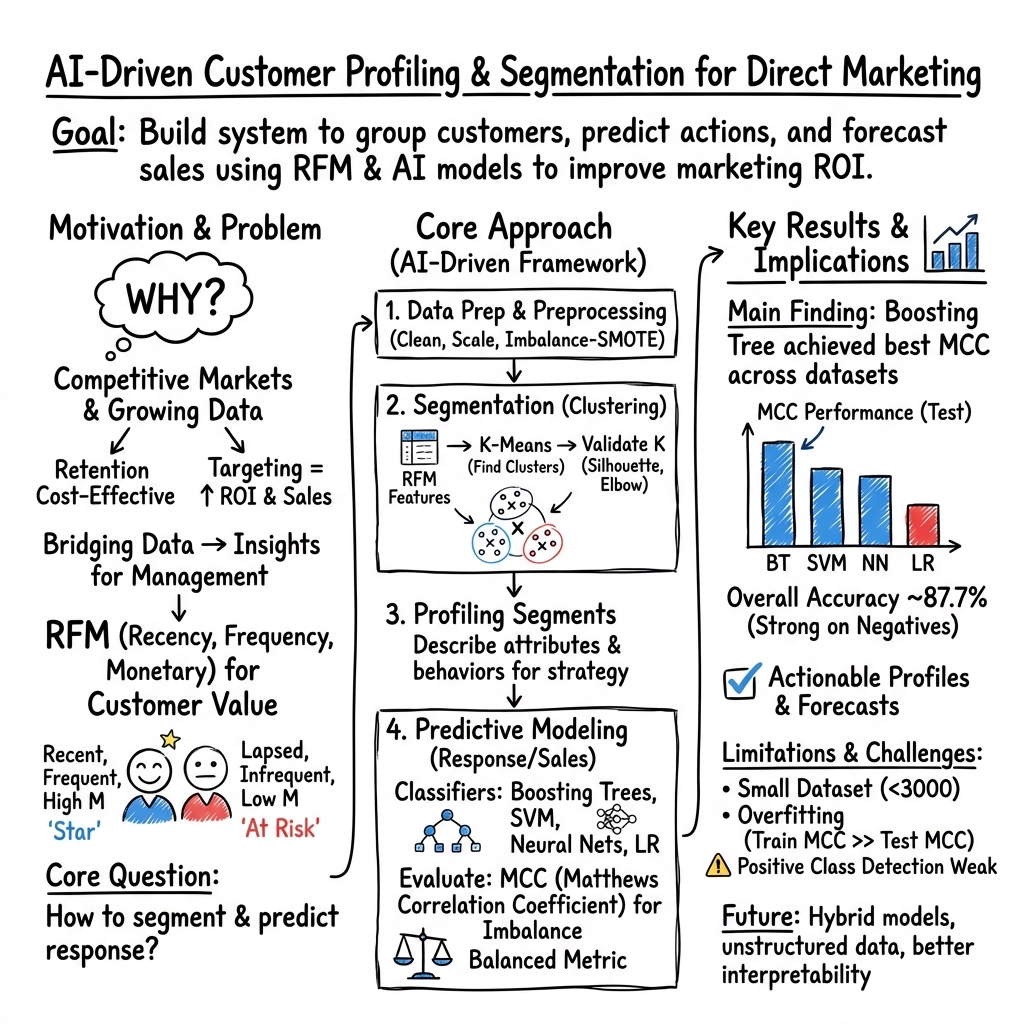
- The paper introduces an AI-driven framework combining RFM analysis and boosting trees to enhance customer profiling and sales prediction.
- It integrates deep learning, SVM, and radial basis neural networks to process customer data and refine segmentation strategies.
- It achieves a model accuracy of 0.877 while highlighting potential future improvements with hybrid approaches for unstructured data.
An In-Depth Analysis of "Customer Profiling, Segmentation, and Sales Prediction using AI in Direct Marketing"
The paper "Customer Profiling, Segmentation, and Sales Prediction using AI in Direct Marketing" (2302.01786) outlines a sophisticated approach to enhancing marketing strategies and improving sales performance through the application of AI-driven data mining techniques. The study focuses on utilizing advanced data analytics and machine learning algorithms to develop a comprehensive understanding of customer behavior, thereby enabling companies to make strategic marketing decisions with greater precision.
Introduction to AI-Driven Customer Profiling and Segmentation
In an era where data-driven strategies are paramount, the paper proposes an innovative method for customer profiling and sales prediction using a combination of RFM-analysis and boosting tree algorithms. The paper emphasizes the critical role of data mining techniques in direct marketing, highlighting their capacity to process vast amounts of data and extract meaningful patterns that can be leveraged for targeted marketing campaigns. The authors argue for the application of AI techniques in transforming customer data into actionable insights, which can significantly enhance customer retention and increase sales.
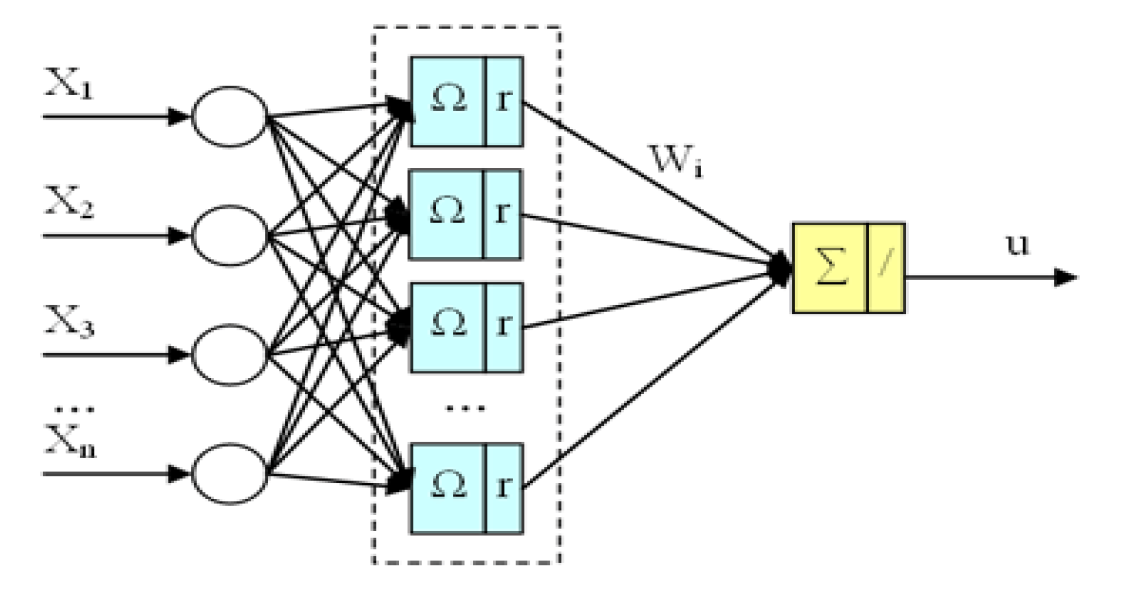
Figure 1: Radial basis neural network.
Methodological Framework
Data Mining and Machine Learning Techniques
A central component of the proposed framework is the integration of machine learning methods, specifically deep learning, SVM, and boosting tree algorithms. These techniques are utilized to refine customer profiles and predict future customer actions. The paper details the methodology behind RFM-analysis, which ranks customers based on Recency, Frequency, and Monetary value, providing a robust foundation for customer segmentation.
Customer Segmentation and Profiling
The study details numerous segmentation strategies, including demographic, behavior-based, and RFM segmentation, each targeted at unveiling distinct facets of customer behavior. It discusses the utilization of a radial basis neural network, which plays a pivotal role in processing complex relationships within the data to identify customer segments effectively. This neural network model is illustrated in the paper (Figure 1).
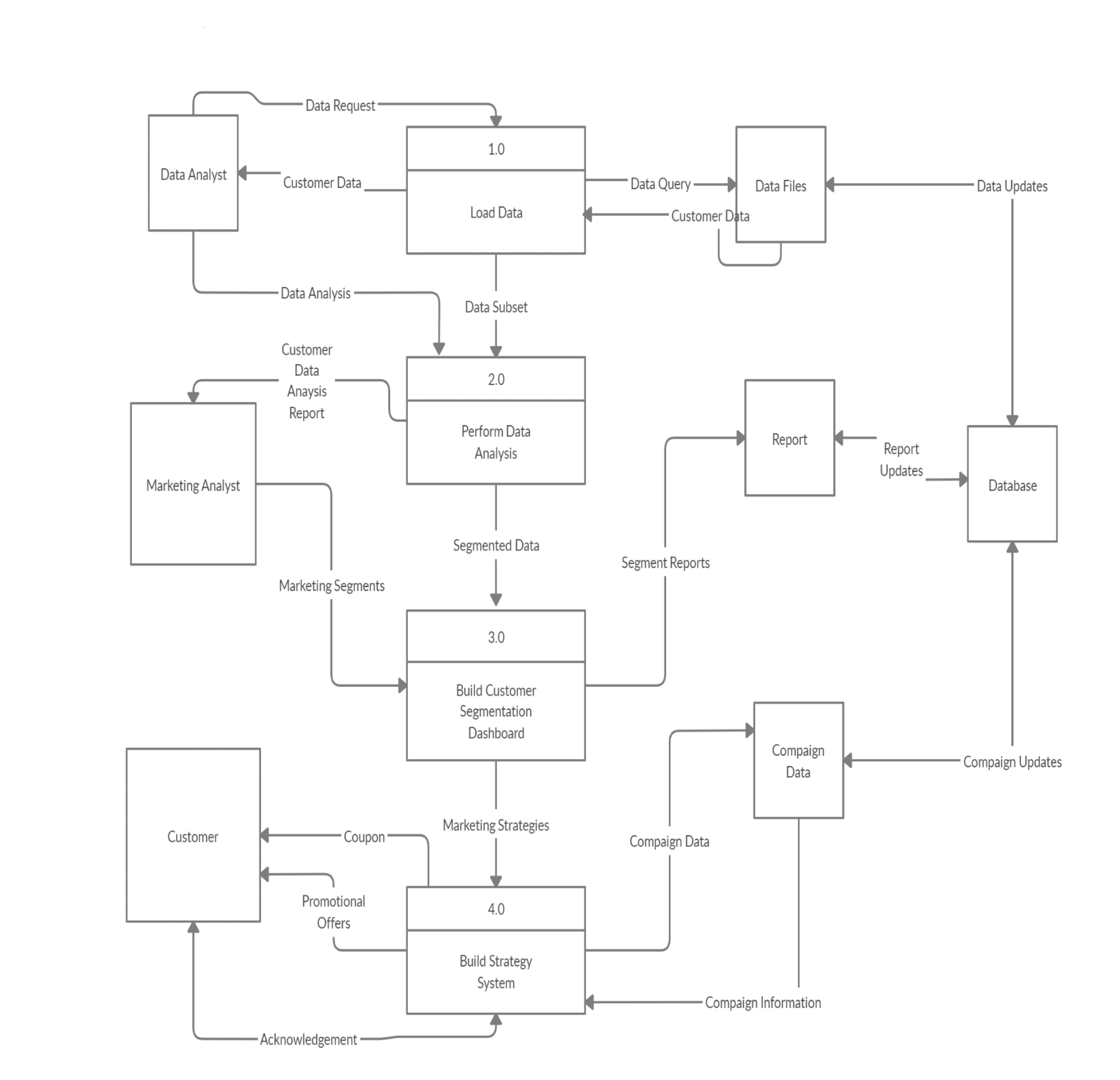
Figure 2: Processes of Customer Segmentation.
Experimental Setup and Results
The researchers conducted extensive experiments using data from the Data Flair repository, focusing on demographic and purchasing patterns. Clustering techniques like K-means were employed to refine customer segmentation, and advanced methods such as silhouette, elbow, and gap statistics were used to evaluate the optimal number of clusters.
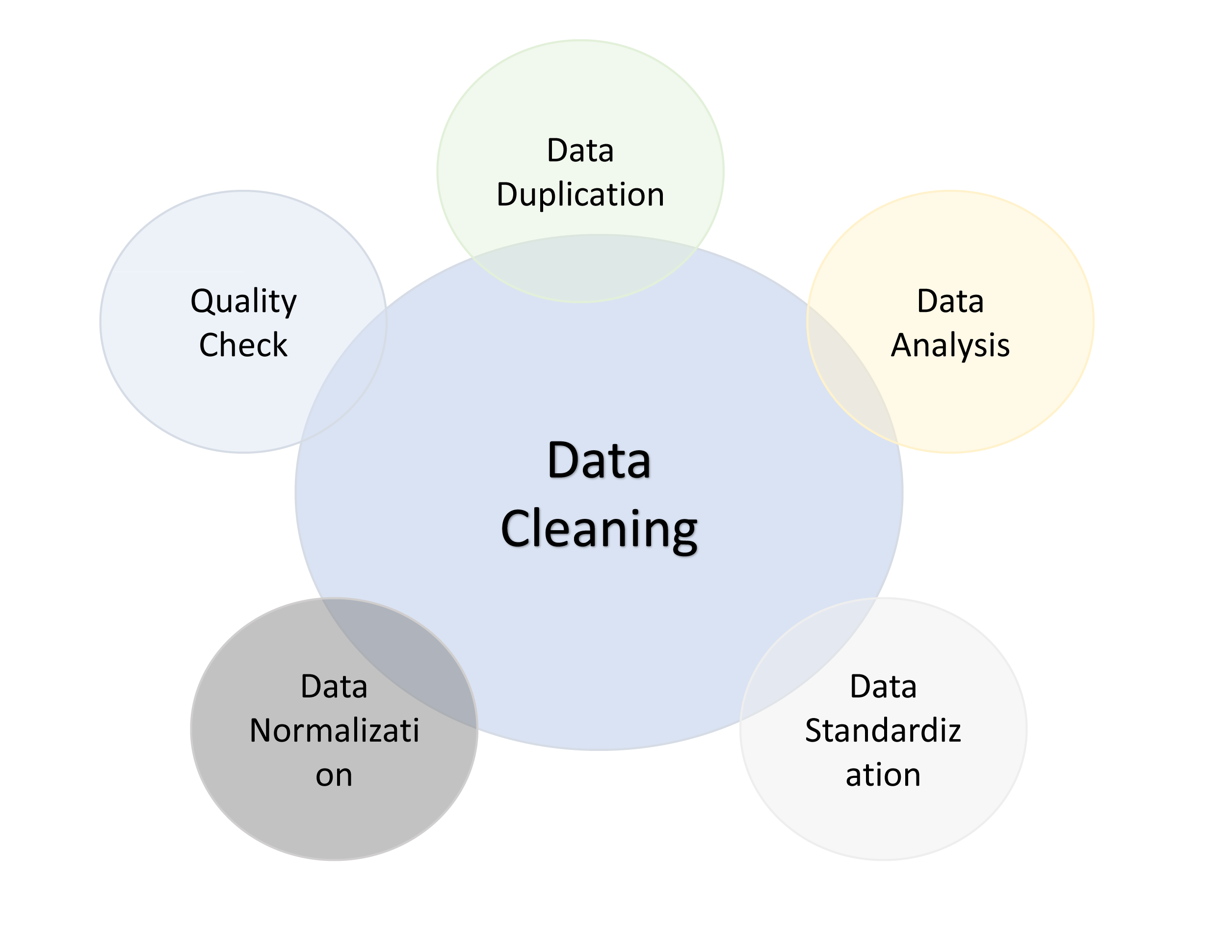
Figure 3: Processes of RFM analysis.
Strong Numerical Results
The findings revealed that RFM segmentation, combined with boosting tree predictions, demonstrated superior performance in accurately classifying customer segments and predicting sales outcomes. The overall model accuracy was reported at 0.877, with the boosting tree model outperforming other classifiers like SVM and neural networks.
Implications and Future Research
The paper not only provides empirical insights into the efficacy of AI approaches in customer segmentation and profiling but also opens up pathways for future research. The authors discuss the limitations of current methodologies, particularly regarding data interpretability, and propose the exploration of more advanced models, such as hybrid approaches that could handle unstructured data. These future directions could potentially enhance the model’s predictive capabilities and provide richer insights into customer behavior patterns.
Conclusion
In conclusion, this research paper presents a well-structured AI-based approach for customer profiling, segmentation, and sales prediction that has significant practical applications in direct marketing. The study’s robust framework and strong empirical results underscore the potential of AI in revolutionizing how businesses understand and engage with their customers. Future research is encouraged to further explore the integration of advanced machine learning models to enhance the accuracy and interpretability of customer insights, thus providing even greater value to strategic marketing initiatives.
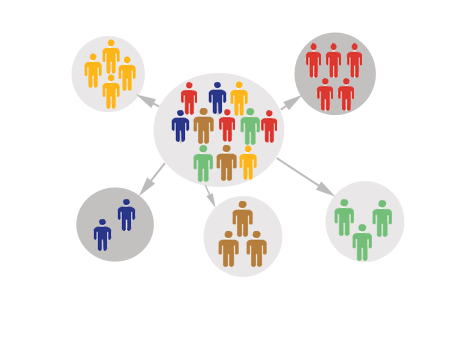
Figure 4: Customer Segmentation.