- The paper introduces advanced optimization algorithms for multiobjective problems constrained by non-smooth PDEs, improving computational efficiency.
- It integrates surrogate models like reduced basis and POD to alleviate the high evaluation cost of solving complex PDEs.
- The study highlights adaptive numerical techniques, such as semi-smooth Newton methods, to accurately approximate Pareto fronts in non-smooth settings.
Multiobjective Optimization of Non-Smooth PDE-Constrained Problems
The paper "Multiobjective Optimization of Non-Smooth PDE-Constrained Problems" (arXiv ID: (2308.01113)) presents approaches to addressing challenges posed by multiobjective optimization (MOP) when constrained by non-smooth partial differential equations (PDEs). It explores the computational complexity that arises from the infinite nature of Pareto-optimal solutions and the high evaluation cost associated with PDEs. The paper outlines recent advancements in algorithms and frameworks to efficiently tackle these issues.
Introduction to Multiobjective Optimization
Multiobjective optimization (MOO) aims to optimize multiple conflicting criteria simultaneously. The optimal solutions, known as the Pareto set, are characterized by compromises where improving one objective may lead to the deterioration of another. A key component of MOO is approximating the Pareto front to aid decision-making.
Given multiple criteria, scalar optimization concepts expand to define Pareto optimality where no other solution can improve all objectives simultaneously. This is formally defined using weak and strong Pareto optimality conditions.
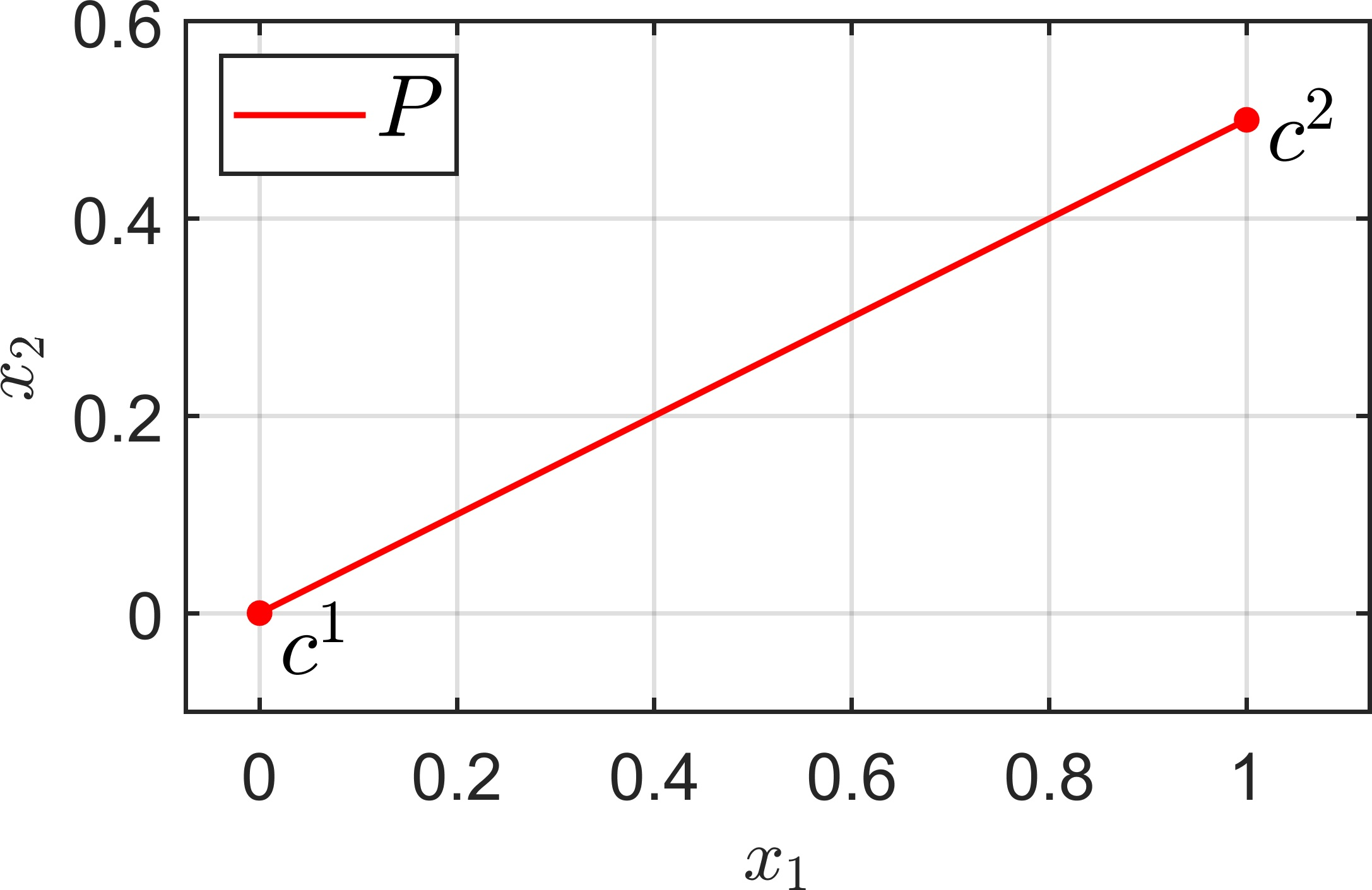
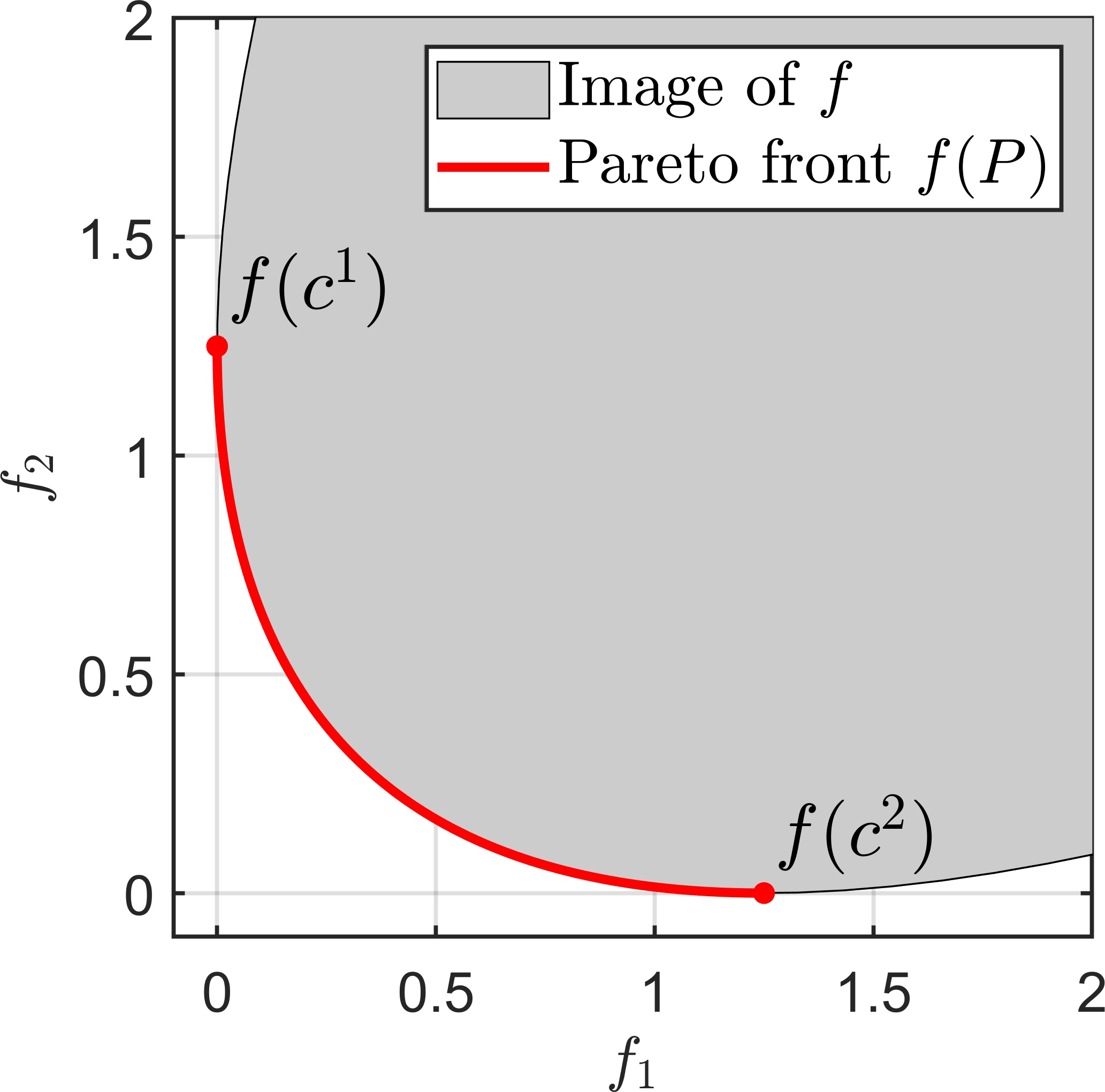
Figure 1: Visualization of the Pareto set and front for a simple two-objective problem.
Non-Smooth PDE-Constrained Optimization
PDE constraints introduce additional complexity due to their high computational cost. Surrogate models, such as reduced basis (RB) methods and Proper Orthogonal Decomposition (POD), help alleviate this by approximating the dynamics involved in solving PDEs, significantly reducing computational efforts.
The paper offers a detailed view into employing these methods to handle PDE-constraints in MOPs. It discusses how surrogate models can be integrated efficiently and the role of reduced-order modeling in PDE-constrained MOPs.
Handling Non-Smoothness
Non-smoothness can appear in the objectives or in the PDEs themselves. The paper discusses methods like Clarke subdifferential for non-smooth optimization. For non-smooth terms in PDEs, adaptive numerical techniques, such as semi-smooth Newton methods, are recommended.
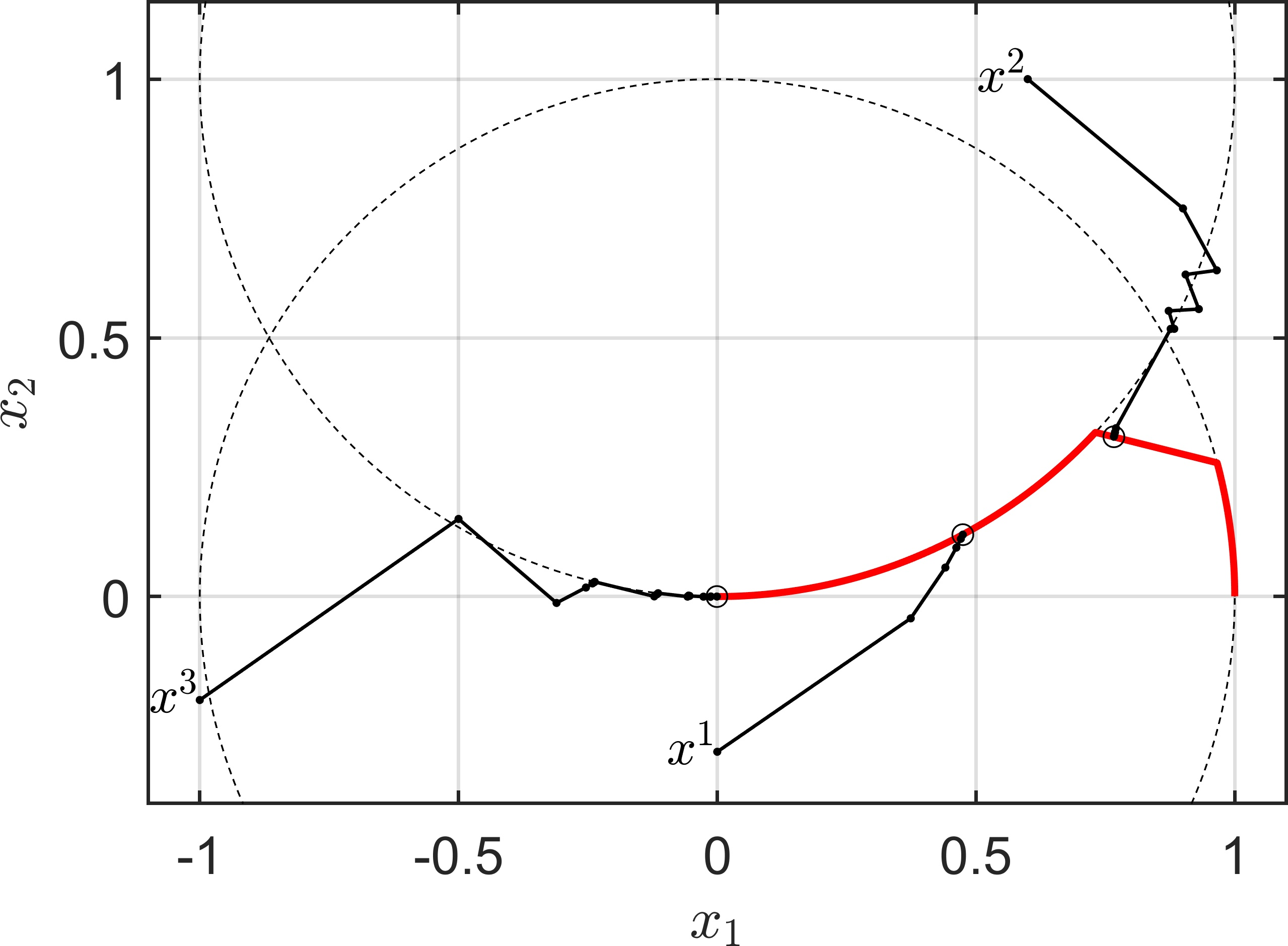
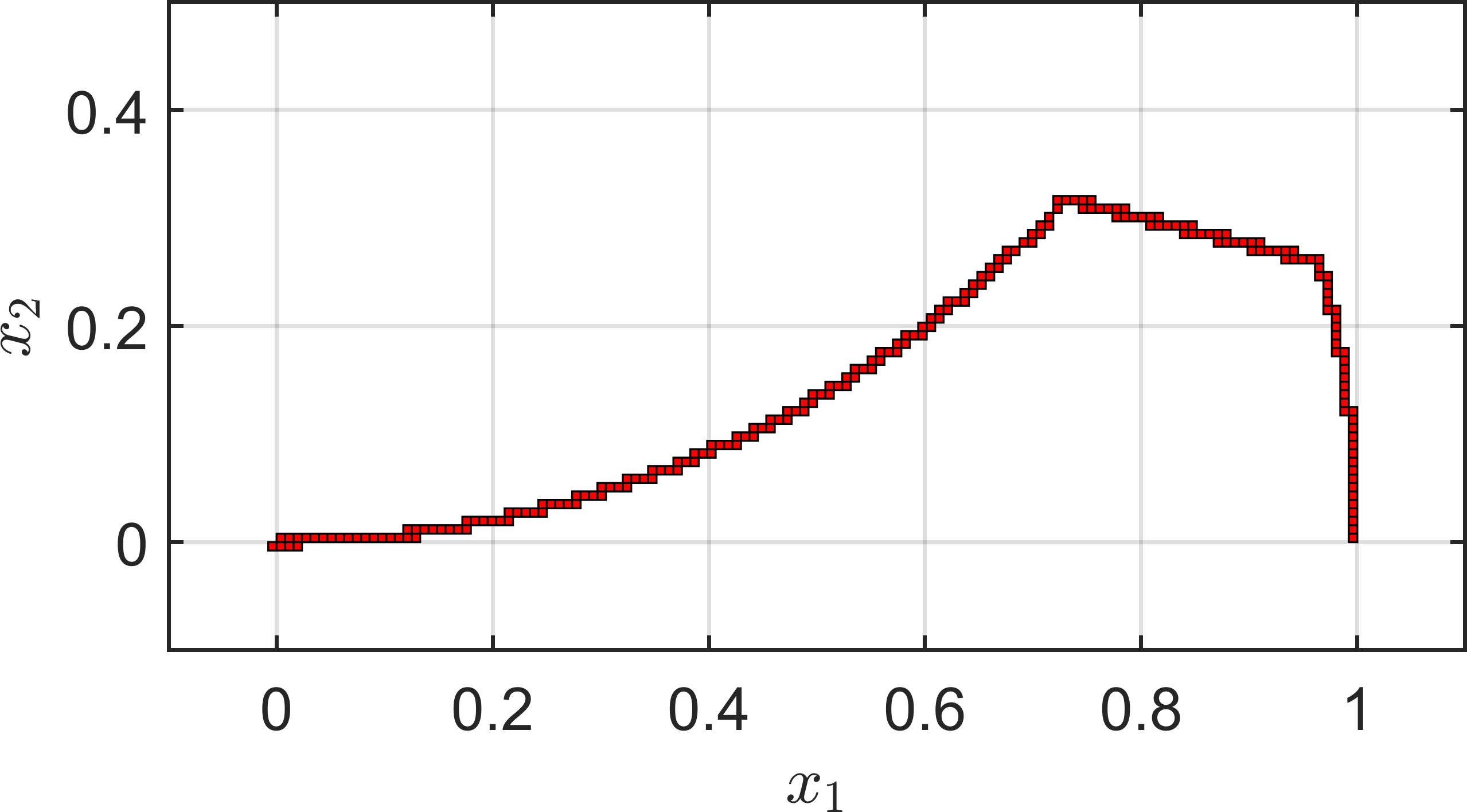
Figure 2: Depiction of the descent method for non-smooth MOPs.
Algorithms for Non-Smooth MOPs
Innovative algorithms such as the descent method for non-smooth MOPs are elaborated. This method utilizes subgradient evaluations to find descent directions for optimization problems where evaluating entire subdifferential constraints is impractical.
Continuation methods are another focus, especially in regularization contexts where objectives need sparse solutions. These methods explore the Pareto critical set using local solutions to navigate complex objective landscapes.
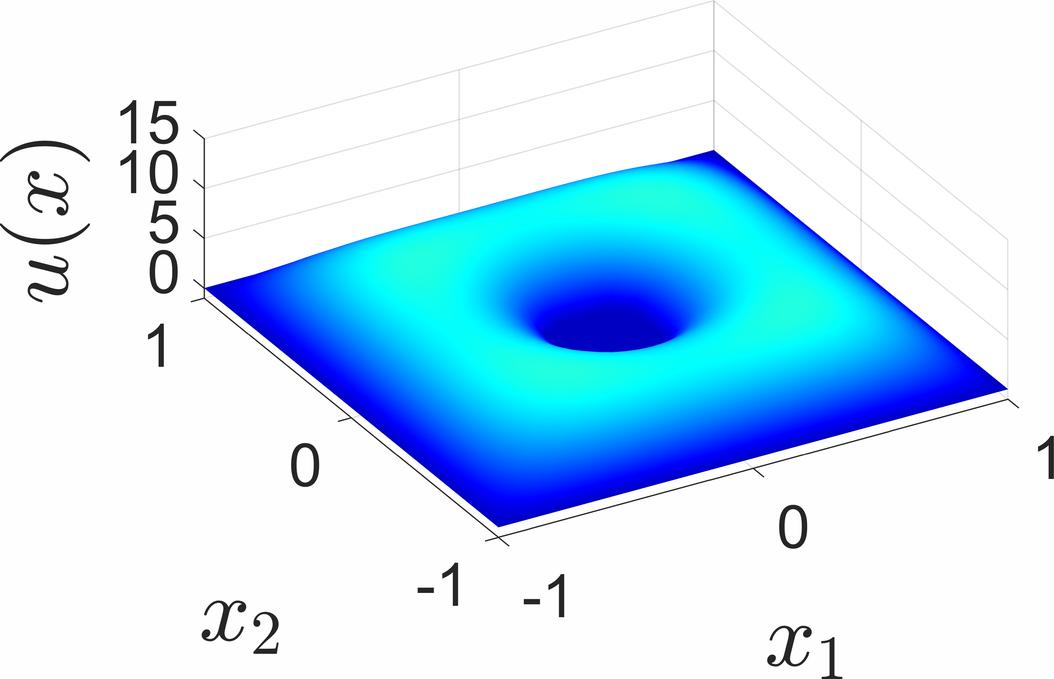
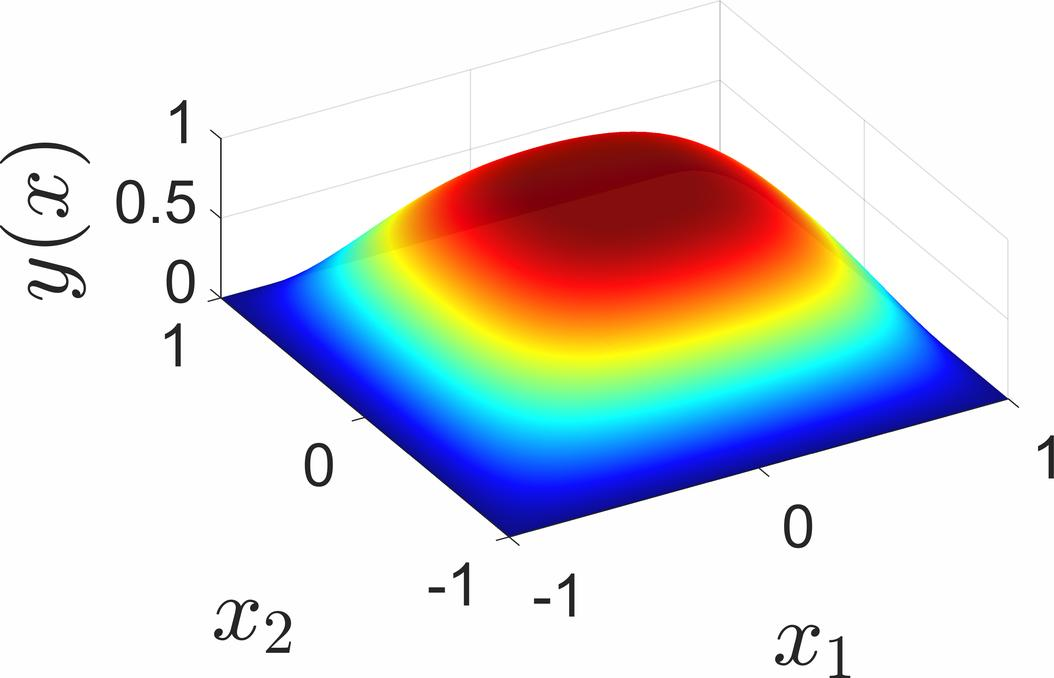
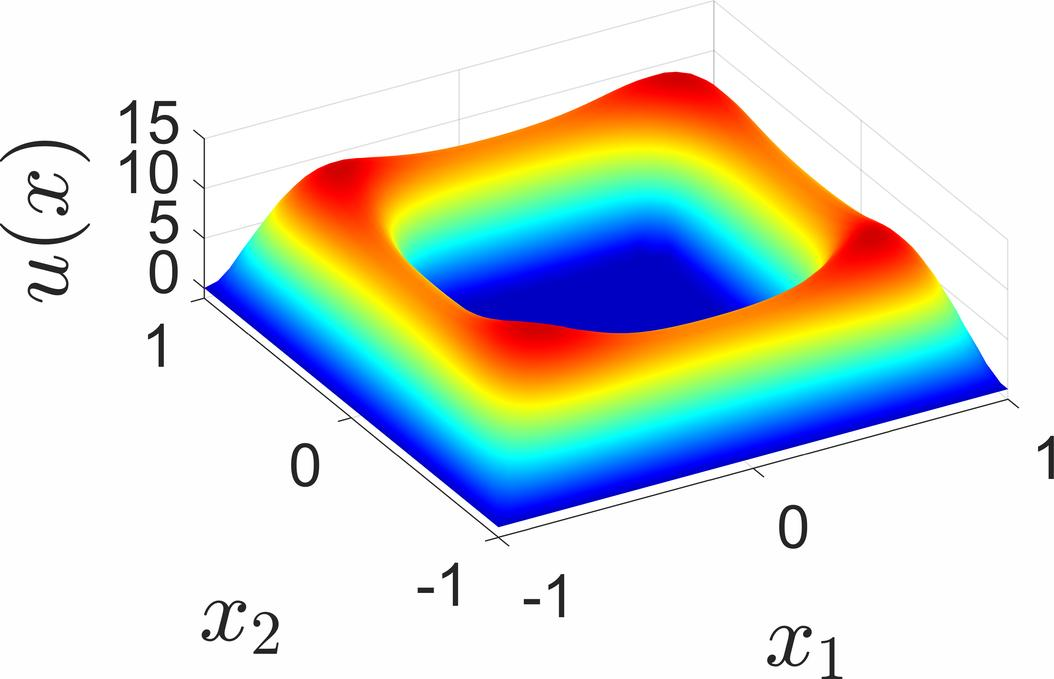
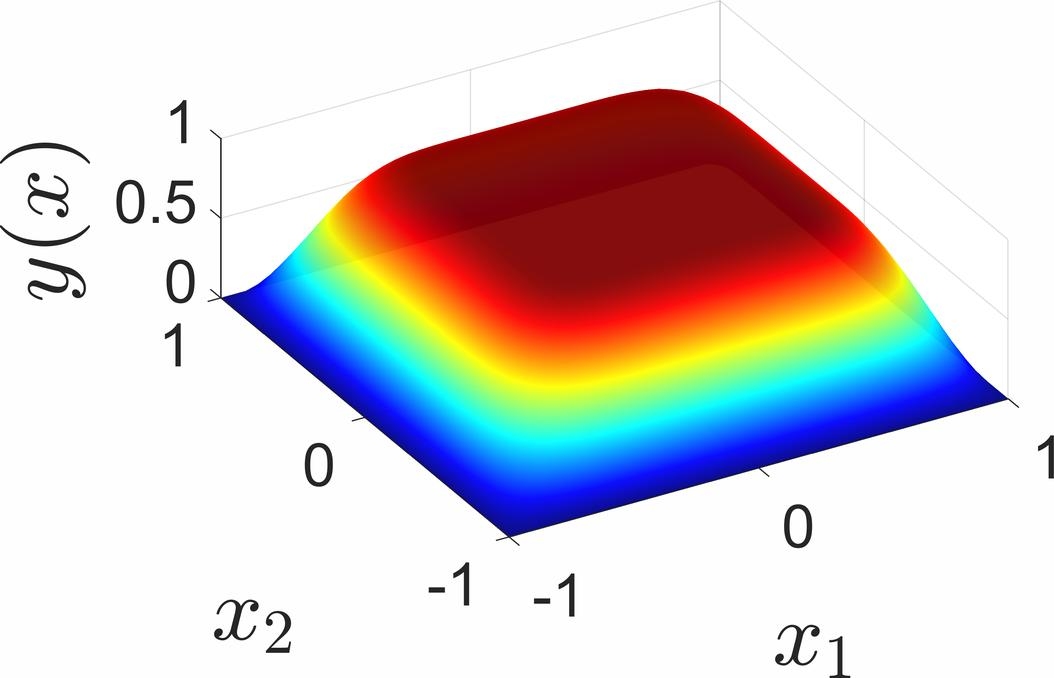
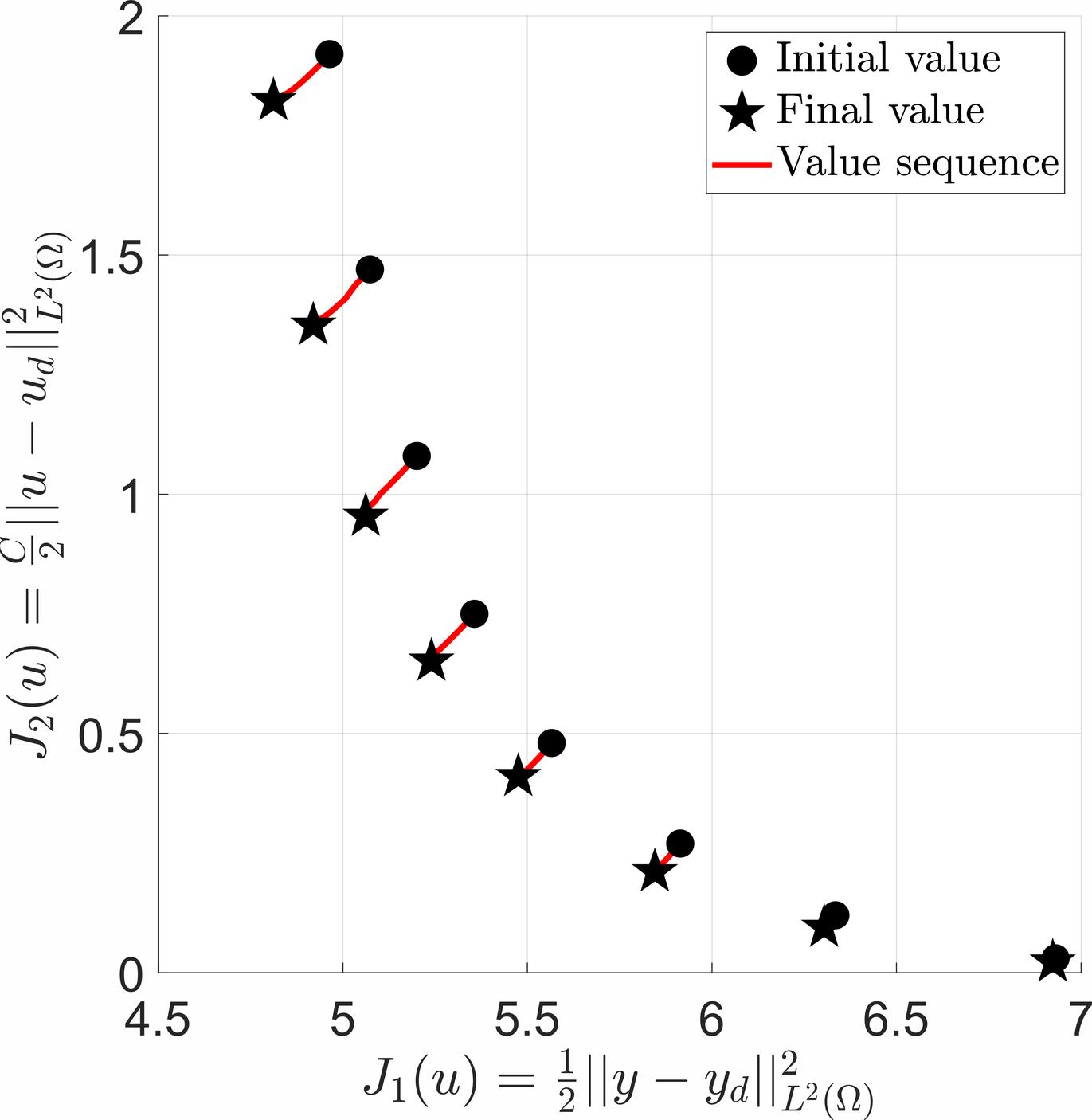
Figure 3: Decomposition of the Pareto critical set via the projection approach.
Surrogate Modeling for Optimization
Surrogate modeling using reduced-order techniques is integral to efficiently handling PDE constraints. This involves offline generation of surrogate models via greedy algorithms which improve computational time during online predictions.
The paper extensively discusses Pascoletti-Serafini scalarization for PDE-constrained problems and provides insights into using model reduction techniques with assured a-posteriori error estimates to ensure solution accuracy.
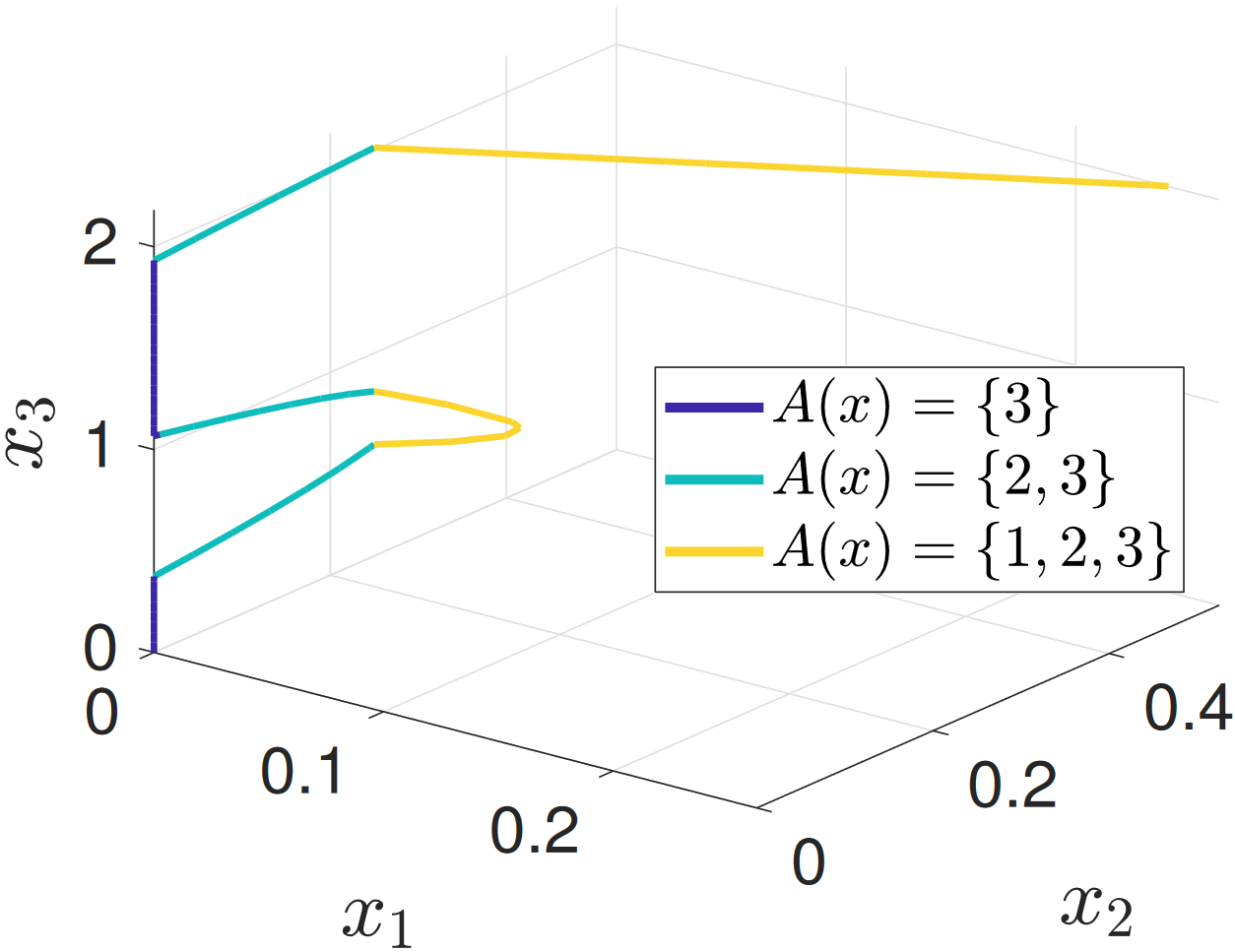
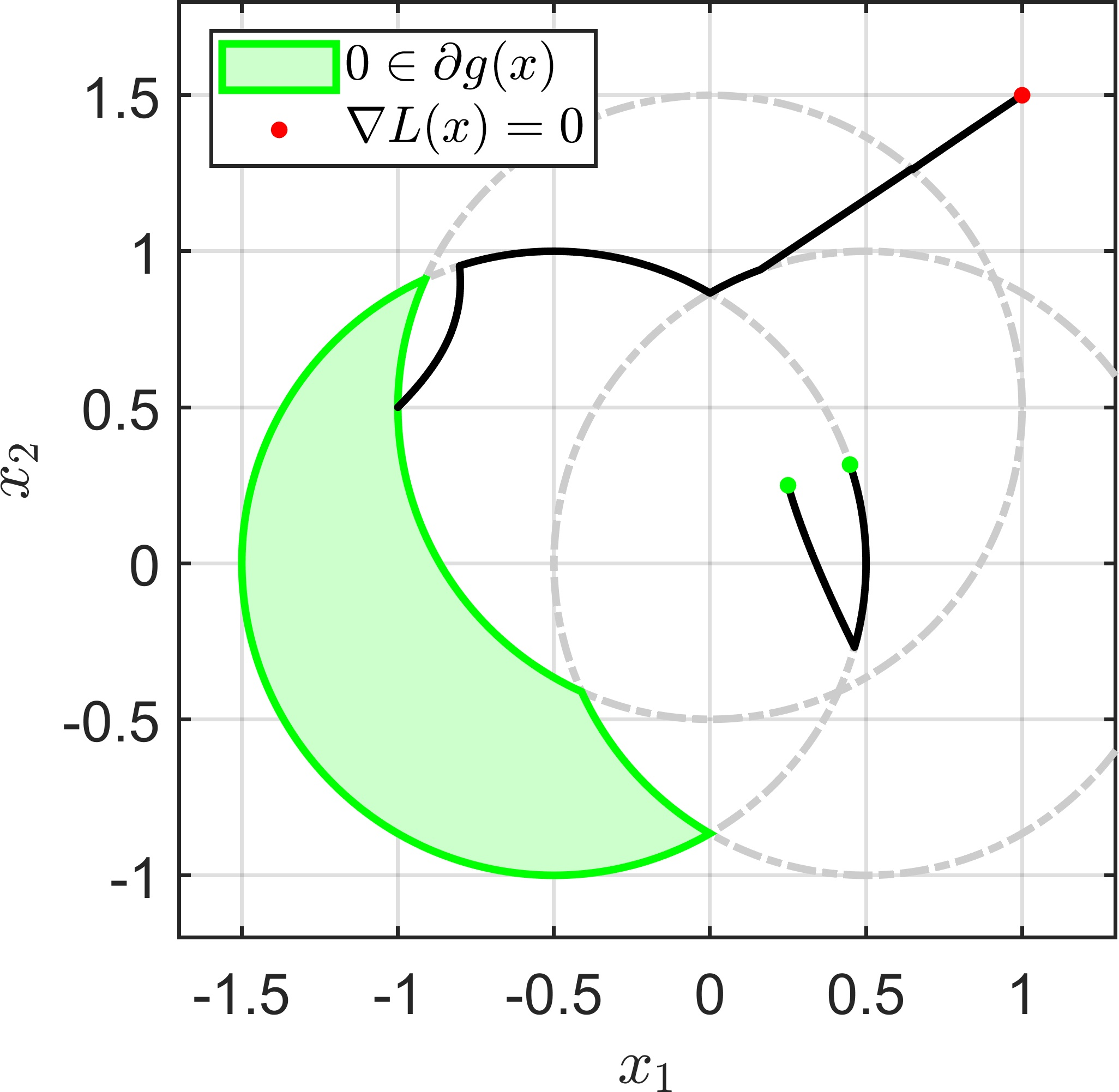
Figure 4: Overview of surrogate modeling and its integration with multiobjective PDE optimization.
Applications in Machine Learning
Machine learning applications are explored through the lens of multiobjective optimization. The identification of conflicting criteria from data and the synthesis of objectives based on observed outcomes are key focal points. Techniques from inverse optimization aid the inference of objectives directly from data, which can then inform the creation of surrogate models for complex systems.
Conclusion
The paper "Multiobjective Optimization of Non-Smooth PDE-Constrained Problems" provides substantial insight into dealing with the inherent challenges of expensive and non-smooth PDE-constrained optimization. The integration of surrogate modeling and advanced algorithms enhances the efficiency and applicability of multiobjective methods in both theoretical and practical scenarios. The approaches outlined pave the way for future developments in computational optimization, specifically in handling complex, multi-criteria dynamic systems across various fields, including engineering and machine learning.