- The paper demonstrates a novel optical design employing a lenslet+fiber IFU system to enable concurrent operation of HRES and OMRS from prime focus.
- It details how a combination of the wide field corrector and beam magnifiers transforms an f/3.55 beam to an f/22 configuration, achieving throughputs of 56% and 25% for short and long cameras respectively.
- The study shows that the integrated design minimizes fiber cross-talk and maintains spectral purity, substantially improving the telescope's operational efficiency.
Design for Enabling Echelle and OMR Spectrograph Observations for Point and Extended Sources on the Same Night at VBT
Introduction
The Vainu Bappu Telescope (VBT) at the Vainu Bappu Observatory is equipped with two spectrographs: the High-Resolution Echelle Spectrograph (HRES) and the OMR Spectrograph (OMRS). Typically, each of these spectrographs can only be used separately due to the process of switching between prime and cassegrain focus being cumbersome. Therefore, the primary aim of recent work is to develop an optical design that enables simultaneous operation of both spectrographs from the prime focus. This design can significantly improve the observational efficiency, allowing for the spectroscopic study of both point and extended astronomical sources without time loss due to mode switching.
Spectrographs' Integration Strategy
To achieve concurrent usage, the proposed design incorporates a fiber-fed system for both OMRS and HRES. The HRES will remain unchanged in terms of its current fiber configuration as it is already optimized for use at prime focus post-WFC, retaining an f/3.55 beam. Conversely, the new design addresses the optical adaptation of OMRS initially configured for cassegrain mode with an f/13 beam.
This design utilizes an innovative lenslet+fiber-based Integral Field Unit (IFU) setup to couple the telescope's f/3.55 beam and deliver it to the OMRS. A primary concern tackled in this design is ensuring that the optical path enhances coupling efficiency without compromising the field of view for extended source observations.
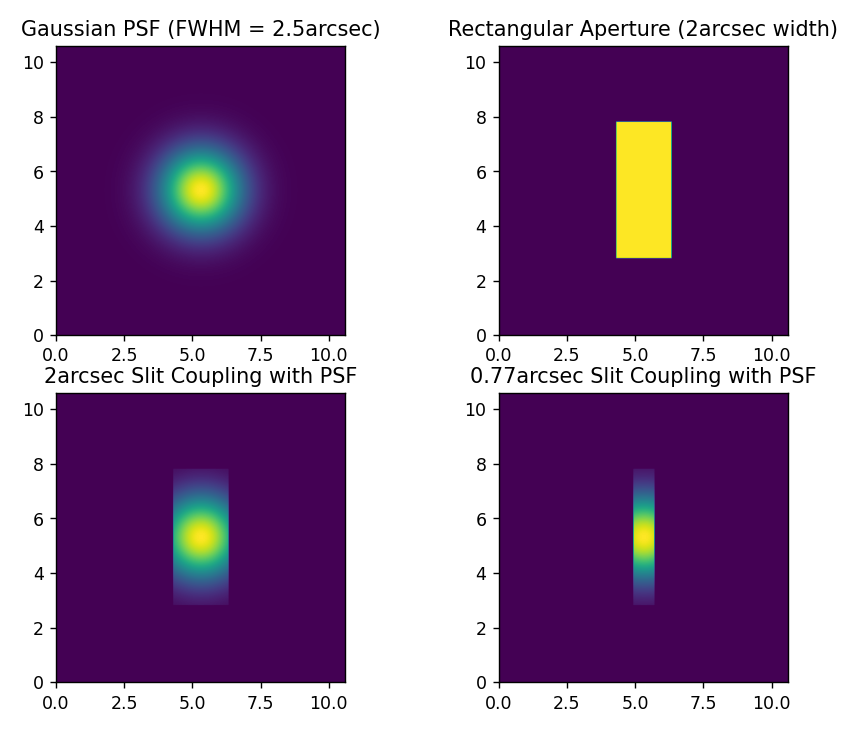
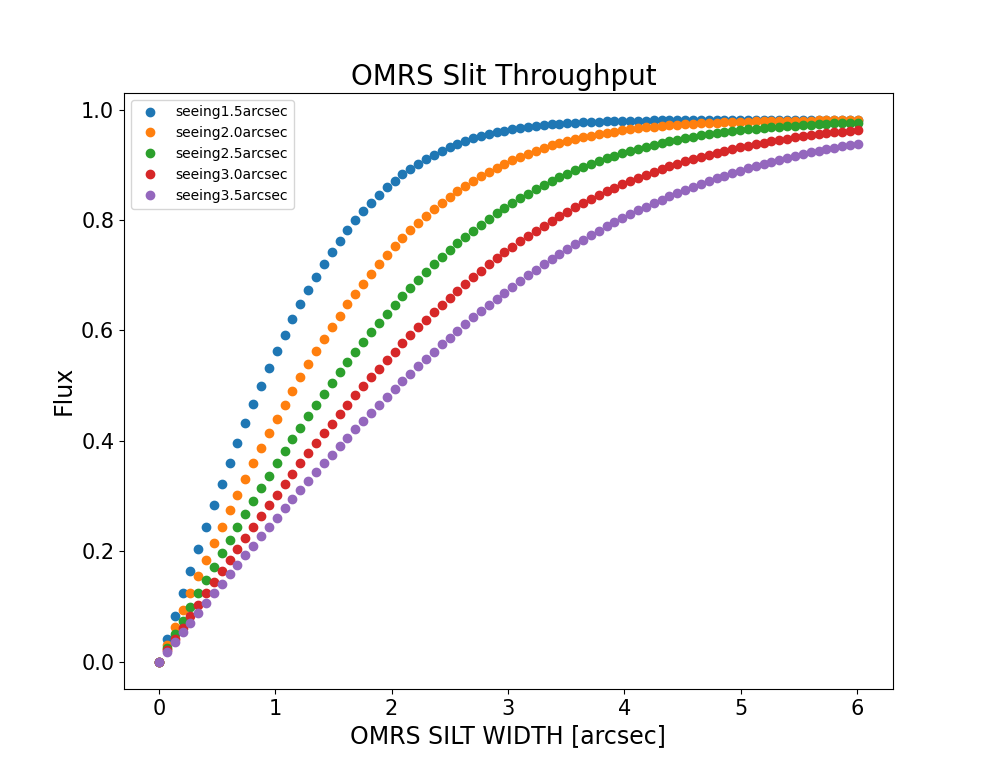
Figure 1: PSF coupling with slit demonstrates integration of lenslet and fiber for OMRS.
Optical Design Specifications
The multifaceted optical design commences with the wide field corrector (WFC), correcting significant off-axis aberrations across a 0.5-degree field of view (FoV). Downstream from the WFC, the optical system consists of a set of magnifiers escalating the beam to an f/22 configuration. This configuration permits precise coupling with the lenslet array on the focal plane, appropriately scaling the point sources to an acceptable diameter matching local seeing conditions (2.5 arcsec).
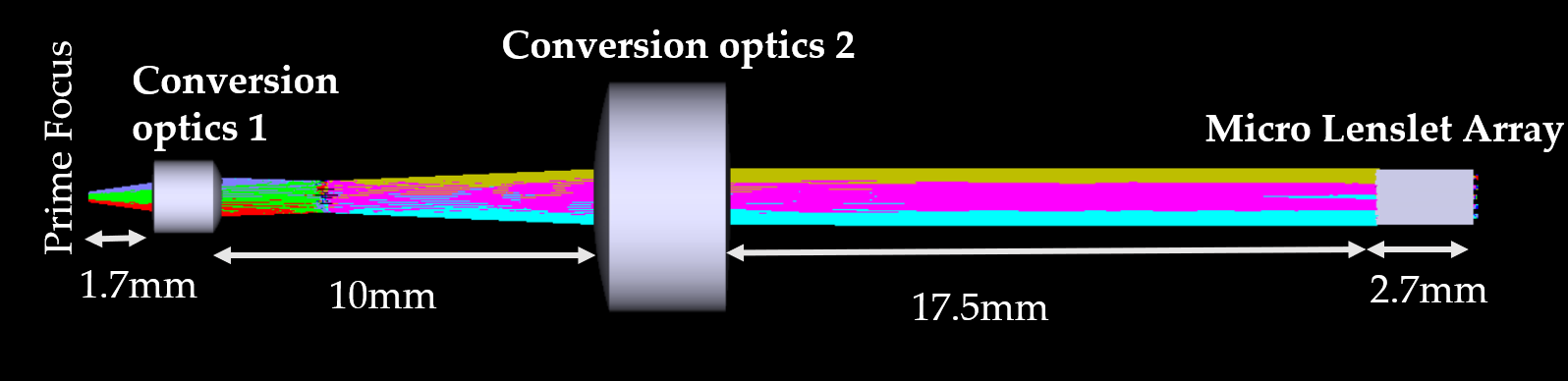
Figure 2: OMRS optical design for Prime mode with lenslet enhances throughput and resolution.
The prime focus setup leverages hexagonal lenslets, each covering a 2 arcsec central FoV, complemented by surrounding rings of lenslets capable of efficiently capturing extended sources. This arrangement enables the system to exploit effective fiber coupling while maintaining minimal cross-talk. Analyze of crosstalk estimations confirm that the design substantially mitigates light leakage into adjacent fibers, enhancing spectroscopic purity and accuracy.
Comparative Throughput Analysis
When comparing the designed throughput for the OMRS in prime versus cassegrain mode, results show promising efficiencies. Despite optical transformations, the prime focus setup maintains comparable throughput, with calculations indicating a total throughput of approximately 56% for the short camera and 25% for the long camera—aligning well with the cassegrain mode performance.
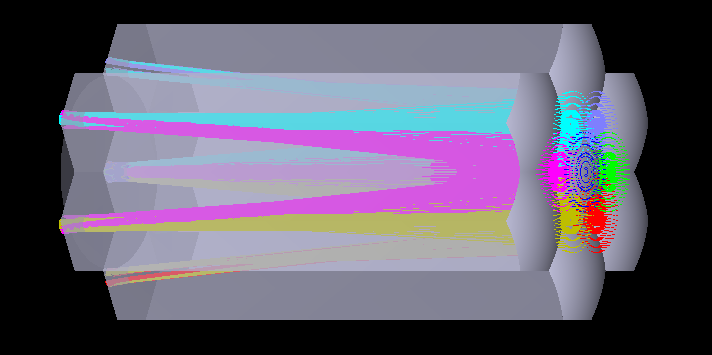
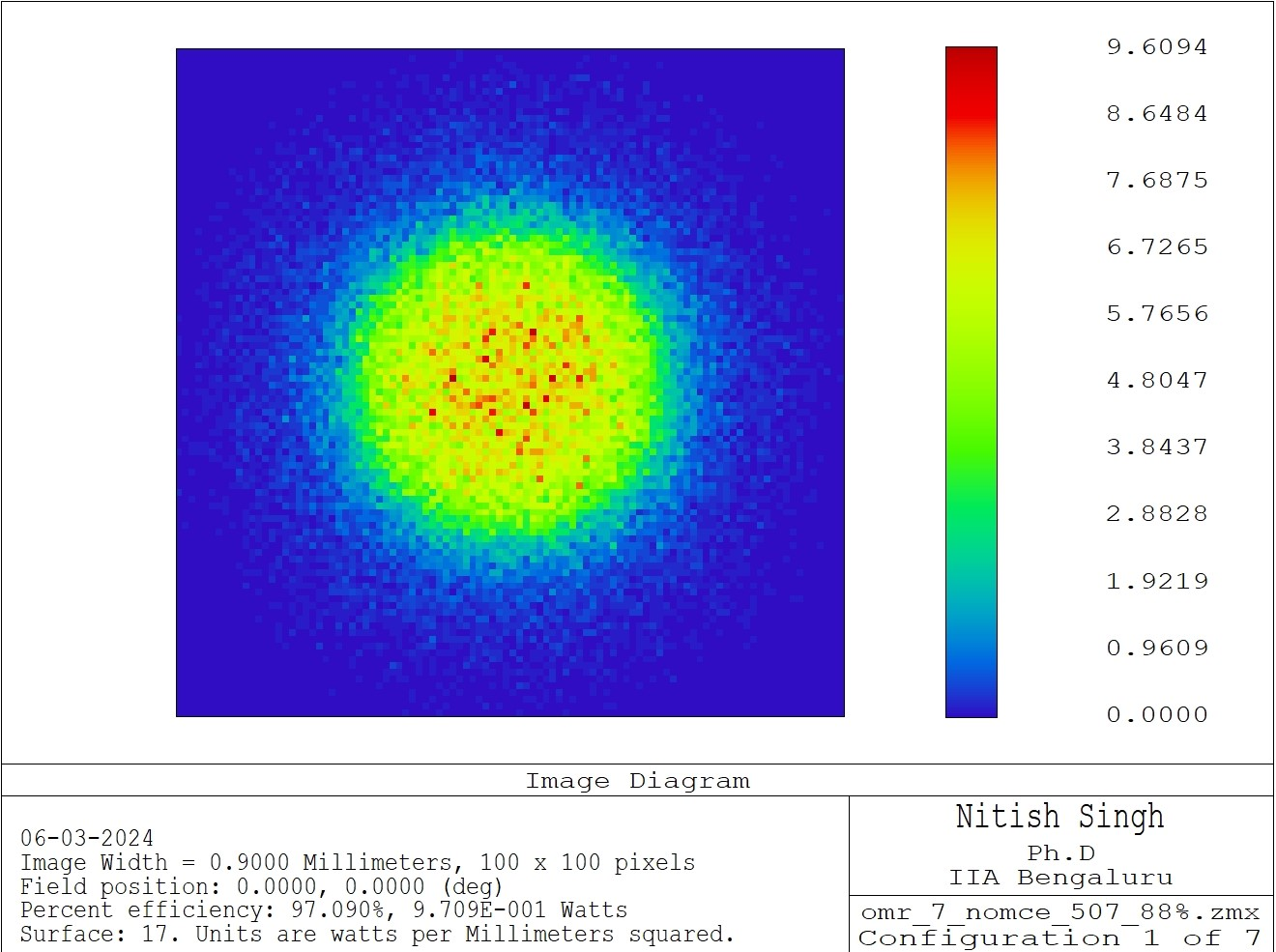
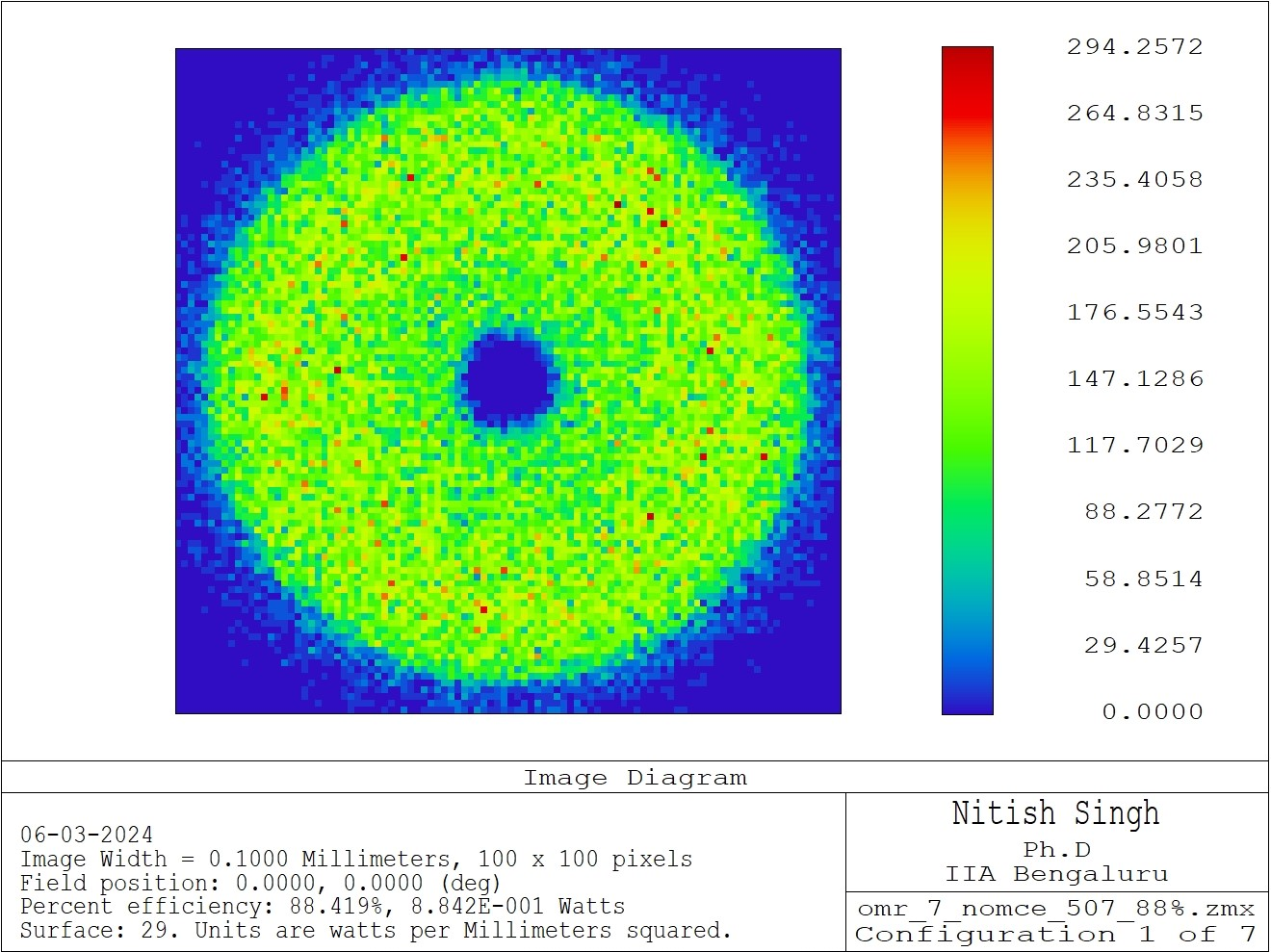
Figure 3: Optical layout of center FoV (2 arcsec distribution) with lenslets substantiates throughput capacity.
Significantly, this enables nearly simultaneous operations of both HRES and OMRS, offering the capability to acquire low, medium, and high-resolution spectra from singular nightly sessions with VBT, thus vastly improving observational capabilities.
Conclusion
This innovative design greatly enhances the operational efficiency of VBT by facilitating seamless operation of both HRES and OMRS from the prime focus in a single night. The lenslet+fiber IFU setup, along with the wide field corrector, addresses the dual aims of preserving spectral resolution while accommodating the observational requirements of both point and extended sources. This capability marks a significant advancement in the observational throughput available at VBT, promising substantial contributions to astronomical studies through concurrent multi-resolution analyses.