- The paper introduces a novel framework that integrates TOPSIS with entropy weighting for objective, real-time mobile device performance assessment.
- The methodology employs PCA for dimensionality reduction and the Hull Moving Average within ARIMA models to smooth volatile data and predict trends.
- Experimental analysis demonstrates personalized performance profiling that enhances operational efficiency and informs dynamic service adjustments.
Abstract
The paper presents a novel approach to real-time performance evaluation and prediction of mobile devices using an advanced methodological framework. This framework integrates the Technique for Order Preference by Similarity to Ideal Solution (TOPSIS) with entropy weighting and time series modeling to achieve highly precise performance status identification and adjustment strategies. By applying principal component analysis (PCA) for dimensionality reduction and feature engineering, the study constructs device performance profiles that gauge real-time operational conditions. The approach facilitates not only immediate performance assessment but also reliable long-term performance forecasting, significantly enhancing user experience and business value.
Introduction
The advent of highly industrialized and automated systems underscores the necessity of precise real-time device performance monitoring, particularly in mobile devices. Operational efficiency and reliability of these devices are influenced by computational resources, battery life, environmental conditions, and network parameters. Traditional evaluation methods fall short due to their uniform treatment of devices within the same model, overlooking individual performance degradation.
This paper introduces a sophisticated real-time perception model grounded in performance indicators, emphasizing the use of dimensionality reduction techniques for accurate evaluation. The framework developed meticulously assesses performance dynamics to aid production adjustments and optimize user experience. The methodology encompasses feature extraction processes, multi-level evaluation models with objective weighting, and time-series prediction models to monitor device health and performance trends effectively.
Framework and Architecture
The framework for device performance evaluation and prediction is implemented as a client-based service integrated with Douyin, exemplifying the model's application versatility across various software platforms.
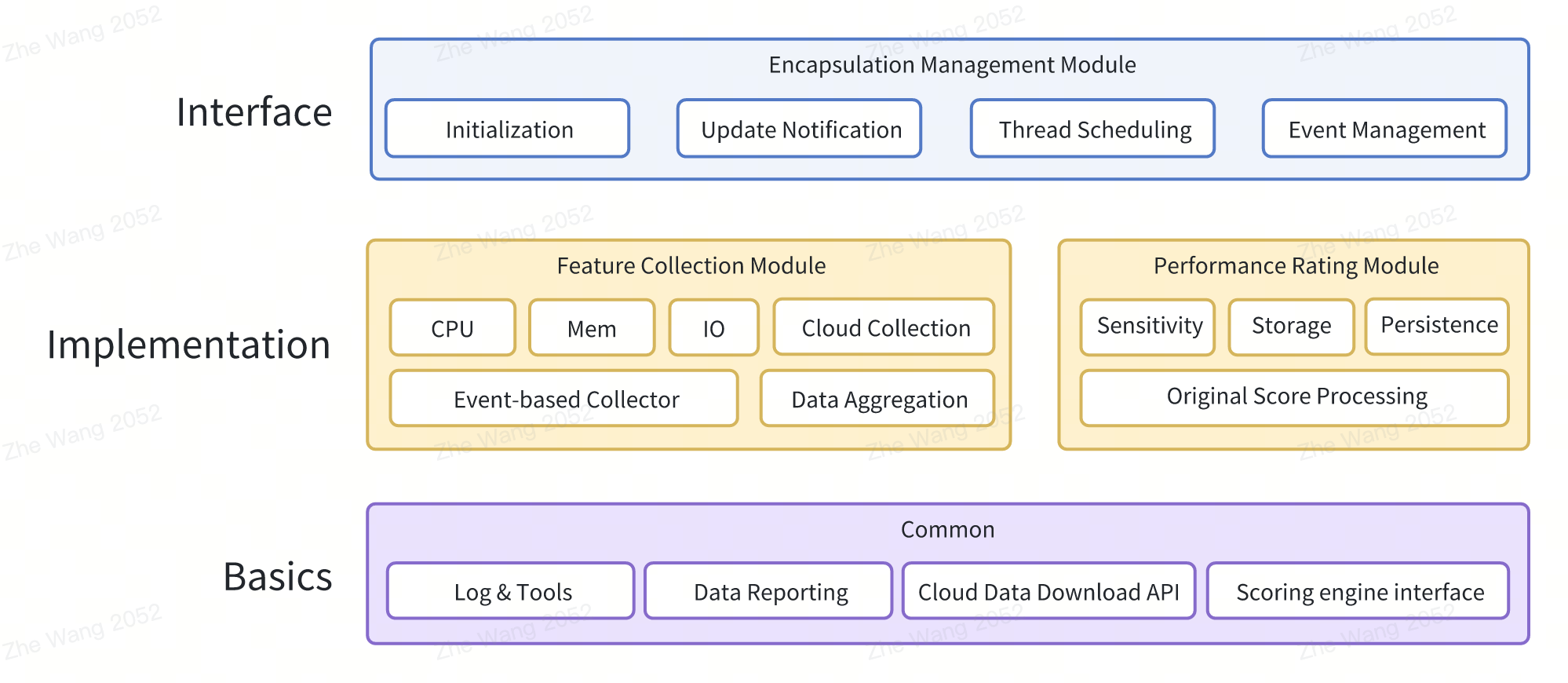
Figure 1: Real-time Performance Evaluation Service Framework for Devices.
It consists of three pivotal modules: encapsulation management, feature collection, and performance rating. The event-driven architecture enables flexible real-time tracking and scoring, thereby enhancing service responsiveness.
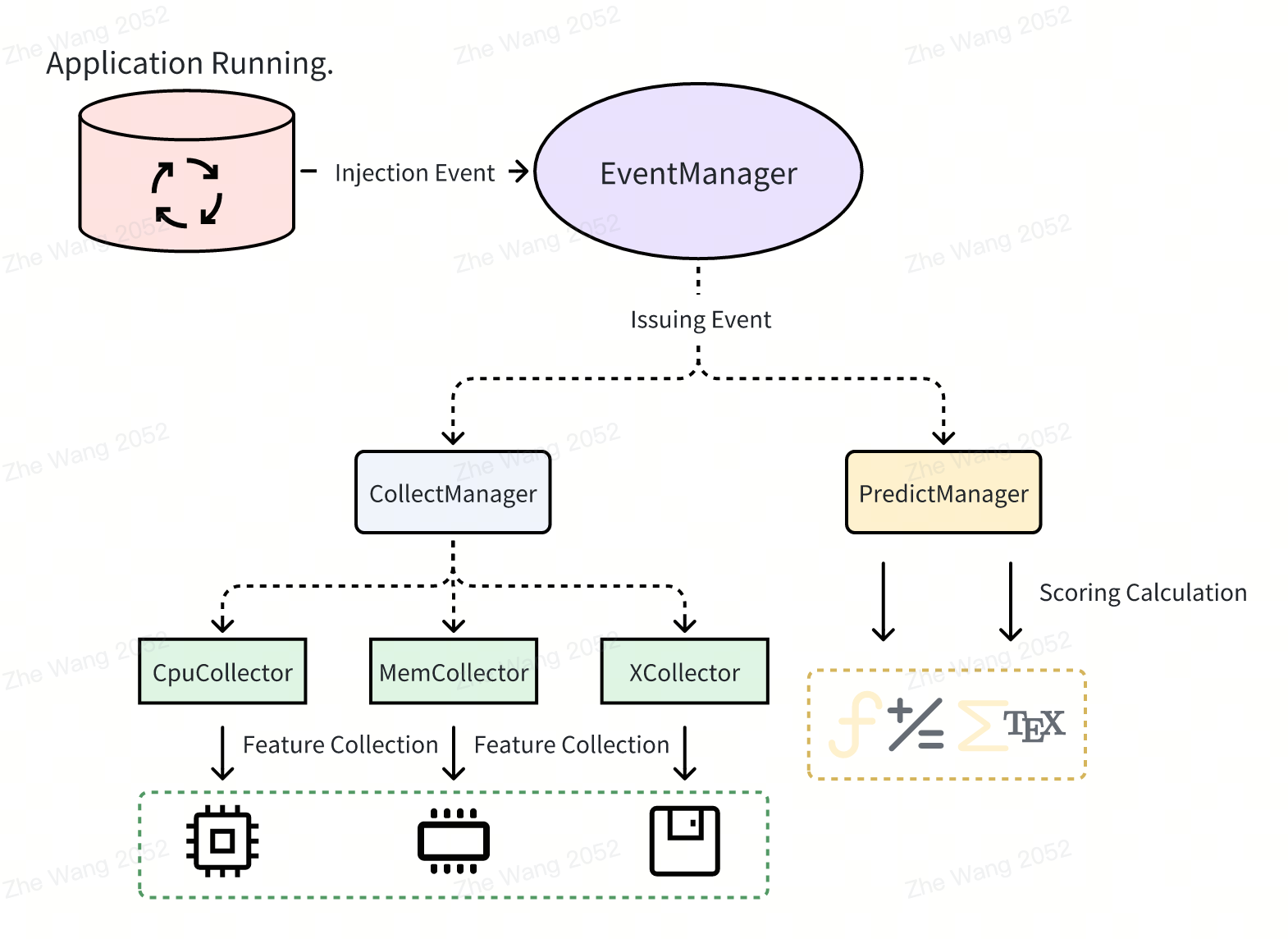
Figure 2: Real-time evaluation service for device performance status driven by events.
Methodology
TOPSIS and Entropy-Based Multi-Level Evaluation
The study leverages TOPSIS for ideal solution proximity ranking, employing normalization and distance calculations to derive comprehensive performance assessment scores without dimensional bias.
A key innovation is the application of entropy weight methods, quantifying feature influence based on distribution variability to objectively determine their impact within evaluation models, fostering precise real-time device performance assessments.
Hull Moving Average (HMA) for Smoothing
Given the high volatility of short-term device data, the Hull Moving Average algorithm offers superior smoothing capabilities by reducing lag and increasing sensitivity, crucial for attaining accurate performance state perceptions.
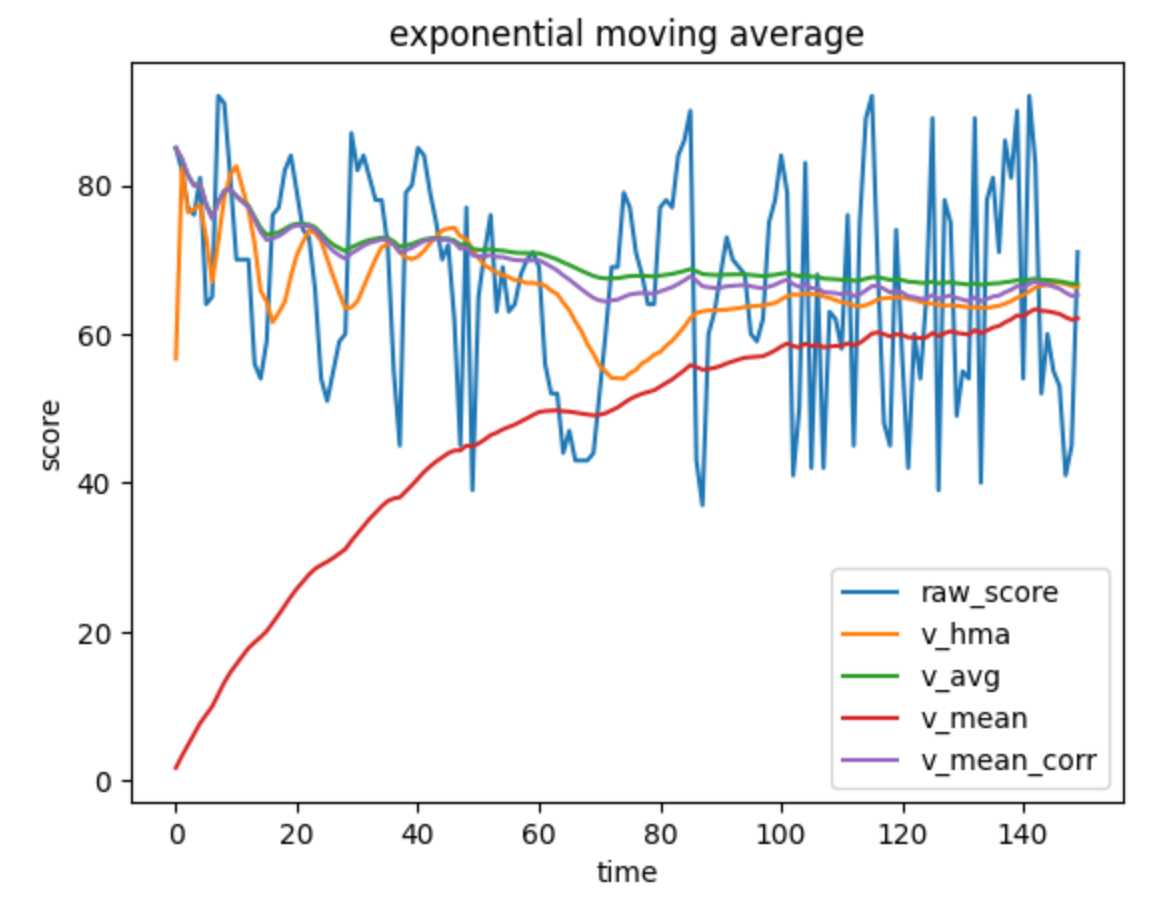
Figure 3: Smoothing results of different moving averages in the original performance dynamic scoring sequence.
HMA is integrated into ARIMA-based models to predict non-stationary series, employing autoregressive, differencing, and moving average procedures to compensate for transient data irregularities.
Experimental Analysis
Data and Feature Construction
Experiments utilize diverse Android models, collected over different seasons to ensure comprehensive environmental impact analysis. Feature engineering involves PCA to extract salient characteristics and deploy descriptive time-series models.
Real-Time Evaluation Results
Comparative analysis using standardized scoring illustrates dynamic device performance fluctuations against static model expectations, revealing personalized discrepancies in real-world usage scenarios.
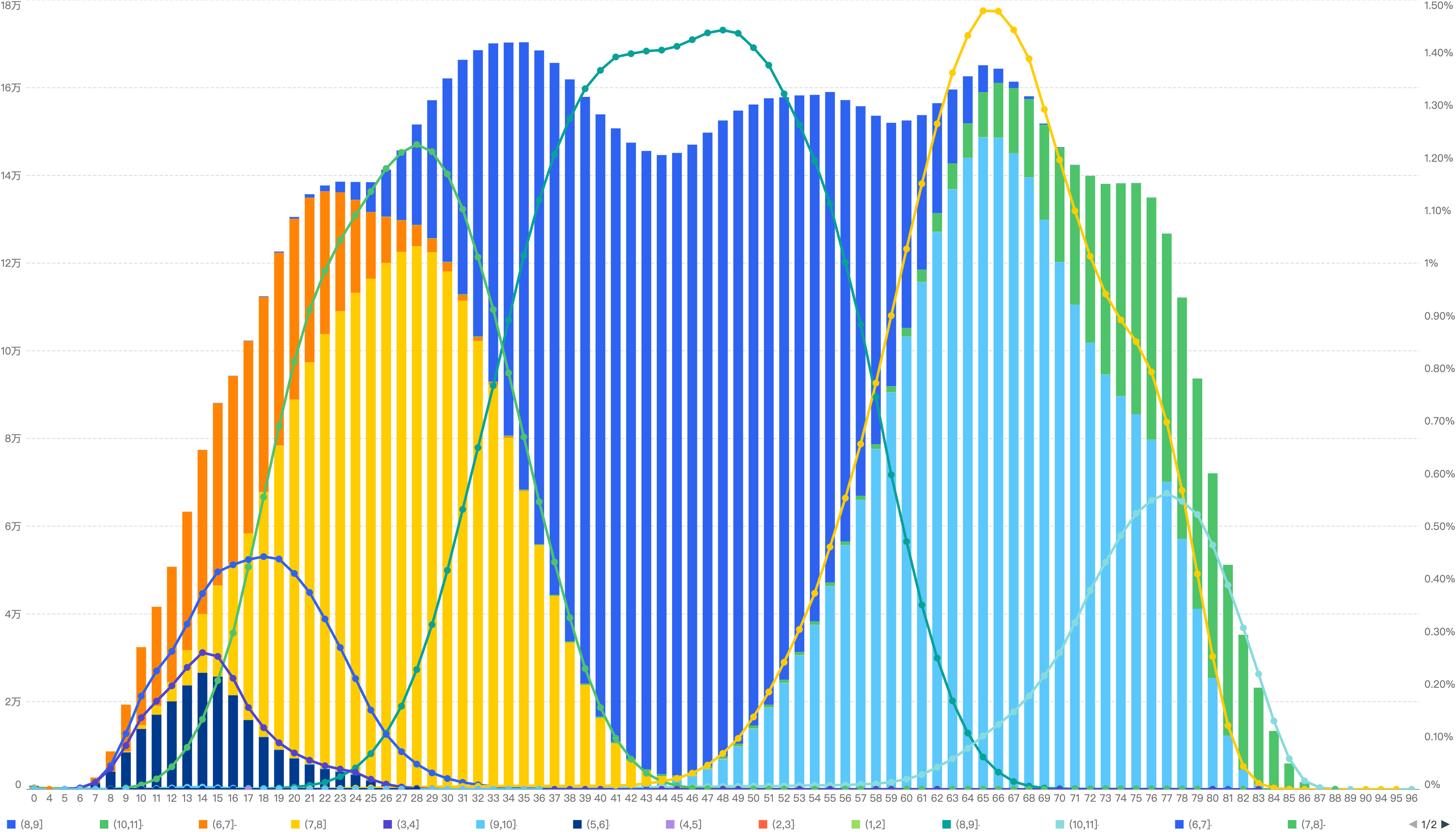
Figure 4: Douyin model performance standardization score distribution density.
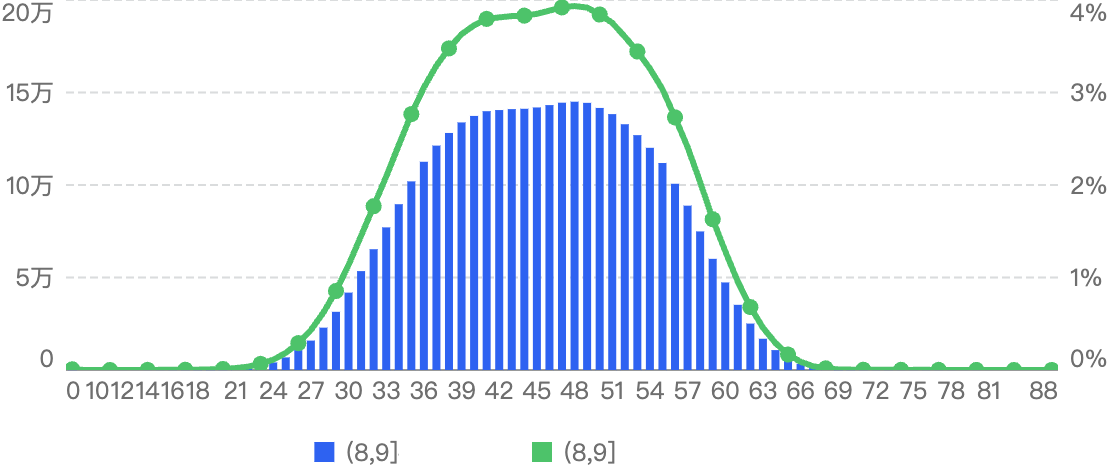
Figure 5: Real-time performance evaluation score distribution for device-models in the (8,9] range.
Performance segmentation validates framework efficacy through tailored user strategies, achieving reduced resource consumption and enhanced playback smoothness.
Conclusion
The research substantiates a robust framework for real-time device performance evaluation, leveraging sophisticated algorithms to ensure dynamic adaptability in mobile devices. Future work promises broader scope incorporation and deeper integration with AI technologies to amplify evaluative precision and predictive capabilities. These advancements are pivotal in ushering more refined context-aware performance models that effectively cater to increasingly complex user and business demands.

