- The paper introduces a four-level taxonomy demonstrating AI's progression from basic digital tools to full co-creative partnership with humans.
- It employs empirical mathematical case studies to showcase AI’s ability to generate non-intuitive, novel solutions in complex creative tasks.
- The study underscores that human expertise in framing and evaluating AI outputs is crucial for maximizing synergistic creative achievements.
Human-AI Co-Creativity: Synergistic Advancement of Creative Processes
Introduction: Frames of Human-AI Creative Interaction
This paper provides a systematic exploration of the integration of generative AI within creative practices, formulating the concept of Human-AI Co-Creativity as distinct from mere augmentation or automation. The authors delineate a stratified model of creative collaboration, emphasizing that generative AI is transitioning from supportive roles—facilitating traditional creative workflows—to active, equal participation in innovation cycles. The argument is supported by both philosophical discussion and empirical evidence, notably from the field of mathematics, which serves as a rigorous testbed for measuring creativity in terms of novelty and utility. The paper posits that the maximization of creative output, both quantitatively and qualitatively, emerges most prominently in co-creative frameworks that optimize the interplay between human intent and machine generativity.
Inherent Creativity of Generative AI Systems
Autonomous creativity in AI requires systems to independently generate novel solutions, transcending the confines of their training data through adaptive learning architectures. While philosophical arguments persist about whether AI creativity is "true" or merely mimetic, the practical benchmark employed here involves standardized creativity tests, direct comparisons with human output, and expert evaluation in domain-specific scenarios. LLMs exemplify this balancing act between deterministic processing and stochastic variability, producing content with demonstrable originality—often indistinguishable from human-generated work in fields such as writing and visual arts. These findings confront perspectives that label AI output as strictly incremental or "artificial creativity," instead substantiating the claim that generative AI can autonomously pass rigorous tests for creative value and unpredictability.
Taxonomy of Human-AI Creative Interactions
The authors articulate a four-level taxonomy of tool integration, each representing a distinct paradigm in creative engagement:
- Level 1: Digital Pen — Basic digital enablement of creative processes, with no substantive AI-generated input.
- Level 2: AI Task Specialist — AI as an autonomous executor of predefined, human-specified creative tasks, operating within strict guardrails.
- Level 3: AI Assistant — Interactive generative AI, such as LLMs, supporting brainstorming, coding, and design tasks under human guidance, allowing for substantive but bounded creativity.
- Level 4: AI Co-Creator — Full-fledged cooperative systems in which AI displays equal creative agency, dynamically influencing the trajectory of creative products.
Mathematical Examples and Creative Advancement
The paper supports its theoretical claims with concrete mathematical case studies for Levels 2–4, illustrating gradient increases in creative autonomy and synergistic output:
- Level 2 (AI Task Specialist): New Bell Inequalities
Here, AI executes high-complexity computations to extend classical boundaries in quantum mechanics. The creative input is entirely human, but computational augmentation allows the exploration of previously unreachable solution spaces.
- Level 3 (AI Assistant): Ramsey Multiplicity Bounds
AI supports the discovery of intricate combinatorial constructions in graph theory. Creativity is partitioned, with the human defining parameters and the AI revealing unexpected configurations, facilitating novel insights into underlying combinatorial structures.
- Level 4 (AI Co-Creator): Chromatic Colorings of the Plane
In combinatorial geometry, the Hadwiger-Nelson problem provides a platform for demonstrating the superior synergy in human-AI collaboration. The generative AI system produced previously unknown six-colorings, expanding the solution space beyond prior human achievements due to its ability to identify non-intuitive, irregular patterns. Results were validated and refined through human expertise, exemplifying the fusion of machine exploration and human contextualization.
In the Level 4 example, reference to known colorings illustrates the historical evolution and regularity of human approaches.
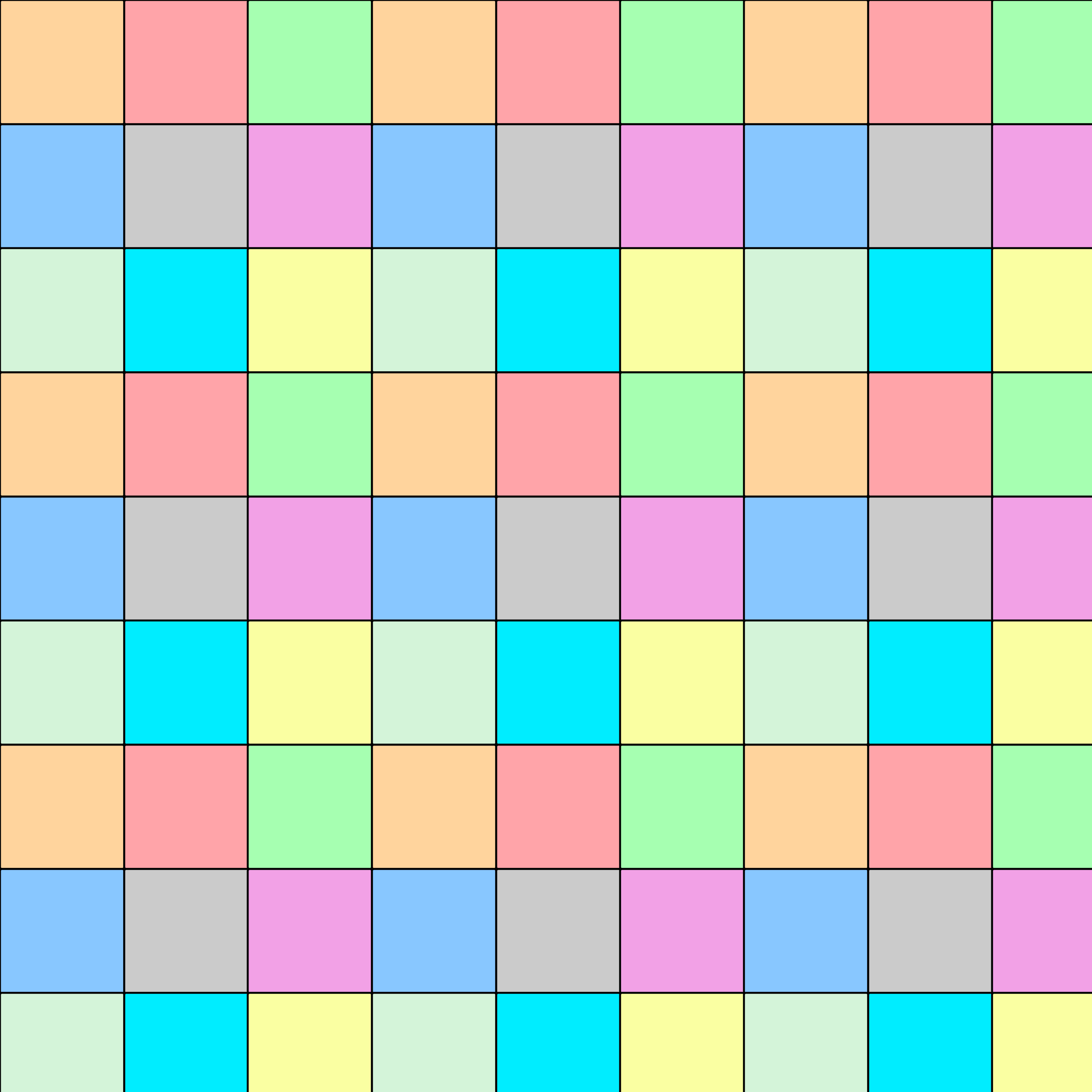
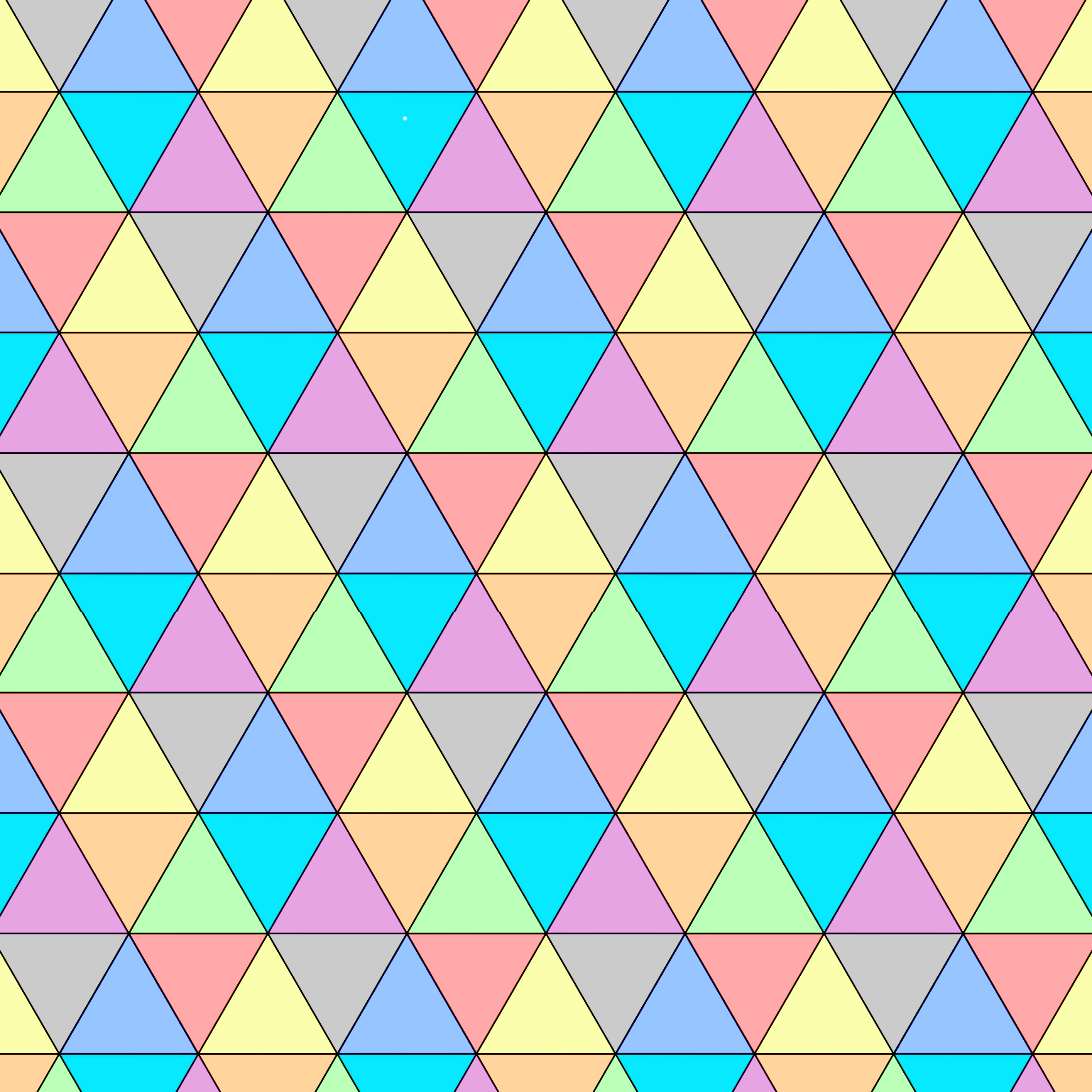
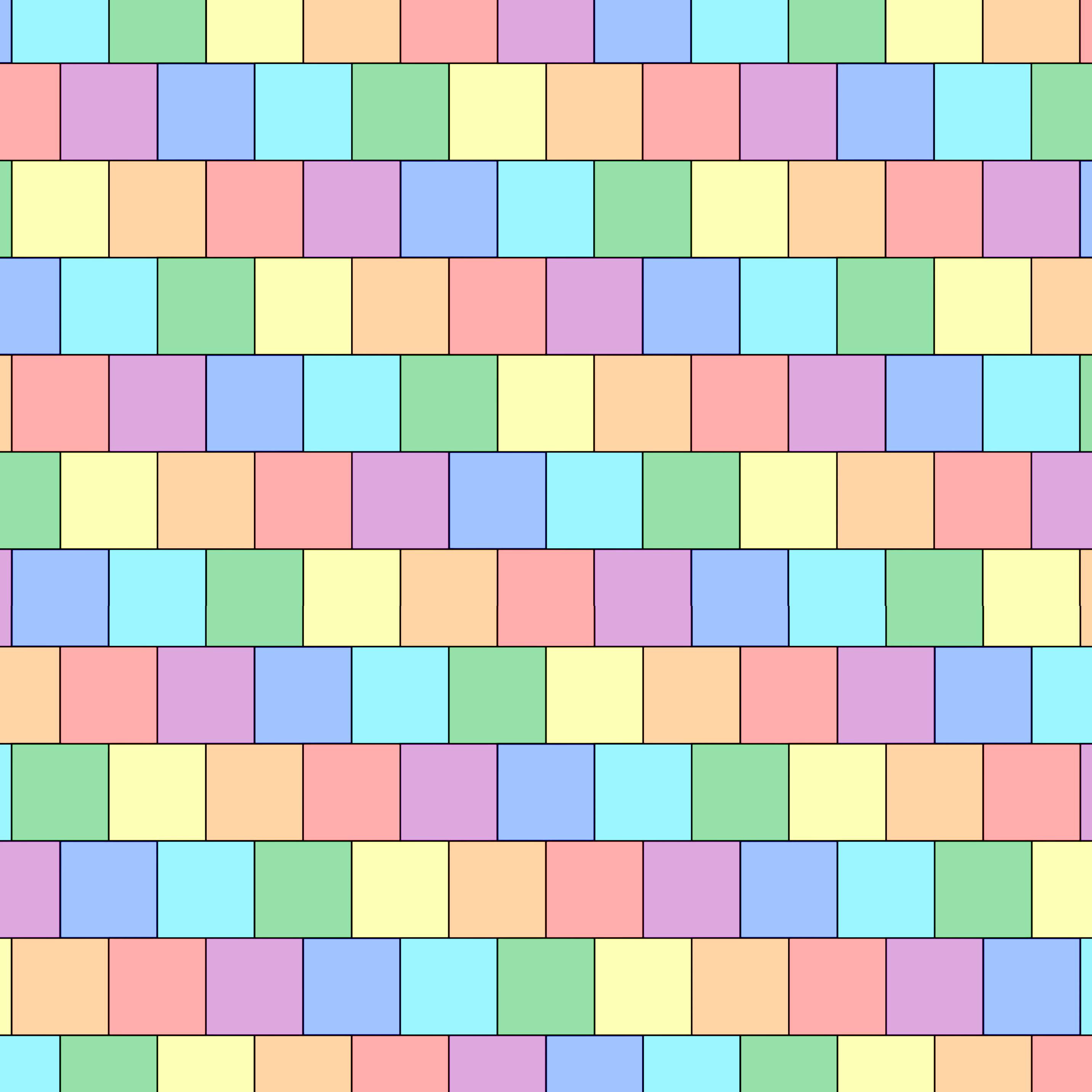
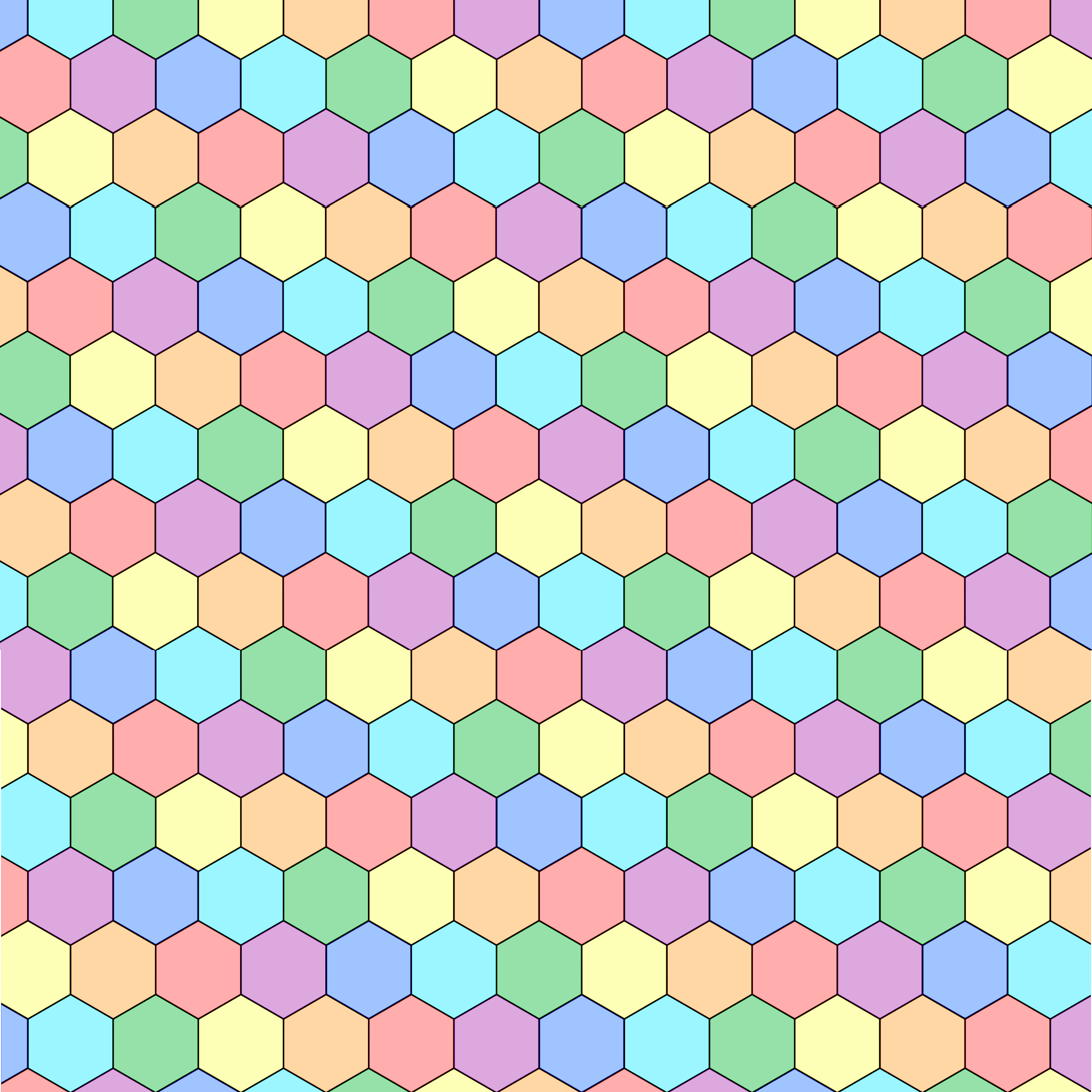
Figure 1: Benchmark examples of planar colorings built by humans, representing prior state-of-the-art in combinatorial creativity.
Subsequent breakthroughs facilitated by customized generative AI approaches display drastically non-symmetric, algorithmically generated solutions.
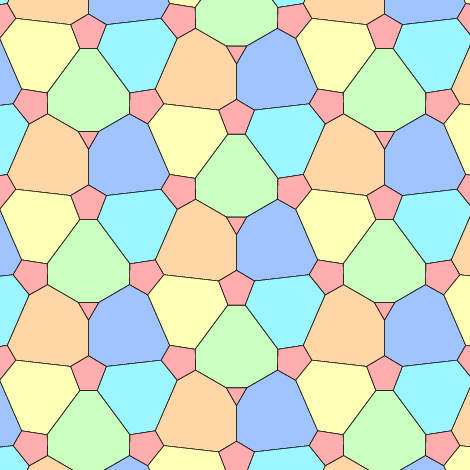
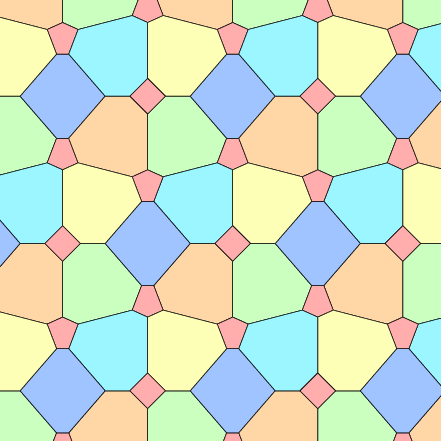
Figure 2: Two new six-colorings discovered via Human-AI Co-Creativity, exhibiting creative discontinuity from traditional constructions.
Principled Human-AI Co-Creative Collaboration
The authors articulate that optimal co-creativity requires human expertise not only in domain knowledge but also in formulating tractable problem statements and evaluating partial AI-generated outputs—especially as these outputs may lack immediate interpretability. They invoke the MAYA principle to guide the integration of advanced yet accessible creative outputs. In system design, the balance between human oversight and autonomous AI operation is emphasized, advocating for interaction protocols where AI acts as a co-equal, augmenting rather than supplanting human creative capacities. Empirical reports in business, design, writing, and education reinforce that productivity and outcome quality increase under careful AI support, though overreliance may lead to homogenization or diminished human agency.
Implications, Challenges, and Future Trajectories
The incursion of AI into creative fields presents multifaceted implications:
- Innovation Democratization: Widespread access to AI-powered tools augments creativity for non-experts, supporting the proliferation of novel content.
- Monopolization Risks: Fields amenable to large-scale automation may see AI-generated content supplant traditional creative roles, evidenced in game design and digital art.
- Value of Human Agency: Market signals and experimental findings show fluctuating preference patterns, with both human-made and AI-made works commanding premiums under differing contexts.
- Synergistic Fusion: Most critically, the horizon of creative advancement lies in composite systems that push boundaries through hybridized cognitive architectures.
Confronting overreliance risks, the authors recommend design frameworks that foreground calibration, continuous human engagement, and evaluative feedback, ensuring generative AI amplifies—rather than erodes—distinctively human creative faculties.
Conclusion
This paper provides a rigorous framework for understanding, benchmarking, and optimizing Human-AI Co-Creativity across multiple domains, with mathematics serving as a pivotal demonstration environment. The four-level taxonomy defined herein offers a practical schema for the fine-grained analysis of creative agency and synergy. Empirical examples underscore the transformative potential of generative AI as both task specialist and co-creator, substantiating the thesis that true creative advancement is contingent not solely on the expansion of AI competencies, but also on the fidelity of collaborative processes. As generative AI systems advance in efficiency, comprehensiveness, and generalizability, it is anticipated that higher-order co-creative achievements will disseminate across broader scientific and artistic domains. The principal future challenge is to engineer systems and workflows that harmonize augmentative potential and intrinsic human creativity, sustaining innovation trajectories while safeguarding originality and evaluative rigor.