- The paper demonstrates that RF fingerprinting can achieve over 99% identification accuracy for UWB devices in controlled conditions using deep learning models.
- It introduces a novel dataset and evaluates both CNN and Vision Transformer architectures to extract unique hardware signatures from UWB signals.
- The study reveals challenges in generalizing the model to new environments, underscoring the need for diverse data and improved scalability.
Summary of "Tracking UWB Devices Through Radio Frequency Fingerprinting Is Possible"
The paper investigates the application of Radio Frequency Fingerprinting (RFF) to Ultra-Wideband (UWB) devices, aiming to discern the feasibility of this approach for both security applications and the potentially undesired tracking of devices. This study introduces a novel dataset and an advanced deep learning pipeline to assess the ability to extract unique hardware signatures from UWB signals.
Introduction to UWB and RFF
Ultra-Wideband (UWB) technology is essential for precise indoor localization, widely used in modern smartphones and various applications. The researchers seek to understand the potential of RFF in security, deriving unique device fingerprints from signal variations introduced during manufacturing. Despite RFF's promise for device authentication, it poses privacy risks through unauthorized tracking, similar to facial recognition.
Experimental Setup and Dataset
The authors present a comprehensive setup using off-the-shelf UWB boards, focusing on controlled experiments to explore the robustness of RFF. The setup involves 14 UWB devices operating on a single channel, with data collection methods ensuring controlled positional variations while maintaining constant experimental variables.
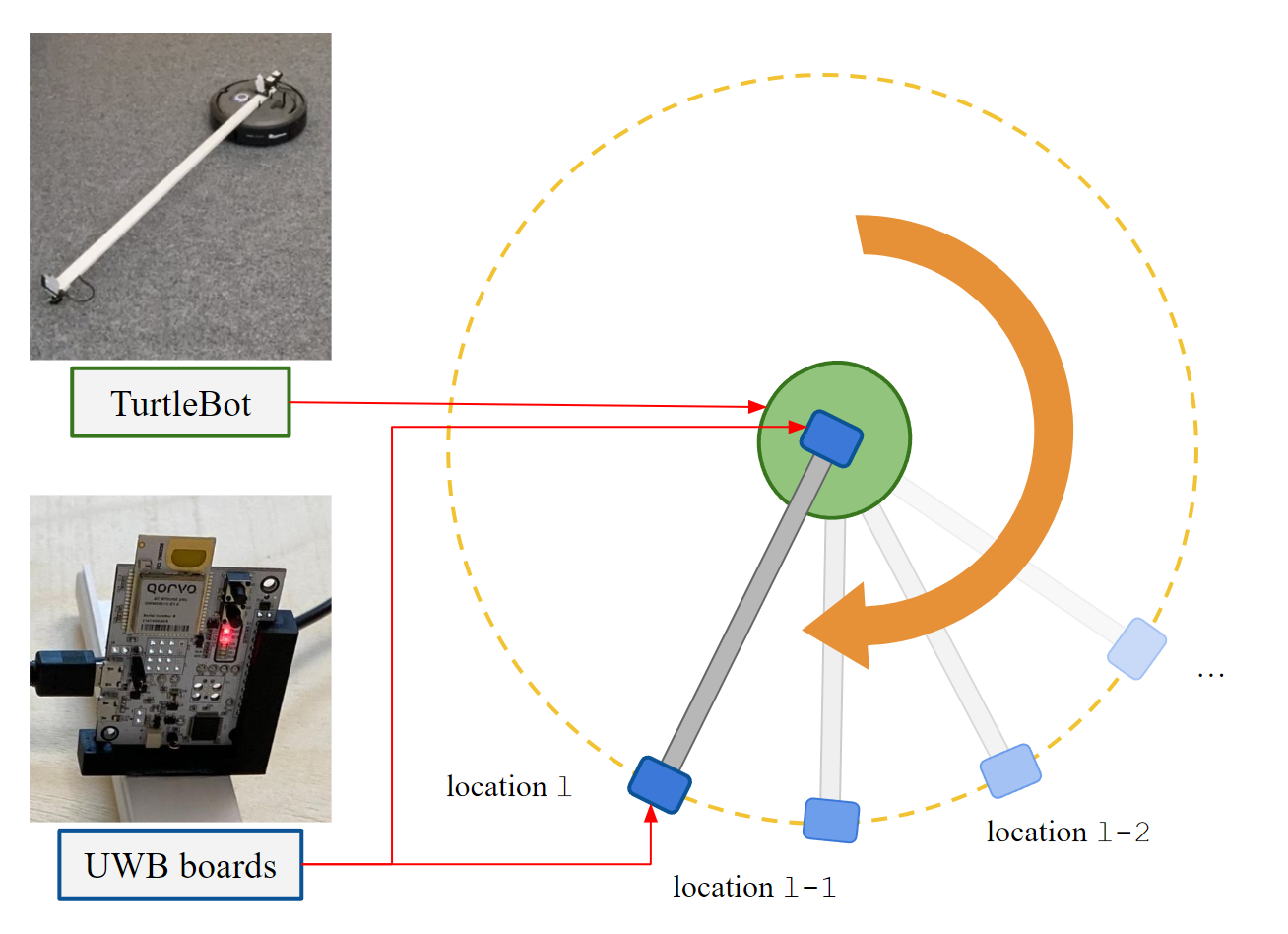
Figure 1: Experimental setup. UWB boards clipped in the 3D-printed mount rotated by the TurtleBot.
To mitigate data biases, signal preprocessing included min-max normalization and transformation to time-frequency domain using discrete Short-Time Fourier Transform (STFT). The dataset comprises various scenarios with differing positional complexities, testing the generalization capacity of the model.
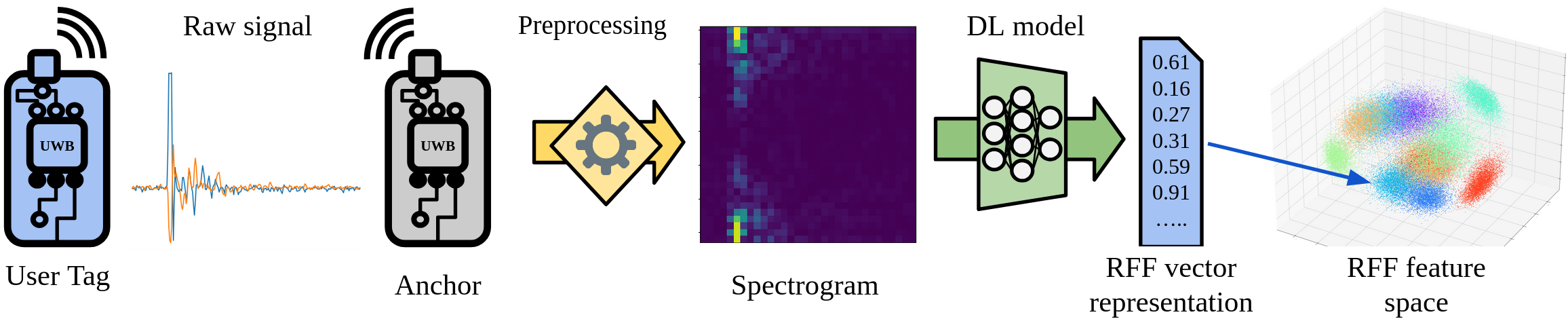
Figure 2: Pipeline of the RFF extraction system through representation learning.
Deep Learning Approach
The paper introduces two primary deep learning architectures for RFF extraction: a baseline CNN and a Vision Transformer (ViT) adapted for the specific challenges of open-set identification. These models are trained to project signal data into feature spaces that distinguish device identities.
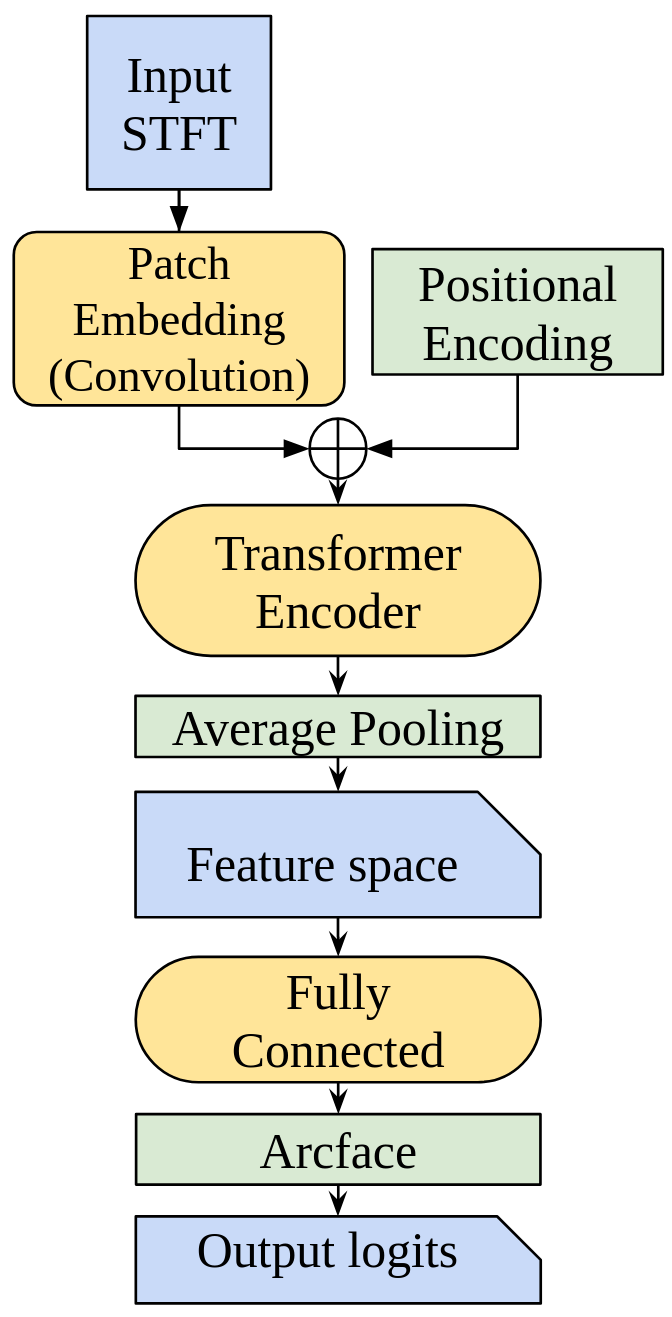
Figure 3: ViT architecture with parameters.
The ViT model leverages the ArcFace loss, which enhances feature space separability, critical for distinguishing new devices in open-set contexts. The model undergoes rigorous validation across various controlled scenarios, including evaluation of generalization to new environments.
Results and Discussion
Experimental results demonstrate that RFF can achieve high identification accuracy in controlled settings, with over 99% accuracy in stable conditions. However, performance declines in novel environments, reflecting challenges in achieving robust generalization. The open-set identification task highlights the complexity in applying RFF across unknown devices and positions.
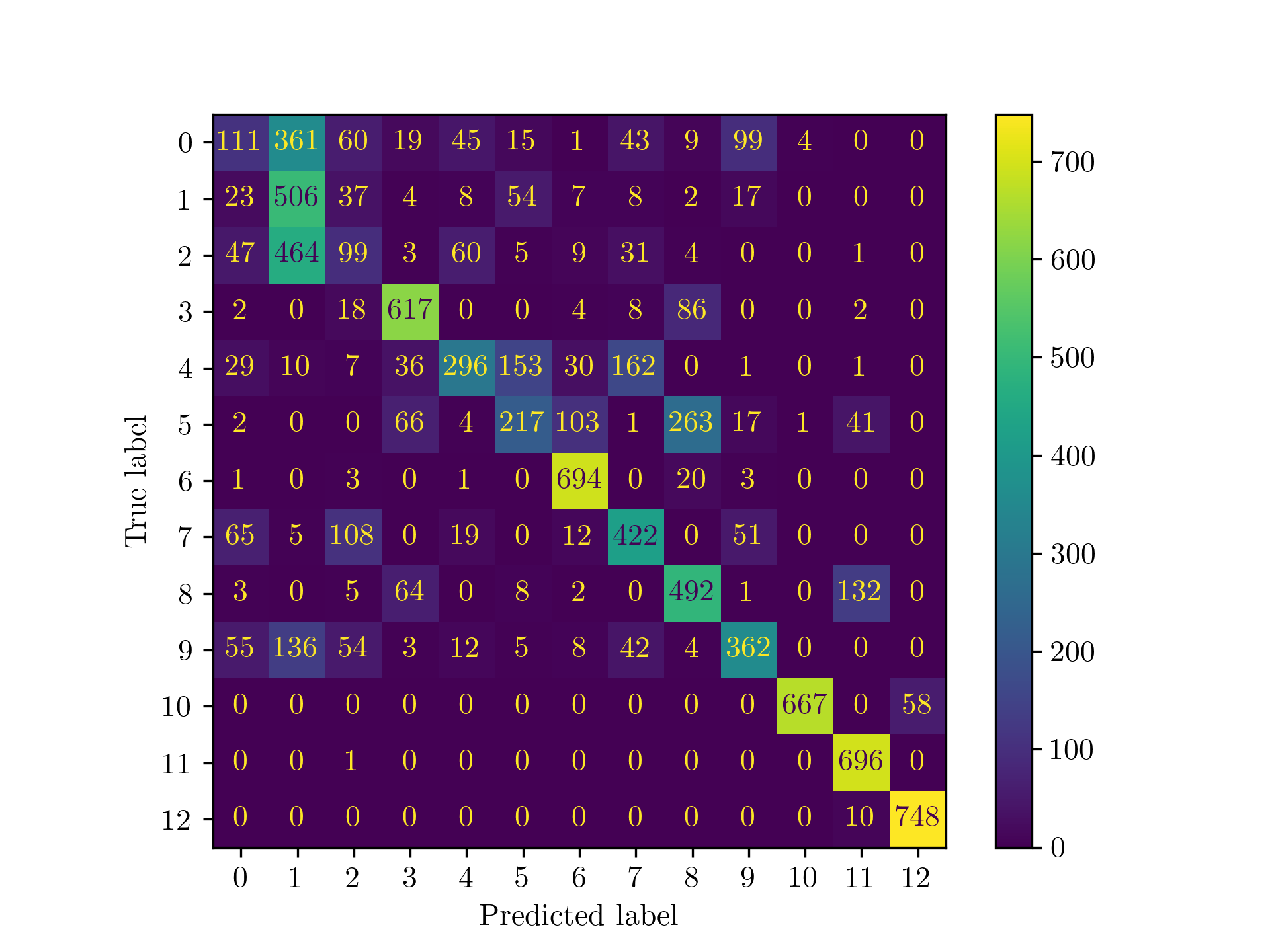
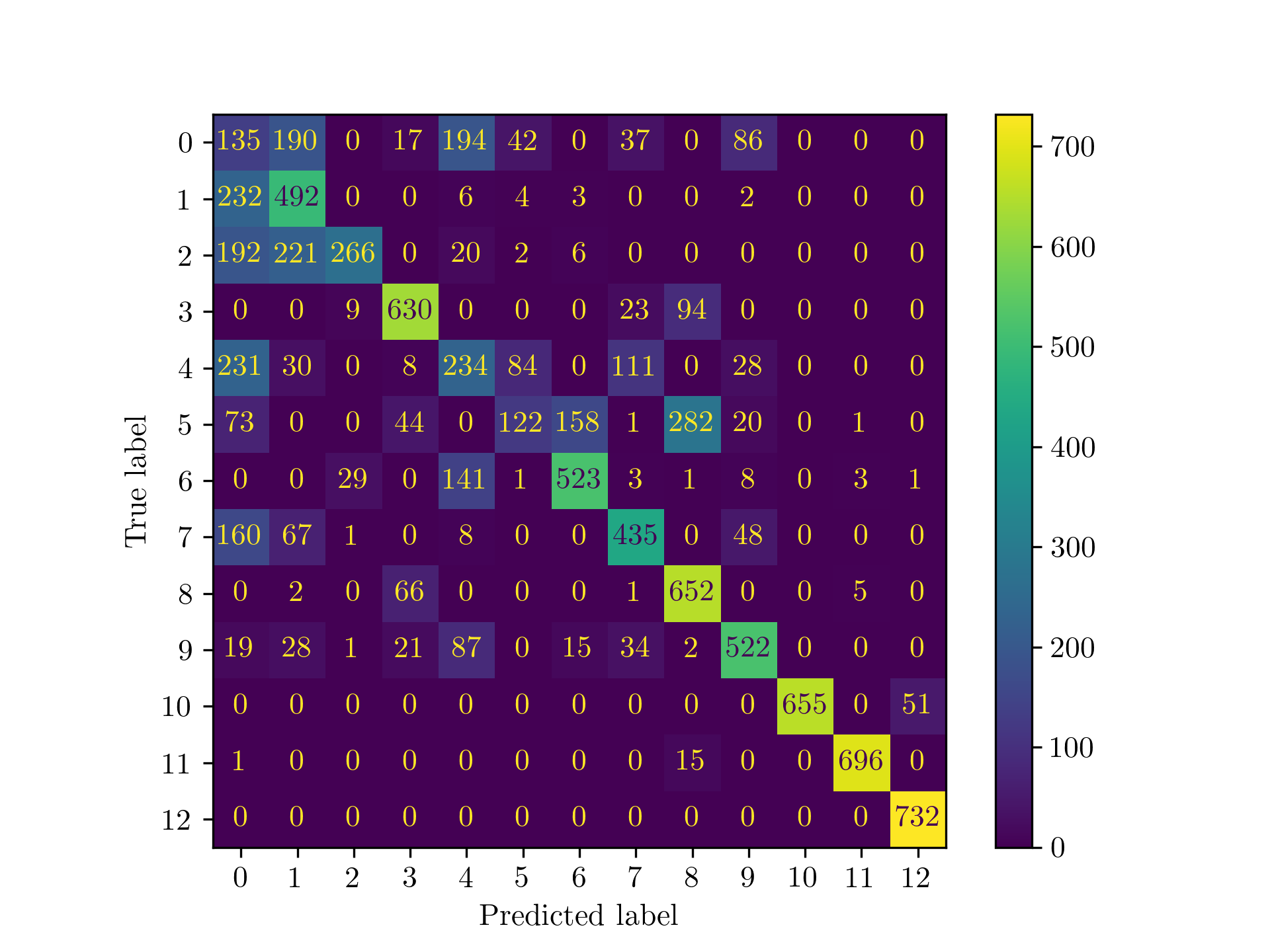
Figure 4: Confusion matrix on 9300 samples of scenario 2 test set, for two distinct architectures.
Metrics such as Cumulative Matching Characteristics (CMC) and Area Under Receiver Operating Characteristic (AUROC) provide insights into the models' abilities to handle both close-set and open-set recognition tasks.
Limitations and Considerations
Key limitations include the computational demands of the ViT architecture, potentially impacting real-time applications and deployment in resource-constrained environments. Challenges also arise in guaranteeing model generalization without extensive environmental data diversity. Signal power and latency bias are partly mitigated, but full robustness against manipulations (e.g., antenna covering with glue) remains uncertain.
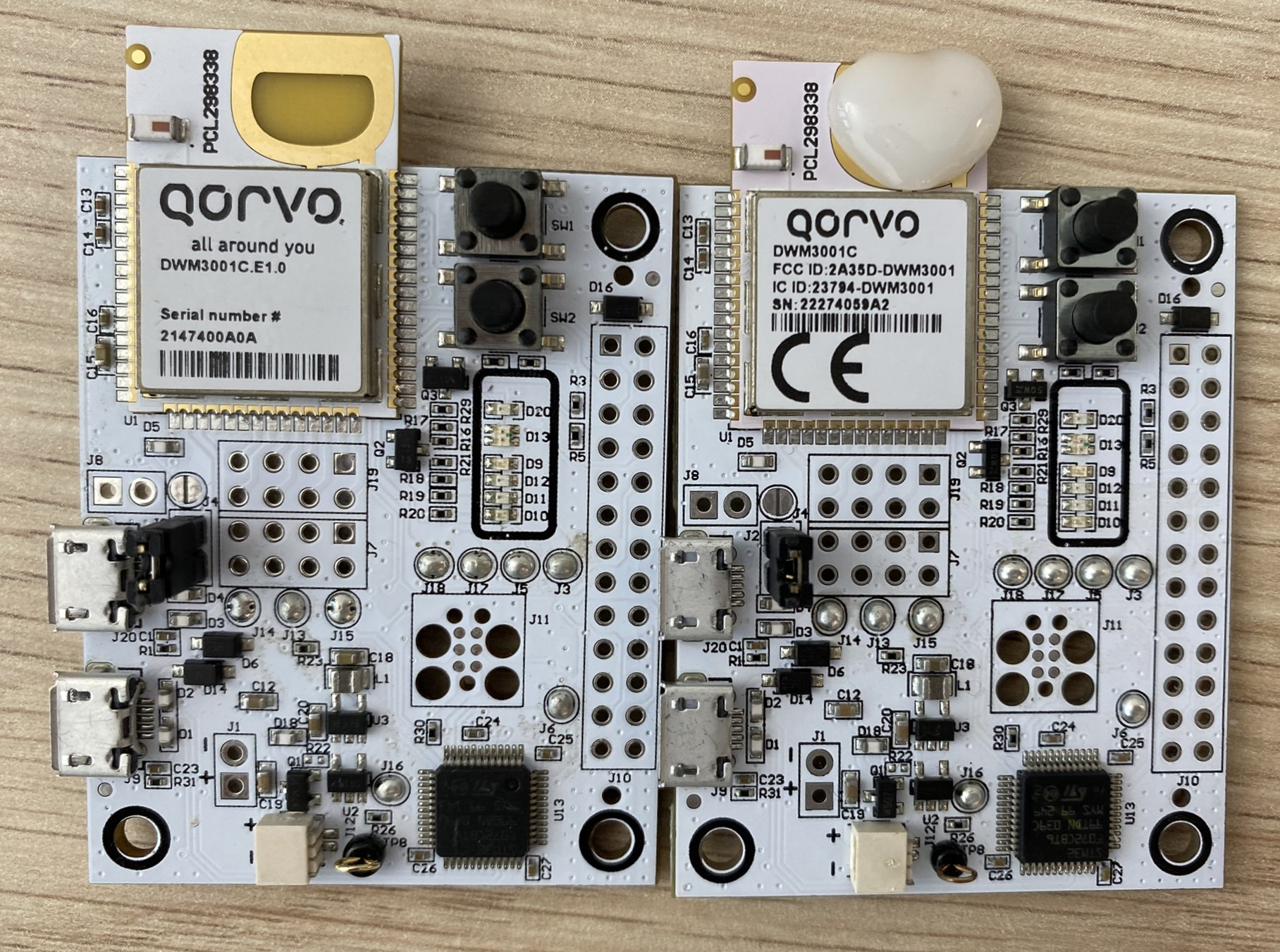
Figure 5: UWB boards with and without glued antenna.
Conclusion
The study reaffirms the potential for UWB device identification through RFF but underscores the need for enhanced dataset diversity and environmental sampling to improve model robustness. Future work aims to refine modeling approaches and broaden RFF applications across different technologies, focusing on the scalability and resilience of fingerprint extraction systems in dynamic environments.