- The paper demonstrates LLMs' transformative role in accelerating scientific discovery through automation and novel interfaces.
- It details methodologies integrating quantum-chemical analyses and retrieval-augmented generation for improved property prediction and design.
- The research underscores global collaboration in LLM hackathons that drive innovative tools for hypothesis generation and data management.
LLMs for Accelerated Scientific Discovery in Materials Science and Chemistry
This paper provides a comprehensive overview of how LLMs are being applied across various facets of materials science and chemistry, leading to automation, novel interfaces, and accelerated scientific discovery. It synthesizes insights from 34 projects developed during a global hybrid hackathon, categorizing them into seven key research areas and highlighting exemplar projects that showcase the transformative potential of LLMs in scientific workflows. The authors emphasize the collaborative nature of the hackathon as a framework for exploring LLM capabilities and addressing existing limitations in the field.
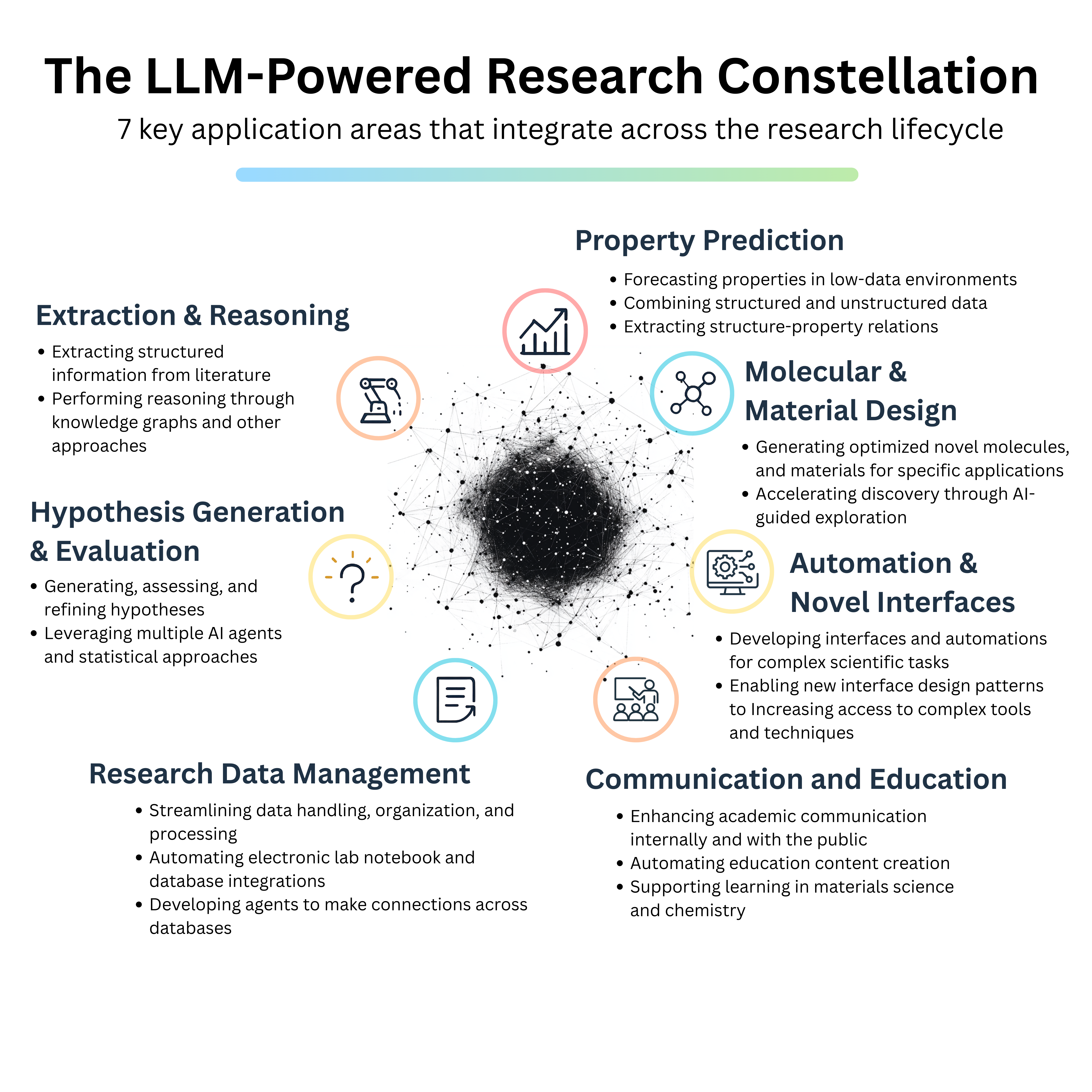
Figure 1: The LLM-Powered Research Constellation, illustrating the wide applicability of LLMs across the scientific research lifecycle.
Key Application Areas of LLMs
The paper categorizes the 34 submissions into seven key research areas, painting a comprehensive picture of LLM applications in materials science and chemistry:
- Molecular and Material Property Prediction: LLMs demonstrate the ability to forecast chemical and physical properties, particularly in data-scarce environments, by integrating both structured and unstructured data.
- Molecular and Material Design: The capacity of LLMs to generate and optimize novel molecules and materials, such as peptides and metal-organic frameworks, underscores their design potential.
- Automation and Novel Interfaces: The development of natural language interfaces and automated workflows simplifies complex scientific tasks, broadening accessibility to advanced tools and techniques.
- Scientific Communication and Education: LLMs enhance academic communication, automate educational content creation, and offer support for learning in materials science and chemistry.
- Research Data Management and Automation: LLMs facilitate streamlined handling, organization, and processing of scientific data via multimodal agents and specialized tools.
- Hypothesis Generation and Evaluation: LLMs generate, assess, and refine scientific hypotheses, leveraging multiple AI agents and statistical methodologies.
- Knowledge Extraction and Reasoning: LLMs extract structured information from scientific literature, enabling sophisticated reasoning about chemical and materials science concepts via knowledge graphs and multimodal approaches.
Exemplar Projects and Implementation Insights
The paper includes specific project examples that provide insights into the practical implementation of LLMs within materials science and chemistry.
Leveraging Orbital-Based Bonding Analysis
One team fine-tuned Llama 3 models to predict phonon density of states (DOS) peaks, incorporating orbital-based bonding analysis from the Robocrystallographer and LobsterPy packages. This approach improved prediction accuracy compared to models relying solely on compositional and structural information. The success highlights the value of including quantum-chemical bond strengths for vibrational property prediction.
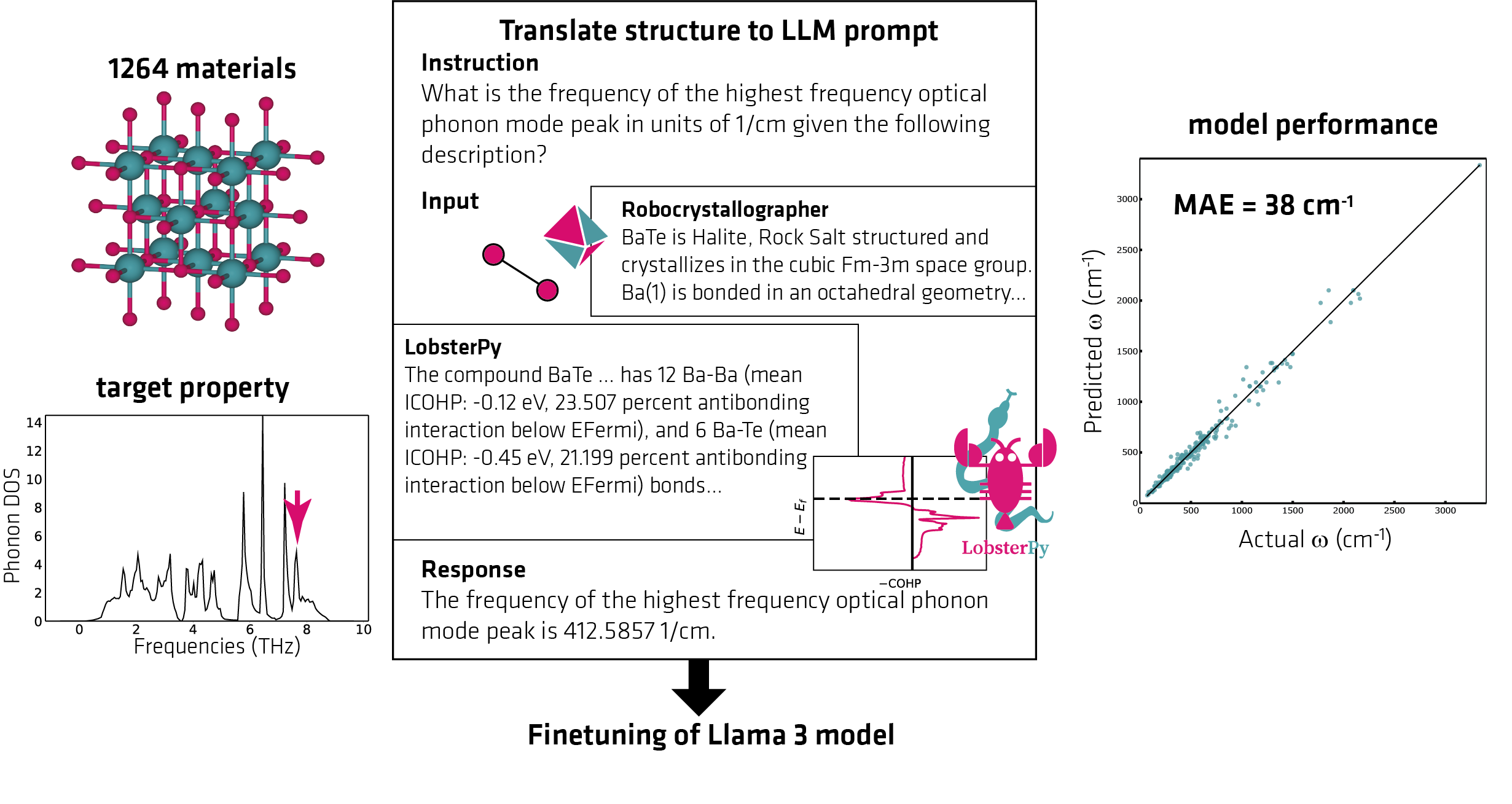
Figure 2: The Alpaca prompt format used for fine-tuning an LLM to predict the last phonon DOS peak.
AI Agents for MOF Design
Another project utilized chemistry-informed ReAct agents to optimize the band gap property of MOFs. The agent, powered by GPT-4, employed tools for retrieval-augmented generation (RAG) and surrogate band gap prediction, enabling iterative suggestions of new MOF candidates with lower band gaps.
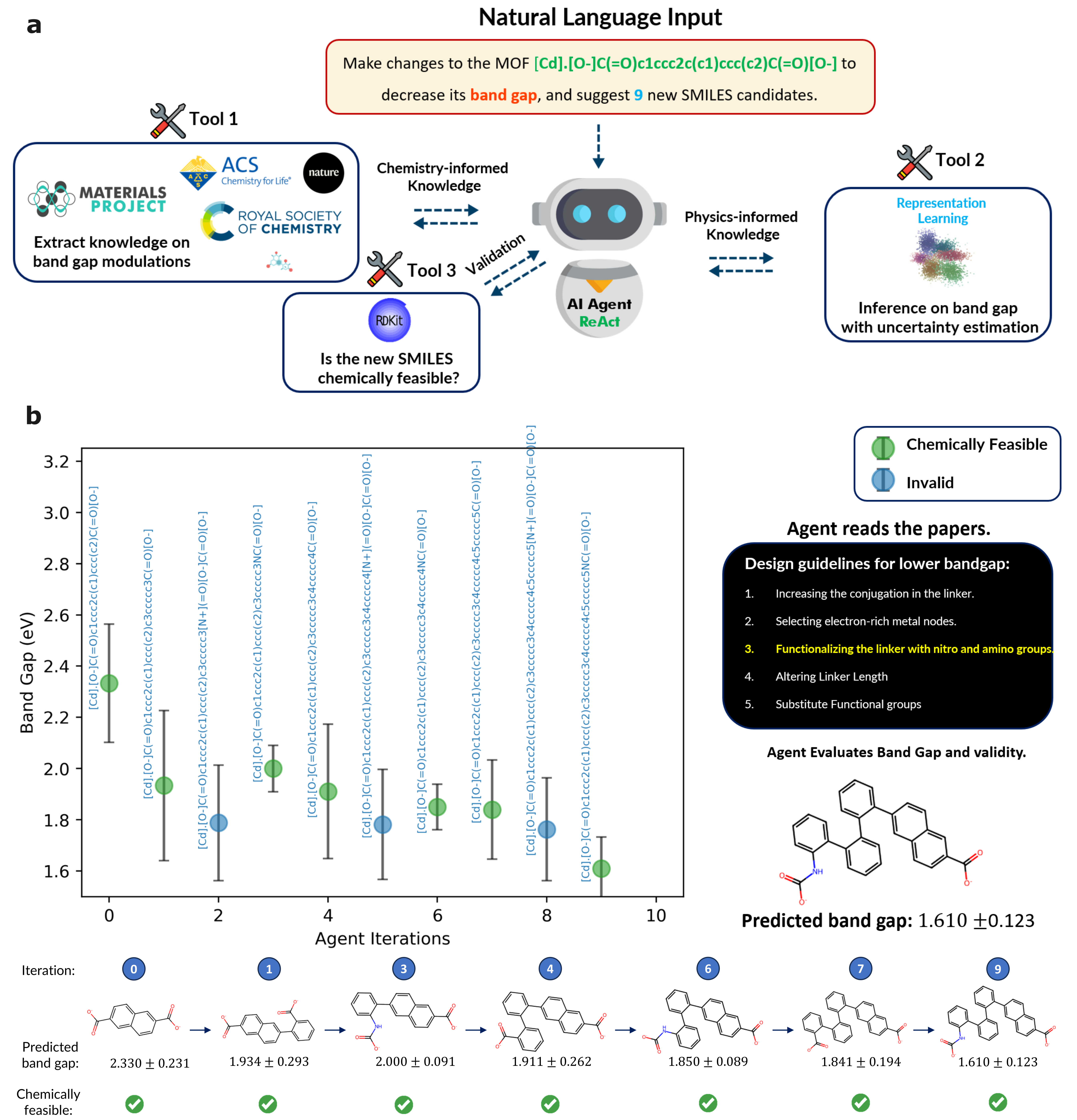
Figure 3: Workflow of ReAct agent for MOF design, showing iterative candidate suggestion and band gap prediction.
LangSim for Atomistic Simulation
The LangSim project developed a natural language interface for atomistic simulations. By integrating custom atomistic modeling tools with LangChain, the LLM could autonomously initiate simulations to study material properties on an atomistic scale. This capability was demonstrated by predicting the binary concentration of a solid solution alloy to match a user-defined bulk modulus.
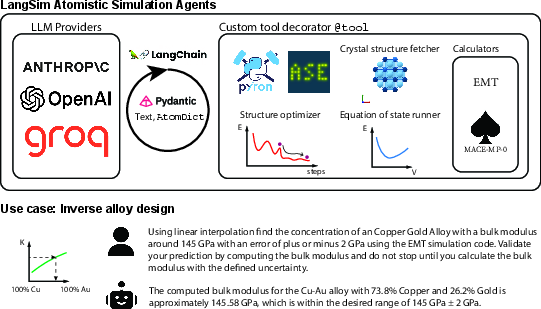
Figure 4: The LangSim framework integrates custom atomistic modeling tools with LangChain for inverse alloy design.
LLMicroscopilot for Automated Microscopy
The LLMicroscopilot project created an LLM-based agent to automate the operation of a scanning transmission electron microscope. This assistant simplifies complex tasks such as parameter estimation and experiment execution, increasing accessibility to advanced microscopy techniques.
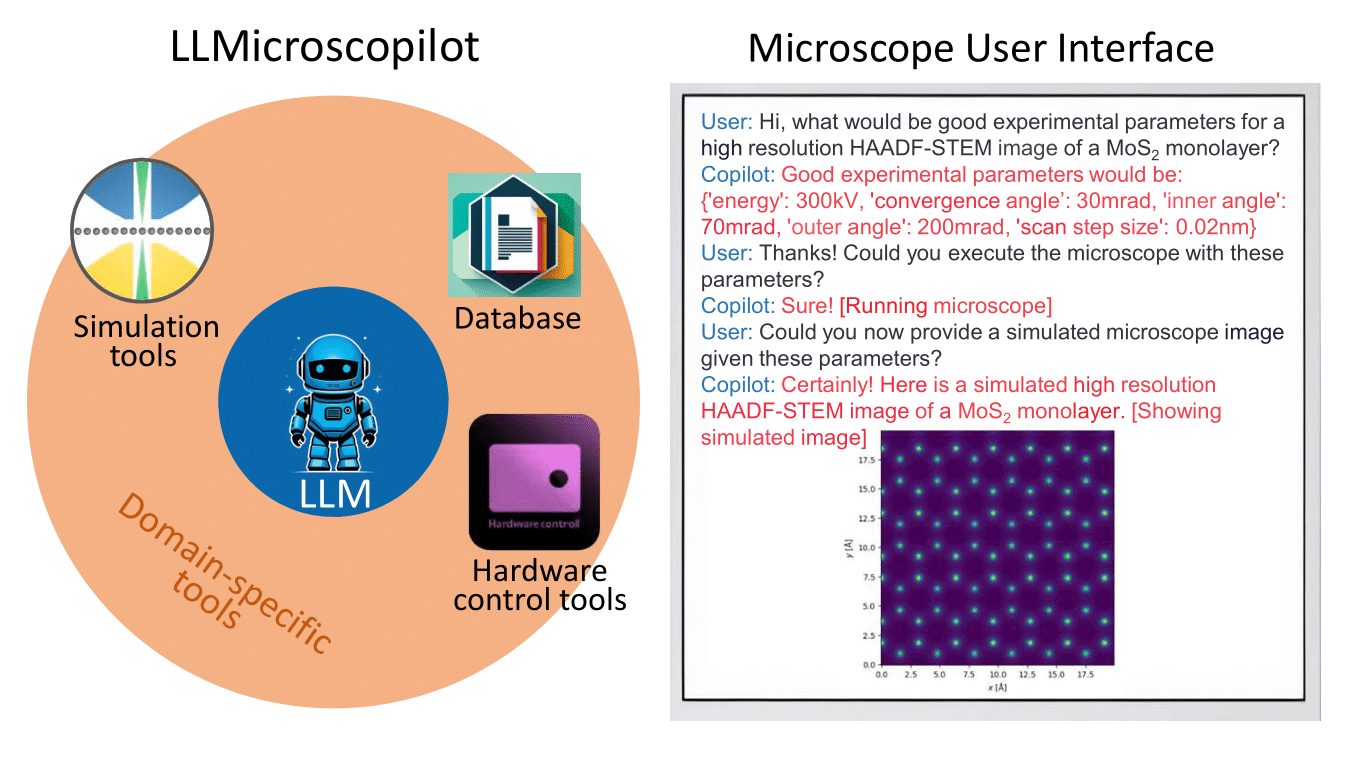
Figure 5: The LLMicroscopilot assistant processes user queries and executes appropriate tools to operate the microscope.
MaSTeA: A Materials Science Teaching Assistant
The MaSTeA project developed an interactive web application for materials science education. By automating the evaluation of LLMs on a question-answering dataset, the tool helps students practice problem-solving skills and learn the steps to reach correct solutions.
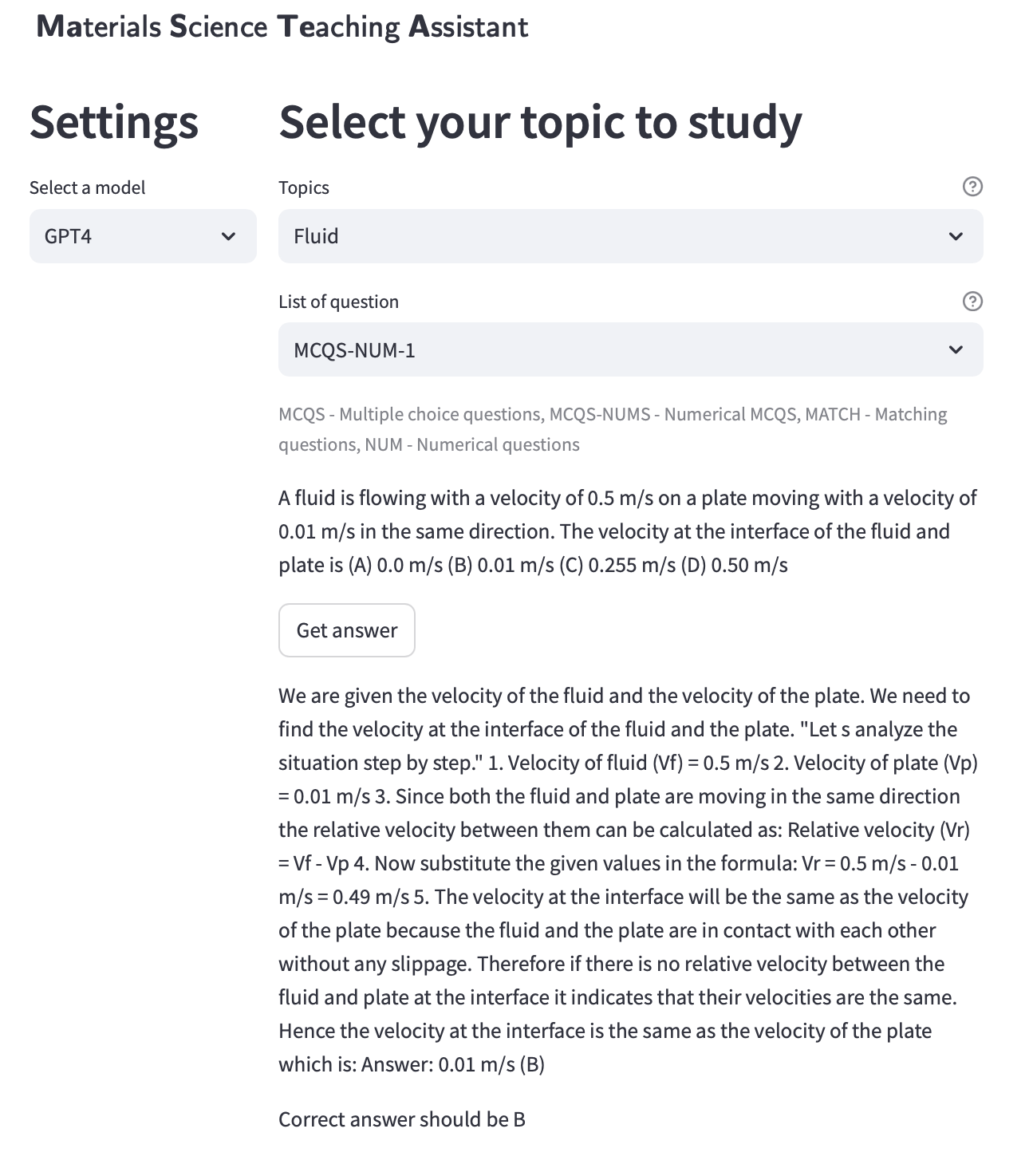
Figure 6: MaSTeA interface for numerical question tasks, providing step-by-step solutions.
yeLLowhaMMer for Data Management
The yeLLowhaMMer project introduced a multimodal agent capable of executing complex scientific data management tasks in electronic lab notebooks (ELNs). By combining text and image instructions, the agent can query data, summarize synthetic approaches, and streamline data handling.
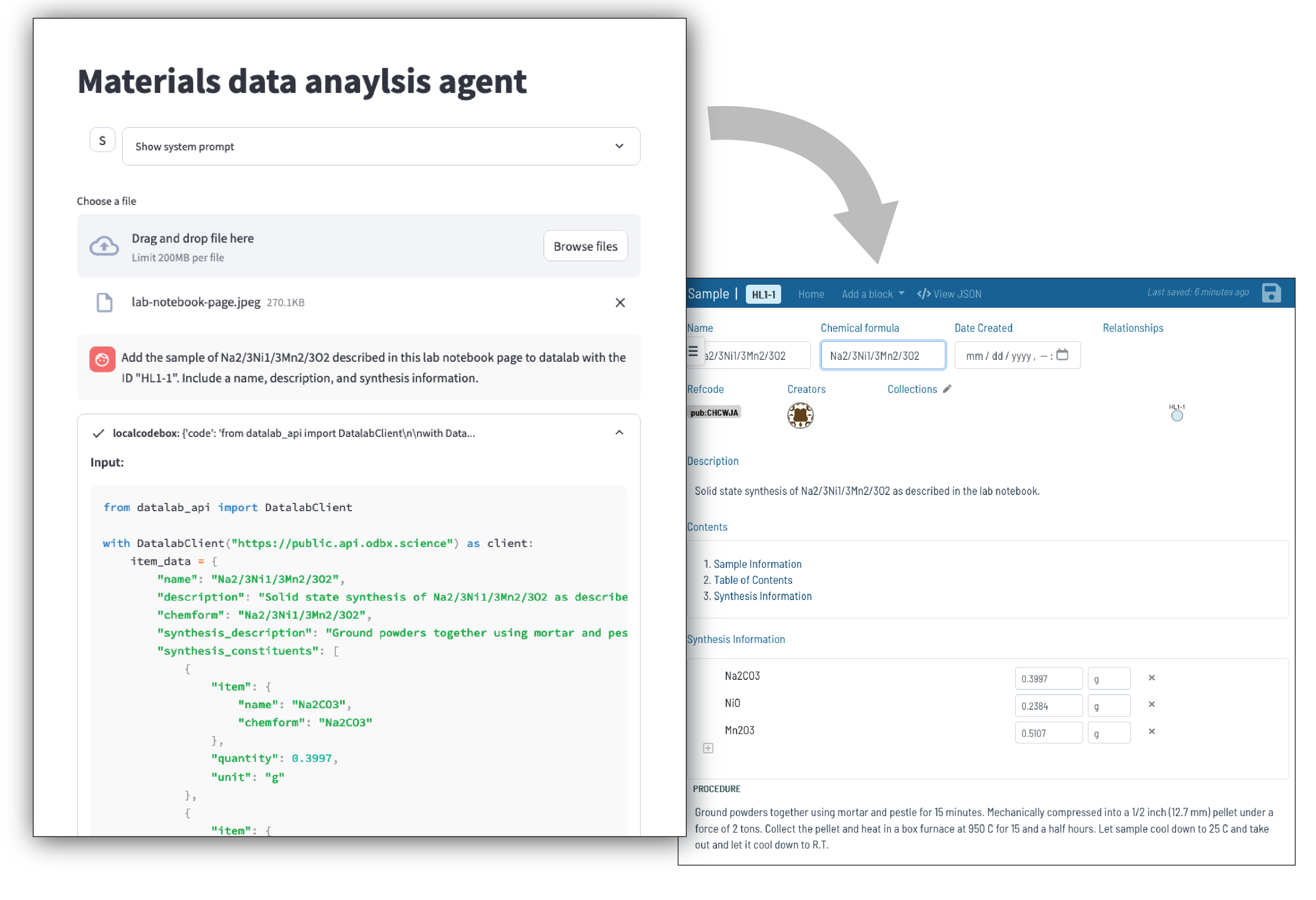
Figure 7: The yeLLowhaMMer multimodal agent automatically adds an entry into a lab data management system from an image.
NOMAD Query Reporter
The NOMAD Query Reporter leverages RAG to generate context-aware summaries from the large materials science repository NOMAD. This tool produces written summaries of common methodological parameters and standout results, facilitating data analysis and the creation of scientific publications.
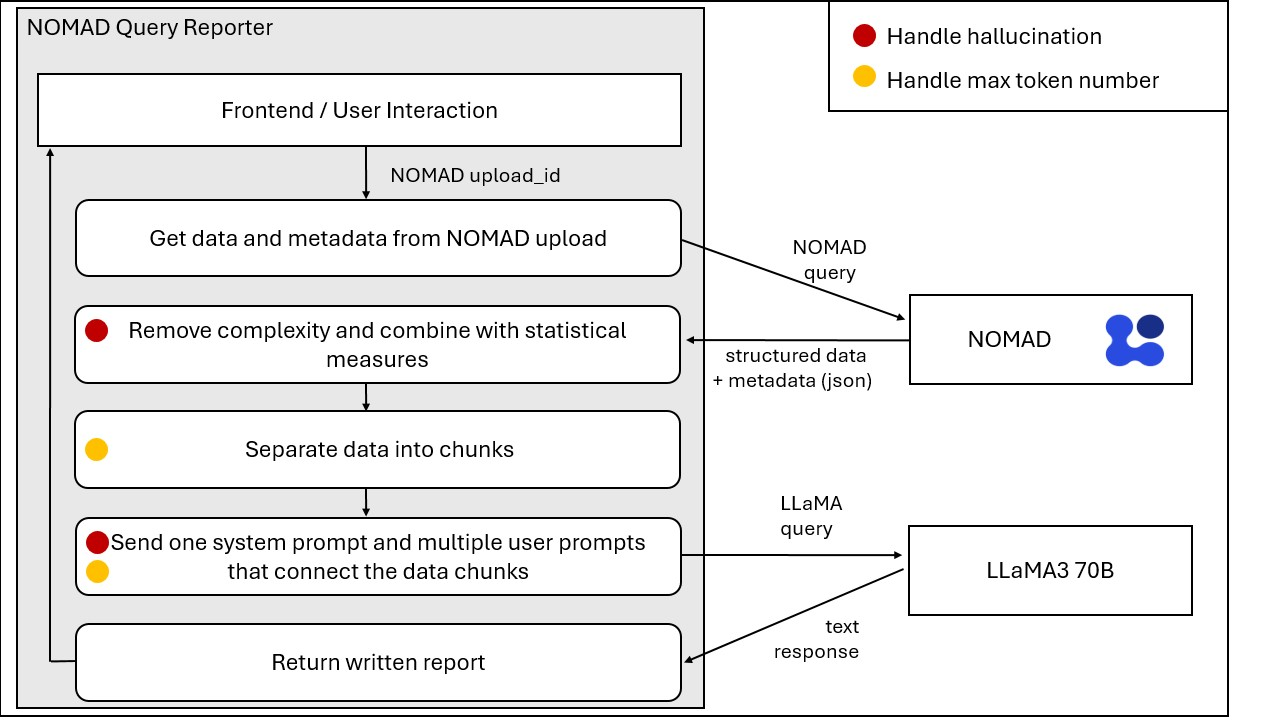
Figure 8: Flowchart of the NOMAD Query Reporter usage, including backend interaction with external resources.
Multi-Agent Hypothesis Generation
The Thoughtful Beavers team designed a multi-agent system for hypothesis generation and verification in materials science. This framework uses retrieval-augmented generation, tree-of-thoughts reasoning, and LLM-as-a-judge to generate and refine hypotheses for sustainable concrete design.
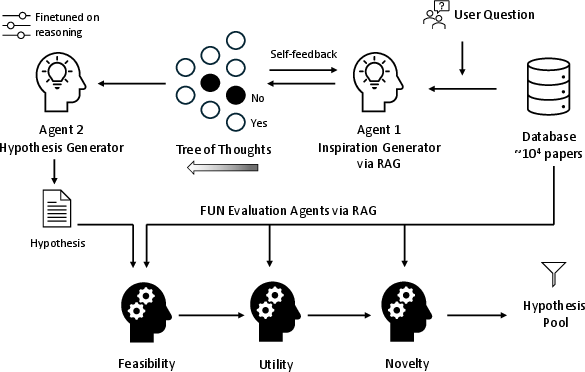
Figure 9: The Multi-Agent Hypothesis Generation and Verification Framework refines hypotheses for sustainable concrete design.
The ActiveScience project created an automated framework for ingesting scientific articles into a knowledge graph. By combining ontology-driven prompts, LLMs, and a Neo4j knowledge graph, the system enables natural language queries for domain knowledge extraction.
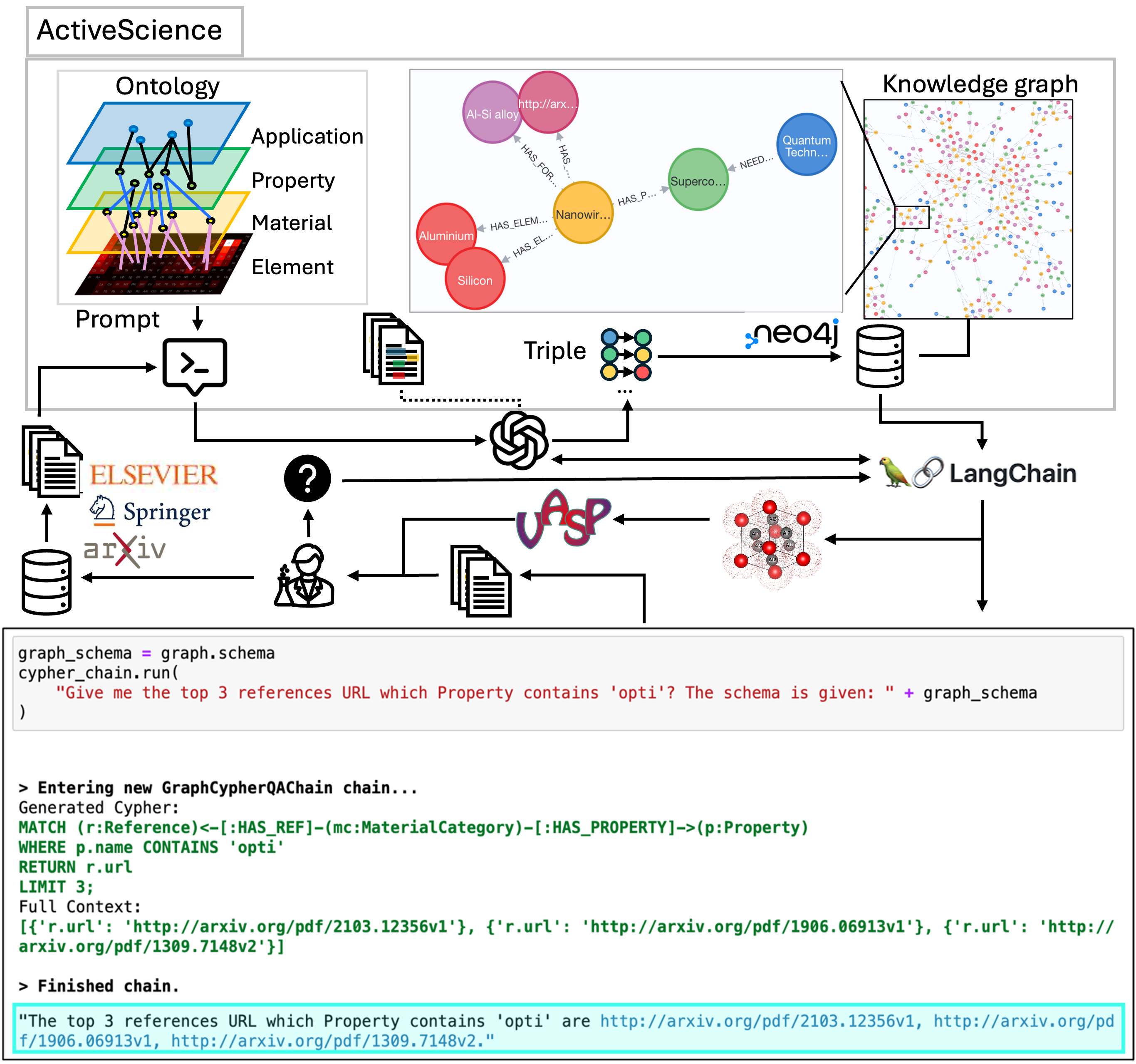
Figure 10: ActiveScience framework extracts knowledge using ontology-driven prompts, LLMs, and a knowledge graph.
GlossaGen for Glossary Generation
The GlossaGen project leverages LLMs to automate the creation of glossaries for academic articles and grant proposals. This system extracts terms and definitions from PDF and LaTeX files and visualizes the relationships between concepts using a knowledge graph.
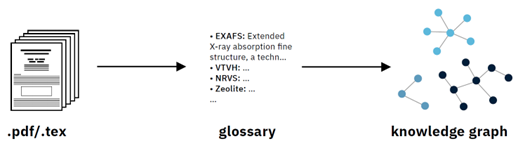
Figure 11: Overview of the GlossaGen project, which generates glossaries and knowledge graphs from text.
ChemQA for Multimodal Chemistry Reasoning
The VizChem team introduced ChemQA, a multimodal question-answering dataset for assessing chemistry reasoning in LLMs. This benchmark evaluates performance across different input modalities, including text, images, and their combination.
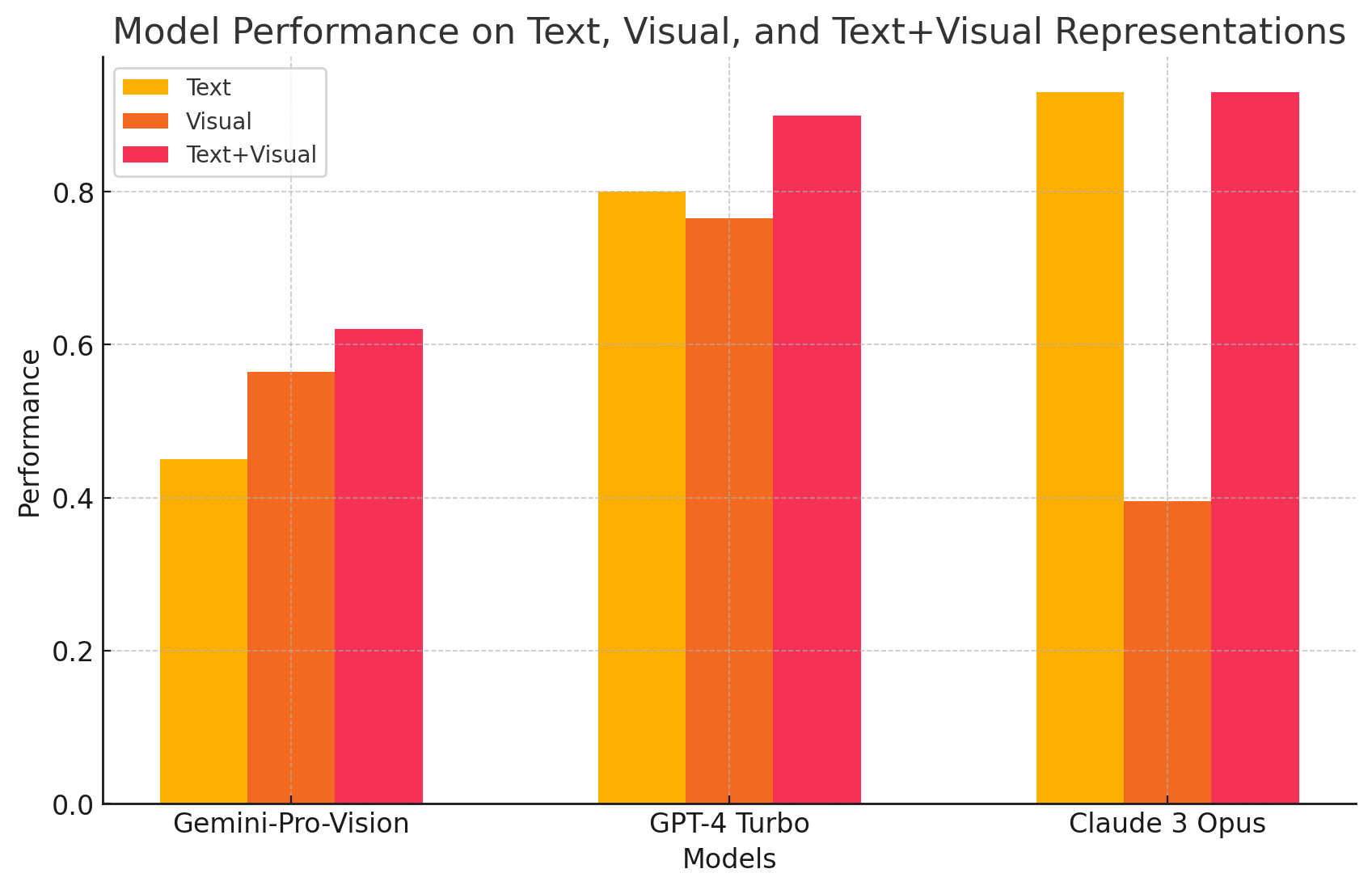
Figure 12: Performance of Gemini Pro, GPT-4 Turbo, and Claude3 Opus on ChemQA tasks.
Hackathon Structure and Outcomes
The second annual LLM Hackathon for Applications in Materials Science and Chemistry served as a dynamic platform for collaboration, innovation, and knowledge exchange. The hybrid format, with physical hubs across multiple time zones, fostered interdisciplinary interactions and incentivized rapid problem-solving.
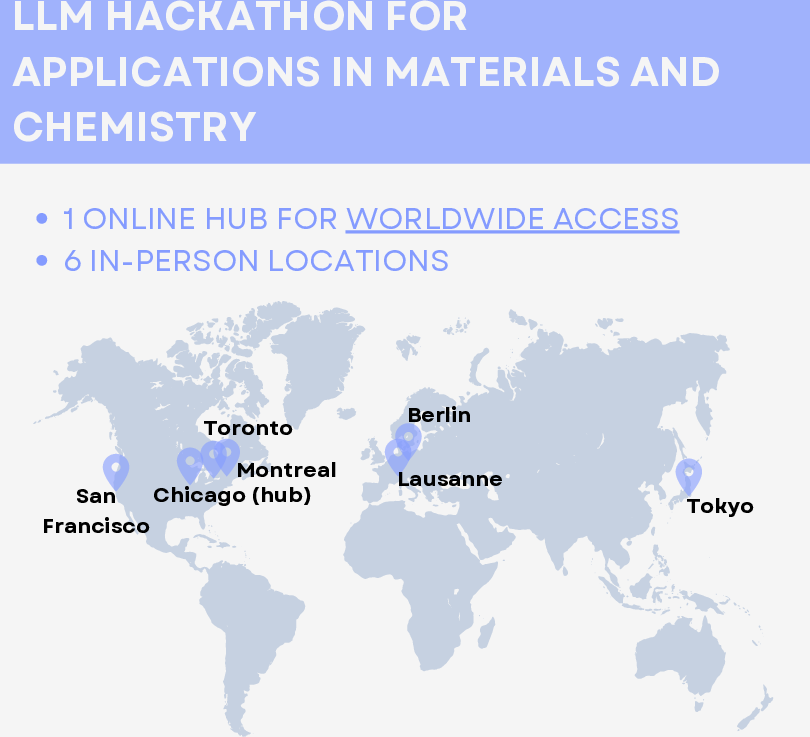
Figure 13: Map showing the global distribution of participants in the LLM Hackathon.
Conclusion
This work underscores the utility of LLMs in reshaping materials science and chemistry research. The projects developed during the hackathon showcased the capability of LLMs to form a cohesive toolkit for tasks ranging from hypothesis generation to data extraction. The hackathon format itself proved effective in fostering interdisciplinary collaboration and accelerating the prototyping of AI-driven tools.