- The paper demonstrates that pre-trained TSFMs, especially Chronos-Bolt, significantly reduce RMSE and MAE in day-ahead electricity price forecasting.
- The paper compares diverse models including TSFMs, statistical, and machine learning approaches using extensive European market data.
- The paper highlights the trade-off between enhanced zero-shot predictive performance and challenges in model interpretability.
Benchmarking Pre-Trained Time Series Models for Electricity Price Forecasting
Introduction
The paper assesses the effectiveness of state-of-the-art pre-trained time series models for Electricity Price Forecasting (EPF). It benchmarks various Time Series Foundation Models (TSFMs) such as Chronos-Bolt, Chronos-T5, TimesFM, Moirai, Time-MoE, and TimeGPT against traditional statistical and machine learning methods. Utilizing datasets from major European electricity markets, the study focuses on forecasting day-ahead auction prices.
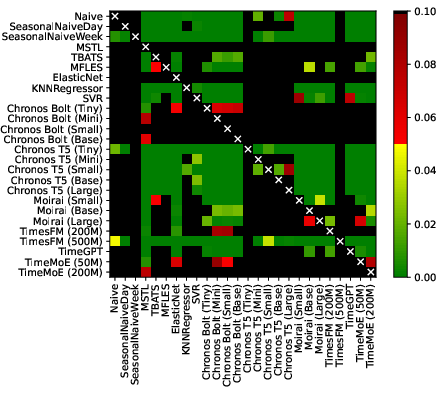
Figure 1: Overview of the pre-trained models compared.
Research Approach
The research employs a systematic benchmarking process comparing pre-trained TSFMs with traditional models across multiple European markets. Pre-trained models include a mixture of architectures and model sizes, highlighting their cache-free forecasting abilities without requiring additional training. All models are evaluated on their zero-shot performance and statistical significance using common metrics like RMSE, MAE, and SMAPE.
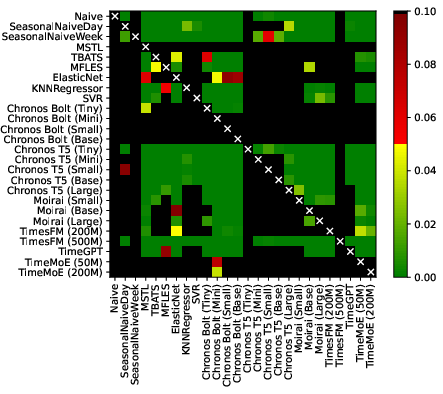
Figure 2: Graphical representation of European markets used in the study.
Models and Methodology
Baseline Models: Naive models using the last known value or seasonal patterns highlight baseline performance.
Statistical Models: Models like MSTL and TBATS focus on characterizing multiple seasonalities. MSTL emerged as the most effective across countries.
Machine Learning Models: ElasticNet, KNNRegressor, and SVR emphasize diverse algorithmic approaches. ElasticNet exhibited superior performance.
TSFMs: Chronos-Bolt and Time-MoE demonstrated strong results, particularly in optimizing RMSE and MAE. These models showcase advancements in time series forecasting through zero-shot inference.
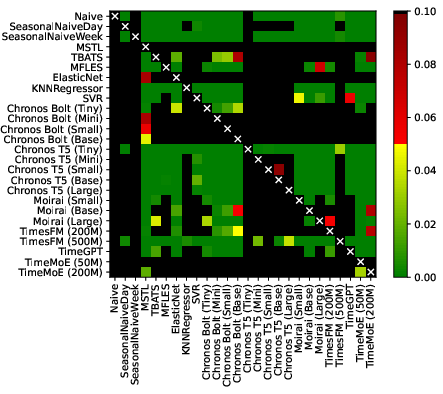
Figure 3: Visualization of model errors across Europe.
Results and Analysis
The study identifies MSTL and Chronos-Bolt as leading models in minimizing forecasting errors. The performance gap between TSFMs and traditional models indicates significant potential for pre-trained models in EPF. Chronos-Bolt models consistently outperform others in RMSE and MAE metrics.
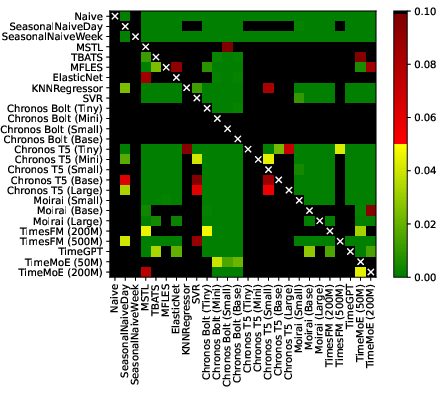
Figure 4: Performance comparison of forecasting models using RMSE and MAE.
Discussion
While TSFMs indicate potential, the lack of interpretability poses adoption challenges. MSTL remains competitive due to its robustness across various metrics. The paper suggests further exploration into exogenous variable integration and extended geographic studies for broader applicability.
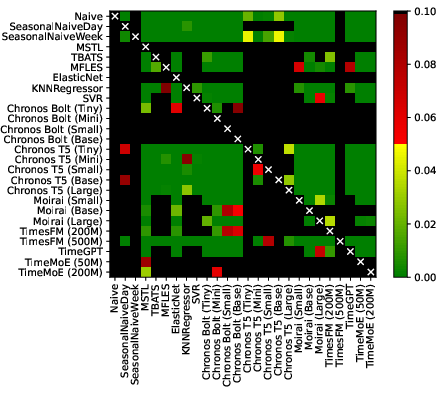
Figure 5: Detailed comparison of prediction errors for various model configurations.
Conclusion
The paper concludes that pre-trained TSFMs, specifically Chronos-Bolt, offer competitive accuracy in EPF tasks without requiring specific training, though MSTL remains an interpretable and robust option. The findings recommend further investigation into method improvements and broader benchmarking spans across additional markets.
The paper's methodological rigor and comprehensive approach provide valuable insights into the current state and future potential of using TSFMs in electricity market predictions. However, challenges in interpretability and optimization strategies persist, hindering full-scale adoption in practical scenarios.