- The paper introduces an AI-enhanced spectrometer-on-a-chip using photon-trapping photodiodes to extend near-infrared sensitivity.
- It leverages a neural network for precise spectral reconstruction, achieving faster convergence and superior accuracy compared to conventional methods.
- The device exhibits high noise tolerance and effective hyperspectral imaging, supporting compact, real-time applications in challenging environments.
Introduction
This paper presents an AI-enhanced spectrometer-on-a-chip (SoC) utilizing integrated silicon photodiodes with photon-trapping surface textures (PTST), designed for extended near-infrared (NIR) sensitivity. Conventional spectrometers face limitations due to size and cost, especially when applied to portable and real-time hyperspectral imaging (HSI). Advances in computational spectrometry, facilitated by AI and microfabrication processes, enable the miniaturization of these systems while maintaining high performance.
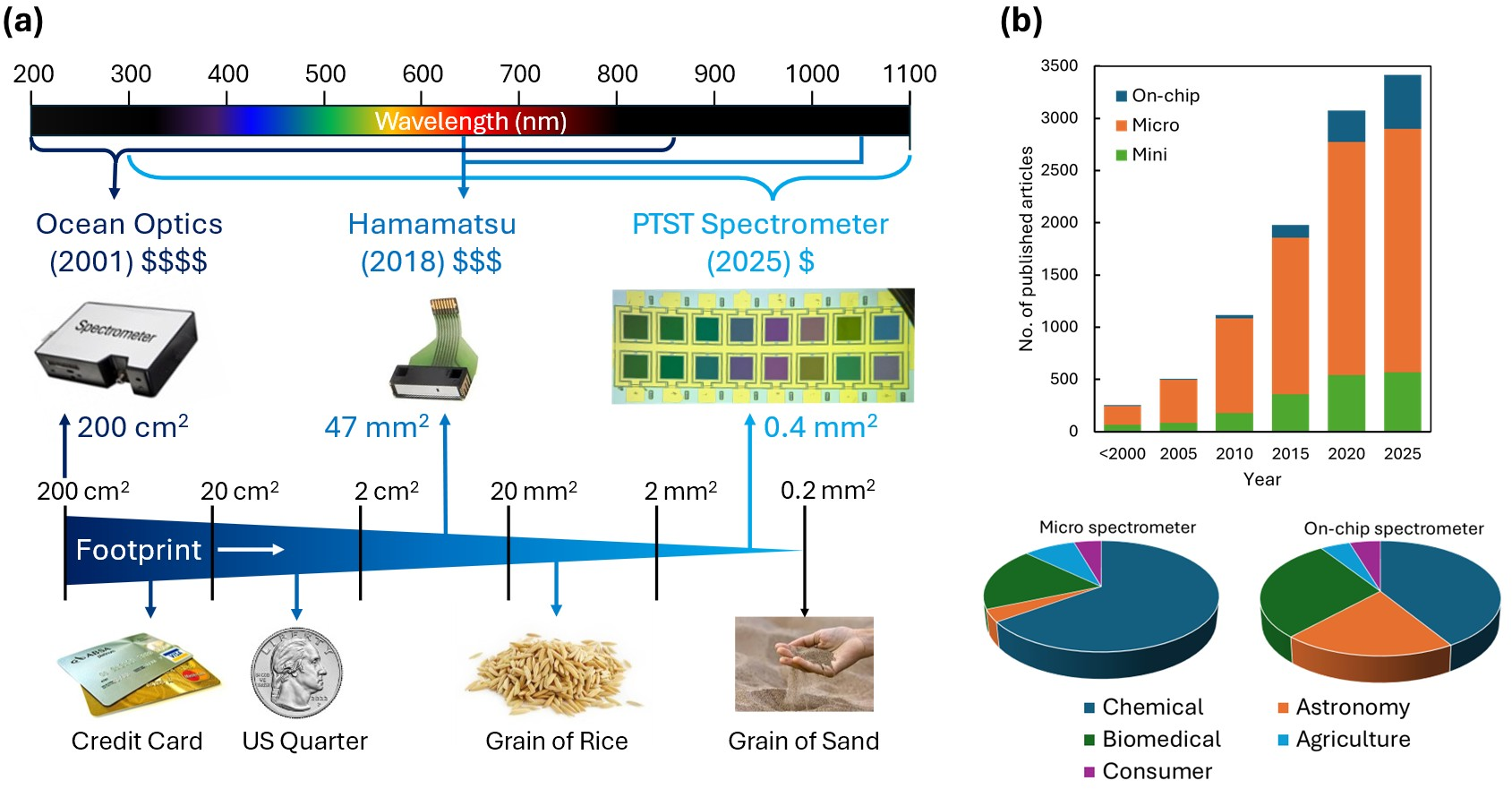
Figure 1: Miniaturization trend of optical spectrometers demonstrating the reduction from bench-top to chip-scale devices.
Spectrometer Design and Working Mechanism
Traditional spectrometers utilize dispersive elements to separate light, posing miniaturization challenges. The spectrometer introduced in this work diverges from conventional designs by integrating PTST photodiodes, which enhance light absorption in lateral modes, facilitating a chip-scale footprint (Figure 2). The photodiodes' absorption spectra are optimized for NIR wavelengths through PTST, significantly improving responsivity in the silicon's low-absorption regime.
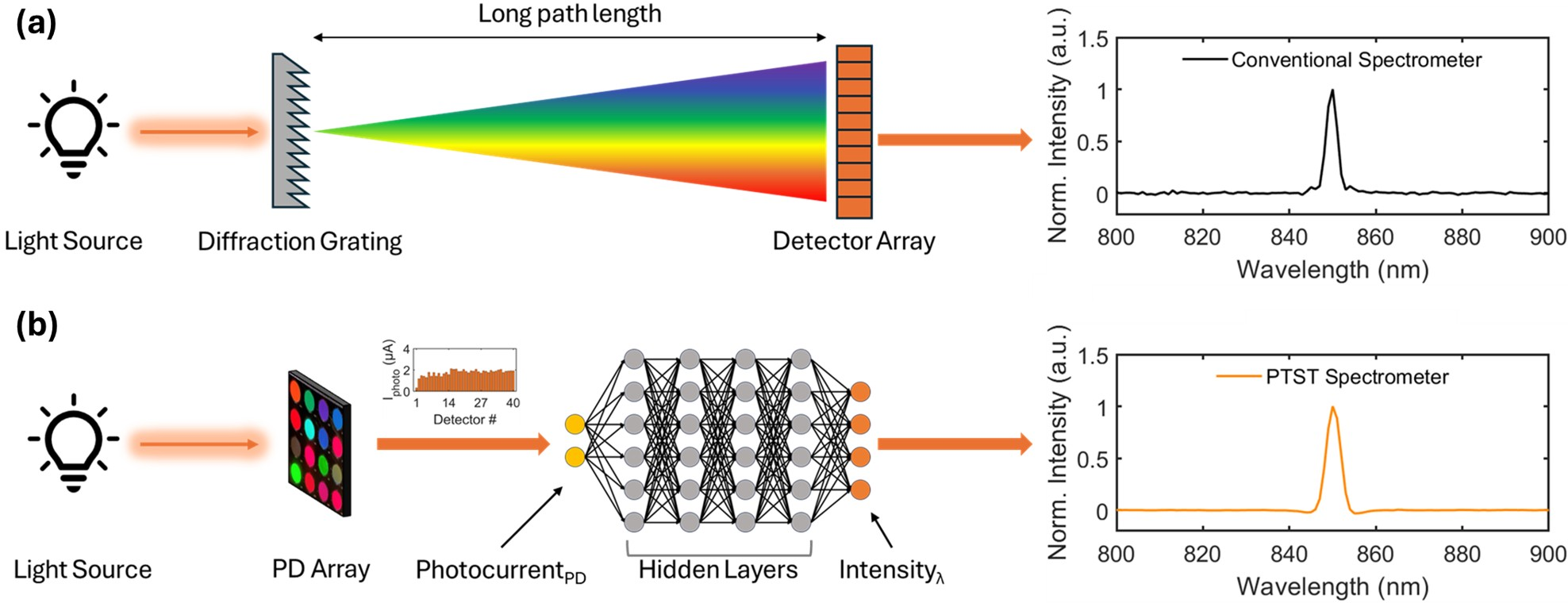
Figure 2: Schematic showing the working mechanisms of traditional vs. reconstructive spectrometers.
Neural Network Model and Spectral Reconstruction
The spectral reconstruction leverages a neural network (NN) to map photocurrent responses to spectral profiles. This system bridges the gap between captured photo-responses and spectral data through a fully connected NN trained on synthetic datasets. With an architecture consisting of multiple hidden layers, the NN reconstructs spectral information efficiently, achieving superior accuracy compared to conventional inversion methods. The neural network shows convergence with a loss function balancing RMSE and Pearson’s correlation, indicating robust prediction capabilities against experimental data.
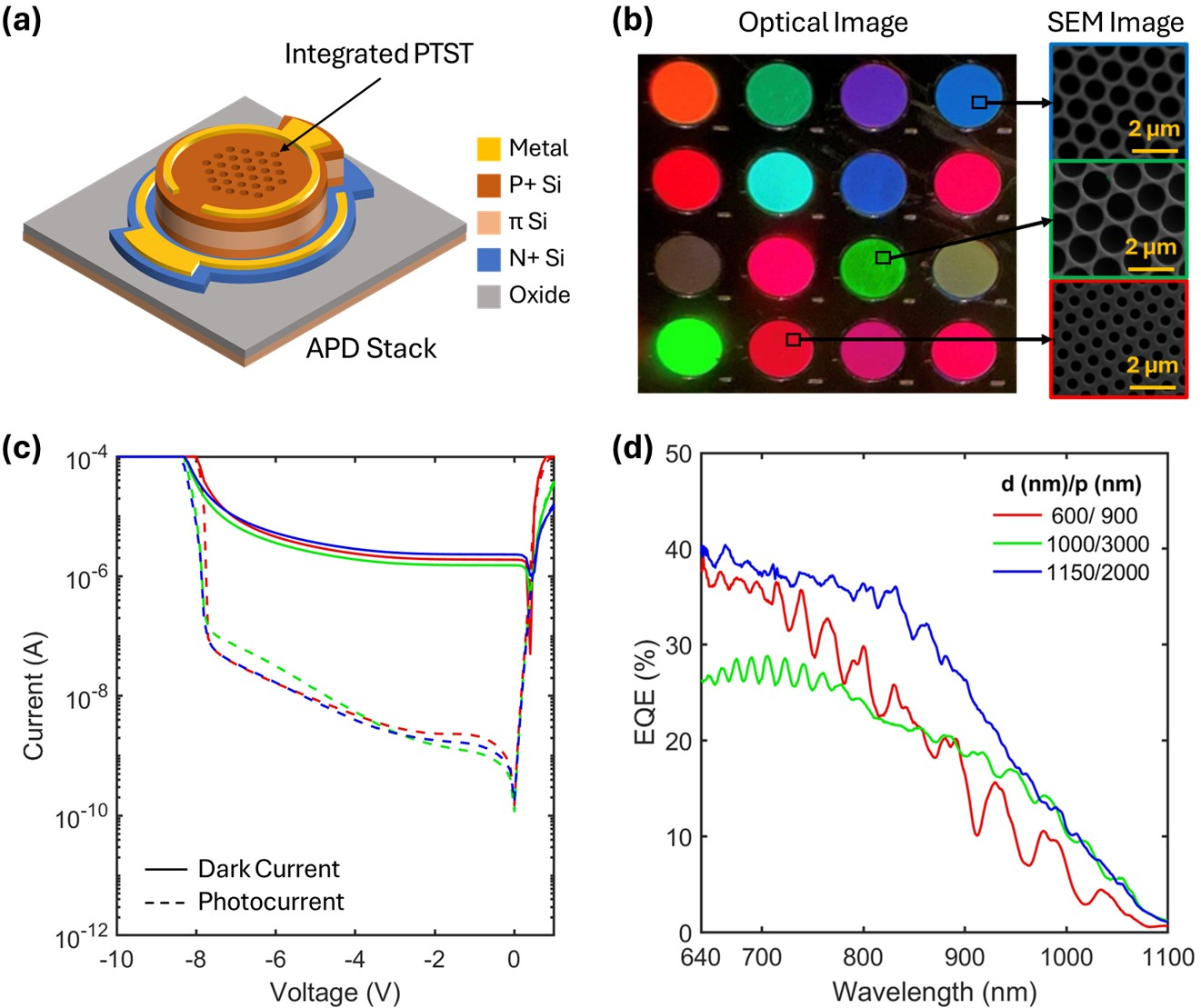
Figure 3: Neural network model architecture for spectral reconstruction, illustrating the training process and comparative results.
The PTST spectrometer demonstrates exceptional noise resilience, maintaining a high signal-to-noise ratio (SNR) even in noisy conditions (Figure 4). The system's performance under laboratory and simulated conditions confirms its robustness, outperforming traditional silicon spectrometers at extended wavelengths up to 1100 nm. This capability is critical for applications in low-light and variable environments.
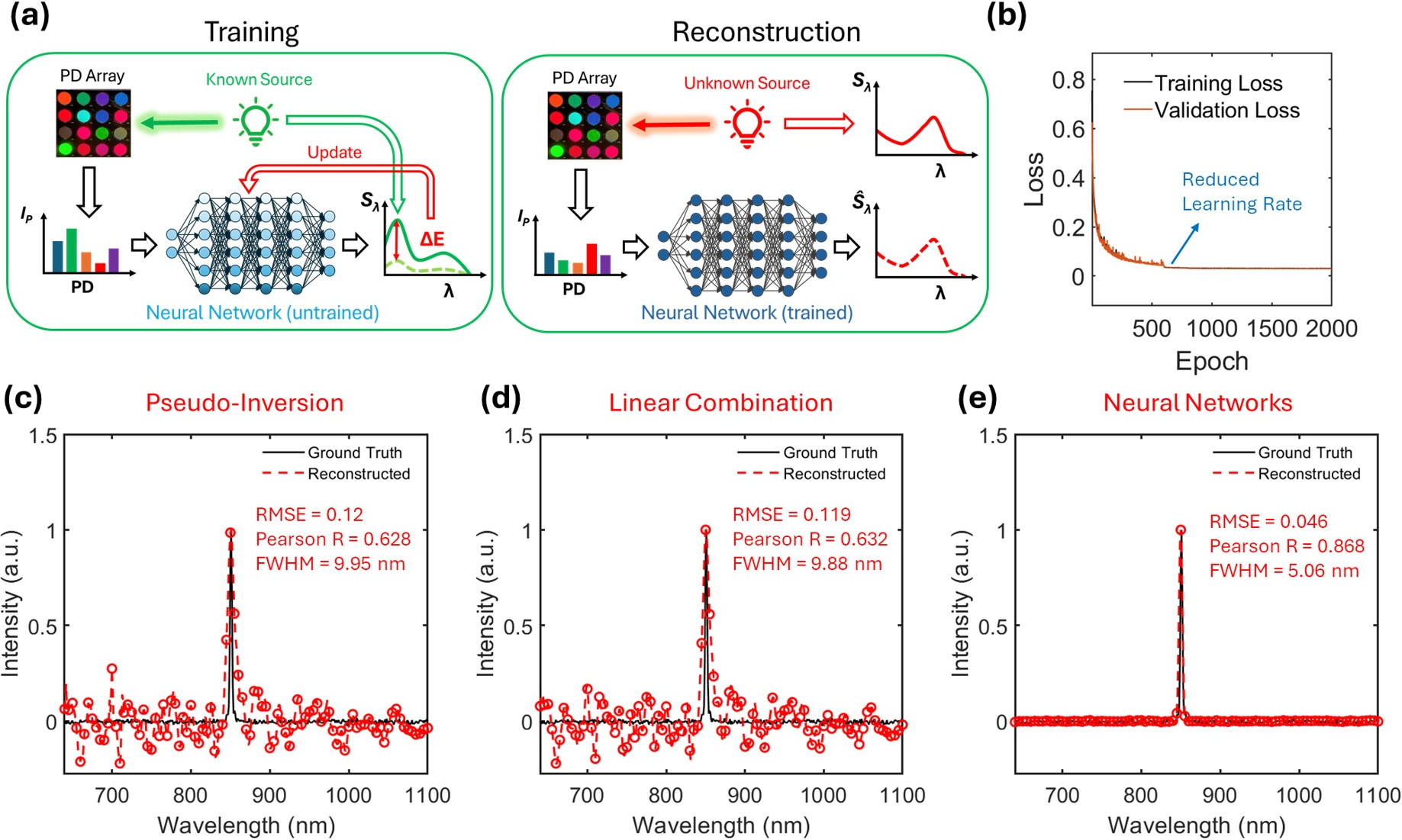
Figure 4: Noise tolerance of the PTST spectrometer compared to conventional spectrometers, showing consistent SNR despite added noise.
Hyperspectral Imaging Applications
HSI capabilities are validated using a butterfly dataset, showcasing the SoC's high-fidelity spectral reconstruction across a broad wavelength range (Figure 5). The AI-augmented approach enables accurate rendition of hyperspectral data with minimal hardware, marking significant progress in compact, high-performance imaging systems.
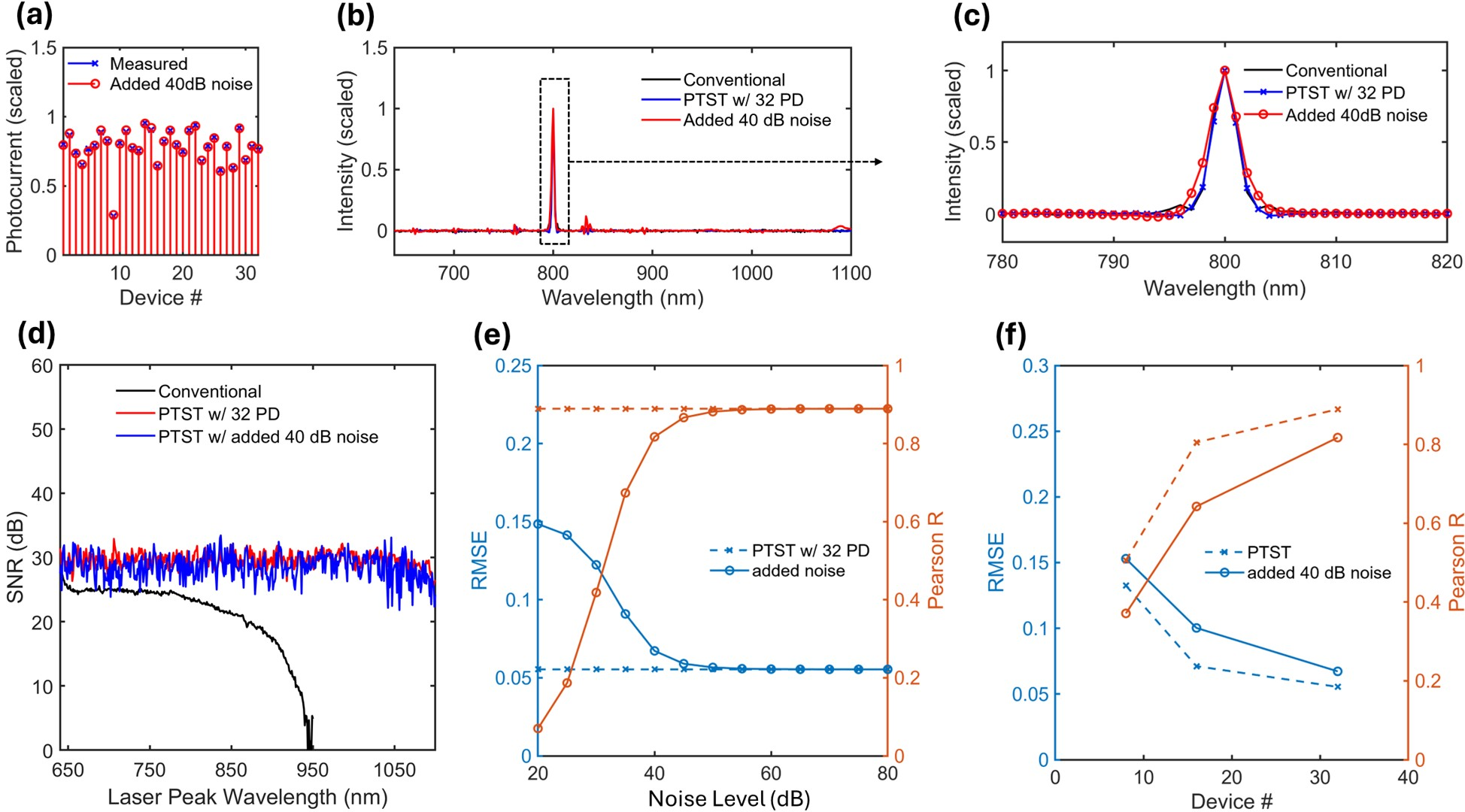
Figure 5: Hyperspectral imaging results illustrating the reconstructed spectral profile with high accuracy.
Conclusion
The AI-augmented PTST spectrometer-on-a-chip sets a precedent for integrating advanced computational techniques with silicon photonics, achieving high spectral resolution and extended NIR sensitivity in a compact form factor. Future developments of this technology could broaden its applicability in fields demanding portability and real-time analysis, such as biomedical imaging and environmental monitoring. As AI models grow more sophisticated, similar approaches promise to enhance the performance and capabilities of microscale spectrometers further.

