- The paper presents the Munich Quantum Software Stack as a modular, open-source framework bridging quantum technology and high-performance computing.
- It employs adaptable front-end adapters, an MLIR-based compiler middle-end, and a standardized back-end to optimize quantum circuit translation and device control.
- Early deployment at LRZ demonstrates its capacity to accelerate hybrid quantum-classical simulations in areas such as computational chemistry.
The Munich Quantum Software Stack: Connecting End Users, Integrating Diverse Quantum Technologies, Accelerating HPC
Introduction
The Munich Quantum Software Stack (MQSS) is presented as a comprehensive, modular, open-source framework designed to integrate and streamline quantum computing within high-performance computing (HPC) environments. The stack addresses the necessity of a unified software ecosystem capable of bridging cutting-edge quantum technologies with traditional HPC infrastructures, thus supporting hybrid quantum-classical workflows.
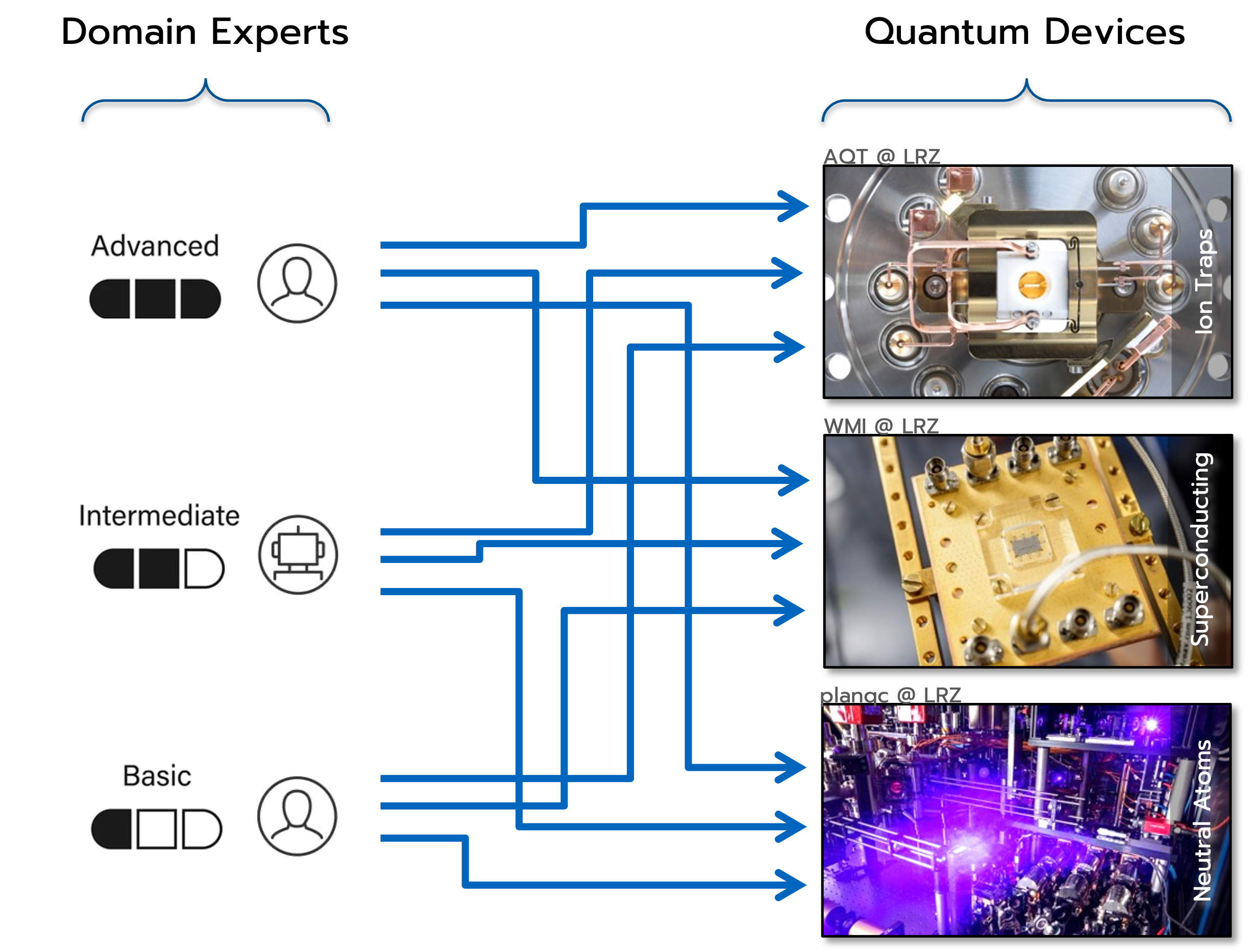
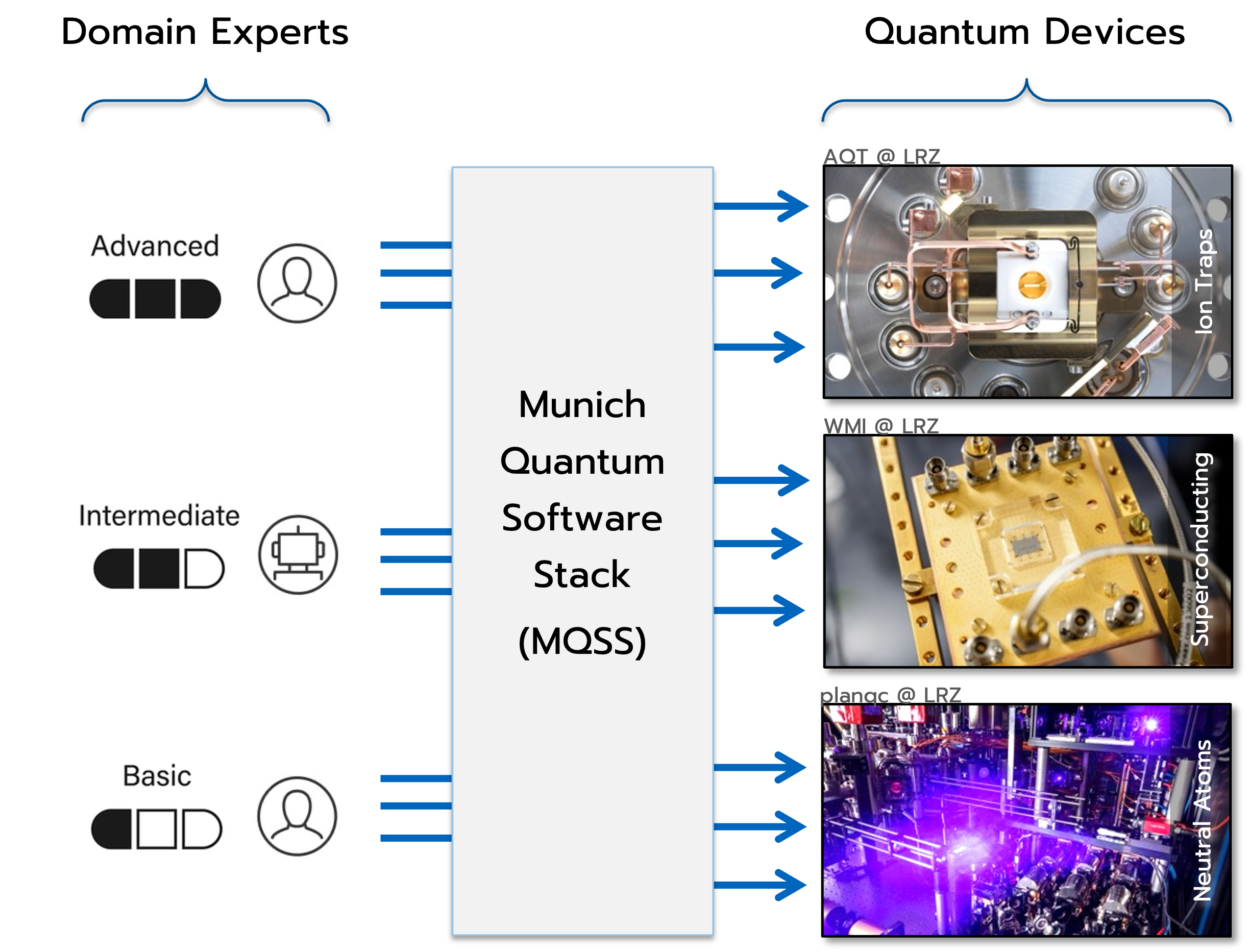
Figure 1: a) Traditional view: many users, many systems, many stacks. b) Vision going forward: decoupling front-end and back-end in a single stack via shared IRs.
The Need and Challenges for a Quantum Software Stack
The rapid development of quantum computing necessitates robust software frameworks to convert theoretical advances into practical applications. Unlike classical systems, quantum computing's heterogeneity presents unique challenges: different physical implementations of qubits, varying fidelities, and distinct connectivity features. Moreover, integrating quantum processors into HPC as accelerators necessitates a shared software stack to manage cross-domain workflows efficiently.
A significant barrier to widespread quantum adoption is the lack of standardized software interfaces that connect user applications with quantum hardware. The MQSS aims to fill this gap by establishing a common infrastructure that accommodates a range of quantum computing paradigms and bridges the operational disparities between quantum and classical systems.
MQSS Architecture Overview
The MQSS is structured into a multi-layered architecture, encompassing front-end adapters, a middle-end compiler and runtime, and back-end integration with quantum devices.
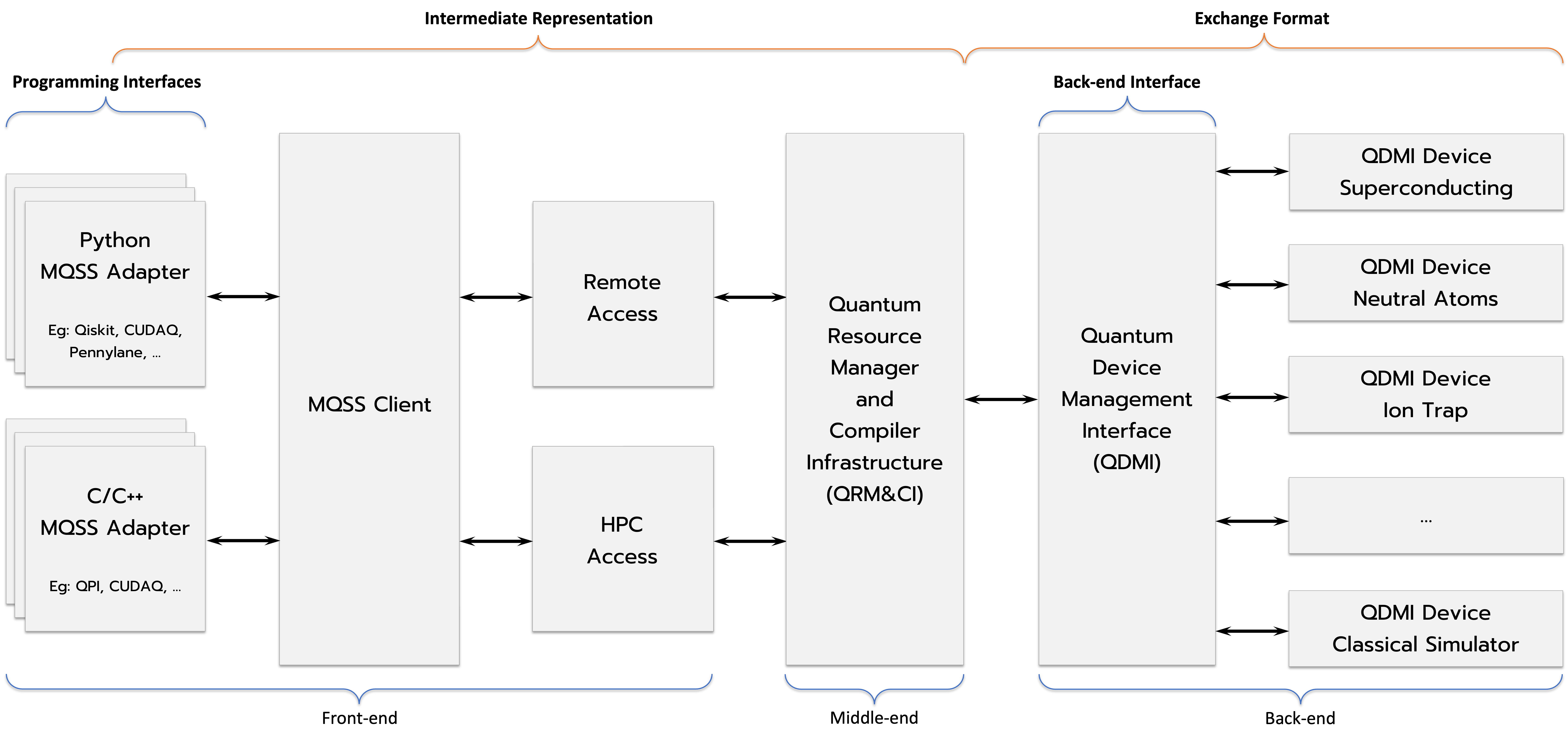
Figure 2: Overview of the MQSS and its components, connecting end-users and their high-level problem descriptions (left) to a diverse set of quantum hardware back-ends, as well as simulators (right).
Front-end Layer
At the user interface level, the MQSS provides front-end adapters compatible with existing quantum programming environments such as Qiskit and PennyLane. This layer allows users to continue utilizing familiar tools while gaining access to additional capabilities provided by the MQSS, enhancing efficiency and usability.
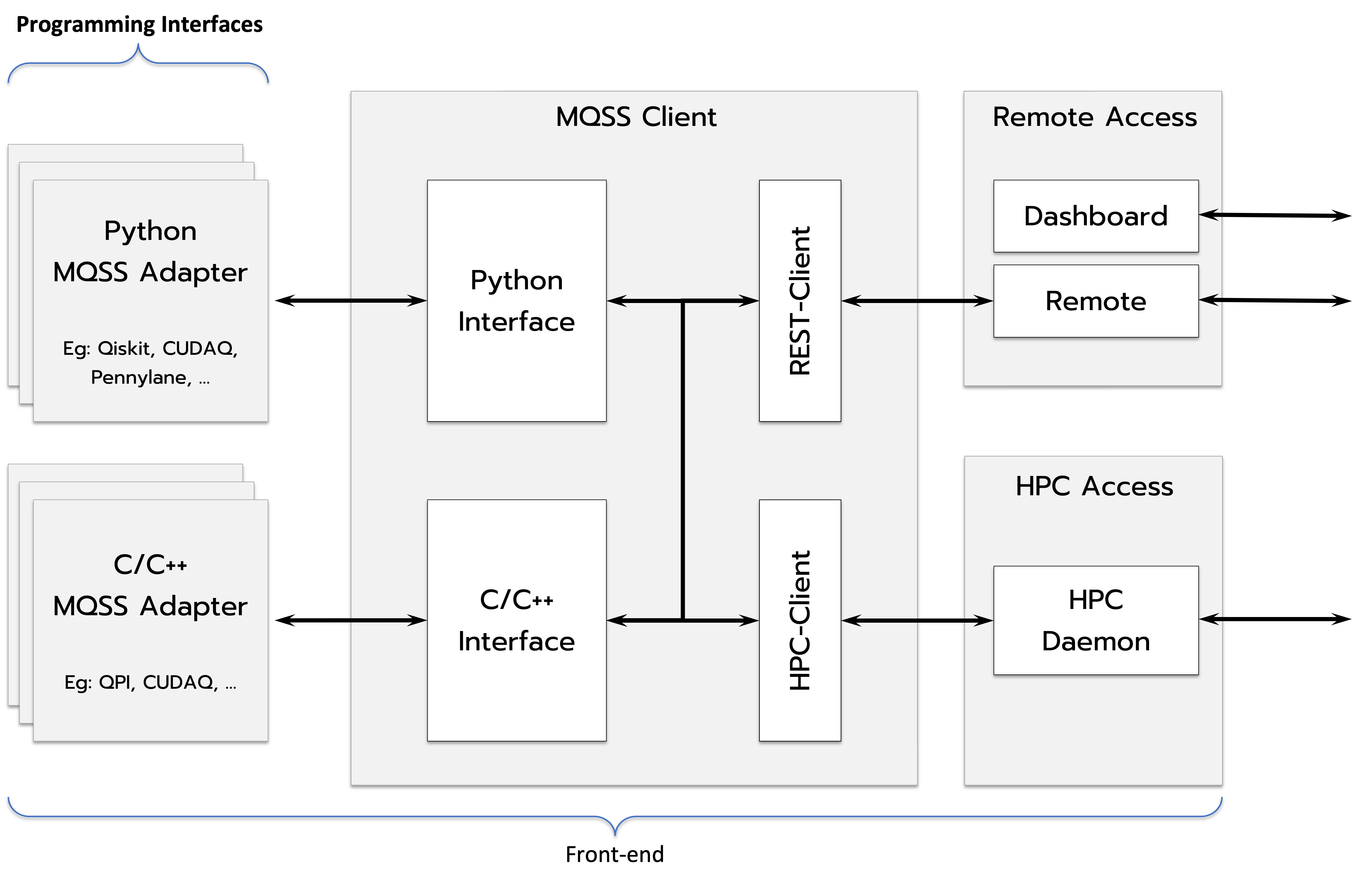
Figure 3: Structure of the MQSS front-end, featuring the MQSS Client, which connects end-user programming to the rest of the stack.
Middle-end Layer
The middle-end comprises a flexible compiler infrastructure built on the MLIR framework. It facilitates the translation of high-level quantum circuits into machine-specific instructions, integrating hardware-aware optimizations through dynamic compilation using Figures of Merit and Constraints (FoMaCs).
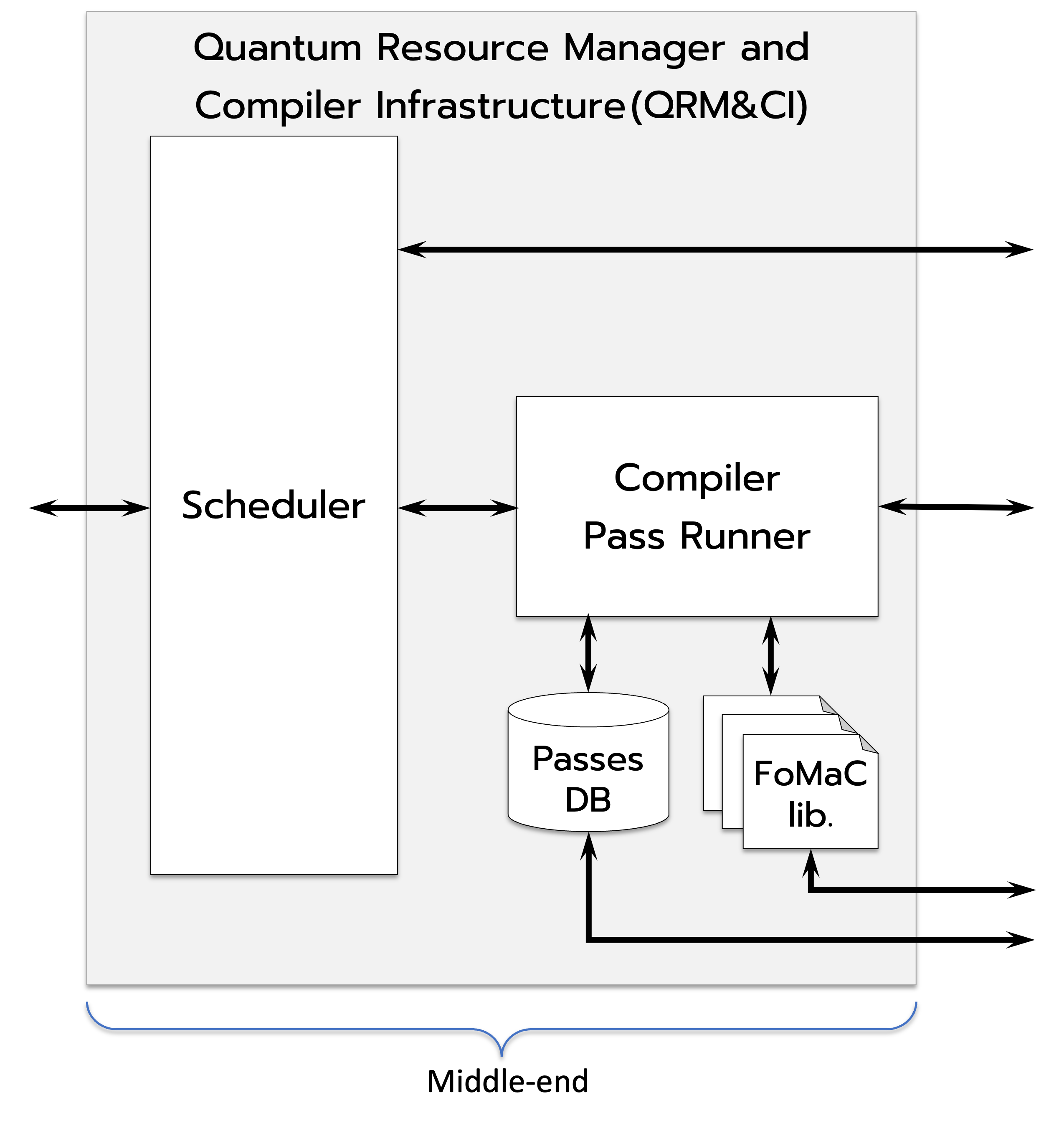
Figure 4: The structure of the MQSS middle-end, featuring the QRM{additional_guidance}CI and its internal components implementing the compiler.
Back-end Layer
The back-end serves as the interface to the quantum hardware, utilizing the Quantum Device Management Interface (QDMI) for standardized device control and data acquisition, thus supporting a wide range of quantum hardware modalities.
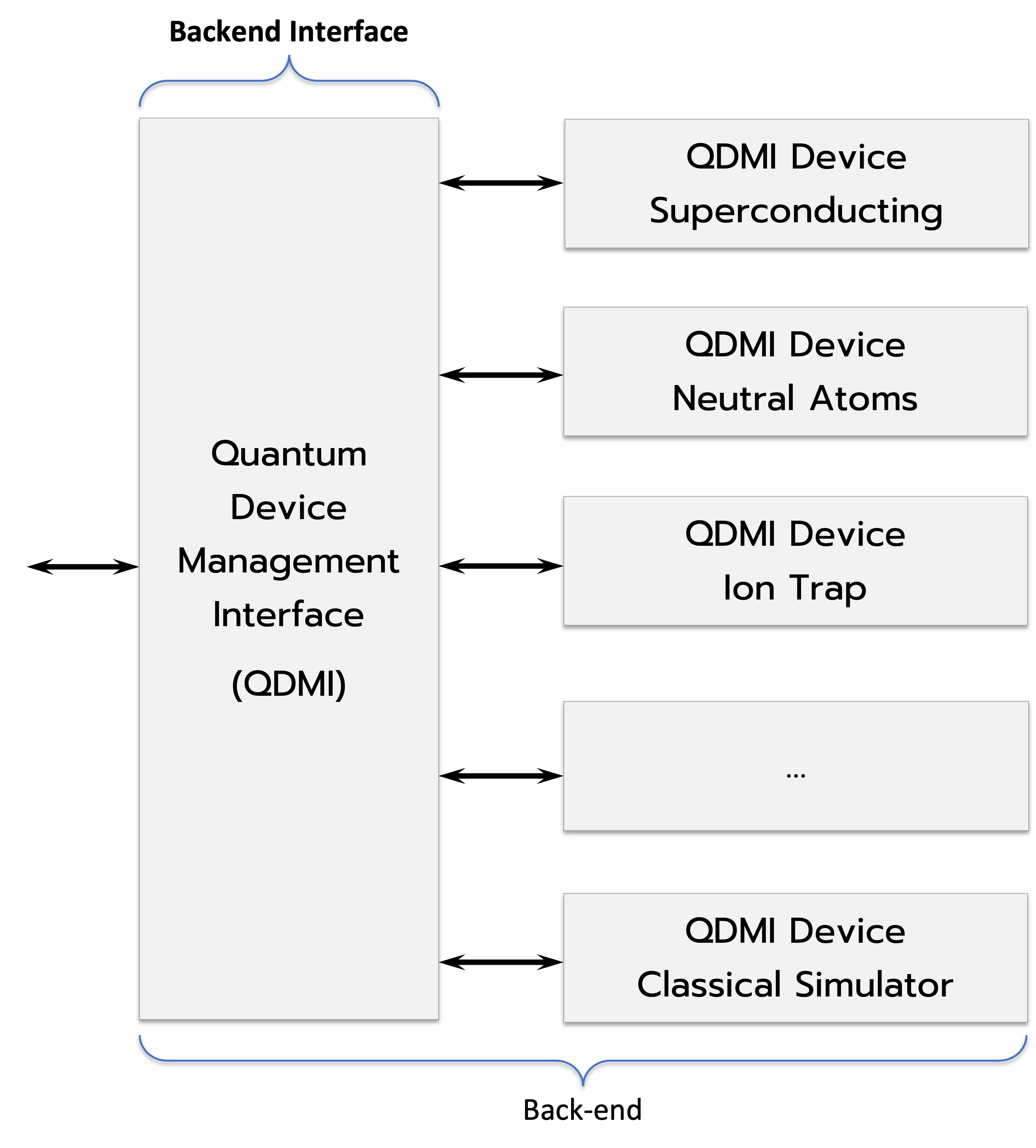
Figure 5: Structure of the MQSS back-end, featuring the implementation of the QDMI interface as well as a series of system device plugins.
Early Application and Deployment
Deployed at the Leibniz Supercomputing Centre (LRZ), the MQSS has facilitated real-world application by enabling a multiscale Quantum Mechanics/Molecular Mechanics simulation, achieving notable accuracy in computational chemistry through its integration with the Q-Exa demonstrator. This deployment exemplifies the MQSS's potential to harness quantum acceleration within practical HPC workflows.
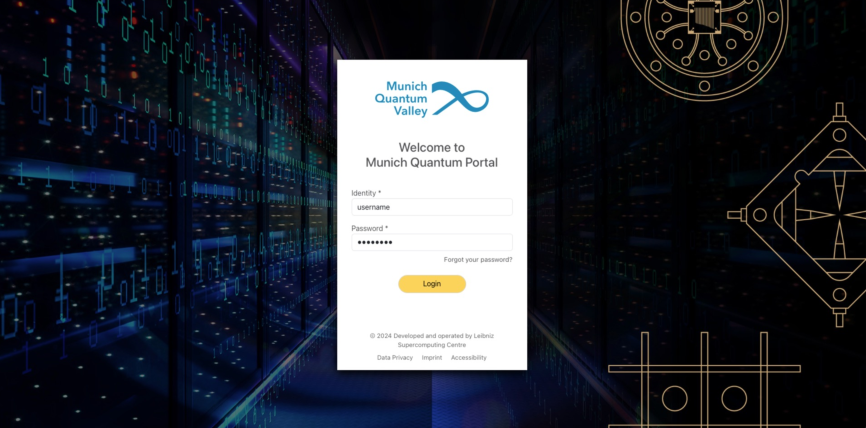
Figure 6: The MQSS Dashboard at LRZ, providing users with a web-based interface for job submission, monitoring, and management.
Comparable efforts in quantum software stack development, such as IBM's Qiskit and initiatives at Oak Ridge, focus on individual ecosystems or facility-specific integrations. In contrast, the MQSS's open-source, modular design emphasizes cross-platform compatibility and community-driven evolution, promoting inclusivity and interoperability across diverse quantum systems and research fronts.
Conclusions and Outlook
The MQSS represents a foundational step toward integrating quantum computing with classical HPC, offering an adaptable software infrastructure to facilitate complex, hybrid workloads. Future development will prioritize stabilizing current implementations, evolving capabilities to keep pace with quantum hardware advancements, and preparing for fault-tolerant quantum systems, ensuring the MQSS remains at the forefront of quantum software innovation.