Bohmian Chaos and Entanglement in a Two-Qubit System
Published 12 Sep 2025 in quant-ph and nlin.CD | (2509.10229v1)
Abstract: We study in detail the critical points of Bohmian flow, both in the inertial frame of reference (Y-points) and in the frames centered at the moving nodal points of the guiding wavefunction (X-points), and analyze their role in the onset of chaos in a system of two entangled qubits. We find the distances between these critical points and a moving Bohmian particle at varying levels of entanglement, with particular emphasis on the times at which chaos arises. Then, we find why some trajectories are ordered, without any chaos. Finally, we examine numerically how the Lyapunov Characteristic Number (LCN ) depends on the degree of quantum entanglement. Our results indicate that increasing entanglement reduces the convergence time of the finite-time LCN of the chaotic trajectories toward its final positive value.
The paper demonstrates that interactions between nodal points and unstable X- and Y-points drive chaos in Bohmian trajectories of a two-qubit system.
It uses analytic and numerical methods to derive critical point positions and quantify chaos via finite-time Lyapunov characteristic numbers.
The study reveals that increased entanglement sharpens LCN convergence, suggesting a dynamic link between quantum correlations and chaotic behavior.
Bohmian Chaos and Entanglement in a Two-Qubit System
Introduction and Theoretical Framework
This work provides a comprehensive analysis of chaos in Bohmian quantum mechanics (BQM) for a system of two entangled qubits, focusing on the interplay between quantum entanglement and the emergence of chaotic dynamics in the Bohmian trajectory formalism. The study leverages the deterministic, trajectory-based nature of BQM to investigate the dynamical origins of chaos, which are inaccessible in the standard Copenhagen interpretation due to the absence of well-defined particle trajectories.
The authors build on the established mechanism of chaos generation in BQM, which is attributed to the interaction of Bohmian particles with critical points of the quantum flow: nodal points (N), X-points (unstable points in the co-moving frame of a node), and Y-points (unstable points in the inertial frame). The analysis is extended to a two-qubit system described by a superposition of coherent states, allowing for analytic determination of the positions of these critical points and enabling a detailed study of their role in the onset of chaos.
Structure and Dynamics of Critical Points
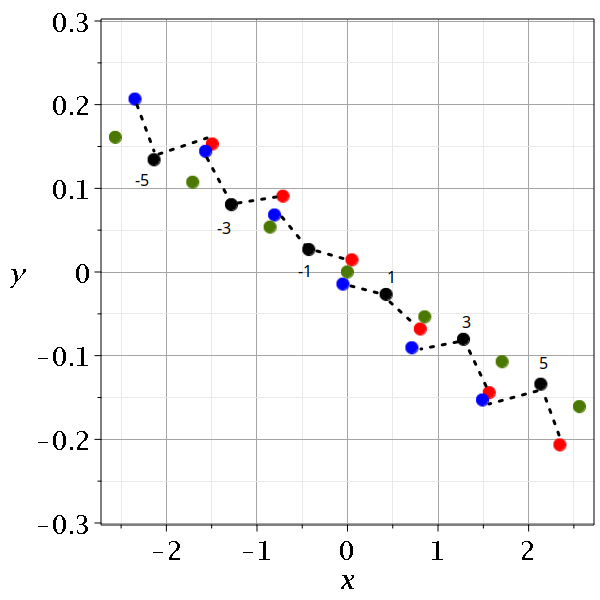
The paper demonstrates that, in the two-qubit system, the wavefunction possesses infinitely many nodal points, each accompanied by two X-points and a Y-point located between every pair of adjacent nodal points. The positions of the N and Y points are given analytically, while the X-points are determined numerically. The spatial arrangement of these critical points is such that, at any given time, the X- and Y-points are in close proximity, in contrast to previously studied single-node systems where Y-points were typically distant and played a secondary role in chaos generation.
Figure 2: The critical points N (black), X (blue), and Y (green) of the Bohmian flow on the x-y plane at t=1.5 for c2=2/2 and ωx=1,ωy=3.
The proximity of X- and Y-points in the entangled qubit system leads to a more intricate structure of the Bohmian flow, with both types of unstable points contributing comparably to the production of chaos. The quantum potential landscape further elucidates the dynamical significance of these points, with X-points typically located at higher quantum potential values than Y-points, resulting in stronger forces acting on the particle near X-points.
Mechanisms of Chaos and Trajectory Analysis
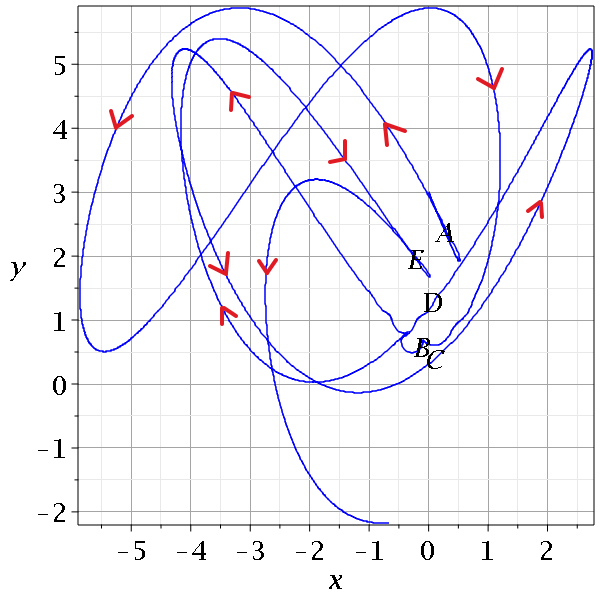
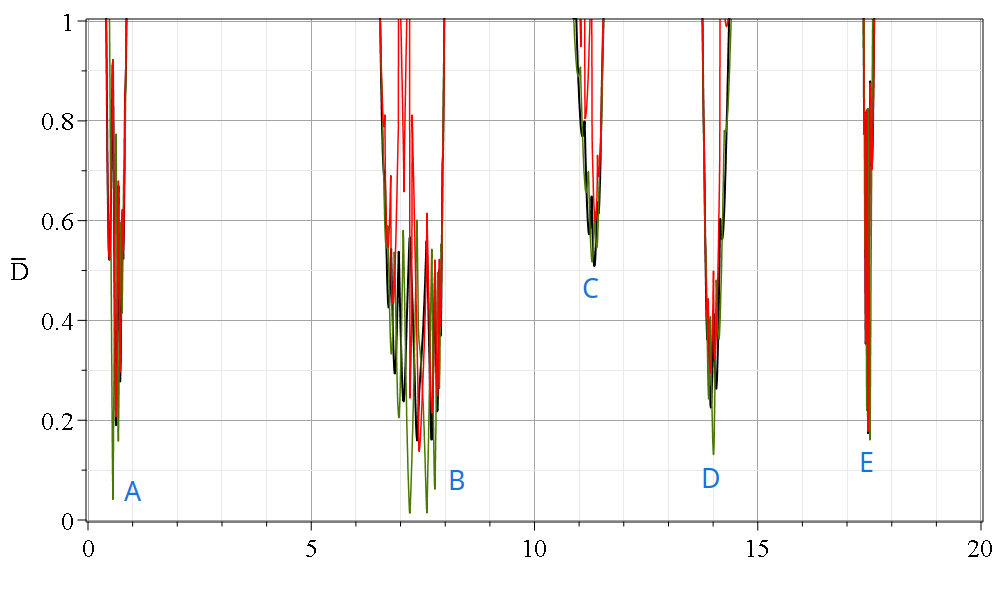
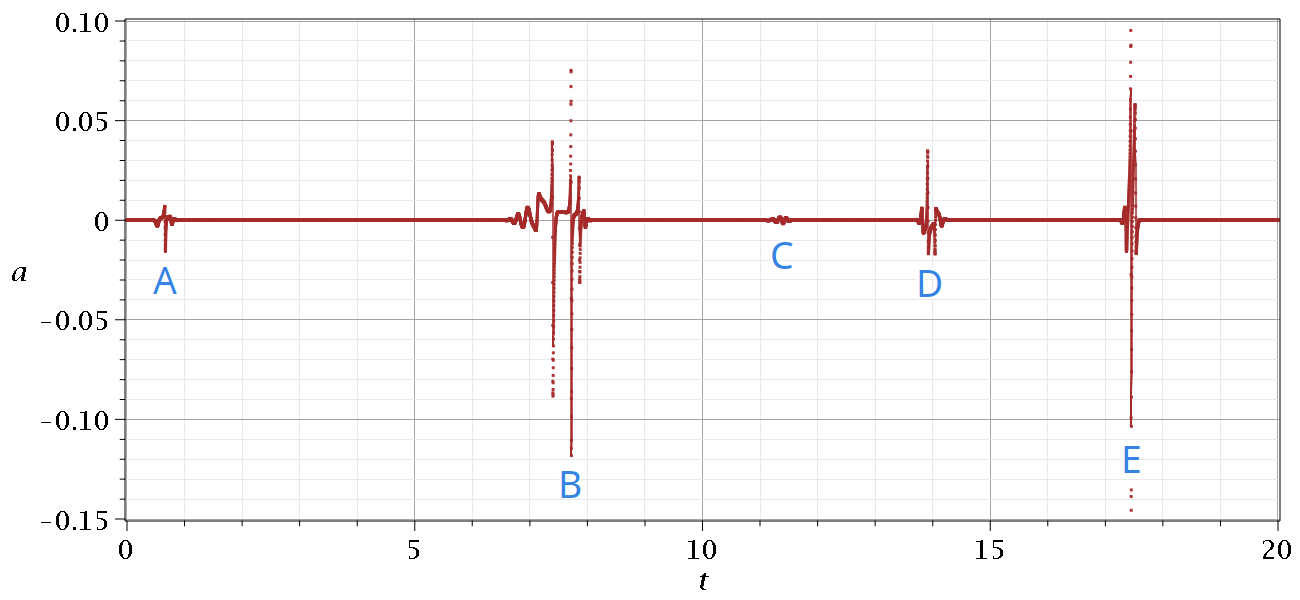
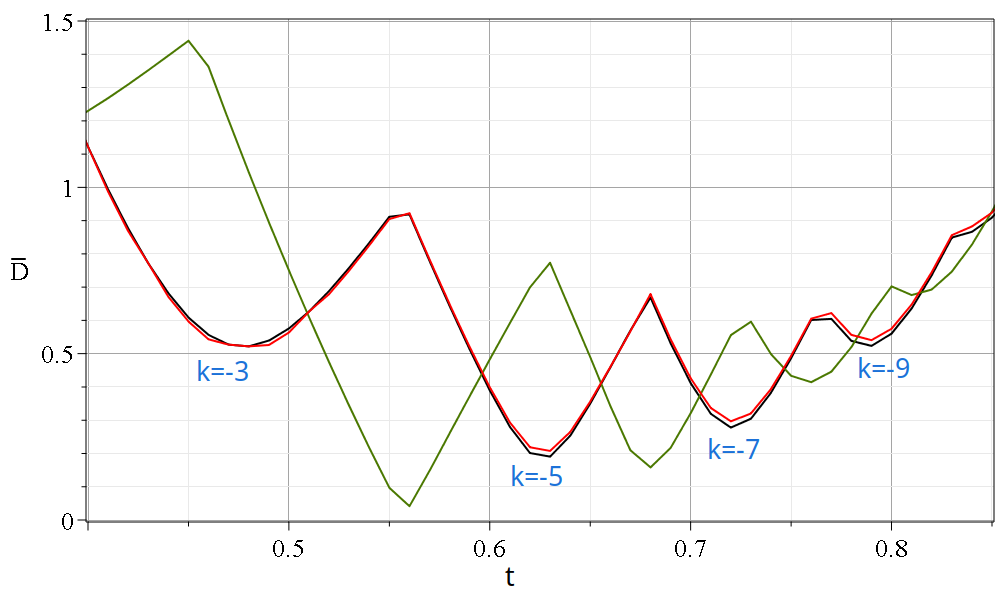
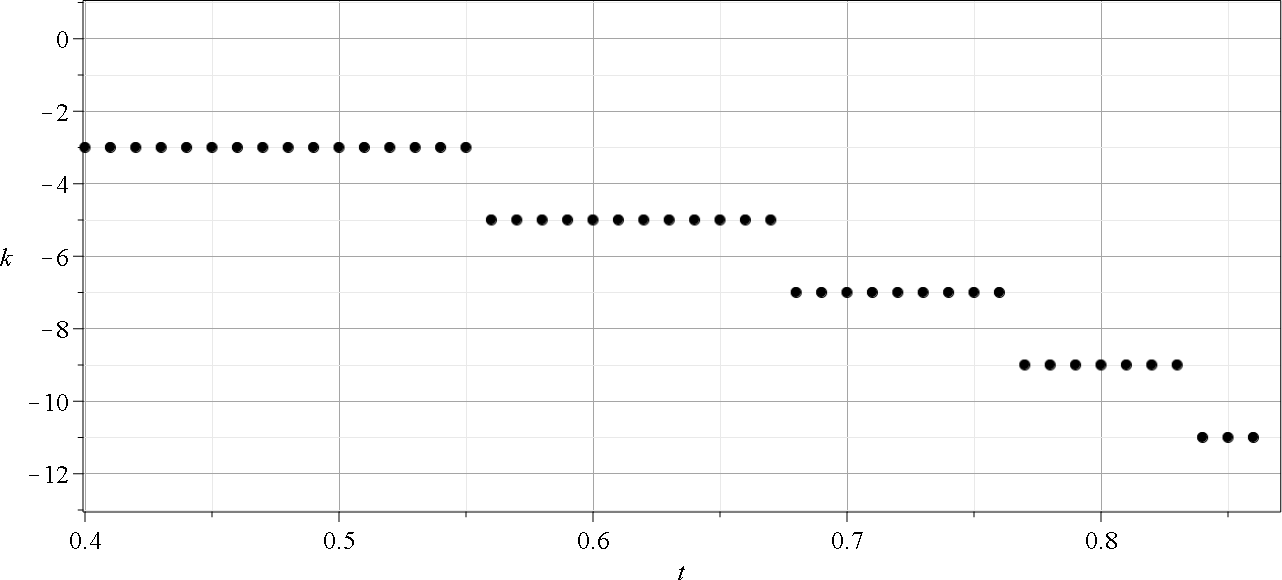
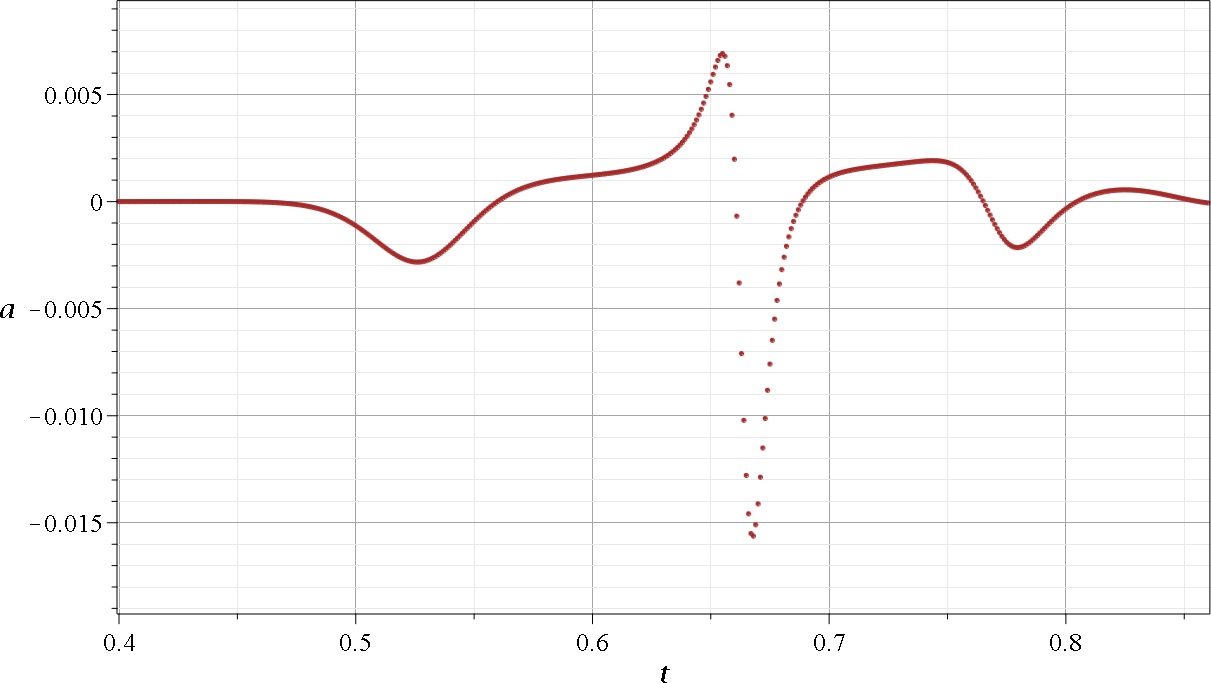
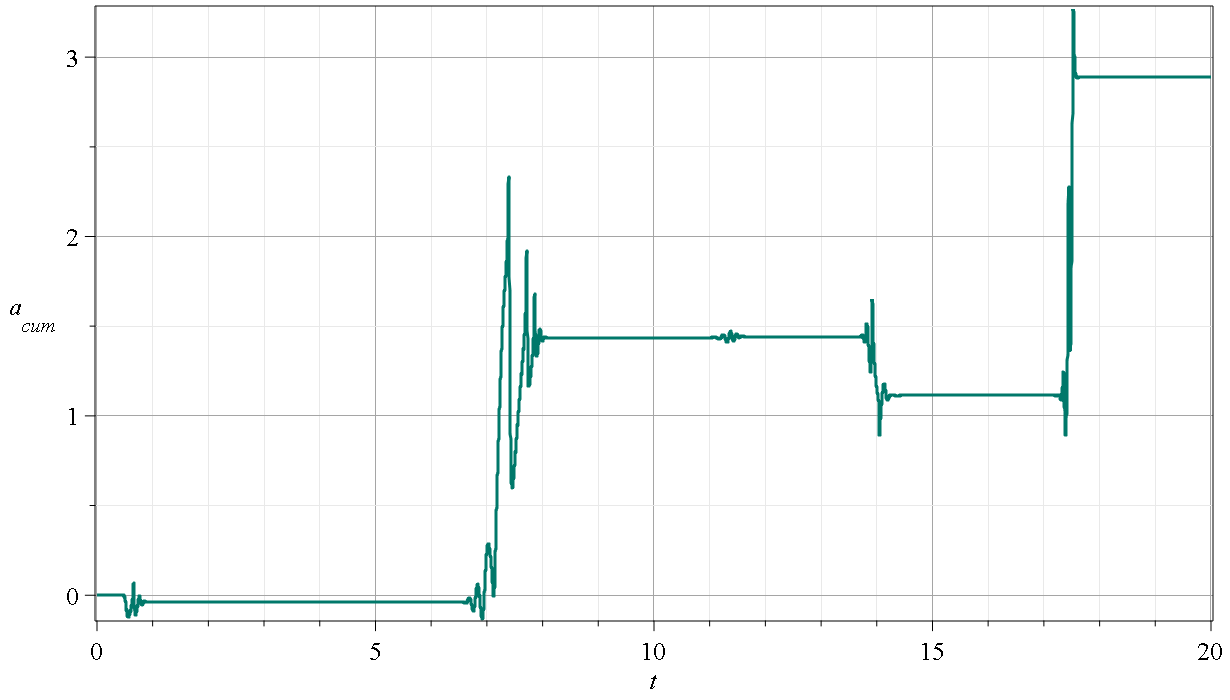
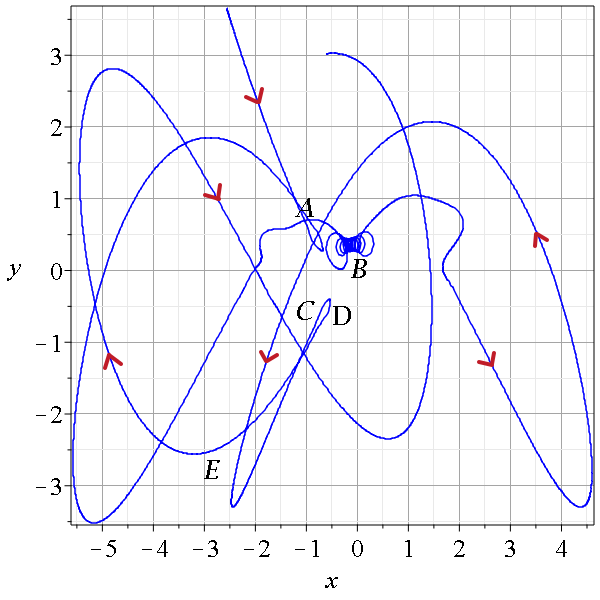
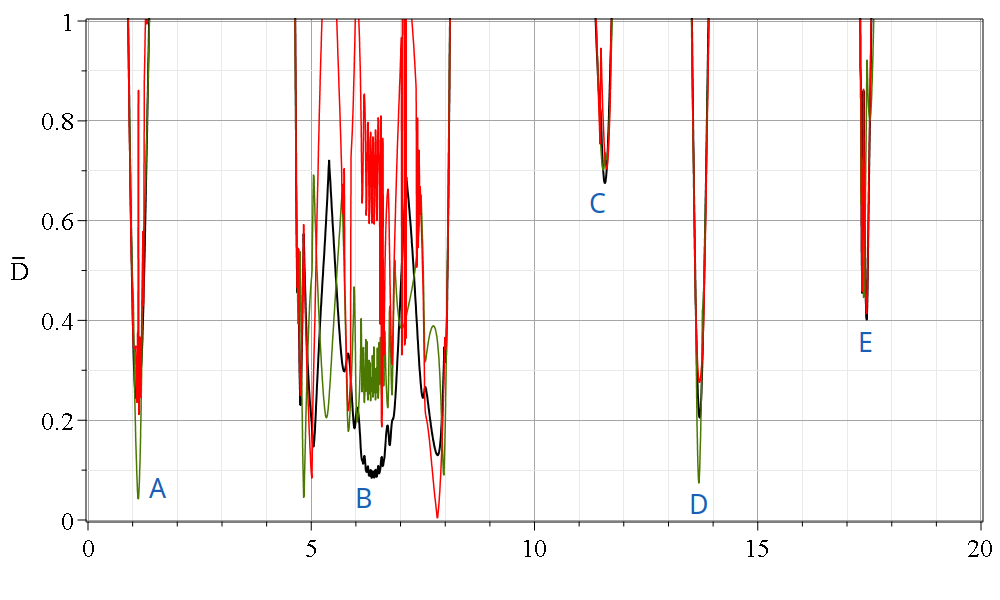
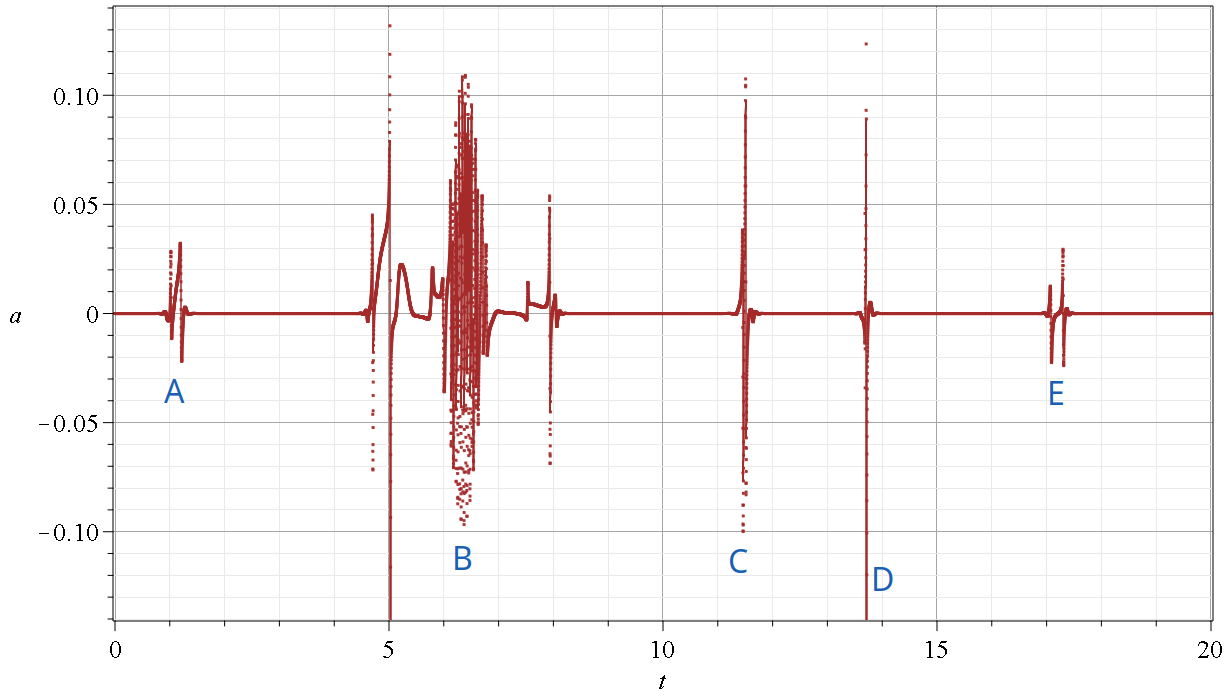
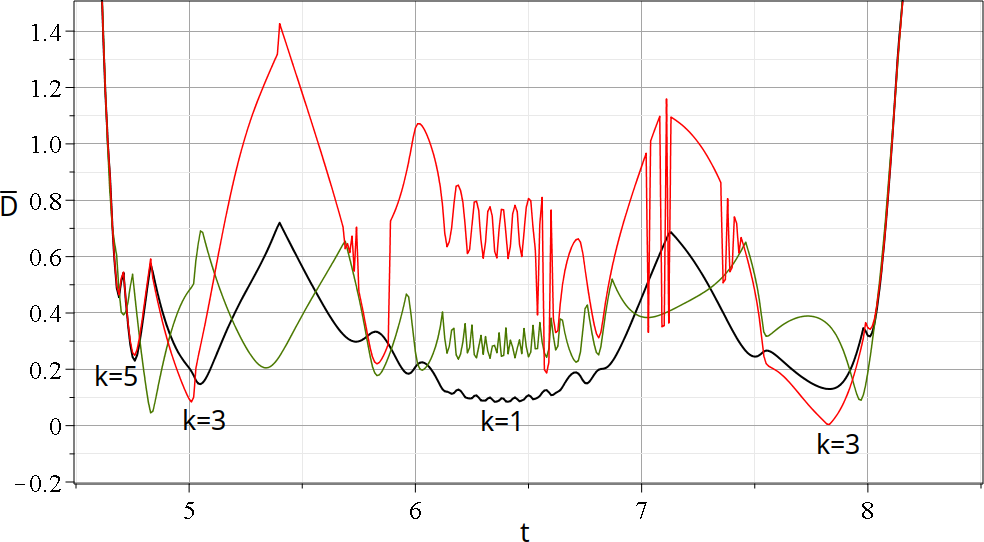
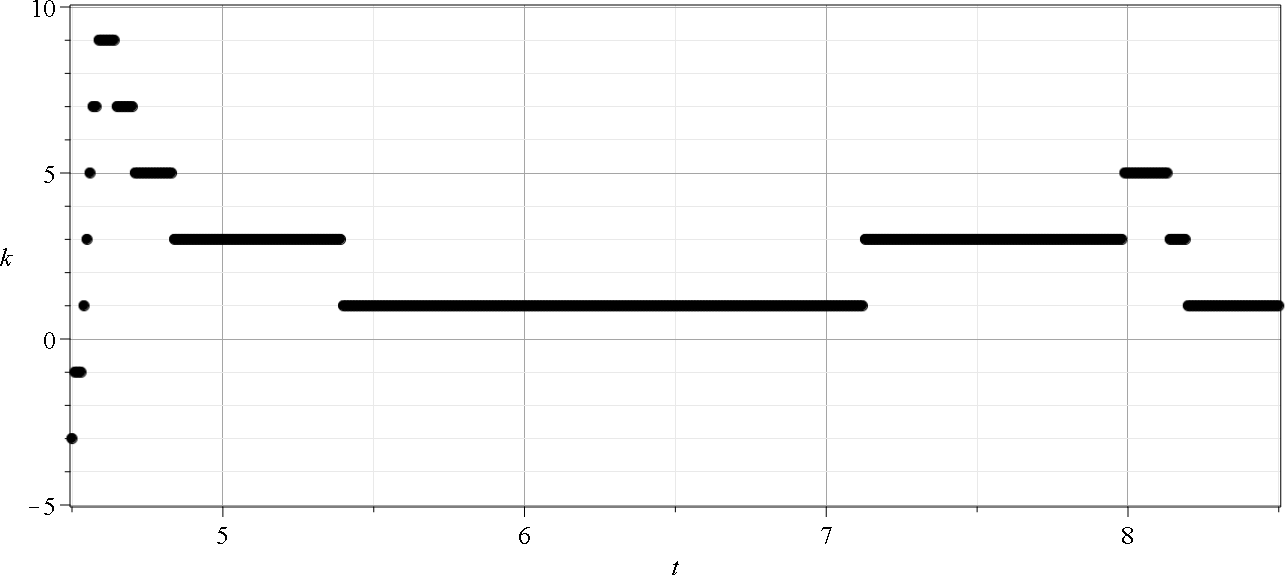
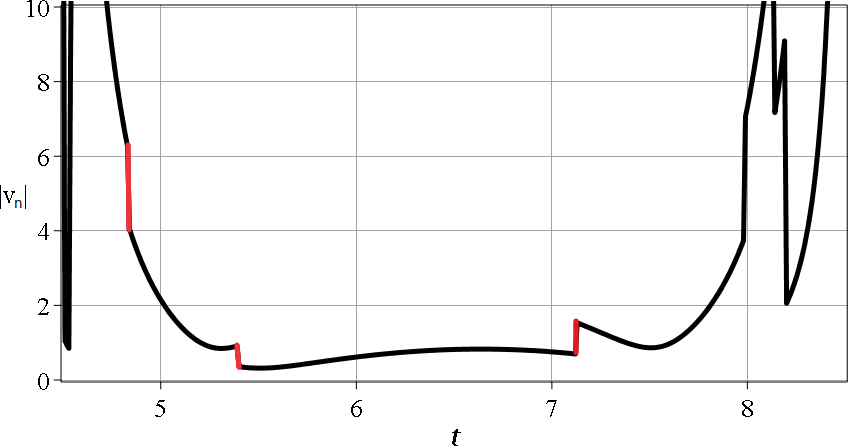
The study provides a detailed account of how chaos arises through repeated close approaches of Bohmian trajectories to the N, X, and Y points. Each "event"—a sequence of such approaches within a short time interval—induces significant variations in the stretching number and, consequently, the finite-time Lyapunov characteristic number (LCN). The cumulative effect of multiple events leads to the saturation of the LCN at a positive value, signifying chaotic dynamics.
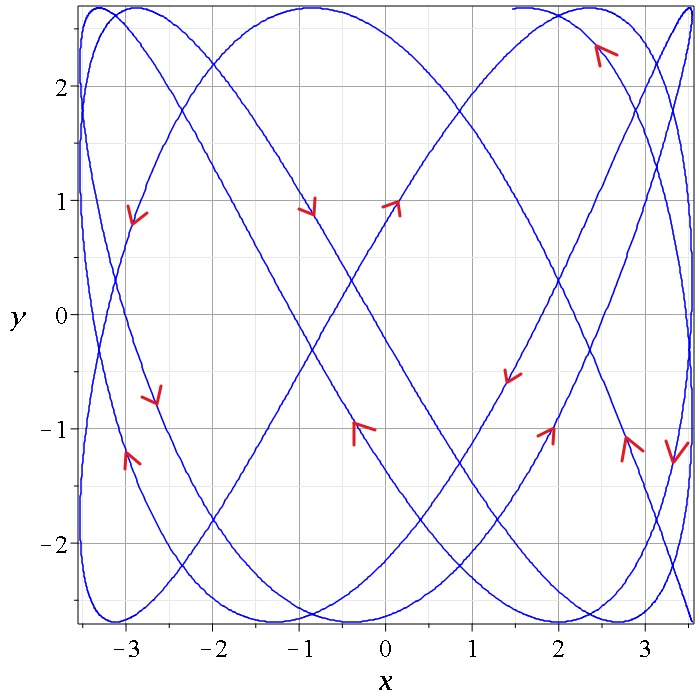
Figure 1: A Bohmian trajectory of a particle starting with c2=0.001,ωx=1,ωy=3, illustrating the sequence of close approaches to critical points and the resulting trajectory deformation.
Figure 5: Zoom on a scattering event, showing the detailed sequence of approaches to different nodal and unstable points.
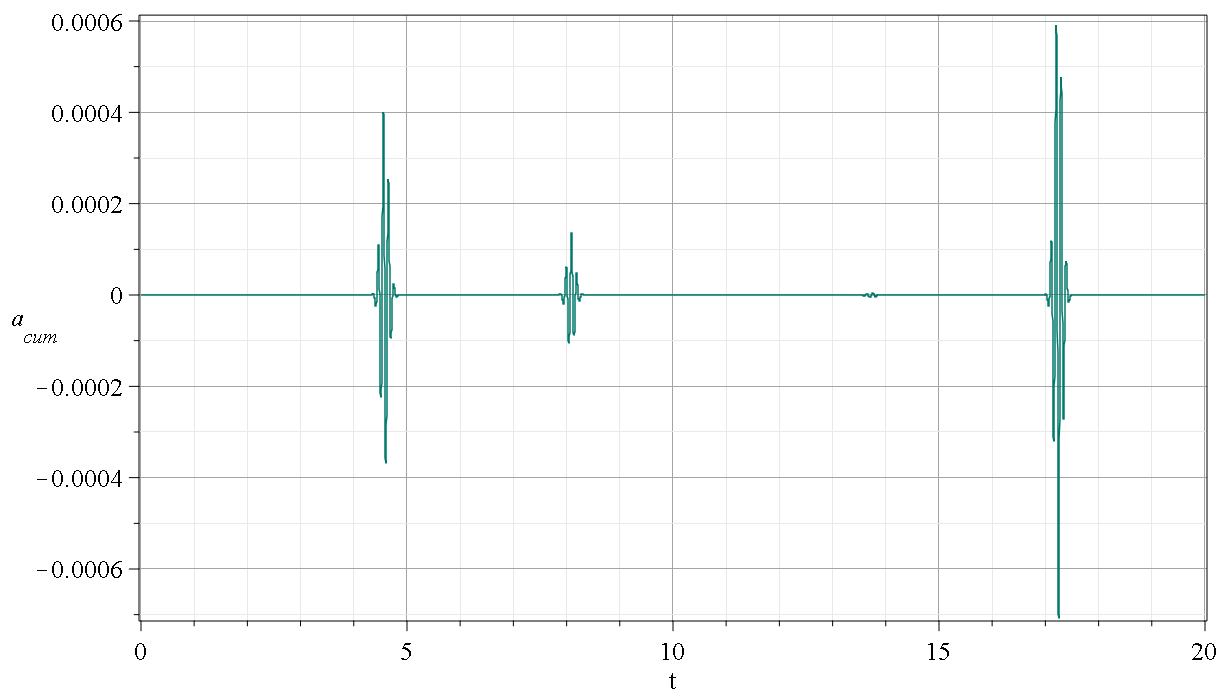
Figure 3: The cumulative stretching number acum, highlighting the net effect of successive scattering events on chaos production.
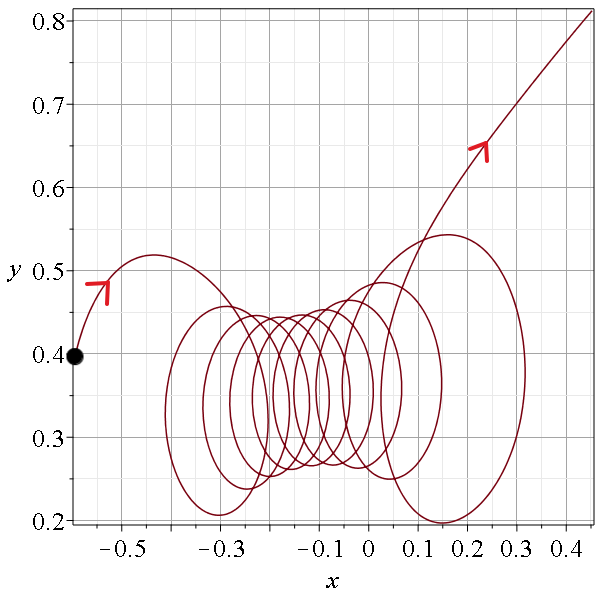
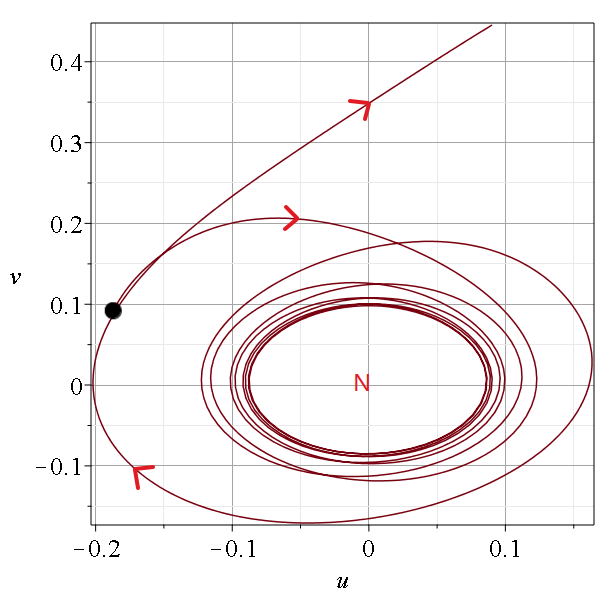
The analysis distinguishes between typical chaotic trajectories and those exhibiting Bohmian vortices—spiral motions around moving nodal points. Vortex events are associated with prolonged trapping near a nodal point and enhanced chaos production due to sustained interaction with the local NPXPC (nodal point-X-point complex).
Figure 4: A Bohmian trajectory with c2=0.3, showing a pronounced vortex event and its impact on the trajectory.
Figure 6: Zoom of the vortex event, detailing the oscillatory behavior and transitions between nodal points.
Figure 10: The Bohmian vortex in both inertial and co-moving frames, illustrating the spiral structure around the nodal point.
Ergodicity and Ordered Dynamics
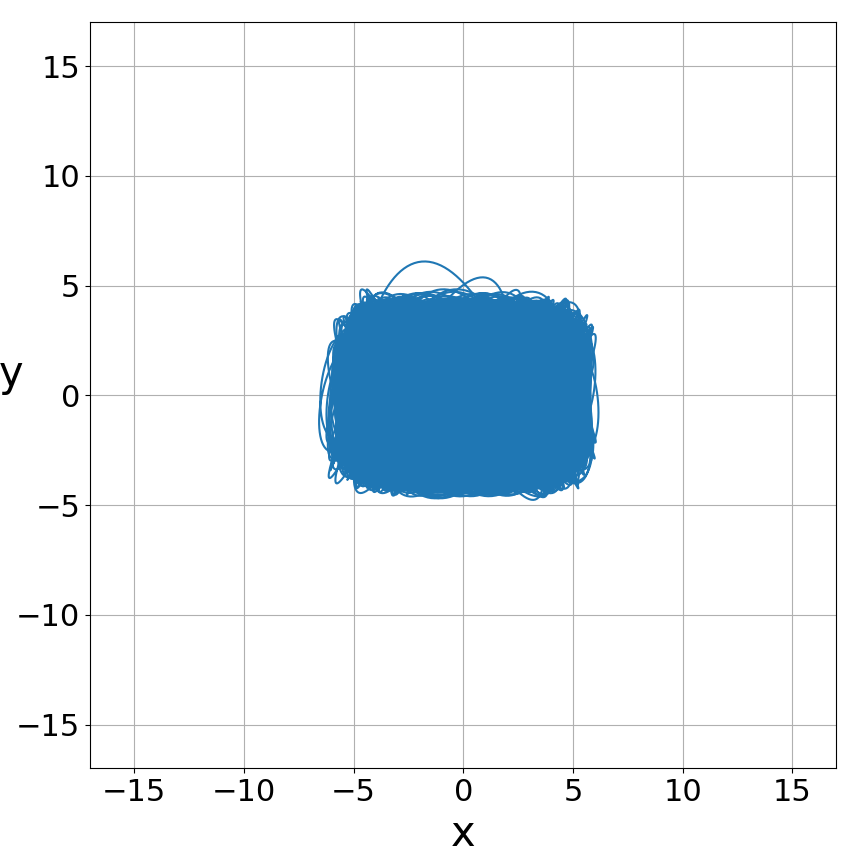
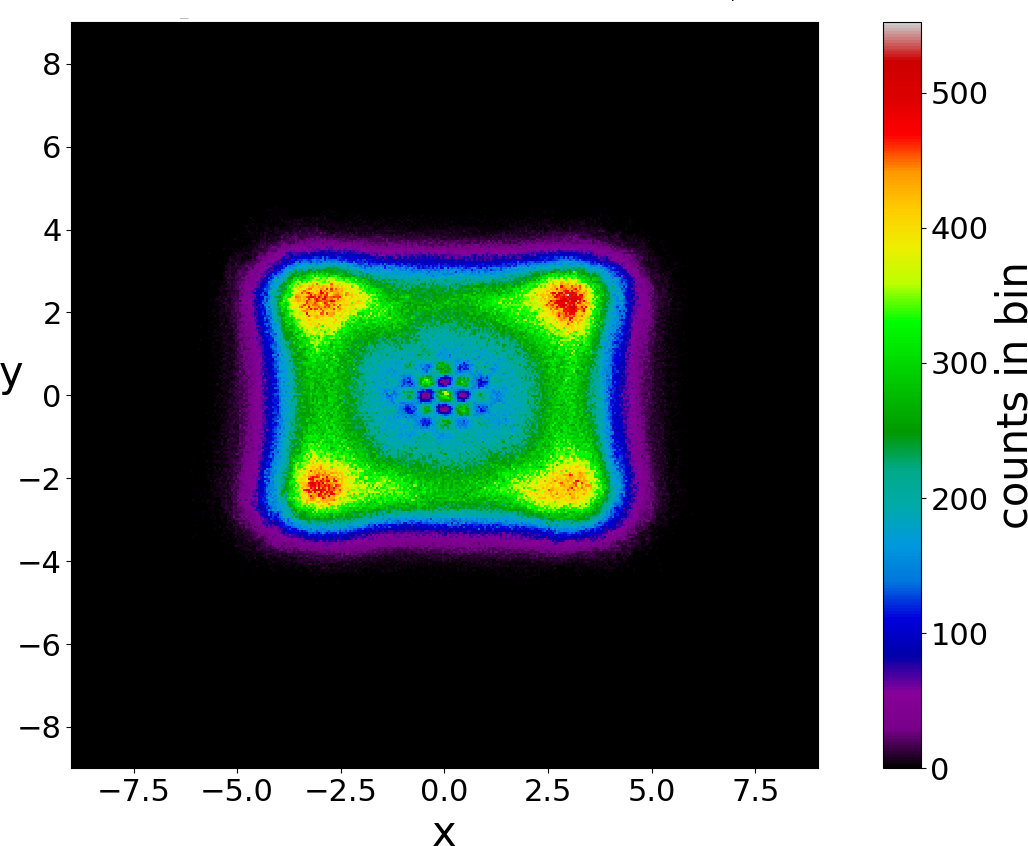
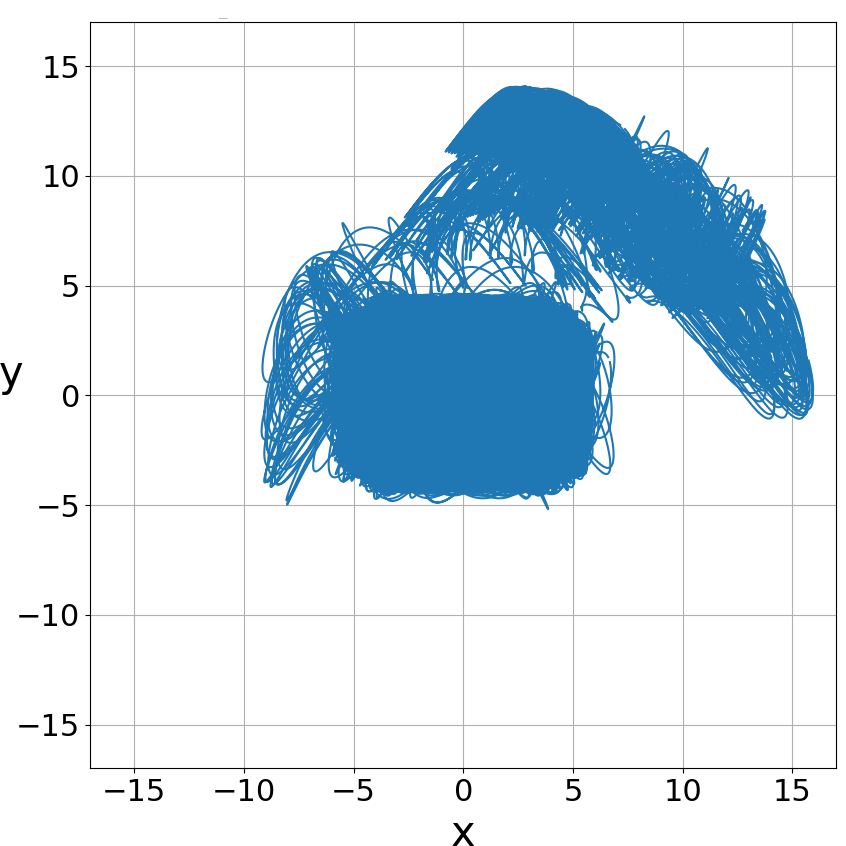
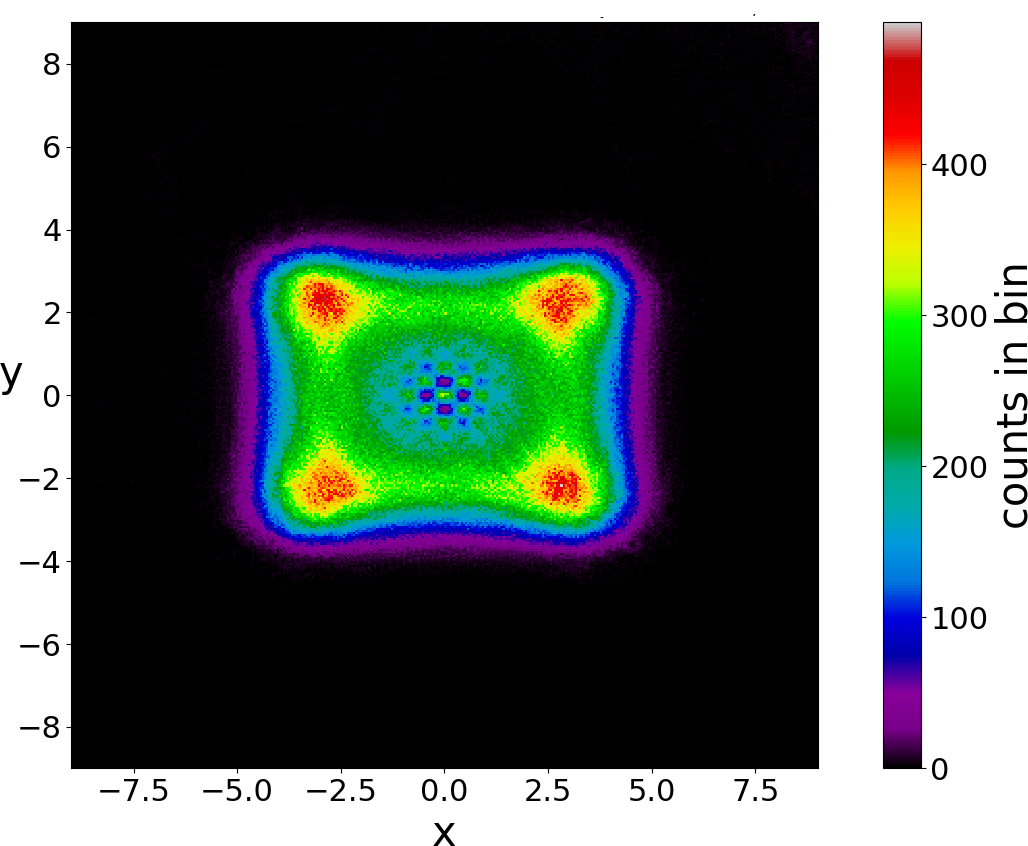
A key result is the demonstration of ergodicity for chaotic Bohmian trajectories in the entangled two-qubit system. Long-time simulations reveal that all chaotic trajectories, regardless of initial conditions, yield statistically identical spatial distributions (colorplots) within the effective support of the wavefunction. This property is robust even for trajectories initialized far from the central region, as they eventually enter and remain within the support.
Figure 7: Two different chaotic trajectories in the maximally entangled state, both converging to the same long-time spatial distribution.
In contrast, ordered trajectories arise when the entanglement parameter is small or when the oscillator frequencies are commensurate. These trajectories remain distant from all critical points, exhibit negligible stretching numbers, and have LCN=0. For rational frequency ratios, trajectories are strictly periodic, and the time-averaged LCN vanishes due to exact cancellation of stretching number contributions over each period.
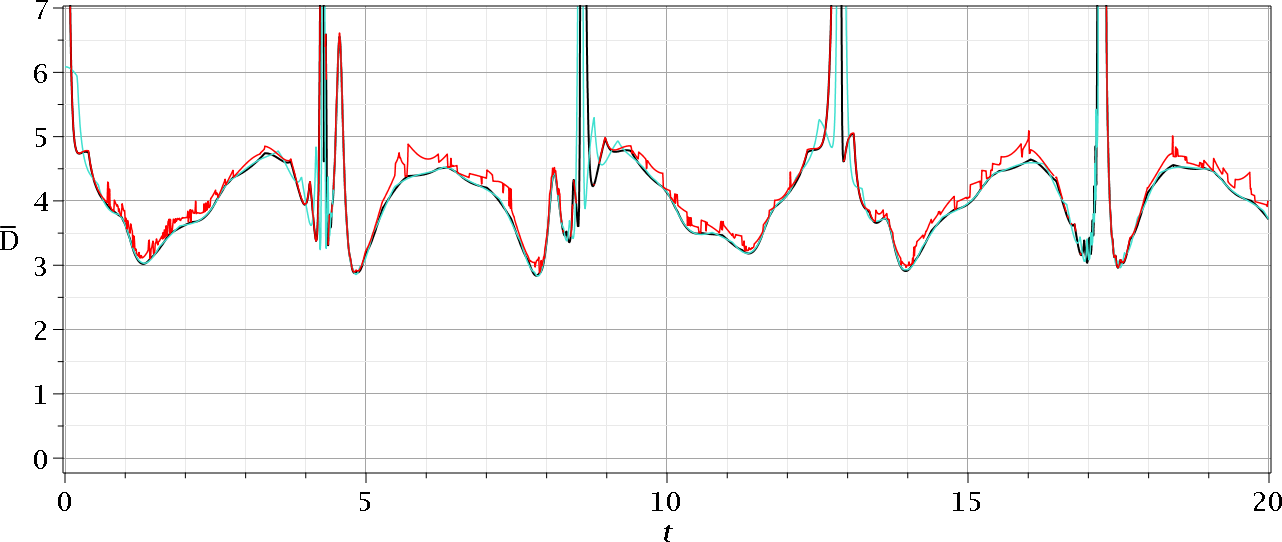
Figure 8: An ordered trajectory for c2=0.001, showing large distances from all critical points and negligible cumulative stretching.
Entanglement and the Lyapunov Characteristic Number
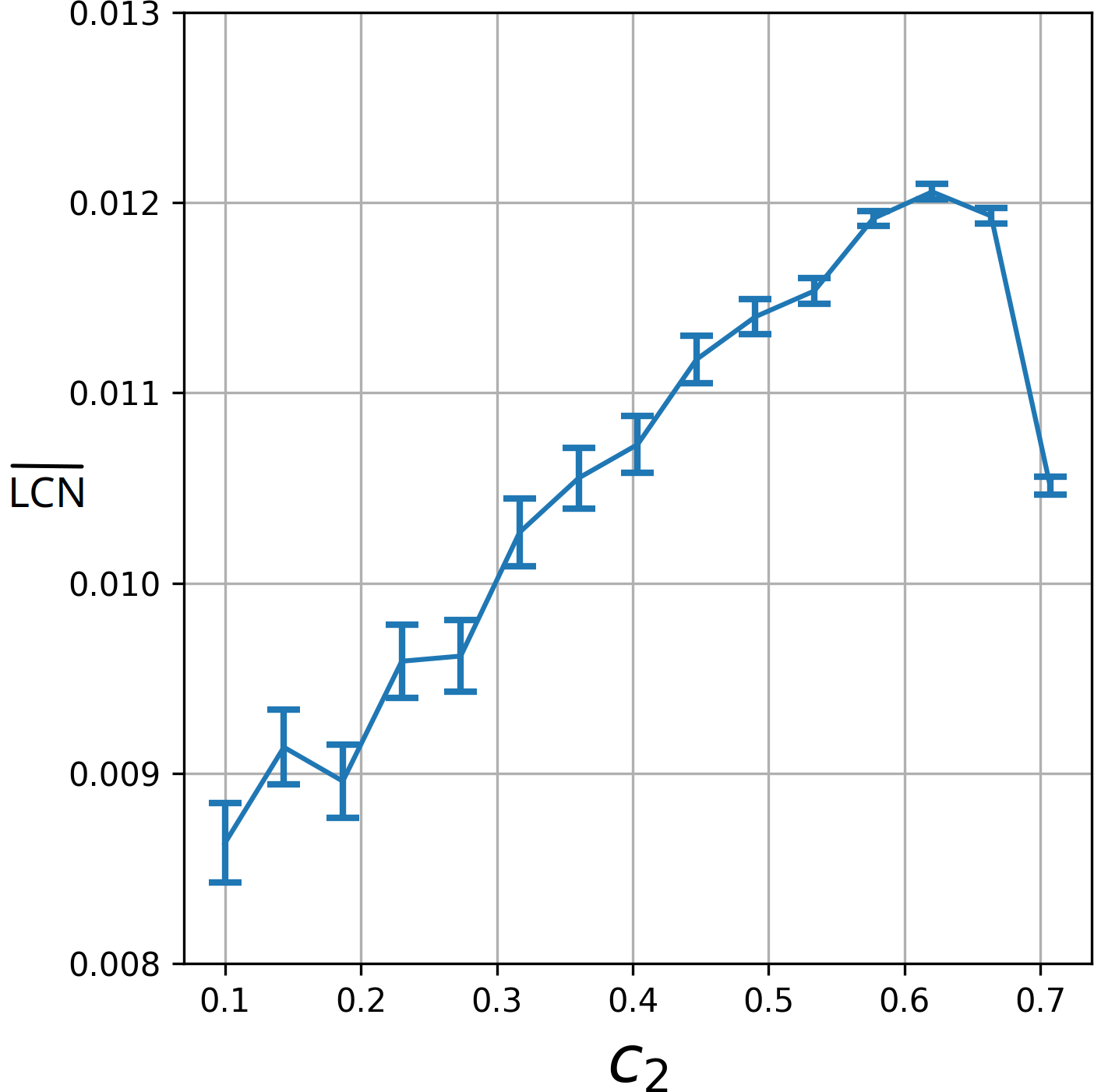
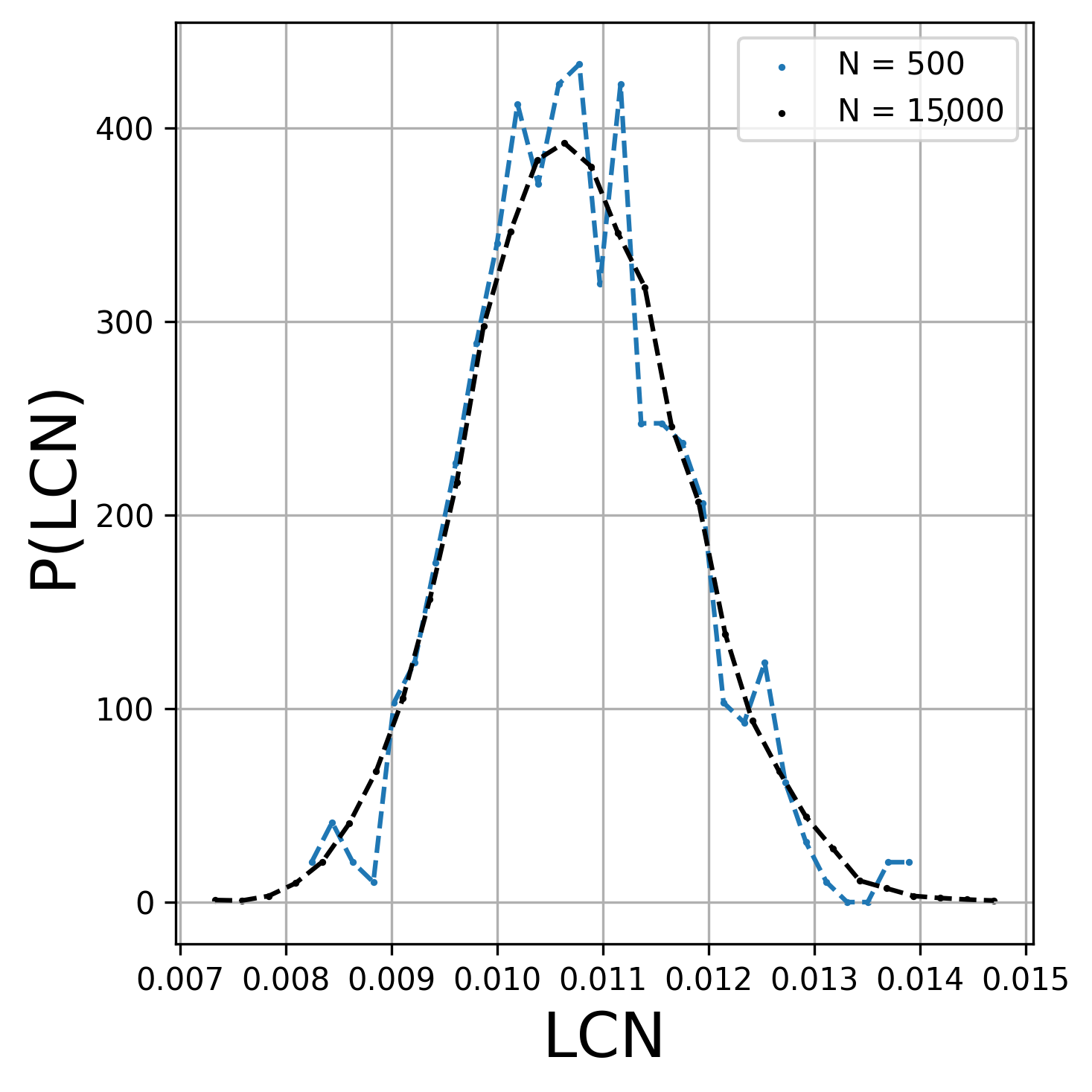
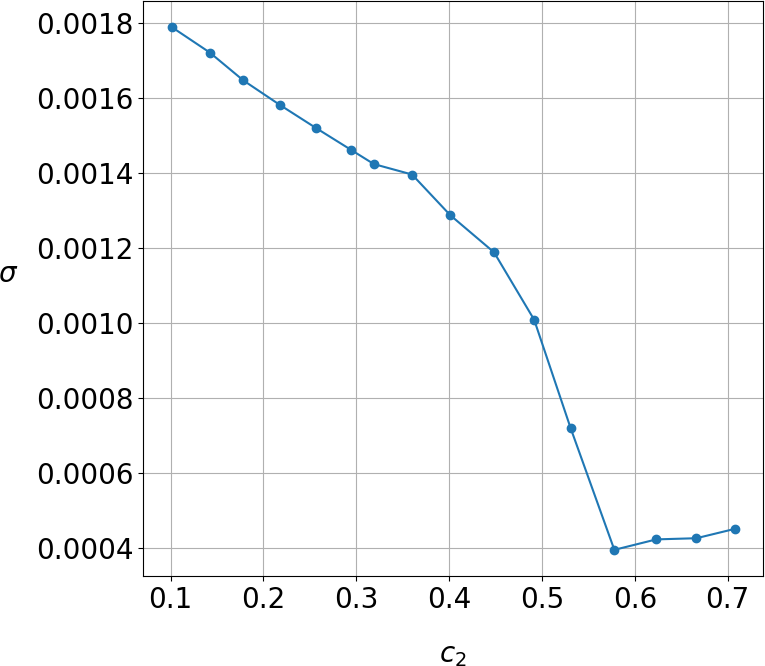
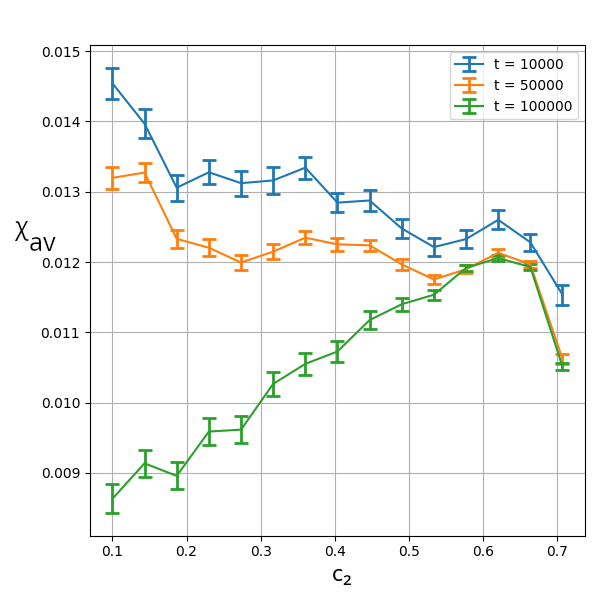
The relationship between quantum entanglement and chaos is investigated through extensive numerical computation of the LCN for large ensembles of trajectories at varying entanglement levels. The results indicate that the mean LCN does not exhibit a simple monotonic dependence on entanglement. Instead, the distribution of LCN values across trajectories is approximately Gaussian, with the standard deviation decreasing as entanglement increases.
Figure 9: The mean LCN for 400 trajectories as a function of entanglement, with error bars indicating the standard deviation.
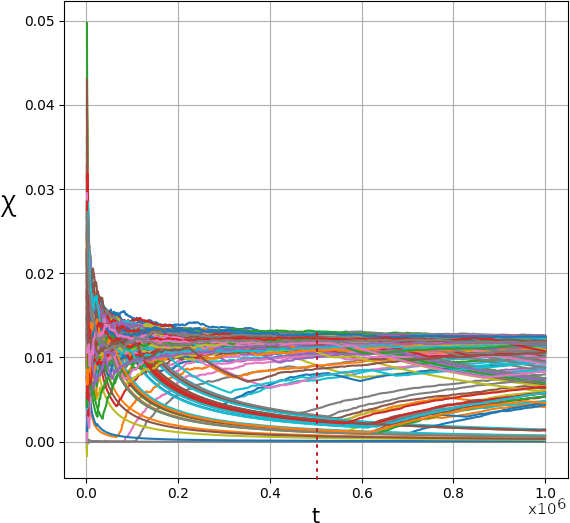
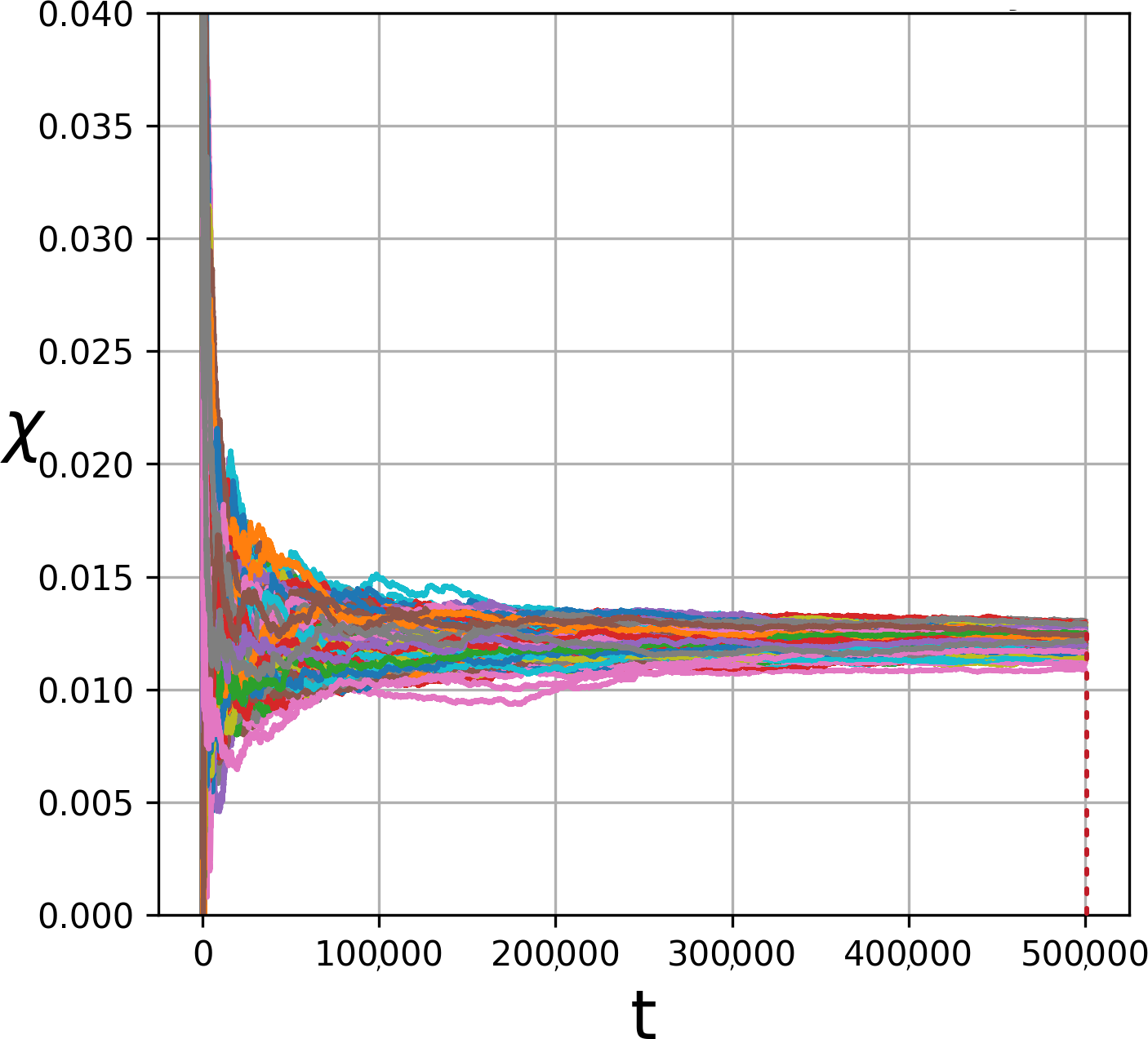
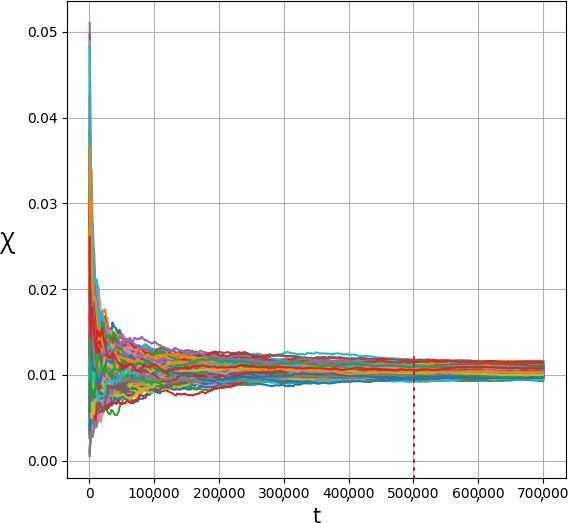
Figure 11: The finite-time LCN for 400 trajectories at different entanglement values, illustrating the convergence behavior and dispersion.
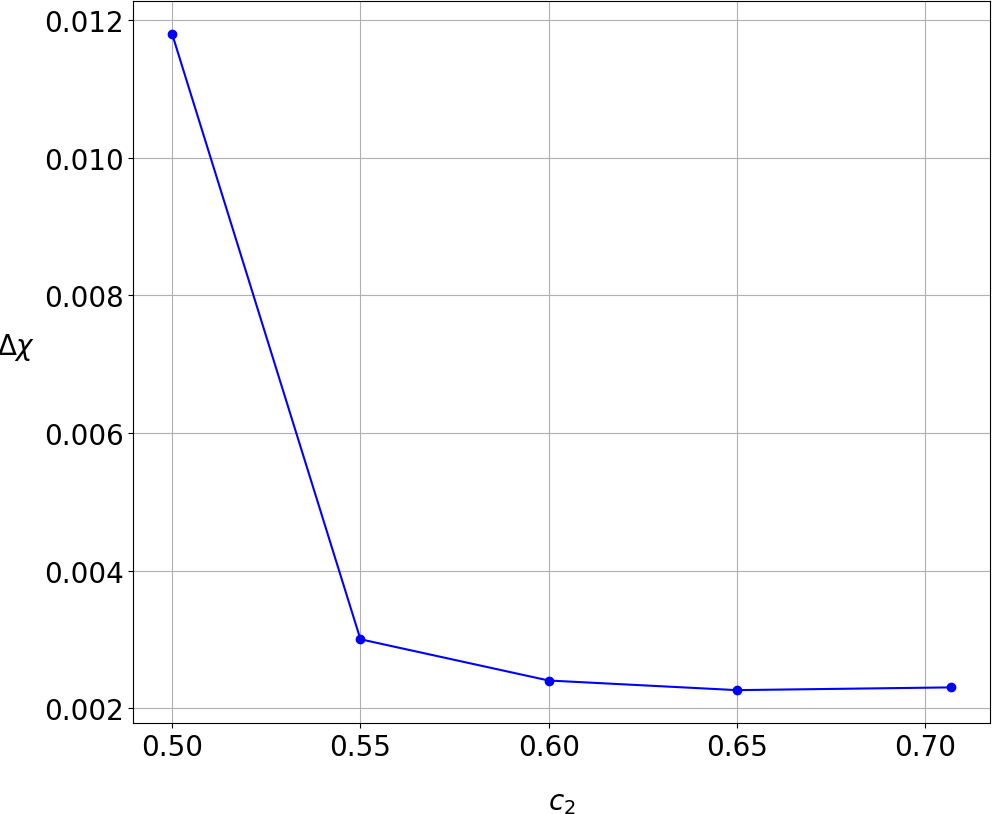
Figure 12: The range Δχ of the average finite-time LCN at t=5×10⁵ for various entanglement strengths, showing faster convergence for higher entanglement.
A significant finding is that increased entanglement accelerates the convergence of the finite-time LCN to its asymptotic value. For high entanglement, the dispersion in LCN values across trajectories diminishes rapidly, indicating more uniform and robust chaotic behavior. This result is consistent with the observed increase in the proportion of chaotic (ergodic) trajectories with entanglement, as previously reported.
Implications and Future Directions
The results elucidate the detailed mechanisms by which chaos emerges in Bohmian systems with entanglement, highlighting the essential roles of both X- and Y-type unstable points. The analytic determination of critical point positions in the two-qubit system enables precise characterization of scattering events and their impact on trajectory divergence.
The demonstration of ergodicity for chaotic trajectories has implications for the statistical foundations of quantum mechanics within the Bohmian framework, particularly regarding the emergence of the Born rule from dynamical relaxation. The finding that entanglement enhances the rate of LCN convergence suggests a dynamical link between quantum correlations and the efficiency of quantum relaxation processes.
The study opens avenues for further research into the connections between Bohmian chaos and conventional quantum chaos indicators, such as entanglement entropy growth and spectral statistics. The analytic and numerical techniques developed here are applicable to more complex systems, including higher-dimensional and many-body entangled states.
Conclusion
This work provides a rigorous and detailed account of chaos generation in Bohmian mechanics for a two-qubit entangled system. By elucidating the roles of X- and Y-type unstable points and quantifying the influence of entanglement on chaotic dynamics, the study advances the understanding of quantum dynamical complexity from a trajectory-based perspective. The results have foundational significance for the interpretation of quantum mechanics and practical relevance for quantum information theory, where entanglement and dynamical complexity are central resources.