- The paper presents a low-cost spectrometer design that uses a consumer-grade webcam and DVD as a diffraction grating for affordable spectral analysis.
- It utilizes iterative calibration against a commercial spectrometer, achieving comparable accuracy across multiple wavelength ranges.
- The study highlights the device's practicality for educational labs and DIY scientific exploration by significantly reducing costs.
Developing a Cost-Effective Spectrometer: A Practical Approach
Introduction
The paper "Developing a Cost-Effective Spectrometer: A Practical Approach" focuses on the design and execution of a low-cost optical spectrometer, primarily aimed at educational and budget-conscious applications. Traditional spectrometers provide a high degree of accuracy and capability but at a significant cost, limiting their accessibility. This study proposes a spectrometer design utilizing a webcam and a DVD diffraction grating, emphasizing cost-effectiveness without compromising accuracy.
Methodology and Design
This spectrometer design employs a consumer-grade webcam to capture the light spectra, with a DVD serving as the diffraction grating due to its nano-scale track spacing suitable for diffraction purposes. The device's structure includes a black box casing to minimize ambient light interference, a crucial factor for enhancing measurement precision.
During calibration, a RED TIDE USB650 Fiber Optic Spectrometer was used to set baseline measurements for various wavelengths. The initial calibration involved LEDs of known emission characteristics to ensure the spectrometer's readings align with industry standards. Calibration was adjusted iteratively by comparing the spectral output against the known standards, ensuring minimal deviation.
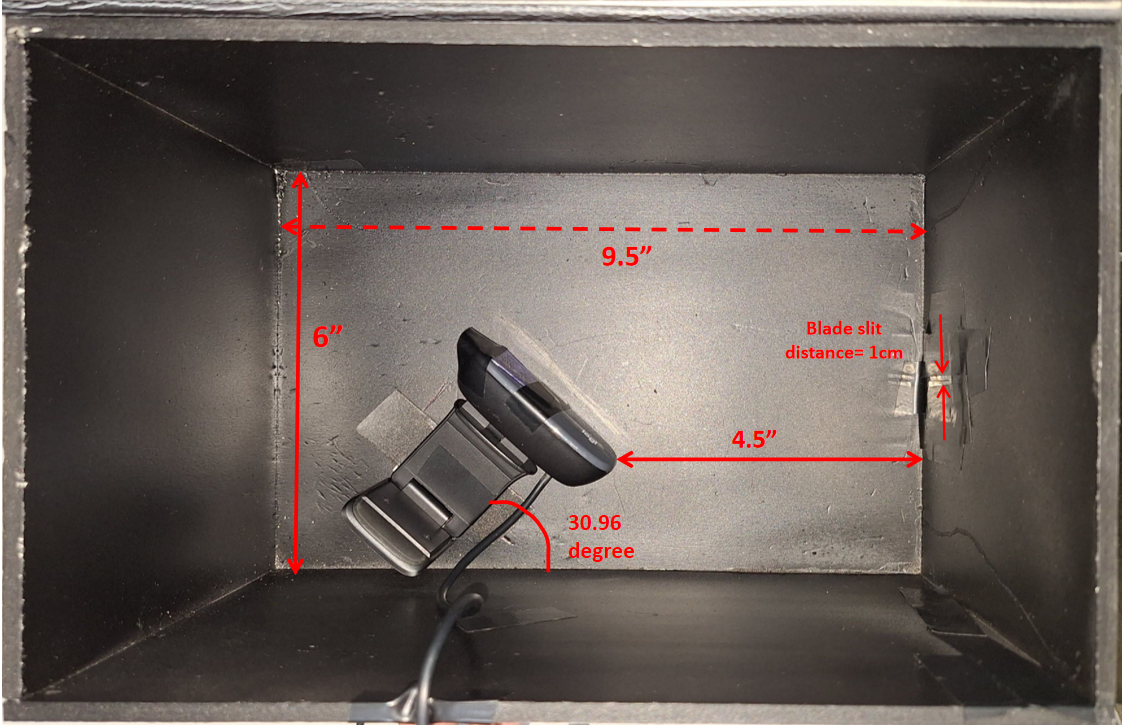
Figure 1: Dimensions inside housing.
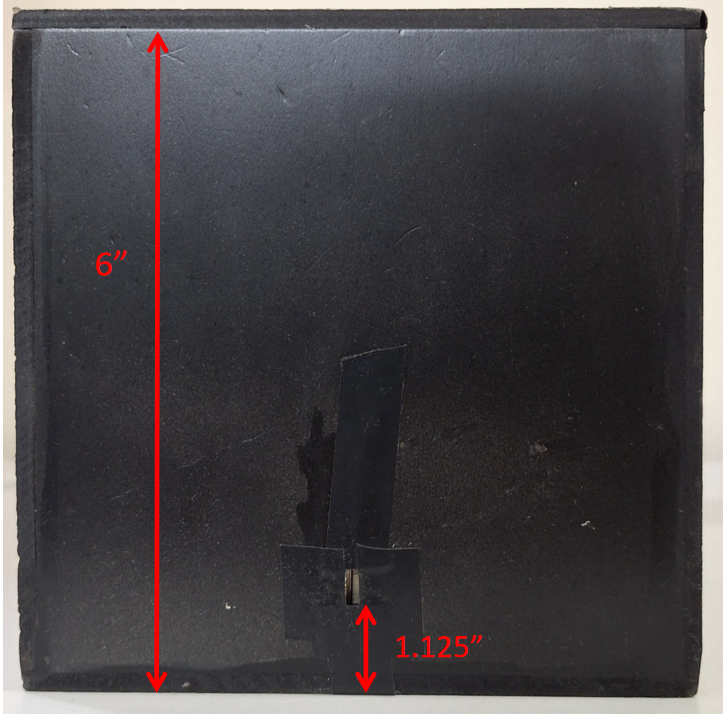
Figure 2: Dimensions outside box.
Experimental Setup
The hardware setup (Figure 1) illustrates the strategic arrangement of components, including the webcam fixed at a specific angle to capture the first-order diffraction pattern accurately. DVDs were utilized as they inherently possess the microscopic grating necessary for effective diffraction dispersion.
The device leverages Python software for real-time data capture and analysis. Python's accessibility and broad library support make it suitable for educational purposes. The experiment setup also demonstrates how minimal-cost adjustments can achieve competitive accuracy compared with high-cost devices.
Results and Comparison
Spectral outputs obtained from multiple light sources, such as LEDs and lasers, showed results closely aligning with those obtained from the RED TIDE USB650 Fiber Optic Spectrometer. Calibration values were effectively tuned to compensate for any initial misalignments in readings, particularly highlighting the device's capability to handle multiple wavelength ranges (e.g., red, green, and UV).
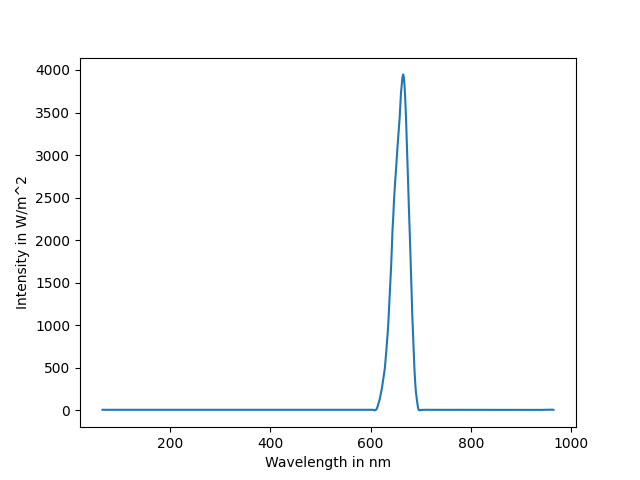
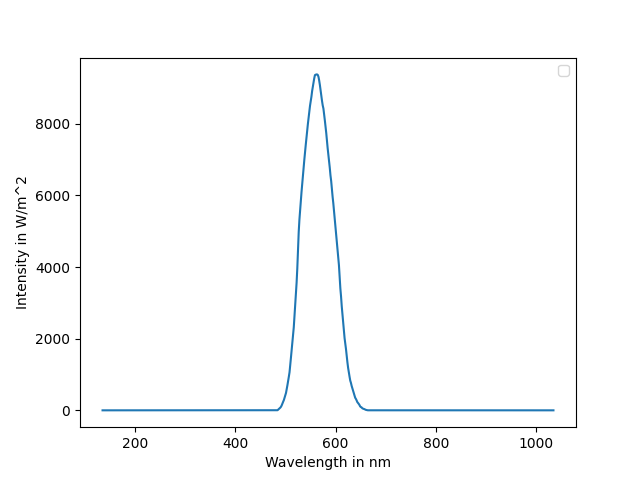
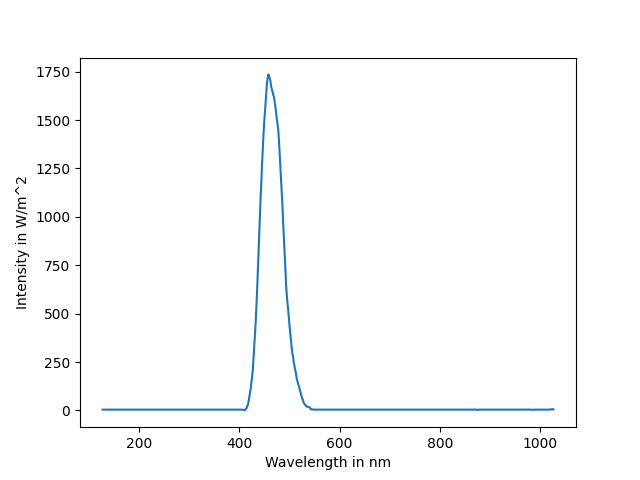
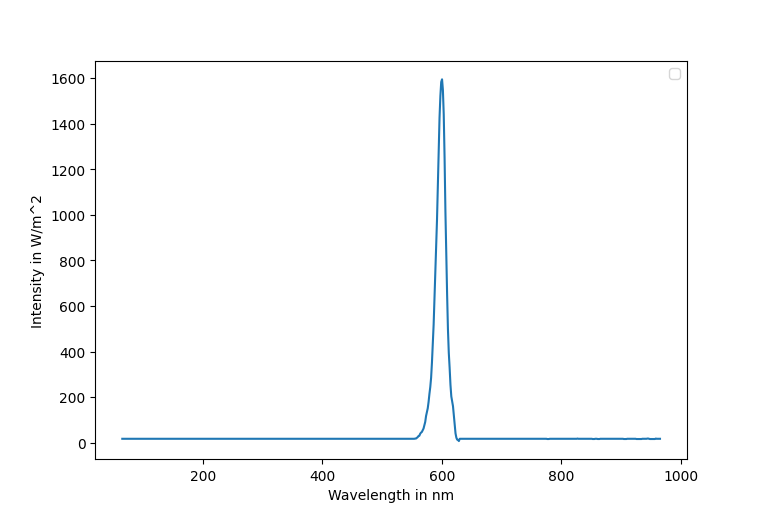
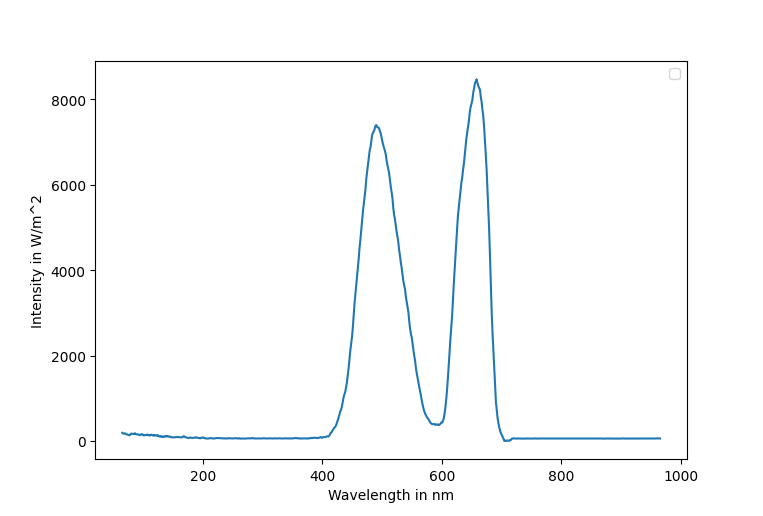
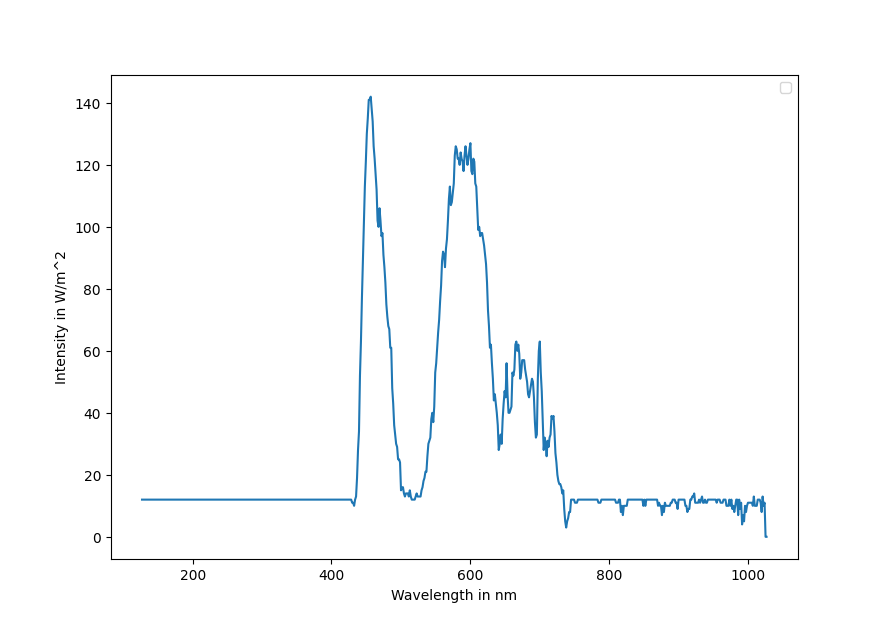
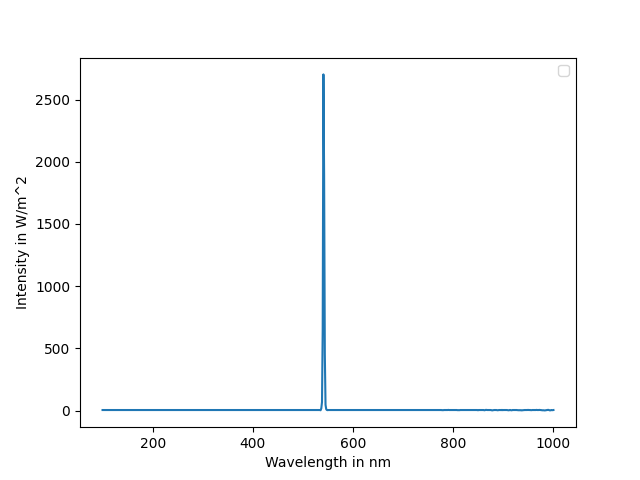
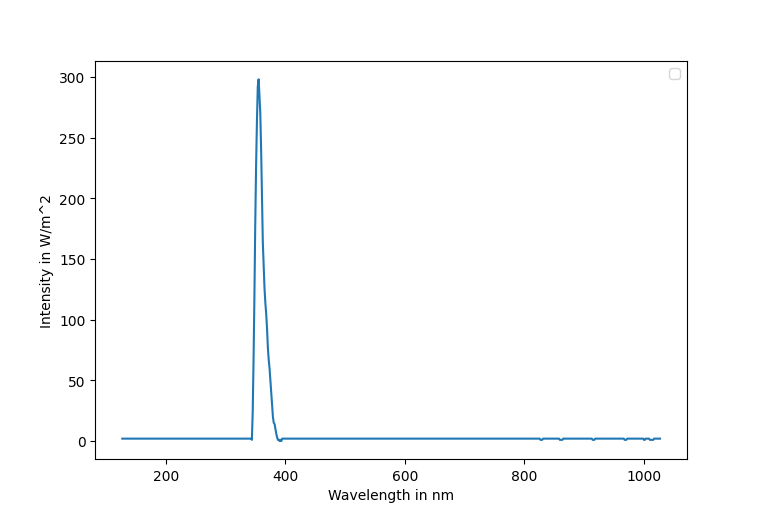
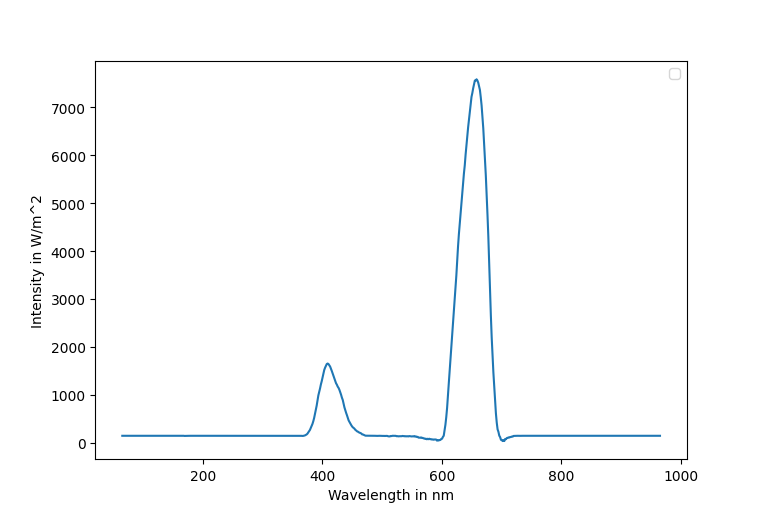
Figure 3: Red LED.
Cost Analysis
A comprehensive cost analysis reveals the drastically reduced expenses associated with the discussed spectrometer:
| Component/Software |
Total cost of our spectrometer |
Red Tide USB650 Fiber Optic Spectrometer |
| C270 HD Webcam |
1900 BDT |
|
| Housing for webcam |
800 BDT |
|
| Additional costs (DVD) |
100 BDT |
|
| Software |
Free |
|
| Total |
2800 BDT |
176,280 BDT (equivalent) |
This analysis clearly establishes the cost-effectiveness of the developed spectrometer, making it accessible for educational labs and DIY scientific exploration.
Conclusion
The study concludes that using a DVD grating and a consumer-grade webcam significantly reduced the spectrometer's cost while maintaining a high degree of accuracy, comparable to commercial models. Such innovations can democratize access to spectrometric technology, allowing broader participation in scientific exploration and education. This approach particularly benefits scenarios where budget constraints limit the feasibility of acquiring high-cost lab equipment. The continued development of cost-effective scientific instruments represents an essential step toward inclusive science education and innovation.