- The paper presents extensive aerial wireless datasets from AERPAW, enabling reproducible studies and validation of propagation models.
- It details the use of programmable radios, digital twins, and large UAV platforms to overcome technical and regulatory challenges in dataset collection.
- The datasets support applications in machine learning, 3D coverage, waveform design, and network simulation for next-generation wireless systems.
Wireless Datasets for Aerial Networks
The paper "Wireless Datasets for Aerial Networks" (2510.08752) provides an extensive survey of publicly available wireless datasets collected from the Aerial Experimentation and Research Platform on Advanced Wireless (AERPAW). These datasets are critical for the design and optimization of aerial networks, which play a vital role in 5G-Advanced and future 6G networks by enabling improved line-of-sight (LoS) communications and agile deployment. The paper focuses on the technical, logistical, and regulatory challenges involved in creating reproducible aerial wireless datasets and reviews existing related works. Additionally, it details the hardware, software used, dataset format, representative results, and potential applications for each dataset, aiming to guide researchers in validating propagation models, developing machine learning algorithms, and advancing aerial wireless systems.
Introduction
Aerial platforms, particularly unmanned aerial vehicles (UAVs), are increasingly recognized as valuable complements to terrestrial infrastructure in wireless networks. UAVs offer unique advantages such as agile deployment, rapid coverage extension, and spectrum monitoring capabilities, especially in challenging environments like disaster-stricken areas. Recent efforts by regulatory bodies like the FCC and 3GPP have sought to integrate UAVs into cellular networks, addressing challenges like interference mitigation and mobility management. These initiatives highlight the need for open and reproducible datasets to validate theoretical models and guide system design.
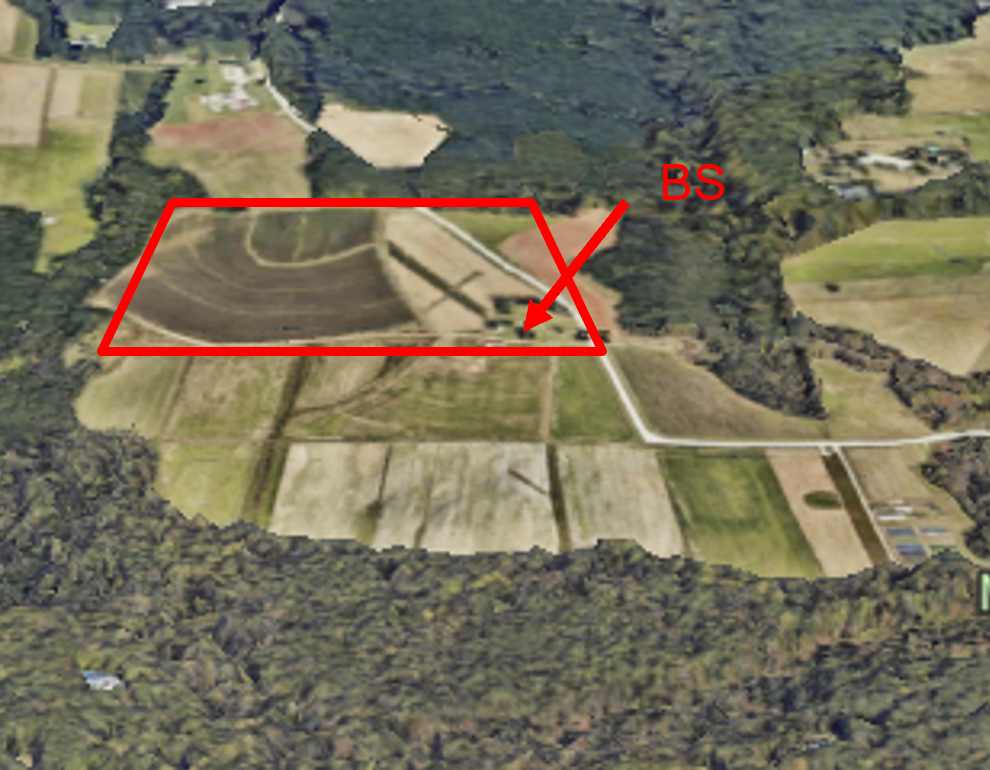
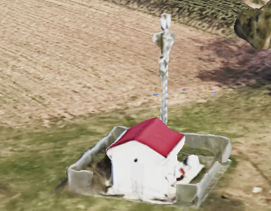
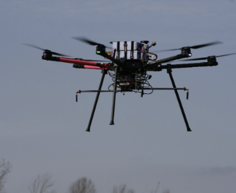
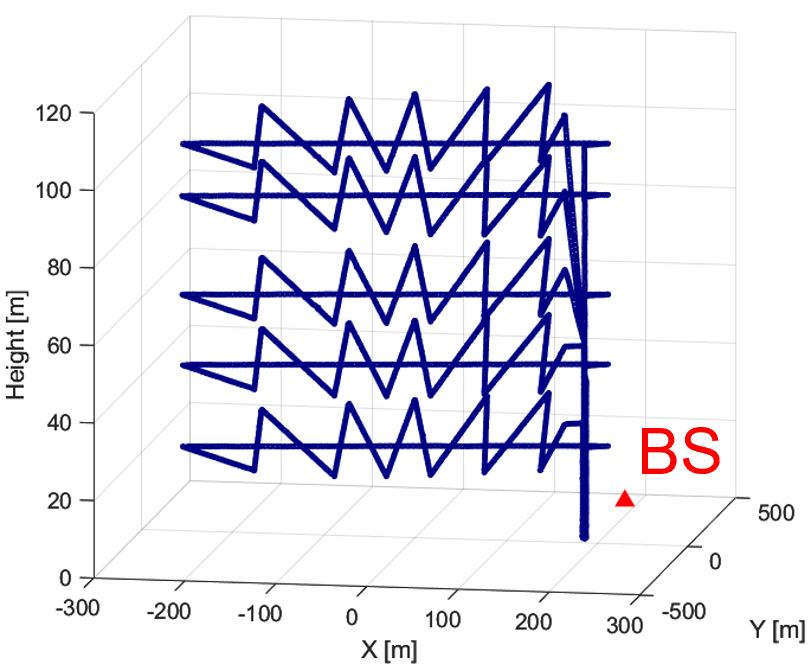
Figure 1: Campaign environment and UAV trajectory for the I/Q measurement dataset.
Challenges for Generating Datasets
The paper outlines several key challenges in collecting high-quality datasets for aerial wireless systems:
- Programmable Radios: While commercial off-the-shelf (COTS) equipment is commonly used for data collection, it often lacks flexibility. AERPAW uses USRP devices, allowing custom waveform generation and enhanced programmability, albeit with increased complexity and size.
- Outdoor Infrastructure and Spectrum: Secure outdoor experiments require dedicated radio infrastructure and access to experimental spectrum bands. AERPAW's Innovation Zones enable such experimentation, overcoming regulatory hurdles related to spectrum usage in UAV operations.
- Large Drones for Payloads: Large drones are deployed to carry the necessary equipment, including USRP devices. AERPAW designs these drones using open-source software, maximizing customization while ensuring reproducibility in drone design.
- Digital Twins: A digital twin of the testbed facilitates remote development and testing, enabling rapid deployment of experiments while ensuring safety and reliability in autonomous UAV operations.
Aerial Wireless Datasets
A comprehensive set of datasets collected through AERPAW are presented, spanning different technologies and measurement parameters:
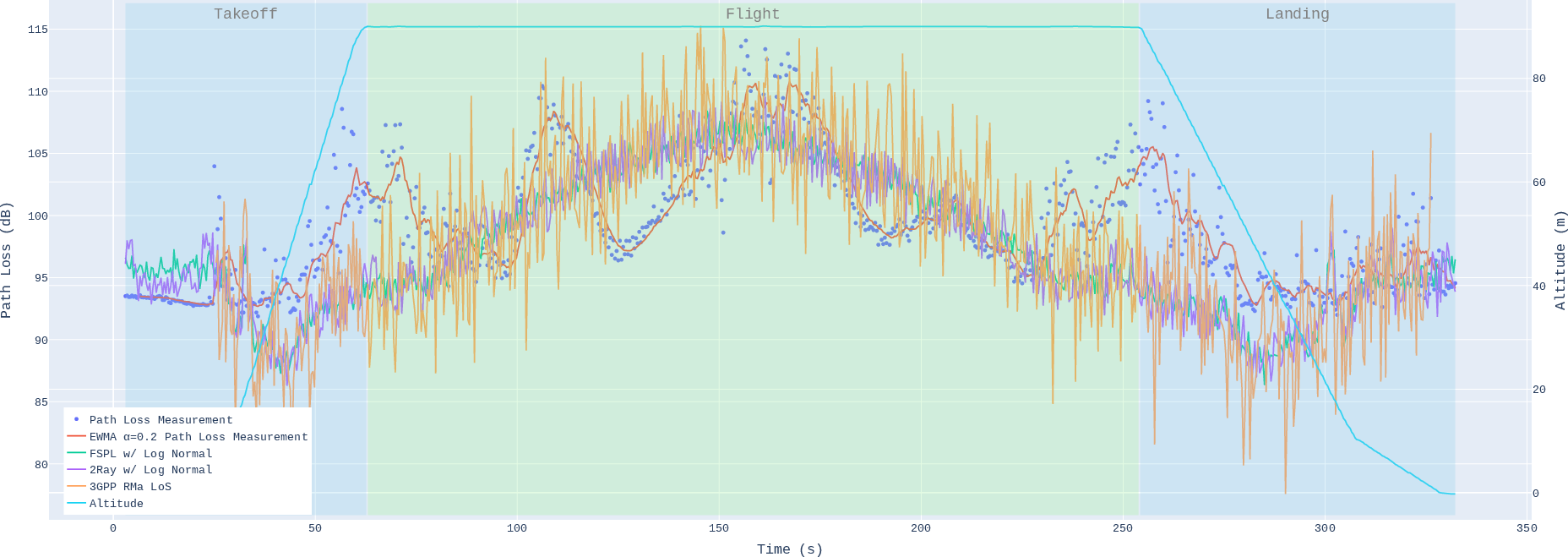
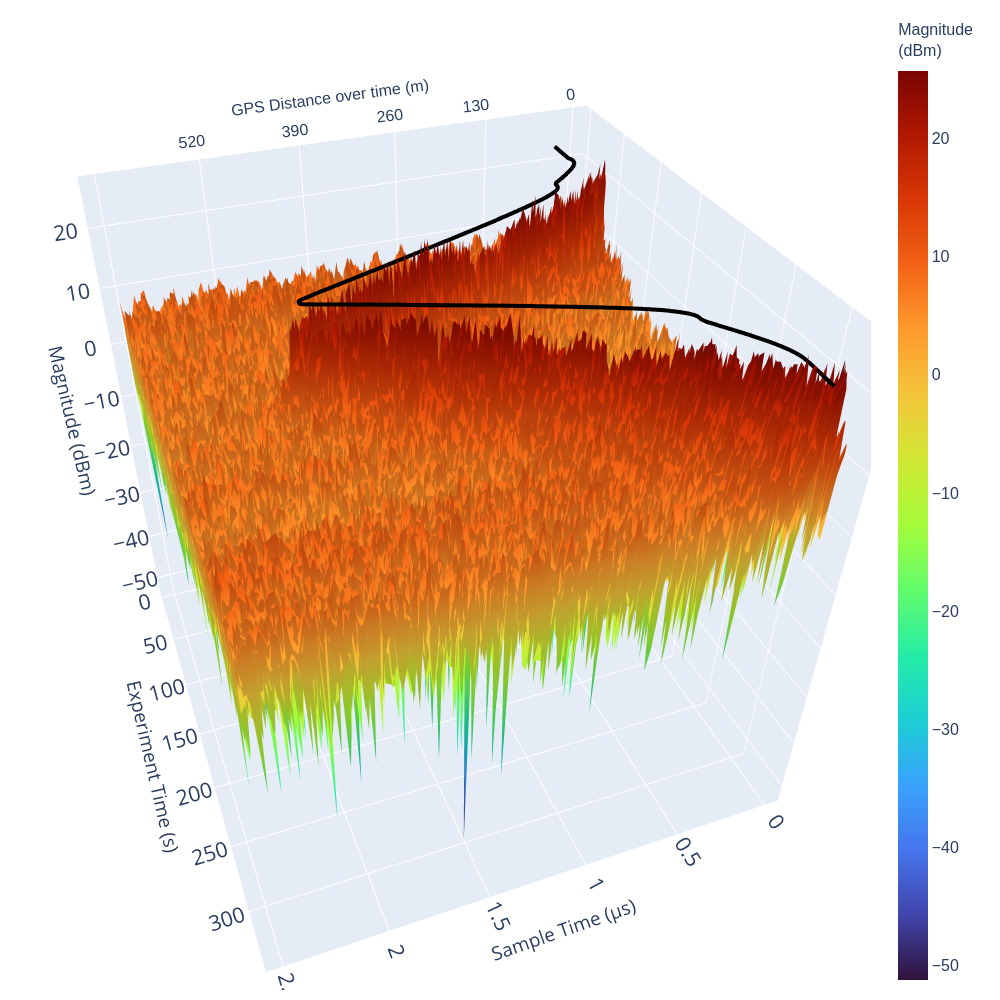
Figure 3: Representative results from the A2G channel sounding campaign using a UAV-mounted transmitter.
Possible Applications
The datasets support numerous applications in wireless communications research, such as:
- Validating propagation models and enhancing 3D coverage estimation.
- Machine learning algorithm development for spectrum sensing and channel estimation.
- Benchmarking network simulation tools with empirical data.
- Designing trajectory-aware network protocols, improving QoS in aerial networks.
- Spectrum management and allocation studies in dynamic UAV environments.
Conclusion
The collection of datasets from AERPAW represents a significant contribution to the aerial wireless research community, providing the empirical basis needed for future advancements in 5G and 6G networks. These open datasets encourage collaboration and innovation in UAV-assisted network design, system integration, and performance optimization. As UAV technologies continue to evolve, ongoing dataset expansion and integration with emerging standards will be crucial for addressing new challenges and opportunities in aerial computing and connectivity.
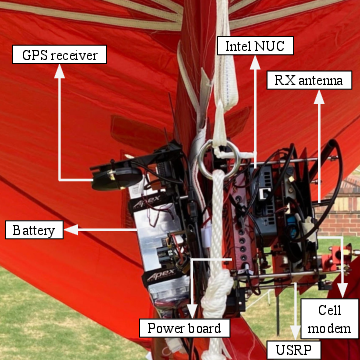
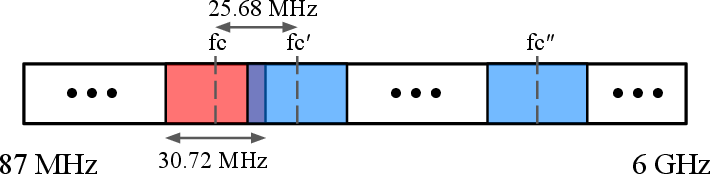
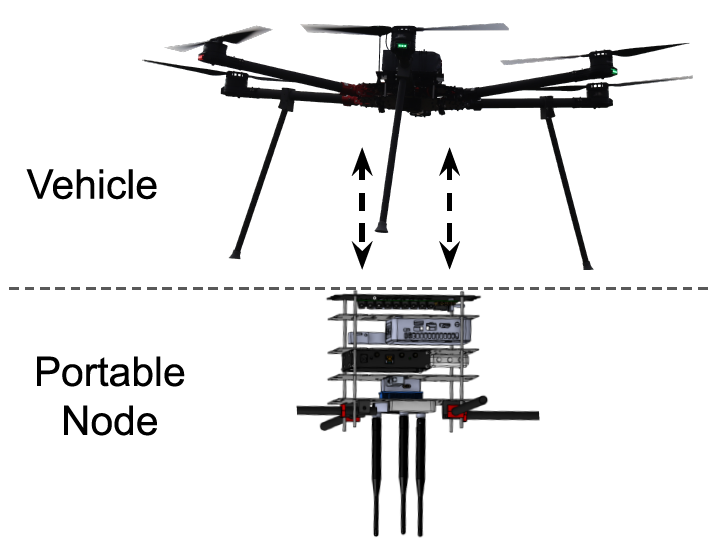
Figure 4: Measurement setup and procedure for spectrum data collection using the helikite-mounted portable node.