- The paper introduces two quantum-corrected models that integrate string cloud effects, modifying both the event horizon and inner black hole structure.
- Geodesic and lensing analyses reveal that the string cloud parameter (α) predominantly shapes photon spheres, shadows, and ISCOs, while quantum corrections (ζ) adjust the inner causal geometry.
- Thermodynamic and perturbative studies indicate that quantum corrections and CoS effects significantly influence potential barriers, deflection angles, and phase transition phenomena.
Spherically Symmetric Quantum-Corrected Black Holes with String Clouds: Multi-Observable Analysis
Introduction and Theoretical Framework
This paper presents a comprehensive study of spherically symmetric black holes (BHs) incorporating quantum gravitational corrections and a cloud of strings (CoS), extending the classical Letelier spacetime. Two distinct quantum-corrected models are constructed: Model-I, with symmetric quantum corrections in both temporal and radial metric components (f(r)=g(r)), and Model-II, with quantum corrections only in the radial component (g(r)). The CoS parameter α quantifies the density of the string cloud, while the quantum correction parameter ζ encodes the strength of quantum gravitational effects. Both models reduce to the classical Letelier solution for ζ→0, and further to Schwarzschild for α=0.
The event horizon radius is given by rh=2M/(1−α), independent of ζ, indicating that CoS effects dominate the large-scale geometry. Quantum corrections introduce an additional inner horizon for ζ>0, modifying the causal structure and interior geometry.
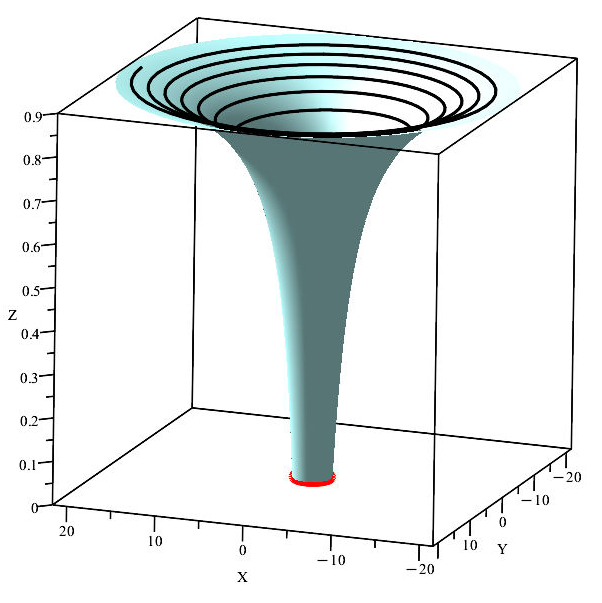
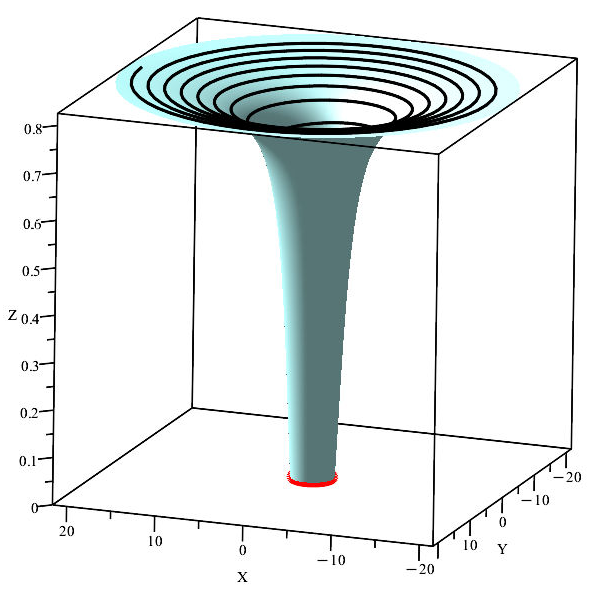
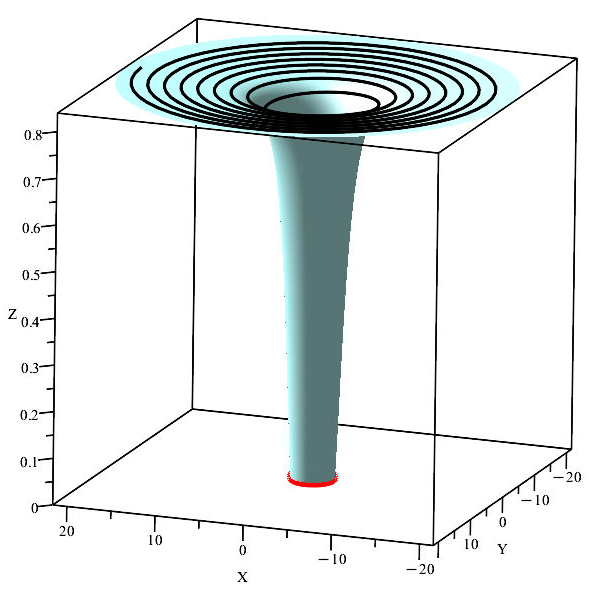
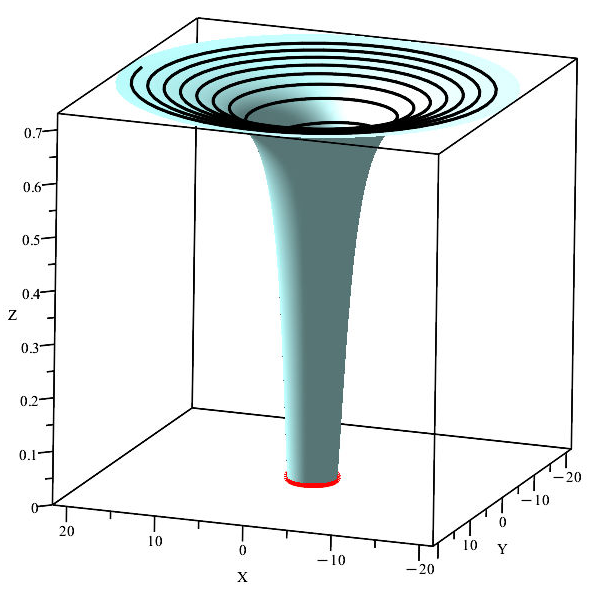
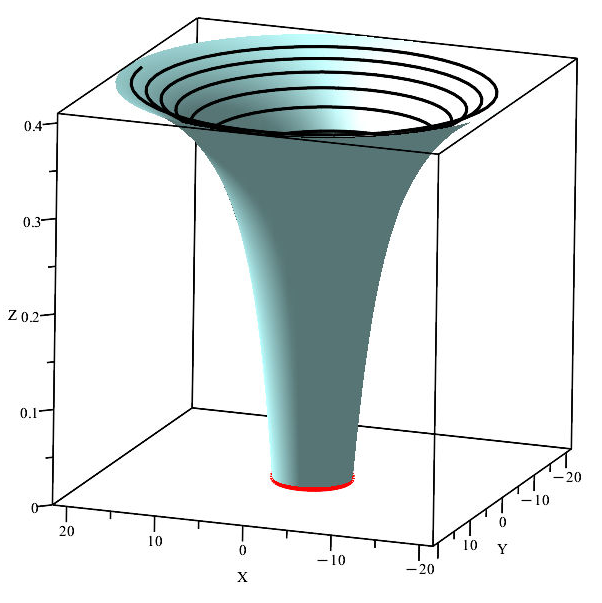
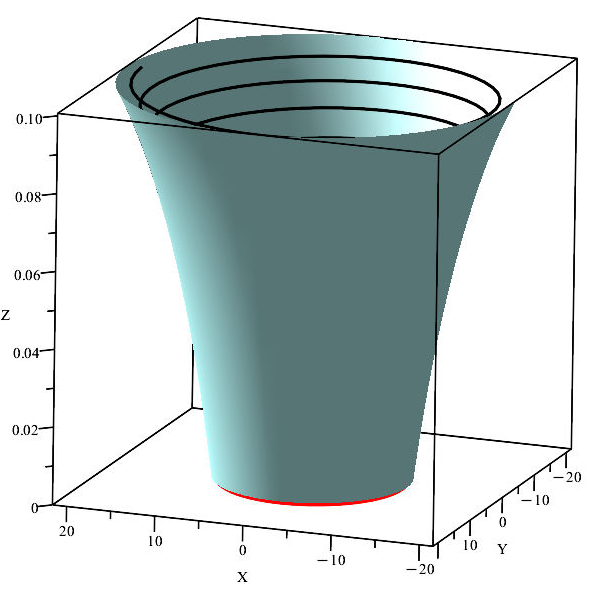
Figure 1: 3D diagrams of quantum-corrected BHs (Model-I/II) showing the impact of α and ζ on the horizon structure and spatial geometry.
Geodesic Structure: Photon Spheres, Shadows, and ISCOs
Null Geodesics and Photon Spheres
The geodesic analysis reveals that both α and ζ significantly affect photon trajectories. For Model-I, the photon sphere radius rph and shadow radius Rs increase with α and decrease with ζ, while in Model-II, quantum corrections do not affect the shadow due to their appearance only in g(r). The quartic equation for rph in Model-I is solved numerically, showing that CoS effects dominate over quantum corrections in determining the photon capture region.
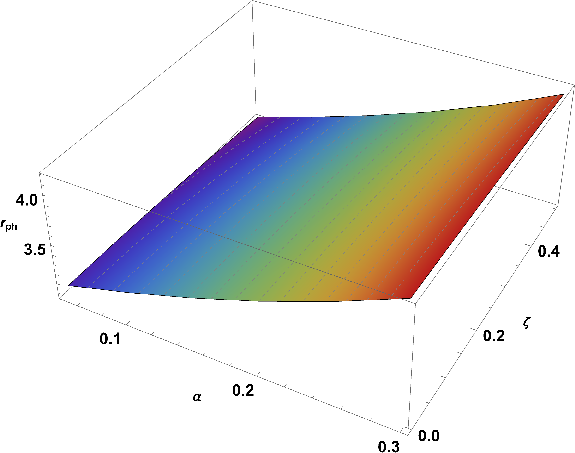
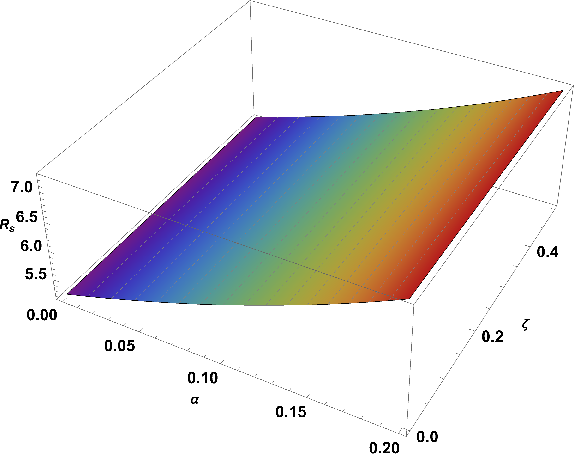
Figure 2: Three-dimensional plots of the photon sphere radius rph as a function of (α,ζ) for Model-I, illustrating the competing effects of CoS and quantum corrections.
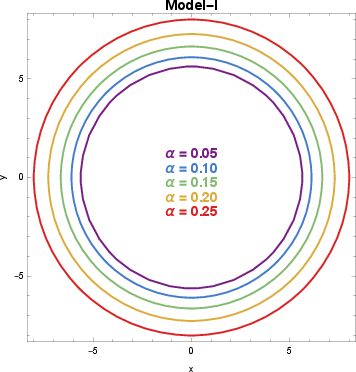
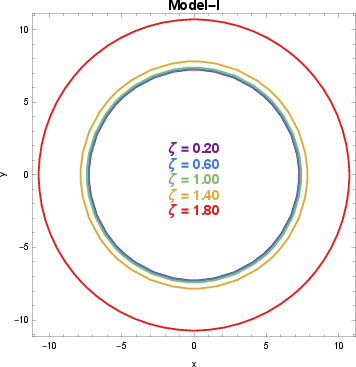
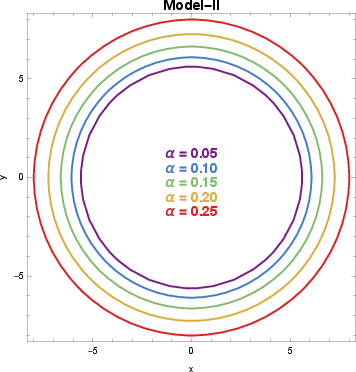
Figure 3: BH shadow profiles for quantum-corrected BHs with CoS, showing the dependence on α and ζ for both models.
Topological Classification of Photon Spheres
A topological analysis assigns a charge Q=−1 to the photon spheres in Model-I, indicating unstable light rings. The vector field construction in the (r,θ) plane confirms the location and nature of these photon spheres.
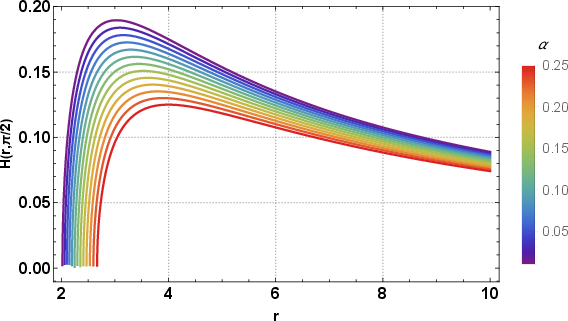
Figure 4: Potential function H(r,π/2) for Model-I, showing the outward shift of the photon sphere with increasing α.
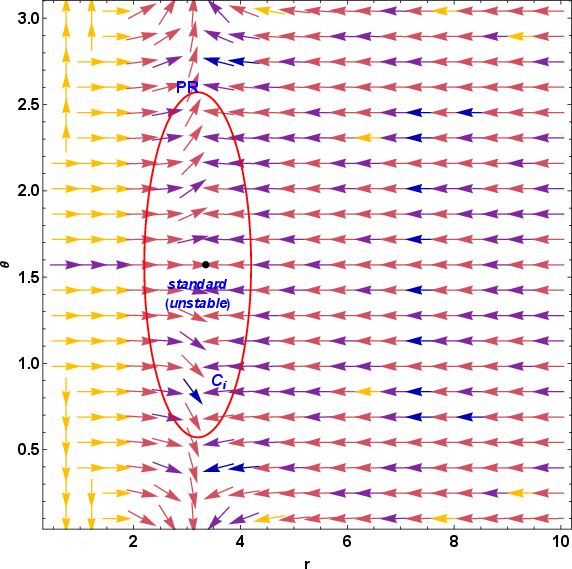
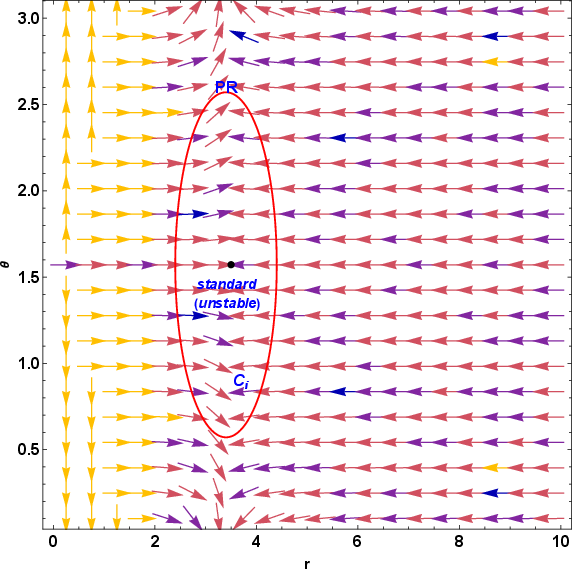
Figure 5: Unit vector field nH in the (r,Θ) plane, illustrating the topological charge and instability of the photon ring.
Timelike Geodesics and ISCOs
The ISCO radius rISCO is primarily determined by α, with quantum corrections providing only minor perturbations in Model-I and no effect in Model-II. This has direct implications for accretion disk physics and QPO frequencies.
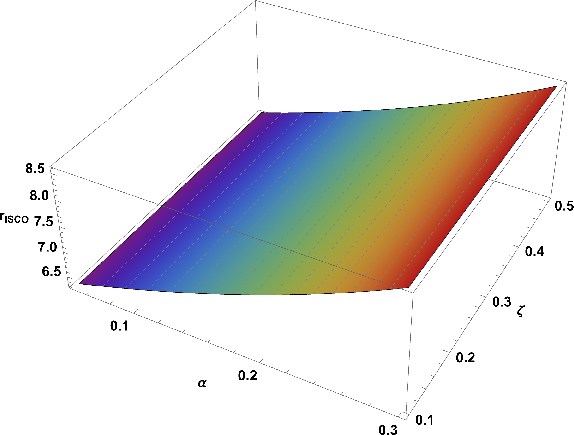
Figure 6: Three-dimensional plot of the ISCO radius rISCO as a function of (α,ζ) for Model-I, highlighting the dominant role of CoS.
Numerical Simulations: Plasma Dynamics and QPOs
Numerical solutions of the GRH equations reveal the impact of ζ and α on the shock cone structure and accretion dynamics. In Model-I, increasing ζ suppresses instabilities and narrows the shock cone, while increasing α widens the cone and enhances oscillations. In Model-II, α remains the dominant driver of instability.
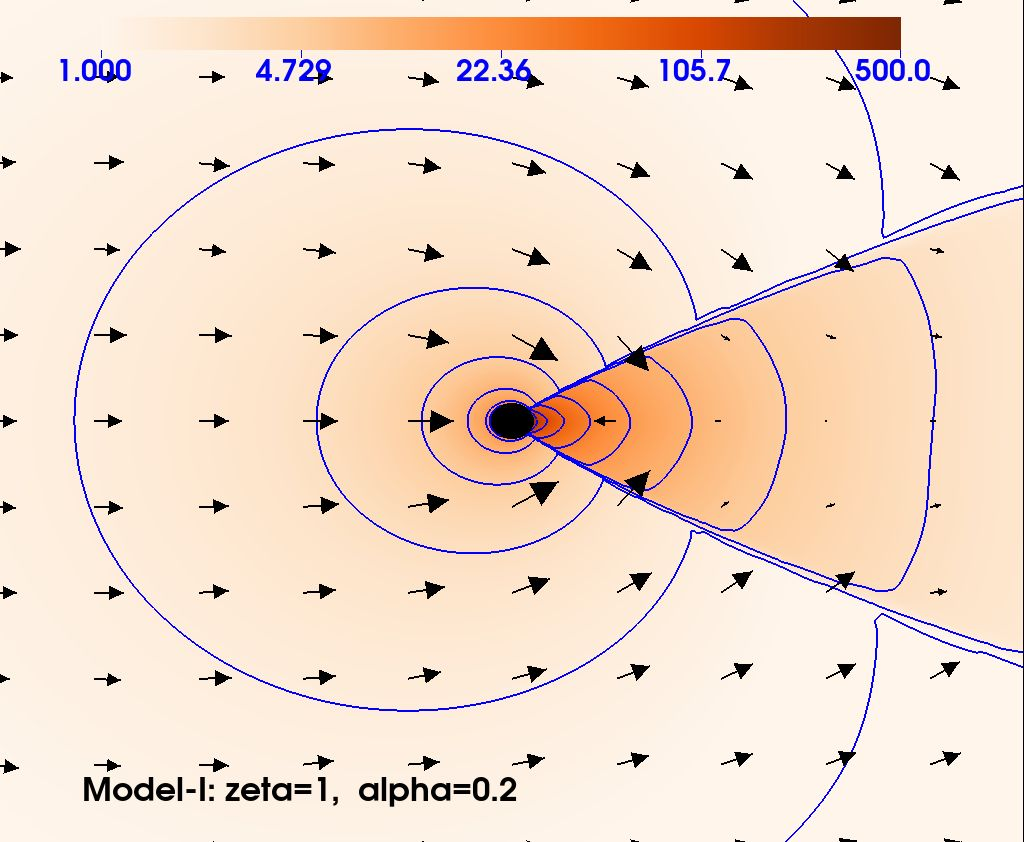
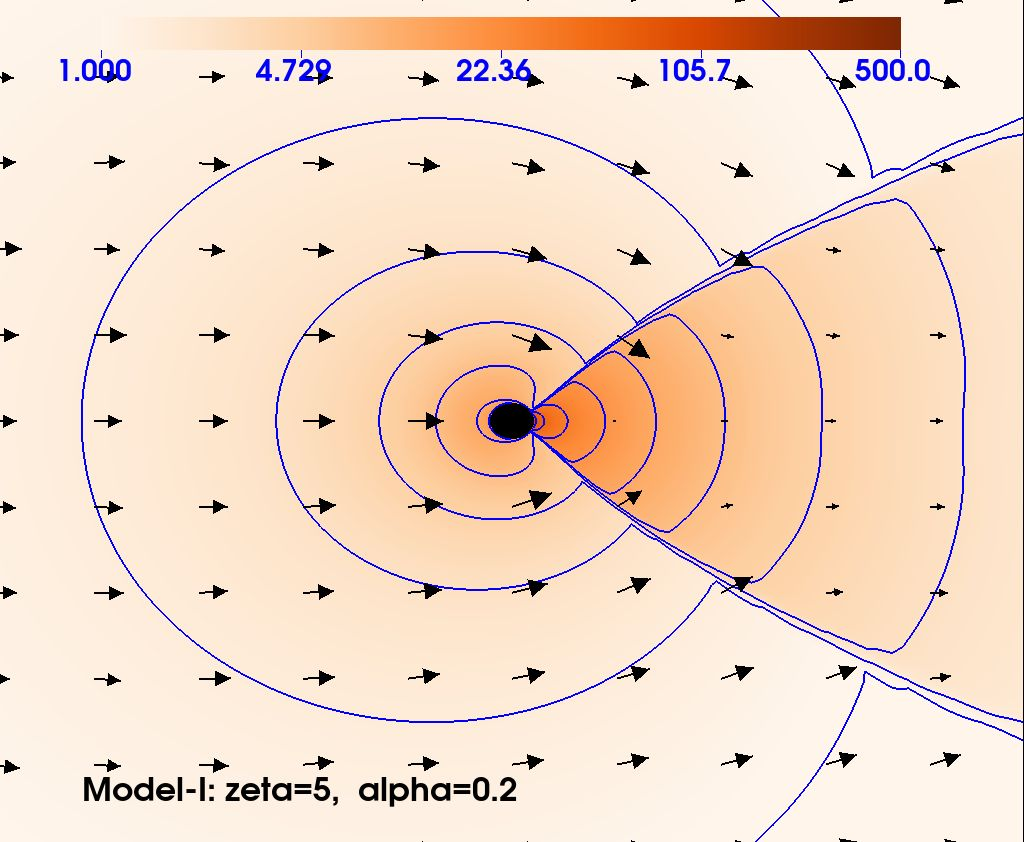
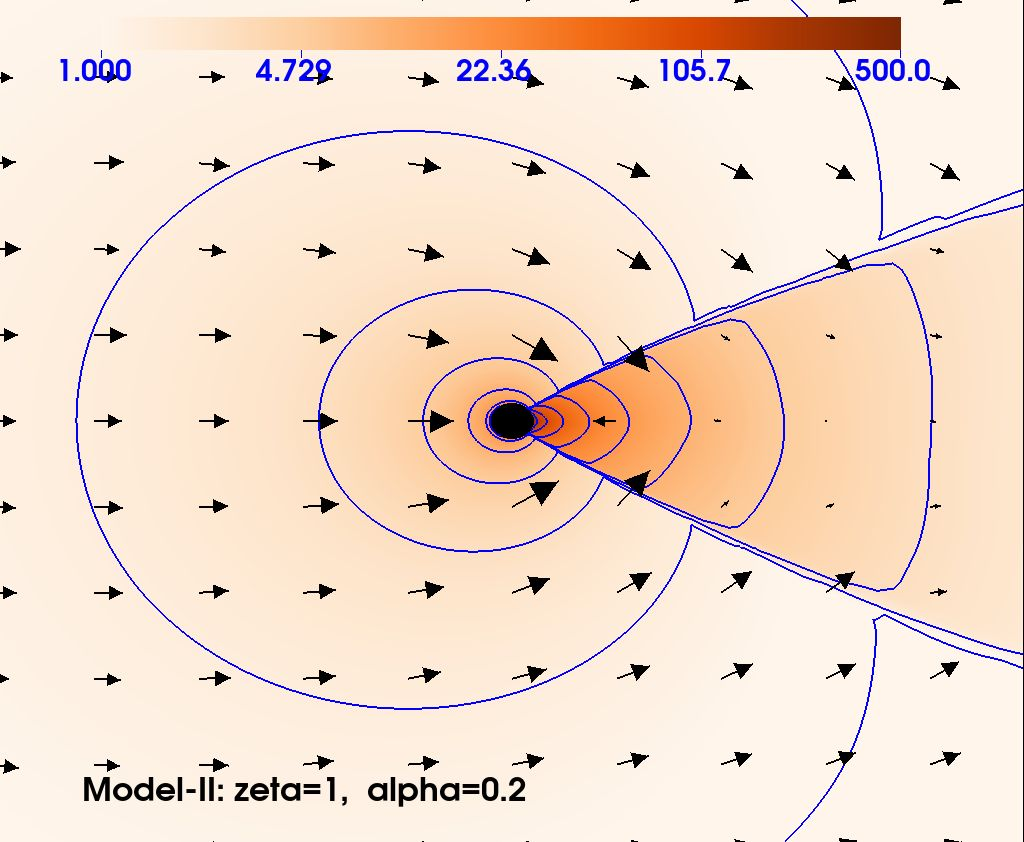
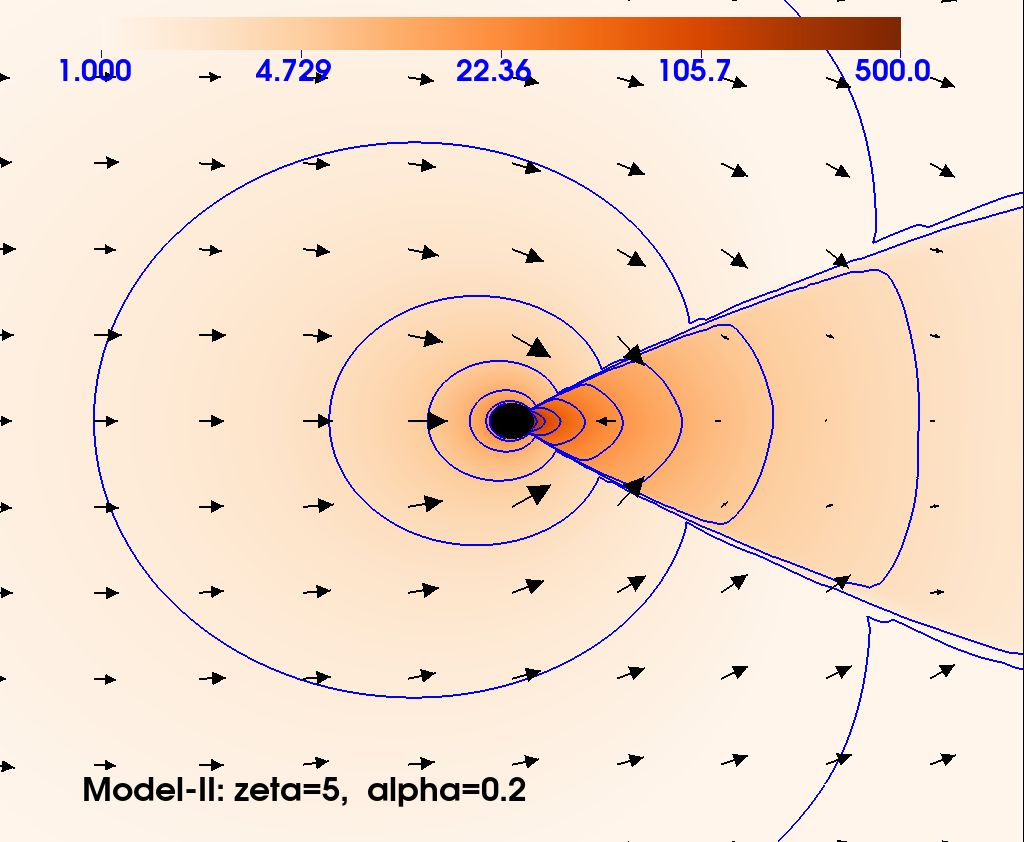
Figure 7: Rest-mass density and plasma structure around quantum-corrected BHs, showing the effects of ζ and α on accretion dynamics.
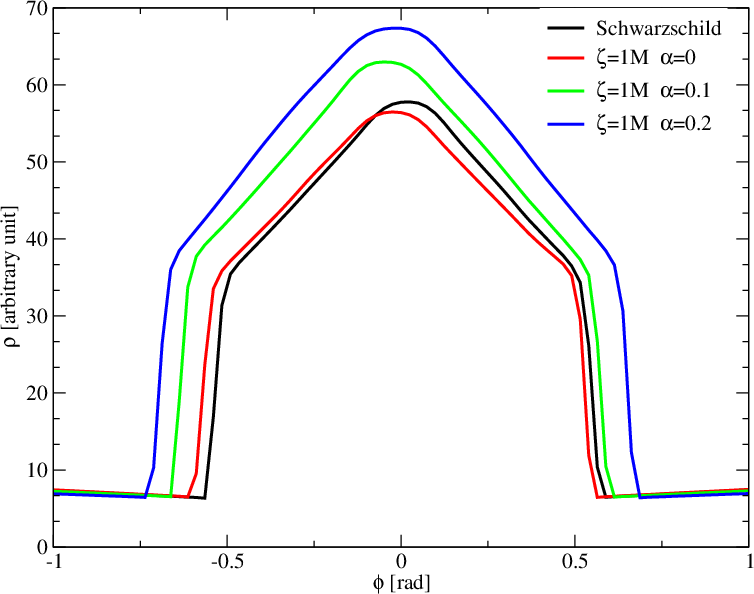
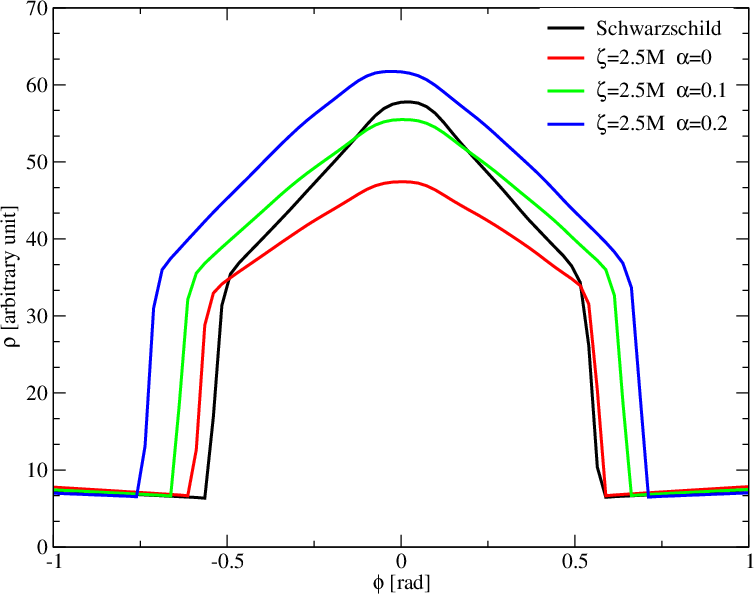
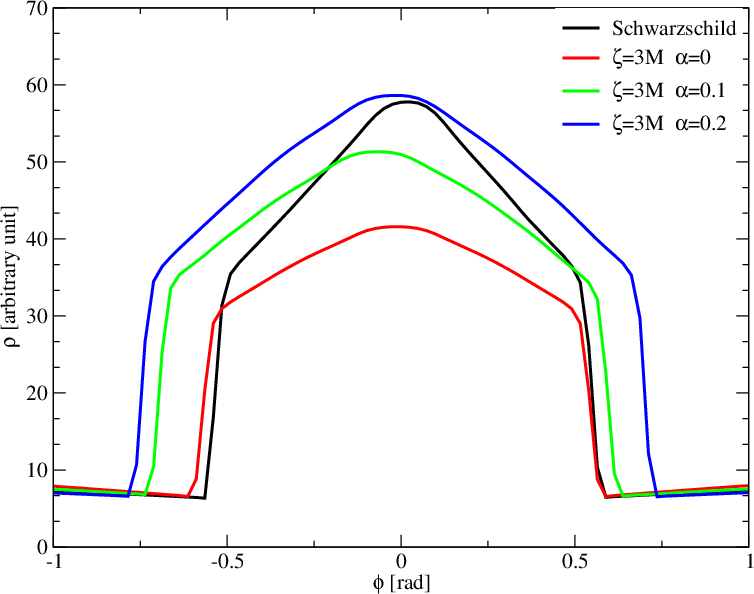
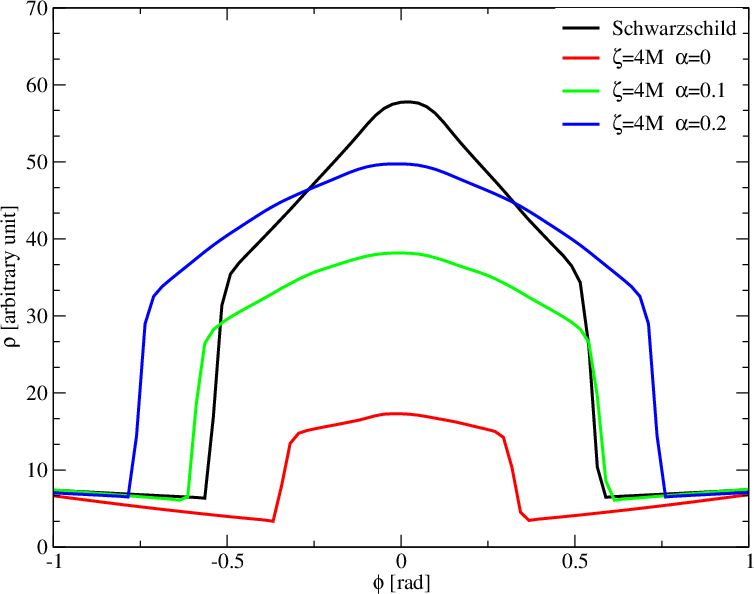
Figure 8: Azimuthal variation of rest-mass density in the shock cone for Model-I, demonstrating the influence of ζ and α.
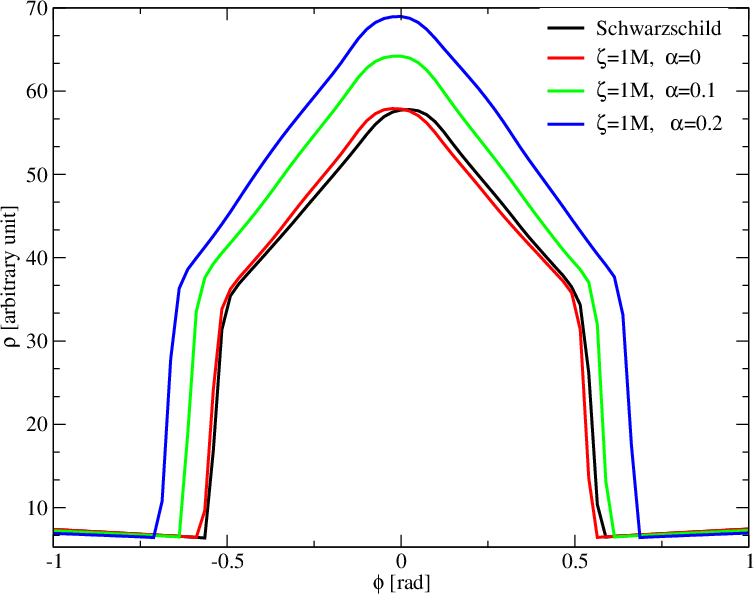
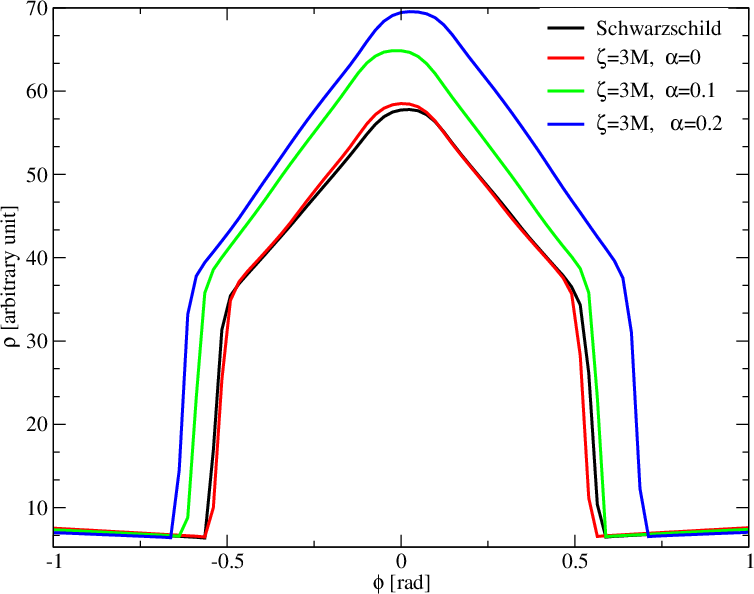
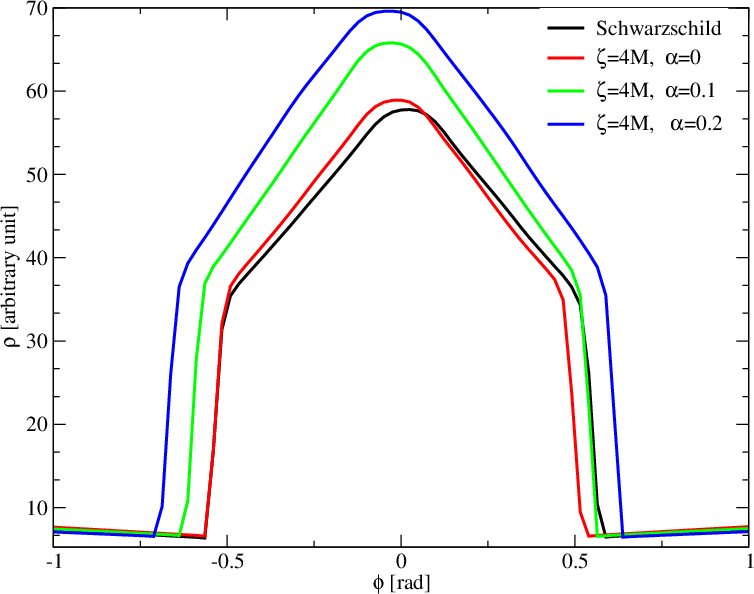
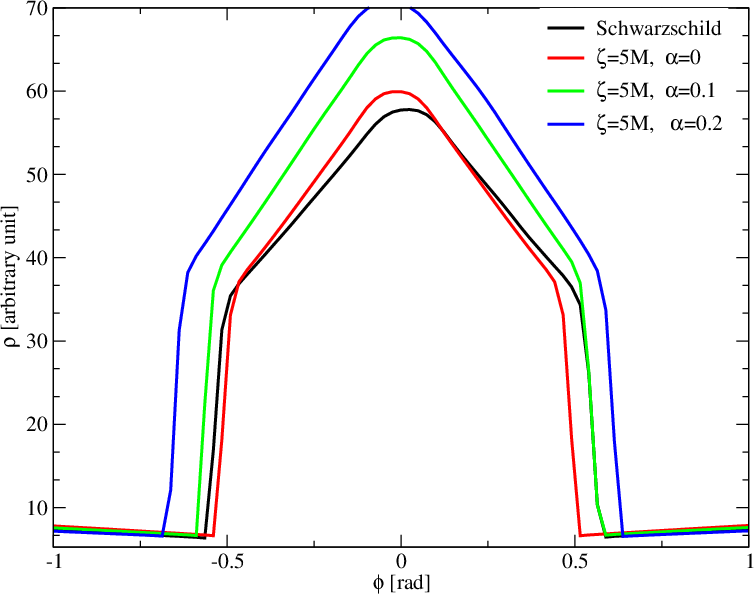
Figure 9: Same as Figure 8, but for Model-II.
The mass accretion rate and PSD analysis show that QPOs are suppressed at high ζ in Model-I but remain robust in Model-II. Larger α amplifies QPO amplitudes and enriches the harmonic structure, producing commensurate ratios consistent with observed X-ray binary phenomenology.
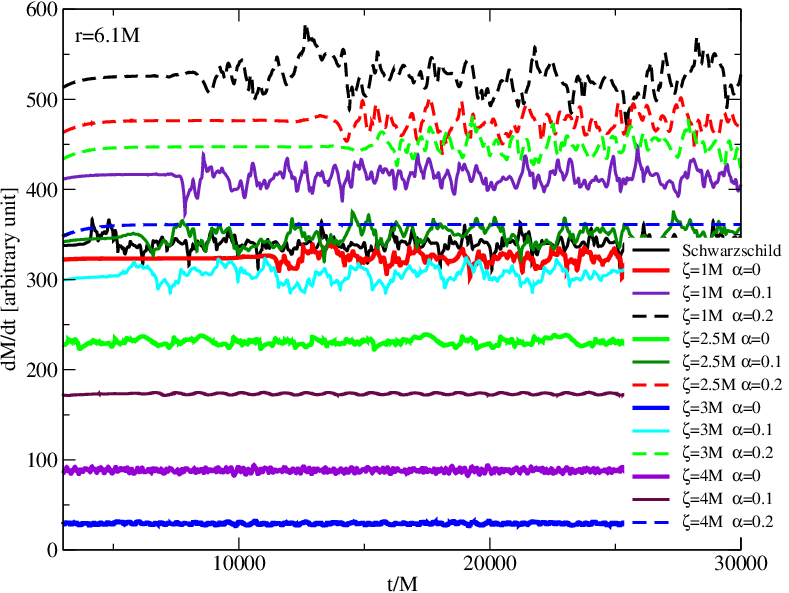
Figure 10: Time evolution of mass accretion rate around the ISCO for Model-I, illustrating the suppression and enhancement of instabilities.
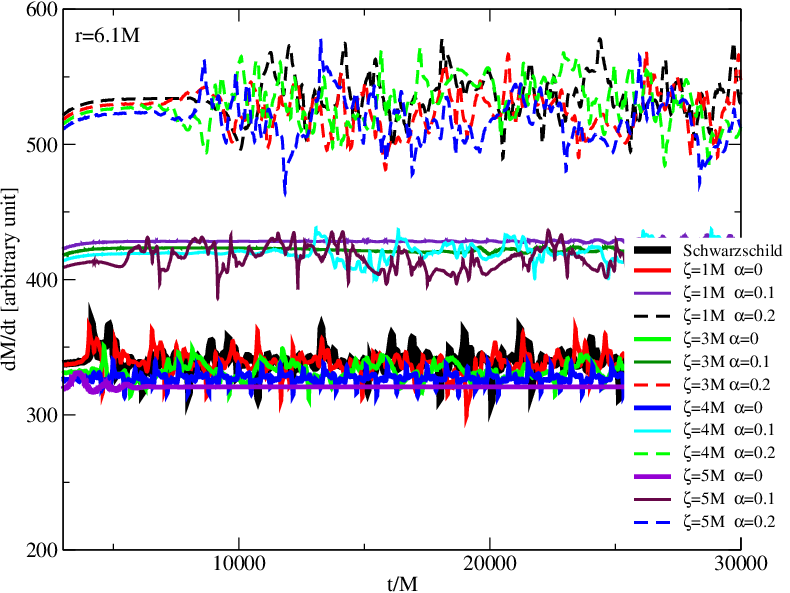
Figure 11: Same as Figure 10, but for Model-II.
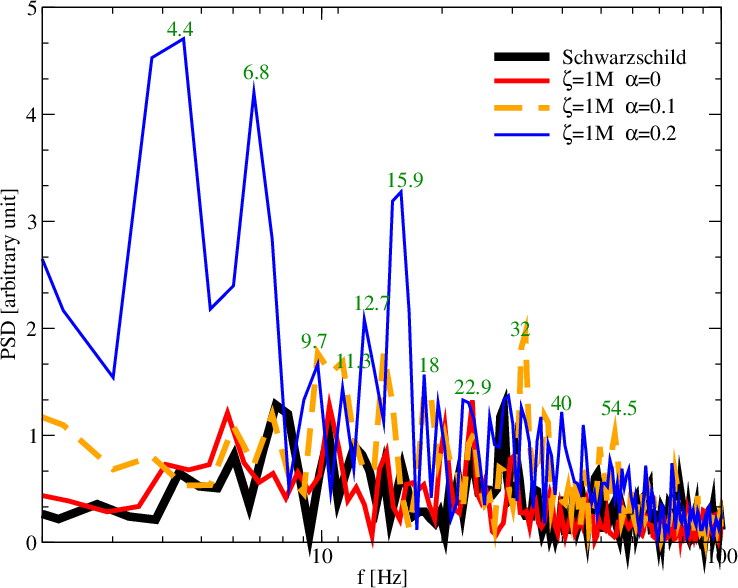
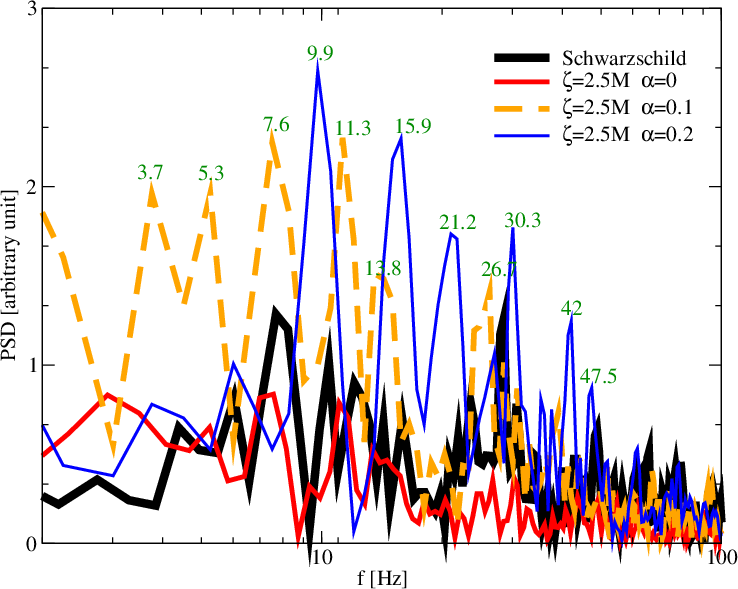
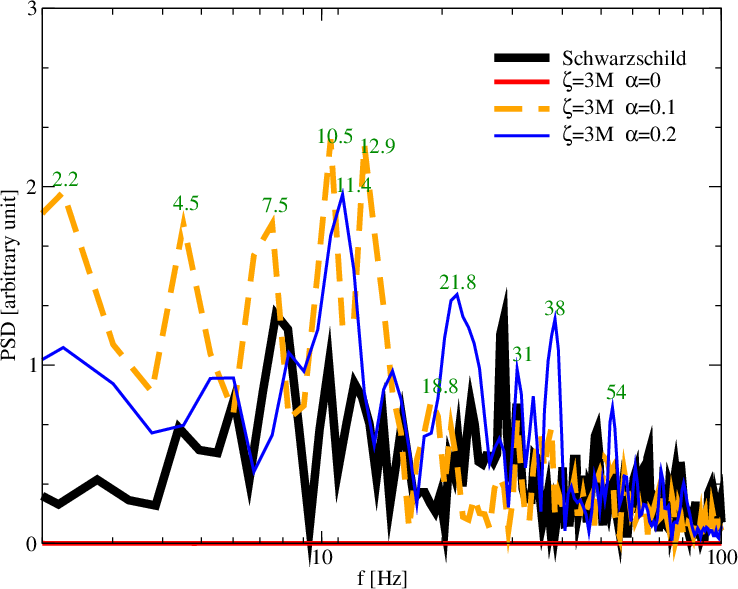
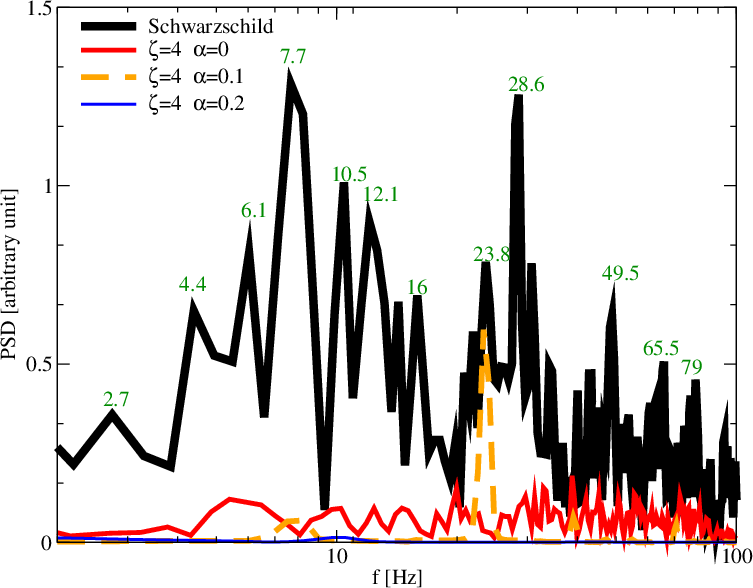
Figure 12: PSD as a function of frequency for Model-I, showing parameter-dependent QPO peaks.
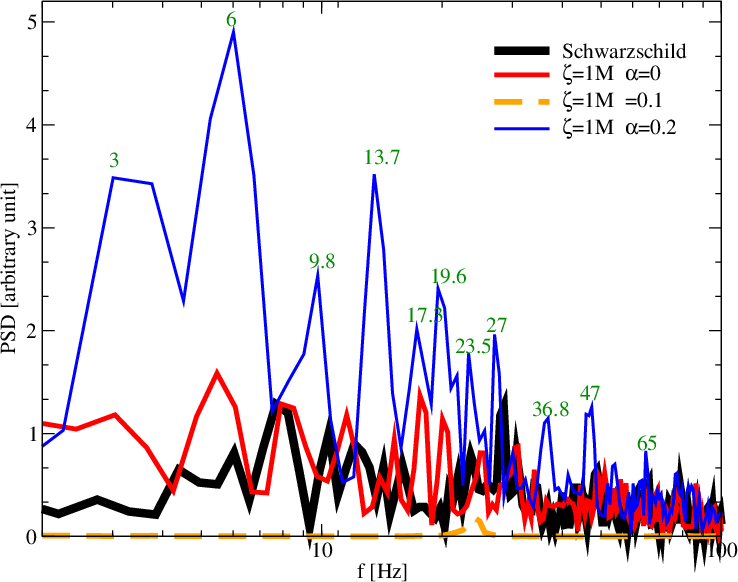
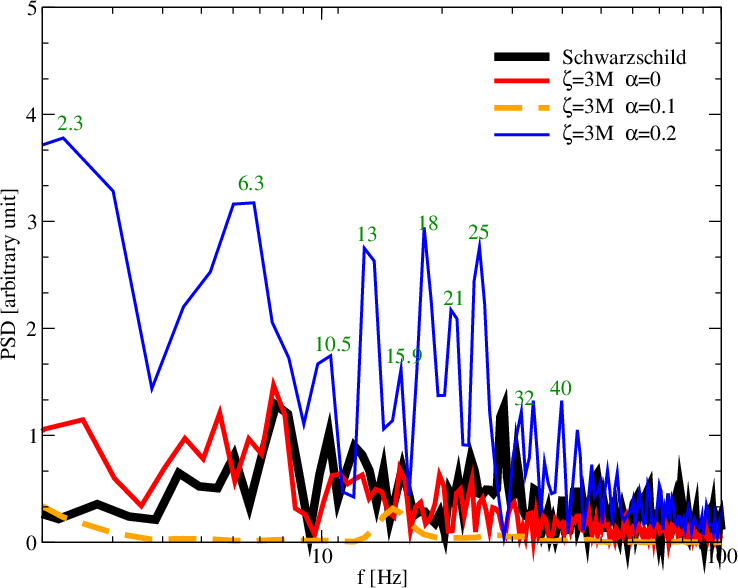
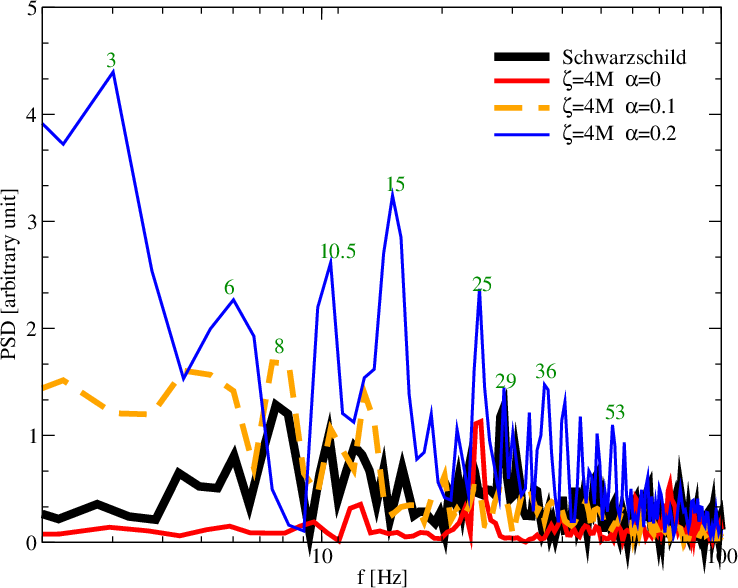
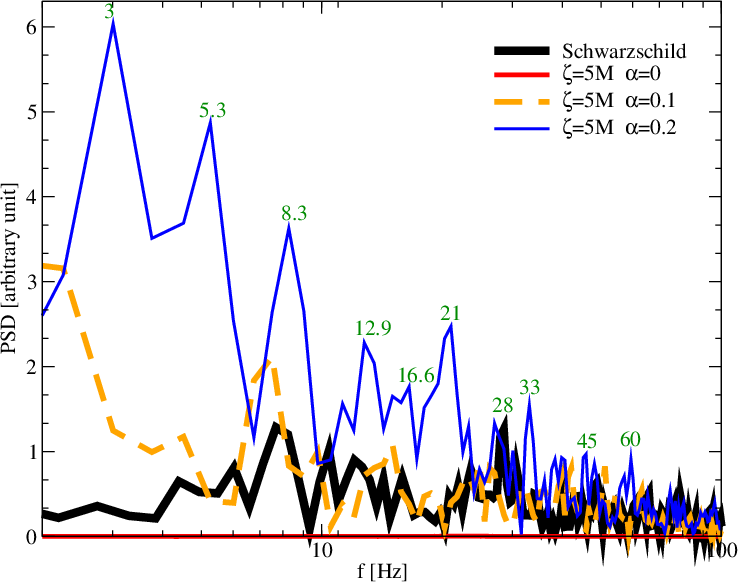
Figure 13: Same as Figure 12, but for Model-II.
Field Perturbations: Scalar and Electromagnetic Sectors
Scalar and EM perturbations are analyzed via Schrödinger-like equations. The effective potential barriers depend on both α and ζ, with Model-I and Model-II exhibiting distinct quantitative behaviors. Quantum corrections generally enhance the potential barrier, while CoS effects reduce it.
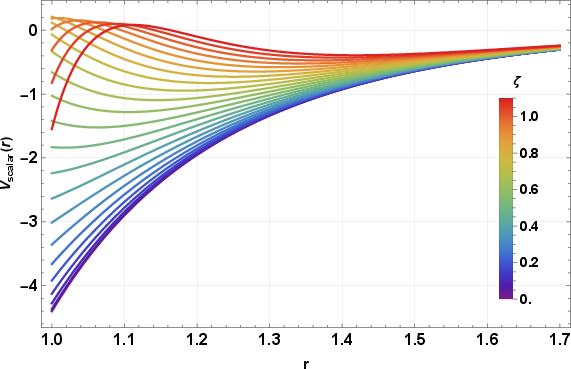
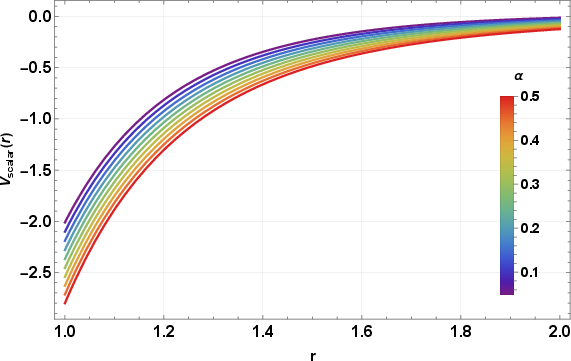
Figure 14: Behavior of scalar perturbative potential Vscalar for Model-I, varying ζ and α.
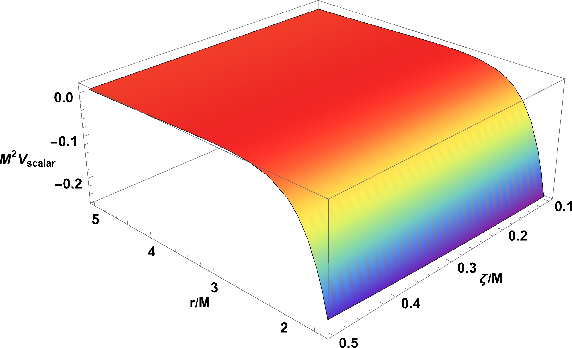
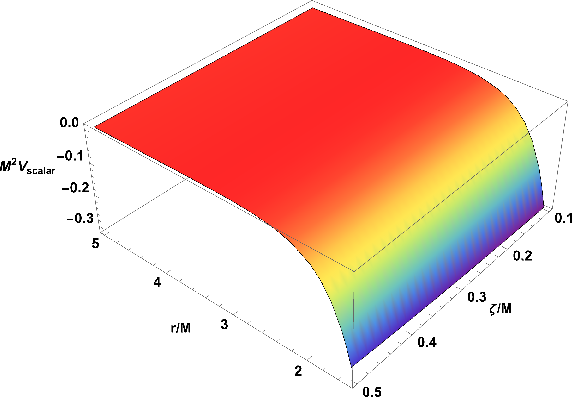
Figure 15: 3D plot of M2Vscalar for Model-I, showing the interplay of parameters.
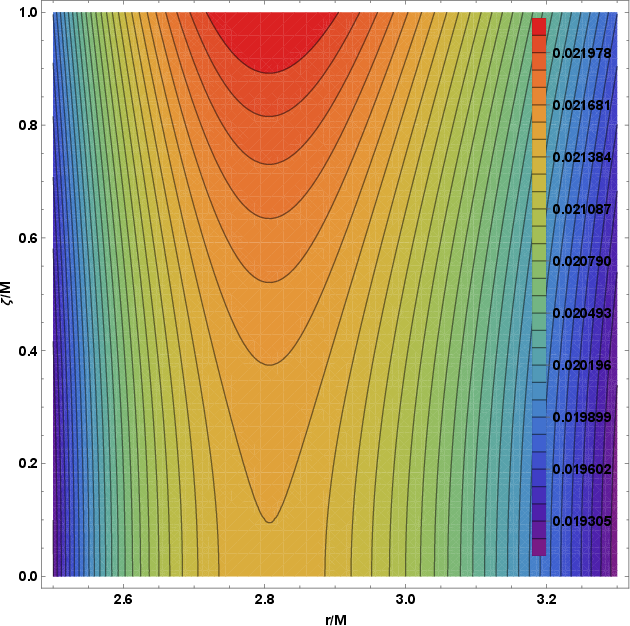
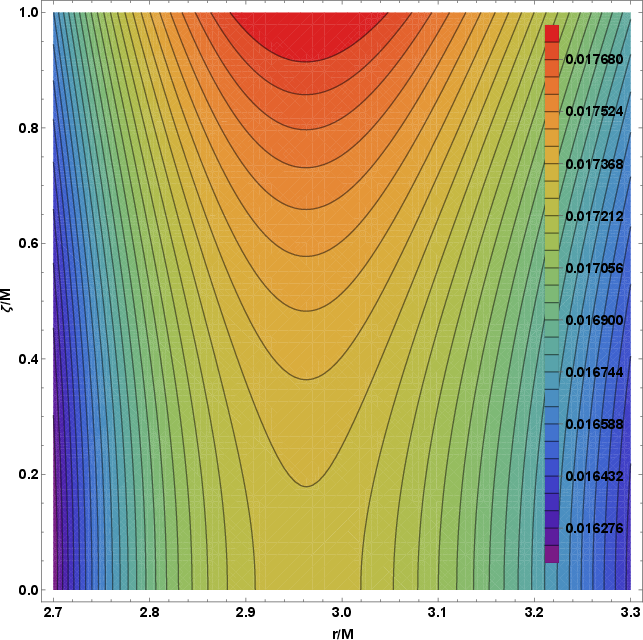
Figure 16: Contour plot of M2Vscalar for Model-I.
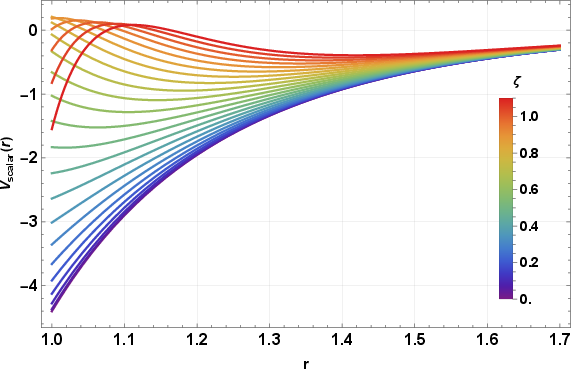
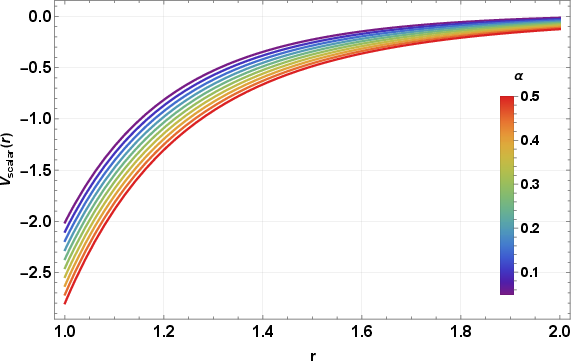
Figure 17: Scalar potential for Model-II.
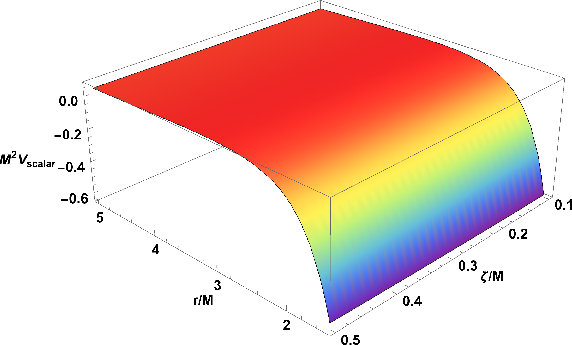
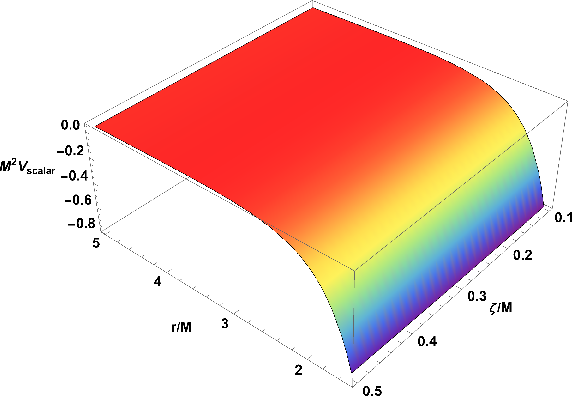
Figure 18: 3D plot of M2Vscalar for Model-II.
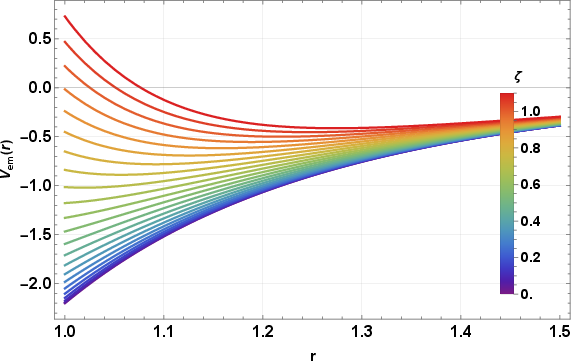
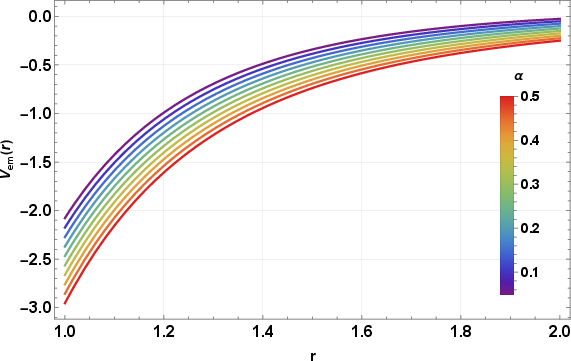
Figure 19: EM perturbative potential for Model-I.
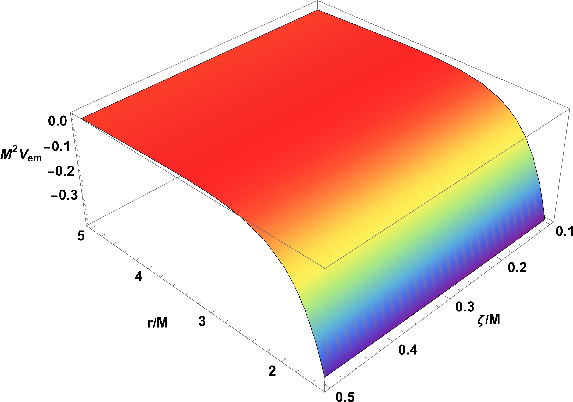
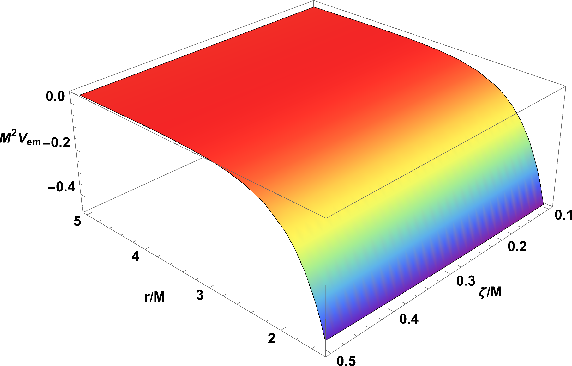
Figure 20: 3D plot of M2Vem for Model-I.
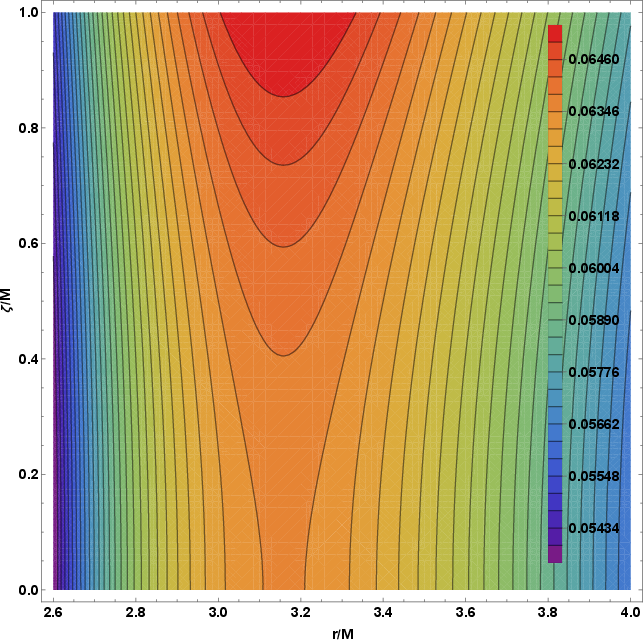
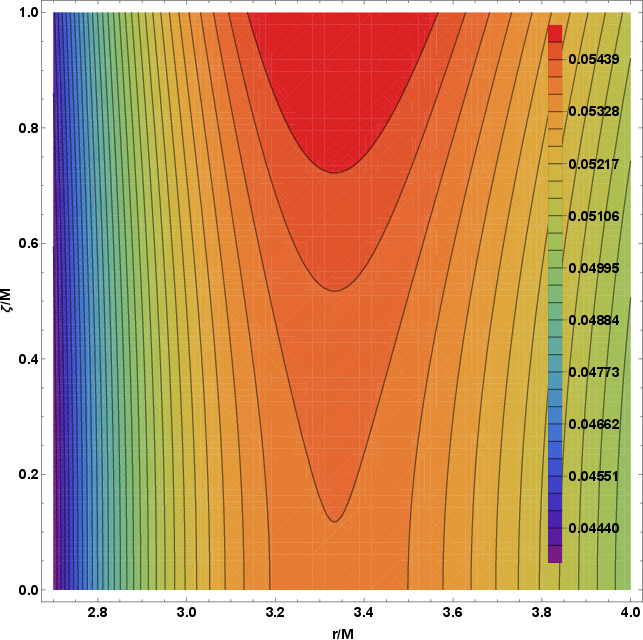
Figure 21: Contour plot of M2Vem for Model-I.
Thermodynamics and Topological Characterization
Thermodynamic quantities (temperature, entropy, heat capacity, free energy) are computed with non-perturbative corrections. The heat capacity remains negative, but quantum corrections reduce its magnitude, softening canonical instability. The Helmholtz free energy and partition function acquire exponential corrections, with implications for phase transitions and holographic interpretations.
Thermodynamic topology analysis via Duan's φ-mapping theory reveals a universal topological charge W=+1, indicating stable phases analogous to AdS RN BHs. The structure is robust under variations of α and ζ.
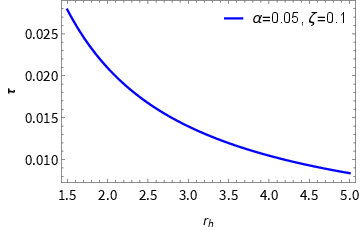
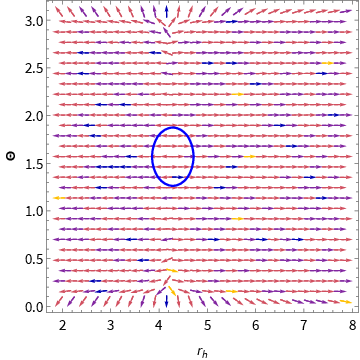
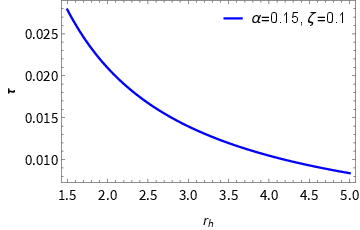
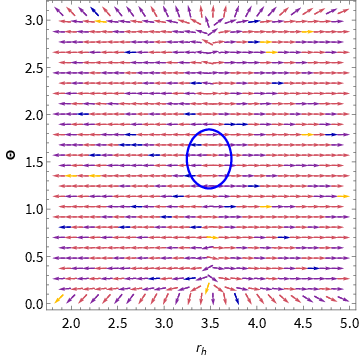
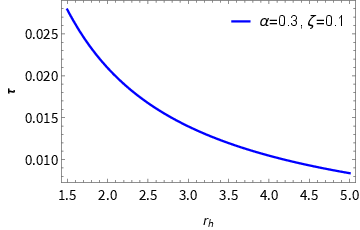
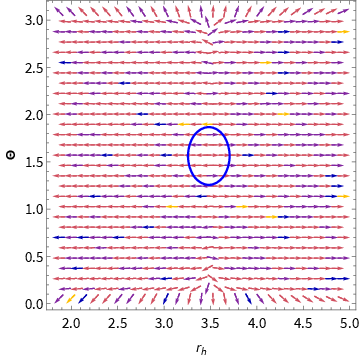
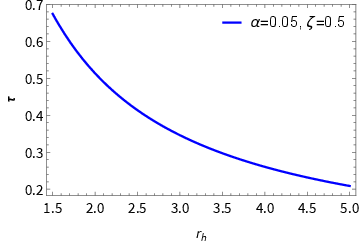
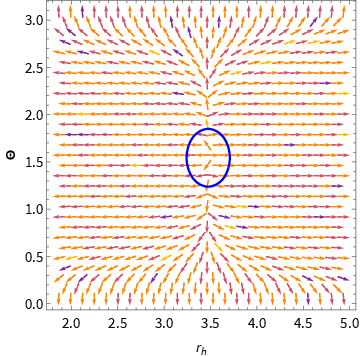
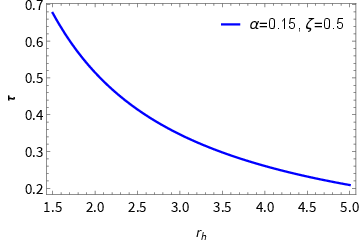
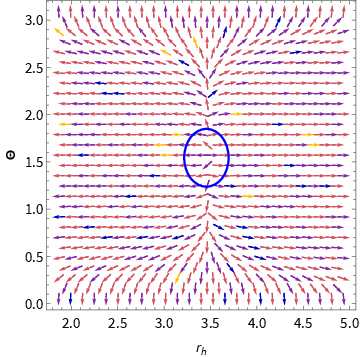
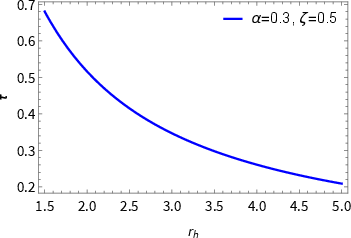
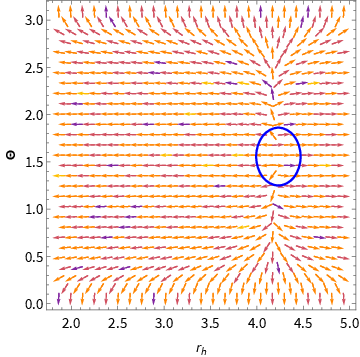
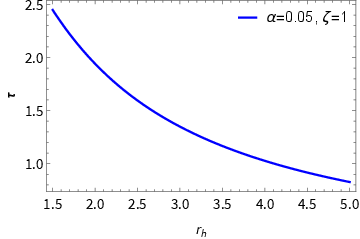
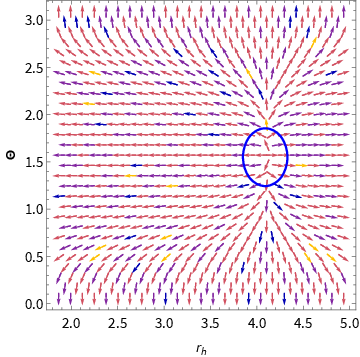
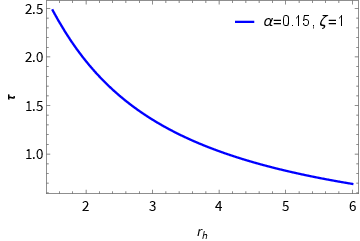
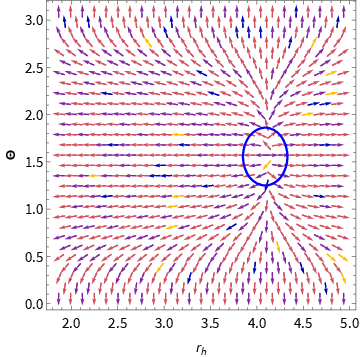
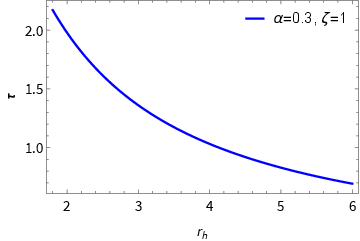
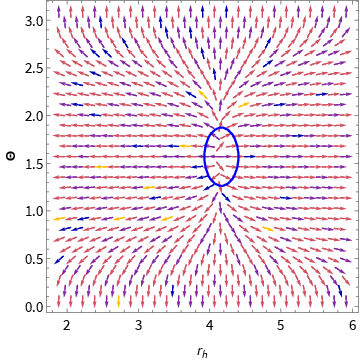
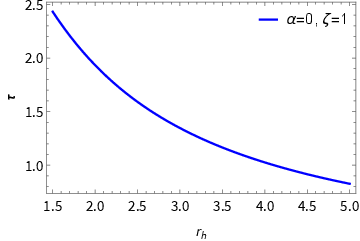
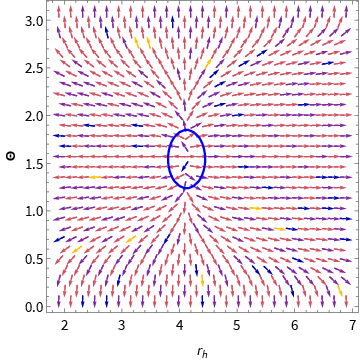
Figure 22: Normalized vector field in (rh,Θ) space, showing zero points and topological charges for thermodynamic topology.
Gravitational Lensing
The weak-field deflection angle is computed using the Gauss-Bonnet theorem. Both models share the leading-order term, but quantum corrections enter with opposite signs: Model-I reduces the deflection angle with increasing ζ, while Model-II enhances it. This provides a clear observational discriminant.
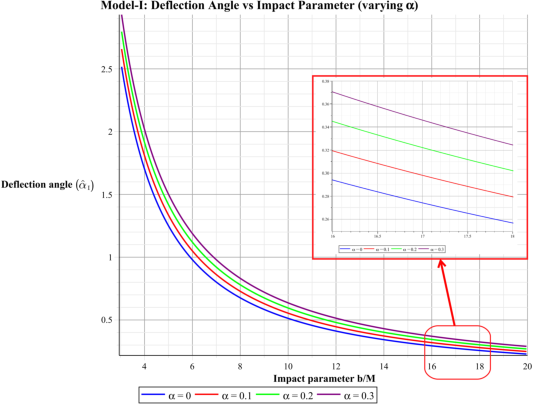
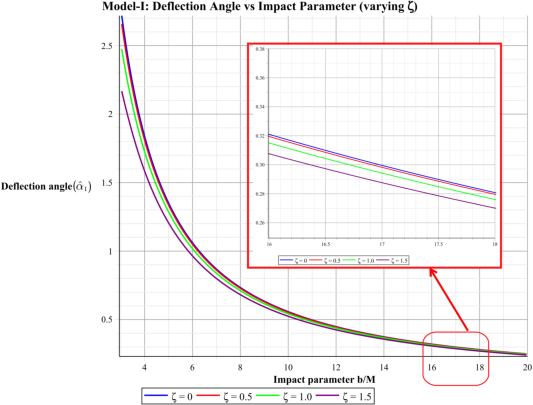
Figure 23: Deflection angle α^ for Model-I as a function of impact parameter, varying α and ζ.
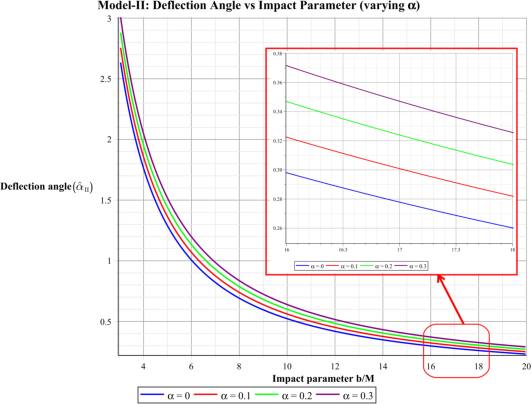
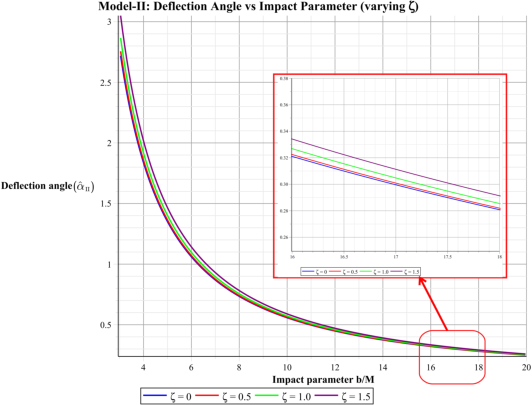
Figure 24: Deflection angle α^ for Model-II.
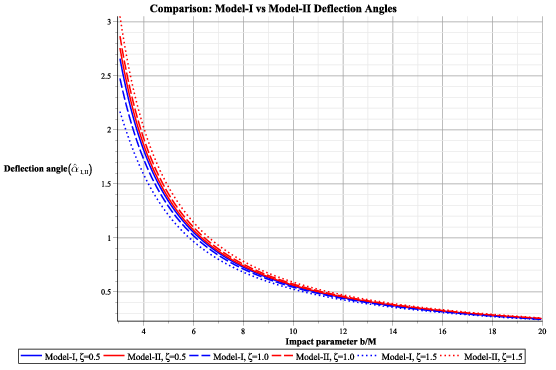
Figure 25: Comparison of deflection angles between Model-I and Model-II for different ζ, highlighting the opposite quantum correction effects.
Conclusion
This work establishes that quantum-corrected Letelier BHs with CoS exhibit rich phenomenology across geodesic structure, plasma dynamics, field perturbations, thermodynamics, and gravitational lensing. CoS effects (α) generally dominate large-scale geometry and observable features, while quantum corrections (ζ) introduce distinctive, model-dependent modifications. The opposite dependence of lensing deflection angles on ζ in Model-I and Model-II provides a robust observational test for quantum gravity effects. Numerical simulations demonstrate that QPOs and accretion dynamics are sensitive to both parameters, with implications for X-ray timing and EHT observations.
Theoretical implications include the universality of thermodynamic topology and the potential for non-perturbative corrections to stabilize BH ensembles. Practically, the results suggest that multi-messenger astrophysical observations—combining lensing, shadow imaging, and timing—can constrain quantum gravity models and the presence of topological defects. Future work should extend these analyses to rotating BHs, binary mergers, and more general quantum gravity frameworks, with the prospect of detecting quantum gravitational signatures in strong-field astrophysical environments.