Papers
Topics
Authors
Recent
Search
2000 character limit reached

Quantum Network Tomography for General Topology with SPAM Errors

Published 2 Nov 2025 in cs.NI and quant-ph | (2511.01074v1)

Abstract: The goal of quantum network tomography (QNT) is the characterization of internal quantum channels in a quantum network from external peripheral operations. Prior research has primarily focused on star networks featuring bit-flip and depolarizing channels, leaving the broader problem -- such as QNT for networks with arbitrary topologies and general Pauli channels -- largely unexplored. Moreover, establishing channel identifiability remains a significant challenge even in simplified quantum star networks. In the first part of this paper, we introduce a novel network tomography method, termed Mergecast, in quantum networks. We demonstrate that Mergecast, together with a progressive etching procedure, enables the unique identification of all internal quantum channels in networks characterized by arbitrary topologies and Pauli channels. As a side contribution, we introduce a subclass of Pauli channels, termed bypassable Pauli channels, and propose a more efficient unicast-based tomography method, called BypassUnicast, for networks exclusively comprising these channels. In the second part, we extend our investigation to a more realistic QNT scenario that incorporates state preparation and measurement (SPAM) errors. We rigorously formulate SPAM errors in QNT, propose estimation protocols for such errors within QNT, and subsequently adapt our Mergecast approaches to handle networks affected by SPAM errors. Lastly, we conduct NetSquid-based simulations to corroborate the effectiveness of our proposed protocols in identifying internal quantum channels and estimating SPAM errors in quantum networks. In particular, we demonstrate that Mergecast maintains good performance under realistic conditions, such as photon loss and quantum memory decoherence.
Summary

  • The paper introduces Mergecast, a protocol leveraging entanglement and CNOT gates to effectively resolve sign ambiguity in star network Pauli channels.
  • It extends QNT to general topologies using Progressive Etching, systematically uncovering previously unobservable internal channels.
  • The authors develop a streamlined SPAM error estimation model in the Pauli-Liouville framework using two parameters to enhance QNT reliability.

Quantum Network Tomography for General Topology with SPAM Errors

Introduction

The paper addresses the advanced challenge of Quantum Network Tomography (QNT) across general network topologies inclusive of State Preparation And Measurement (SPAM) errors. Previously, QNT primarily concentrated on star networks with limited error types, but this work expands to arbitrary topologies and general Pauli channels, introducing novel methodologies for characterizing quantum channels in a network.

Mergecast Protocol

The research introduces a method termed Mergecast, pivotal for uniquely identifying Pauli channels in star network configurations. Mergecast leverages entanglement via the CNOT gate at intermediate nodes, enabling simultaneous measurement of multiple channel effects and overcoming the sign ambiguity that plagues simple unicast and multicast methods. Figure 1

Figure 1

Figure 1

Figure 1

Figure 1

Figure 1

Figure 1

Figure 1

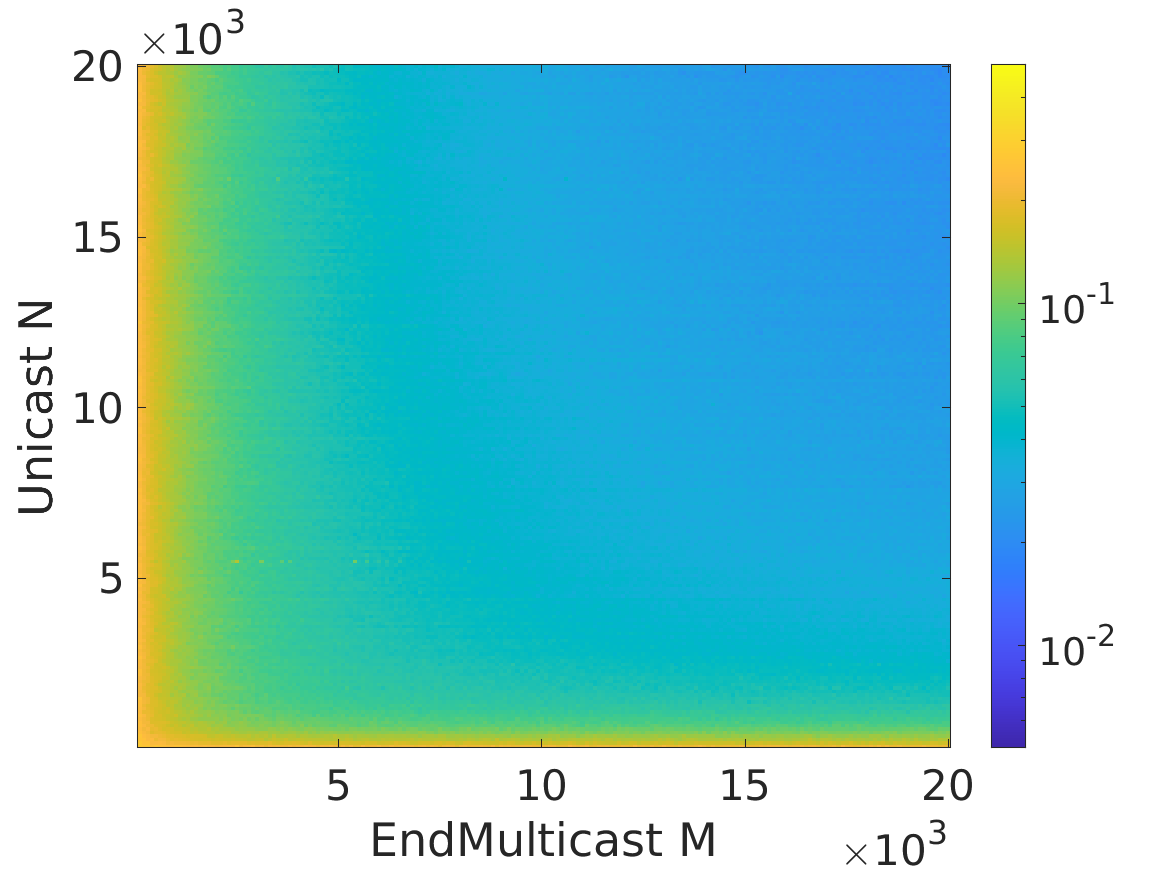
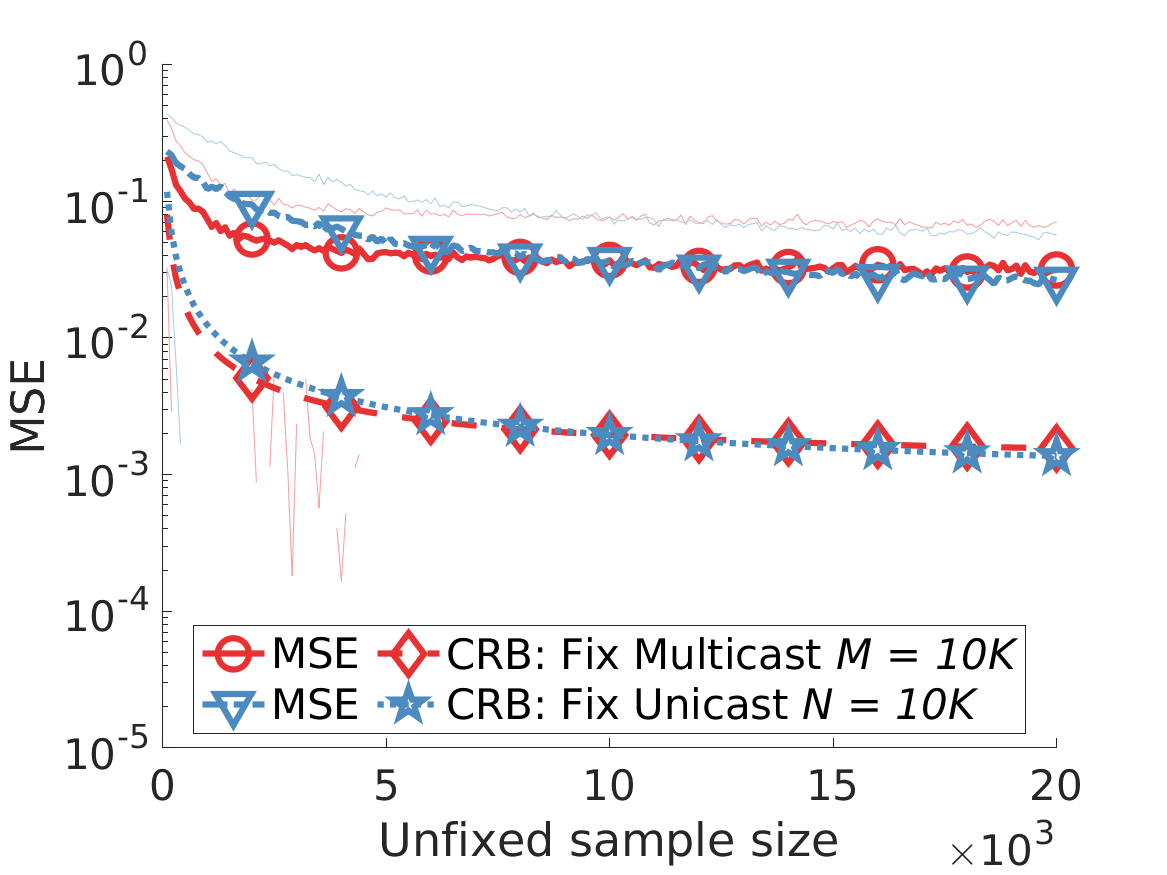
Figure 1: Performance metrics for Mergecast demonstrating robustness with perfect SPAM error values s,m=1s,m=1.

Mergecast composes a network's internal Pauli channels into one state, which is then transmitted for endpoint measurement. This mechanism does not require intermediate nodes to perform state preparations, minimizing operational complexity.

Progressive Etching for General Topologies

Building on the Mergecast protocol, the paper proposes Progressive Etching to identify all network channels methodically. Starting with peripheral channels using a generalized Mergecast for single channels, the process incrementally introduces "equivalent" monitors into the network to tackle internal channels. This ensures the identification of previously unobservable links.

Handling SPAM Errors

Addressing real-world imperfections, the paper formulates SPAM errors through a streamlined, parametric model in the Pauli-Liouville representation, reducing error characterization to two parameters. The authors develop an estimation method for these SPAM errors that does not necessitate assuming known network parameters—crucial for realistic QNT applications. Figure 2

Figure 2

Figure 2

Figure 2

Figure 2

Figure 2

Figure 2

Figure 2

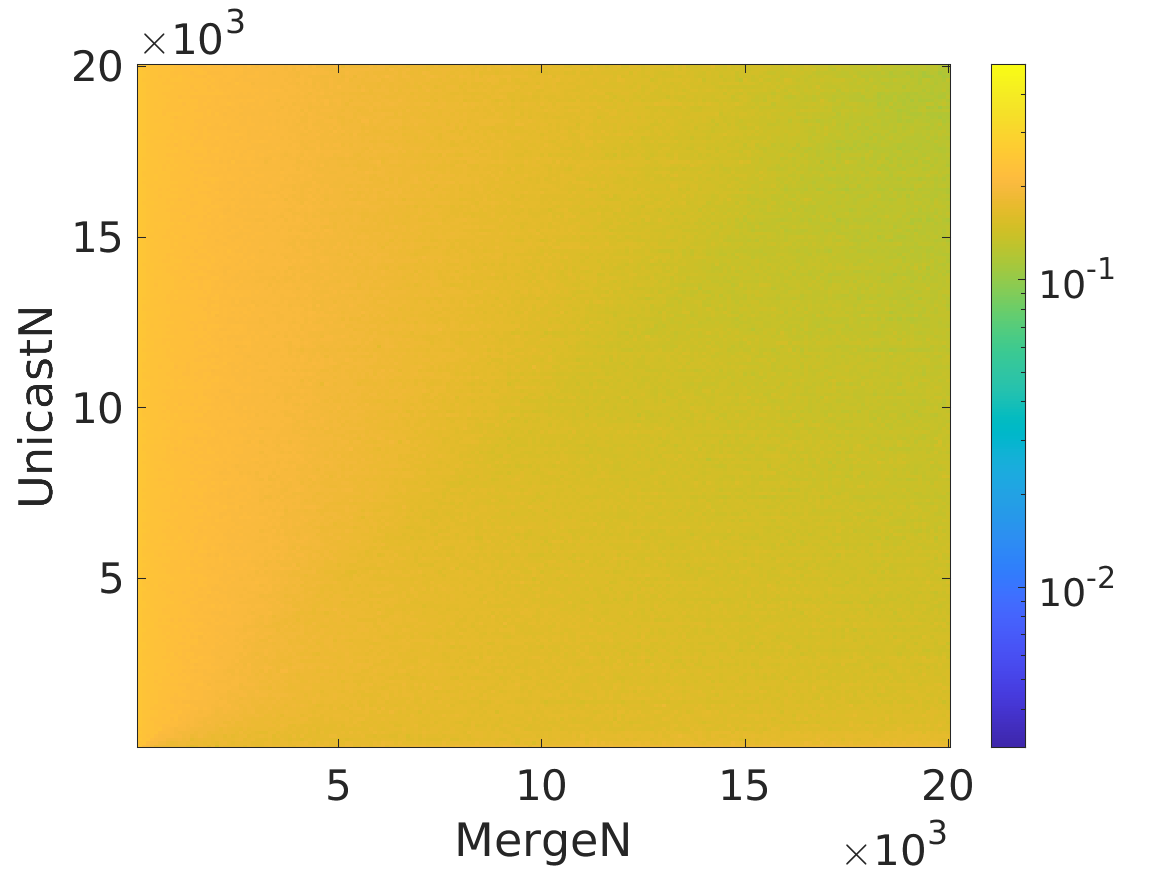
Figure 2: Estimation analysis for the state preparation error parameter ss with SPAM values s,m=0.90s,m=0.90.

Practical Considerations and Experimental Validation

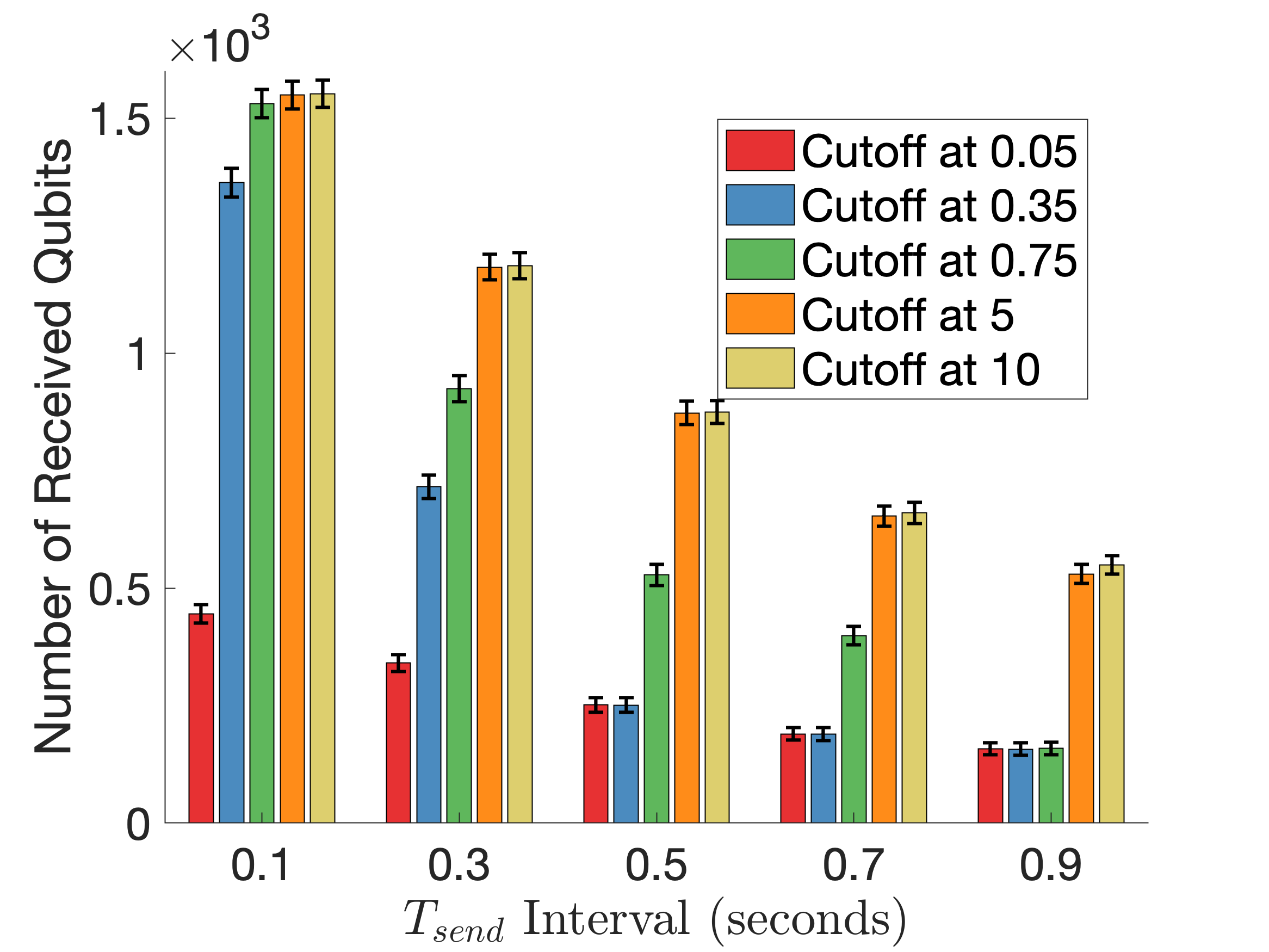
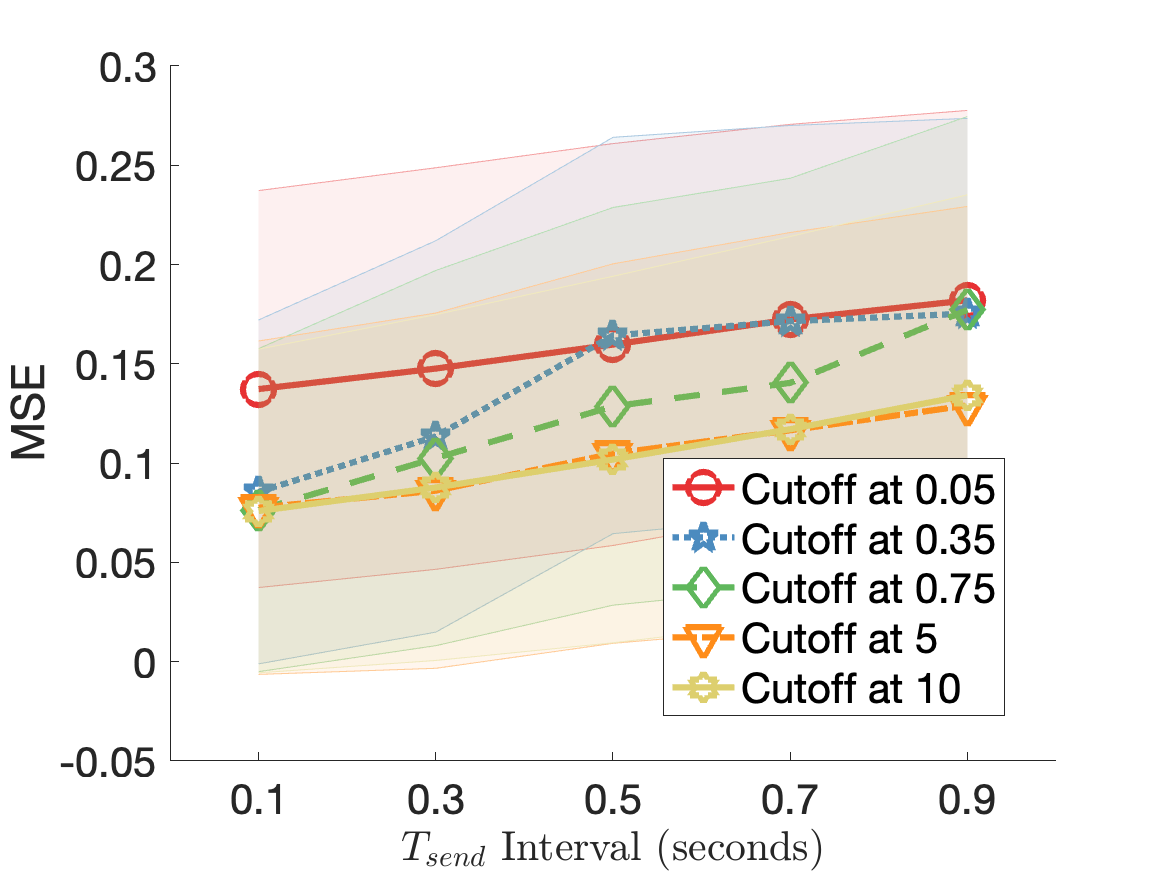
Simulations on NetSquid illustrate Mergecast’s efficacy under realistic conditions such as photon loss and quantum memory decoherence. These factors can desynchronize qubit arrivals, increasing error due to decoherence during storage. However, Mergecast's robustness against such adversities is demonstrated effectively through quantifiable metrics. Figure 3
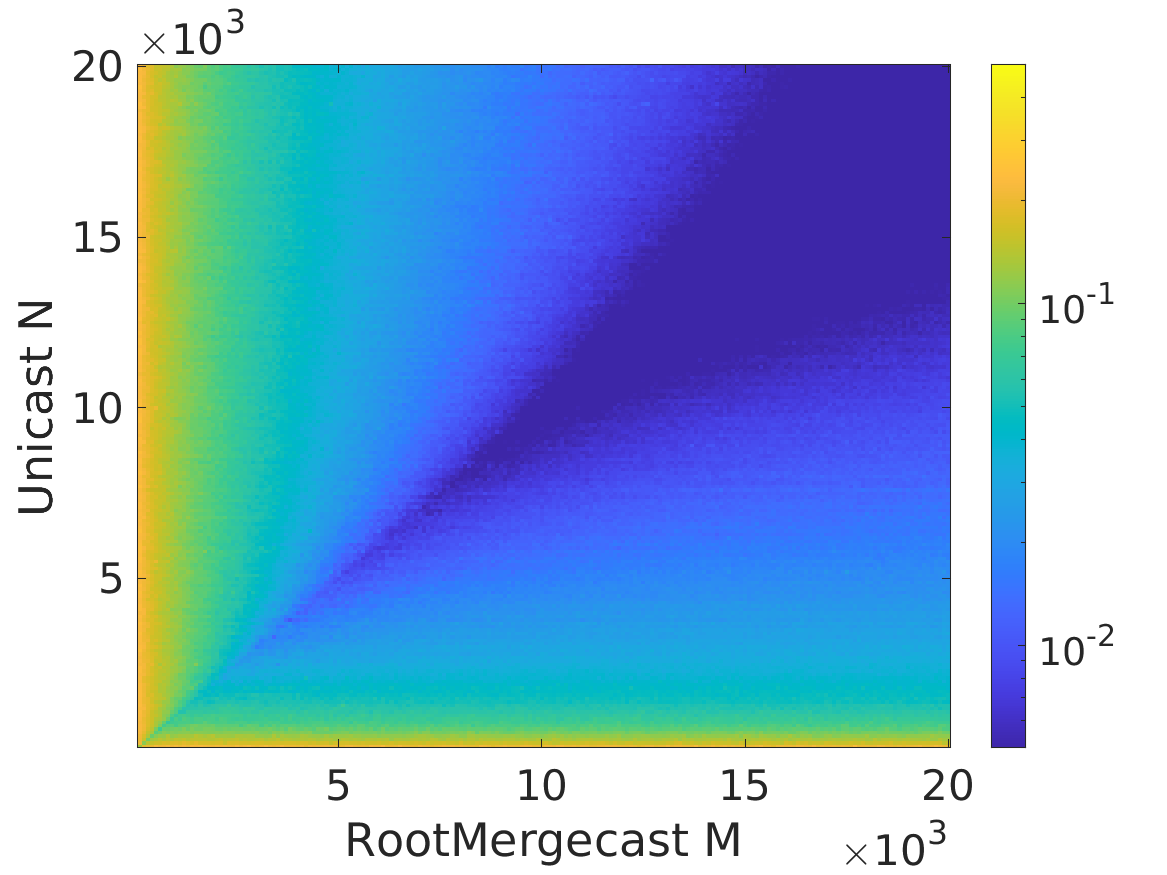
Figure 3

Figure 3: Merged qubits as affected by varying send intervals and cutoff times in realistic network conditions.

Conclusion

The fusion of Mergecast and Progressive Etching with SPAM error management posits a scalable, efficient strategy for QNT in complex quantum networks. It not only elevates theoretical models into practical frameworks for real-world QN applications but sets a foundation for future inquiries into more complex quantum communication paradigms beyond Pauli channels. Future advancements could explore minimizing intermediate node operations further and extending solutions beyond Pauli-restricted channels, thus broadening the practical utility of QNT in evolving quantum technologies.

Paper to Video (Beta)

No one has generated a video about this paper yet.

Whiteboard

No one has generated a whiteboard explanation for this paper yet.

Open Problems

We haven't generated a list of open problems mentioned in this paper yet.

Collections

Sign up for free to add this paper to one or more collections.