- The paper introduces a Fourier-based modal methodology that unifies axisymmetric and non-axisymmetric flux-surface descriptions.
- It demonstrates how symmetry-aligned coordinates enable quantitative analysis of shaping parameters like elongation, triangularity, and squareness.
- Empirical analysis using QUASR data reveals a resonance condition between mode rotation and shape complexity crucial for optimizing quasi-symmetry.
Comprehensive Modal Description of Flux-Surface Shaping in Tokamaks and Stellarators
Introduction
This paper presents a unified and quantitative approach for characterizing flux-surface geometry in both axisymmetric (tokamak) and non-axisymmetric (stellarator) magnetic confinement devices. The lack of a generalizable description for arbitrarily shaped non-axisymmetric equilibria has long hindered systematic investigations into the relationship between macroscopic magnetic geometry and figures of merit such as stability, neoclassical transport, and turbulence. The authors introduce a formalism grounded in Fourier-based modal analysis, extending axisymmetric notions of elongation, triangularity, and squareness to fully three-dimensional shapes. They provide an algorithmic construction of cross-sections that preserves analogy with the poloidal cross-section in axisymmetry, while accommodating the inherent rotation and torsion of non-axisymmetric devices.
Algorithmic Construction of Symmetry-Defined Cross-Sections
Central to the framework is a geometric prescription of cross-sections based on symmetry (quasi-symmetry)-aligned coordinates, denoted by (η,ξ). These coordinates are constructed using Boozer or straight-field-line (PEST) coordinates, ensuring the direct encoding of magnetic field quasi-symmetry. The algorithm identifies on each flux surface the unique cross-section that generalizes the poloidal plane by minimizing the distance from symmetry-angle contours to the magnetic axis at each axial position. This construction is explicitly demonstrated for axisymmetric (tokamak), quasi-axisymmetric (QA) stellarators, and quasi-helically symmetric (QH) stellarators.
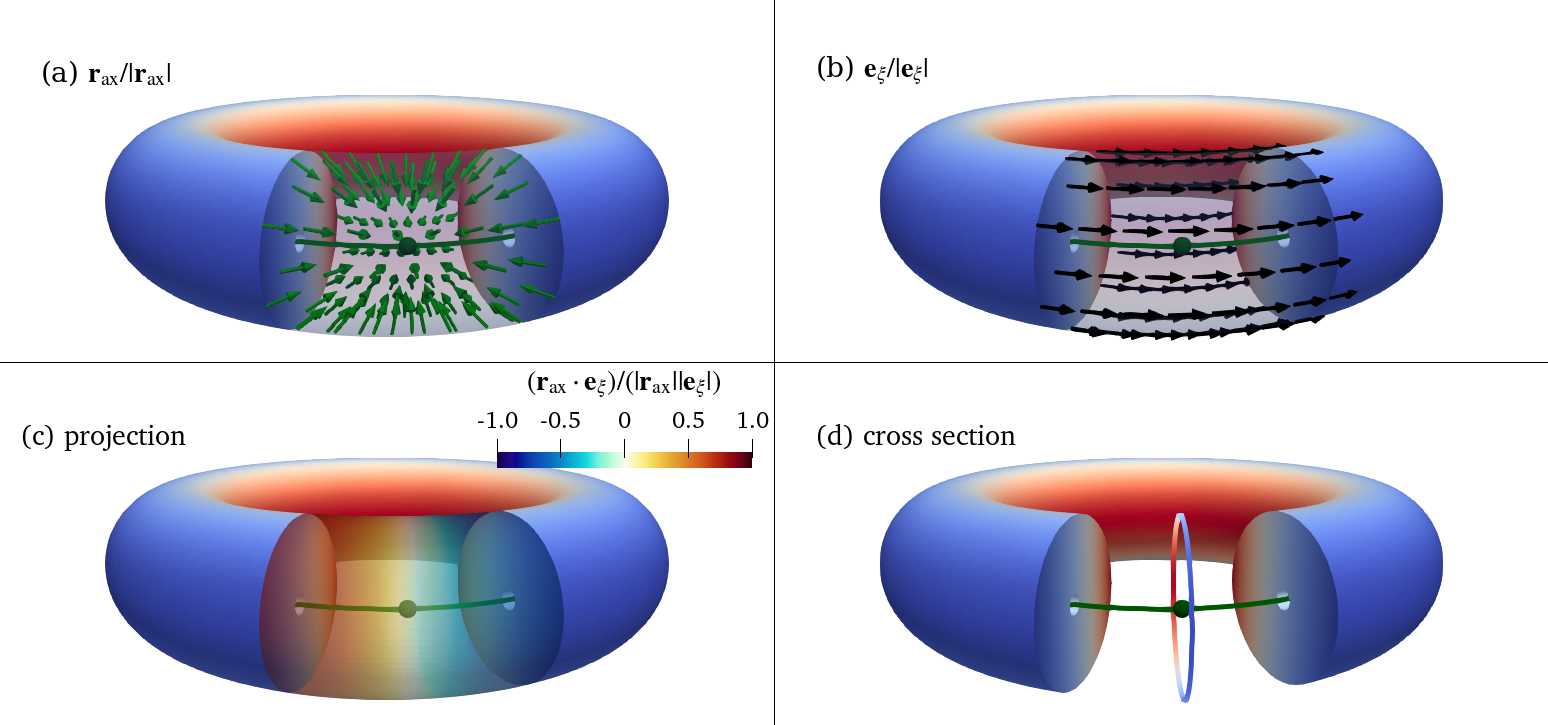
Figure 1: Graphical depiction of the cross-section construction algorithm for an axisymmetric case, showing the rax vector field and its relationship to symmetry-aligned vectors.
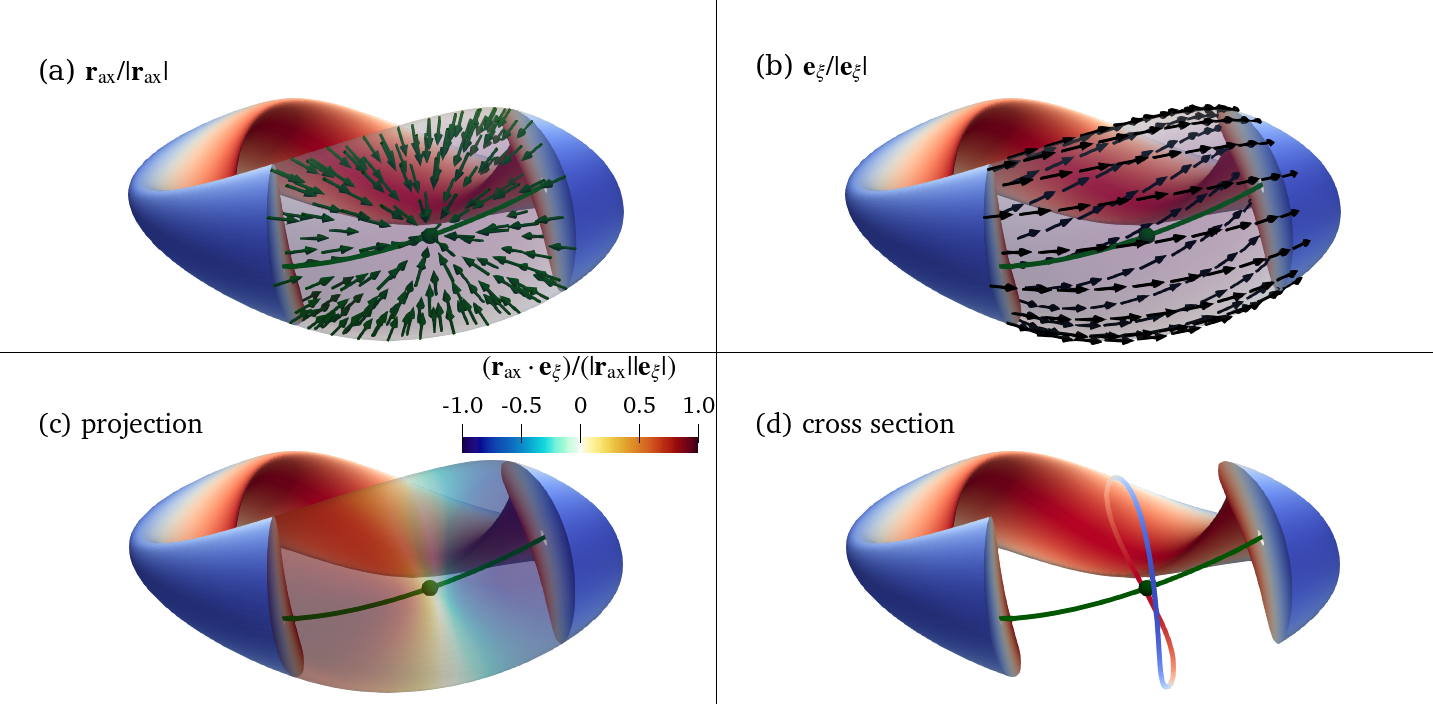
Figure 2: The same algorithmic approach applied to a precise QA configuration, revealing the non-planar nature of the cross-section.
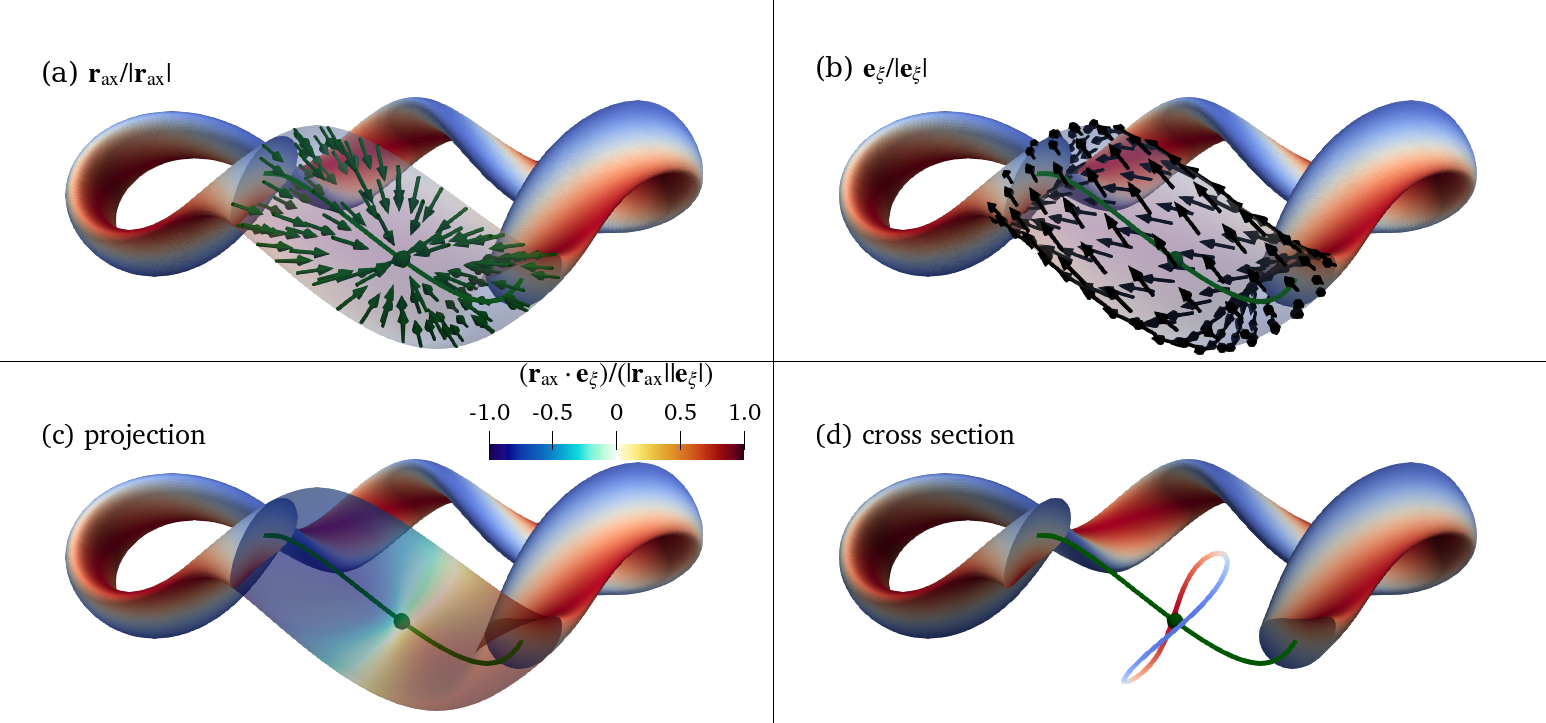
Figure 3: Application to a precise QH configuration, highlighting more intricate surface-torsion effects.
The proposed definition guarantees that, in the axisymmetric limit, the cross-section reduces to the standard poloidal plane. For non-axisymmetric configurations, the cross-section may be non-planar and torsioned, but remains canonically defined through the construction, thereby enabling subsequent modal analysis.
Modal Decomposition and Physical Interpretation
With cross-sections defined, the method decomposes the minor radius as a function of the symmetry angle η into Fourier modes:
ρ(z,η)=ρeff(z)[1+ℓ=1∑∞ρℓ(z)cos(ℓη)]
Each mode ρℓ possesses a natural physical interpretation, generalizing familiar shaping descriptors—ℓ=1 with axis shift, ℓ=2 with elongation, ℓ=3 with triangularity, and ℓ=4 with squareness—across arbitrary geometries.
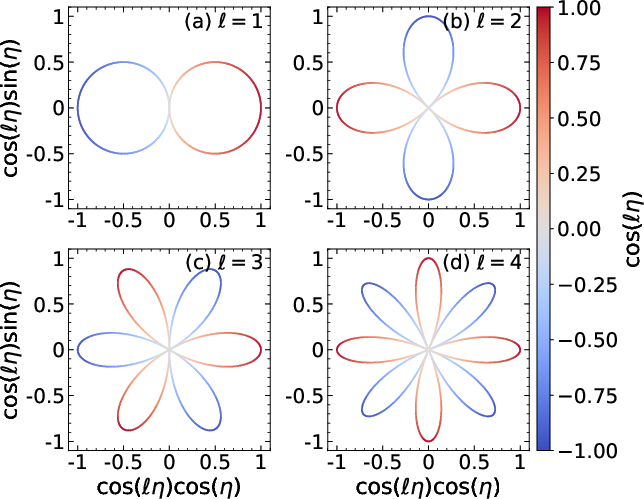
Figure 4: Visualization of how the ℓ=1,2,3,4 modes weight cross-section segments, linking modes to physical shaping properties.
In non-axisymmetric equilibria, the amplitudes ρℓ(z) become periodic functions of the axial variable and are analyzed via a toroidal Fourier transform, yielding the Fourier-Transformed Shaping Spectrum (FTSS):
ρ^ℓ(kϕ)=F[ρℓ(z)]
where kϕ is a toroidal wavenumber. This approach captures not only the complexity of shaping but also the spatial rotation of shaping modes about the magnetic axis—a key additional degree of freedom absent in axisymmetry.
Empirical Application to Quasi-Symmetric (QA, QH) Stellarators
The method is empirically applied to equilibria from established sources and the QUASR database. For both QA and QH configurations, modal analysis of initial (typically non-optimized) and optimized equilibrium states shows that successful optimization toward quasi-symmetry concentrates significant power in low-order shaping modes undergoing rotation about the axis at a rate directly coupled to the toroidal field period and rotational transform.
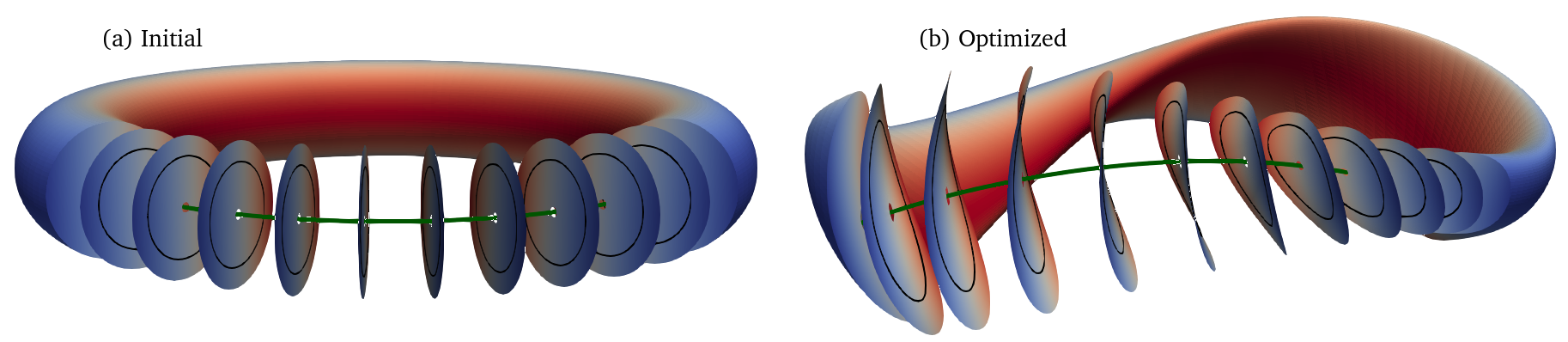
Figure 5: Initial and optimized cross-sections over a half-field period for a QA configuration, illustrating increased complexity post-optimization.
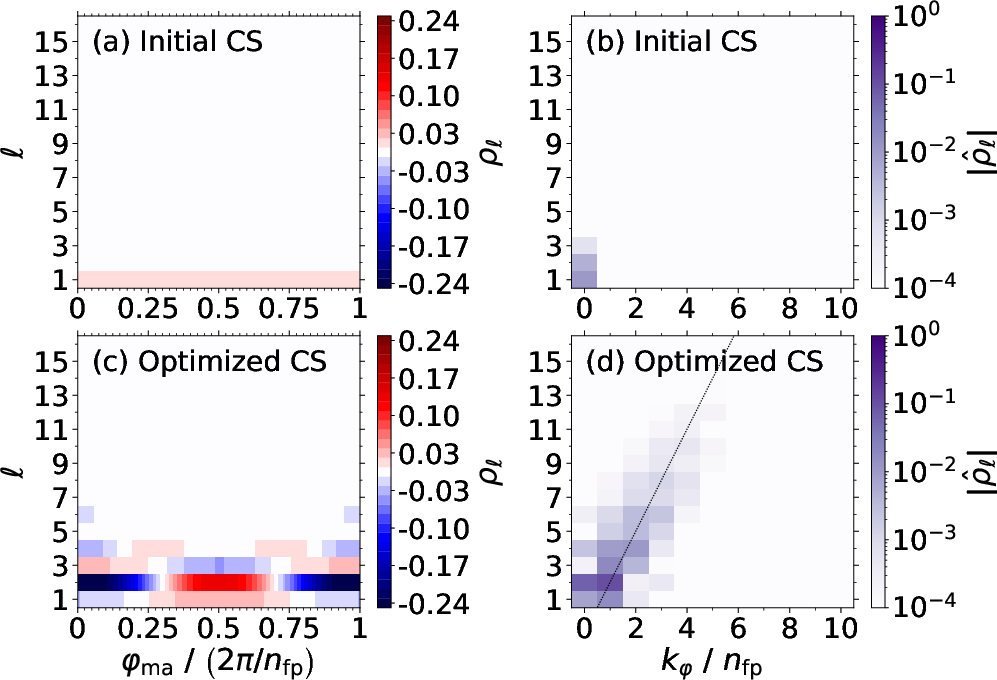
Figure 6: Comparative FTSS for initial and optimized QA, revealing concentration of shaping power along a line with slope $3/1$ in (ℓ,kϕ).
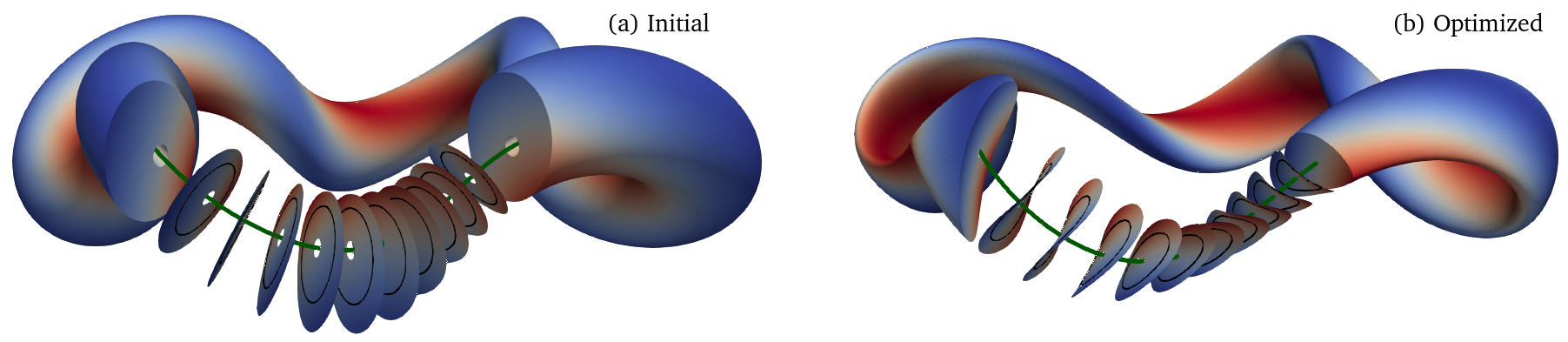
Figure 7: Initial and optimized cross-sections for a QH configuration show development of pronounced torsion and rotation upon optimization.
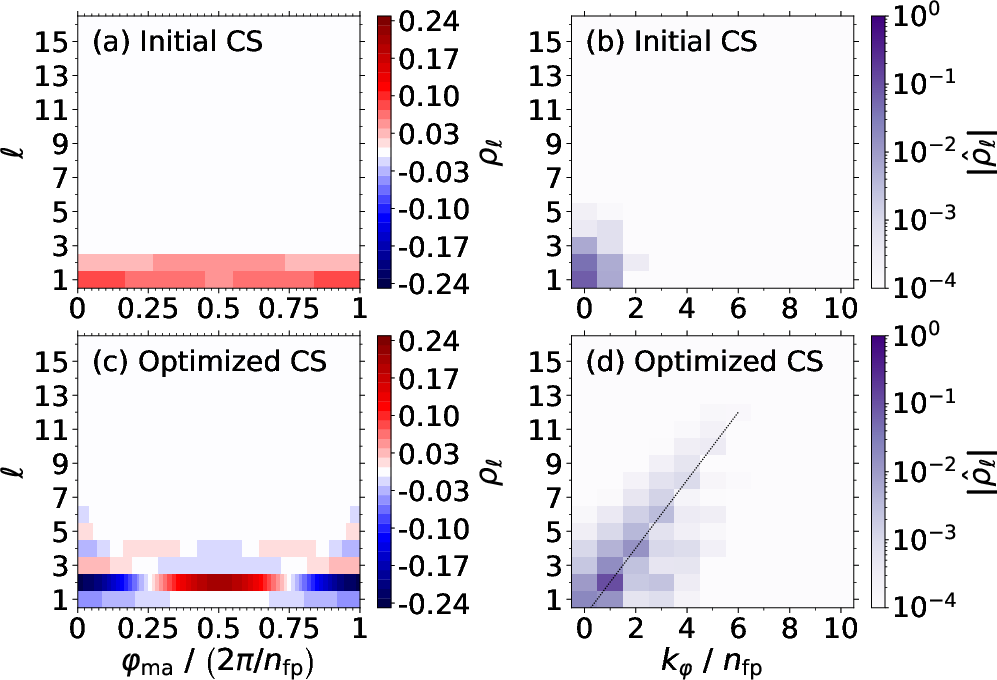
Figure 8: FTSS for QH configuration displays a distribution along a distinct slope ($2/1$), further supporting the resonance hypothesis.
Numerical results demonstrate that quasi-symmetry emerges when there is a clear proportionality between the shape complexity (mode ℓ) and the frequency of its rotation (kϕ) about the axis. This "spatial resonance" produces a concentrated, low-entropy shaping spectrum along a line whose slope is determined by physical parameters—especially field period and rotational transform.
Large-Scale Statistical Analysis Using QUASR
Sampling thousands of QA and QH equilibria from the QUASR database, the study quantifies how shaping properties relate to global quantities: quasi-symmetry error Qerr, rotational transform ι, and number of field periods nfp. Several strong empirical claims emerge:
- Quasi-symmetry is optimized when shaping modes rotate neither too slowly nor too quickly about the axis, but align along specific linear distributions in the (ℓ,kϕ) spectrum.
- Configurations with good quasi-symmetry exhibit statistically fewer effective degrees of freedom in their shaping spectrum.
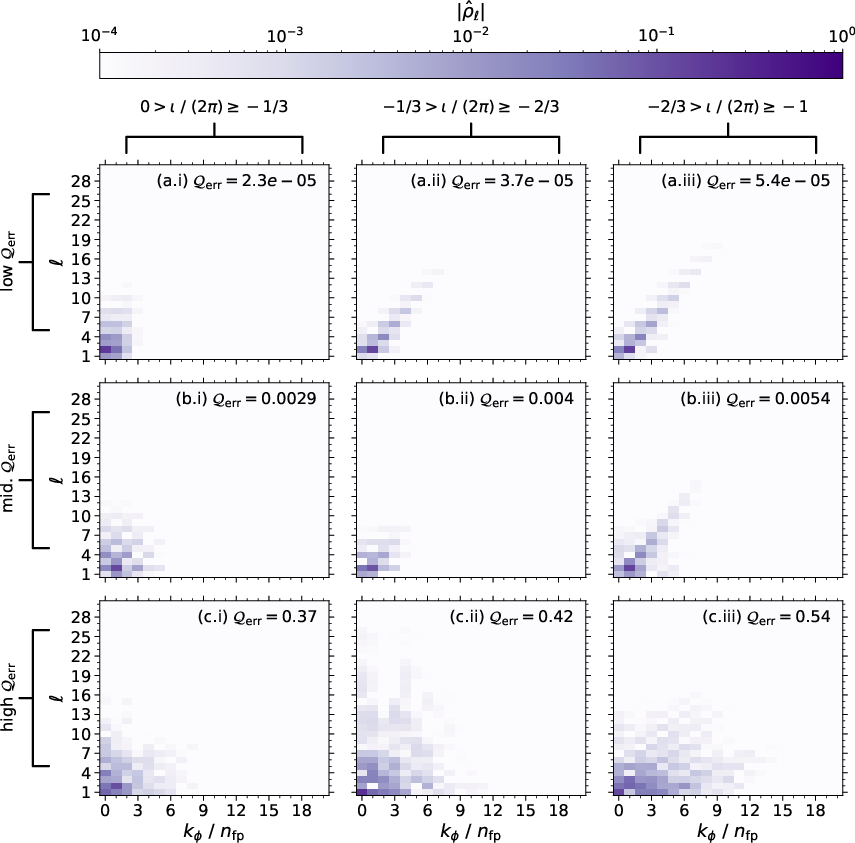
Figure 9: FTSS across nine QA configurations with systematic variation in rotational transform and symmetry error; ideal quasi-symmetry generates a tight spectral line.
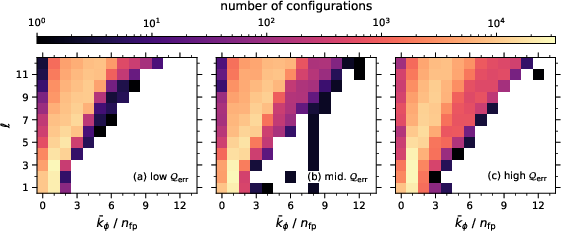
Figure 10: Histograms count the occurrence of average kϕ as a function of ℓ for QA configurations, showing peaking around the spatial resonance and broadening with increased symmetry-breaking.
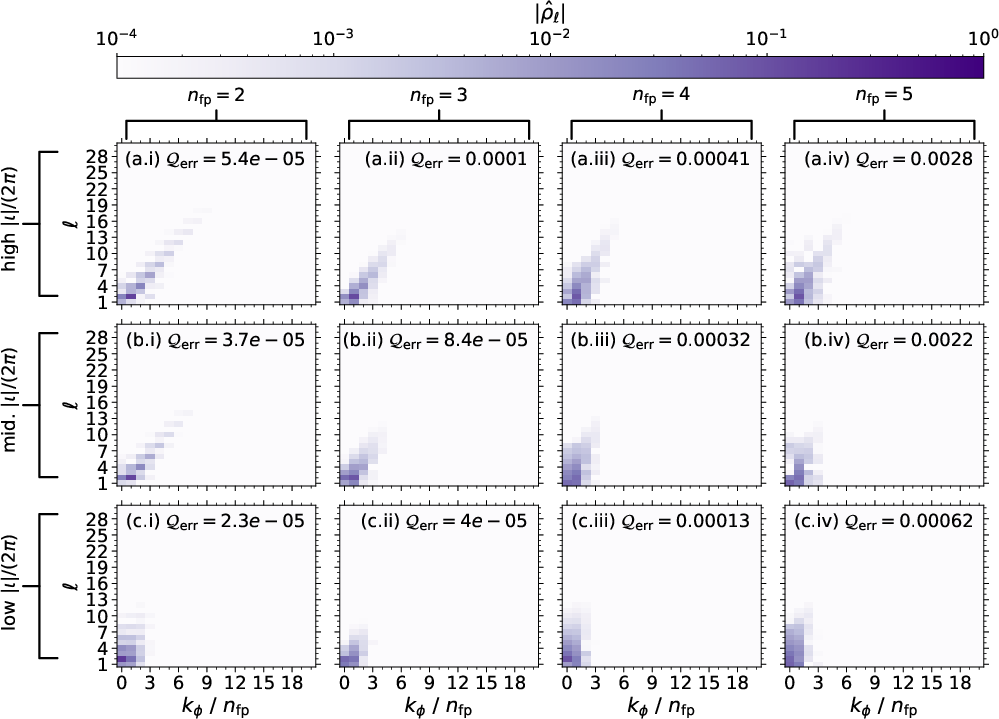
Figure 11: FTSS dependence on field period and rotational transform for QA, illustrating how increased nfp enables reduced shape complexity at comparable ι.
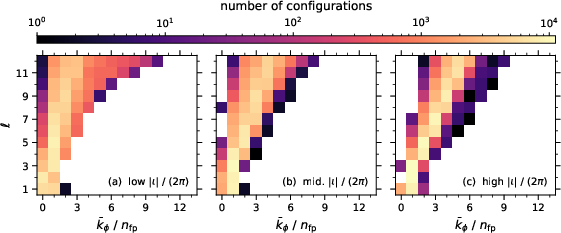
Figure 12: FTSS histograms for QA with stratified ∣ι∣, confirming correlation between rotational transform and resonance slope in the shaping spectrum.
Similar trends are robustly observed for QH configurations:
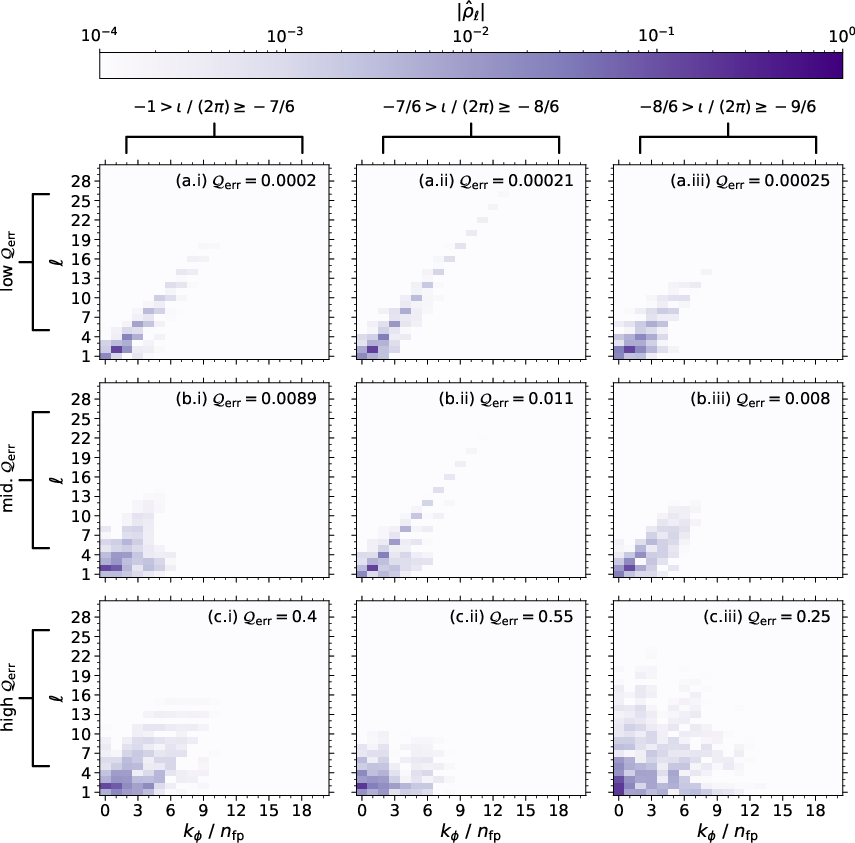
Figure 13: FTSS across QH configurations with controlled variations, further substantiating resonance-driven shaping.
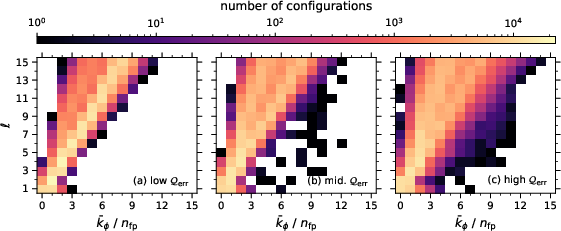
Figure 14: QH FTSS histograms reveal erosion of quasi-symmetry as the shaping spectrum loses its narrow resonance.
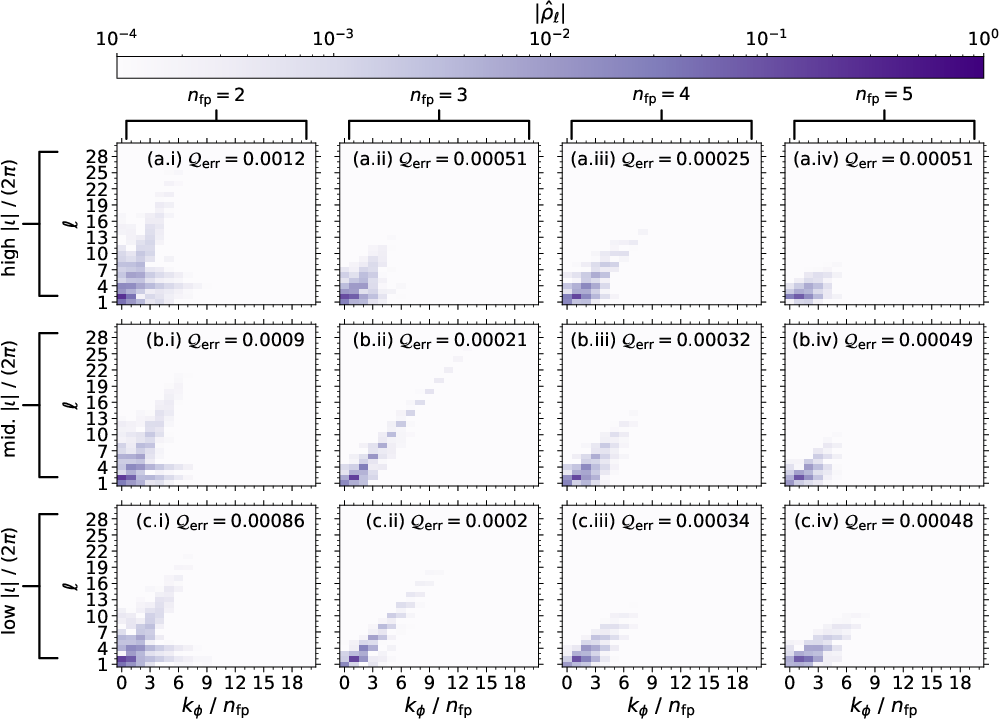
Figure 15: Analysis shows linear distribution slope in FTSS for QH depends on field period and is not fully reducible by increasing shape complexity at high ι.
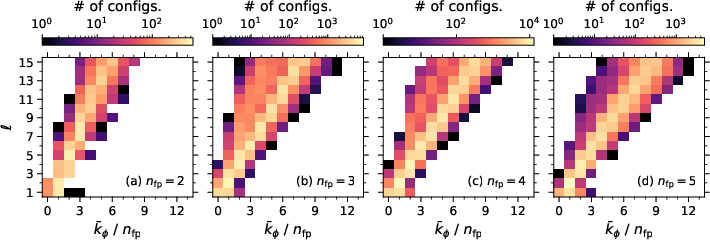
Figure 16: QH FTSS histograms highlight that higher field periods necessitate more rapid axial rotation of shaping modes for resonance.
Discussion and Implications
This modal framework realizes a comprehensive, low-dimensional geometric description suitable for both axisymmetric and fully 3D MHD equilibria. Its primary utility lies in facilitating systematic, quantitative study of how macroscopic shaping—parameterized in terms of mode amplitudes and their axial rotation—correlates with physical performance metrics. For stellarator optimization, these results suggest that control of both shape complexity and the spatial "twist" of shaping modes is essential to achieving and maintaining quasi-symmetry, and that there are quantifiable trade-offs between shape complexity, number of field periods, and achievable rotational transform.
Theoretical implications include the conjecture that quasi-symmetry is underpinned by a resonance condition between shaping mode number and its toroidal rotation, generalizing near-axis expansion results and suggesting an underlying organizing principle for MHD equilibrium geometry. Practically, the translation of geometric shaping requirements into a Fourier modal framework makes possible the use of gradient-based, low-dimensional optimization algorithms and design paradigms for next-generation stellarators and advanced tokamaks.
Potential future developments include the implementation of this shaping analysis in equilibrium codes supporting full Boozer coordinate transformations (e.g., DESC, GVEC), and the pursuit of analytic characterizations of the spatial resonance condition in the context of near-axis expansions. The modal paradigm may also enable predictive understanding of how high-order shaping influences stability, fast-particle confinement, and turbulent transport.
Conclusion
The paper establishes a rigorous modal methodology for the characterization and analysis of flux-surface shapes in tokamaks and stellarators, unifying axisymmetric and non-axisymmetric geometries. By leveraging a symmetry-aligned decomposition and focusing on the interplay between shape complexity and spatial rotation, the analysis explicates a resonance phenomenon central to the attainment of quasi-symmetry. This framework stands to inform both the physical understanding and the practical optimization of 3D fusion devices, opening avenues for systematic exploration and control of equilibrium shaping effects in advanced magnetic confinement systems.