- The paper presents robust dynamical mass measurements and full three-dimensional orbital solutions for four cold Jupiters.
- It employs a novel combination of multi-instrument radial velocity data and long-baseline astrometry to break the Mp sin i degeneracy.
- The findings reveal diverse planetary architectures, including high eccentricities and significant mutual inclinations that inform planet formation models.
Detection and Characterization of Four Cold Jupiters via Combined Radial Velocity and Astrometric Constraints
Introduction
The architecture and dynamical evolution of cold Jupiter-mass exoplanets provide key empirical constraints on planet formation, migration mechanisms, and long-term system stability. The principal limitation of the radial velocity (RV) technique—obtaining only the product Mpsini—precludes true mass and three-dimensional orbital orientation inference for most known giant planets, especially those on long-period orbits. This paper reports a systematic effort to overcome the Mpsini degeneracy by jointly fitting multi-instrument RV data and time-resolved astrometry from both Hipparcos and multi-epoch Gaia data releases, leveraging a ∼25-year baseline to robustly detect and characterize four cold Jupiters in diverse stellar environments (2601.11280).
Methodology and Data Synthesis
The analysis is built on heterogeneous, high-cadence RV observations from major spectrographs (CORALIE, HARPS, MIKE, PFS) and astrometric constraints using Hipparcos, Gaia DR2, and DR3 catalog measurements, including barycentric motion and proper-motion anomalies. Orbital parameters are constrained via state-of-the-art parallel-tempered MCMC sampling, marginalizing over instrumental zero-point offsets and stellar jitter. For each system, non-linear three-dimensional orbital motion is modeled, and companion masses, inclinations, and nodal longitudes are directly extracted. Cross-validation with activity indicators (GLS periodograms, Pearson correlation analysis) demonstrates RV coherence with planetary, not stellar, origins.
Results for Individual Systems
HD 48265: Mutual Inclination and High-Eccentricity Dynamics
The HD 48265 system is shown to host two massive planets: HD 48265 b (P=790 d, Mb=7.4−3.9+3.7MJup, highly uncertain astrometric inclination) and the newly characterized HD 48265 c (P=28.5−3.9+6.7 yr, Mc=4.45−0.37+0.75MJup, ec≈0.41). The inclination posteriors indicate a bimodal prograde/retrograde degeneracy for b, while c's spatial orbit is well-constrained. The mutual inclination distribution centers on ∼100∘ with zero degrees strongly excluded (>2σ), marking HD 48265 as a system with significant nondynamical coplanarity.
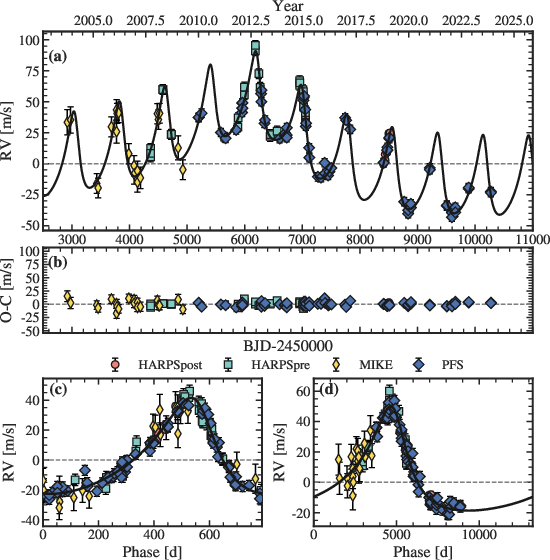
Figure 1: (a) Radial velocity curve for HD 48265; (b) RV residuals; (c)–(d) RV signatures for planets b and c individually.
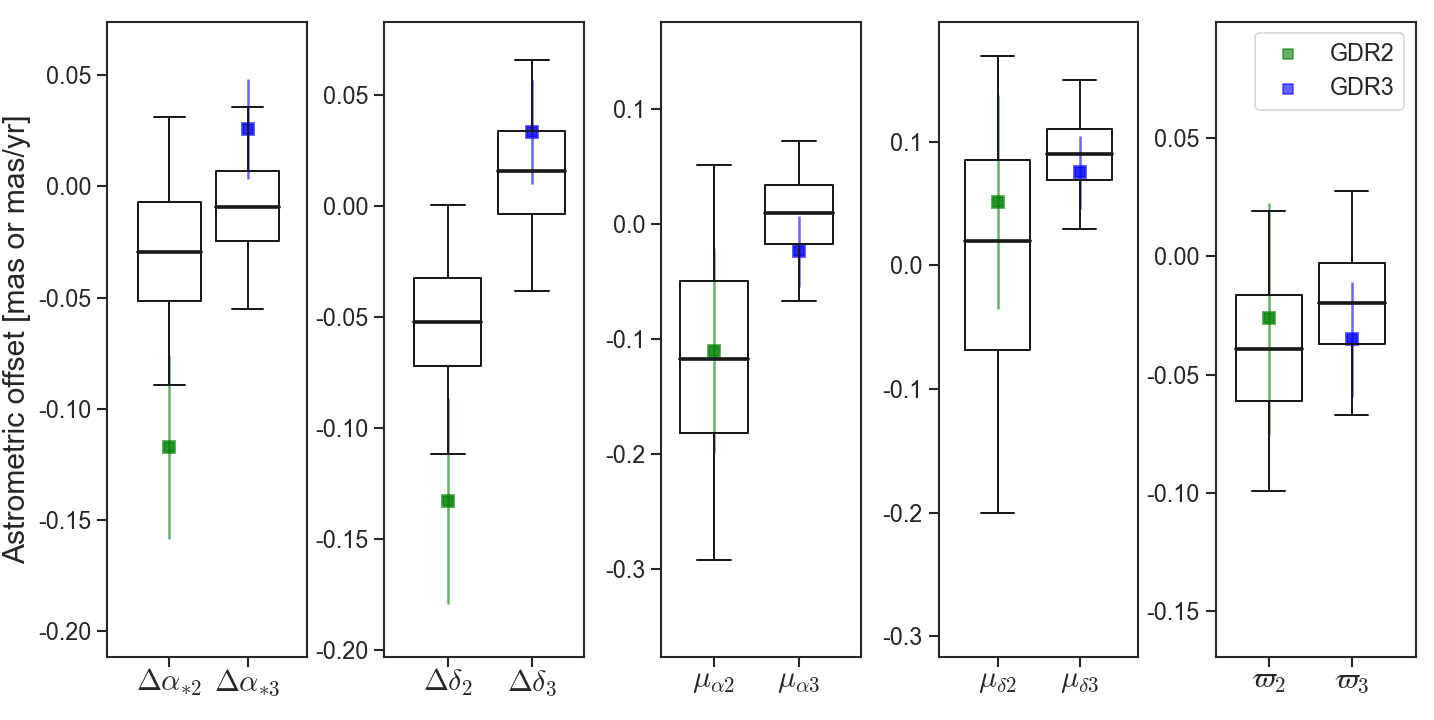
Figure 2: Boxplot comparison of Gaia DR2/3 astrometric offsets with the HD 48265 joint model, demonstrating tight astrometric constraints.
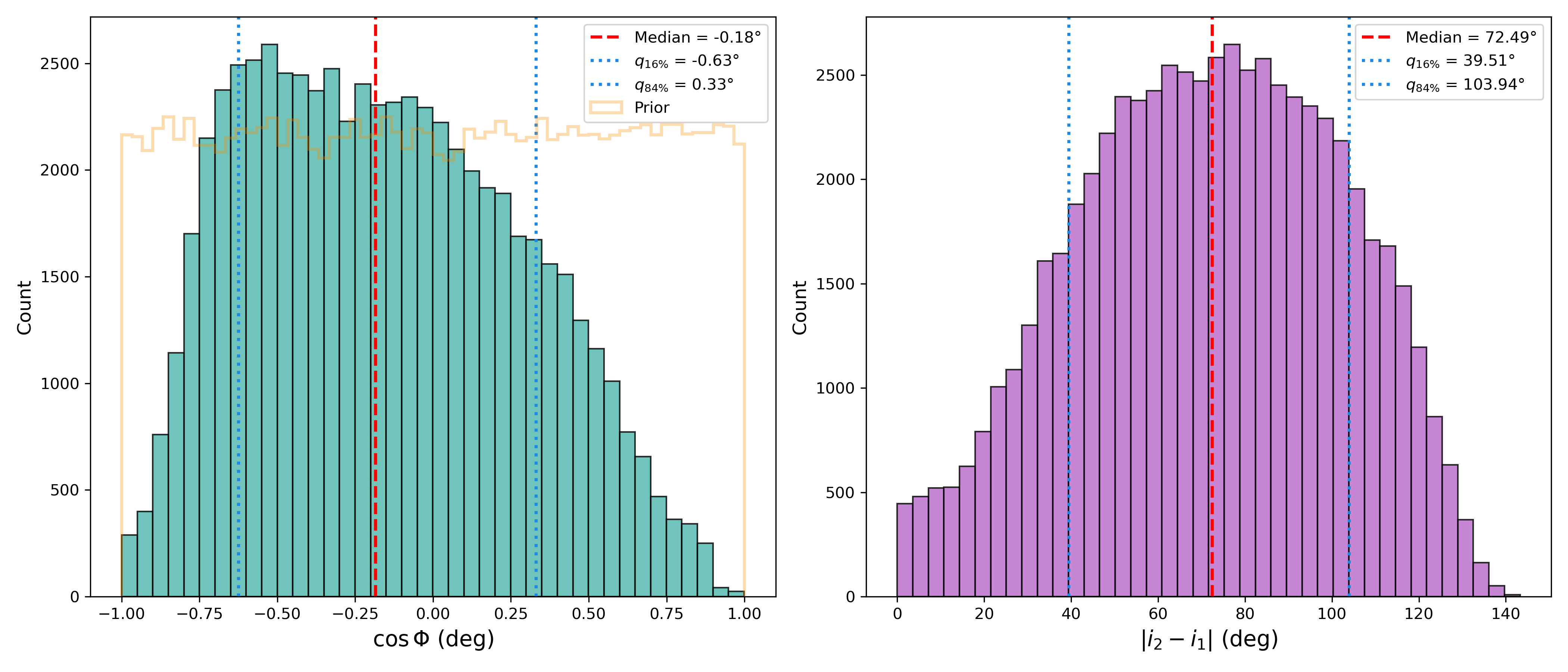
Figure 3: Posterior distributions for the mutual inclination Φ (left) and ∣i2−i1∣ (right) for HD 48265, evidencing significant orbital misalignment.
This configuration is dynamically consistent with outcomes of violent planet–planet scattering or von Zeipel–Kozai–Lidov cycles, as illustrated by secular integrations evidencing periodic exchange between inclination and eccentricity.
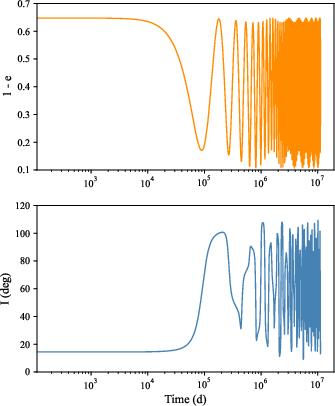
Figure 4: Secular evolution of inner planet eccentricity and inclination in the HD 48265 system, showing KL-type cycling.
HD 68475: Long-Period High-Eccentricity Candidate for Direct Imaging
HD 68475 is found to host a cold Jupiter with a notably long period (P=21.4−0.9+1.3 yr), high eccentricity (eb=0.62±0.02), mass (Mb=5.16−0.47+0.53MJup), and well-constrained inclination (ib≈88∘). At a semimajor axis of $7.3$ AU, the planet's predicted on-sky separation and brightness contrast (in mid-IR) make it an excellent candidate for thermal emission imaging with ELT/METIS, though it is not accessible to JWST/MIRI due to both IWA and contrast limitations.
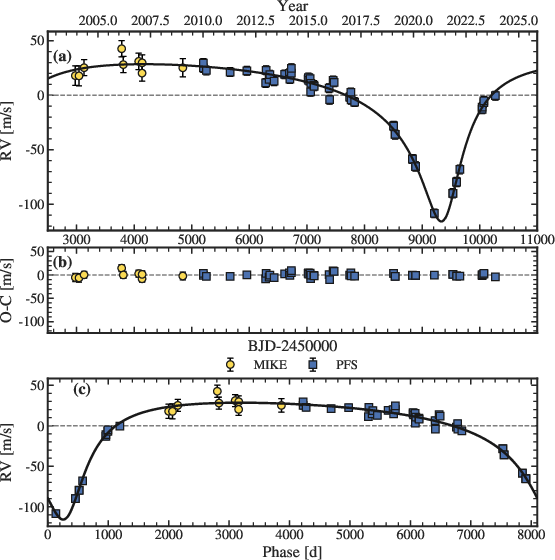
Figure 5: RV curve for HD 68475, revealing a strong, long-term planet-induced signal.
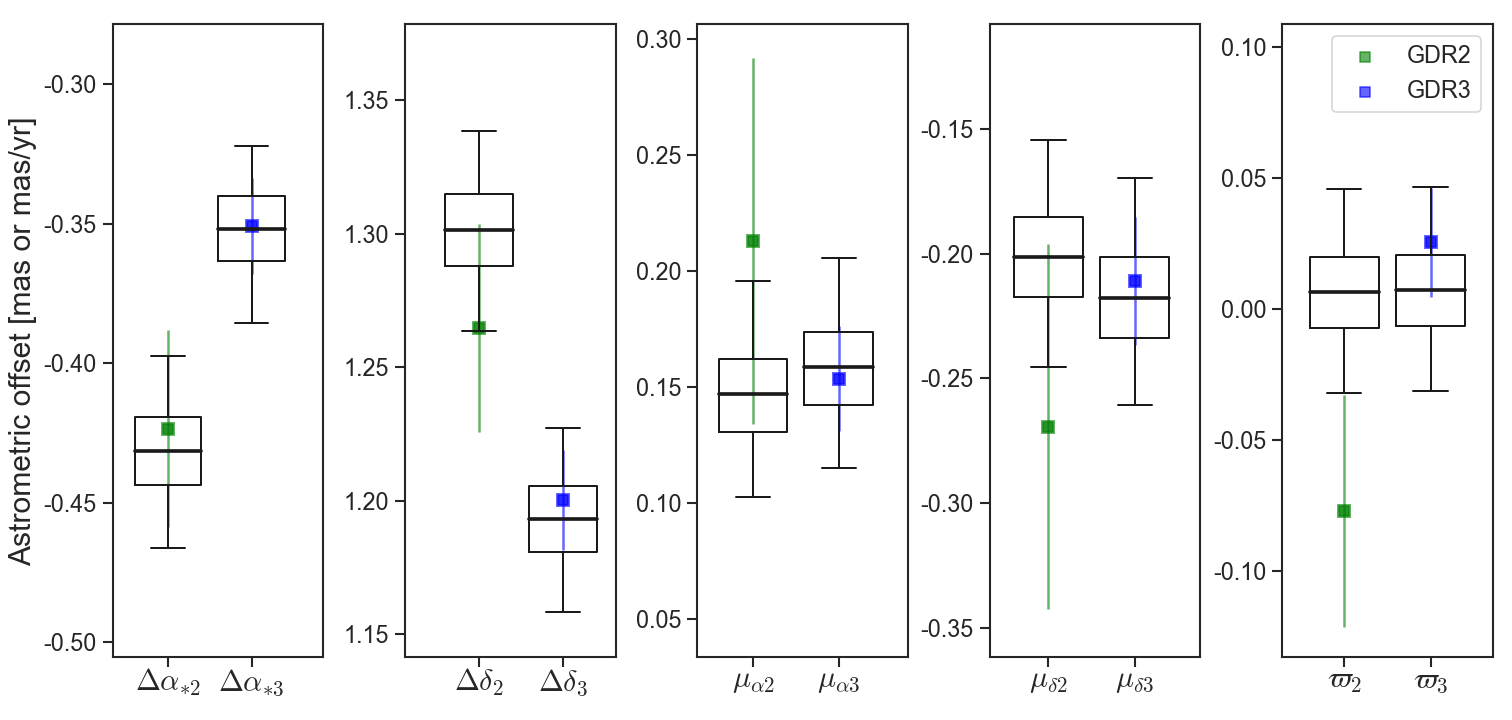
Figure 6: Gaia astrometric residuals and model boxplots for HD 68475, supporting the three-dimensional orbit.
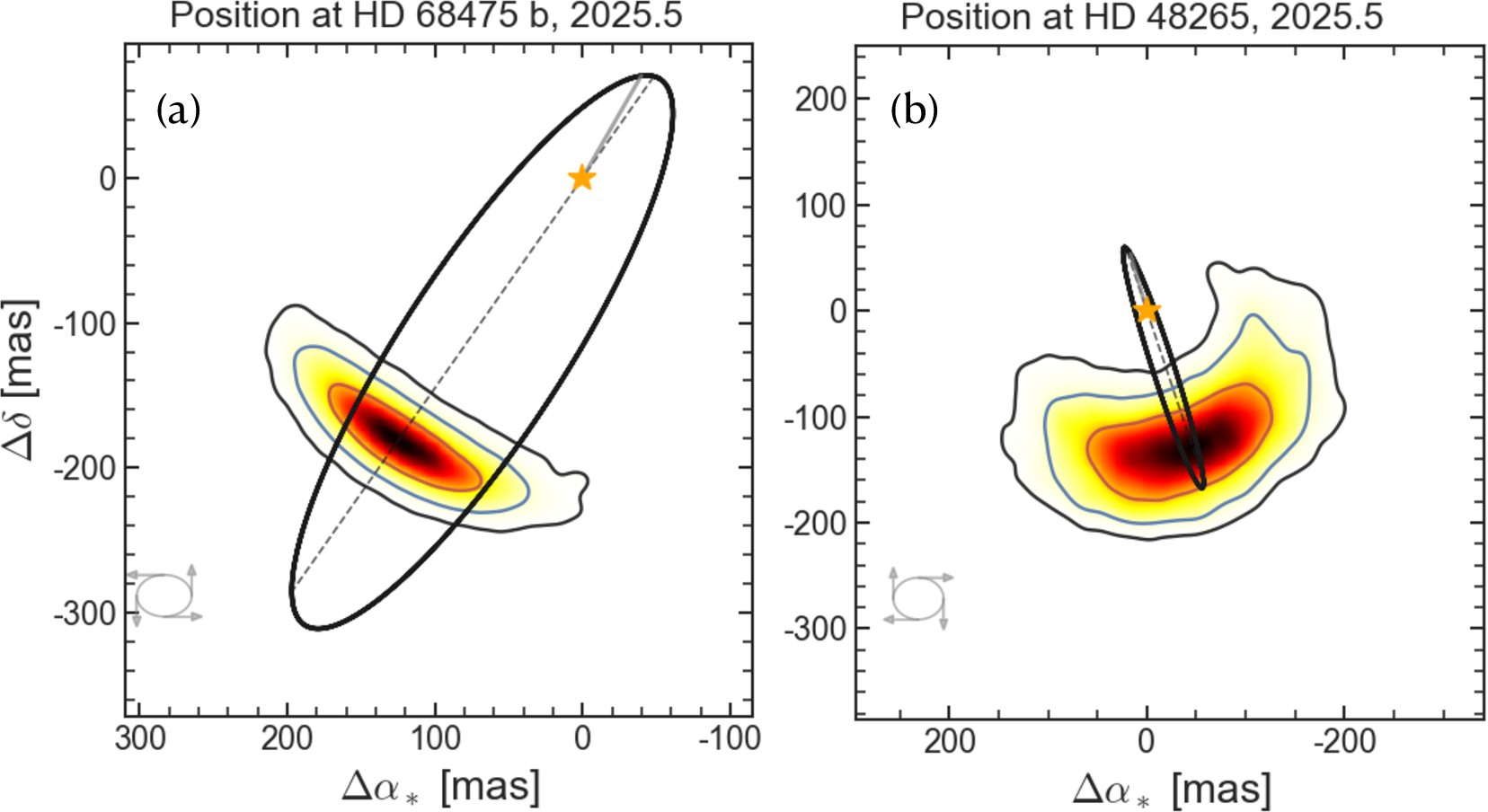
Figure 7: Predicted astrometric positions for HD 68475 b (2025 epoch), including 1−3σ uncertainty contours, validating direct imaging feasibility.
HD 114386: Low-Eccentricity, Two-Planet Architectures
HD 114386 is modeled as a two-planet system, with planet b (P=1049 d, Mb=1.46−0.22+0.37MJup, nearly circular orbit eb=0.02±0.01) and inner planet c (P=444 d, Mcsini=0.37±0.03MJup, ec=0.10±0.03). Bayesian evidence disfavors modeling an astrometric signature for the inner planet given the current data, but provides precise dynamical mass and inclination for b. The circularity and inferred migration history indicate efficient eccentricity damping, consistent with Type II migration and dynamical friction during gas disk phases.
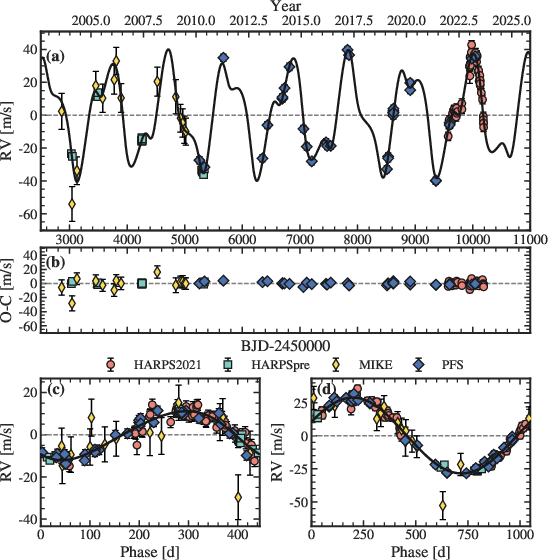
Figure 8: RV curve for HD 114386, showing well-separated signals from two planets.
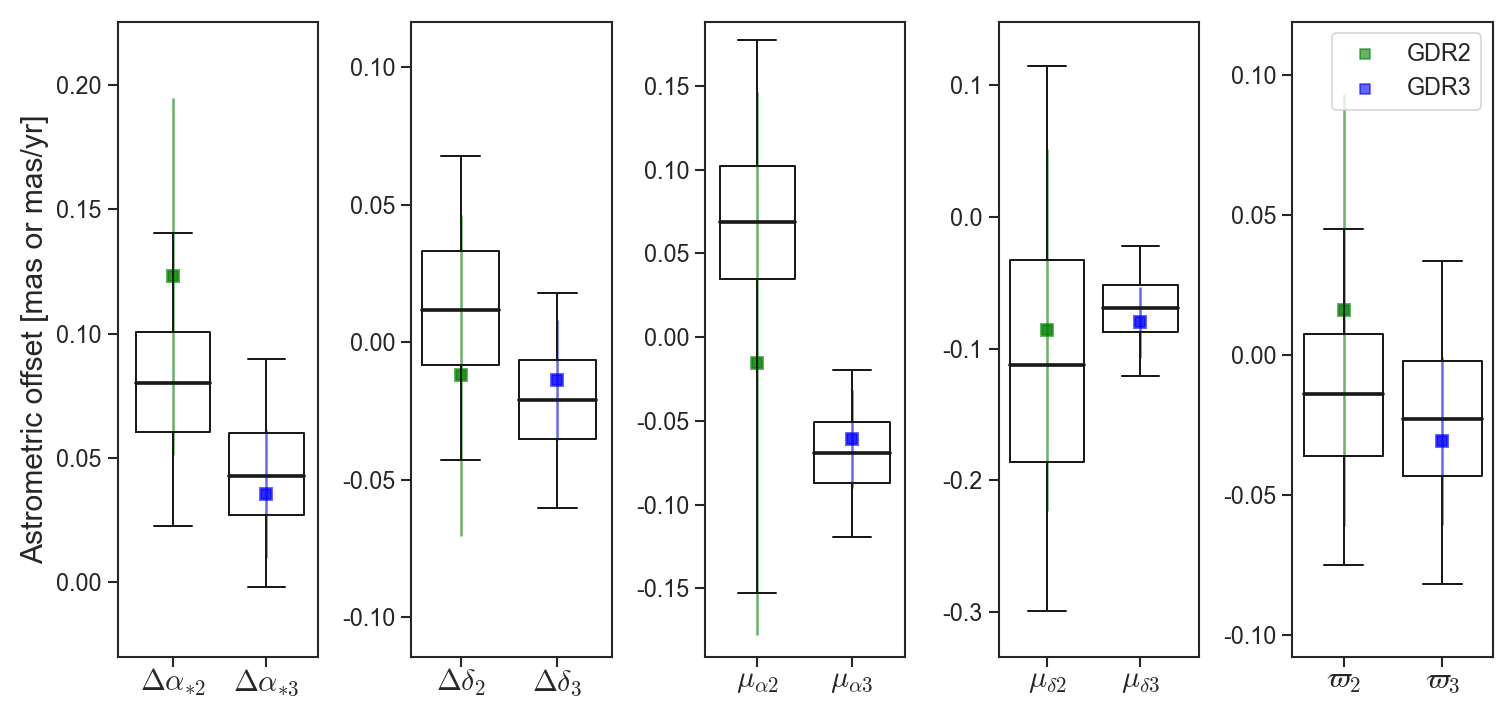
Figure 9: Gaia DR2/3 astrometric boxplots vs. model for HD 114386 b, confirming the orbital geometry.
HD 100508: Jupiter Analog at the Long-Period End
HD 100508 hosts a single cold Jupiter (P=15.56 yr, Mb=1.20−0.18+0.30MJup,a=6.1 AU, e=0.42). The inclination solution retains the characteristic RV + two-epoch Gaia astrometric degeneracy (i=62∘ or 124∘), but mass, semimajor axis, and eccentricity are all robustly constrained. The existence of such a long-period, low-eccentricity object within the accessible RV, Gaia, and Hipparcos baseline strongly suggests that a substantial hidden population of cold Jupiters resides at large separations, undiscovered by present-day Doppler systems but within Gaia's reach.
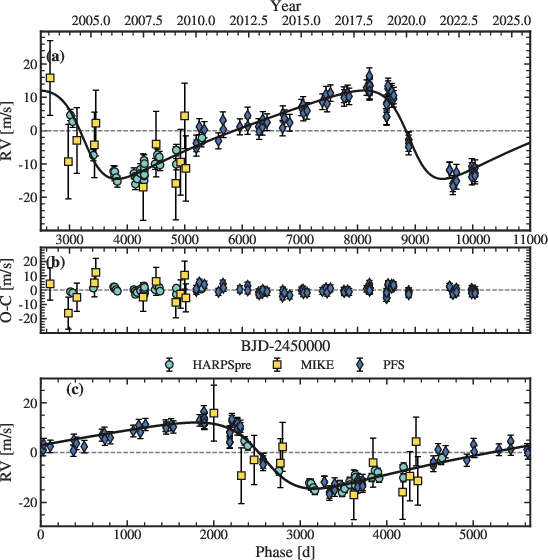
Figure 10: RV curve fitting for HD 100508, showing coherence with the long-period planet solution.
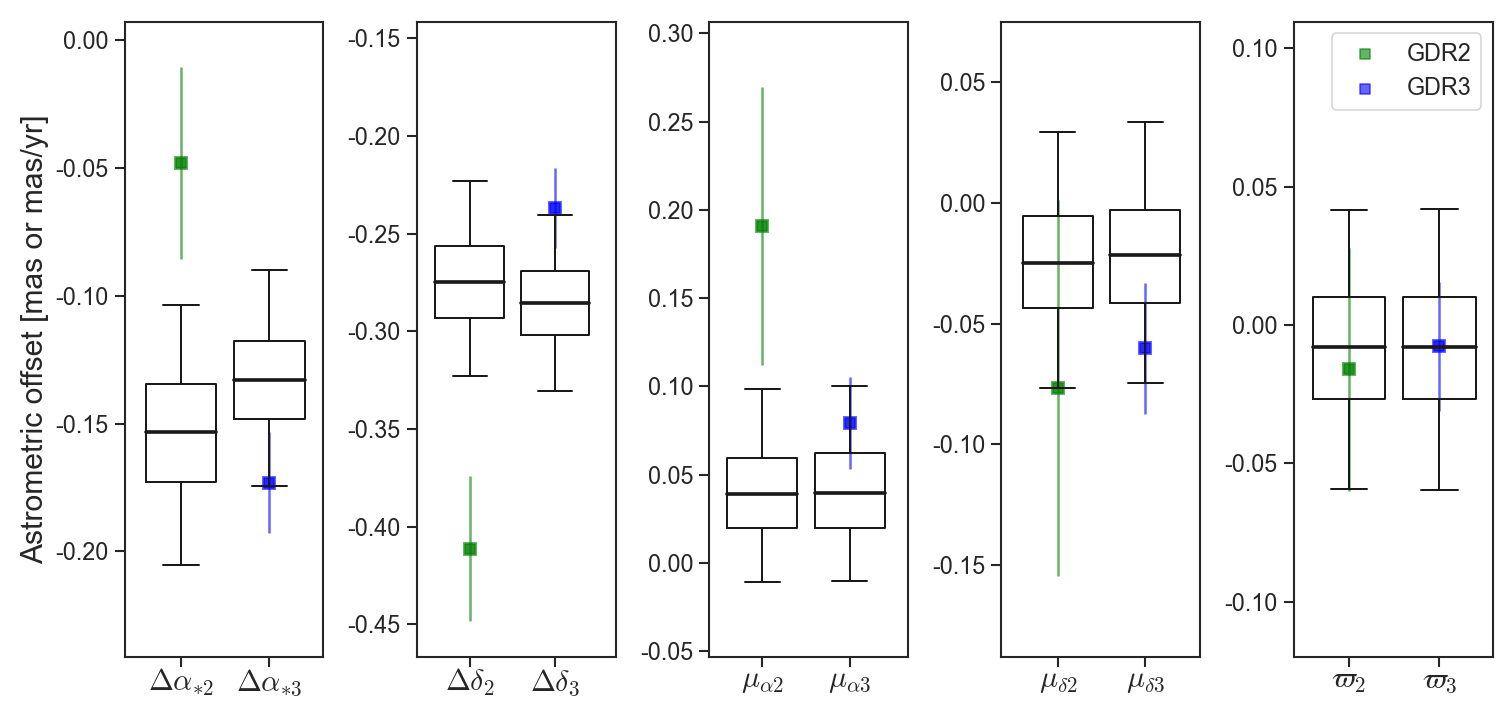
Figure 11: Gaia astrometric boxplot diagnostics for HD 100508 with residual scatter possibly indicating the presence of an additional, longer-period companion.
Population Comparison and Dynamical Implications
The period–mass and period–eccentricity distributions for the new planet sample are set against the ensemble of confirmed exoplanets with inclinations, revealing that HD 100508 b and HD 68475 b populate the extreme long-period region and HD 68475 b, in particular, exhibits exceptionally high eccentricity for its mass and period.
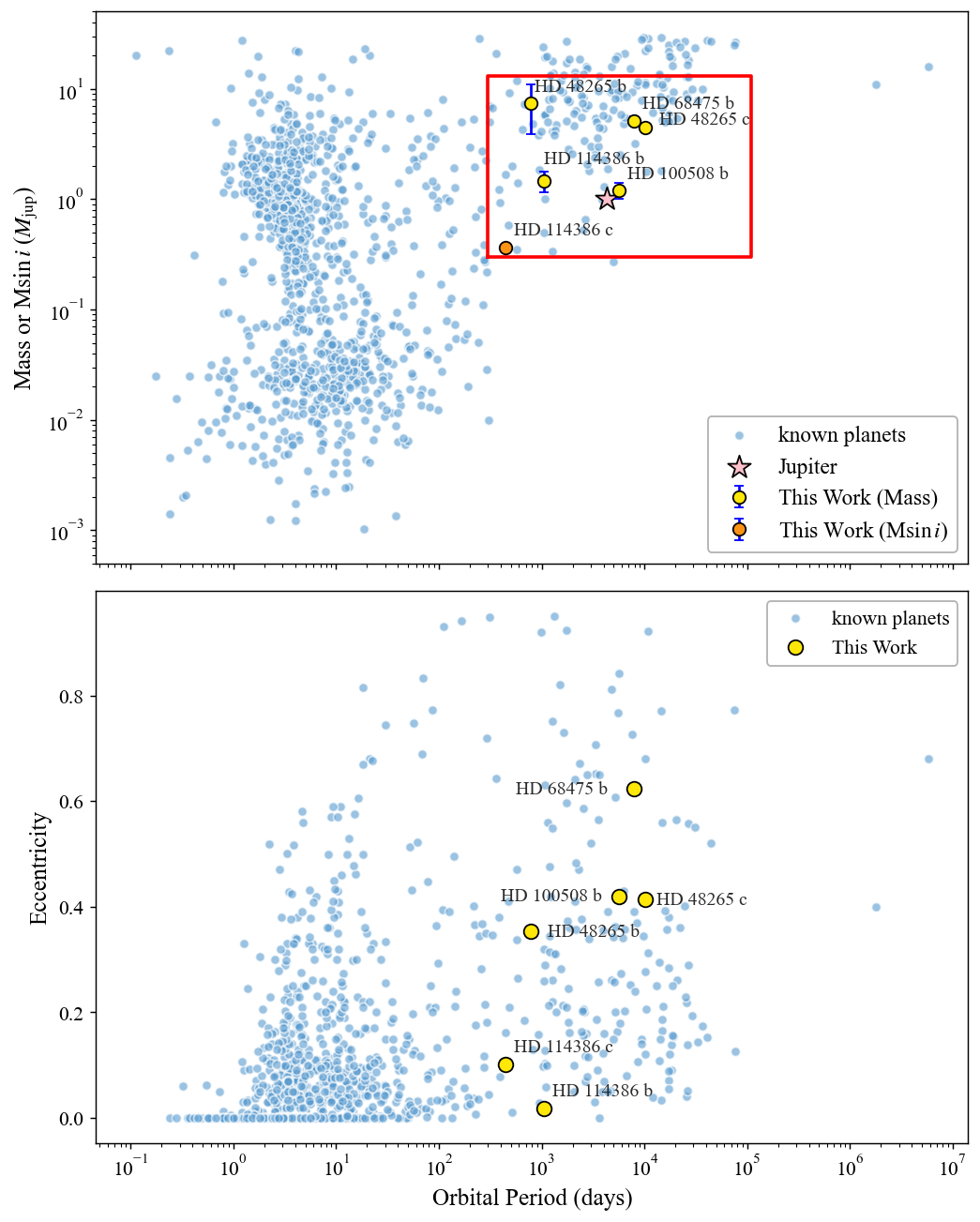
Figure 12: Top: Period–mass distribution showing new detections (yellow stars) probing the long-period, Jupiter-mass regime. Bottom: Period–eccentricity distribution shows high eccentricities for some sources.
The mutual inclination analysis for HD 48265, with a median value near 100∘ and a 2σ exclusion of coplanarity, provides a direct test of planet–planet scattering vs. disk-driven architecture formation scenarios. The inner/outer planet eccentricity–inclination secular exchange realized in this system, observed in REBOUND integrations, is classic for high-Φ Kozai domains. For HD 114386, the nearly circular orbits of both planets are consistent with strong disk damping and slow migration.
Astrometric Model Validations and Systematics
Multi-epoch Gaia data allow differential astrometric solutions with error propagation that break the Msini barrier and, for well-constrained datasets, disfavors stellar activity false positives (as validated by GLS and Pearson tests).
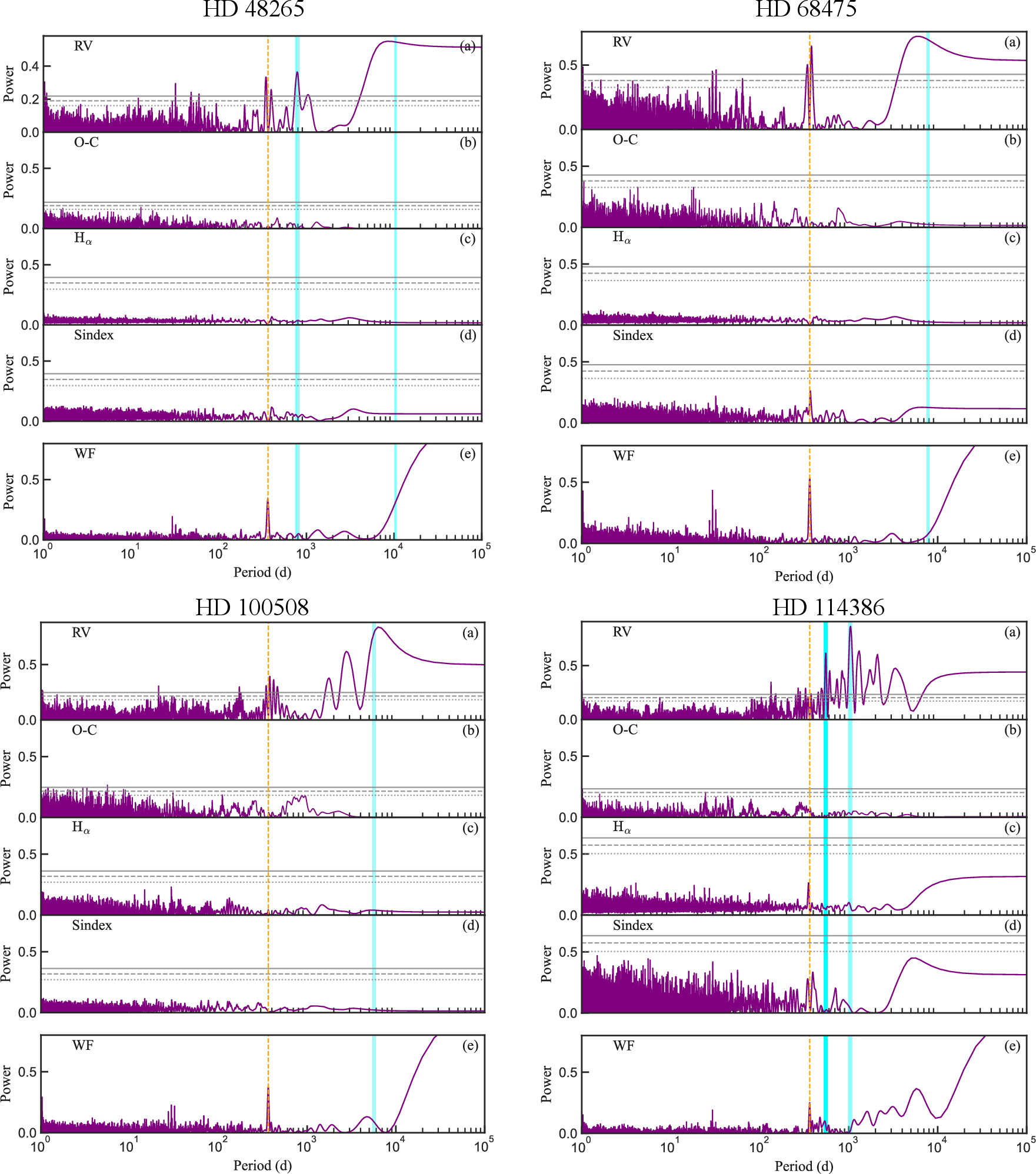
Figure 13: GLS periodograms of RVs and stellar activity indices for all four targets demonstrate that RV periodic signals are not correlated with stellar activity.
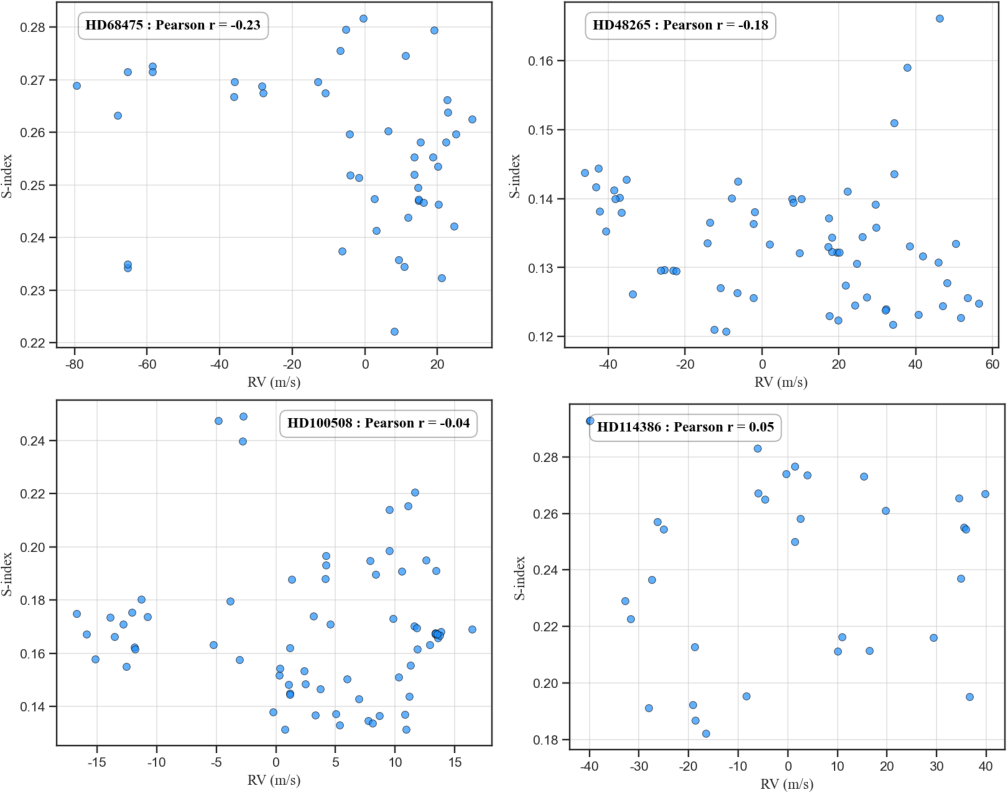
Figure 14: Pearson correlation analysis between RV and S-index for all systems, ∣r∣<0.3 in all cases, confirming planetary, not stellar, origins of the RV signals.
Completeness and Future Prospects
Injection–recovery completeness tests confirm sensitivity to Jupiter analogs across the Mpsini–a parameter space of interest, but also indicate that a large population of cold Jupiters with even longer periods or higher inclinations remains to be characterized.
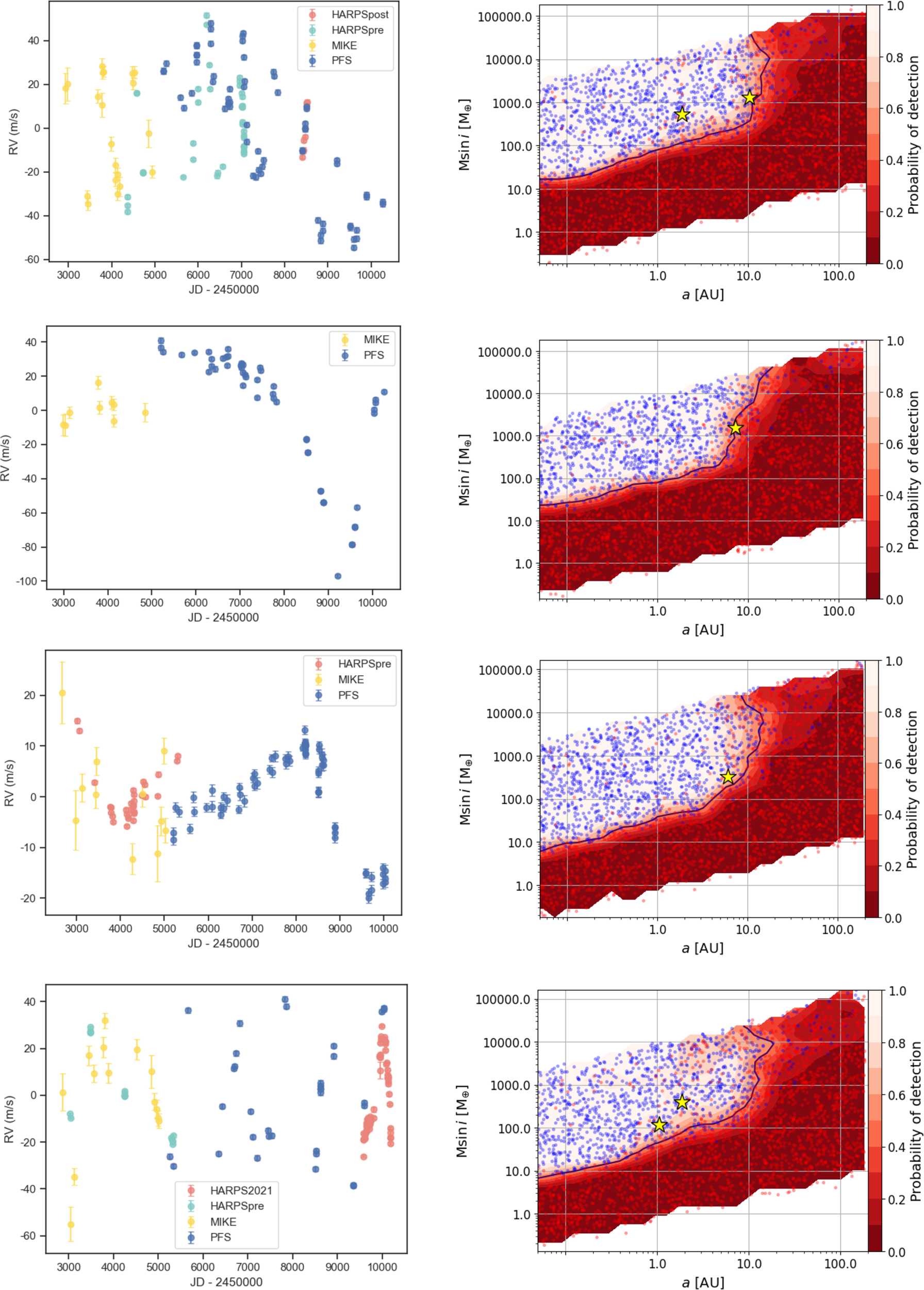
Figure 15: Injection–recovery completeness simulation showing system sensitivity to Jupiter analogs as a function of Msini and a.
Looking forward, the authors emphasize that Gaia DR4—anticipated with full epoch astrometry and improved baselines—will significantly enhance detection power for the next generation of cold Jupiters. Direct imaging via high-contrast, mid-IR instrumentation such as ELT/METIS will empirically probe atmospheric and physical properties of the coldest, widest-separation gas giants. Dynamically misaligned architectures such as HD 48265 will be pivotal test cases for discriminating among competing formation and migration paradigms.
Conclusion
This work provides precise dynamical characterization for four long-period cold Jupiters using full 3D orbits derived from combined RV and multi-epoch astrometry. Key results include the robust identification of a strongly mutually inclined planetary pair (HD 48265), a high-eccentricity, directly imageable planet (HD 68475 b), a Jupiter analog at unprecedented orbital period (HD 100508 b), and a system manifesting efficient disk-driven eccentricity damping (HD 114386). The presented methodology demonstrates the critical value of multi-year astrometric series when integrated with legacy and new-generation Doppler surveys, both for breaking classical RV limitations and for uncovering complex planetary architectures otherwise beyond reach. The results foreshadow a major expansion in the observable parameter space for cold Jupiters with next-generation astrometric and imaging surveys (2601.11280).