- The paper presents a novel micro-knife bonding method to seal vacuum cells for quantum devices, achieving low leak rates and an impressive yield above 85%.
- It validates the approach with saturated absorption spectroscopy on cesium vapor, demonstrating narrow sub-Doppler linewidths of 10–20 MHz indicative of minimal gas contamination.
- The study highlights the benefits of wafer-scale fabrication, strong mechanical bond strength, and innovative seal designs that facilitate integration in cutting-edge quantum applications.
Wafer-Scale Micro-Knife Sealed Vacuum Cells: An Innovative Approach to Quantum Devices
Introduction to Quantum Device Vacuum Sealing
The research paper "Wafer-Scale Micro-Knife Sealed Vacuum Cells for Quantum Devices" (2602.00390) presents an advanced fabrication technique for the development of vacuum cells tailored for quantum devices. These devices, including quantum sensors, atomic clocks, and information technologies, require precise environmental control to avoid performance degradation. Achieving chip-scale integration of these devices necessitates vacuum cells that exhibit low leak and gas permeation using wafer-scale fabrication methods. The paper introduces plastic deformation micro-knife bonding as an efficient method for bonding selectively etched fused silica wafers to create vacuum cells, offering significant advantages for future applications in quantum technologies.
Spectroscopy of Vacuum Cells
The paper provides a thorough characterization of vacuum cells through saturated absorption spectroscopy and fluorescence measurements, focusing on cesium (Cs) atomic vapor. The results indicate that simple vapor cells achieve narrow sub-Doppler peaks with widths in the range of 10–20~MHz. Residual background gas slightly broadens these peaks, attributed to factors such as insufficient getter capacity and source outgassing. Additionally, the vapor cells demonstrate low residual gas pressures (≪10−3mbar), conducive to atomic beam collimation.
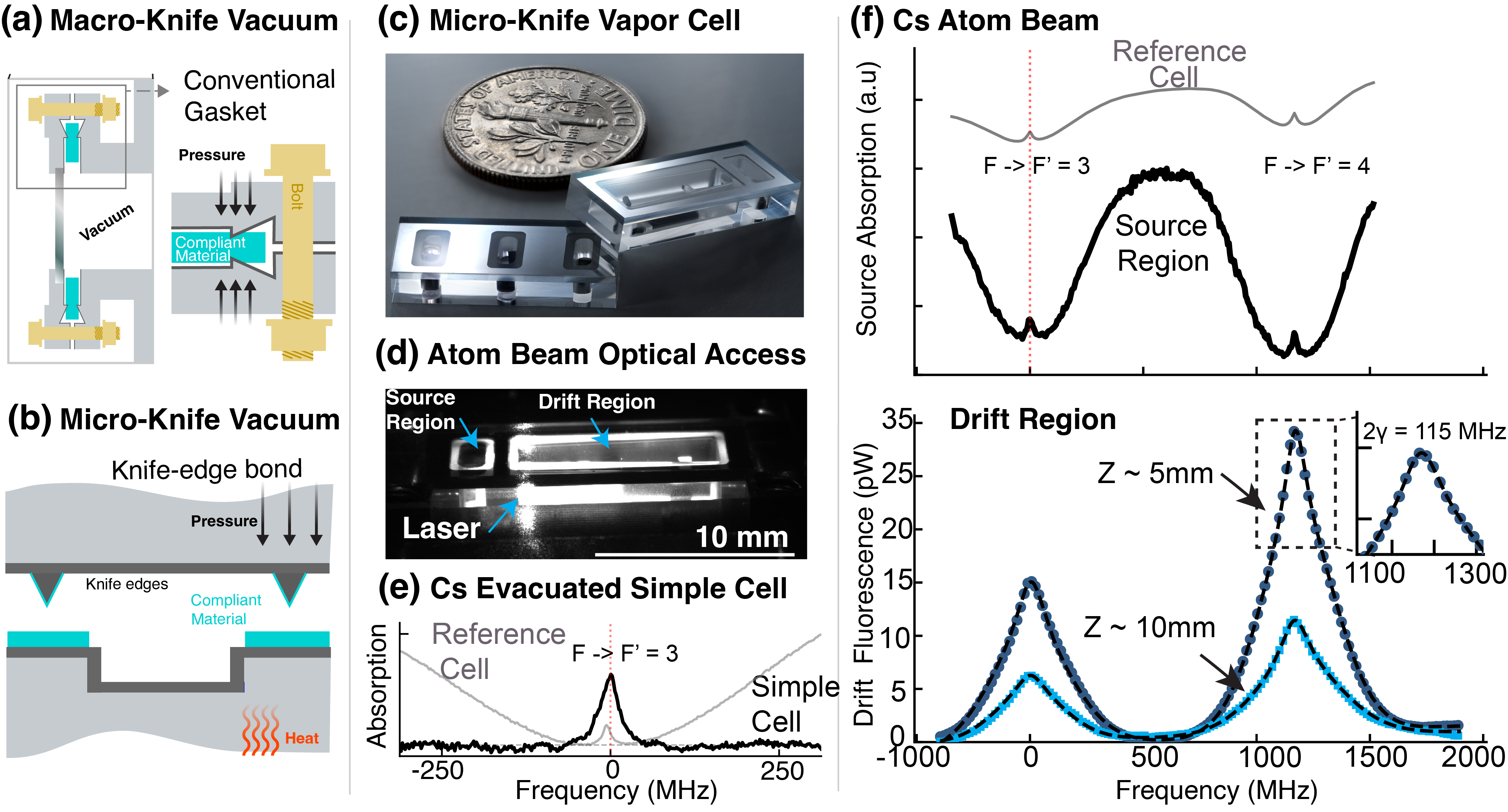
Figure 1: A depiction of conventionally fabricated vacuum chambers and the micro-knife deformation bonding approach.
Vacuum Cell Fabrication Techniques
The fabrication process leverages plastic deformation bonding with micro-knife edges, which allows bonding of wafers at low temperatures by deforming materials beyond their yield points. Traditional bonding techniques suffer from high temperature requirements or contamination issues, whereas micro-knife deformation offers intimate metal-metal contact facilitating diffusion bonding. This method simplifies the fabrication complexity and enhances yield, transitioning prototypes to wafer-scale processes.
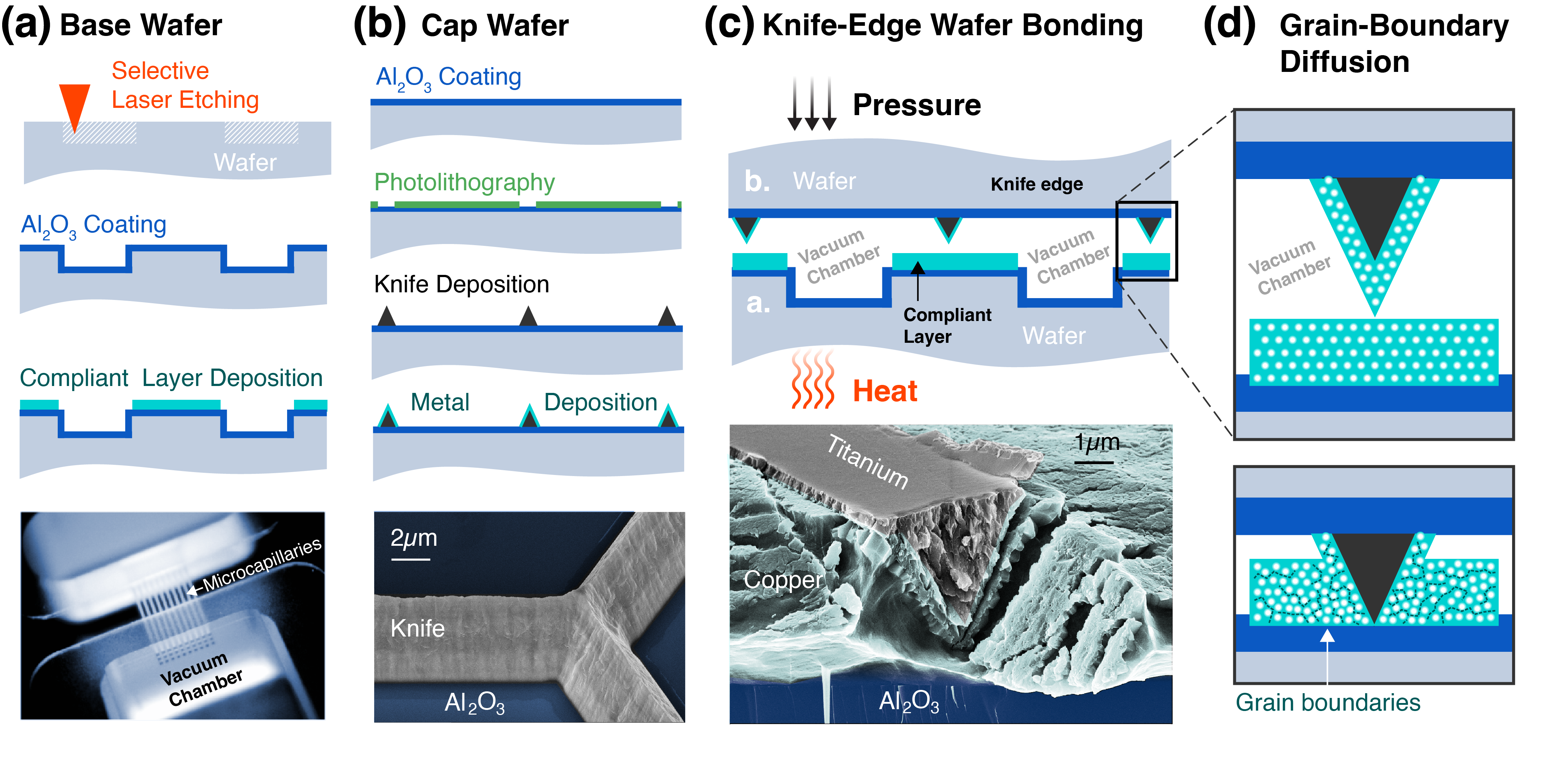
Figure 2: Internal cavity formations and sealing layers in vapor cell fabrication.
The paper illustrates intricate seal designs, such as nested racetrack knife-edges and unconventional honeycomb lattice knives, enhancing vacuum maintainability. The use of Al2O3 coatings further reduces helium permeation, a crucial development for sustaining low leak rates suitable for quantum applications. The paper reports leak rates below fine-leak testing sensitivity, a testament to the robustness of the sealing approach.
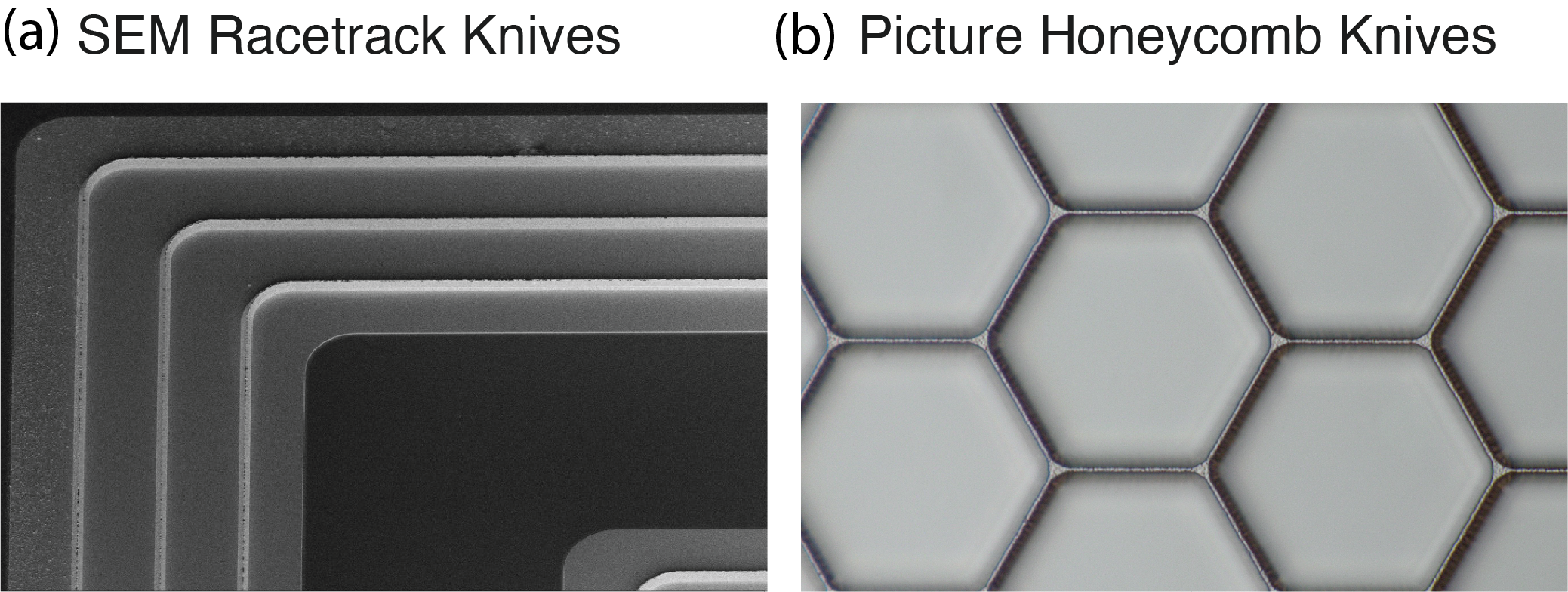
Figure 3: SEM image of seal patterns demonstrating vacuum moat implementations.
Mechanical Strength and Yield Implications
The paper discusses mechanical strength evaluations of the vapor cells, indicating a linear relationship between bond strength and bonding temperature. A maximum shear-force strength of approximately $15$MPa confirms the resilience of the bonding technique under various fabrication conditions. The study reports an impressive yield above 85% across the wafer, highlighting the commercial viability of the approach for quantum device manufacturing.
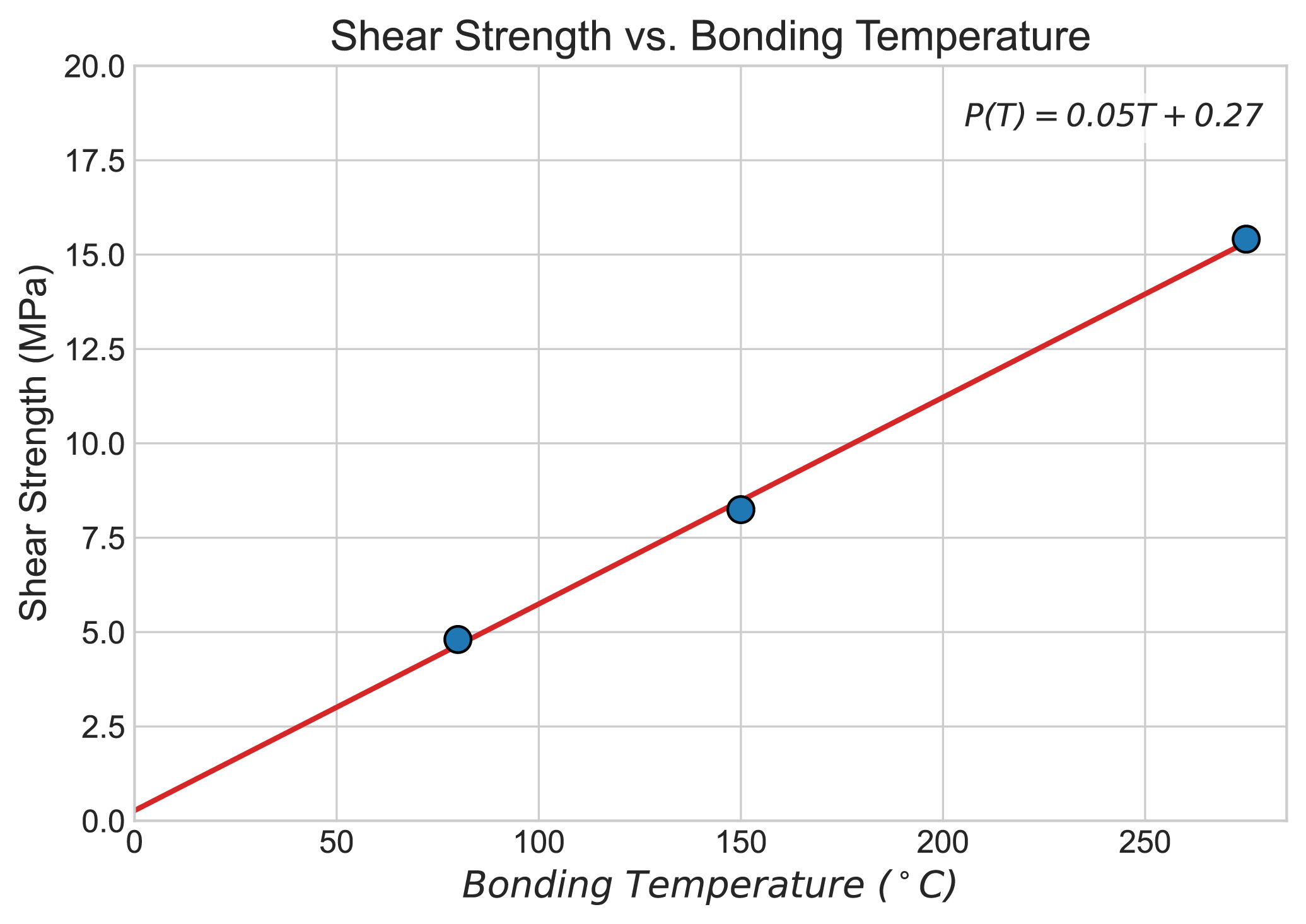
Figure 4: Shear force testing results reflecting the bond strength dependence on temperature.
Conclusion
In conclusion, the paper showcases advancements in wafer-scale bond processes for quantum devices, highlighting the efficacy of micro-knife edge plastic deformation bonding. This process provides pathways to achieving low leak rates and supports integration of single-crystalline transparent materials and photonic circuits. It offers significant potential for future quantum device development, including ultra-high vacuum cells for laser cooling and optomechanical devices, thus contributing to the progression of quantum technologies.