- The paper demonstrates that thermal activation in amorphous solids triggers a finite-size crossover from intermittent, scale-free avalanches to runaway, system-spanning events.
- The paper employs a coarse-grained elastoplastic model with Arrhenius activation to reveal temperature-dependent avalanche statistics and scaling laws.
- The paper finds that the critical temperature scales algebraically with system size, implying that a stable solid-like phase vanishes in the thermodynamic limit.
Finite-Size Crossover from Scale-Free to Runaway Avalanches in Amorphous Solids
Model Overview and Protocols
This work analyzes thermal avalanche dynamics in amorphous solids utilizing a coarse-grained elastoplastic model (EPM) incorporating local Arrhenius thermal activation, absent external shear. The model is defined on a 2D lattice with scalar stress fields; yielding events relax local stress and redistribute via a randomly oriented Eshelby kernel. Two activation protocols are considered: thermal dynamics (Arrhenius stochastic activation below threshold) and extremal dynamics (deterministic activation of all sites with stability below a cutoff x0).
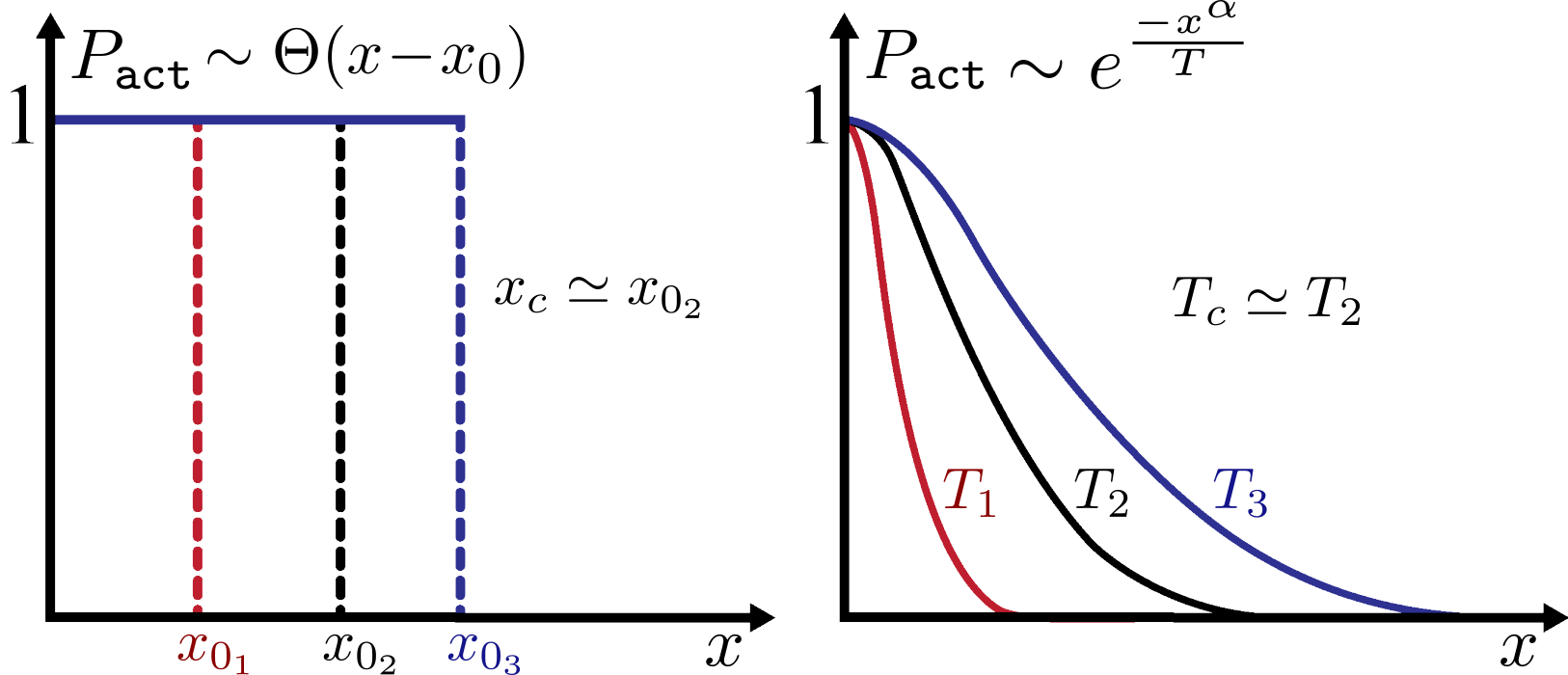
Figure 1: Schematic comparison between extremal and fully thermal activation protocols, illustrating a priori activation probabilities for site yielding.
The model's configuration enables investigation of avalanche statistics and dynamical heterogeneities arising solely from thermal fluctuations. At each time step, avalanche initiation and propagation reflect the combination of deterministic yield (stress exceeding threshold) and activation probabilities governed by thermal fluctuations.
Dynamical Heterogeneity and Persistence Analysis
Thermal avalanches display pronounced dynamical heterogeneities, with plastic activity organized in spatially and temporally correlated bursts rather than homogeneously spread configurations. The persistence p(t), defined as the fraction of sites not yet activated, decays with time and exhibits an Arrhenius temperature dependence for the relaxation time τα.
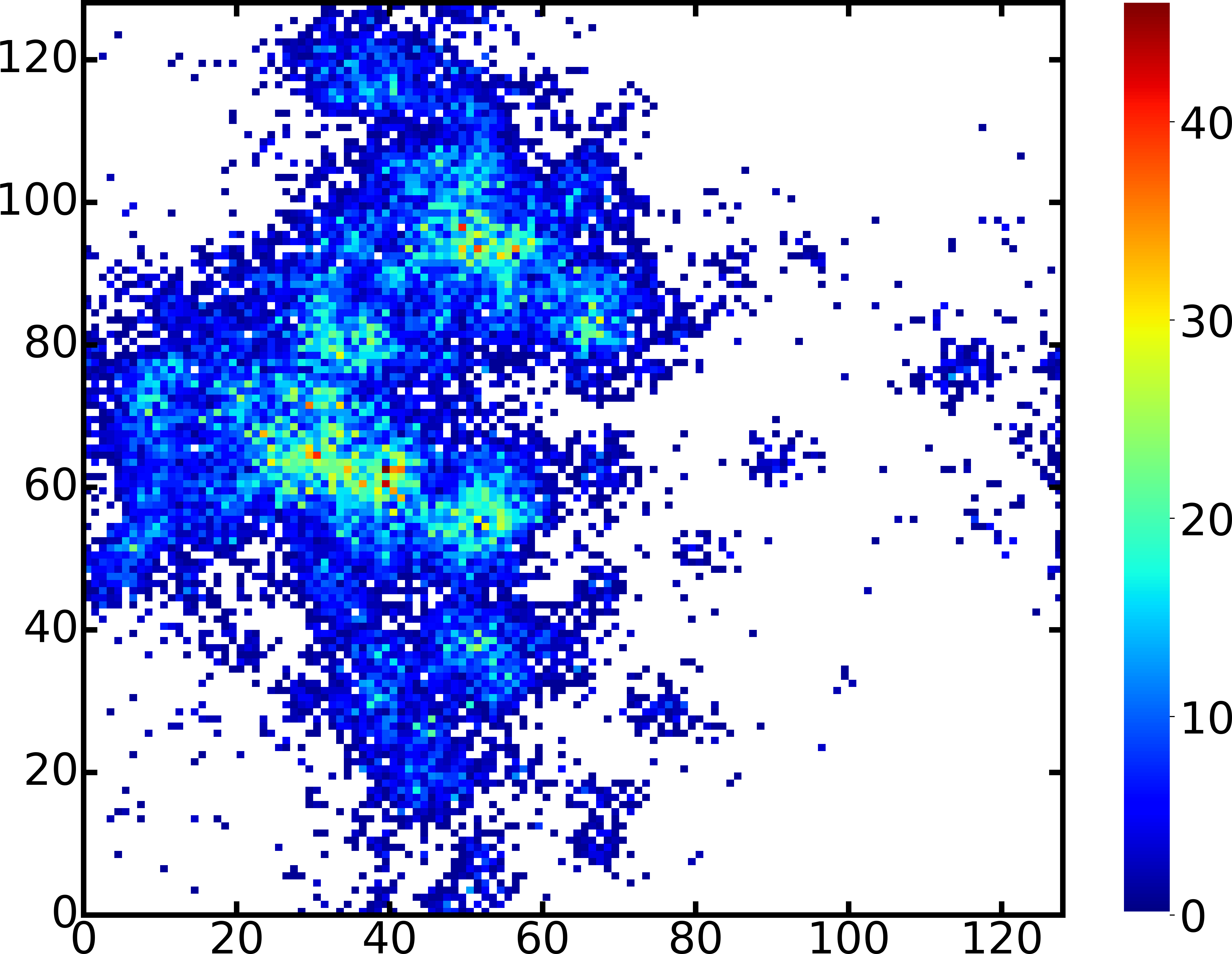
Figure 2: Spatial map of site activation during a representative avalanche, emphasizing localization and spatiotemporal heterogeneity.
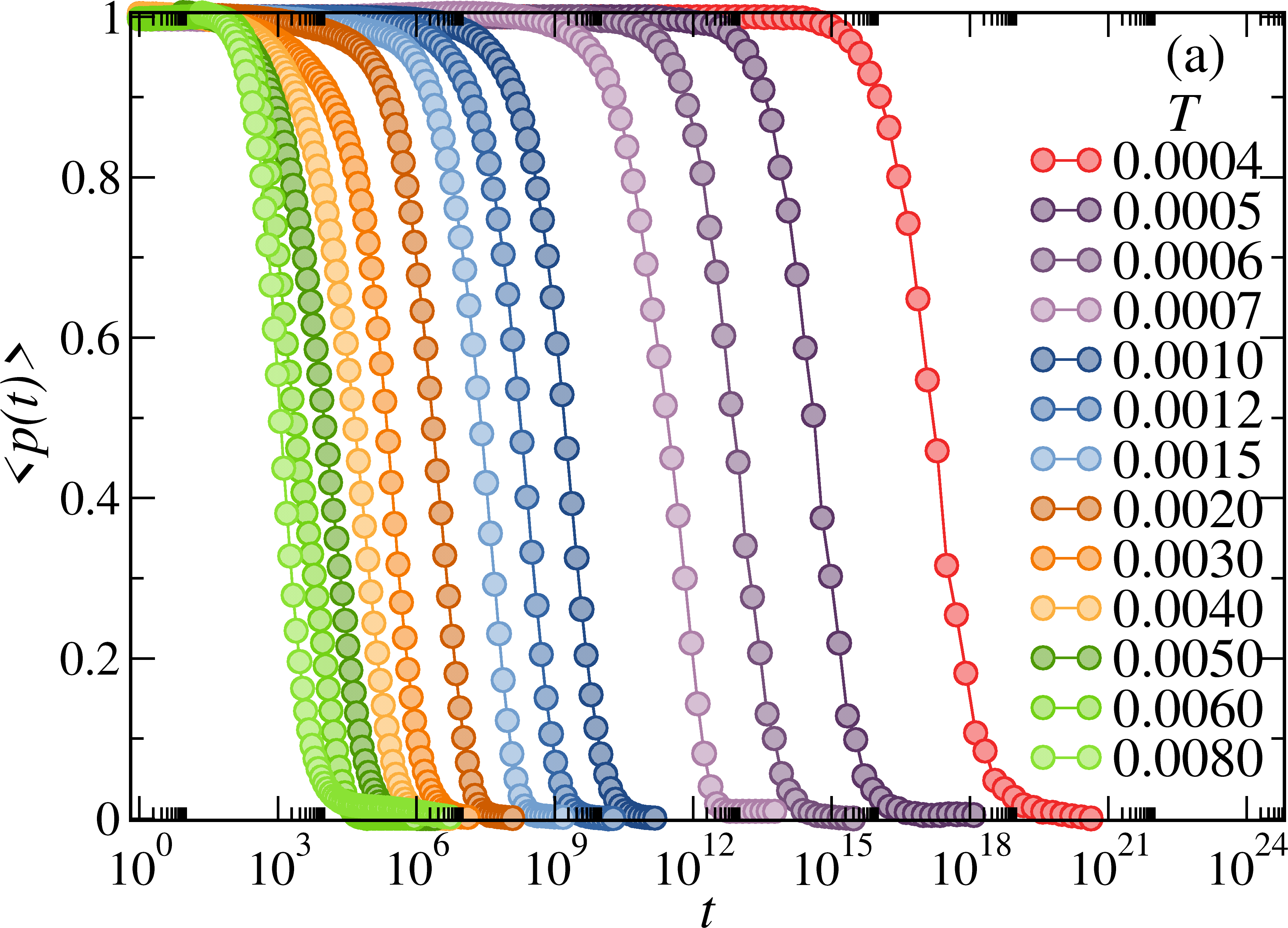
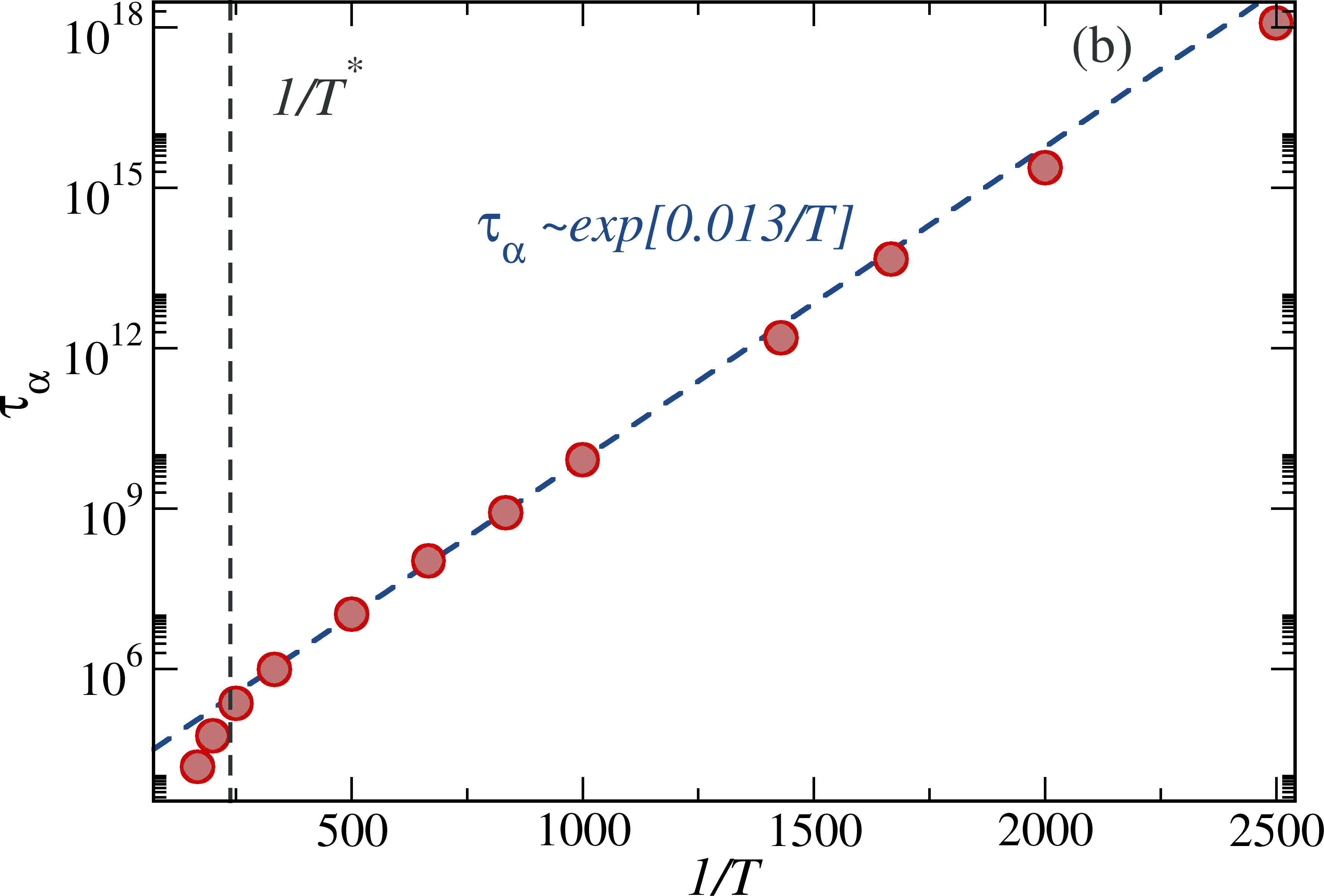
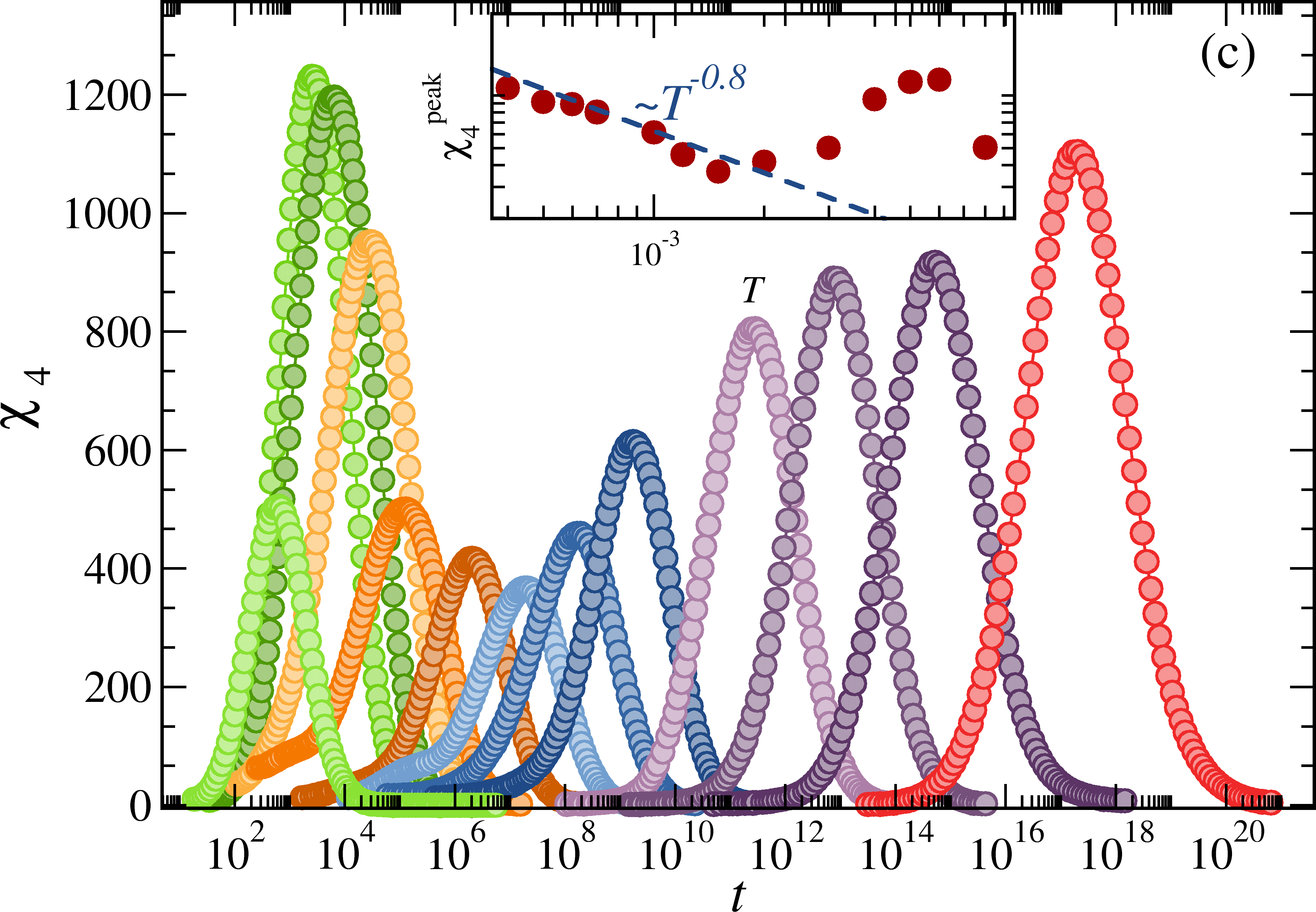
Figure 3: Mean persistence, relaxation time, and four-point susceptibility χ4 as functions of temperature; χ4 quantifies dynamical correlation and exhibits non-monotonic behavior.
As T decreases, χ4 peaks shift to longer times and increase in amplitude, consistent with growth in dynamical correlation length. A distinct crossover temperature T∗ is identified, corresponding to qualitative changes in both relaxation and heterogeneity, interpreted as an instability threshold organizing the avalanche dynamics.
Avalanche Statistics: Extremal and Thermal Dynamics
Avalanche size (S), activation count (SA), and duration (D) distributions under extremal dynamics reveal scale-free power-law regimes for x0 near a critical value xc, interrupted by exponential cutoffs at low x0 and by system-spanning runaway peaks at higher x0. At the critical point, the avalanche size exponent τ≃1.48 is robust across statistics, agreeing with prior literature.
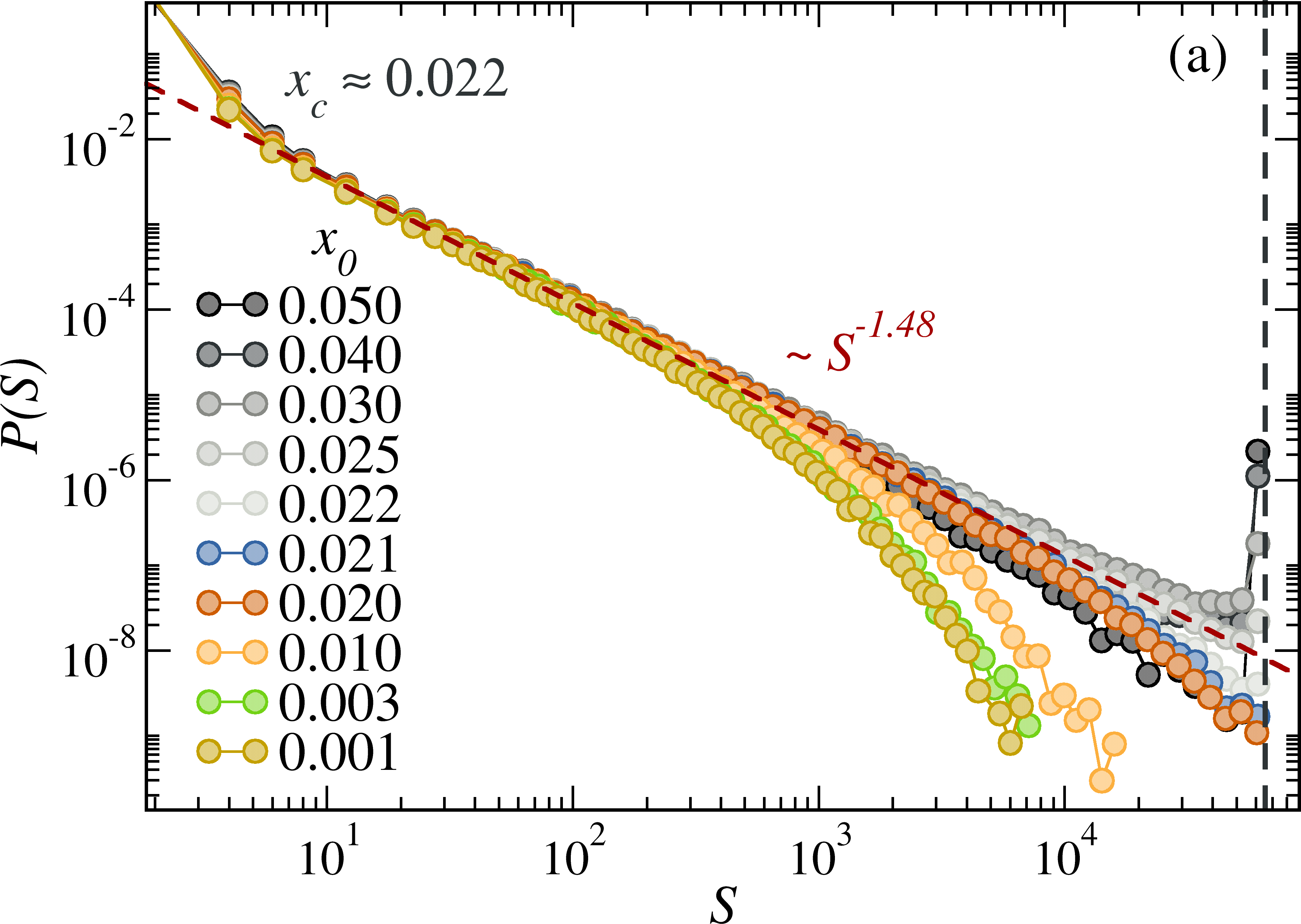
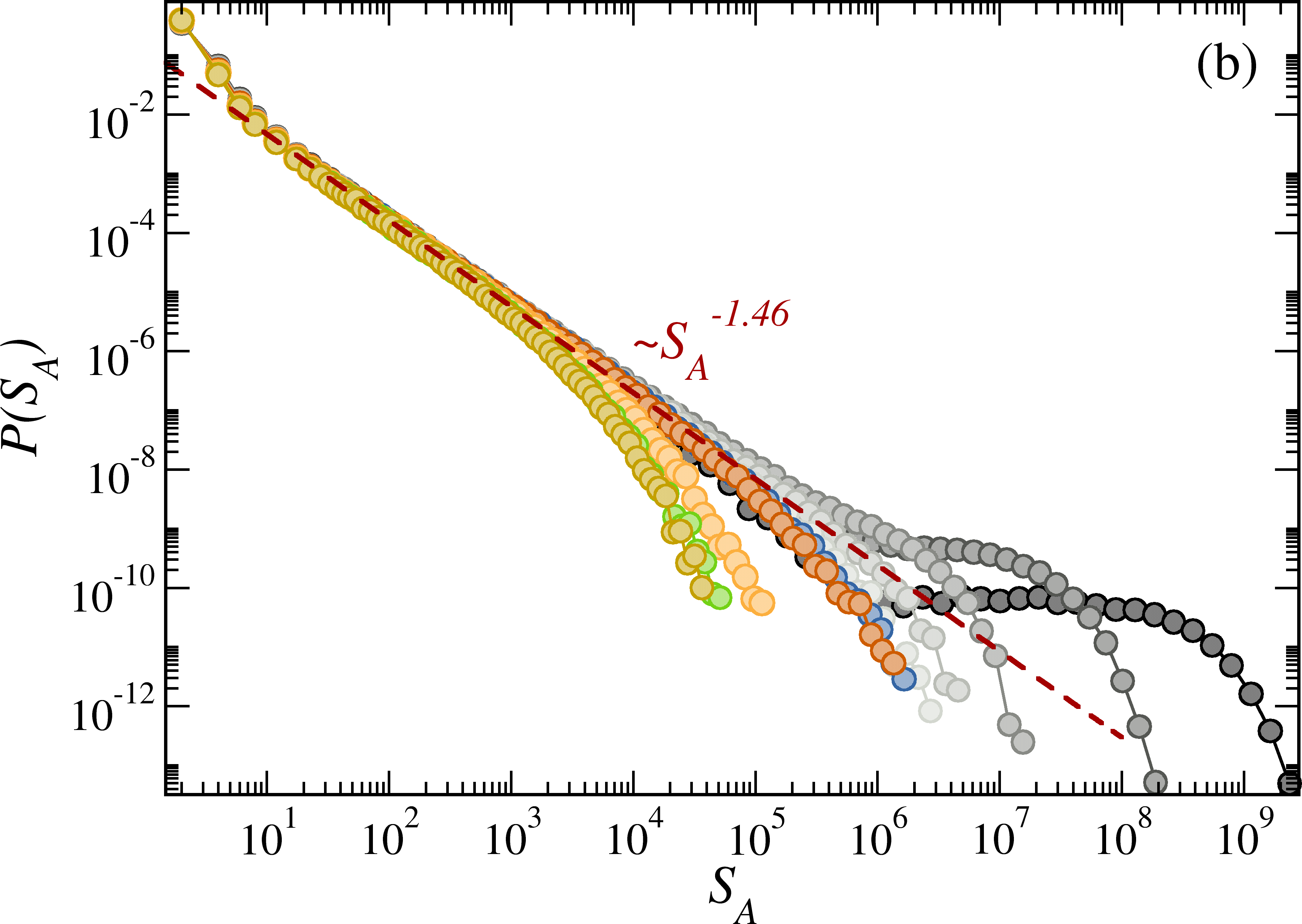
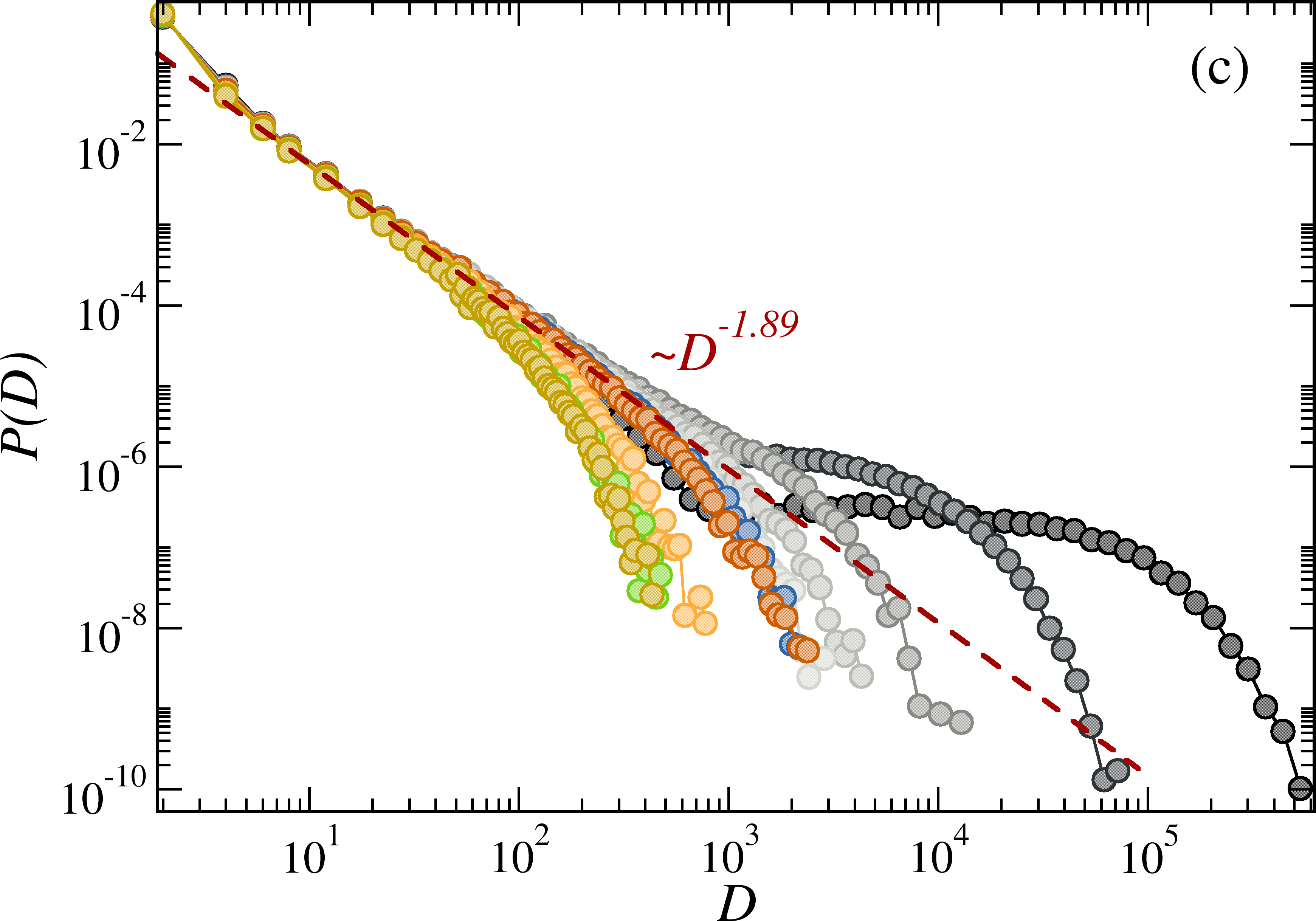
Figure 4: Avalanche size, total activations, and duration distributions for varying x0 in extremal dynamics protocol; highlights transition to runaway regime.
Detailed analysis distinguishes short-duration scale-free avalanches from long-duration system-filling events (runaways), the latter dominating the probability distribution above threshold.
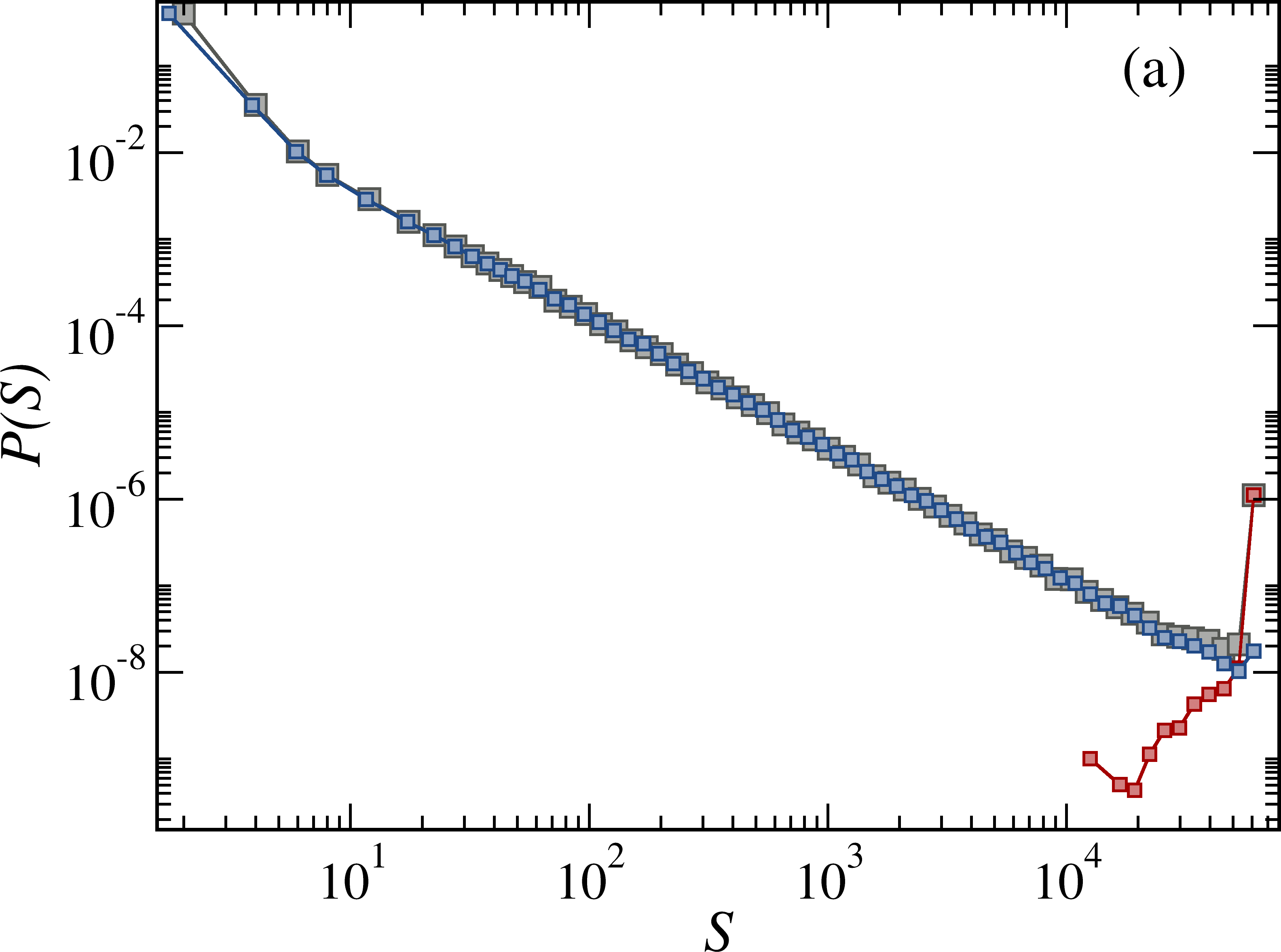
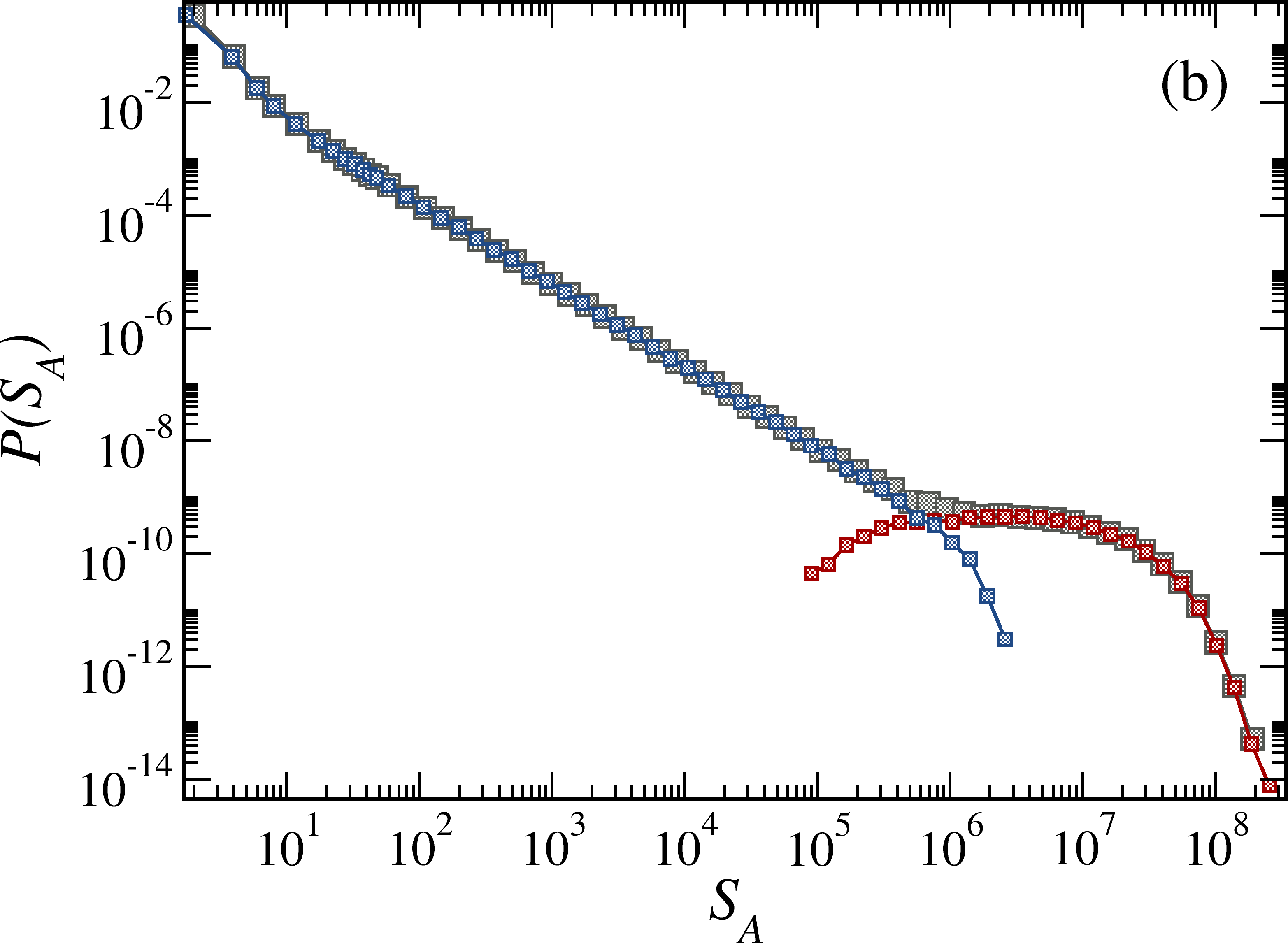
Figure 5: Partial distributions for avalanche size and activation, separating short (non-runaway) and long (runaway) events; system-size saturation is evident for the latter.
Thermal Protocol: Temperature-Driven Crossover
Under Arrhenius thermal activation, avalanche statistics reveal a system-size-dependent critical temperature Tc(L) separating scale-free intermittent dynamics (for T<Tc) from runaway avalanche regime (T>Tc). At Tc, avalanche distributions become power laws uninterrupted by cutoffs, while at higher T, peaks indicate self-sustained, system-spanning events.
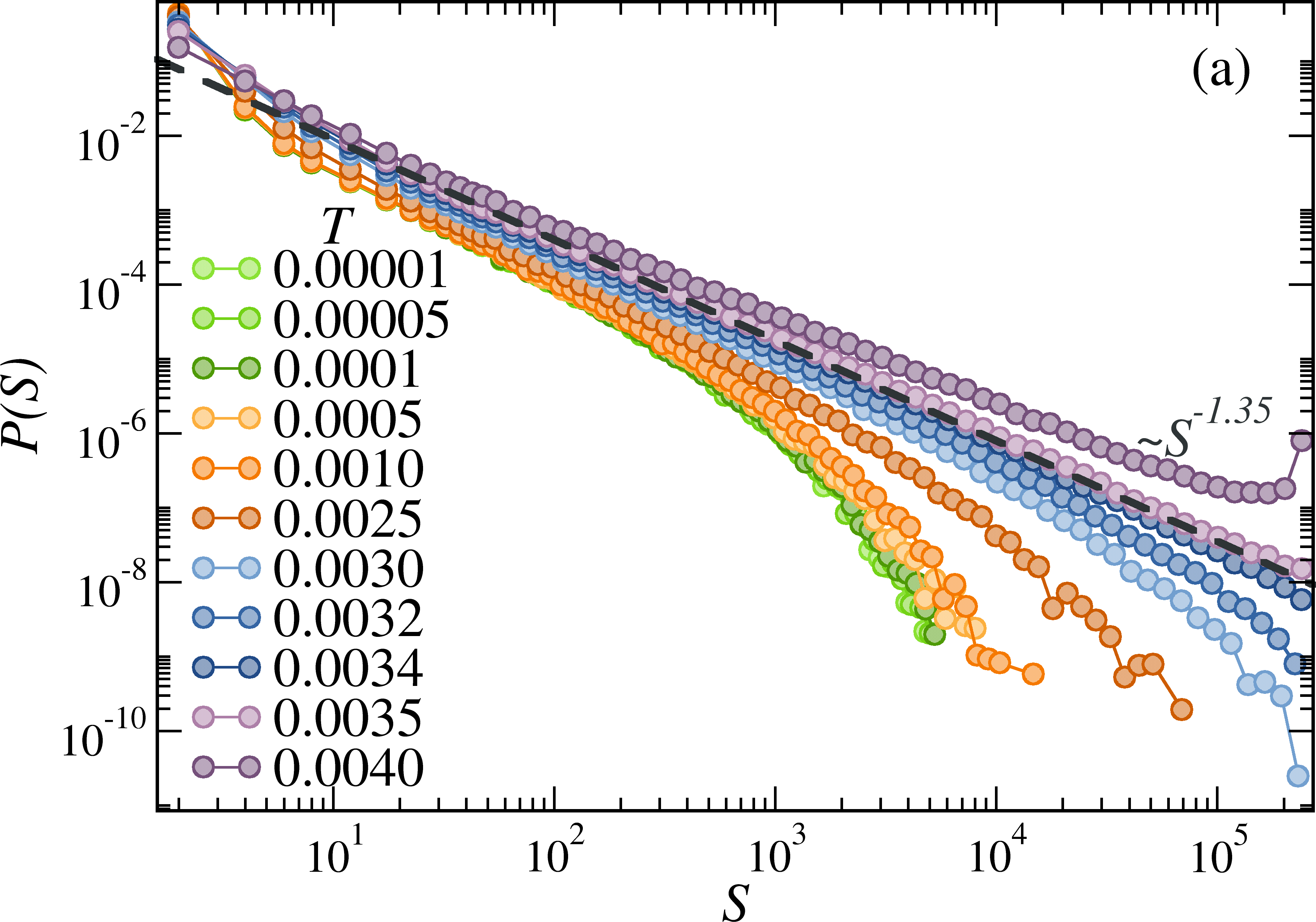
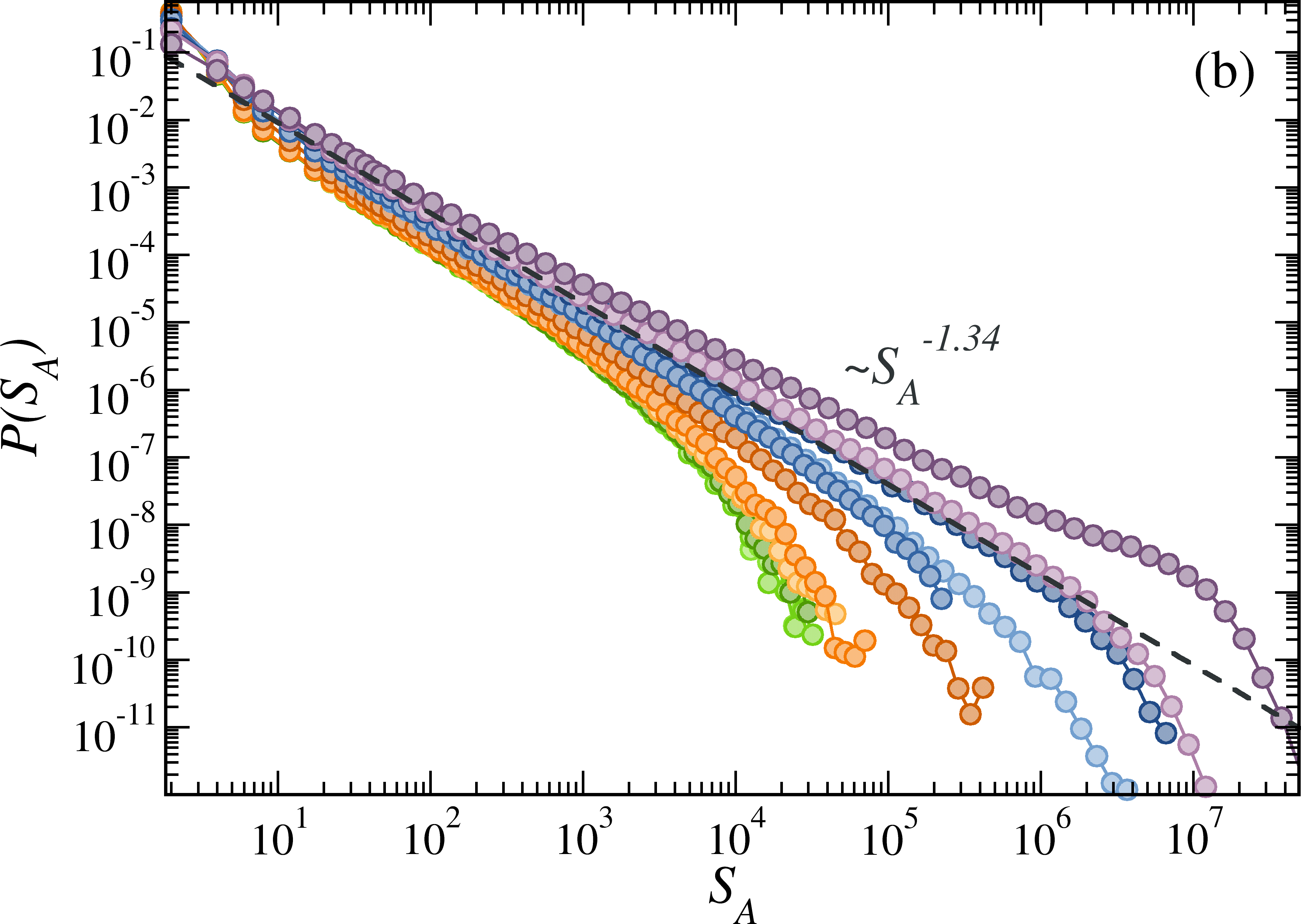
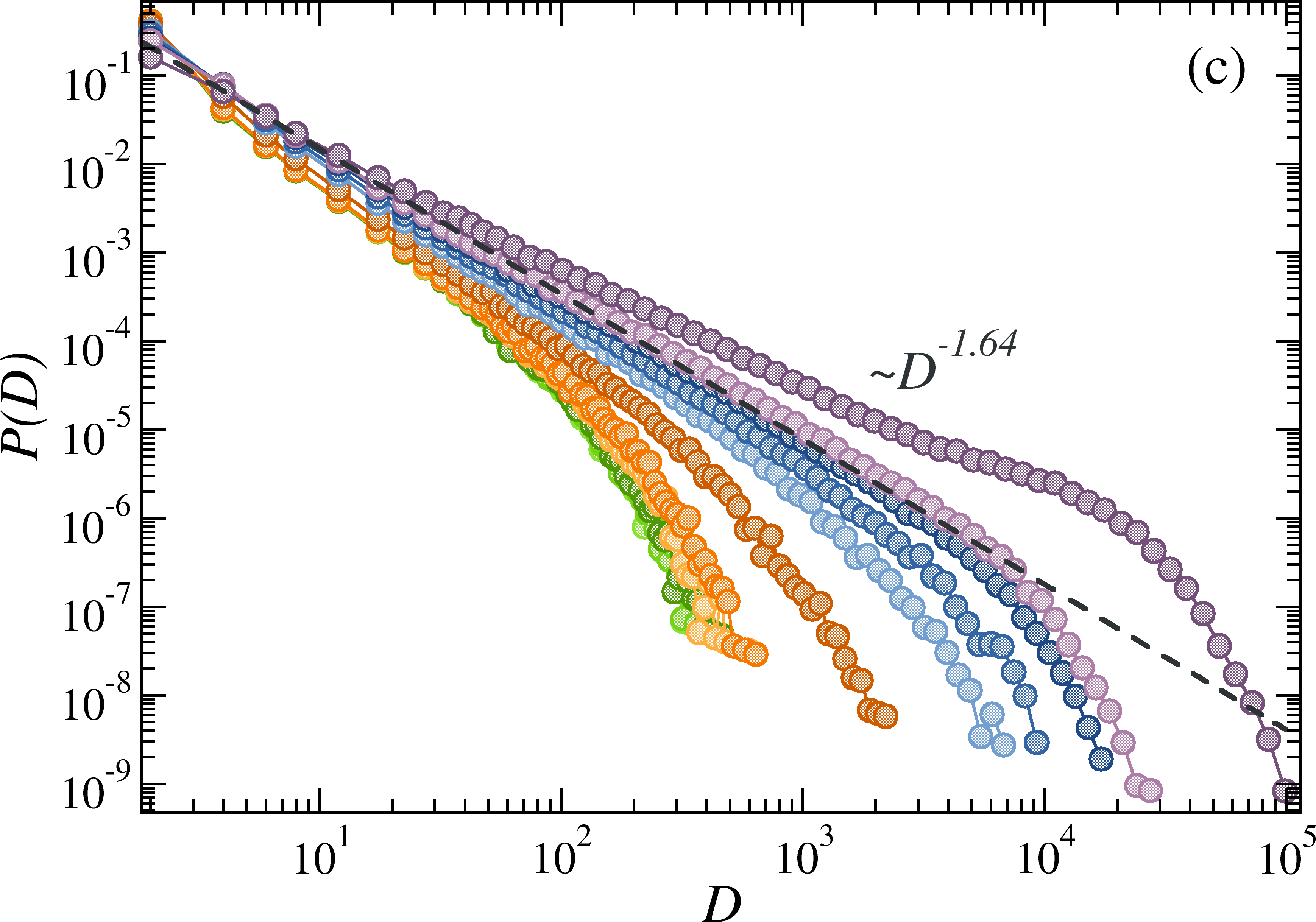
Figure 6: Avalanche statistics versus temperature at fixed size; power-law regimes and transitions to runaway peaks as T exceeds Tc.
Crucially, the statistics' exponents are temperature-dependent in the true thermal protocol, unlike extremal dynamics where power-law exponents are fixed by xc.
Critical Temperature Scaling and Instability
The critical temperature Tc(L) systematically decreases with increasing system size, following Tc∝L−η with η≈0.23. This scaling points toward the vanishing of the stability threshold in the thermodynamic limit, suggesting that for sufficiently large systems, even arbitrarily small but finite temperatures induce runaway avalanche activity.
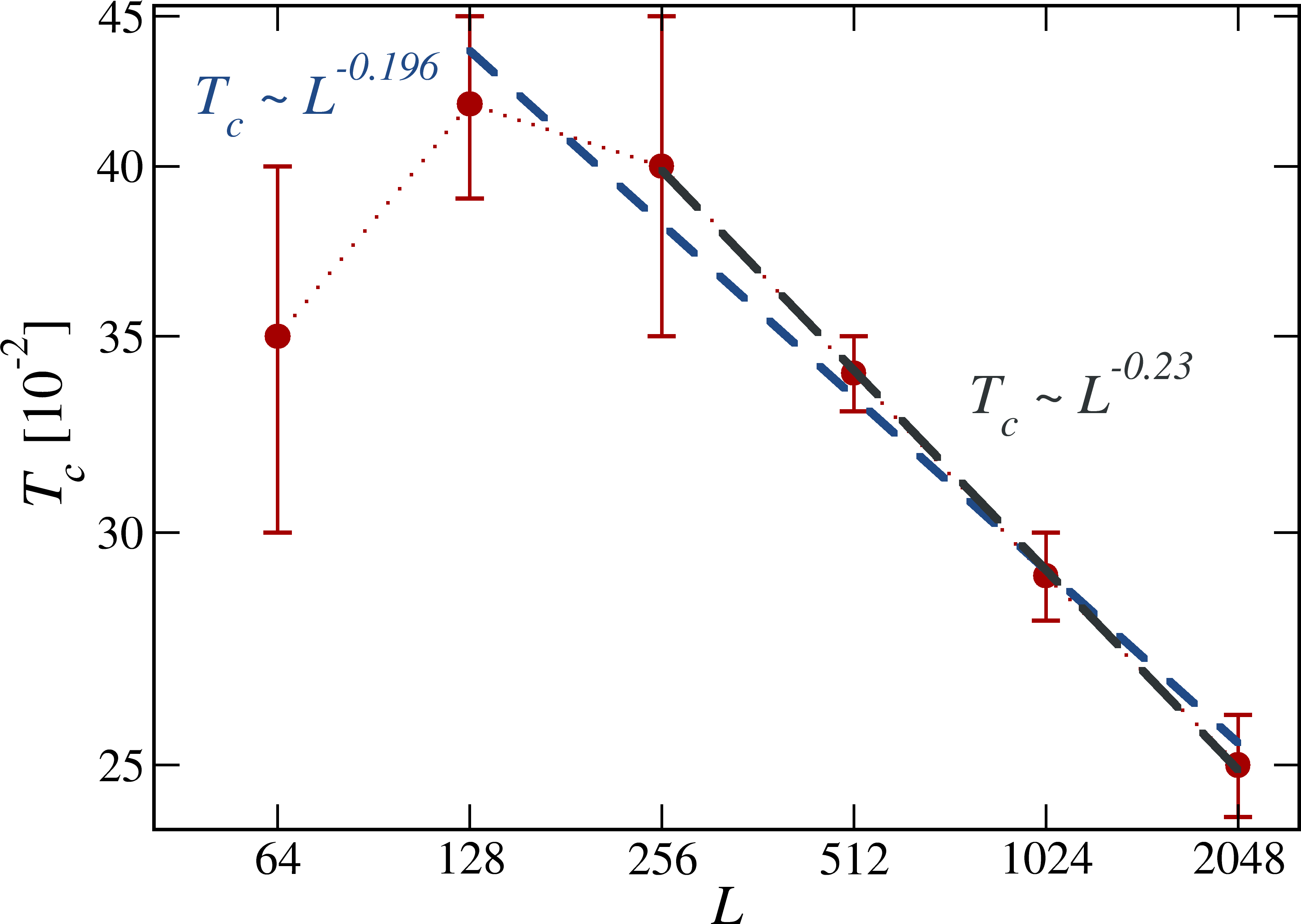
Figure 7: Log-log scaling of critical temperature Tc versus system size L; demonstrates algebraic decrease and absence of finite solid-like regime as L→∞.
Finite-Size Scaling and Avalanche Relations
At fixed subcritical temperature (T<Tc), avalanche size and activation distributions collapse using scaling forms P(S)∼S−τg(S/Sc) with cutoff dependent on system fractal dimension. Scaling exponents decrease with increasing L, indicating frequency enhancement of long-lived avalanches as L approaches regime near Tc.
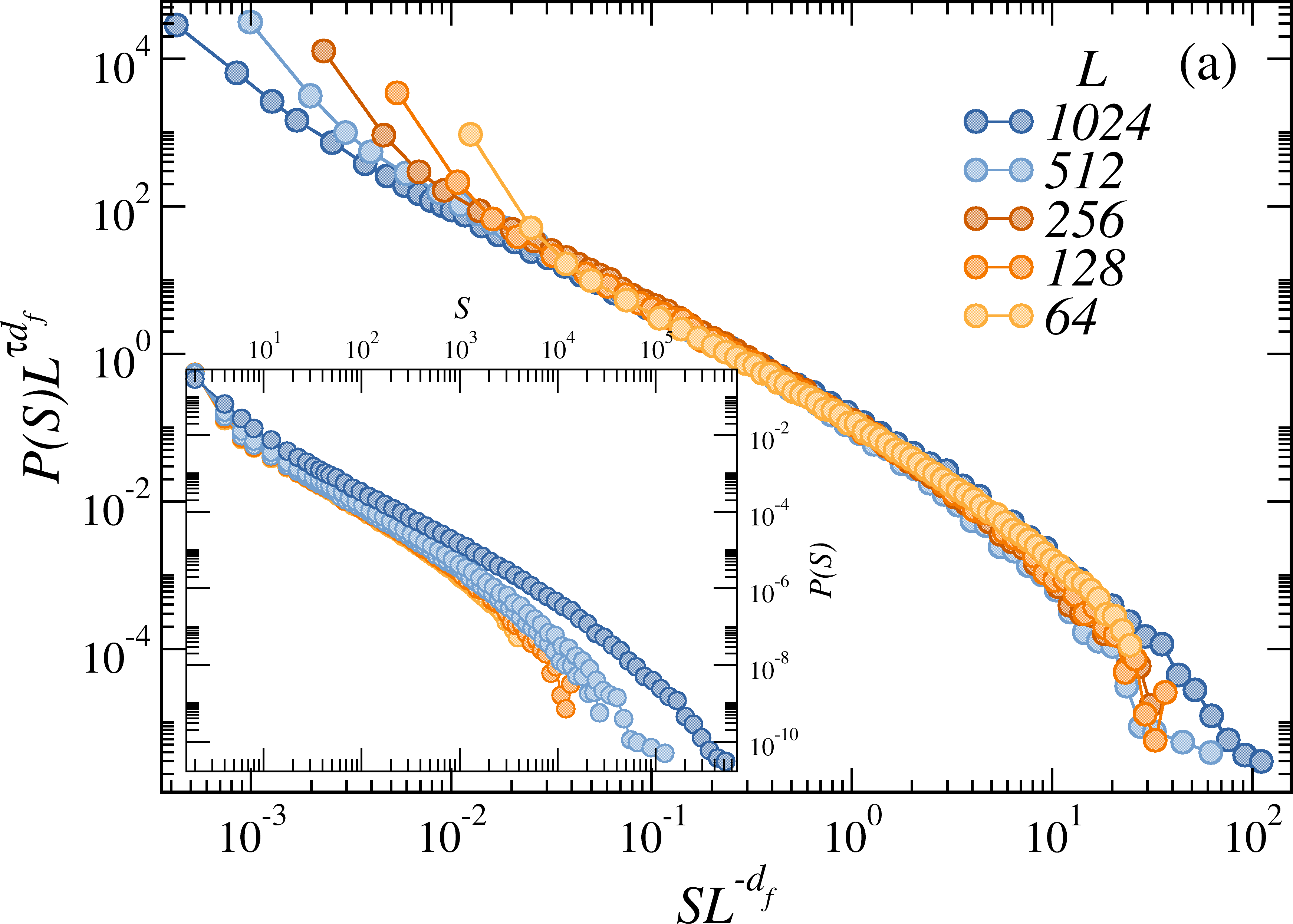
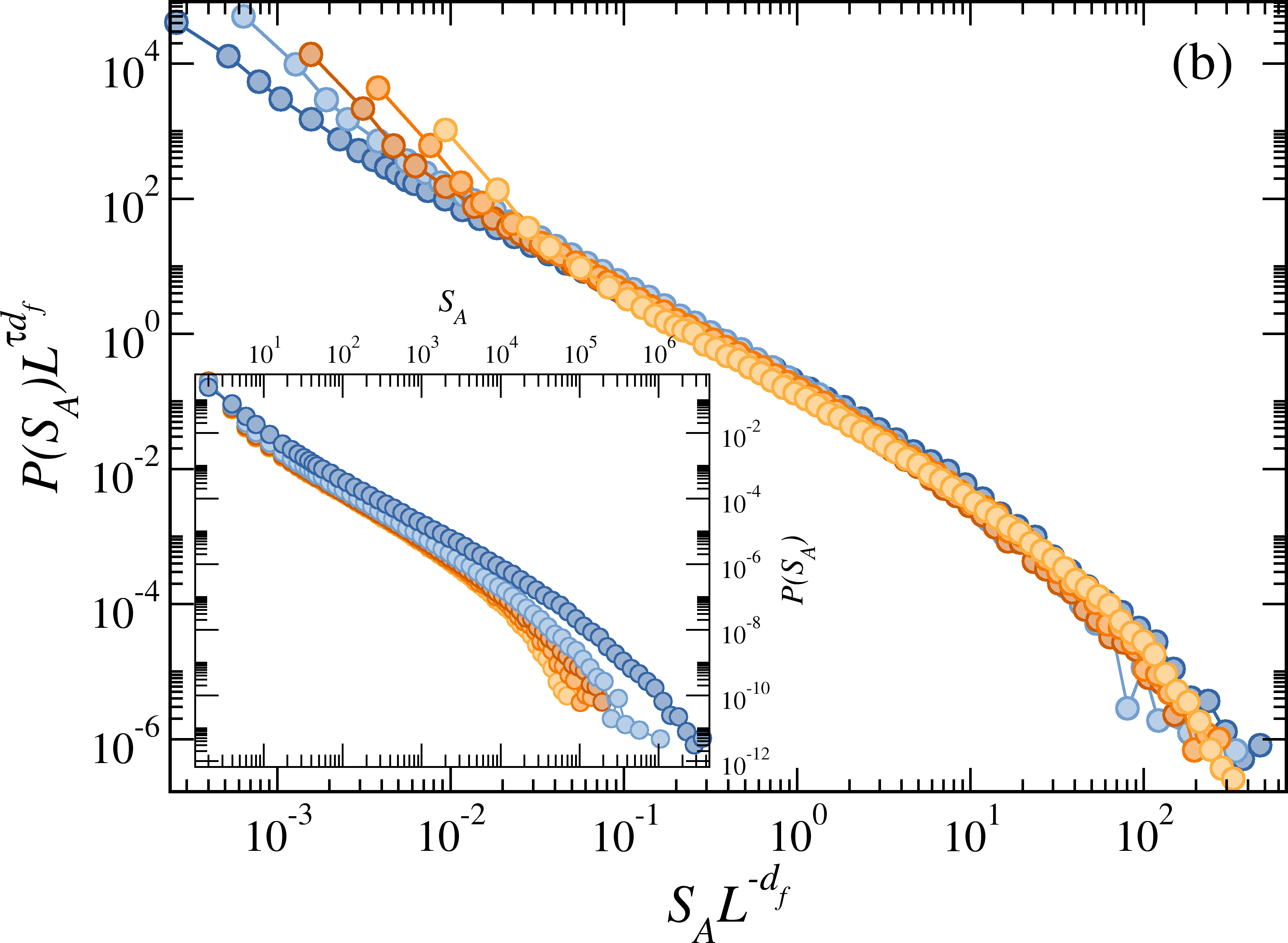
Figure 8: Finite-size scaling of avalanche size and activation distributions at fixed temperature, confirming fractal scaling with size-dependent exponents.
The relations between mean avalanche size and duration, ⟨S⟩∝D1.57, and activations, ⟨SA⟩∝D1.8, are remarkably independent of temperature and saturate at system size.
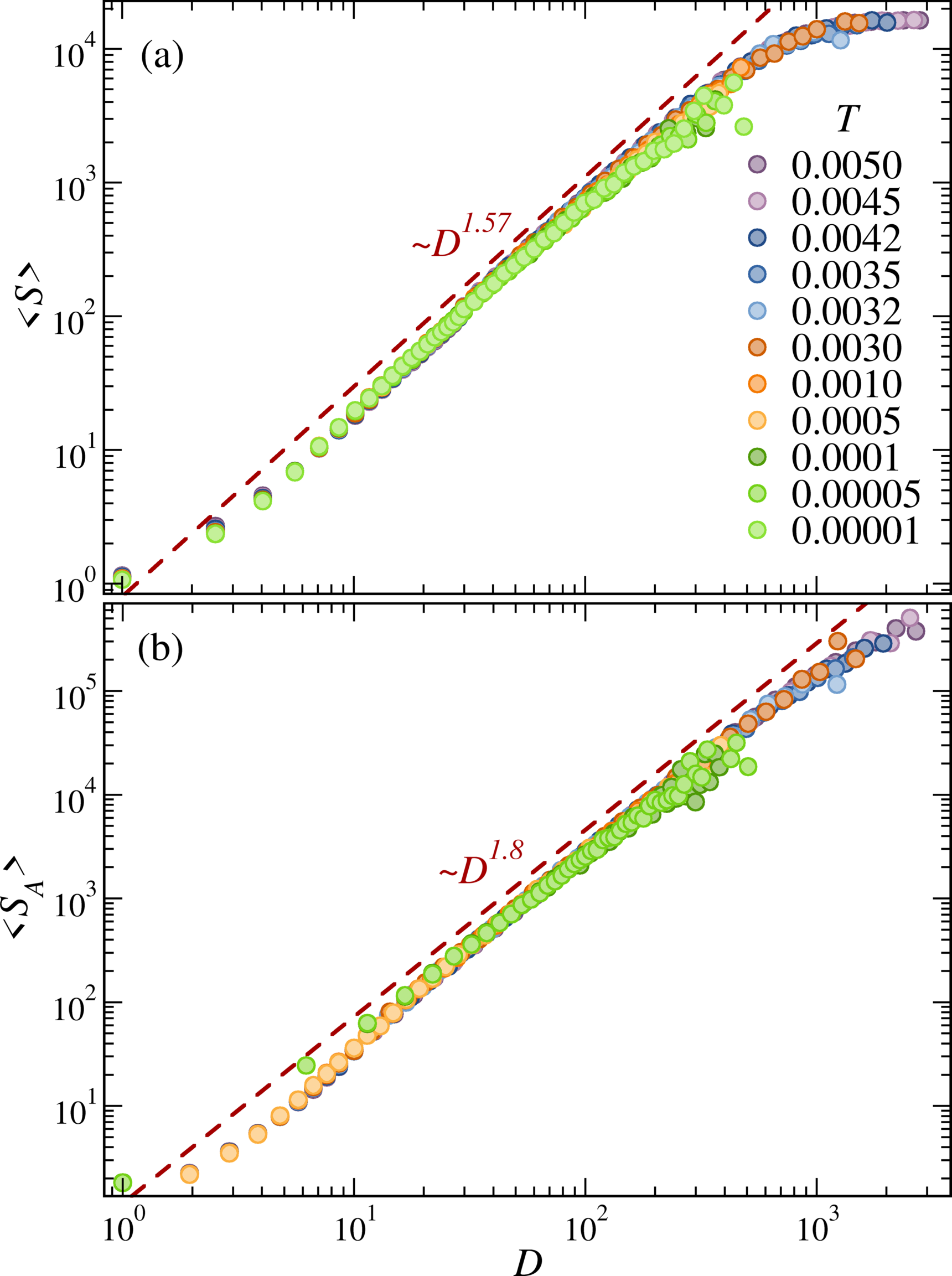
Figure 9: Mean avalanche size and activation versus duration; consistent power-law relations suggest robust geometry for thermal and driven systems.
Marginal Stability and Minimal Distance Statistics
Distributions of minimal distances to yielding P(xmin) provide insight into reorganization and exhaustion of energetic barriers due to thermal activation. As temperature increases, the exponent characterizing power-law behavior near x=0 grows from θ≈0.4 at low T (yielding-like) to θ≈1.7 near Tc, incompatible with uncorrelated dynamics and indicative of negative correlations or barrier exhaustion.
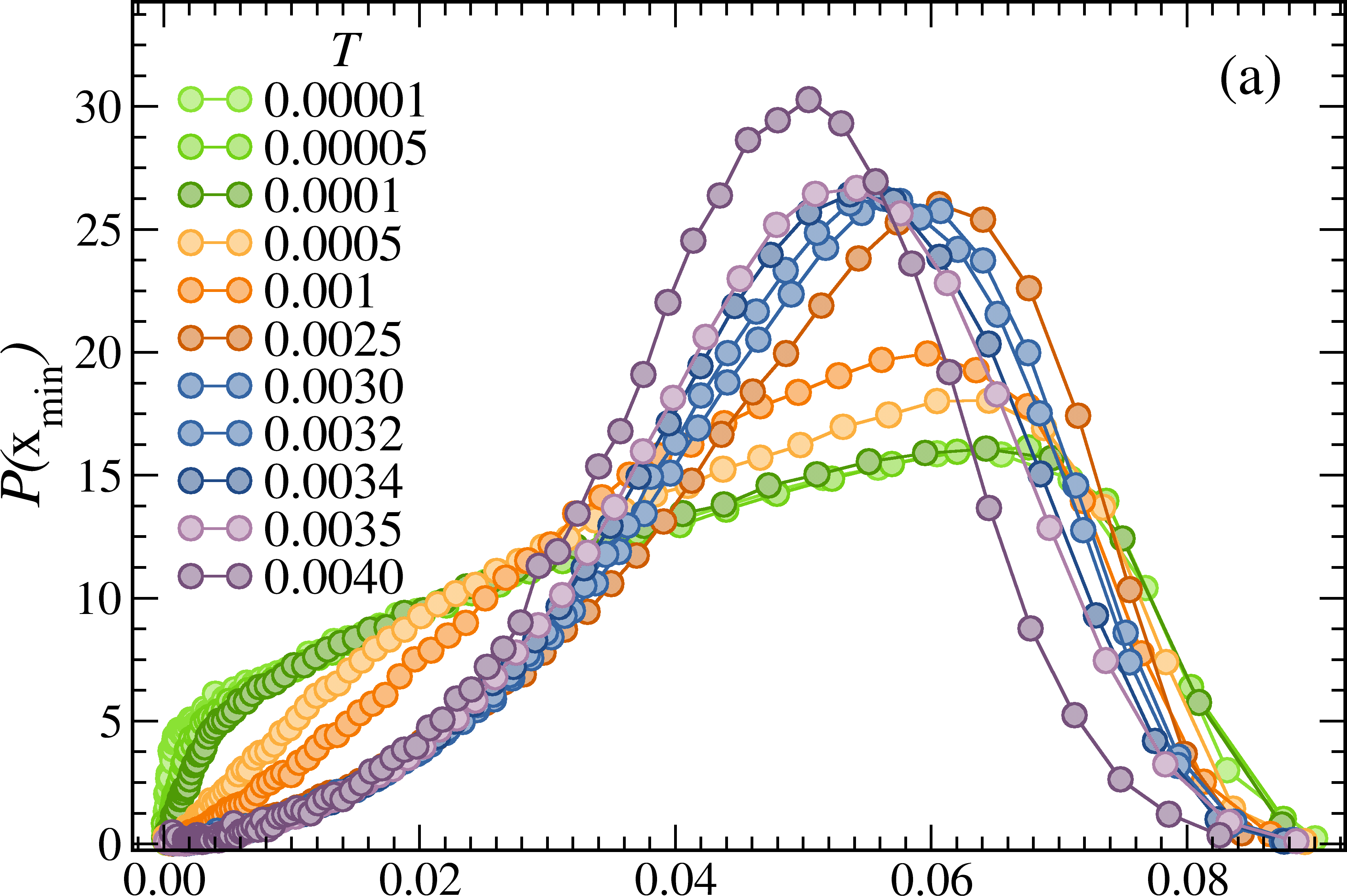
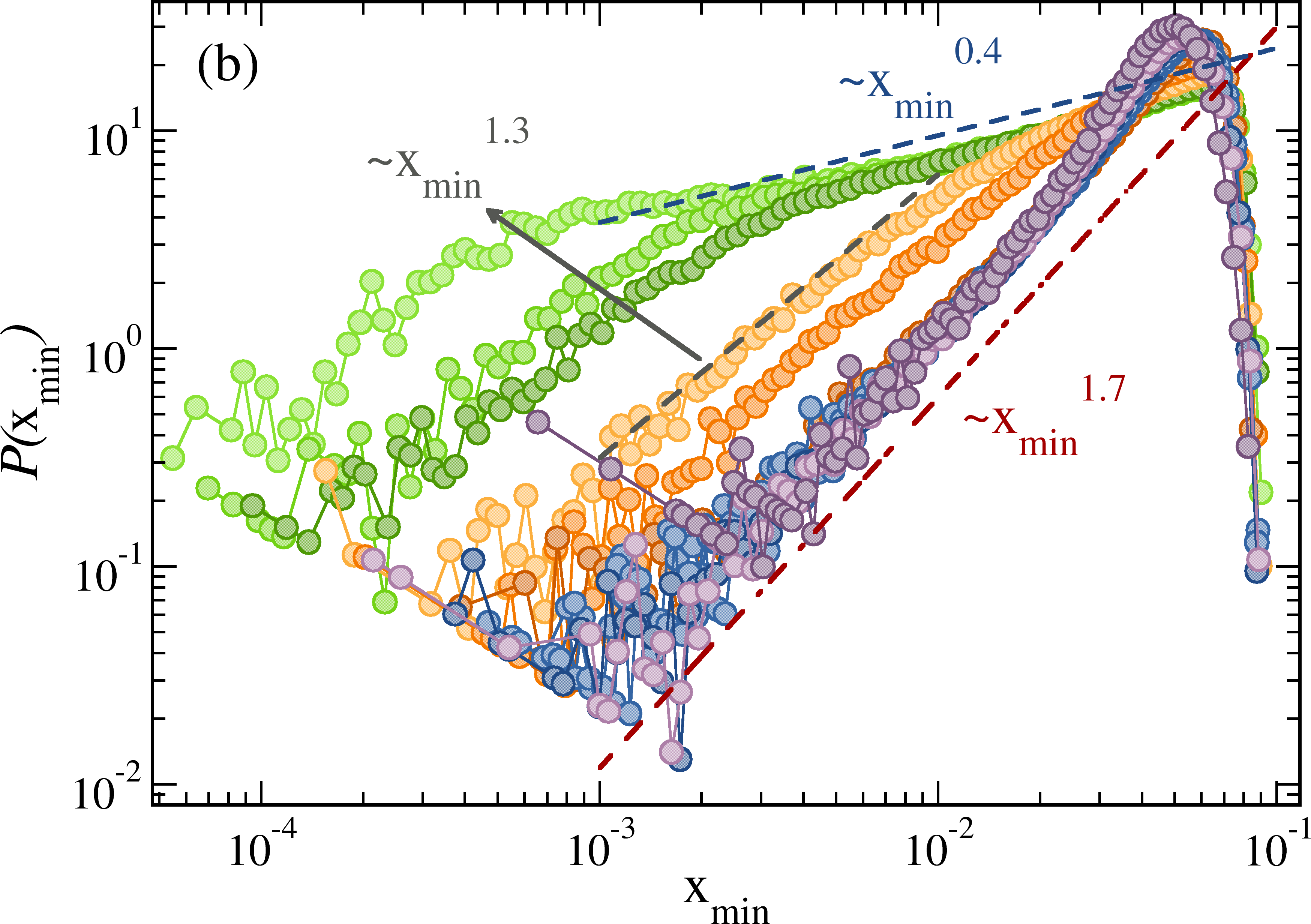
Figure 10: Distributions of minimal distance to yielding xmin across temperatures; exponents increase sharply near Tc, signifying gap creation and altered marginal stability.
No saturation in ⟨xmin⟩ is observed with size, contrasting driven systems where thermal plateau emerges, suggesting avalanche merging and activation differ fundamentally.
Implications and Theoretical Extensions
This analysis establishes that thermal activation alone, absent external forcing, initiates a finite-size crossover from intermittent scale-free avalanche activity to runaway, system-filling events, controlled by a critical temperature scale Tc(L). The algebraic vanishing of Tc with increasing L implies the solid-like regime is suppressed in the thermodynamic limit, theoretically linking marginal stability to thermal fluctuations in disordered elastic media.
Practical implications include understanding fluidization onset and instability in amorphous solids, glasses, and related materials under thermal fluctuations. The theoretical extension stands to inform studies of elastoplasticity, glass transition, and critical phenomena in disordered systems, with potential parallels in activation-driven interface models and cooperative contagion phenomena.
Future investigations should probe the universality and robustness of Tc(L) scaling in higher dimensions, microscopic disorder, and under varying interaction kernels; additionally, molecular dynamics simulations and experiments could validate avalanche crossover scenarios and scaling regimes.
Conclusion
This work demonstrates that purely thermal activation in amorphous solids triggers avalanches governed by a finite-size-dependent critical temperature, driving a crossover from scale-free intermittent dynamics to runaway avalanches. The critical temperature Tc(L) vanishes algebraically with system size, indicating the absence of a stable solid phase at any finite temperature in infinite systems. Marginal stability and avalanche statistics reorganize under thermal activation, with practical and theoretical implications for understanding instability, fluidization, and avalanche merging in disordered elastic media.