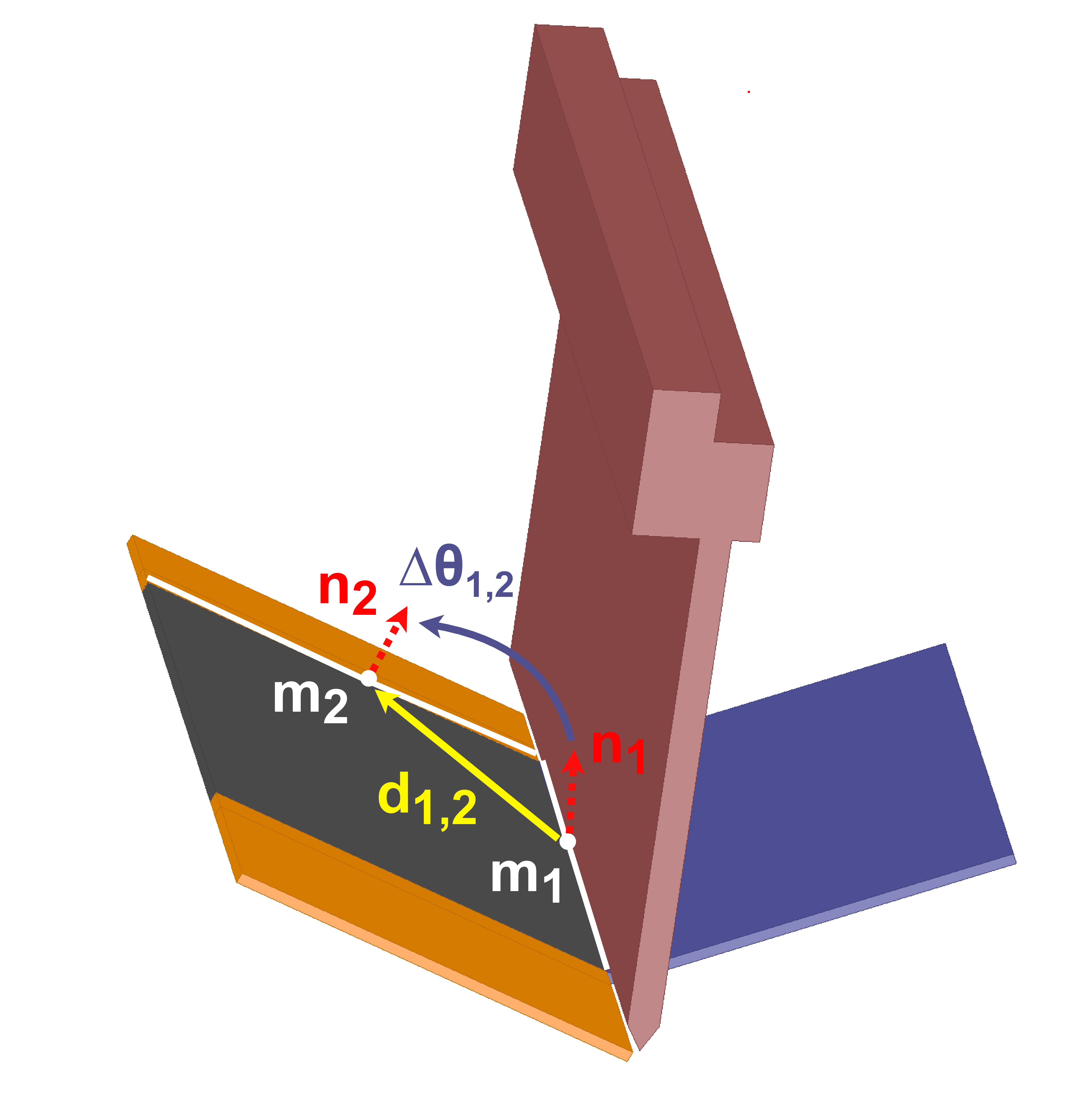
- The paper introduces BenDFM, presenting a taxonomy that distinguishes geometry-intrinsic from configuration-dependent manufacturability metrics for sheet metal bending.
- It details a stochastic simulation process that generates 20,000 CAD models with realistic per-bend parameters including collision checks and unfold-based feasibility labels.
- Benchmarking experiments reveal that graph-based neural networks outperform point-based models in capturing global geometric features and sequence-dependent interactions.
Introduction and Motivation
Sheet metal bending is a formative manufacturing process characterized by complex sequential deformations and intricate part-tool interactions. Evaluating manufacturability—both feasibility (can the part be made?) and complexity (how difficult is it to make?)—is critical for effective Design for Manufacturing (DFM) strategies. Despite advances in deep learning for CAD-driven manufacturing, intra-process manufacturability assessment (IPMA) remains severely hampered by two fundamental obstacles: the lack of standardized manufacturability definitions and the scarcity of high-fidelity datasets containing both manufacturable and unmanufacturable designs. Industrial repositories rarely archive infeasible designs, resulting in survivorship bias, while previous synthetic datasets focus primarily on primitives and subtractive processes, leaving formative processes—such as bending—underrepresented.
Taxonomy for Manufacturability Metrics
Addressing the semantic ambiguity pervasive in DFM research, the paper introduces a two-axis taxonomy for manufacturability metrics:
- Configuration Dependence: Distinguishes metrics that are valid universally (geometry-intrinsic) from those contingent on specific tooling, setups, or process parameters (configuration-dependent).
- Measurement Type: Separates binary/discrete feasibility measures from continuous complexity indicators.
The intersection of these axes yields four disjoint quadrants: geometric feasibility, configurational feasibility, geometric complexity, and configurational complexity.
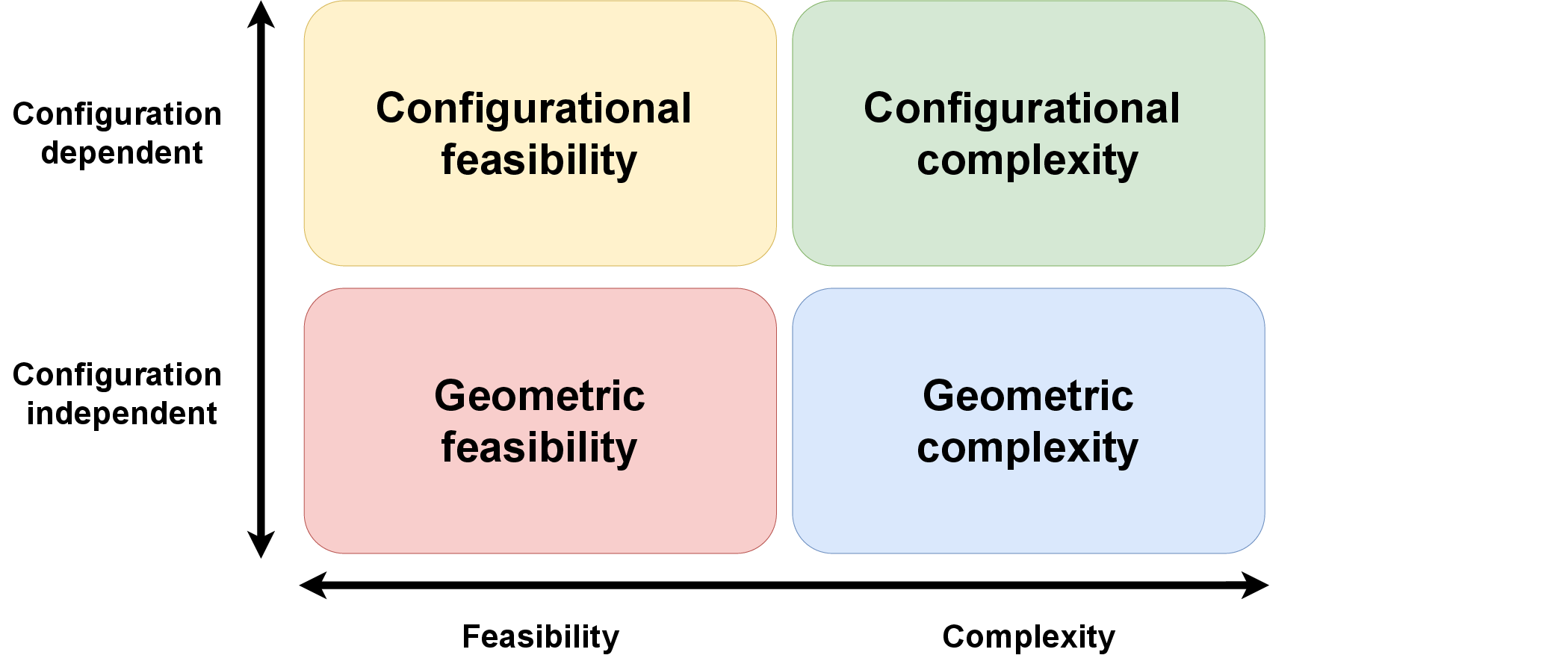
Figure 1: Proposed taxonomy for manufacturability metrics. Each quadrant represents a distinct class of manufacturability evaluation relevant for data-driven DFM.
This taxonomy clarifies generalizability: geometry-intrinsic metrics can support early-stage design across diverse contexts, while configuration-dependent measures capture nuanced, setup-specific constraints. The framework also enables a more rigorous interpretation of label scope in deep learning applications, supporting systematic dataset construction, performance benchmarking, and deployment strategies.
BenDFM Dataset: Synthetic Generation and Labeling
To operationalize the taxonomy and enable deep-learning-driven sheet metal design evaluation, the paper introduces BenDFM. This dataset comprises 20,000 parametric CAD models (both manufacturable and unmanufacturable) generated via stochastic simulation of sequential bending operations using PythonOCC. BenDFM provides:
- Rich geometric diversity through controlled sampling of sheet dimensions, bend angles/radii/sequence, flange types, and relief features.
- Parametric, process-aware simulation capturing per-bend parameters and realistic part evolution with bend allowances for accurate unfolded geometries.
Key aspects of the generation process include:
- Edge selection prioritizing proximity to the base and length for plausible real-world geometries.
- Integrated modeling of punch and die tooling at each bend's intermediate states using parametric profiles, essential for collision analysis.



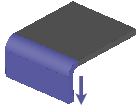

Figure 2: Select bend edge, illustrating the process of edge prioritization in flange generation.
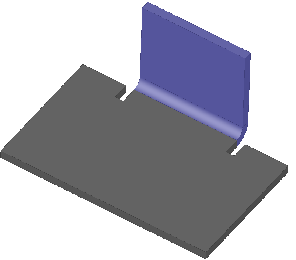
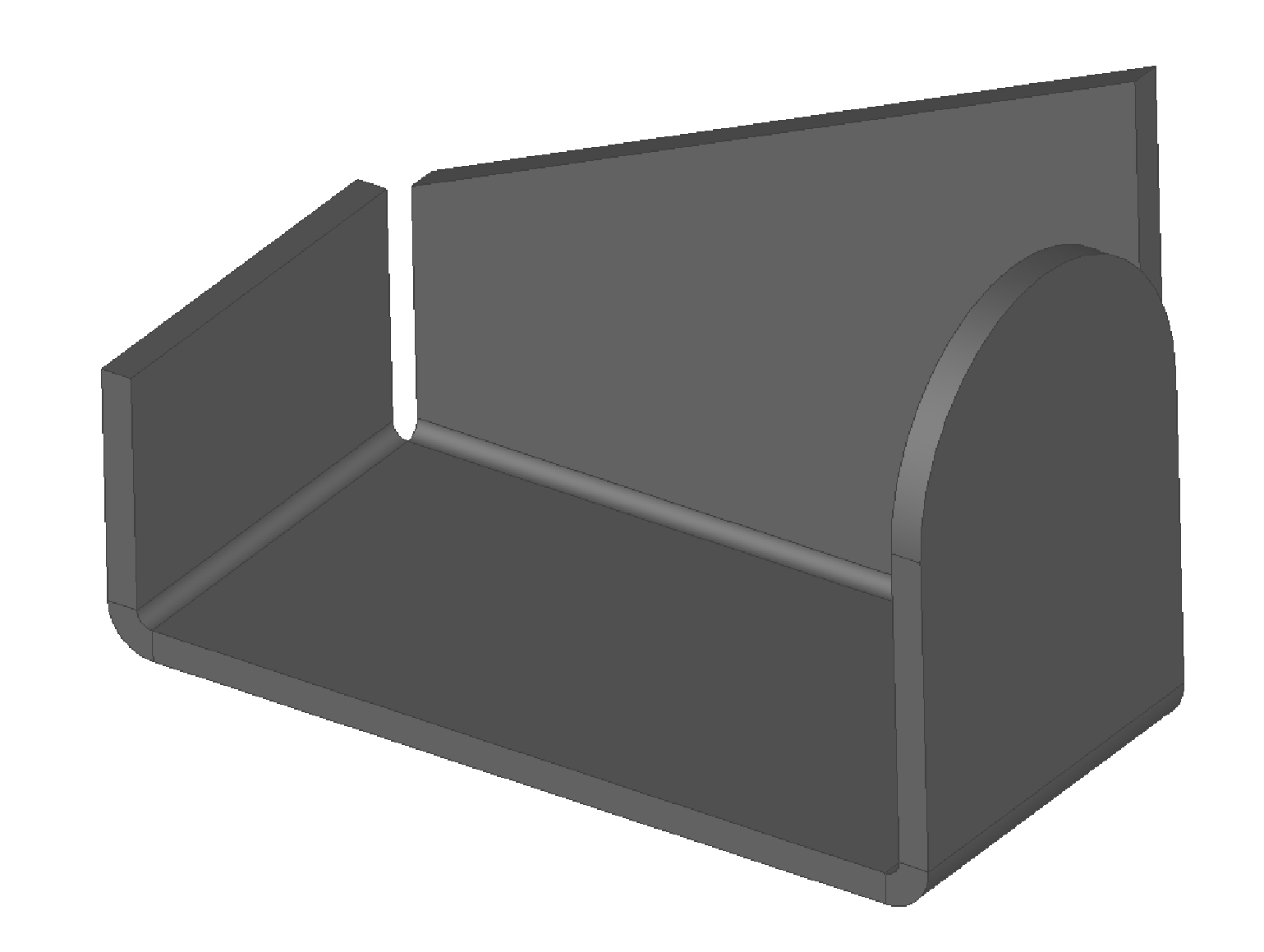
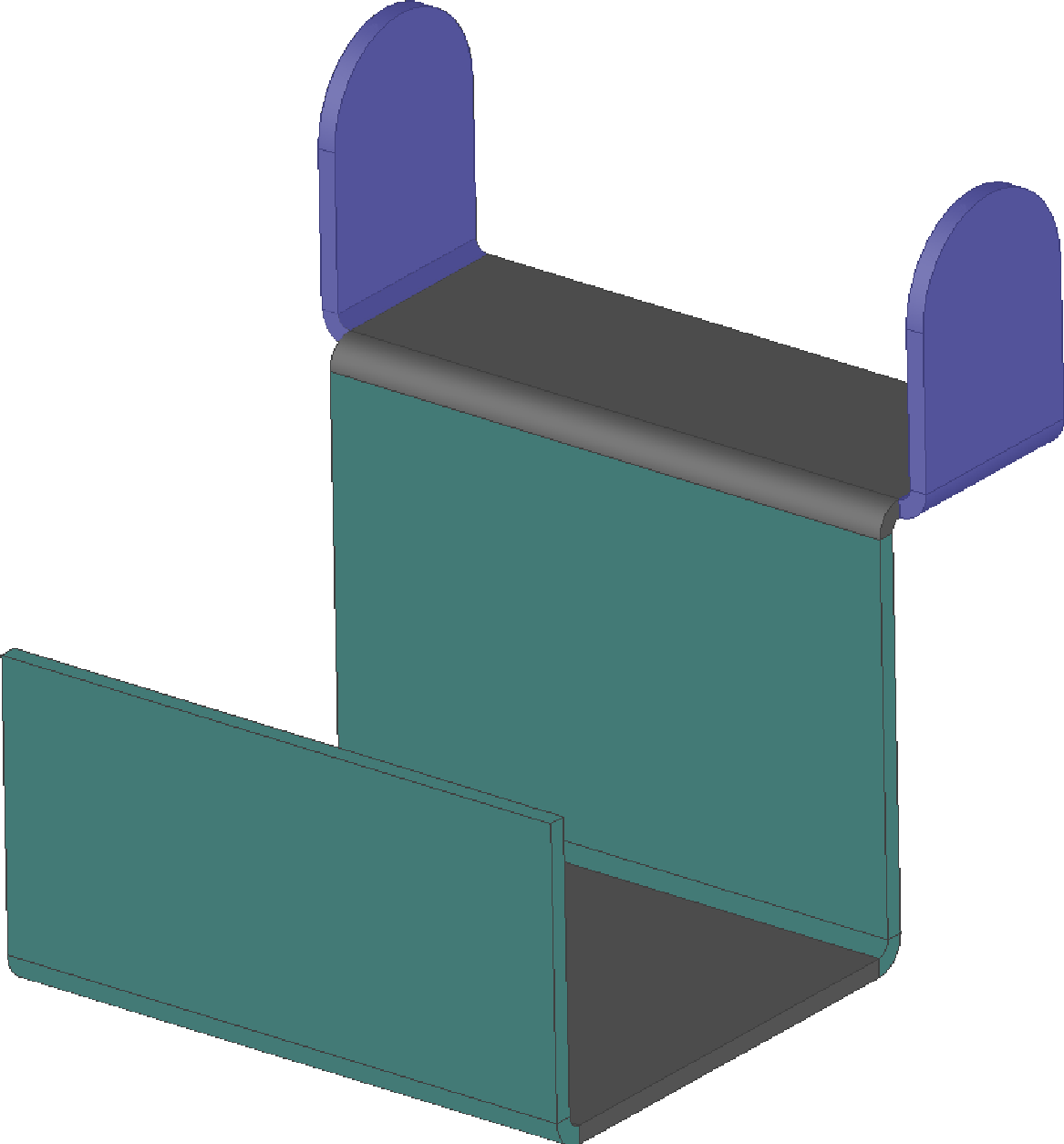
Figure 3: Bend reliefs, an important design augmentation for tear prevention.

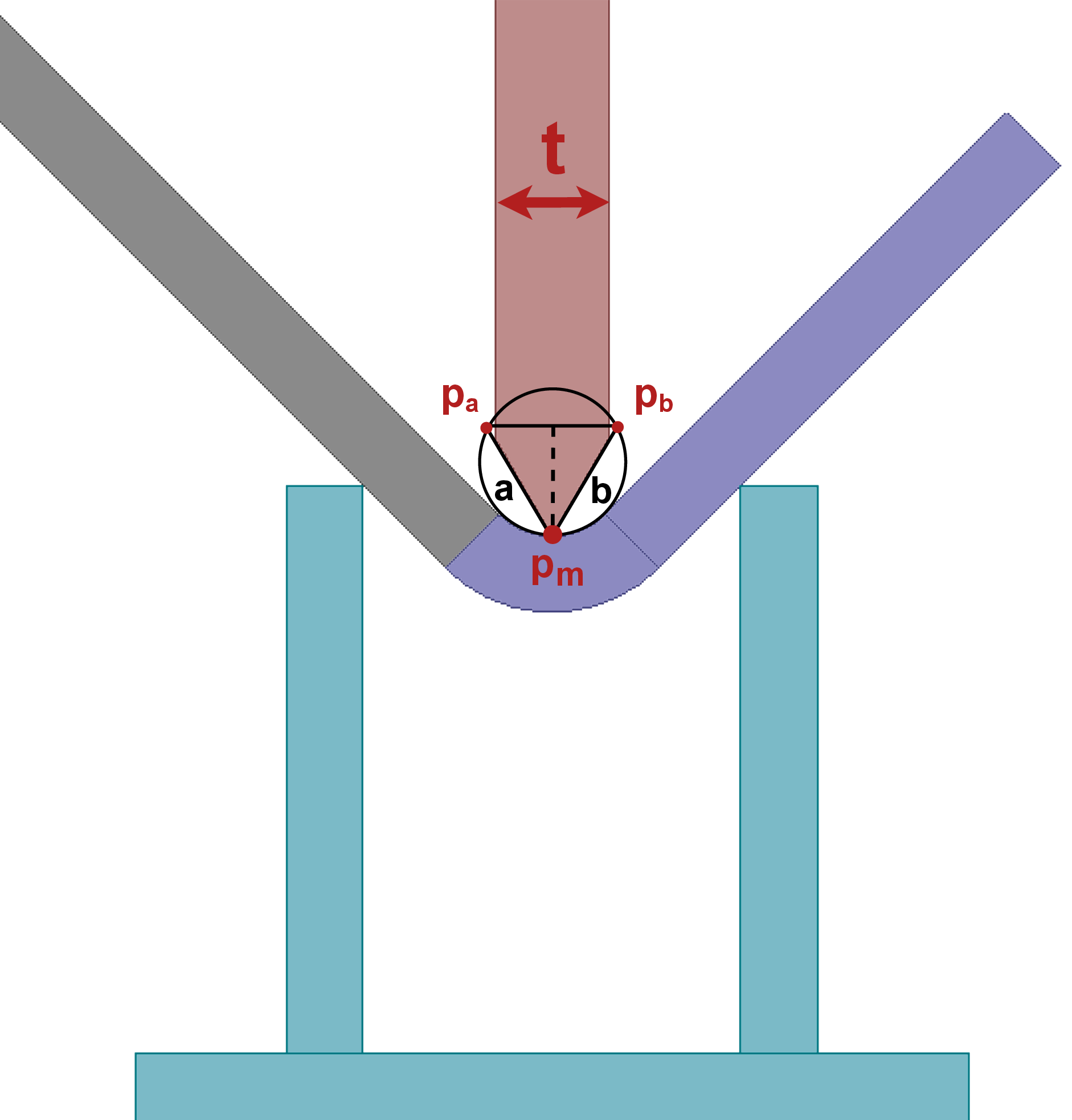
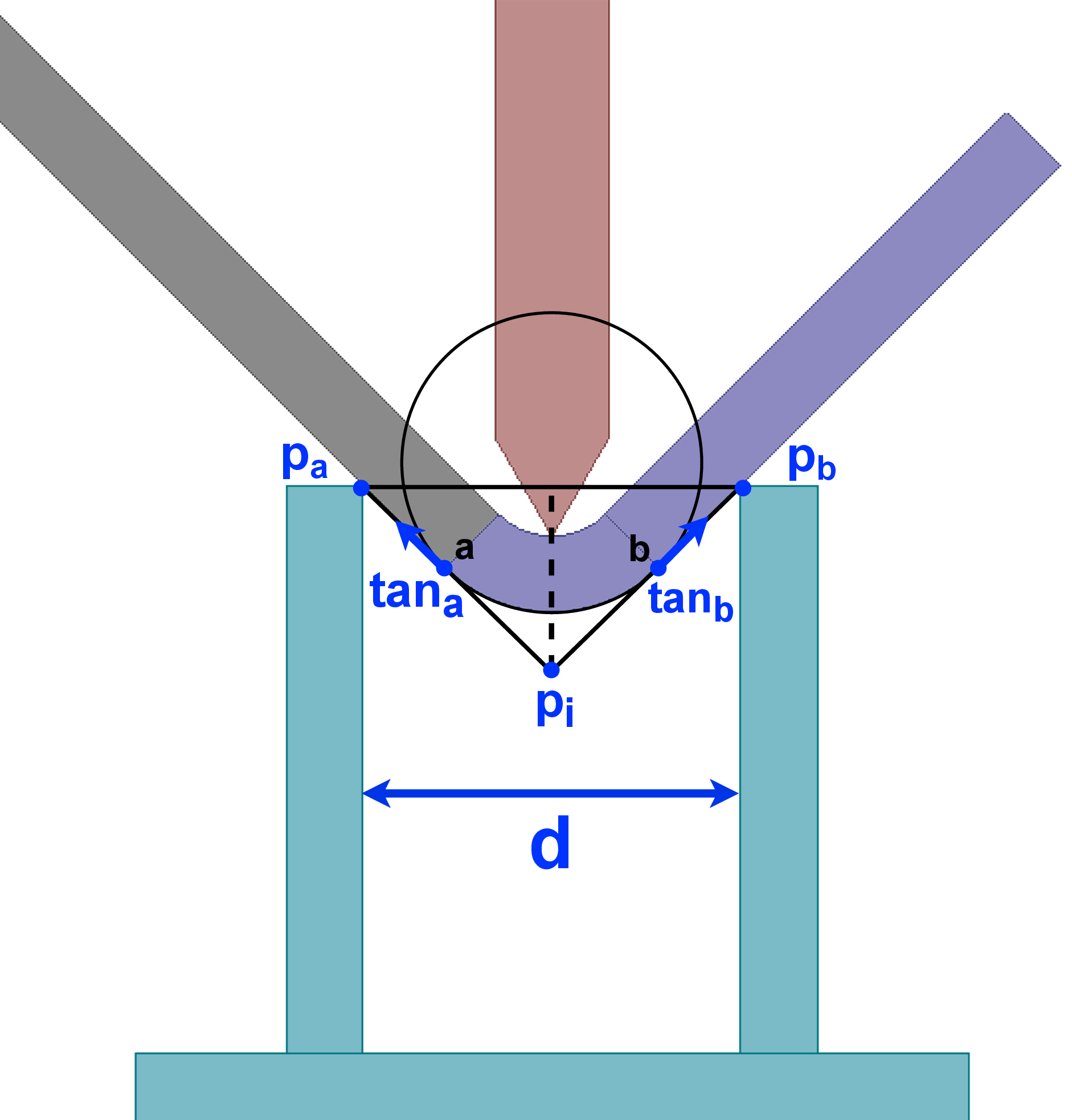
Figure 4: Punch and die geometry, highlighting the explicit modeling of part-tool interactions at each bend.
To support unfold-based analyses, accurate material deformation compensation via bend allowances is applied, producing realistic flat pattern geometries.
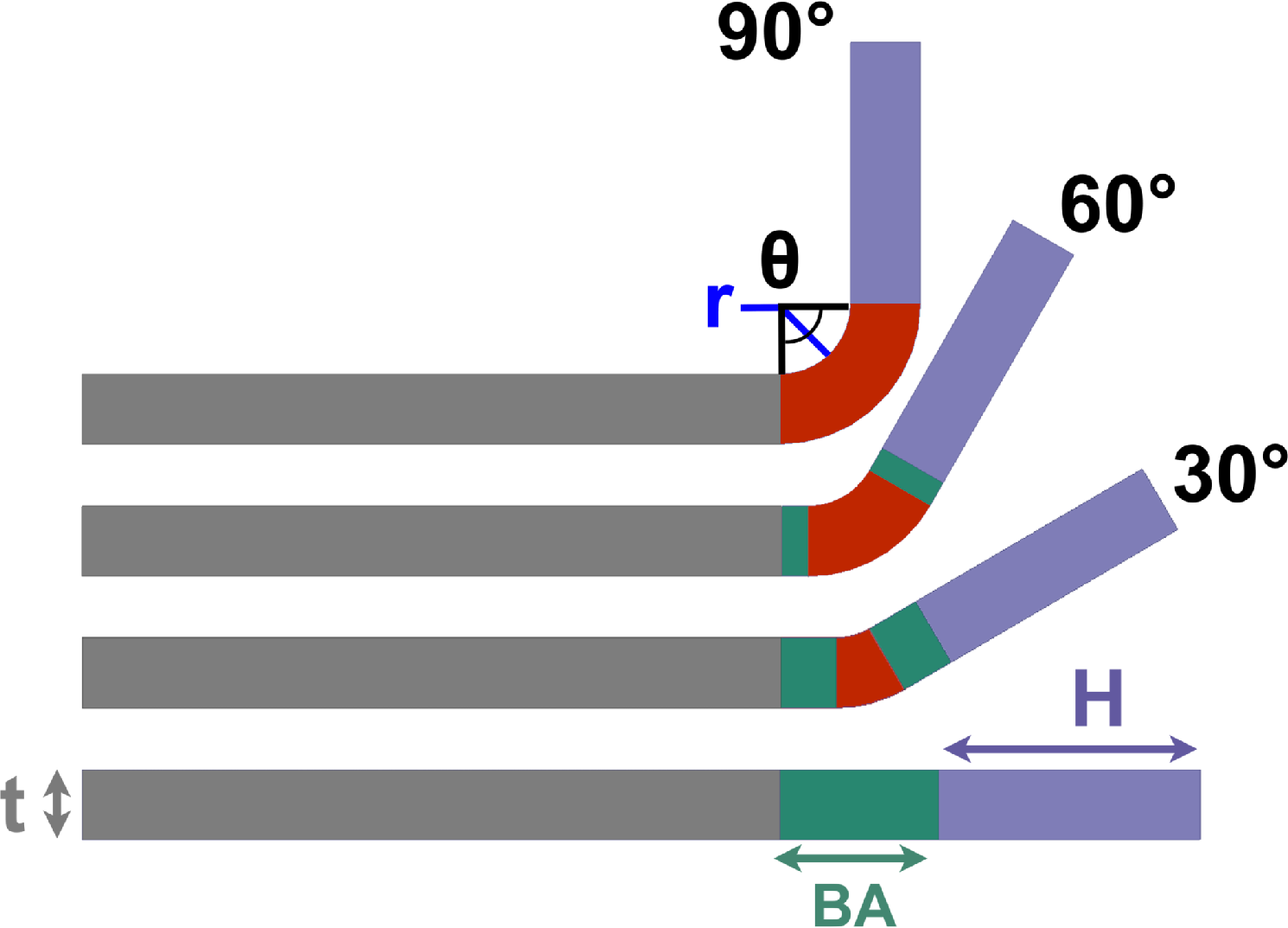
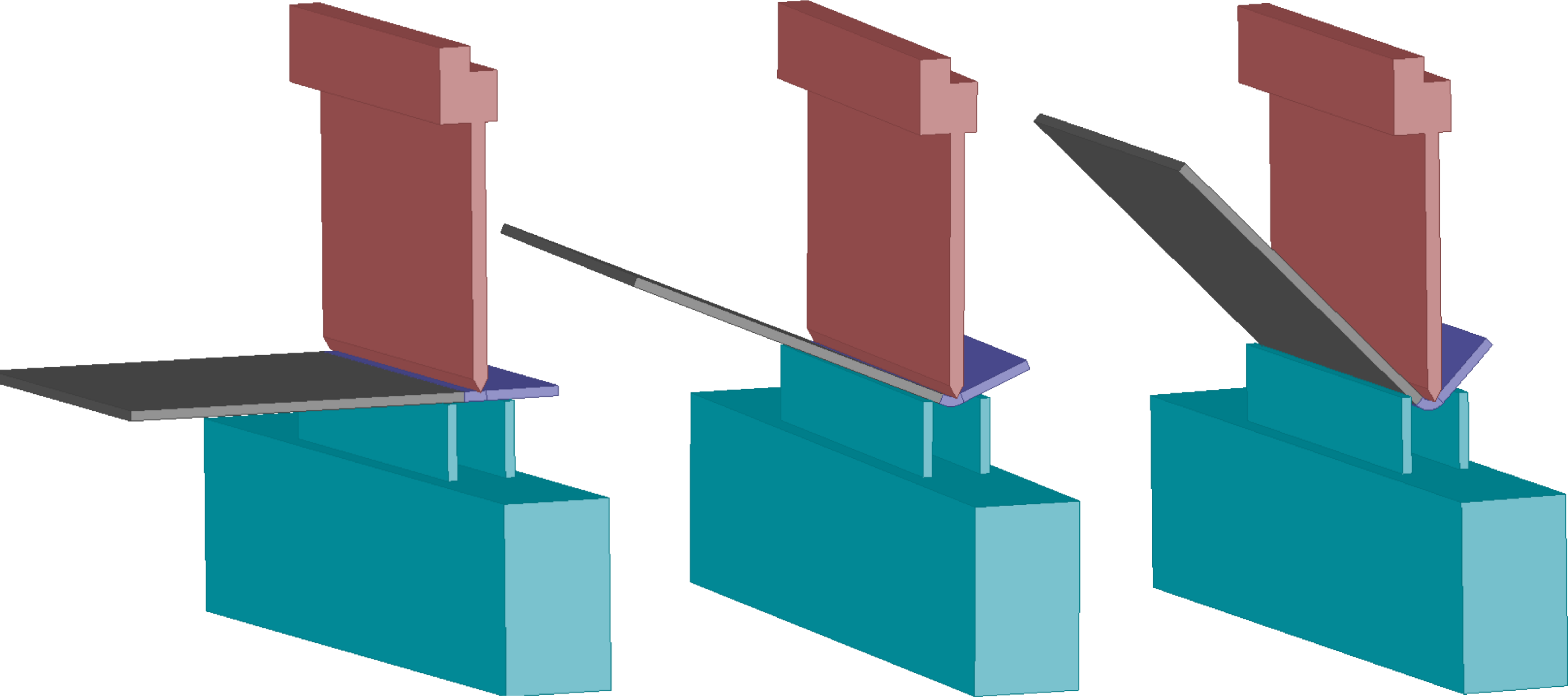
Figure 5: Bend allowance at intermediate states, reflecting material compensation during angle progression.

Figure 6: Example of a bent part and its corresponding unfolded flat pattern, accounting for material deformation during bending using bend allowances.
The dataset includes binary collision labels, unfolding overlap checks, reorientation metrics (travel distance, angle, flips), and aggregate part parameters, each mapped to a distinct quadrant in the taxonomy.
Manufacturability Labeling: Feasibility and Complexity
- Feasibility: Part-tool collision detection is performed at fine angular increments for each bend, with the part and tools repositioned in three possible alignments to capture real-world fixturing flexibility.
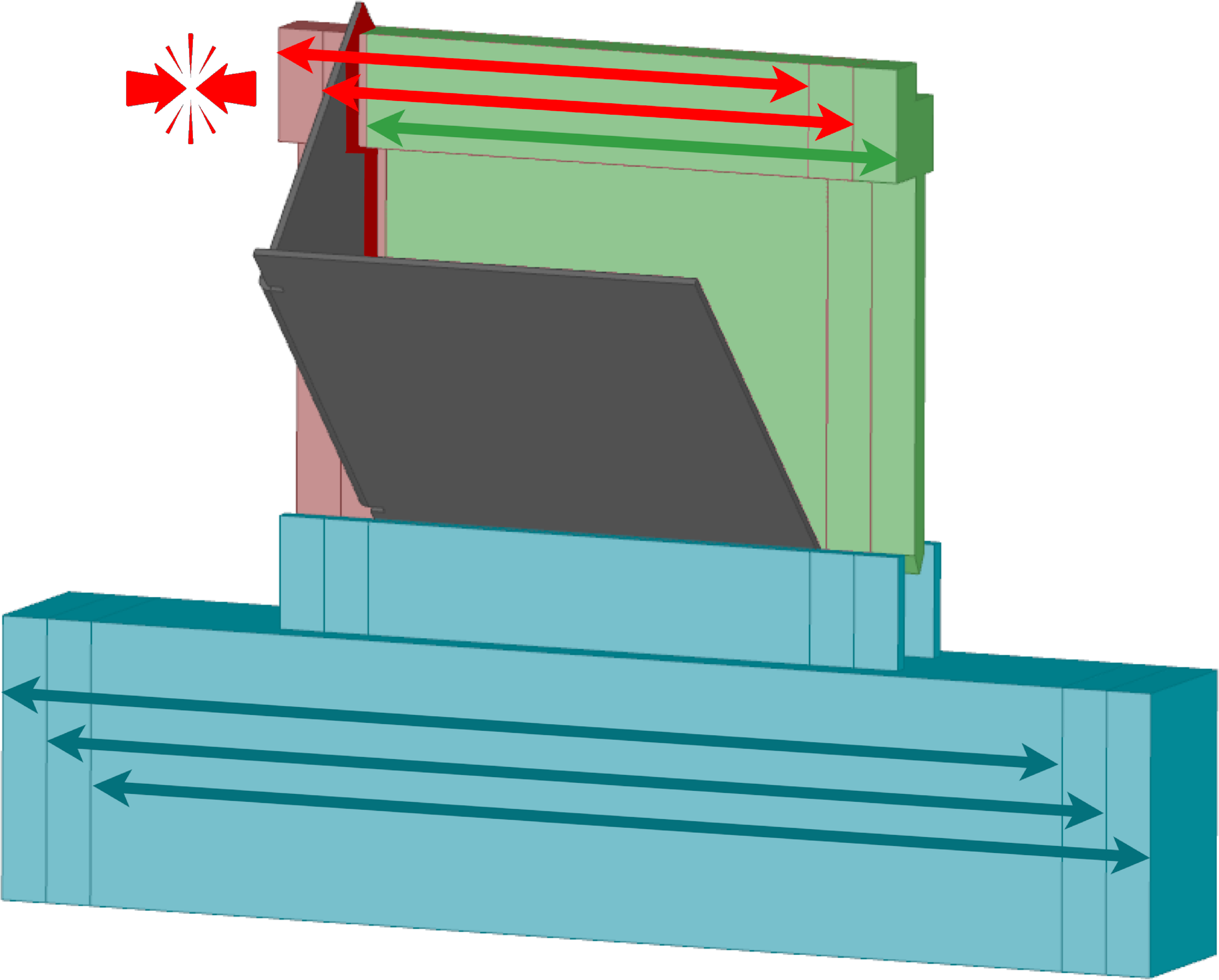
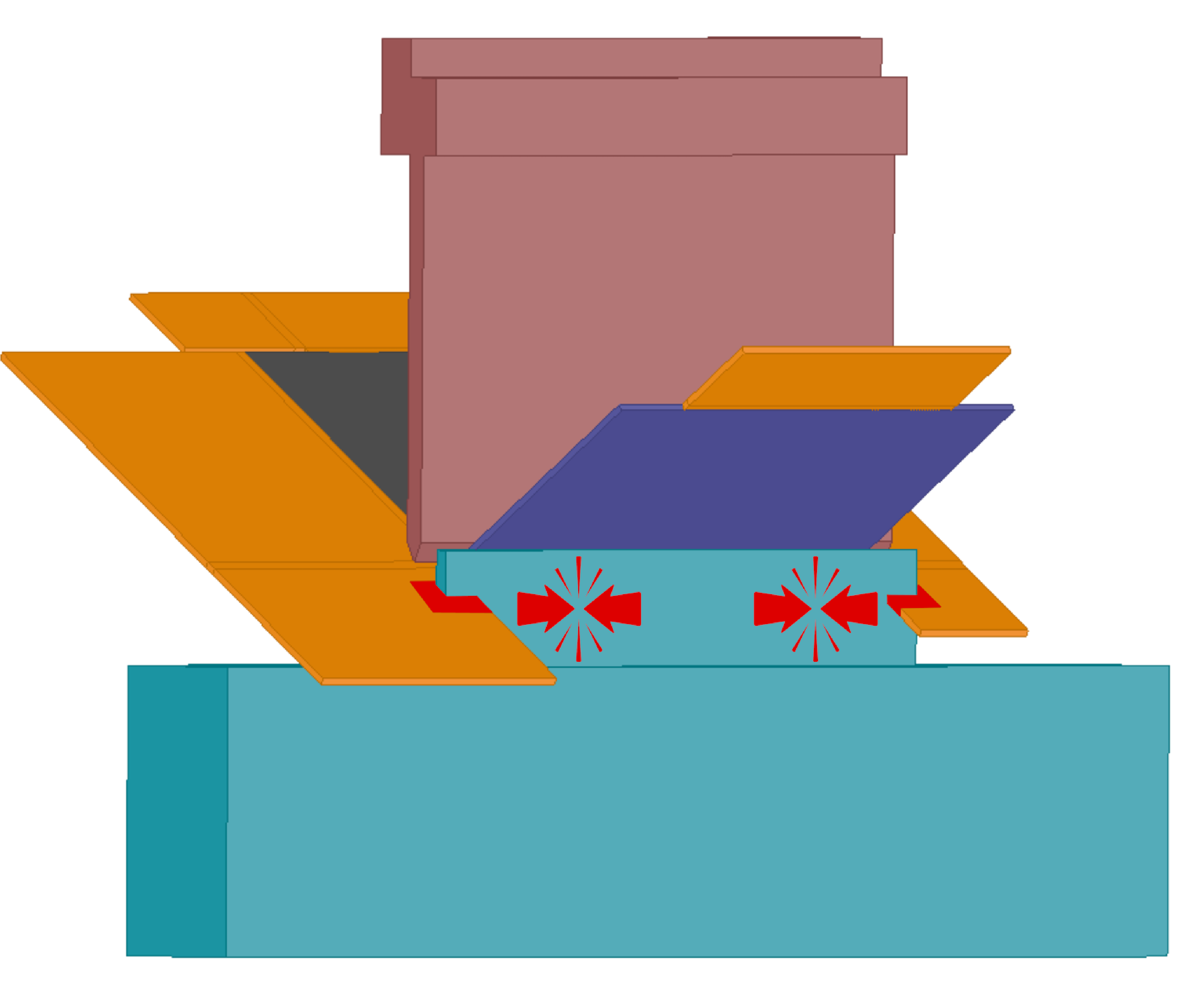
Figure 7: Tool alignment flexibility, showing how punch offsetting can alter feasibility.
Post-hoc collision checks are performed after full sequence generation to account for future bend-induced interference, and self-intersecting flat patterns are flagged as configuration-independent infeasible.
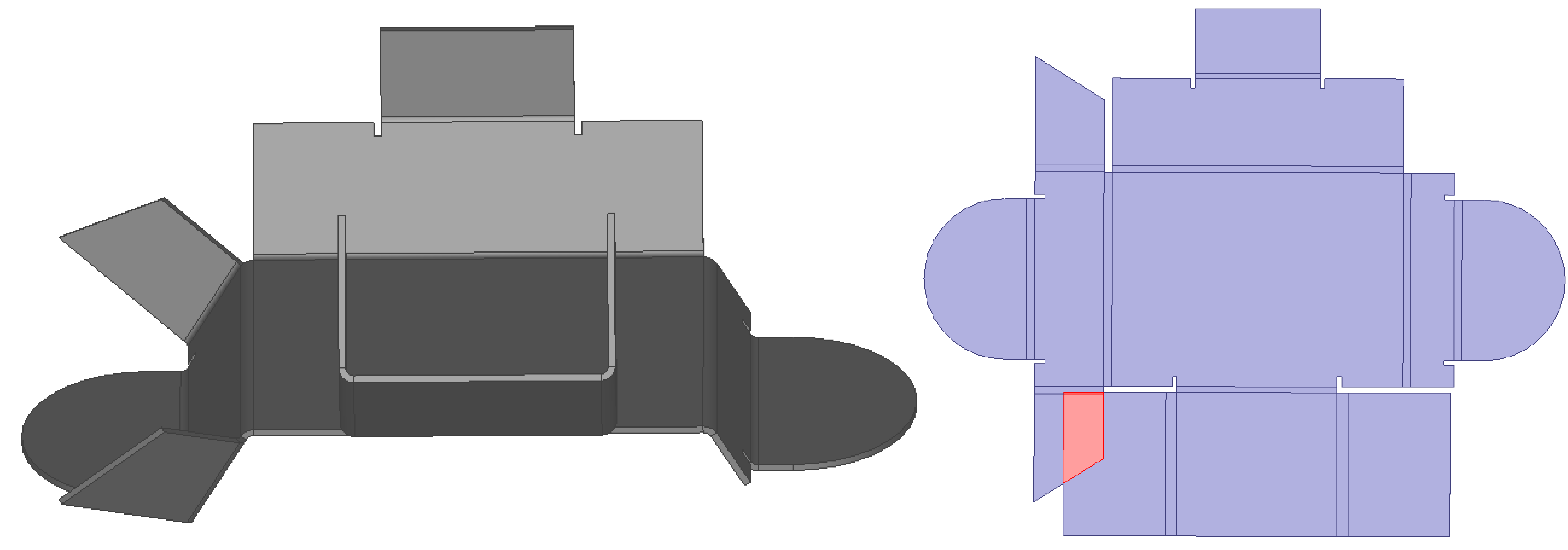
Figure 8: Example of a part whose unfolded flat pattern exhibits self-intersection, making it impossible to cut from a single sheet.
Additionally, geometric complexity features (bend counts, area, volume, mass, etc.) and per-bend statistics are computed and included in the metadata.
Benchmarking Deep Learning Architectures
The paper provides benchmarking experiments on BenDFM using state-of-the-art architectures representing the dominant approaches for learning from 3D CAD:
- PointNext: A hierarchical point cloud network, operating on surface-sampled clouds.
- UV-Net: A topology-preserving B-rep graph network with learned parametric face/edge embeddings.
Tasks span all taxonomy quadrants:
- Configurational feasibility: Binary classification of tool collisions.
- Geometric feasibility: Classification of unfolding overlaps.
- Configurational complexity: Regression of part flip counts (handling effort).
- Geometric complexity: Regression of unfolded sheet area (material usage).
The experiments demonstrate:
- Graph-based architectures (UV-Net) significantly outperform point-based models, especially on tasks requiring global geometric reasoning and implicit unfolding.
- Prediction of configuration-dependent metrics (e.g., tool collisions) remains challenging, with modest accuracy, indicating the intrinsic difficulty of inferring process constraints from static geometry.
- Geometry-intrinsic targets, including flat pattern area and unfolding-based infeasibility, yield higher accuracy, validating the taxonomy's predictions regarding generalization and feature identifiability.
Implications and Future Directions
The explicit taxonomy and BenDFM dataset provide a platform for rigorous, reproducible advancement in learning-based DFM. Key implications include:
- Data-Driven DFM System Design: The taxonomy formalizes the trade-off between universality and industrial specificity, informing model, feature, and dataset choices for deployment across the product life cycle.
- Synthetic Data Generation: The process-aware simulation approach offers a template for dataset creation in underrepresented formative processes—and for multi-process manufacturability tasks, as orchestrating sequencing and tool interaction is generalizable.
- Benchmarking and Transferability: The stratified dataset partitions and multi-label structure enable granular and global performance measurement and cross-domain transfer studies.
- Model Architecture Development: Results reinforce the necessity of topology- and sequence-aware neural networks for capturing long-range, sequence-dependent interactions not readily encoded in local features.
- Deployment and Interpretability: As deep models capture greater process nuance, model explainability for DFM becomes urgent. Integrating rule-based geometric priors and interpretability techniques with data-driven representations will be critical for human-in-the-loop manufacturability assessment.
The paper observes that significant open challenges persist, most notably in operationalizing models across multiple configurations and in bridging the synthetic-real domain gap, particularly for under-sampled failure modes and subtle constraint interactions. Extensions to general configurable manufacturing and integration with process planning, costing, and sustainability estimation are anticipated research trajectories.
Conclusion
BenDFM establishes a new standard for dataset design and evaluation in manufacturability learning for sheet metal bending, unifying ambiguous prior definitions and supplying a high-diversity, process-aware corpus with systematic benchmarking. The taxonomy and dataset enable fundamental progress toward robust, transferable, and actionable deep-learning-assisted DFM, providing a technical blueprint for future CAD-centric manufacturing research and applications.
Reference: "BenDFM: A taxonomy and synthetic CAD dataset for manufacturability assessment in sheet metal bending" (2603.13102)