- The paper presents a novel AI-in-the-loop system (FaciHub) that integrates adaptive PCA roles with mandatory human review to enhance cMOOC discussions.
- It shows that targeted, network-driven intervention improves social and cognitive presence through guided (70.4%) and amplified (28.5%) discourse roles.
- Iterative design-based research optimized PCA prompt strategies, increasing human-approved responses from 65% to 77.9%, demonstrating effective human–AI collaboration.
Designing Human–GenAI Interaction for cMOOC Discussion Facilitation: A DBR Study of AI-in-the-Loop Workflow and Presence Outcomes
This essay provides an expert-level summary and interpretation of the paper "Designing Human-GenAI Interaction for cMOOC Discussion Facilitation: Effects of a Collaborative AI-in-the-Loop Workflow on Social and Cognitive Presence" (2603.29285), highlighting the study's design, theoretical contributions, empirical findings, and implications for large-scale online learning facilitation with Generative AI.
Research Motivation and Context
Connectivist MOOCs (cMOOCs) are characterized by learner-driven, network-structured participation, but commonly suffer from underdeveloped facilitation due to scale and minimal instructor intervention. This lack curtails the evolution of social and cognitive presence—core dimensions of the Community of Inquiry (CoI) framework essential for engagement and learning outcomes. The paper targets the challenge of implementing GenAI-based Pedagogical Conversational Agents (PCAs) in cMOOCs in a manner that is both scalable and pedagogically congruent, while retaining human oversight and the autonomy-focused ethos of connectivist learning.
The authors designed, implemented, and iteratively refined a collaborative AI-in-the-loop facilitation system (FaciHub) for cMOOC discussion forums. The workflow comprises three core mechanisms:
- Network-structure-driven target selection: Discussion posts are selected for PCA intervention based on network centrality measures (hypergraph-based closeness centrality), aligning facilitation with emergently central nodes in the learner interaction graph.
- Discourse-adaptive PCA role selection: PCAs assume dynamic facilitative roles—Guide, Amplifier (and less frequently, Empathizer, Critical Inquirer)—selected based on linguistic and behavioral signals in target posts.
- Mandatory human facilitator review: All PCA responses are subject to contextual human approval before publication, embedding human–AI collaboration as an explicit component of visible educational interaction.
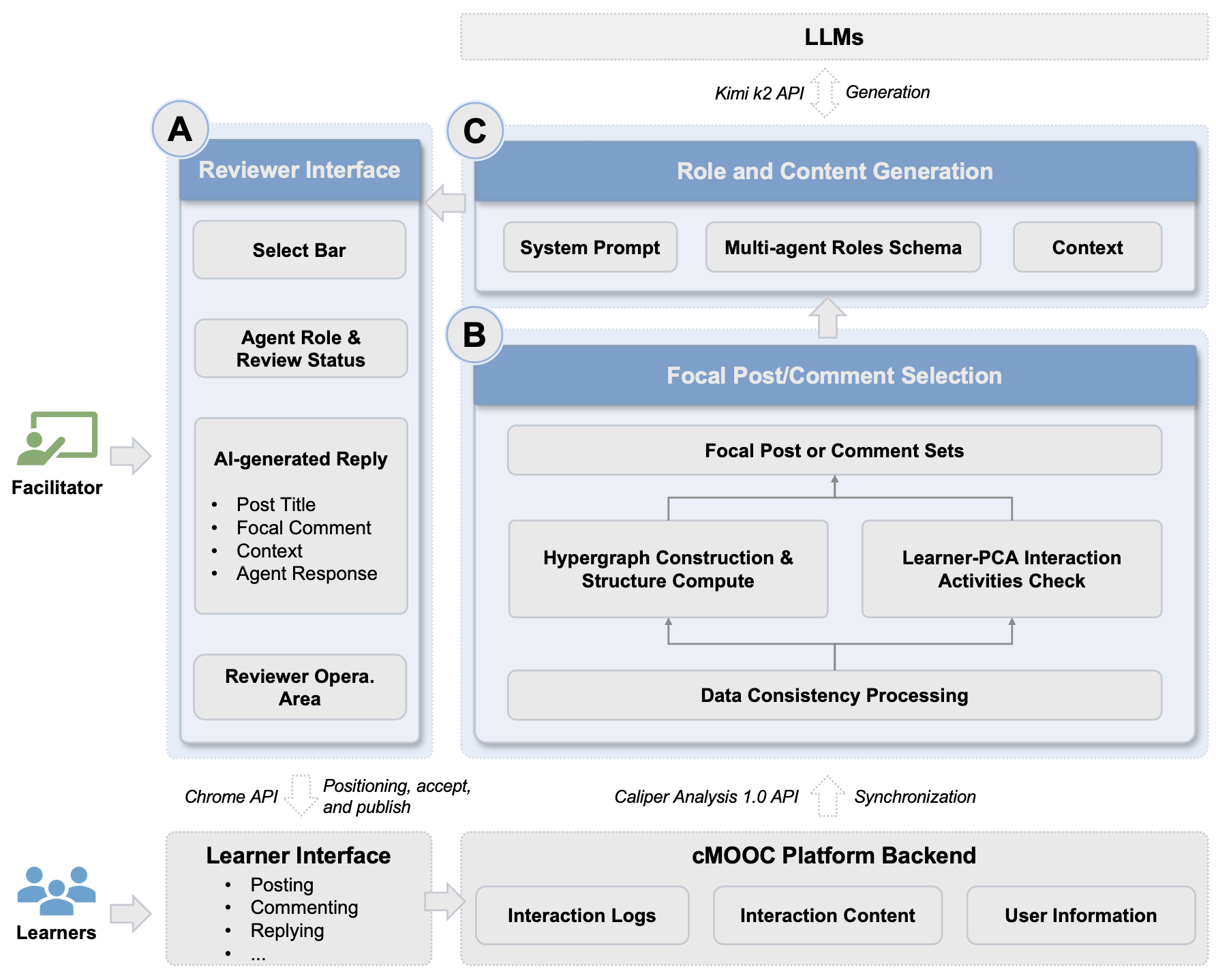
Figure 1: Workflow structure for PCA target selection, response generation, and human review.
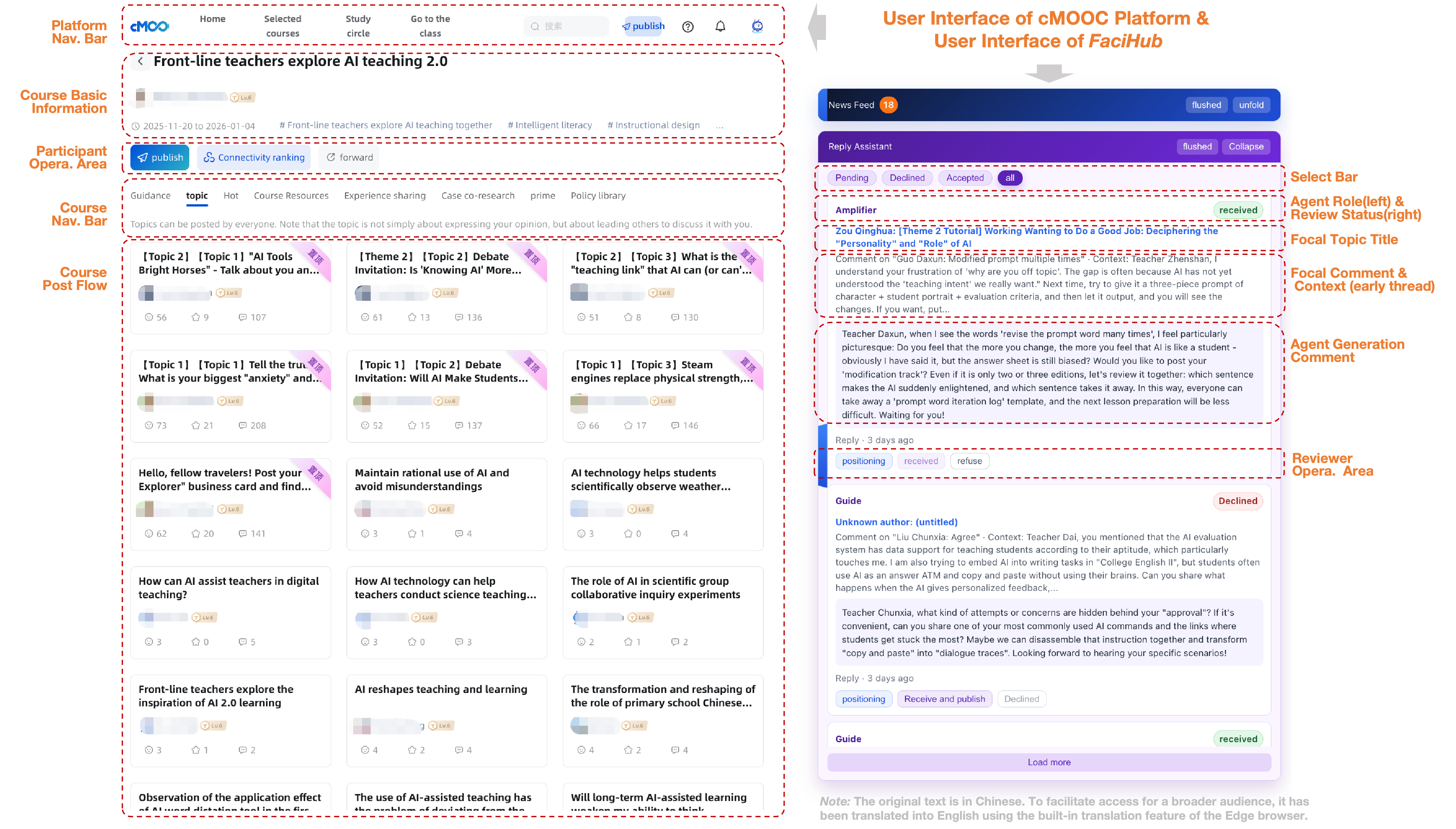
Figure 2: Interface for contextual inspection and human approval of PCA-generated replies.
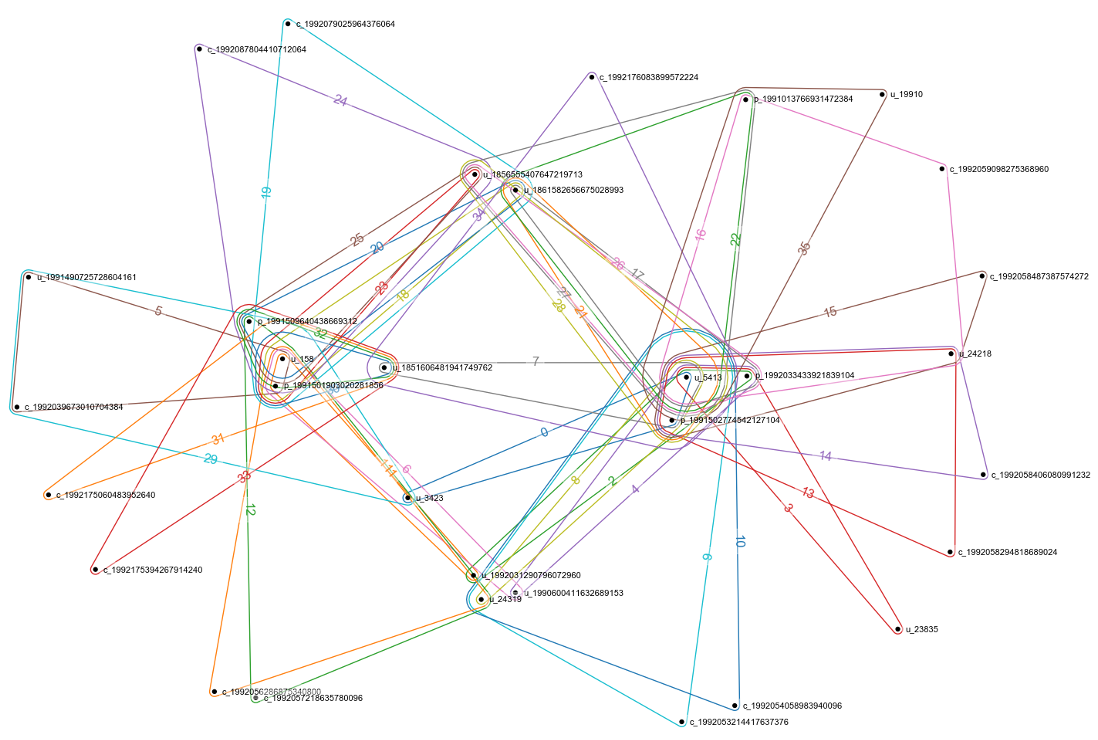
Figure 3: Example of hypergraph-based target selection for PCA participation.
Iterative DBR Methodology
Adopting a design-based research (DBR) framework [reeves_design_2006], the system underwent two iterative deployments within a five-week professional development cMOOC enrolling 606 participants.
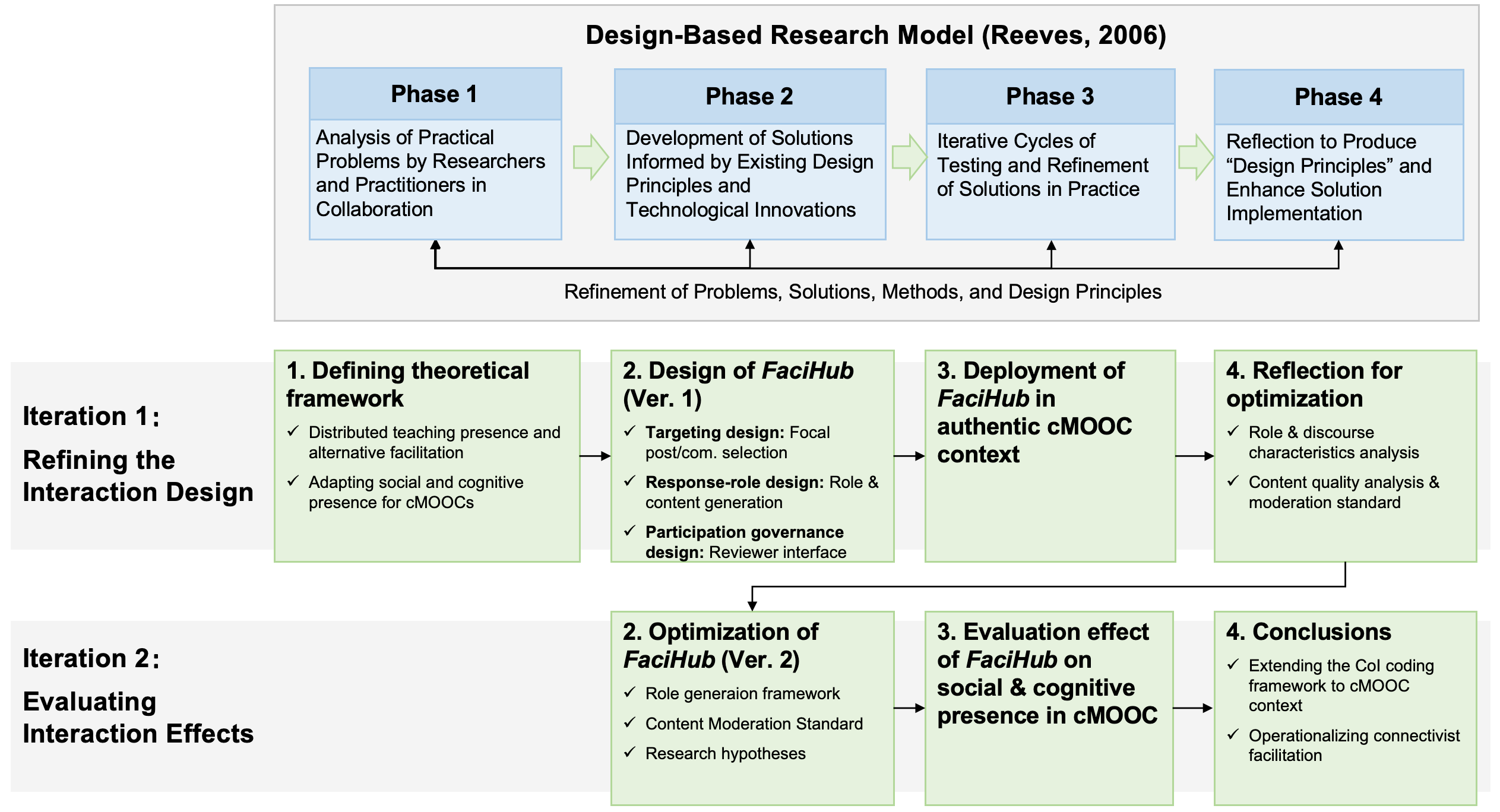
Figure 4: Overview of the DBR procedure aligned with Reeves’ (2006) four-phase model.
Iteration 1 (Weeks 1–2): Focused on refining interaction design and moderation protocols in authentic practice, optimizing prompt engineering and identifying publishable PCA facilitation standards.
- Out of 625 responses, 71.4% were accepted after human review.
- Activities overwhelmingly concentrated on the Guide (70.4%) and Amplifier (28.5%) roles, with Empathizer and Critical Inquirer marginal (0.8% and 0.3%).
- Iterative prompt and moderation refinement led to a marked acceptance rate increase, stabilizing acceptance rates above 65% after initial prompt deficiencies induced lower acceptance rates.
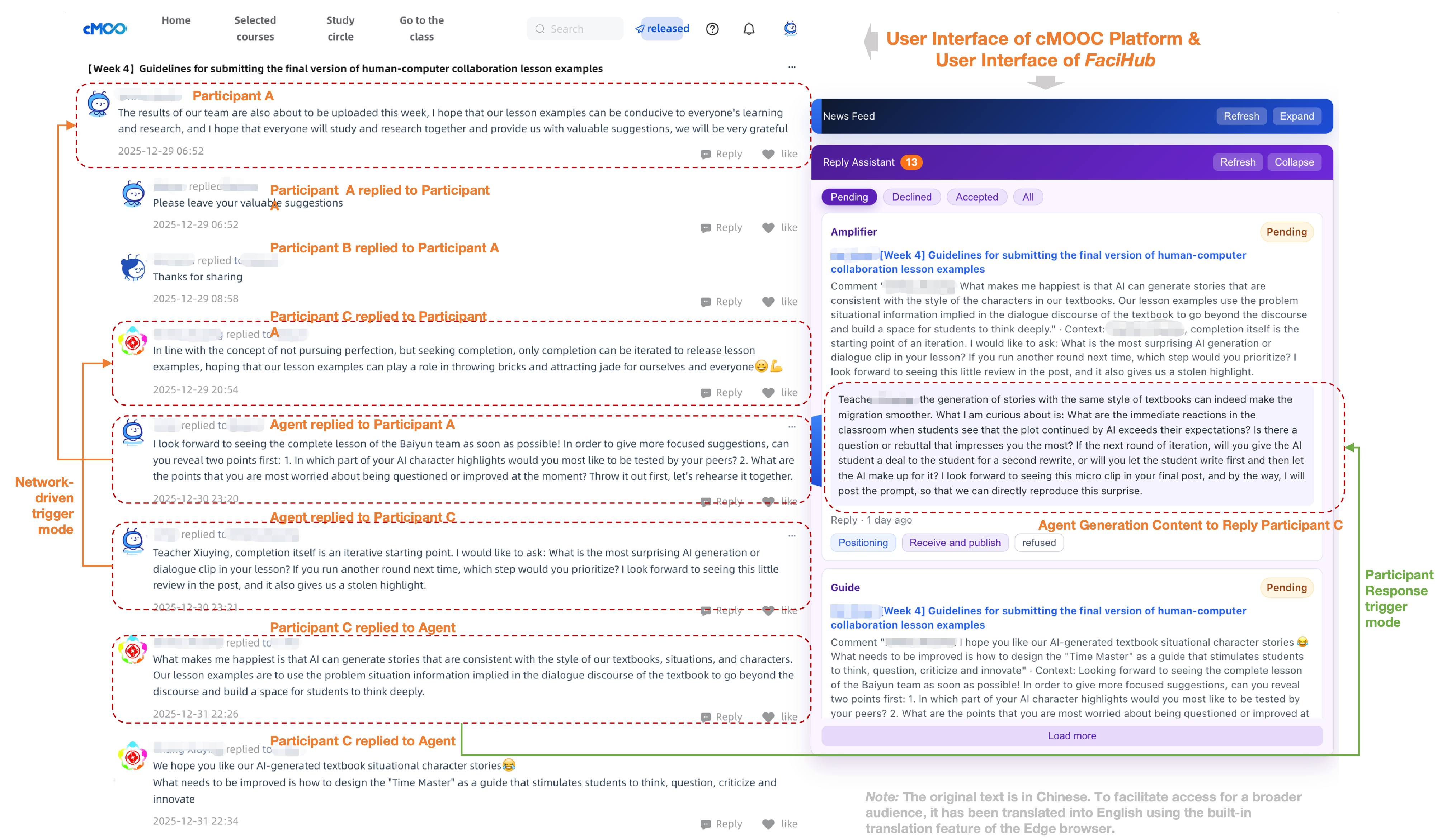
Figure 5: Example of a discussion thread with PCA participation.
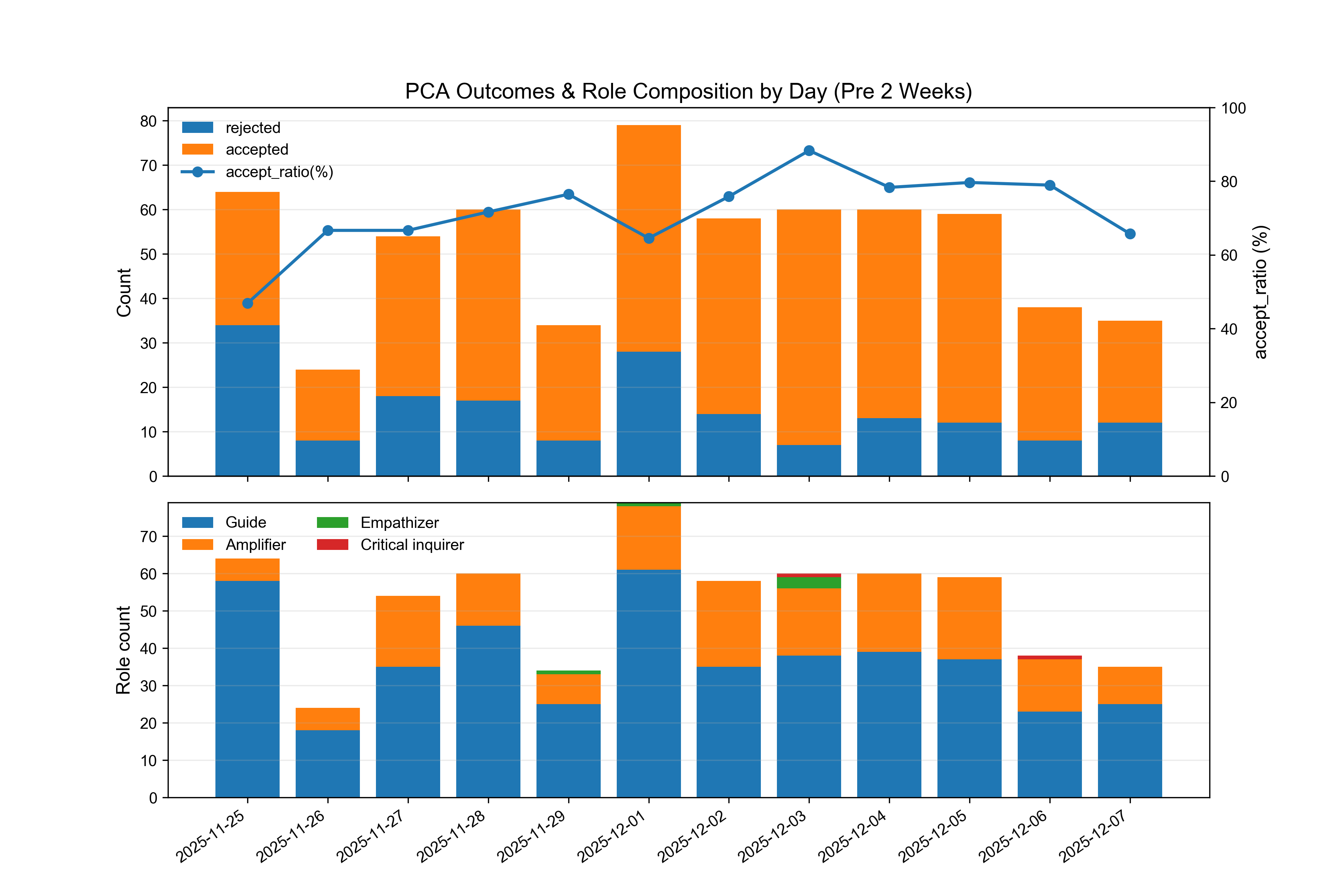
Figure 6: Daily distribution of PCA-generated responses, facilitator review outcomes, and role composition during Weeks 1–2.
Iteration 2 (Weeks 3–5): Empirically analyzed the impact of PCA-mediated discussion, operationalizing both PCA presence and direct learner–PCA interaction as independent variables for the examination of social/cognitive presence outcomes using adapted CoI frameworks. PCA acceptance rates increased further to 77.9%.
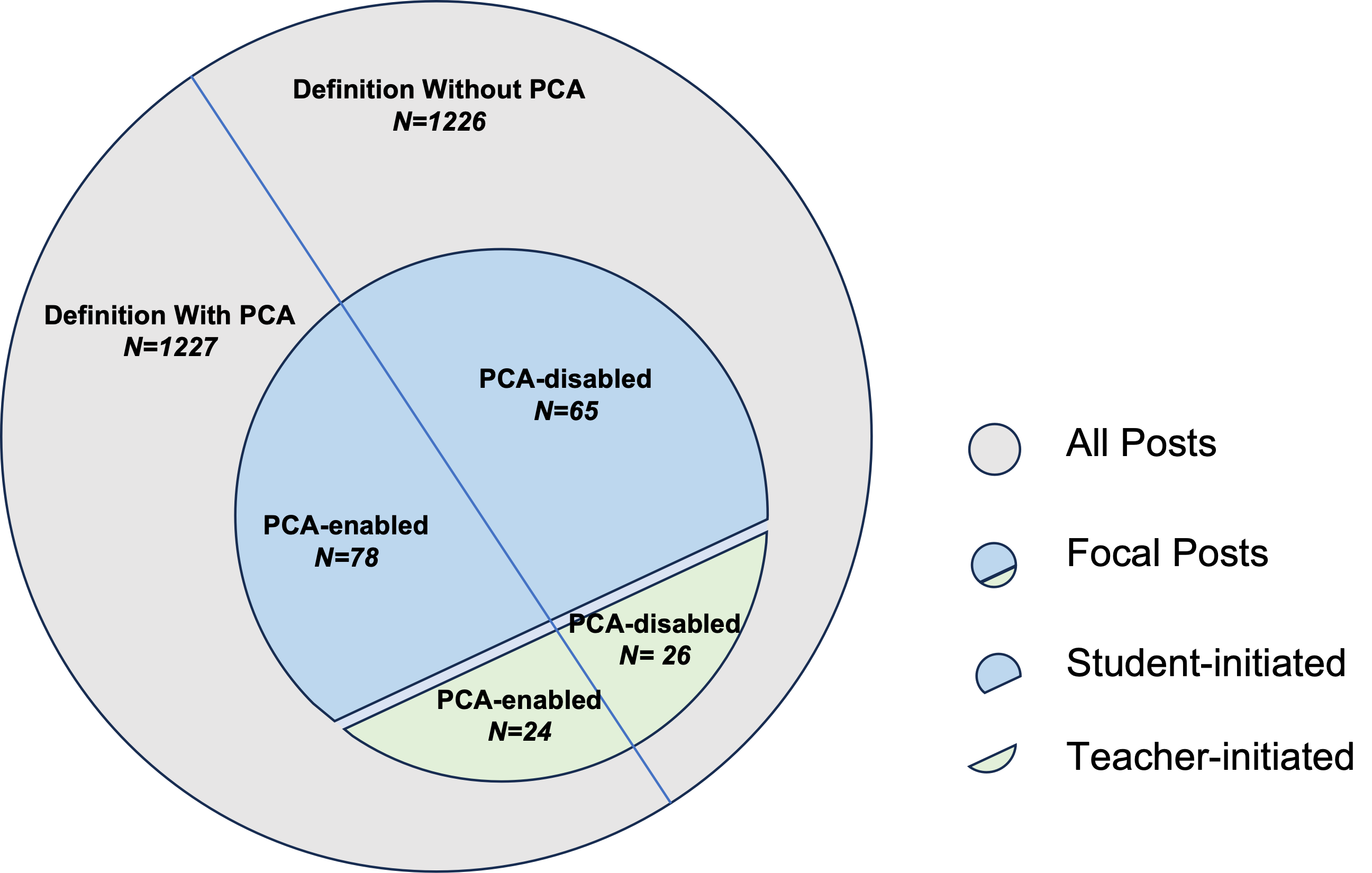
Figure 7: Experimental condition distribution.
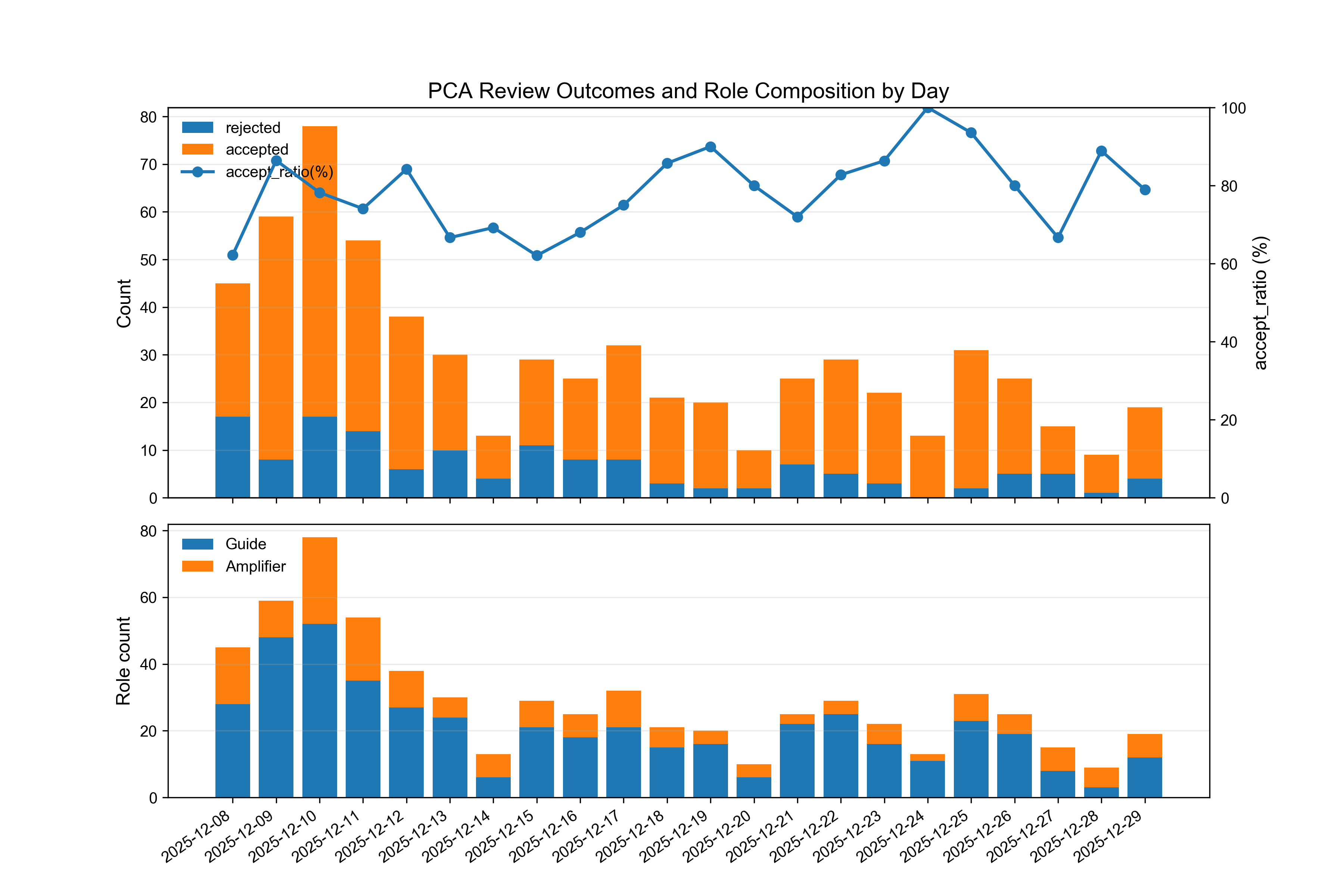
Figure 8: Daily distribution of PCA-generated responses, facilitator review outcomes, and role composition during Weeks 3–5.
Presence Coding, Experimental Logic, and Statistical Analysis
Adaptations of the CoI framework were necessitated by cMOOC characteristics:
- Group Cohesion was recast as Networked Cohesion to capture the distributed, large-scale nature of cMOOCs, where identification with a professional learning network supersedes dyadic bonding.
- Resolution was expanded to Resolution and Creation, to encapsulate both knowledge application and artifact production (e.g., lesson designs, frameworks).
Automated and human-coded measures—benchmarked by Cohen's κ values exceeding 0.80—were aggregated into fine-grained indicators for social and cognitive presence. Both within-subject and quasi-experimental comparisons were conducted across PCA/non-PCA and direct interaction vs. co-presence conditions. Multiple comparison controls and post-hoc quasi-experimental diagnostics supplement the main findings.
Key Empirical Findings
Facilitation Role Emergence and Moderation
- The sustainable facilitation patterns were nearly exclusively Guide and Amplifier. Discourse-irrelevant roles (Empathizer, Critical Inquirer) were rarely triggered in a professional teacher audience, reflecting a robust alignment between community discourse and AI facilitation logic.
- Human-in-the-loop moderation systematically filtered hallucinated, interactionally inappropriate, or stylistically incongruent AI content. Acceptance rates increased following iterative prompt optimization, indicating the necessity of contextual, data-driven refinement for educationally valid AI deployments.
Effects on Social and Cognitive Presence
- PCA presence alone (vs. non-PCA) yielded significant improvements in Open Communication (r=0.188), Networked Cohesion (r=0.274), and overall social presence (r=0.162). No significant improvement in aggregate cognitive presence was observed.
- Direct learner–PCA interaction (vs. co-presence) was associated with substantial increases in both social presence (Open Communication r=0.226, Networked Cohesion r=0.330, total r=0.186) and higher-order cognitive presence (Integration r=0.206, Resolution/Creation r=0.350).
- Initiator effects: Teacher-initiated threads displayed greater gains in social presence; learner-initiated threads exhibited more pronounced cognitive creation outcomes, highlighting the potential for context-sensitive AI facilitation to scaffold professional knowledge generation.
These results challenge simplistic assumptions about “AI presence” as a panacea: the educational impact is highly contingent on the design of reciprocal, adaptive, and human-reviewed human–agent interaction.
Theoretical and Practical Implications
CoI and Connectivism Extensions
The study extends the CoI framework to fit network-structured online communities, demonstrating that presence outcomes at cMOOC scale depend on network-centric rather than small-group social capital, and that creation-oriented cognitive outcomes (artifact generation) must be explicitly coded and scaffolded.
The findings further operationalize connectivist principles by implementing network-driven, discourse-adaptive, and peer-inviting AI participation: FaciHub’s intervention is neither deterministic nor randomly distributed, but tied to emergent discourse centrality and reciprocal exchange.
AI-in-the-Loop Governance
Human review is shown to not merely be a quality-control backstop, but a constitutive component shaping the actual agent–learner interaction ecology. The moderation protocol, grounded in explicit accept/reject criteria, demonstrates a replicable framework for governed AI participation, addressing concerns about content quality, contextual fit, and professional trust [kasneci_chatgpt_2023, natarajan_humanintheloop_2025, bastani_generative_2025, alfredo_humancentred_2024].
Design Recommendations
- Reciprocal, reply-inviting interaction structures are more effective than passive agent presence for both social and cognitive outcomes.
- Agent facilitation roles should be adaptively aligned to real discourse conditions, rather than fixed.
- Trustworthy AI deployment in educational contexts necessitates human–AI collaborative workflows, not only pre- or post-hoc audits.
- The impact of AI-mediated facilitation varies by local pedagogical context (thread initiator type, discourse phase), underscoring the need for fine-grained, context-aware deployment strategies.
Conclusion
This paper provides robust empirical evidence and a theoretically articulated workflow for integrating PCA-based GenAI into cMOOC settings in a manner that enhances social connectedness and, under appropriate interaction modes, cognitive creation. The implications extend to the design of scalable, trustworthy, and contextually embedded GenAI interventions for large-scale online and professional learning communities. Future research should focus on causal isolation of individual workflow components, generalization across cultural and disciplinary contexts, and the longitudinal interplay of human–AI collaboration and evolving community norms.

