- The paper demonstrates that superpositions of localized position and momentum produce interference that violates classical Newtonian propagation laws.
- The methodology employs a Sagnac interferometer with precise optical configurations to separately measure position, momentum, and intermediate propagation effects.
- Results reveal significant defect probabilities and Wigner negativity, challenging classical trajectories and supporting quantum contextuality.
Characterization of Non-Classical Particle Propagation via Superpositions of Position and Momentum
Introduction and Motivation
The statistical interplay between position and momentum in quantum dynamics, crucially constrained by the uncertainty principle, remains central to foundational questions in quantum mechanics. Notably, the creation of superpositions of states highly localized in either position (∣L⟩) or momentum (∣B⟩) enables quantum interference which can directly test and quantify violations of classical propagation rules such as Newton’s first law. This paper presents a rigorous experimental investigation of such superpositions in the context of single-photon propagation, probing the resulting statistical structures in both coordinate and momentum space, as well as at intermediate propagation times. Particularly, the experiment measures quantitative violations of classical path expectations, and employs Wigner function analysis to relate these violations to negative probability regions in phase space.
Theoretical Framework: The Particle Propagation Paradox
The experiment tests a fundamental inequality implied by Newtonian propagation: any particle confined within a region L in position and B in momentum at t=0 must, by straight-line evolution, be found within an expanded region M=L+BtM/m at time tM. Translating this to probabilities, the classical bound is P(M)≥P(L)+P(B)−1, since overlap between intervals may be nonzero, but is bounded by the populations.
Quantum mechanically, for a superposition state ∣ψ⟩ composed of ∣L⟩ and ∣B⟩0, interference terms appear which can boost the individual probabilities ∣B⟩1 and ∣B⟩2 beyond what a positive joint distribution permits, while ∣B⟩3 remains limited by the orthogonality and spreading of the underlying wavefunctions. This leads to a possible positive “defect” probability ∣B⟩4, signaling direct violation of Newton’s first law for single particles.
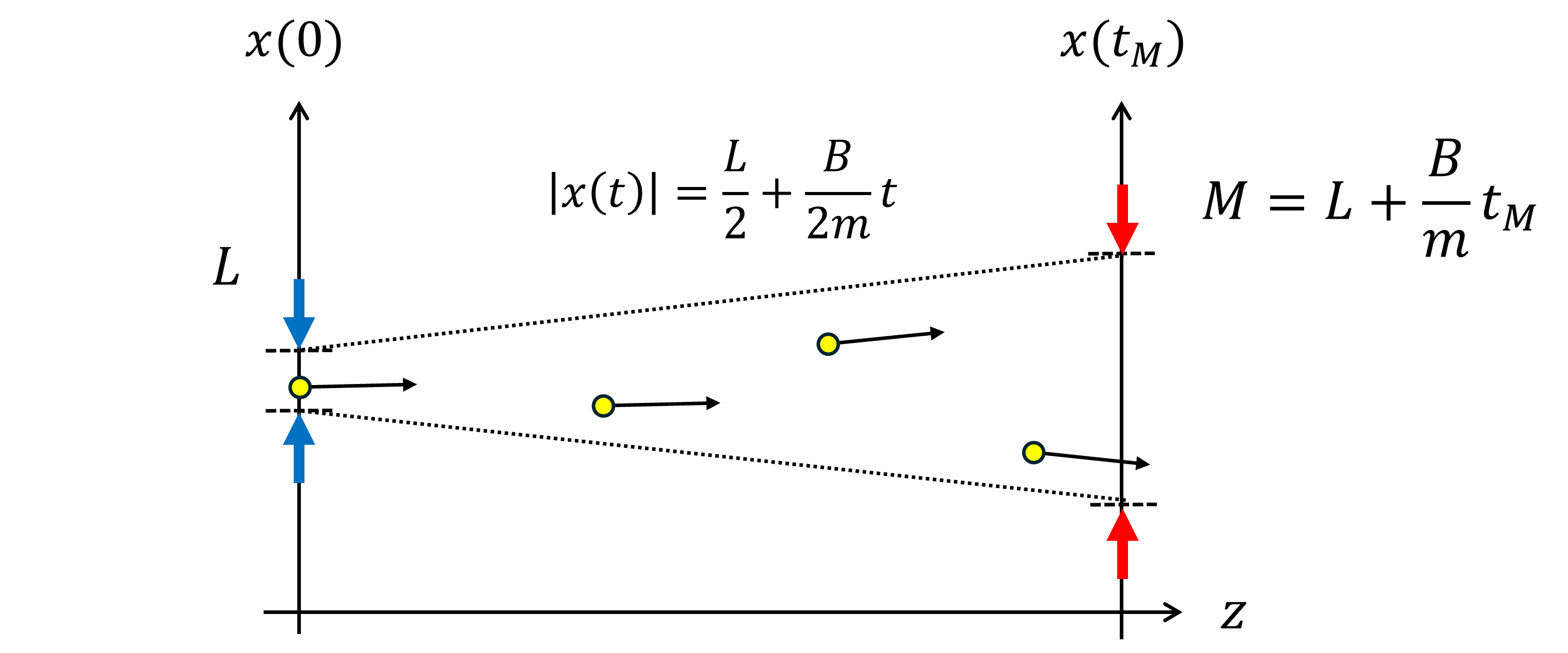
Figure 1: Schematic of the test for Newtonian propagation; only particles within prescribed intervals of ∣B⟩5 and ∣B⟩6 at ∣B⟩7 are classically allowed within ∣B⟩8 at ∣B⟩9.
Crucially, this paradox maps onto the theory of quasi-probabilities: in Wigner phase space, any such violation requires negativity of the Wigner function outside the L0-L1 ‘cross’ region, as positive Wigner functions cannot violate the classical marginal bounds.
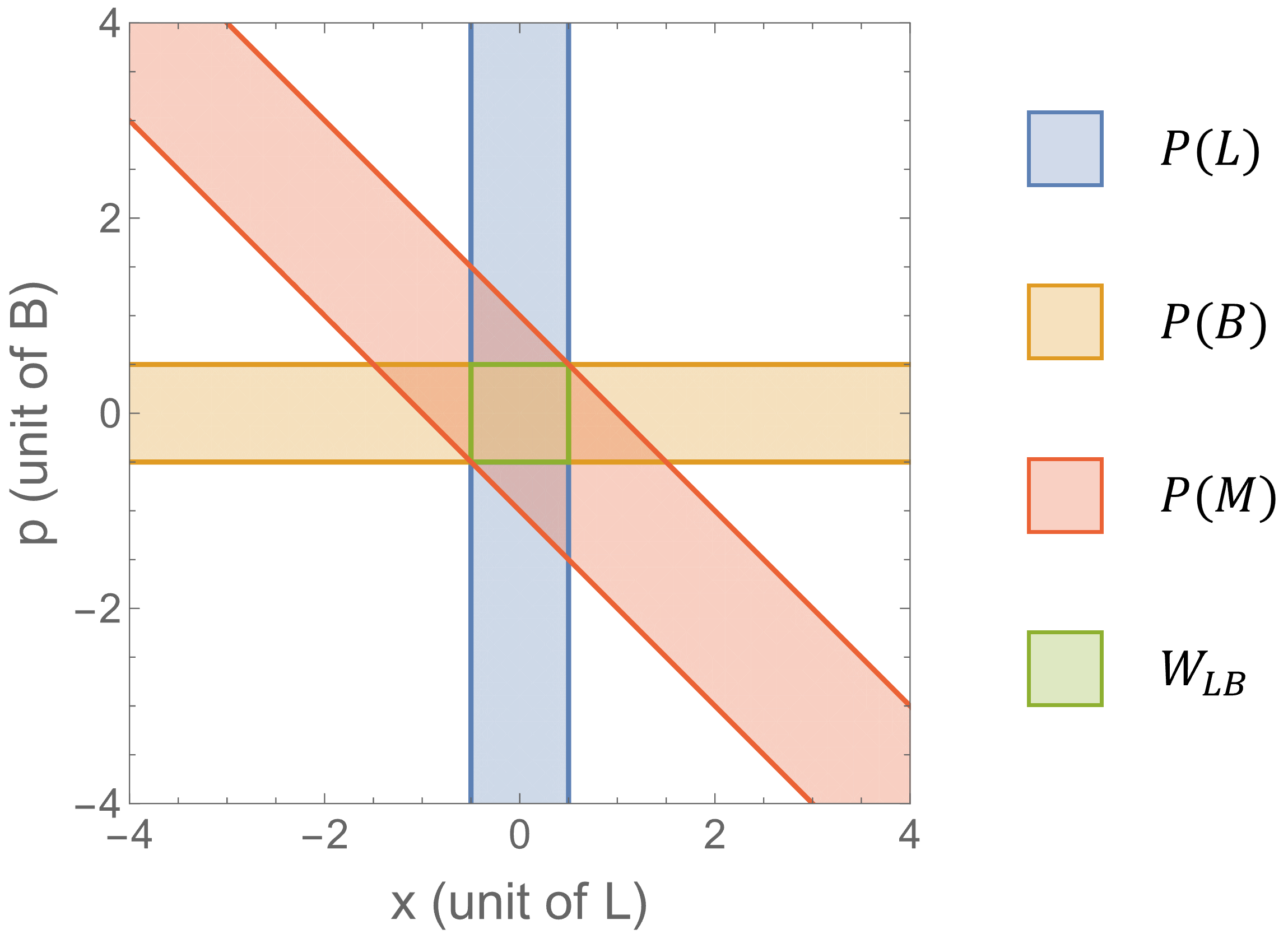
Figure 2: Visualization of phase-space integration regions for the Wigner function corresponding to various measurement domains.
Experimental Methodology
To realize and analyze these interference effects, the experiment employed a Sagnac interferometer to generate well-controlled superpositions of L2 (position-localized) and L3 (momentum-localized) photon states. Input light from an attenuated Ti:sapphire laser at L4 was manipulated in polarization and path length to tune overlap and phase between the desired components, and the resulting quantum states were probed at distinct propagation distances.
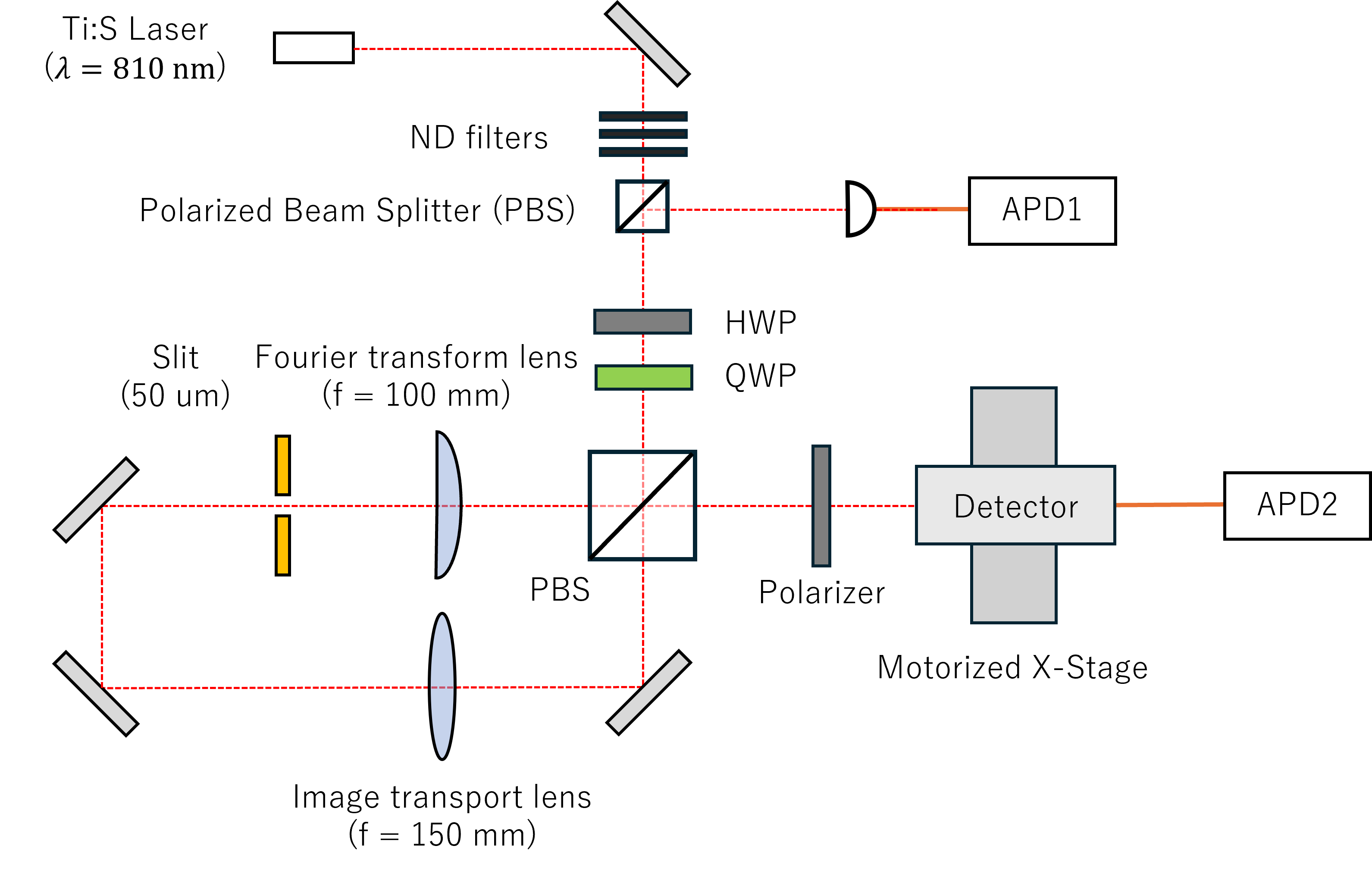
Figure 3: Experimental setup highlighting the Sagnac interferometer design and polarization controls for superposition state preparation.
The detection apparatus involved scanning single-photon counting modules behind narrow slits and lenses to measure spatial distributions directly, implement Fourier-space (momentum) detection, and access the intermediate location corresponding to maximal expected inequality violation.
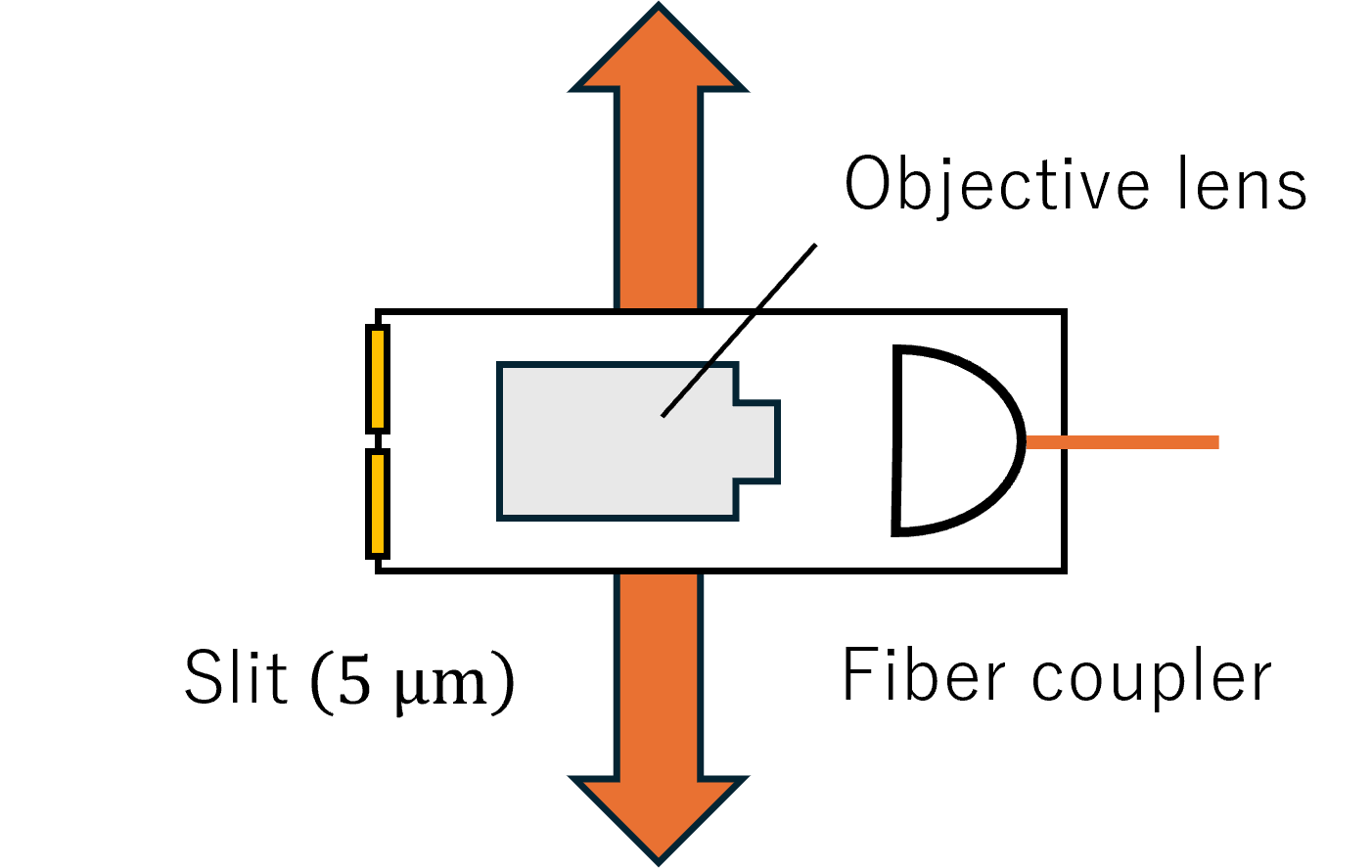
Figure 4: Detailed schematic of the detection system for spatial probability distributions.
The separate preparation of L5 and L6 within the interferometer was achieved through lens configurations effecting direct real-space imaging and Fourier transformation using carefully aligned optical elements.
Results
Characterization at L7: Position and Momentum Distributions
Recorded data for both position and momentum at L8 exhibit two prominent features: sharp rectangular peaks reflecting population within L9 and B0, and broad sinc-like diffraction tails from their complementary Fourier-limited spreads. Notably, the intervals relevant to violation calculation are set at B1, with the overlap B2. Precise background subtraction and normalization yielded B3 and B4.
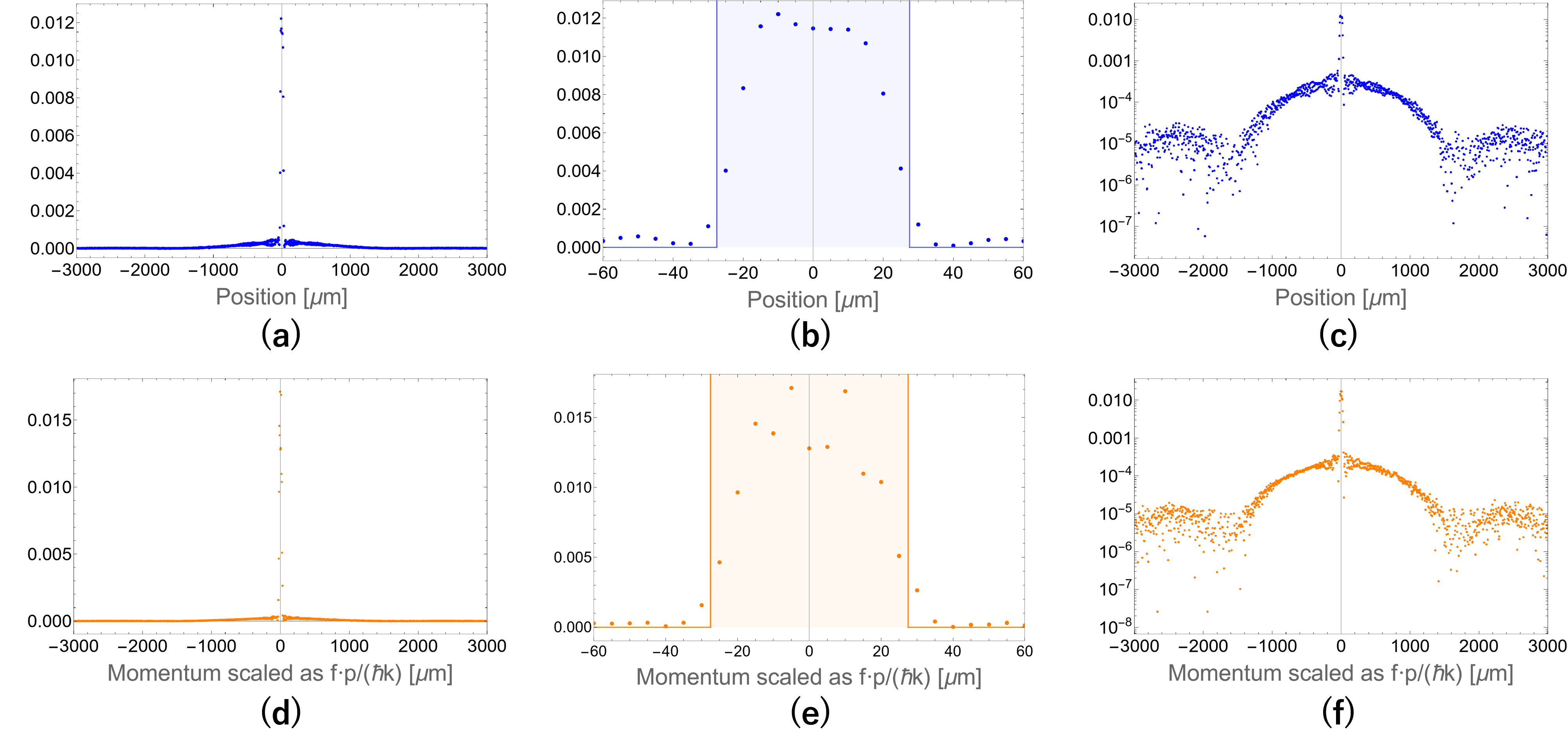
Figure 5: Experimental probability densities, showing central peaks at the prescribed B5 and B6 intervals and low-probability sidelobes from sinc-type diffraction.
Decomposition into contributions from B7, B8, and their interference term via quasi-probabilities provided B9, t=00, and interference weight t=01. Crucially, the interference term significantly enhances joint probability within t=02 and t=03 intervals, the direct source of classical inequality violation.
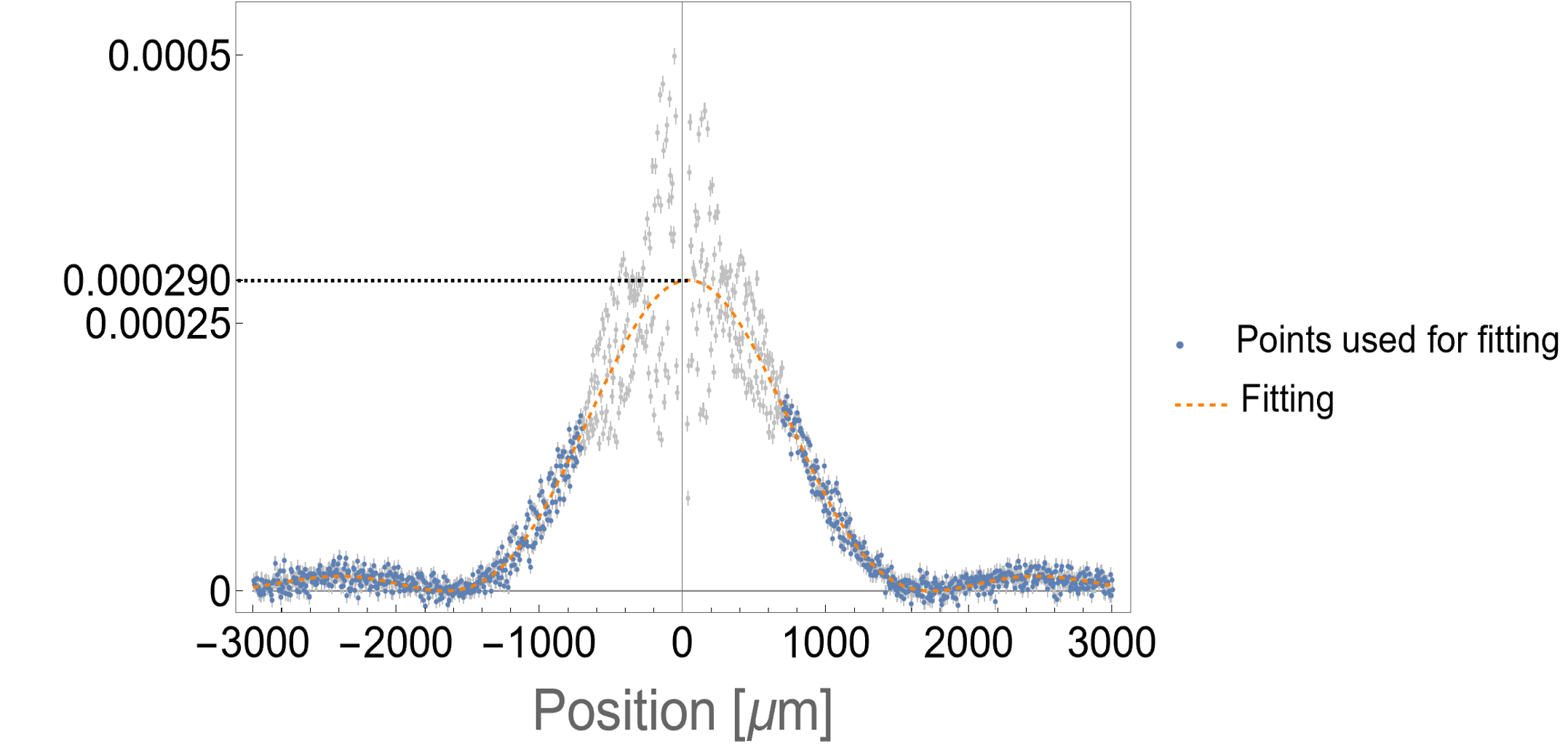
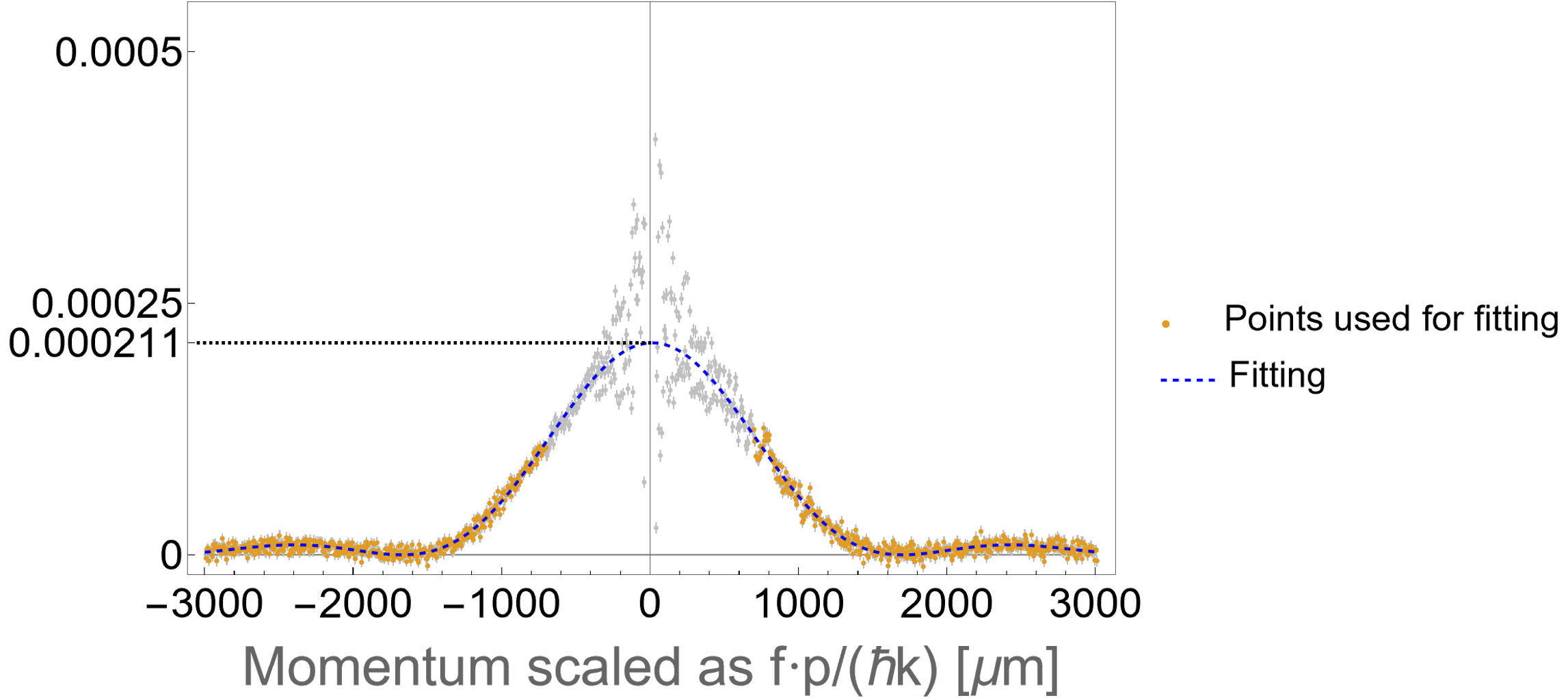
Figure 6: Fits to the diffraction tails in position and momentum, isolating sinc contributions and refining estimates for overlap and quasi-probability weights.
At the propagation time t=05, the measured position distribution was characterized by high-visibility interference fringes over an envelope, confirming coherent superposition rather than statistical mixing. The probability within the classical region t=06 was found to be t=07, yielding a clear defect probability t=08, well above statistical uncertainty and fully inconsistent with Newtonian evolution for any potential hidden variable theory.
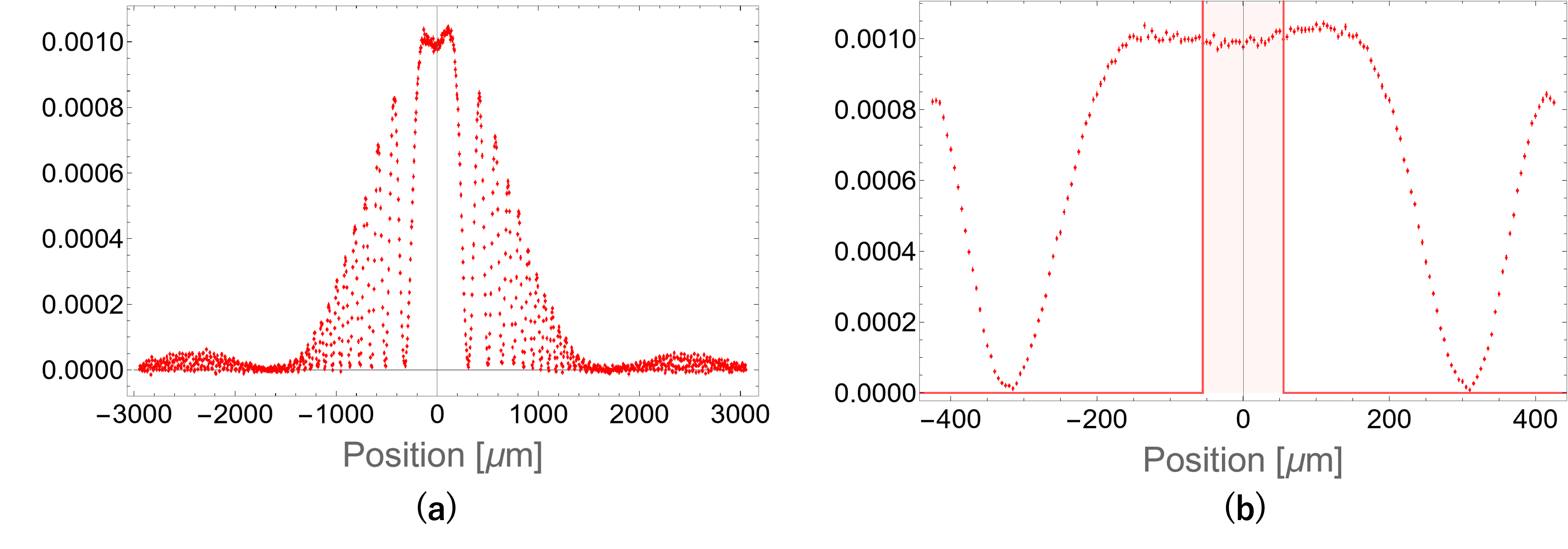
Figure 7: Measured position distribution at t=09, showing interference structure and the expanded classical interval M=L+BtM/m0.
Envelope fitting and fringe analysis confirm that only a substantially reduced fraction of the interference term is present within M=L+BtM/m1, validating the hypothesis that Wigner negativity (localization beyond classical bounds) is responsible for the propagation anomaly.
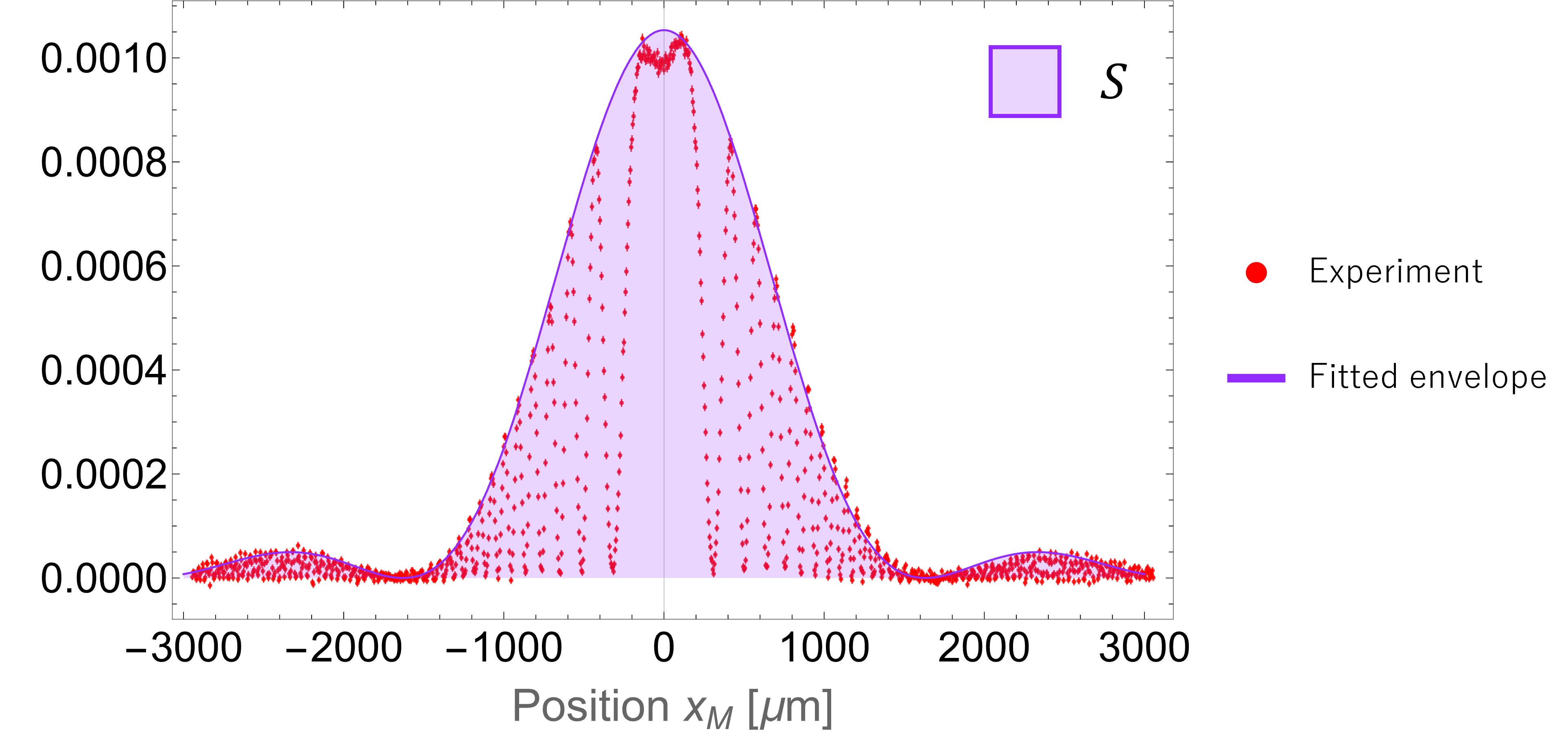
Figure 8: Quantitative estimation of signal within the interference envelope, used to apportion contributions from position, momentum, and interference terms.
Wigner Function Negativity and Quantum Propagation
Analysis of the data within the Wigner function framework demonstrates that the observed probabilities require significant negativity in M=L+BtM/m2, the quasi-probability integrated beyond the M=L+BtM/m3-M=L+BtM/m4 cross. Explicitly, M=L+BtM/m5, more than enough to support the observed M=L+BtM/m6.
The observed constructive interference within M=L+BtM/m7 and M=L+BtM/m8 does not translate into a correspondingly high M=L+BtM/m9, revealing a fundamental asymmetry enforced by phase-space negativity. This effect cannot be reconciled with any positive probability distribution over phase space or with deterministic particle trajectories, as in Bohmian mechanics.
Implications and Outlook
The findings have direct consequences for foundational discussions of quantum mechanics:
- Experimental quantification of Wigner negativity: The results decisively confirm that negative quasi-probabilities are not just theoretical artifacts but observable properties manifested in single-particle propagation.
- Refutation of realist trajectory interpretations: Classical or hidden variable models, including Bohmian mechanics, cannot reproduce the defect probability without violating the linearity or positivity constraints of the density matrix.
- Measurement contextuality and causal structure: The data indicate that identification of a photon at a certain position, momentum, or time does not imply an underlying trajectory, but reflects different sub-ensembles of the superposed quantum state.
Practically, this work suggests that exploiting non-classical interference between canonical observables could become a resource for quantum information processing, quantum measurement theory, and metrology. The methodology provides a pathway for further studies of quantum backflow, entanglement in single-particle phase space, and the dynamics of quasi-probability distributions.
Conclusion
Through a sophisticated combination of interferometric state preparation, coordinate and momentum-resolved measurement, and quasi-probability analysis, this study provides robust experimental evidence for the violation of Newtonian propagation in quantum systems via non-classical superpositions. The results demonstrate the necessity of Wigner function negativity for such violations and reinforce the incompatibility of deterministic ontological trajectories with quantum interference phenomena. Future work may explore generalizations to higher dimensions, other forms of quasi-probability, and the incorporation of these findings into applied quantum technologies.