- The paper introduces the TimeRAN model, a unified time-series foundation for RAN that overcomes siloed task-specific models through multi-task representation learning.
- It employs a transformer-based architecture with masked pretraining, achieving state-of-the-art results in anomaly detection, forecasting, and classification across 355,000 time series.
- Empirical evaluations in a live 5G testbed confirm TimeRAN's edge viability, real-time inference capabilities, and robust generalization even under high data masking conditions.
Unified Time-Series Foundation Models for the Radio Access Network: An Expert Synthesis of TimeRAN
Introduction
The modularization and disaggregation of the Radio Access Network (RAN) underlying 5G—and envisioned for 6G—have shifted the design paradigm from monolithic, inflexible infrastructure towards programmable, AI-native platforms capable of supporting communication, computation, and sensing. Despite significant advances in AI for cellular networks, state-of-the-art models remain highly task-specific, resulting in substantial fragmentation, poor cross-task generalization, and high system complexity. "A Family of Open Time-Series Foundation Models for the Radio Access Network" (2604.04271) introduces TimeRAN, a unified time-series foundation model for RAN telemetry, aiming to address model siloing via multi-task representation learning and foundation model techniques.
Foundation and Data Pipeline
The central enabling component is the TimeRAN DataPile, the largest publicly available corpus for RAN analytics, aggregating over 355,000 time series and 560 million measurements from diverse sources and stack layers. The dataset spans anomaly detection, classification, imputation, and forecasting tasks, and encapsulates heterogeneity in channel dimensionality, temporal resolution (from milliseconds to minutes), and operational conditions encompassing real network deployments and over-the-air testbeds.
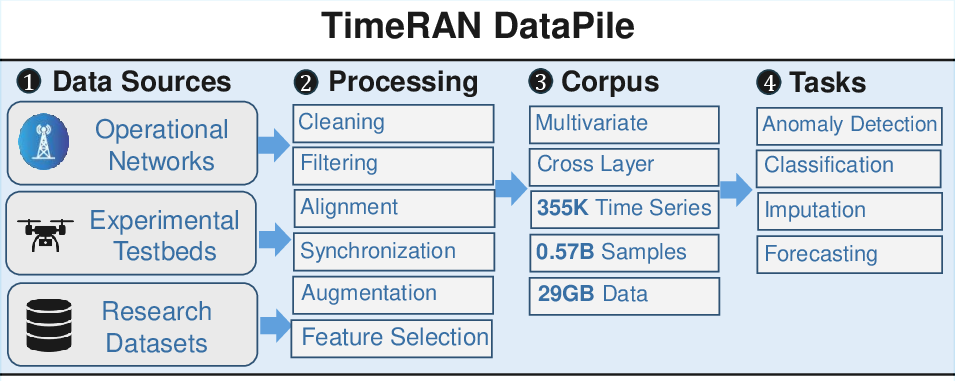
Figure 1: TimeRAN DataPile composes heterogeneous telemetry from operational and experimental RAN environments, supporting a comprehensive range of time-series analytics tasks.
A sophisticated preprocessing pipeline enforces temporal consistency, filters uninformative/redundant channels, augments anomalies where necessary, and accommodates for sparsity, ensuring robust downstream learning and comparability across domains.
Model Architecture
At the core, TimeRAN adopts a transformer-based architecture with a focus on computational efficiency and modularity. The system decomposes into multichannel patching for temporal segmentation, linear projection to latent embedding space, self-supervised masking, and sinusoidal positional encoding. The backbone comprises stacked self-attention layers (following standard Transformer formulation), leveraging parallel multi-head attention to model both temporal and cross-channel dependencies. Output is funneled through lightweight task-specific heads for anomaly detection, forecasting, imputation, and classification.
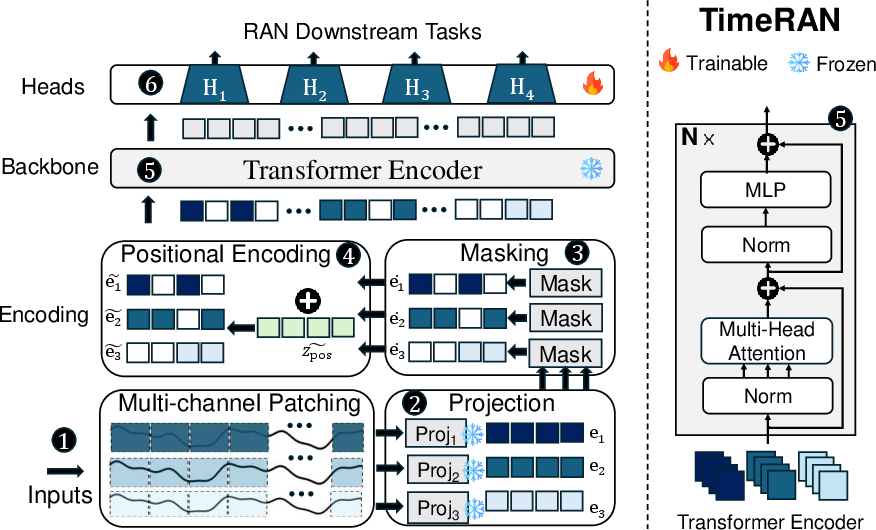
Figure 2: The TimeRAN framework supports patch-based input tokenization, positional encoding, transformer backbone, and modular task heads to address diverse RAN use-cases.
Masked time-series modeling objectives are employed during pretraining, while downstream adaptation allows for end-to-end fine-tuning, linear probing, or zero-shot application (specifically for anomaly detection and imputation) via the pre-trained reconstruction head.
System Implementation and Edge Viability
A substantial emphasis is placed on deployment practicality. TimeRAN is implemented with scalable PyTorch infrastructure, supporting mixed-precision and gradient checkpointing for memory efficiency. TimeRAN is validated in a real 5G testbed comprising a disaggregated OAI-compliant RAN, USRP SDR frontend, and multiple GPU platforms. The entire pipeline supports real-time inference with manageable resource overhead, confirming practical deployment at the edge or cell sites.
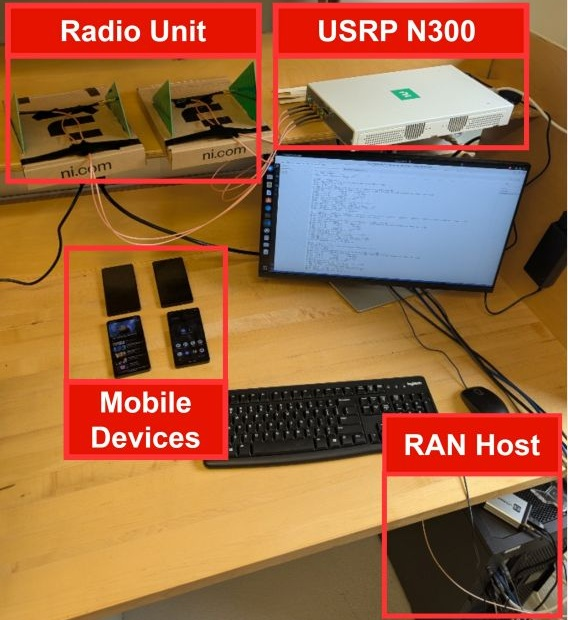
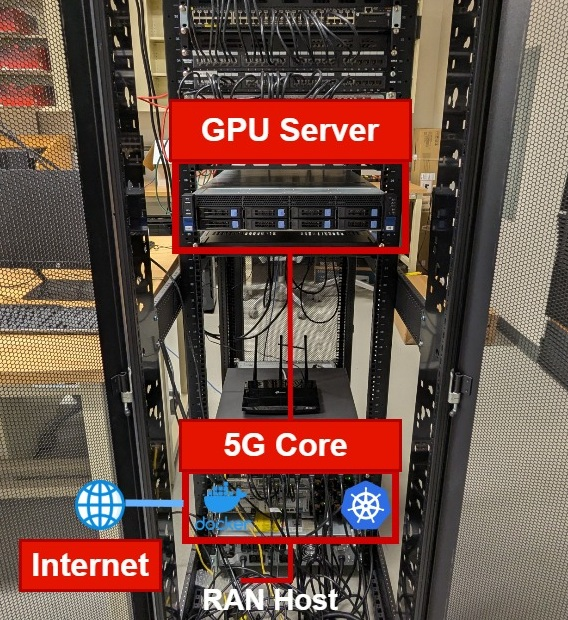
Figure 3: Proof-of-concept deployment integrates TimeRAN in a live disaggregated 5G testbed spanning RAN, SDR, cloud-native core, and commercial UEs.
Empirical Evaluation and Results
Downstream Performance:
TimeRAN establishes strong empirical performance across all tasks versus both specialized statistical (e.g., ARIMA, ETS) and neural baselines (e.g., LSTM, 1D-CNN, Autoformer, Informer, TimesNet), with consistent SOTA anomaly detection (Adj. F1 up to 0.99), robust classification (F1 close to 0.99 on mobility and anomaly root-cause tasks), competitive forecasting, and resilient imputation across high masking ratios [(2604.04271), see supplement for numerical details]. Its zero-shot and linear probing performance approaches fully fine-tuned baselines, attesting to the pre-trained representations' generality.

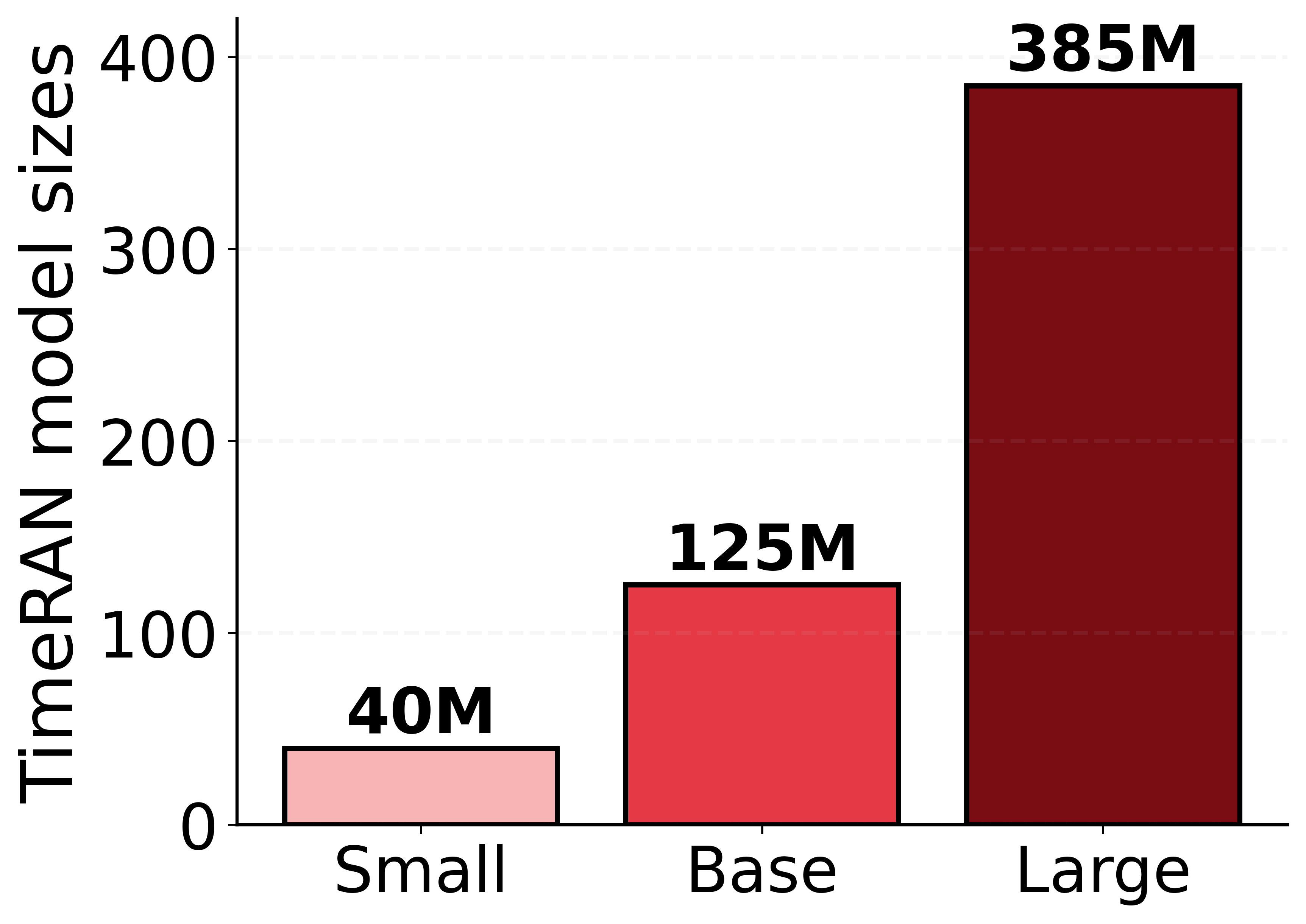
Figure 4: TimeRAN base and large variants demonstrate rapid convergence and superior loss curves during pretraining.
Representation Analysis:
Latent embedding projections via PCA reveal clear cluster separation reflecting underlying phenomena (anomaly, mobility, service type) even without dataset-specific fine-tuning, indicating strong inductive bias captured by the time-series transformer backbone.
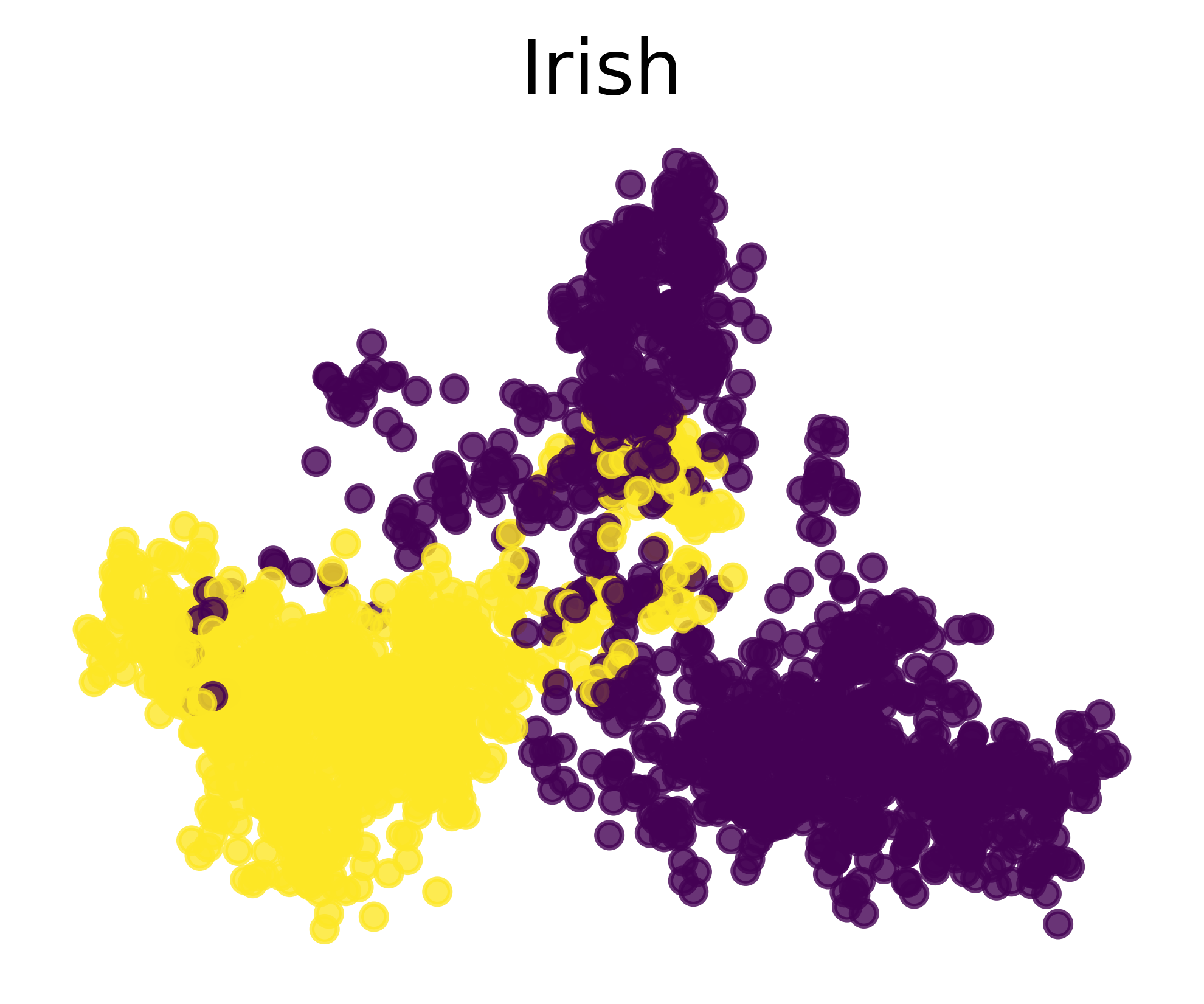
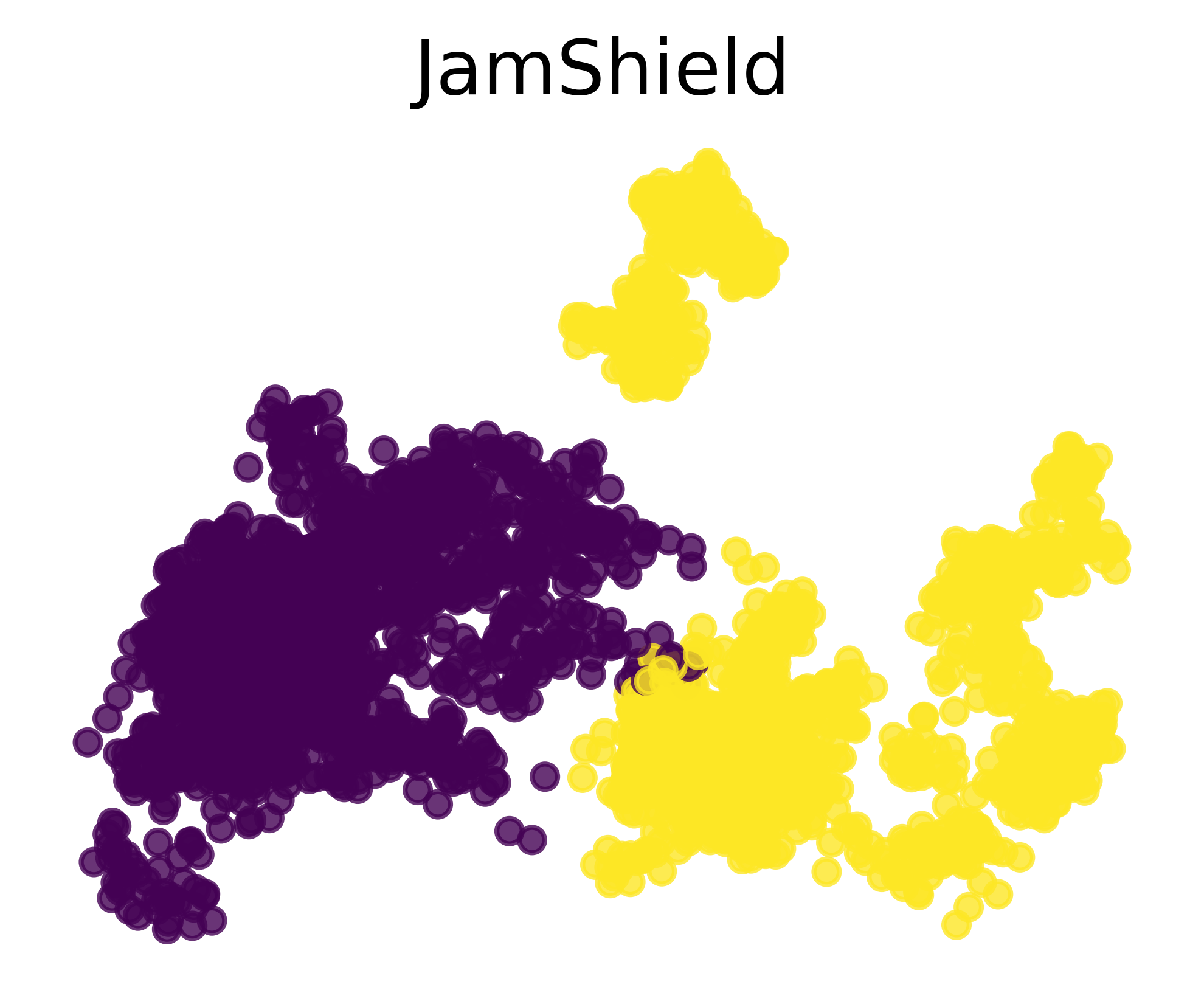
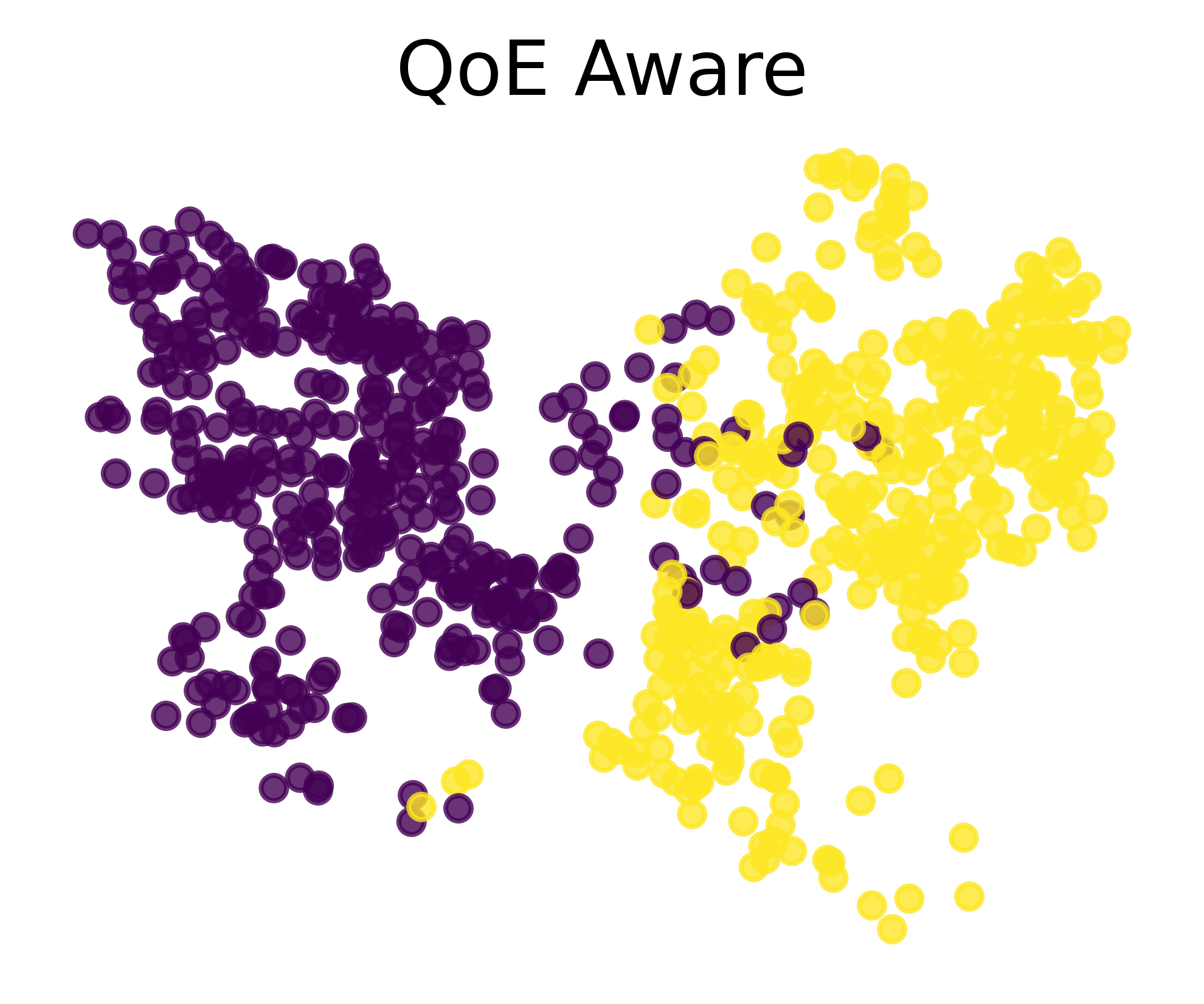
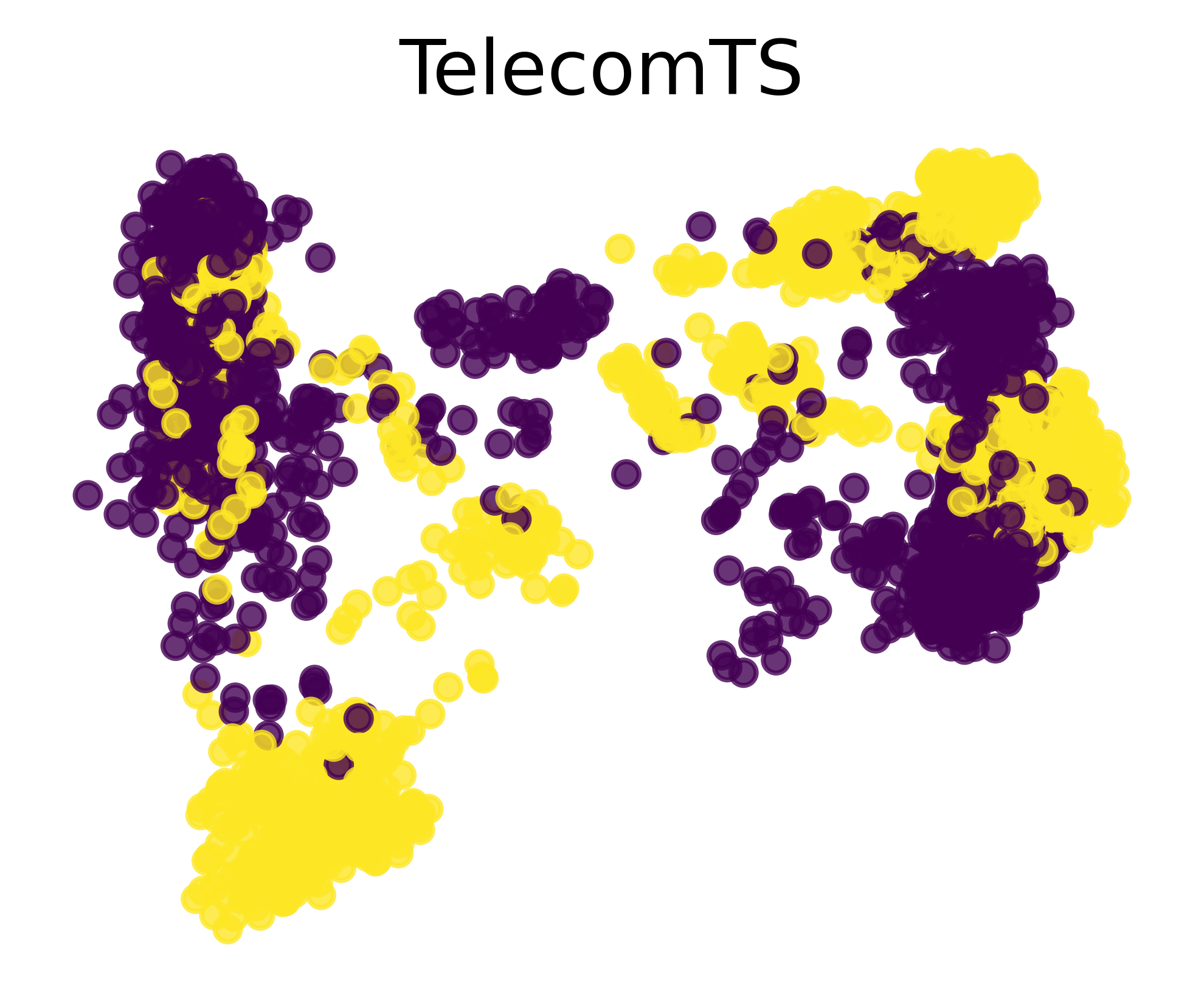
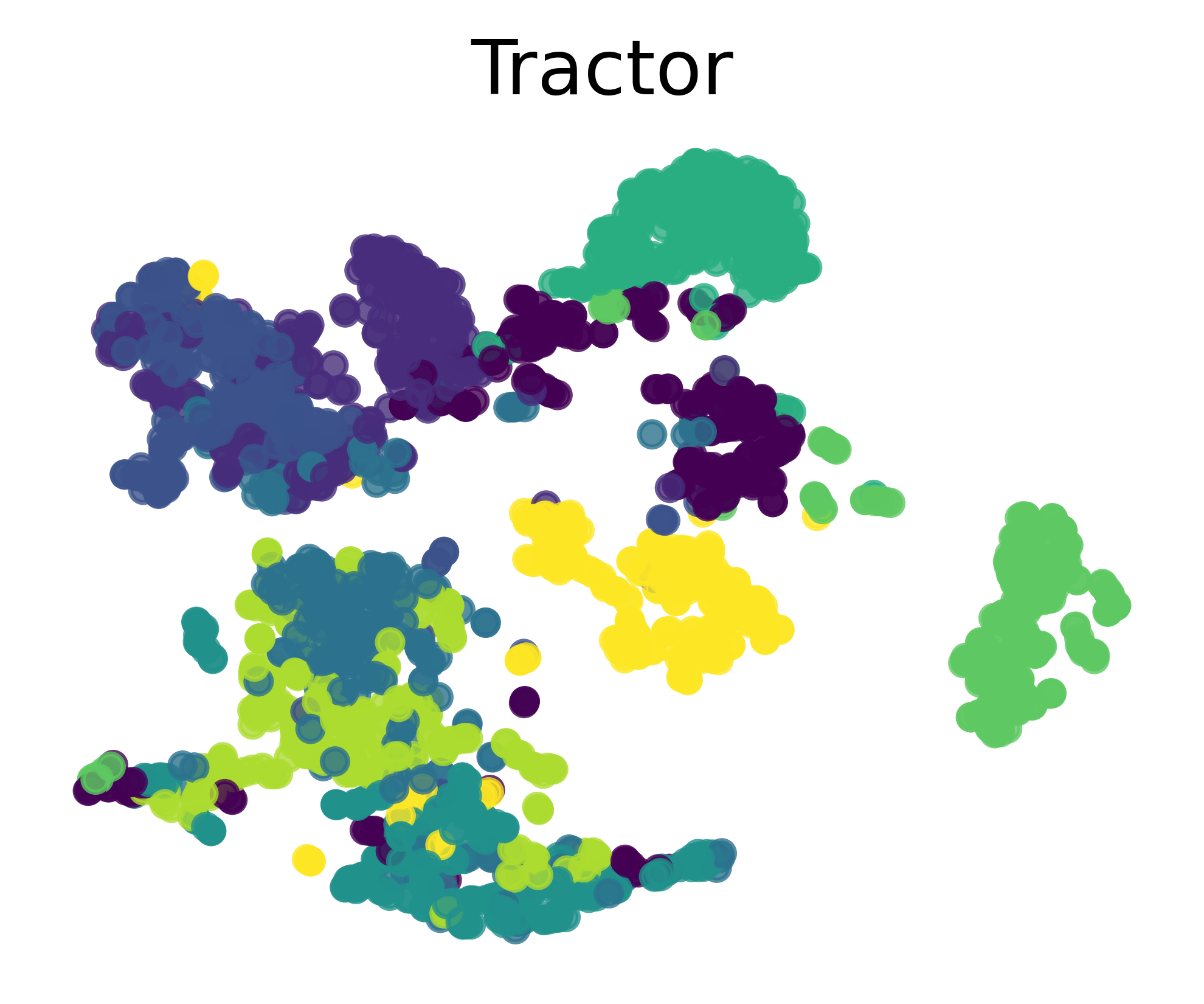
Figure 5: TimeRAN embeddings cluster by class/category in a zero-shot regime, supporting linear decision boundaries and simple downstream adaptation.
Generalization:
TimeRAN generalizes robustly to unseen environments, including WiFi, Bluetooth, LoRa, and infrastructure telemetry in zero-shot imputation tasks. Even when 50% of data is masked, the reconstruction matches original dynamics in domains structurally distinct from RAN telemetry.
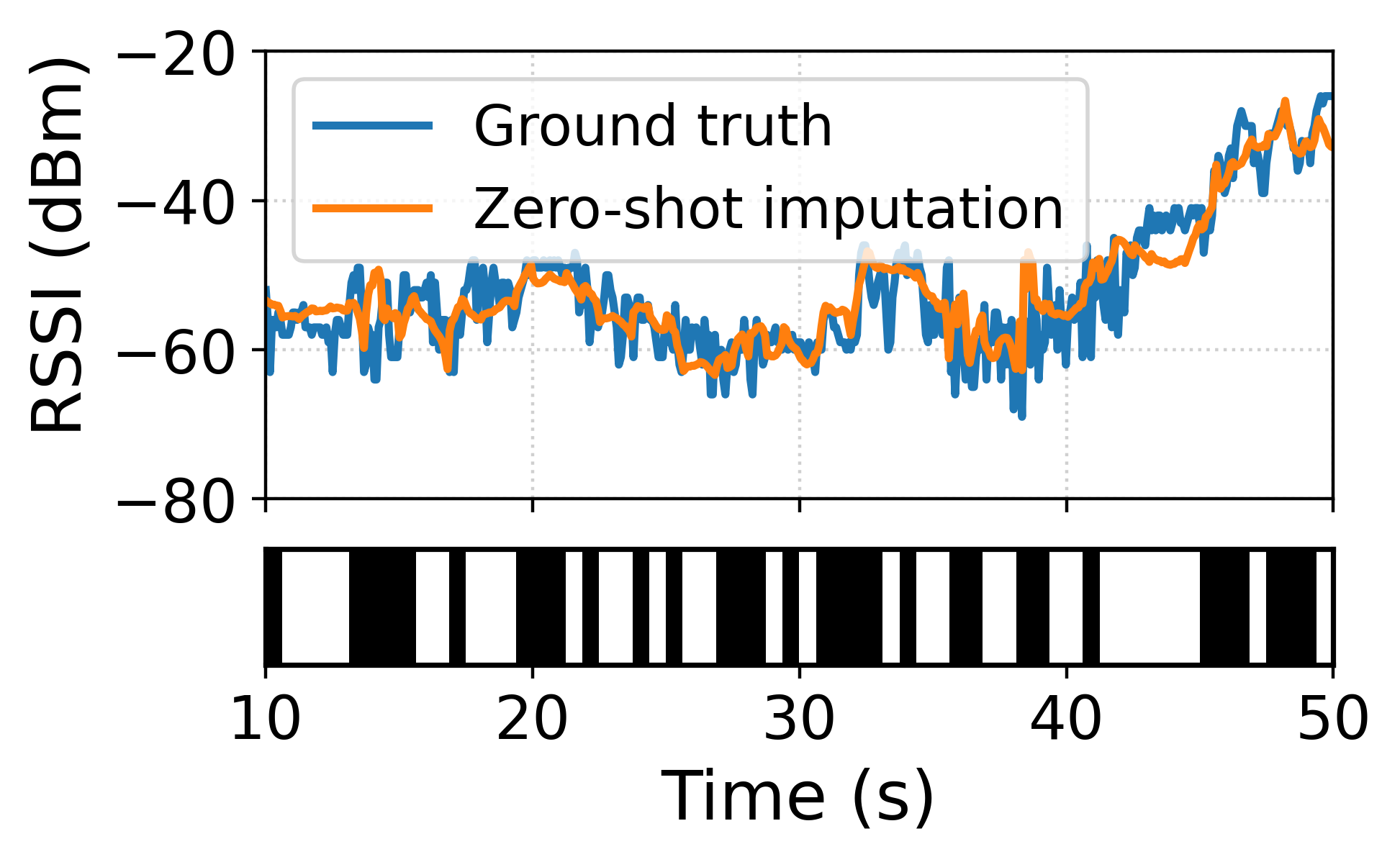
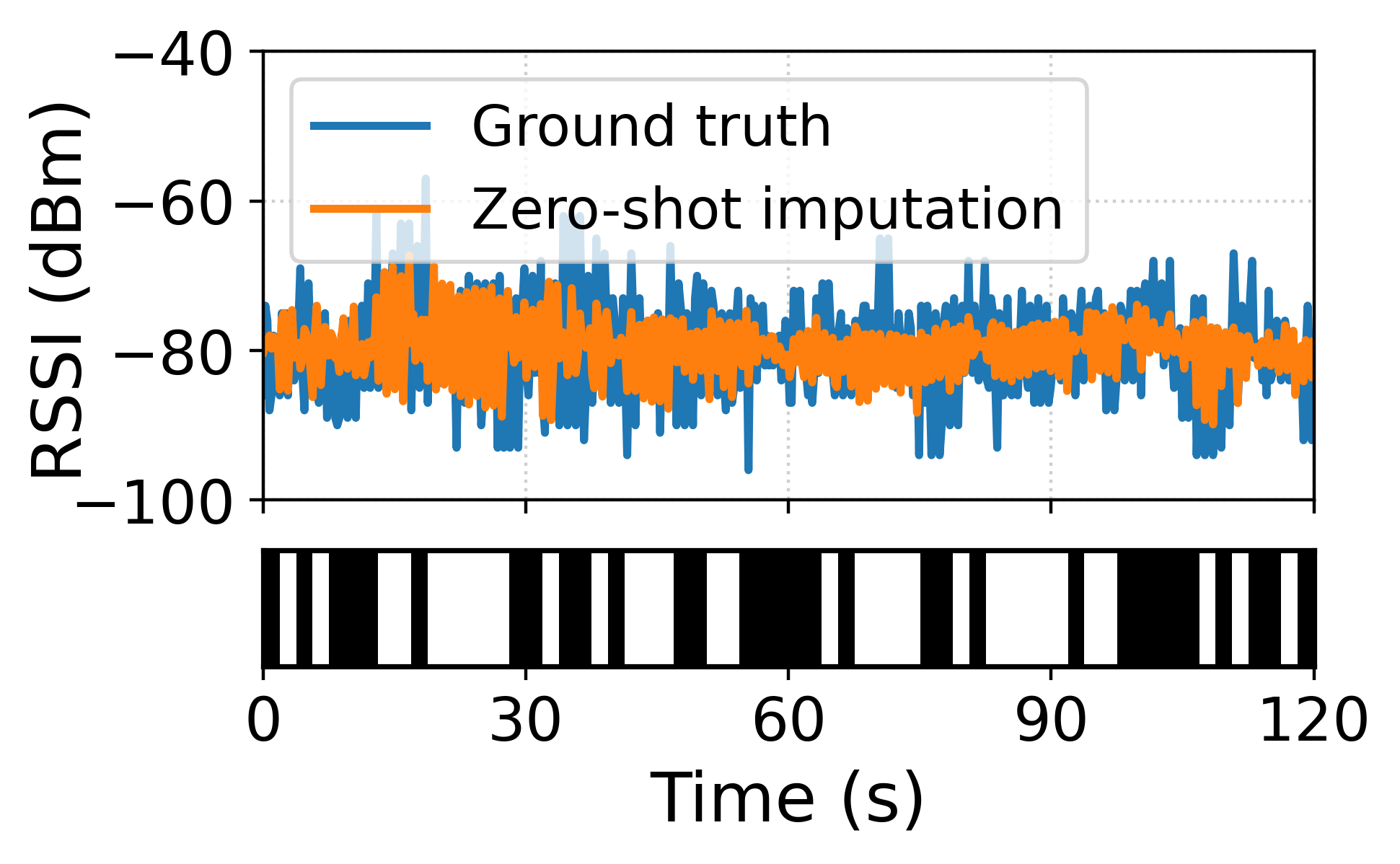
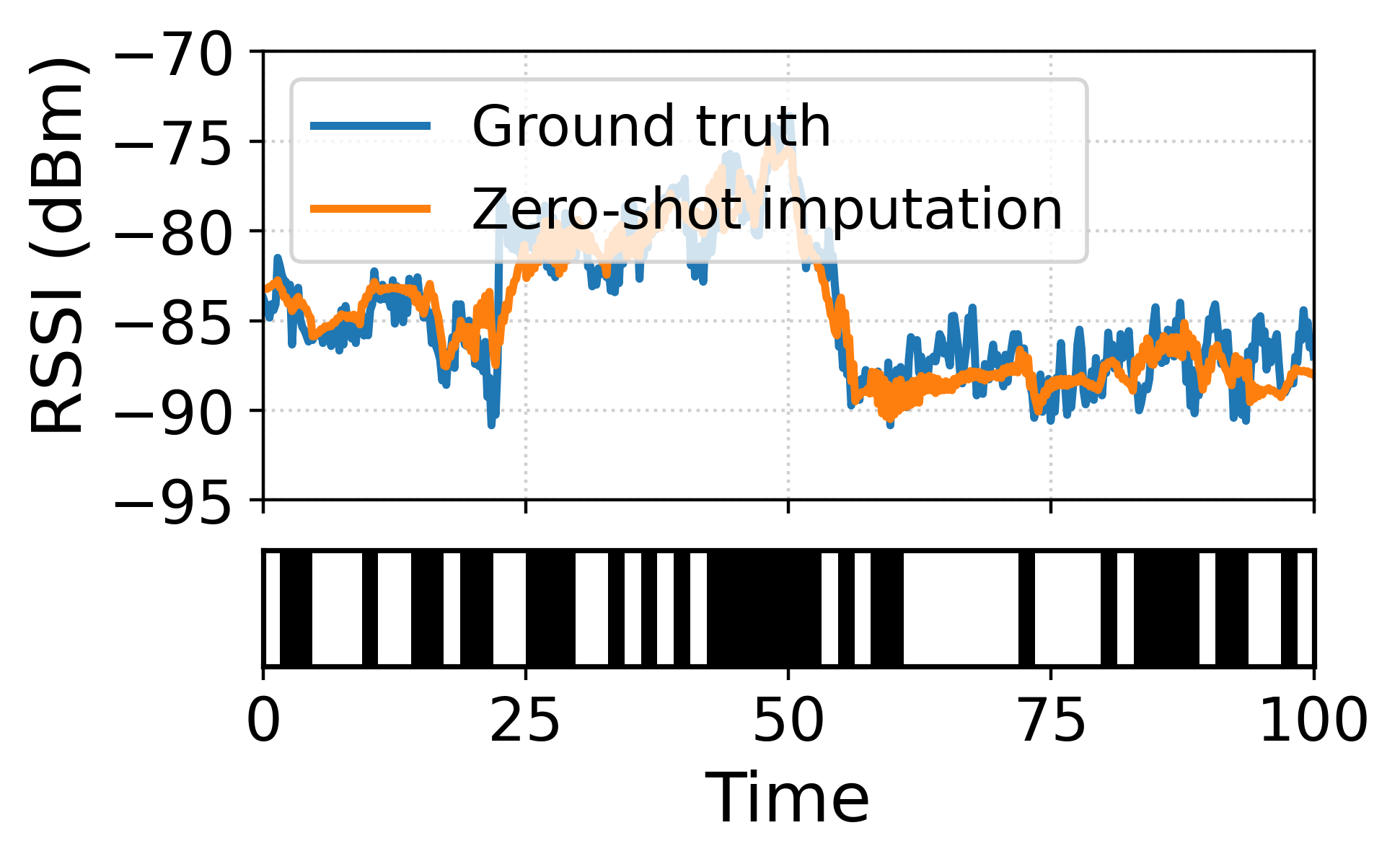
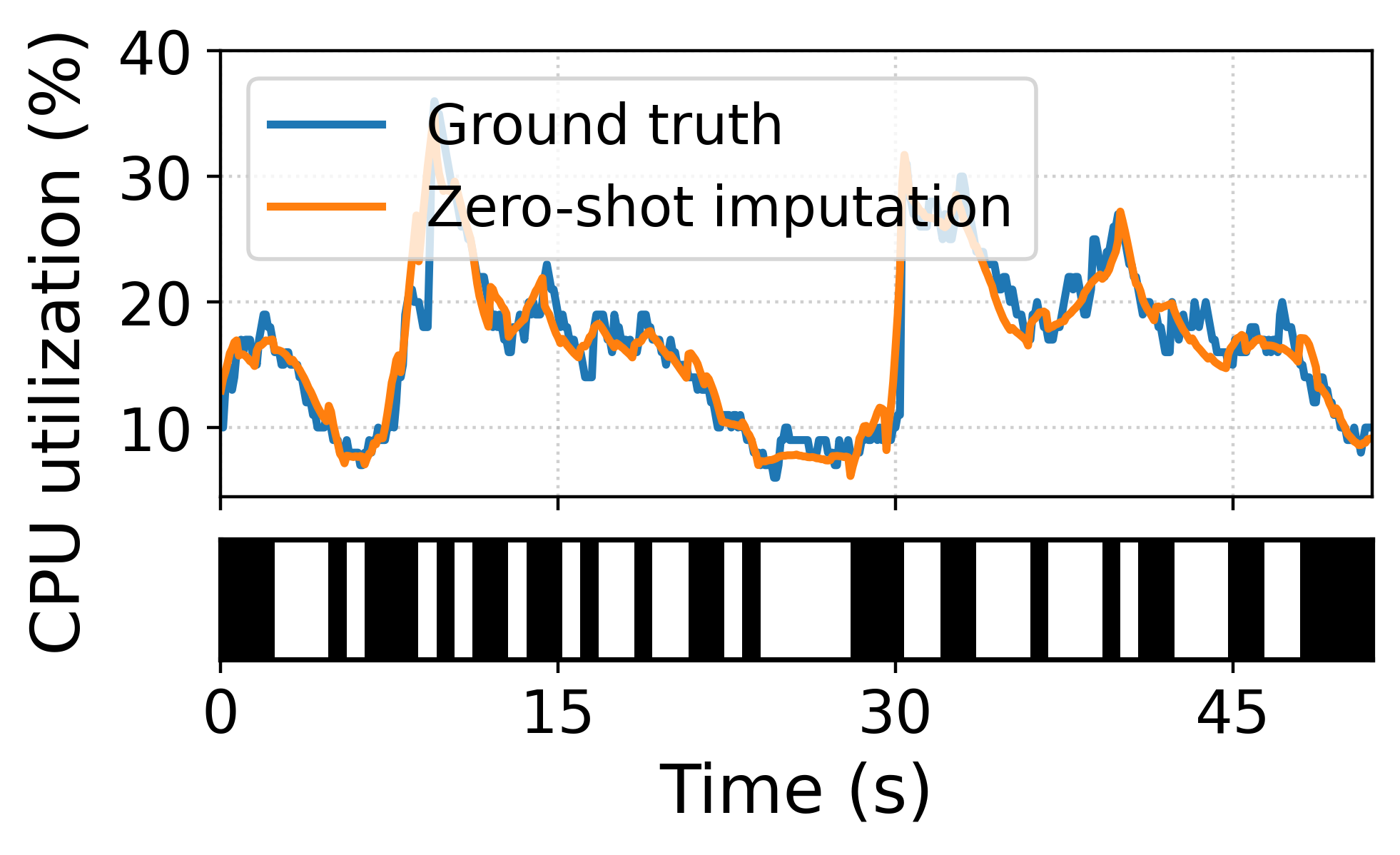
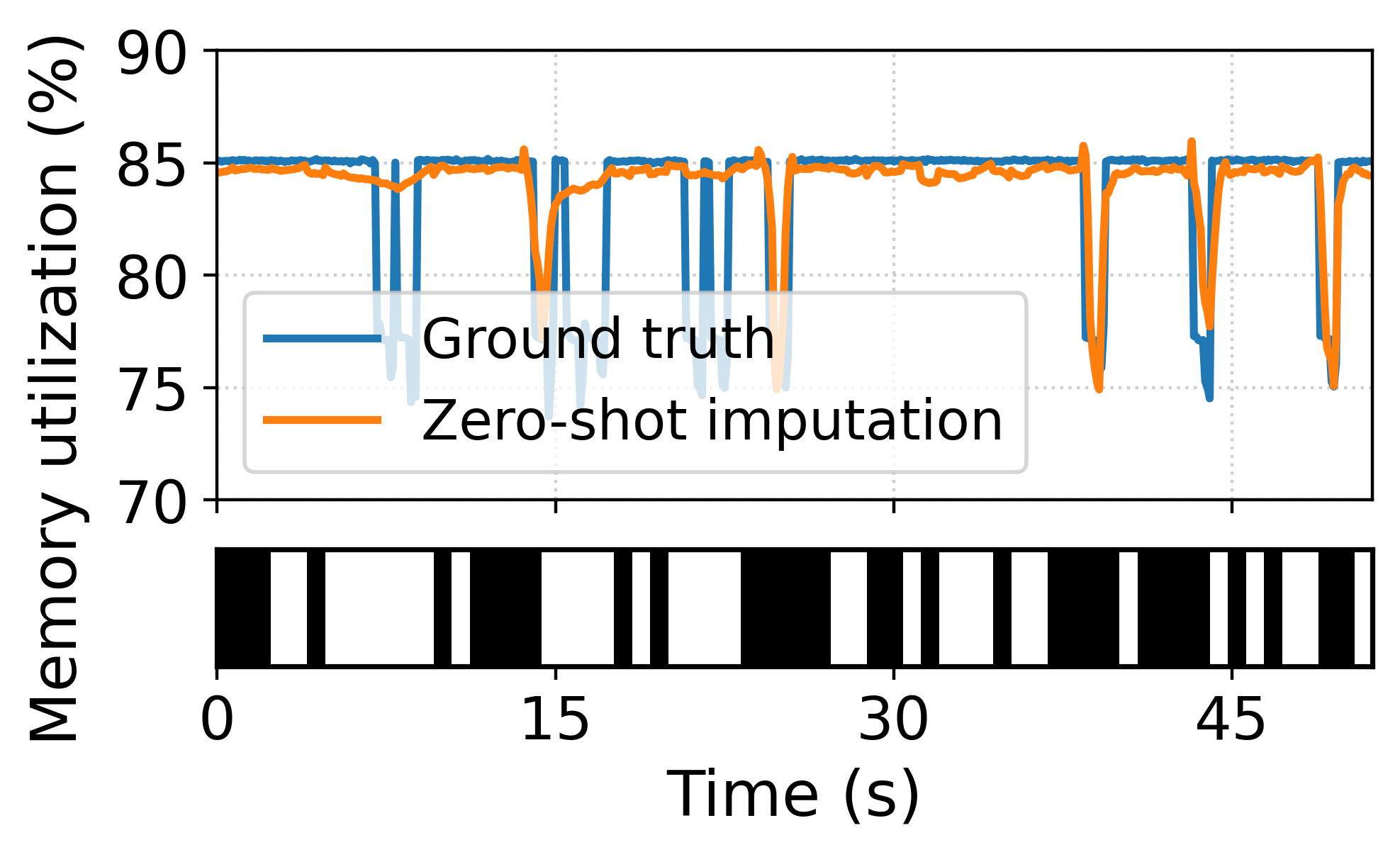
Figure 6: Zero-shot imputation performance extends to WiFi and other non-RAN time-series domains, demonstrating strong out-of-distribution generalization.
Resource Overhead:
Empirical profiling shows inference latency and resource use (GPU/CPU) increase sublinearly with input window size and channel dimension. Even with 150 channels and long windows, single-batch inference on RTX-class GPUs remains below 150 ms and under 1.5 GB VRAM, supporting real-time applicability at the network edge.
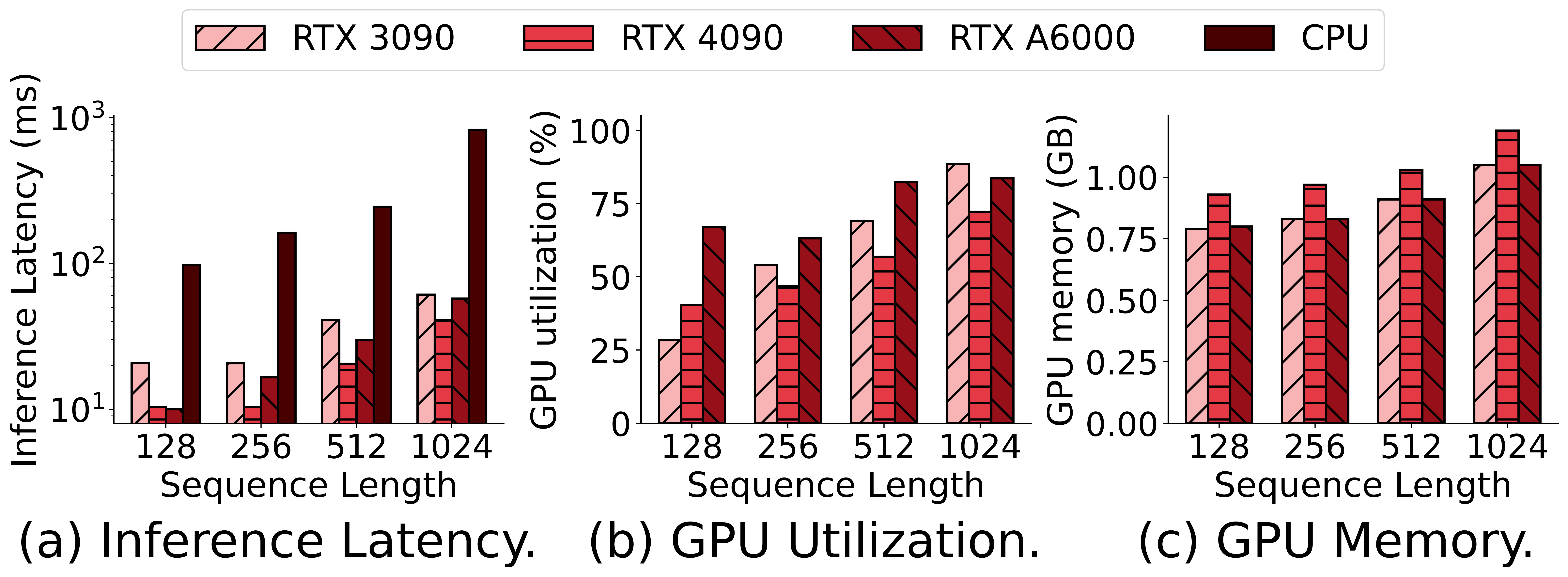
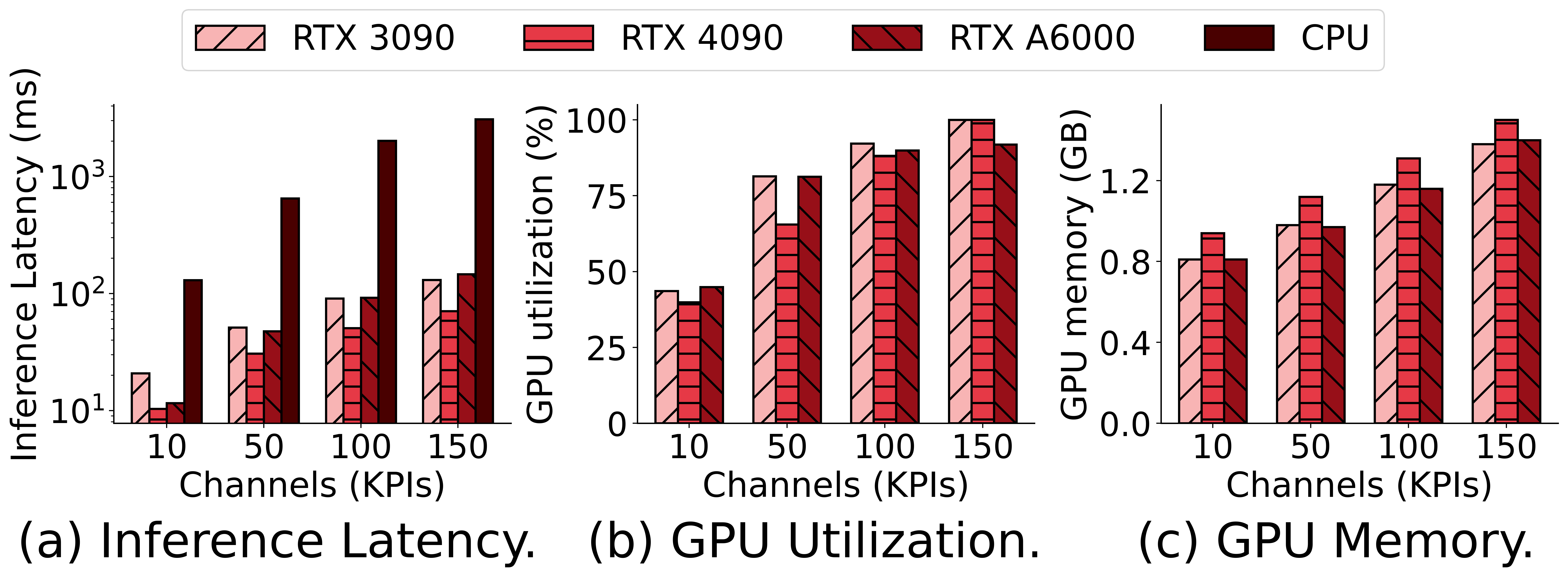
Figure 7: Input window size has a linear effect on inference latency and compute utilization, confirming the architecture's suitability for deployment-bound RAN scenarios.
Testbed Validation and Practical Relevance
Deployment in a live 5G testbed validates TimeRAN's ability to detect realistic RF jamming attacks, classify user mobility, forecast PRB utilization, and impute missing CQI telemetry. Inference is realized in real time with manageable latency and memory, affirming that model generalization and efficiency persist outside the benchmarking environment.
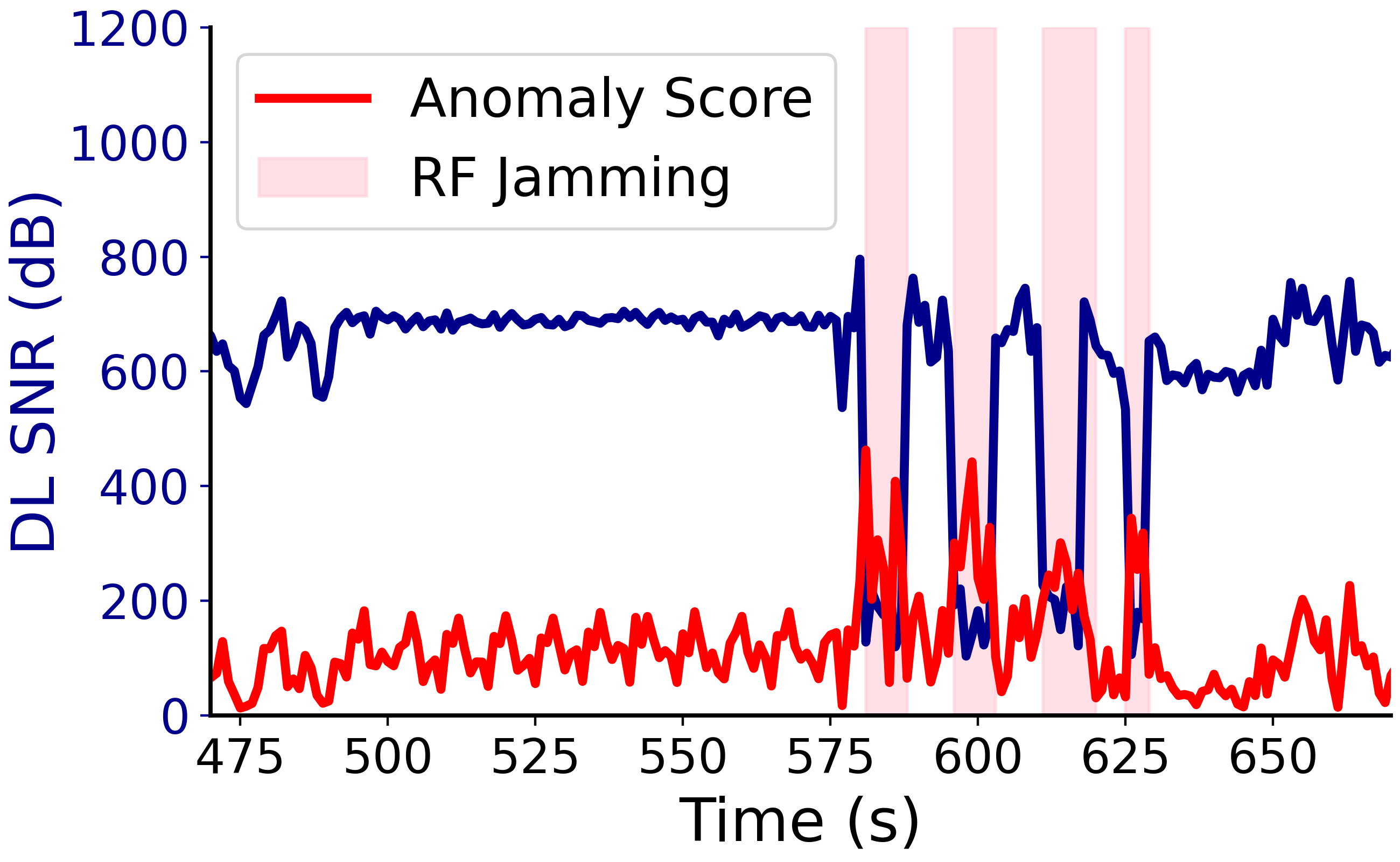
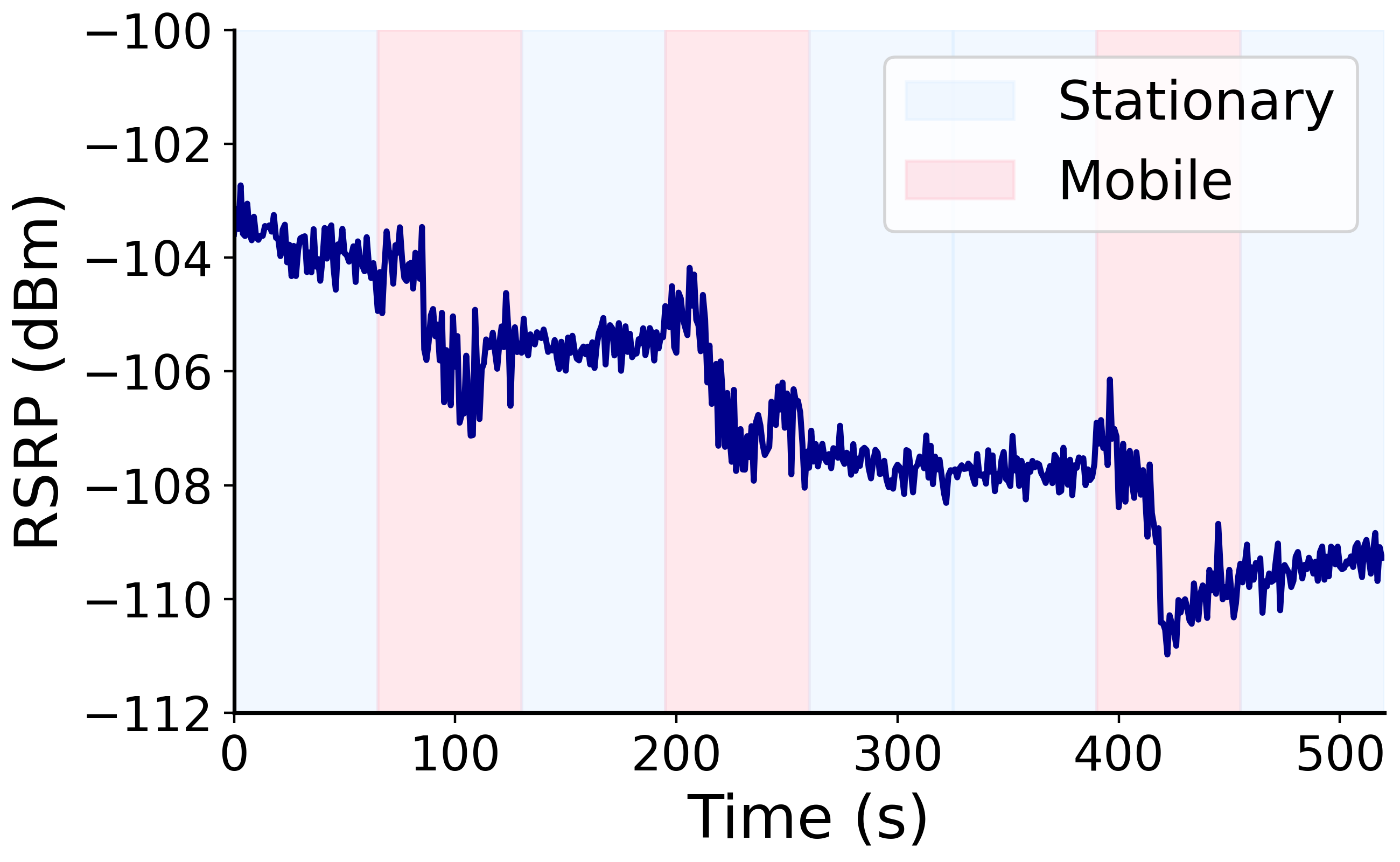
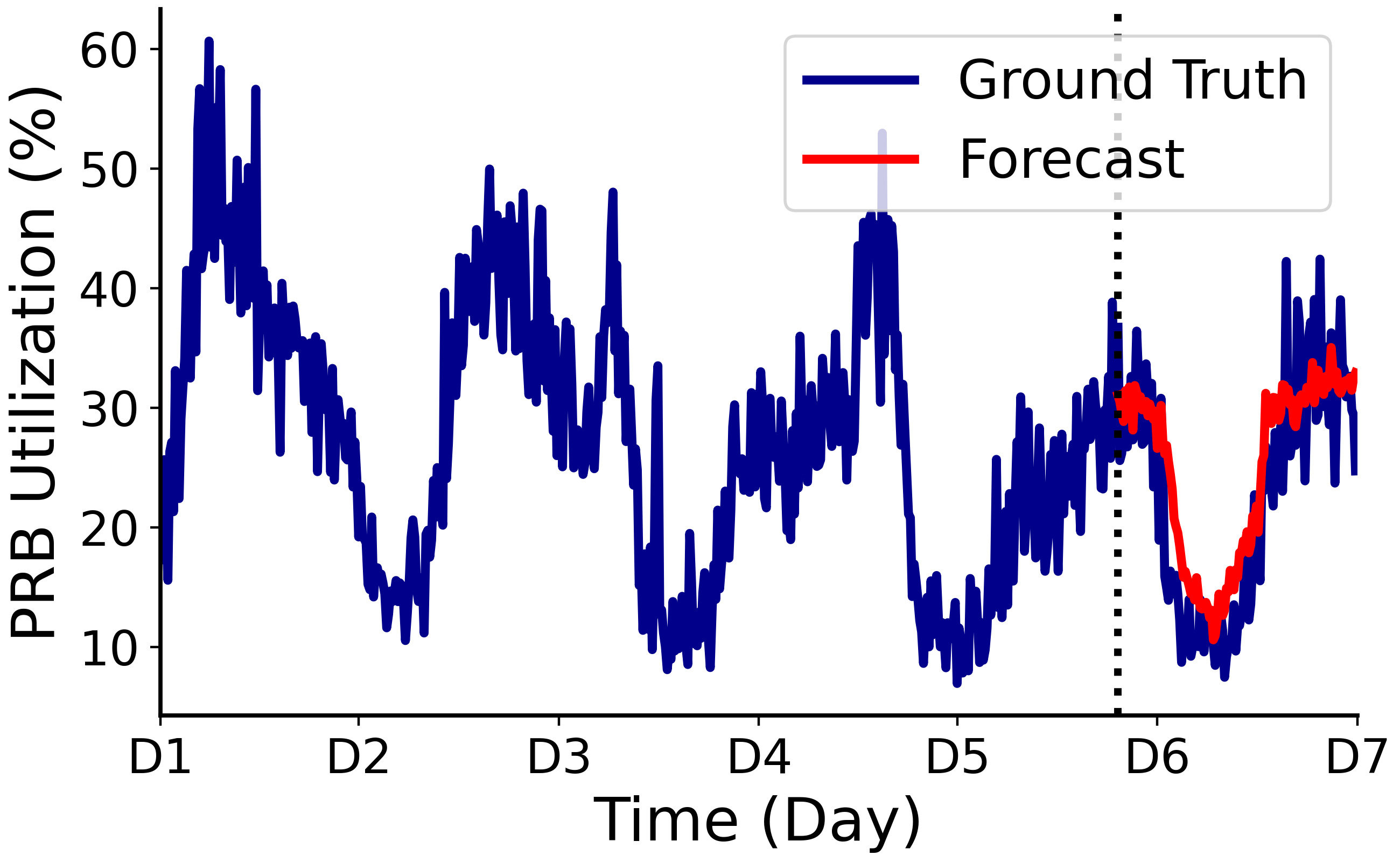
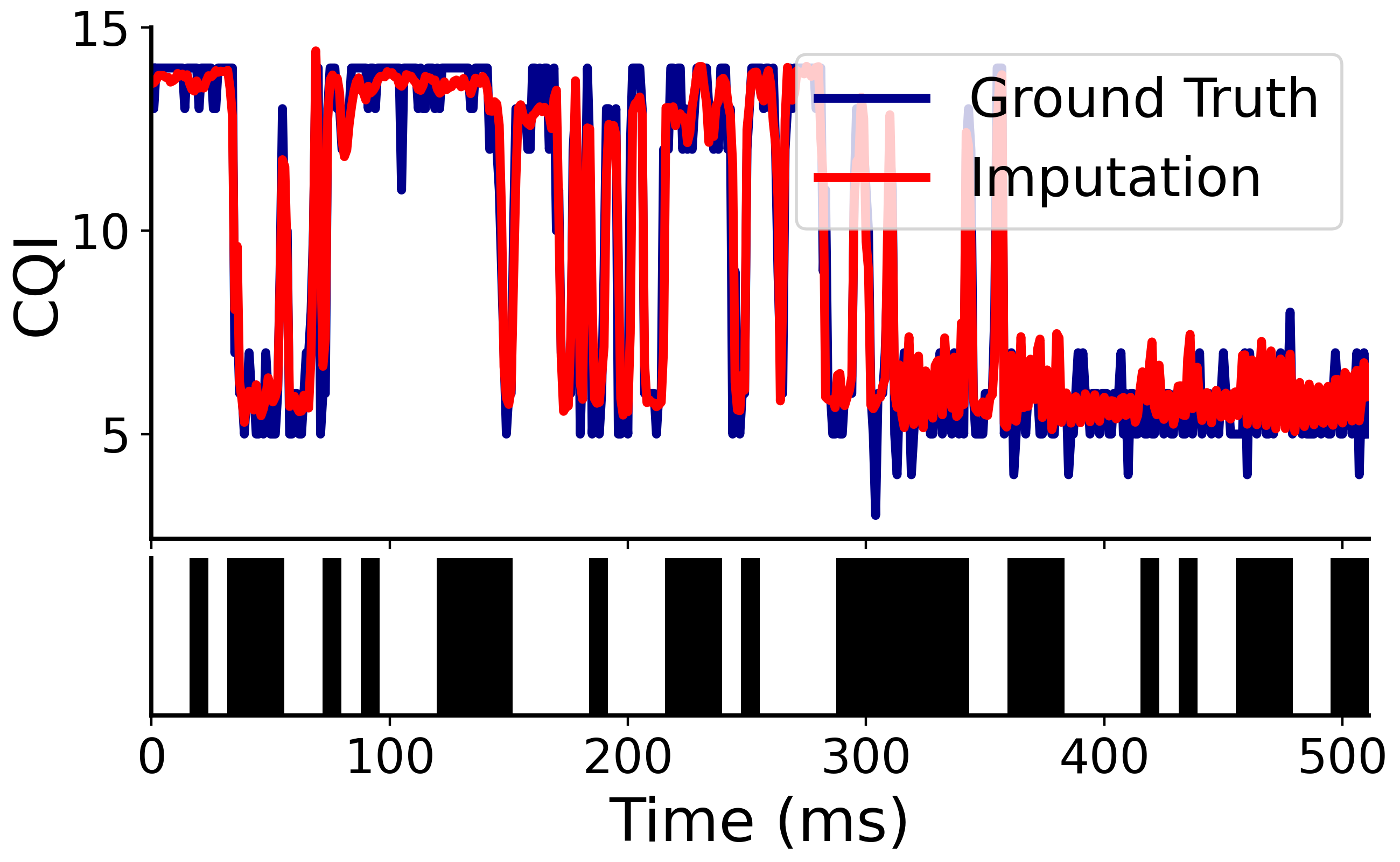
Figure 8: On the testbed, TimeRAN accurately identifies jamming, classifies mobility, makes reliable short-horizon forecasts, and imputes missing telemetry from partially observed streams.
Implications and Future Outlook
TimeRAN's unified foundation model approach directly challenges the prevailing trend of vertically integrated, task-specific RAN AI models. Its generalization capacity, parameter efficiency, and real-time edge viability make it a compelling platform for operational RAN analytics and closed-loop network control. By open-sourcing the DataPile and model weights, the work sets a precedent for reproducibility in the otherwise proprietary communications AI ecosystem.
Practically, this model family provides a scalable means to incorporate high-level RAN intelligence without incurring orchestration or retraining overheads. Theoretically, it demonstrates that rich temporal representation learning, combined with self-supervised objectives and robust architecture adaptation, resolves most of the brittle generalization and transfer limitations in legacy RAN AI stacks.
Looking forward, the results suggest significant scope for transfer to other telemetry- or multivariate-sequential domains, meta-learned adaptation to non-stationary environments, and tighter integration with real-time, latency-critical PHY/MAC tasks via further model pruning or hardware-software co-design.
Conclusion
TimeRAN exemplifies a paradigm shift for RAN analytics: a time-series foundation model capable of multi-task generalization, high empirical performance, and operational efficiency, validated in both controlled benchmarks and live 5G systems. The open-sourcing of both data and weights paves the way for accelerated research, reproducibility, and continuous improvement in AI-native RAN design (2604.04271).