- The paper presents a student-led participatory design process that develops AI policy recommendations grounded in candid experience and lived academic practices.
- It employs structured workshops and creative methods like zine-making to ensure policy clarity, assignment-specific guidelines, and balanced faculty-student power dynamics.
- The study reveals practical challenges in enforcing quantitative AI usage measures while advocating for an inclusive, adaptive approach to AI governance in education.
Participatory, Not Punitive: An Analysis of Student-Driven AI Policy Recommendations in Design Pedagogy
Introduction and Context
This paper examines the disconnect between top-down generative AI governance in higher education and the perspectives of students—their most impacted stakeholders. The authors conduct an in-depth participatory design study within a graduate design course at a minority-serving institution, University of Maryland, Baltimore County (UMBC), centering student agency in the co-construction of AI policy. Rather than penal regulation, this work explores participatory governance to surface nuanced, experience-grounded recommendations.
The context is characterized by rapid generative AI proliferation in educational settings, uneven uptake, and a regulatory environment dominated by concerns about academic integrity, surveillance, and over-reliance on AI [birks2023linking, gorichanaz2023accused, zheng2025students]. Institutional responses span prohibitive to experimental spectrums, but student input is rarely solicited—compromising practical legitimacy, trust, and pedagogical efficacy.
Methodological Framework: Student-Led Participatory Policy Design
The study utilized a three-part workshop structure (Figure 1), leveraging community-based participatory design principles to mitigate faculty-student power imbalances. Two graduate student facilitators—not involved in grading or instruction—directed all workshop activities. Faculty were excluded from raw data and iterative policy drafting processes to ensure candor and disclosure around both typical and policy-violating AI use.
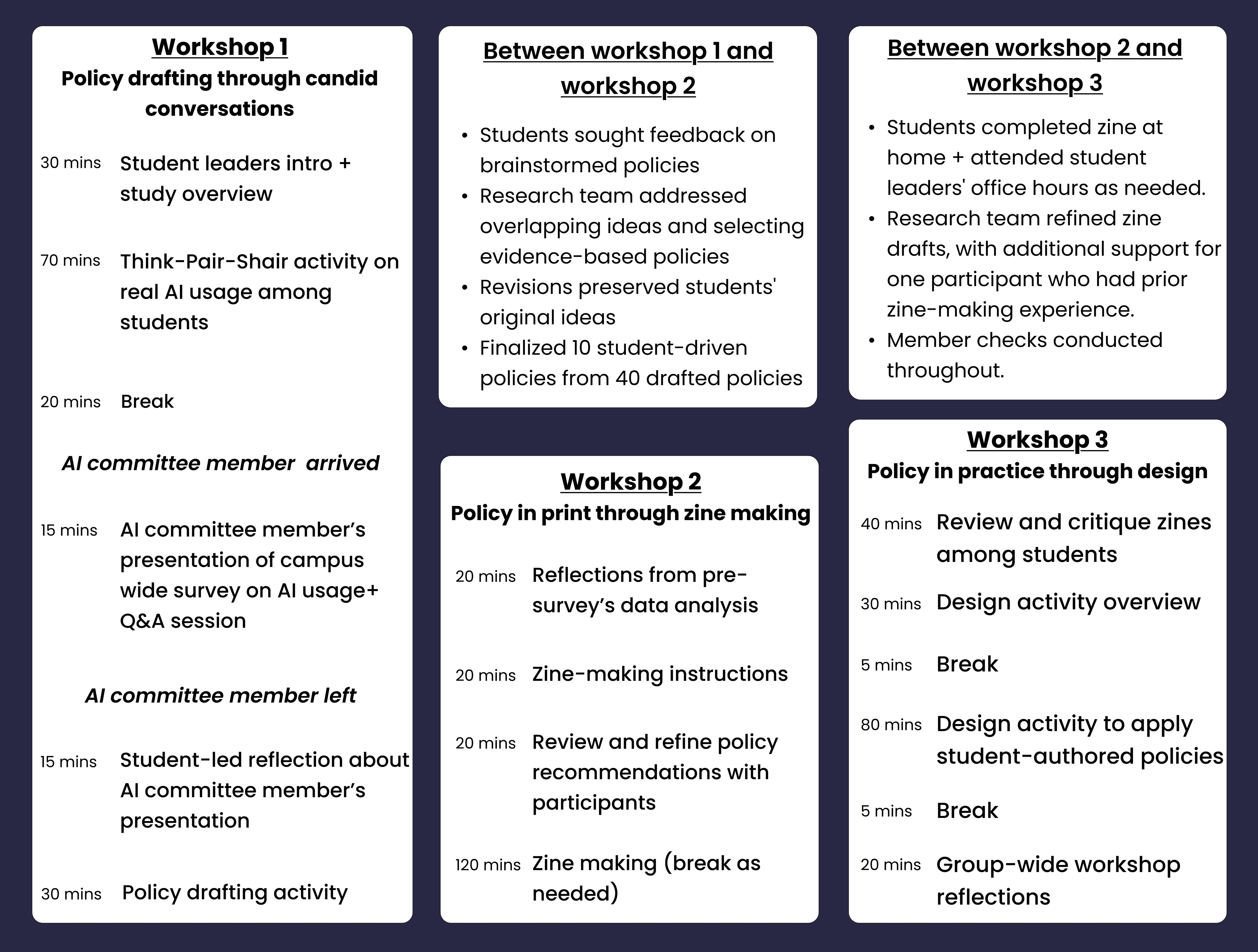
Figure 1: Overview of the three-part workshop series, detailing the iterative process spanning candid policy drafting, zine-making for dissemination, and practice-oriented application and refinement.
Recruitment alternated for disciplinary breadth. Eight students spanning HCI, information science, and software engineering contributed across all workshops; two students opposed to the project’s orientation were interviewed post hoc.
The participatory pipeline scaffolded candid disclosure (Figure 2), topic exploration, policy drafting, peer review, and dissemination through zine-making (Figure 3); the finalized policies were then circulated as a campus-wide artifact (Figure 4).
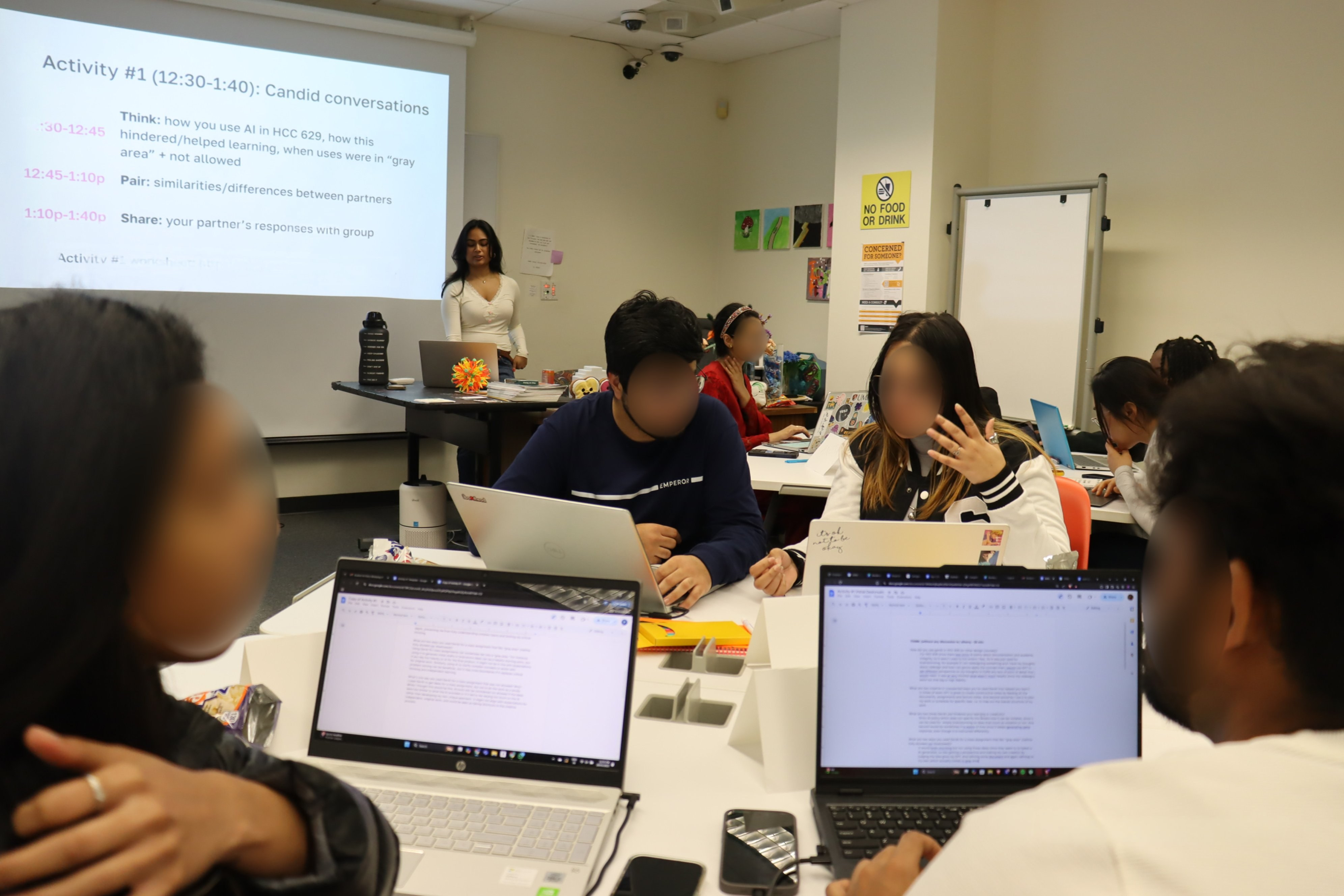
Figure 2: Workshop 1—policy drafting through facilitated, peer-only dialogue surfacing authentic AI use reflections.
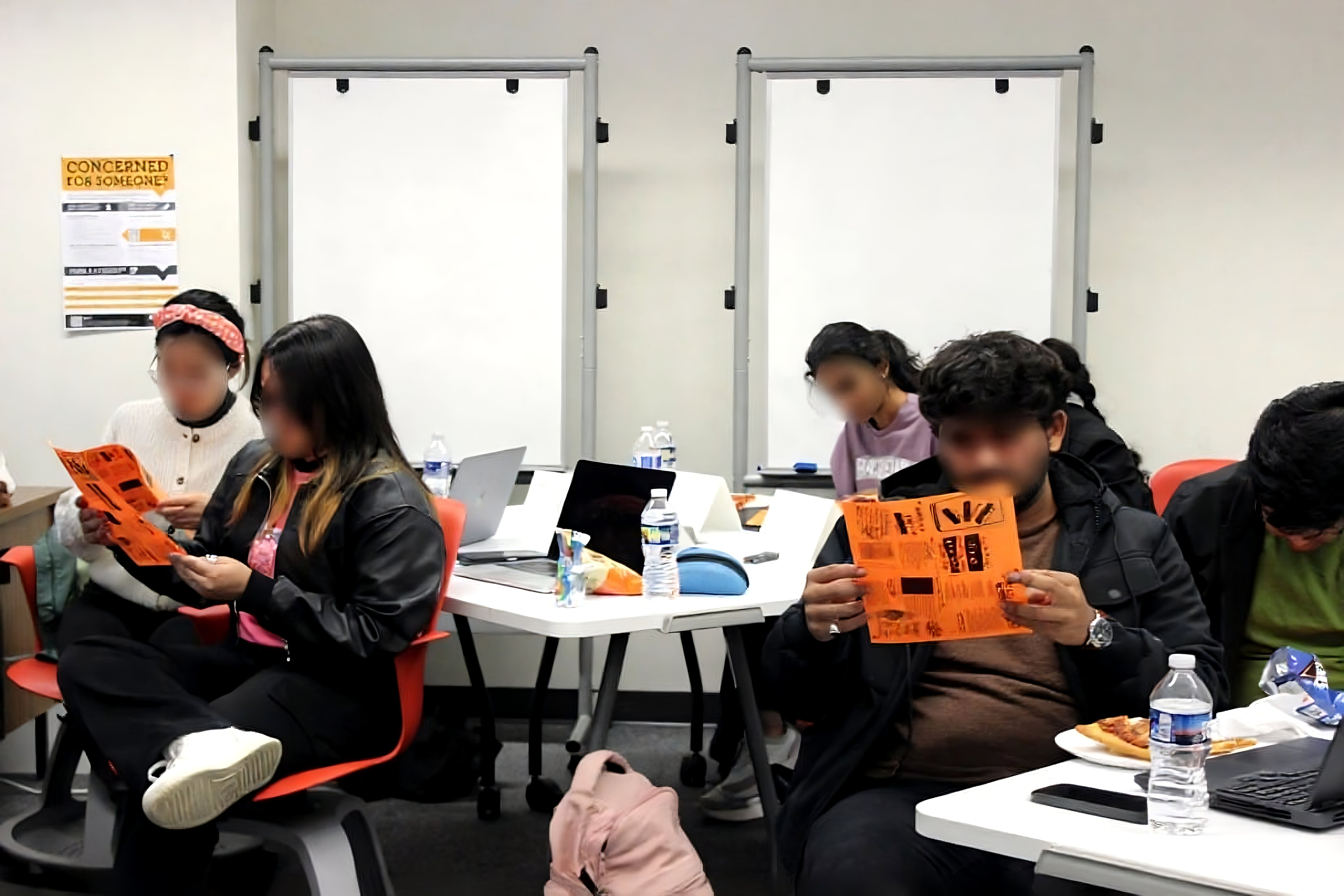
Figure 3: Workshop 2—zine-making as both a participatory design process and medium for broad dissemination and visual engagement.
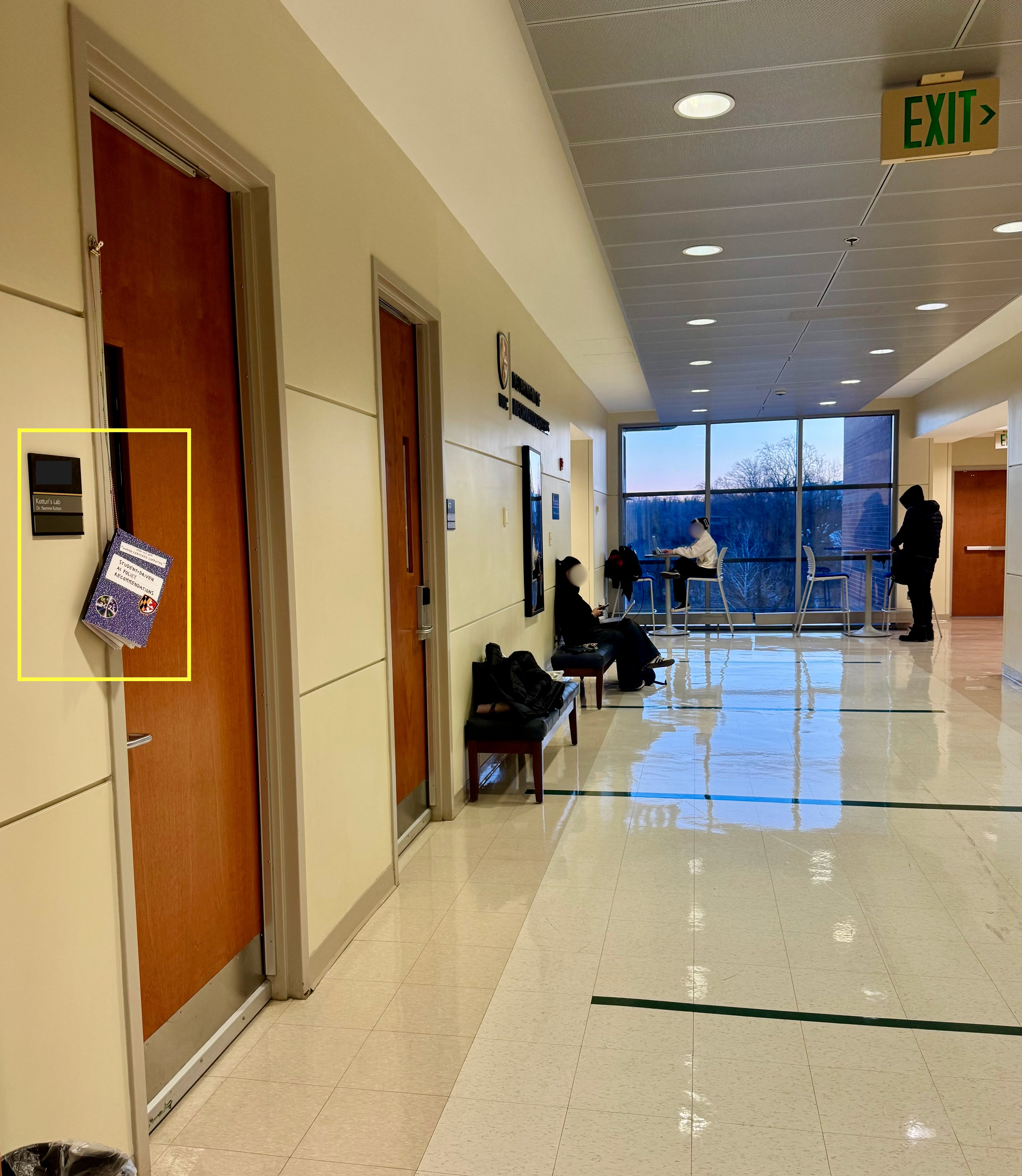
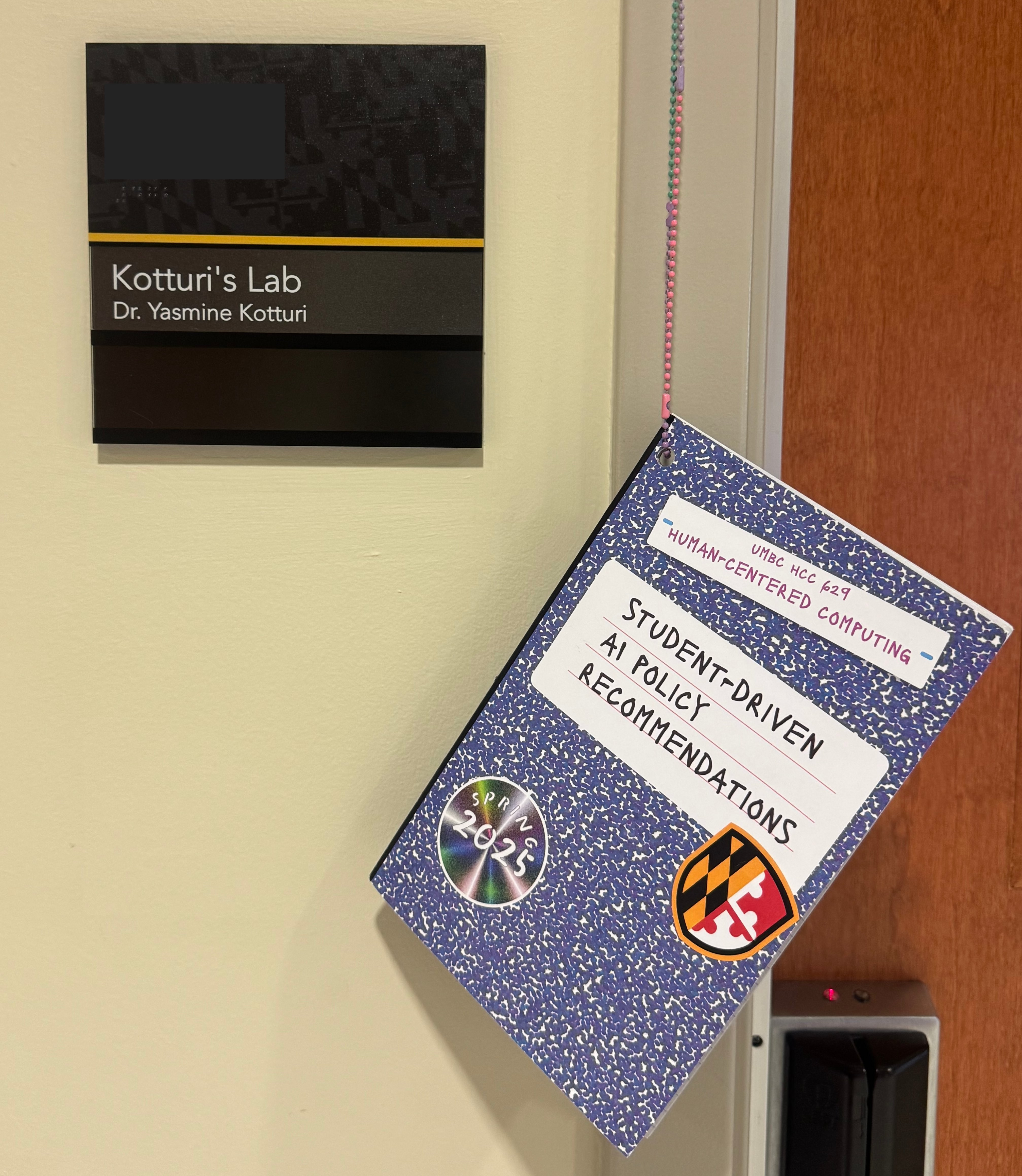
Figure 4: The Student-Driven AI Policy Recommendation zine, widely distributed and displayed to catalyze discourse beyond the workshop cohort.
The process yielded both qualitative data on rationales, barriers, and gray-area practices, and a set of ten student-authored, contextually situated AI policy recommendations (Figure 5).
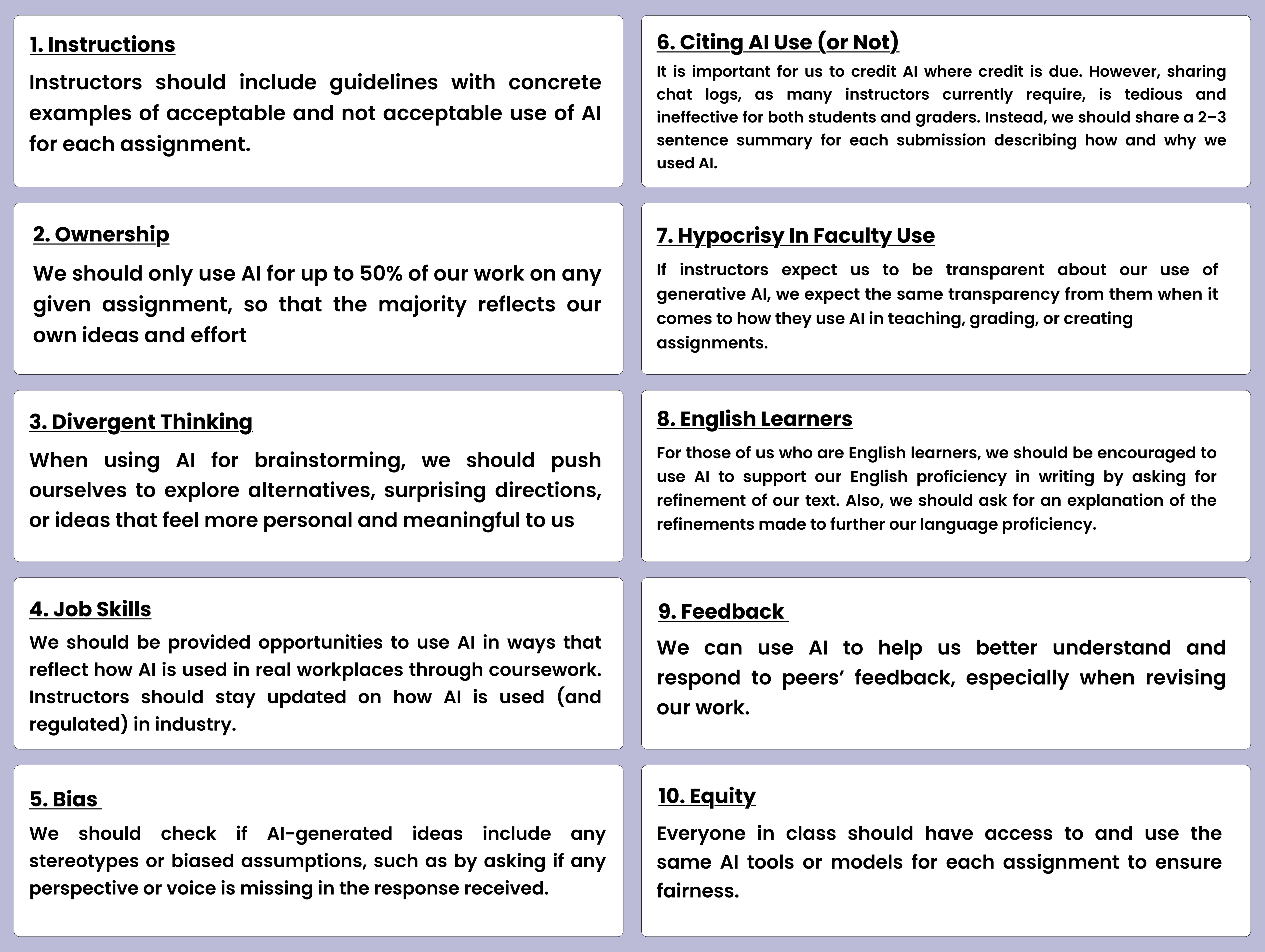
Figure 5: Ten student-driven AI policy recommendations, encapsulating lived experience perspectives and extending the space of AI policy considerations beyond punitive frameworks.
Findings: Lived Experience and Policy Recommendations
Candid Disclosure and the Liminality of Policy Adherence
Absent faculty surveillance, students articulated a range of AI usage behaviors, including acknowledged policy violations (e.g., entire assignments produced by ChatGPT) and assignment-specific practices oscillating between compliance and strategic concealment. The blurred boundaries of “light” versus “excessive” AI use, vague enforcement, and disciplinary asymmetries were central concerns. Students voiced not only pragmatic anxieties about detection, but also deeper misgivings regarding fairness, skill acquisition, authorship, and institutional trust.
Ten Student-Authored Policies: Content and Contention
The ten policies synthesized (Figures 6–15) capture both heterodox and consensus perspectives, with several claims and tensions highlighted below:
1. Assignment-Specific Clarity
Students demanded granular, assignment-level policies with explicit exemplars distinguishing acceptable from unacceptable AI use (Figure 6). This directly counters the generalized, course-level language prevailing in institutional policies.
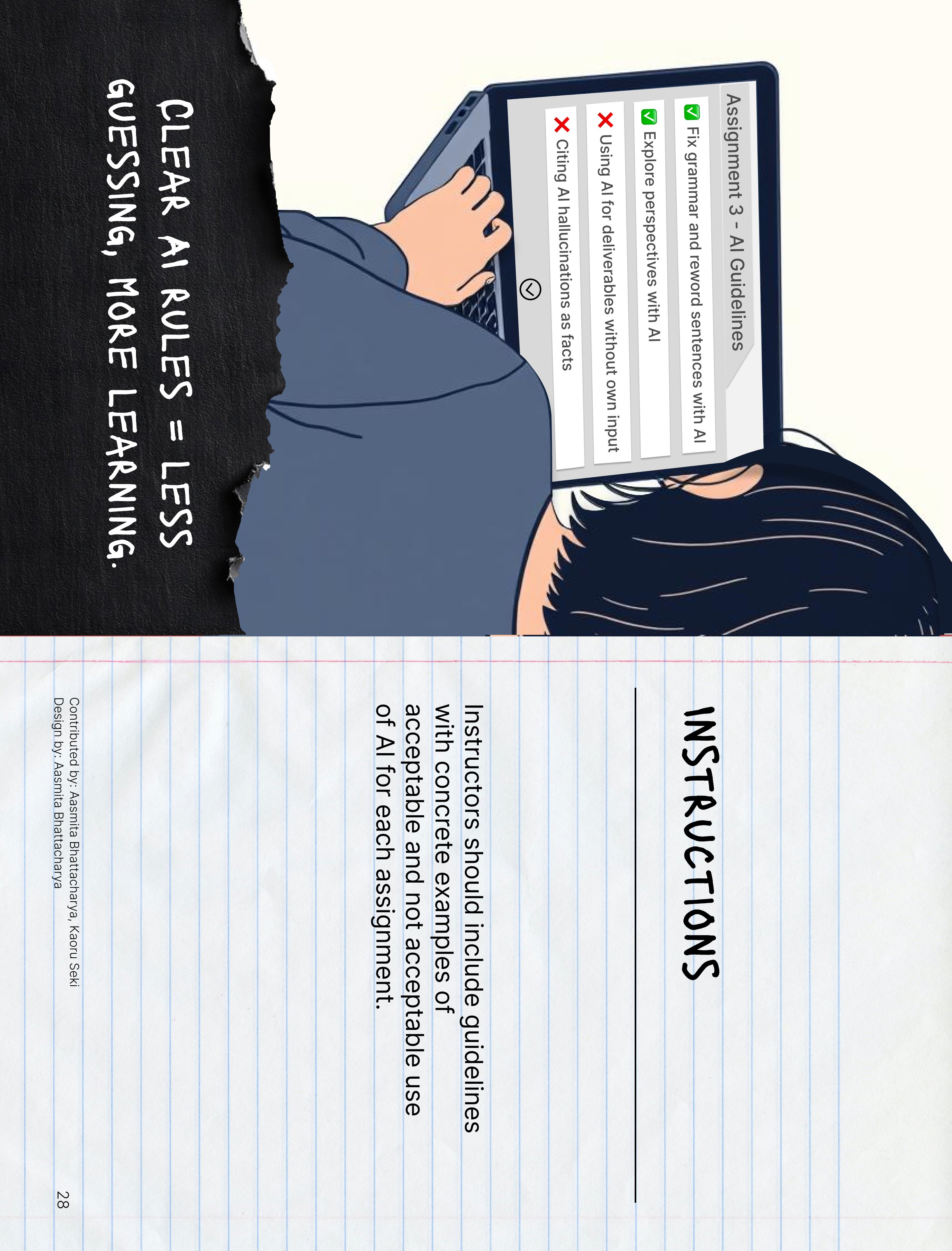
Figure 6: Instructions—call for assignment-specific clarity and concrete exemplars to delineate permissible AI engagement.
2. Ownership as a Quantitative Threshold
A strict numerical cap—AI-generated content must not exceed 50%—emerged as an operationalization of ownership (Figure 7). In post-hoc reflection, students, however, problematized its rigidity and measurement, flagging the challenge of meaningful quantification across divergent task structures.
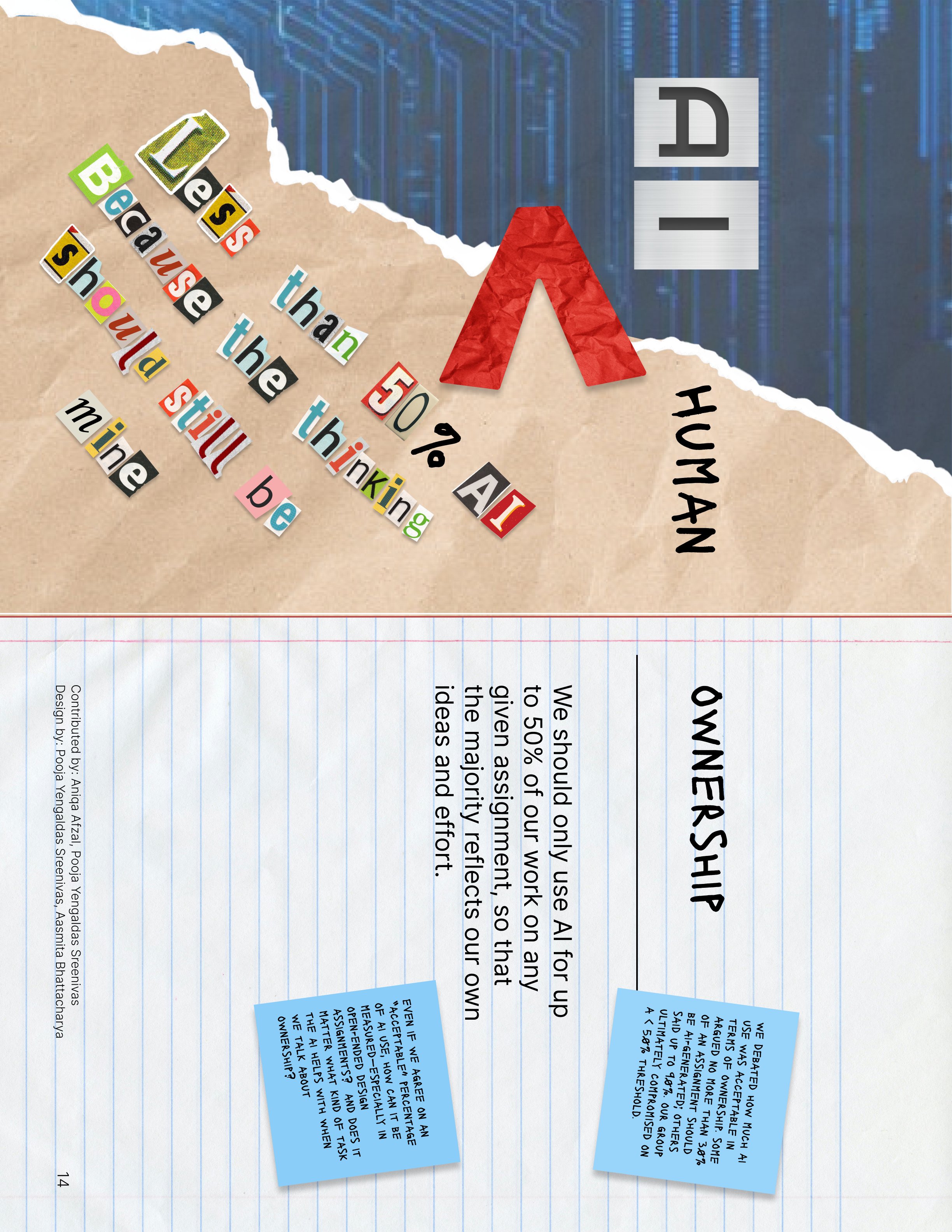
Figure 7: Ownership—50% threshold as a consensus metric for AI contribution, with annotations indicating ambivalence about enforceability and context sensitivity.
3. Divergent Thinking
Policy recommendations encourage AI use to stimulate divergent, personal ideation, with active resistance to homogenization and creative convergence (Figure 8). This addresses empirical findings that prompt-based co-design with LLMs can both amplify and flatten creative outcomes [wadinambiarachchiEffectsGenerativeAI2024, oppenlaender2025prompting].
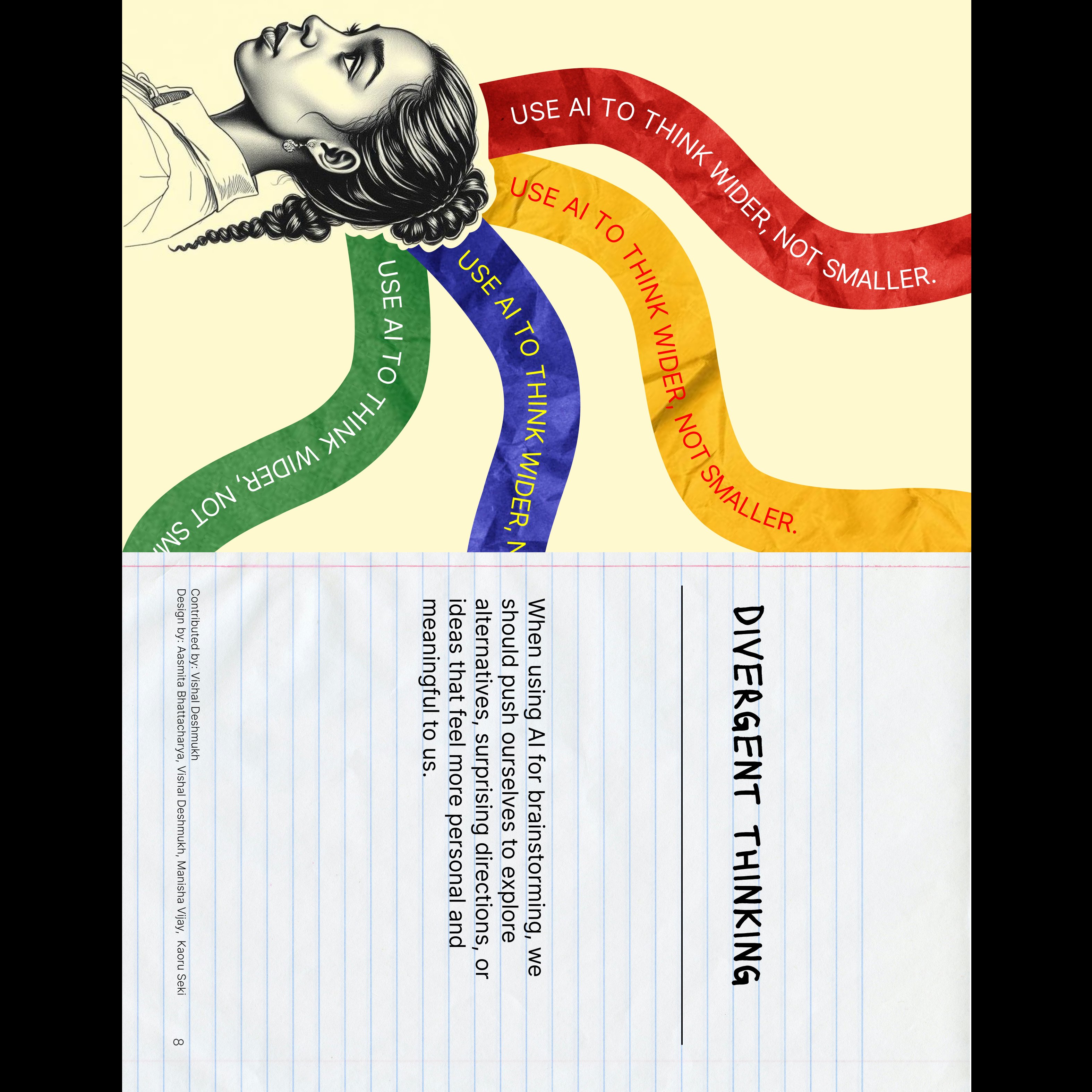
Figure 8: Divergent Thinking—promotion of broad, personalized ideation through AI, as opposed to convergence on formulaic outputs.
4–5. Job Skills and Bias Mitigation
Students advocated explicit curricular alignment with evolving industry AI practices, balanced by training for bias detection in AI outputs (Figures 9, 10). There was recognition of industry heterogeneity regarding permitted AI use and the lack of robust, scalable mechanisms for bias detection.
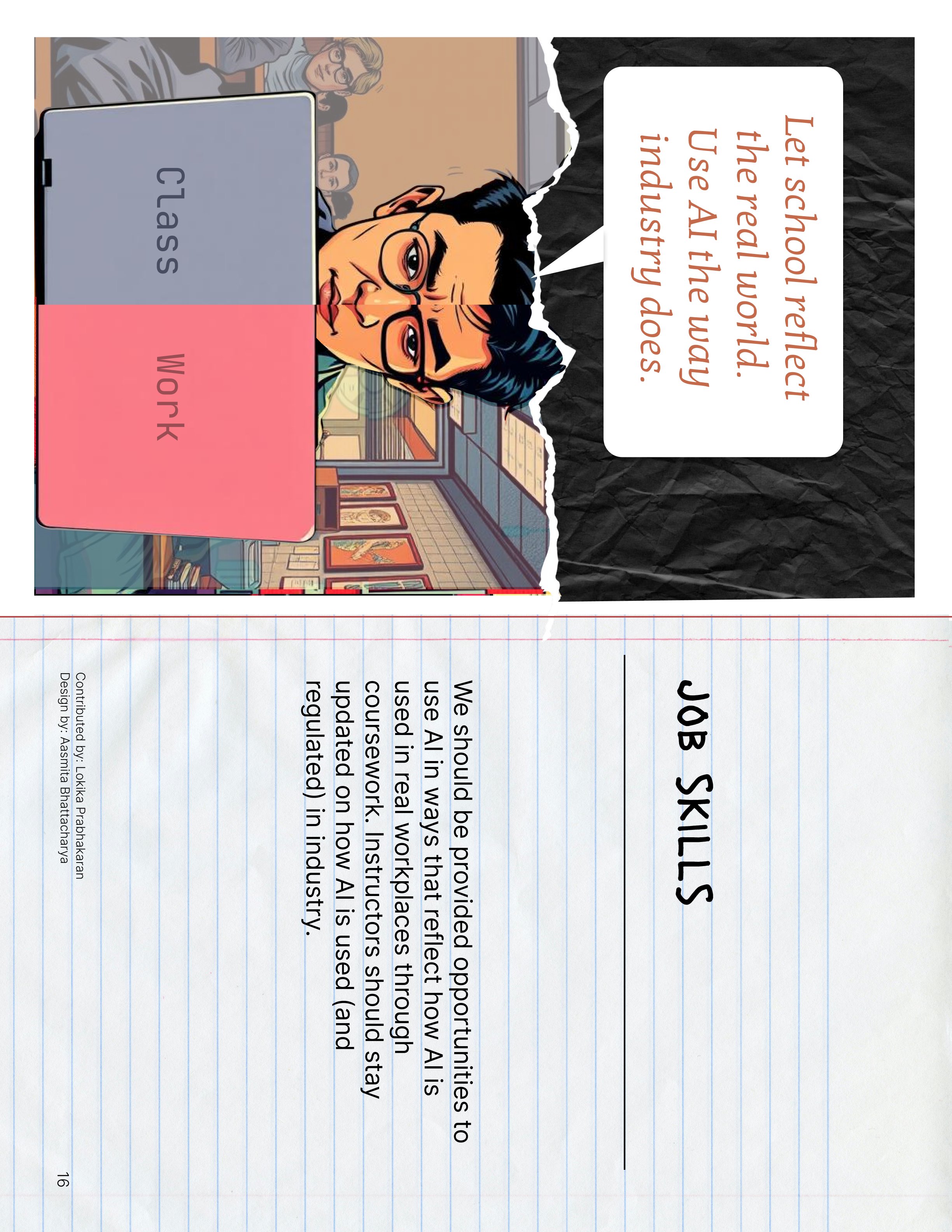
Figure 9: Job Skills—alignment of coursework with authentic, workplace-relevant AI applications.
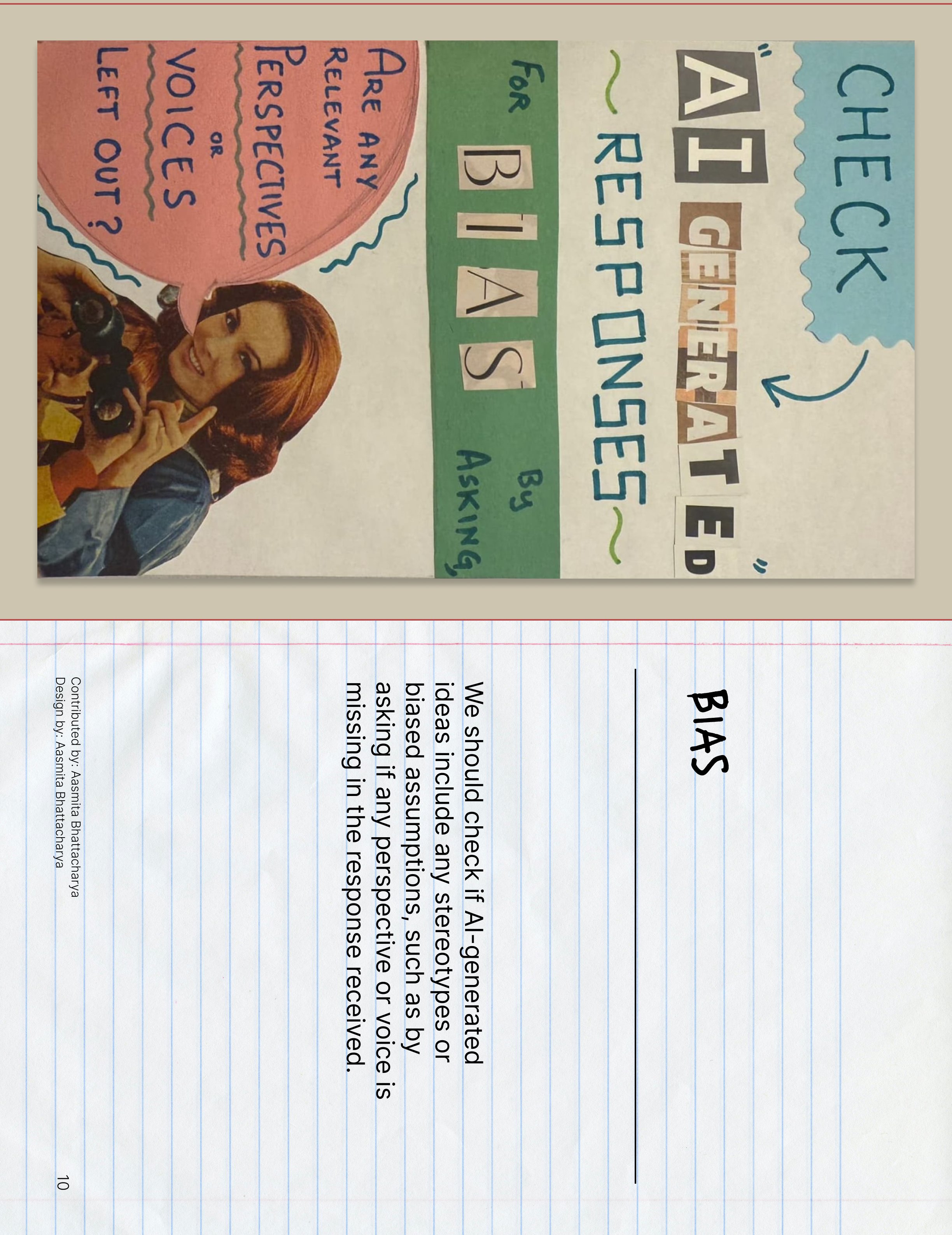
Figure 10: Bias—structural interrogation of AI outputs for stereotypical or omitted perspectives, with the burden for detection falling on students.
6. Citing as Reflective Practice, Not Surveillance
Students unanimously critiqued existing citation demands (e.g., appending chat logs) as impractical and performative. Instead, a short, descriptive summary of AI use per submission (Figure 11) was proposed, balancing transparency with administrative feasibility.

Figure 11: Citing AI Use—advocating for brief, reflective descriptions of AI assistance over exhaustive chat log submission or punitive reporting.
7. Faculty–Student Symmetry in Transparency
Faculty use of AI—whether for grading, instructional material, or administrative duties—should be disclosed as rigorously as student use (Figure 12). This principle is notably absent from top-down policy regimes.
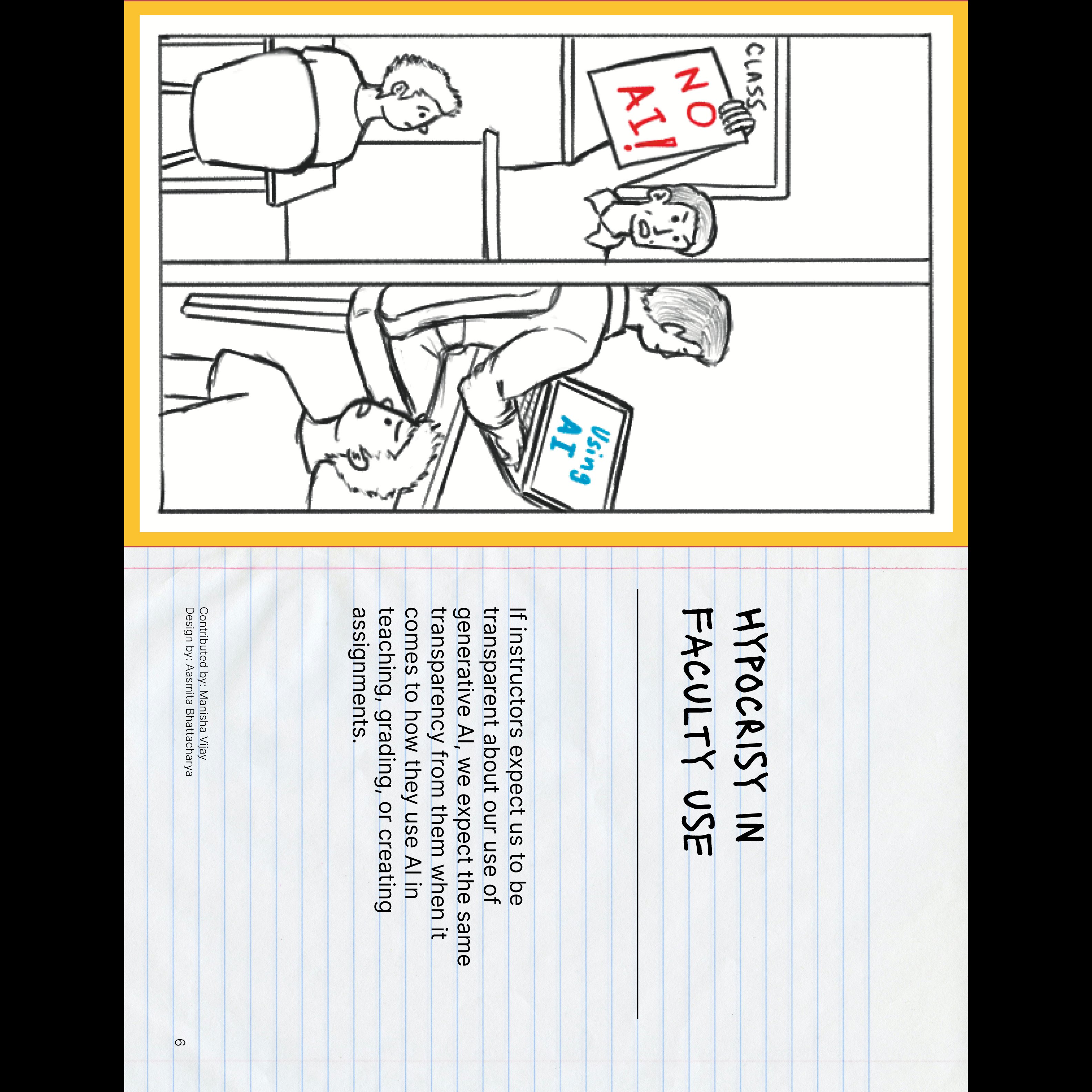
Figure 12: Hypocrisy in Faculty Use—demand for reciprocal transparency from instructors in AI usage decisions, reflecting perceived power asymmetries.
8. AI for English Learners
The policy acknowledges AI as an essential compensatory tool for multilingual students, stipulating that refinement should be accompanied by explanatory annotation to facilitate learning (Figure 13).
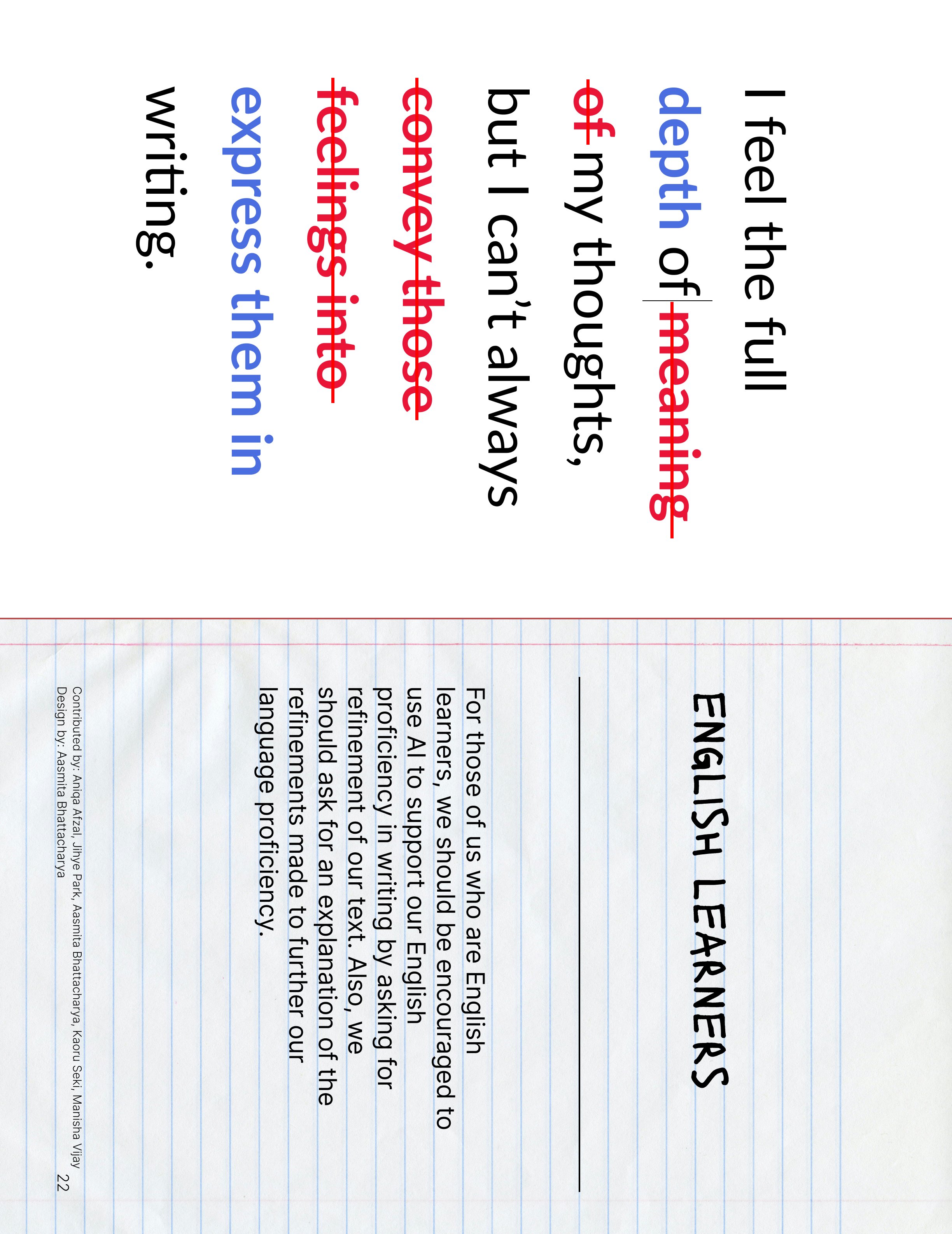
Figure 13: English Learners—affirmation of AI assistance as equitable support, provided its use is analytically explicated.
Students see potential for AI to mediate peer feedback, converting unconstructive or affectively harsh peer input into actionable, growth-oriented suggestions (Figure 14). The metaphor is of AI as an affective “filter” or “shield.”
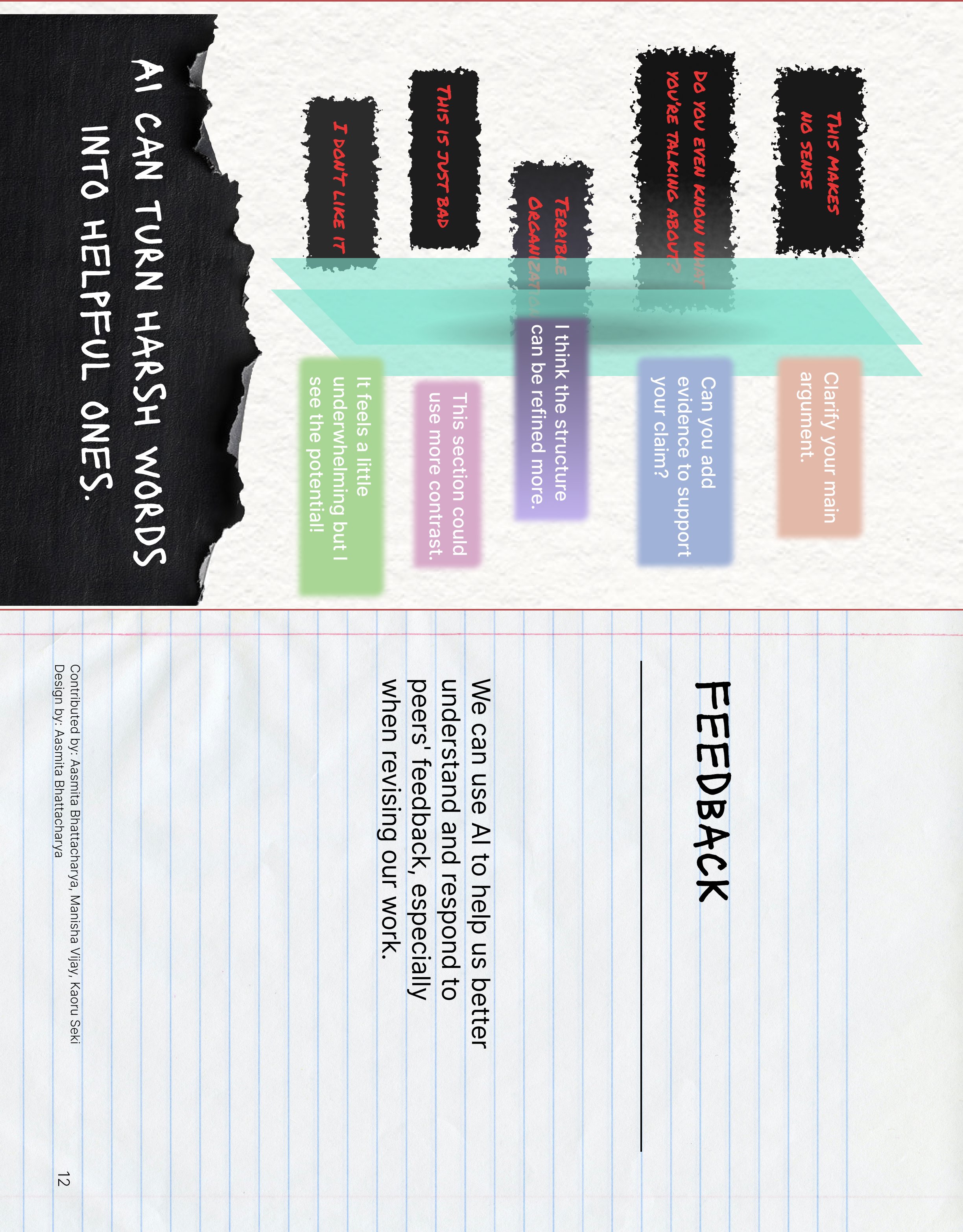
Figure 14: Feedback—AI as a mediator translating peer critique into productive revision guidance.
10. Equity of Access
All students should be afforded equivalent access to AI tools, with explicit attention to the stratification produced by paywalled models (Figure 15). The enforcement of such equity is nontrivial, particularly as students prototype proprietary or idiosyncratic tools.
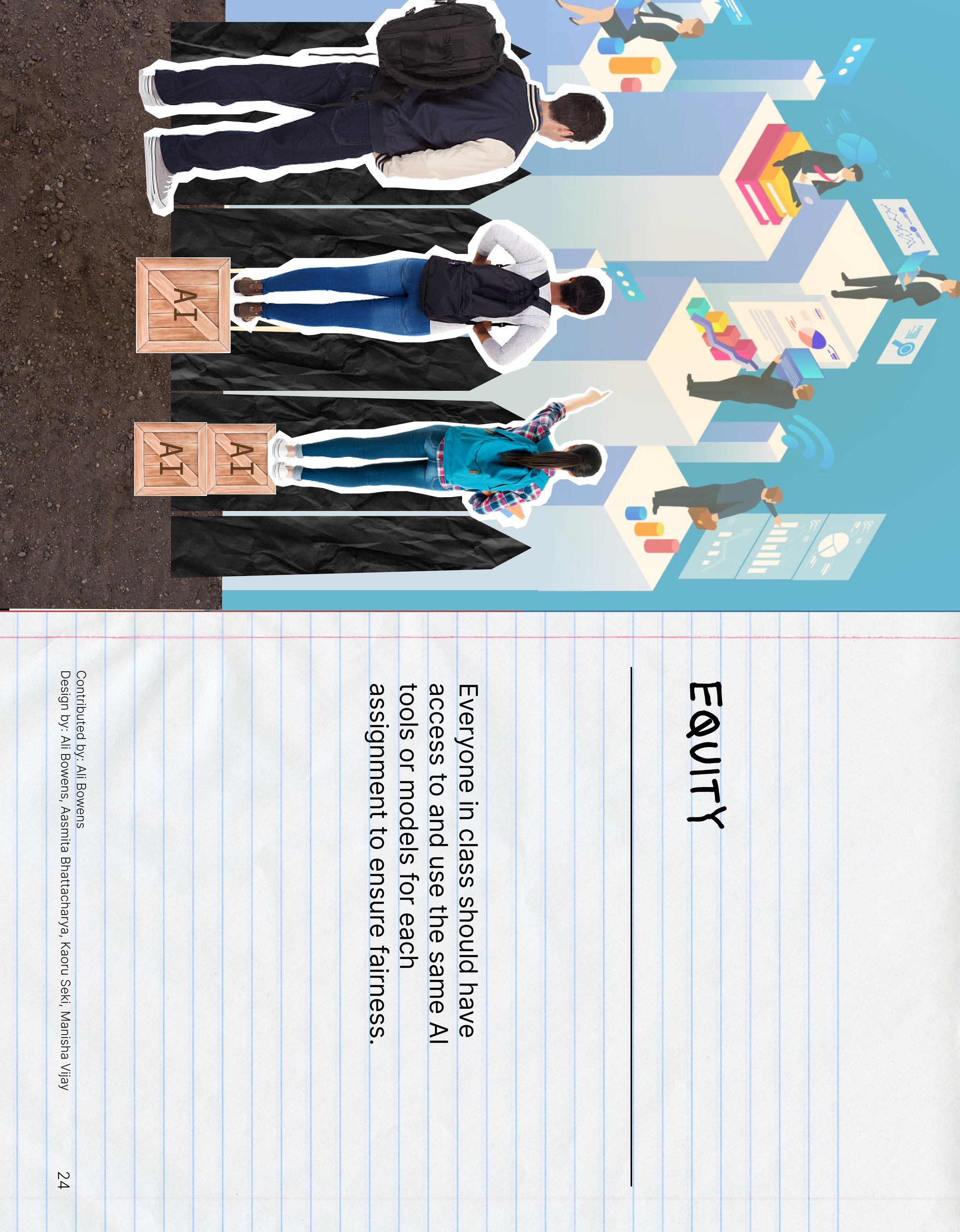
Figure 15: Equity—articulation of platform parity as fundamental to policy fairness, balanced against innovation and diversity of tool use.
Theoretical and Practical Implications
Challenges: Feasibility and Alignment with Learning Objectives
Several policies articulate implementation challenges: quantitative tracking of AI ownership, enforcement of tool access parity, and reconciling lenient student preferences with disciplinary learning goals (e.g., critical writing or original ideation). Faculty may be reticent to enact policies perceived as undermining skill mastery or complicating assessment reliability. Additionally, evaluation of students’ reflective AI summaries, or the establishment of robust bias auditing practices, introduces new faculty labor in the absence of institutional support [mcdonaldGenerativeArtificialIntelligence2025, reich2025stop].
Value of Participatory Process
Regardless of product, the participatory design process demonstrated independent value: students engaged in more reflective, intentional AI use; began to question received policy wisdom; and the resulting zine catalyzed broader discourse and secondary initiatives across the institution. This supports contemporary theoretical frameworks suggesting that participation is itself a mechanism for epistemic recognition, trust repair, and the formation of critical publics within socio-technical governance [dantecInfrastructuringFormationPublics2013, delgadoParticipatoryTurnAI2023, birhane2022power]. The creation and campus-wide circulation of the zine serve both as information infrastructure and as living archive, reifying the notion of participatory infrastructuring.
Recommendations for Participatory AI Governance
The findings support transferable strategies: student-led, assignment-grounded policy articulation, iterative peer review, visualization and publication via accessible media (e.g., zines, podcasts, code repositories), and ongoing faculty-student dialogue. These must be implemented with explicit faculty–student power balancing, iterative revision frameworks, and mechanisms for capturing dissent and non-adopter perspectives. Policies should be treated as living documents responsive to technical and institutional change, and should integrate transparent rationales aligning policies with course and program outcomes.
Limitations
The scope is delimited to a single course at a single institution with a small and relatively homogeneous participant cohort. The potential for confirmation bias exists due to facilitator seeding of initial policy topics. Only student perspectives are considered; broader institutional adoption and sustainability remain open questions.
Conclusion
This work empirically demonstrates the value and complexity of student-driven AI policy design, highlighting both the epistemic legitimacy of student perspectives and the structural challenges of implementation and alignment with core learning objectives. The participatory model—combining peer-led workshops, deliberative policy drafting, and zine-based dissemination—presents a transferable template for AI governance that is dialogic, equitable, and responsive to lived experience. As AI continues to reconfigure educational practice, effective policy will require inclusive, adaptive, and transparent engagement with all institutional stakeholders.

