- The paper demonstrates that human support channels exhibit greater topical diversity and sustained engagement compared to AI-supported interactions.
- It employs a mixed-methods approach—combining sentiment analysis, topic modeling, and network centrality measures—to quantify response dynamics.
- Findings imply that integrating human expert practices into hybrid support systems could enhance community resilience and problem-solving efficiency.
Comparative Analysis of Human and AI-Powered Support in VRChat Discord Communities
Introduction
The study "Comparative Analysis of Human vs. AI-powered Support in VRChat Communities on Discord: User Engagement, Response Dynamics and Interaction Patterns" (2604.21963) presents a comprehensive mixed-methods exploration of support mechanisms in a large-scale, VR-centric online community. The researchers leverage the VRChat Discord server, an active and complex site of user and AI-mediated peer support, to dissect distinctions between human-to-human (user-support) and chatbot-mediated (AI-support) help interactions. By combining advanced temporal, sentiment, network, and textual analyses with qualitative coding, the paper offers an authoritative account of emergent response behaviors, interactional structures, and engagement patterns, with detailed empirical support.
Data and Methodological Framework
The study uses extensive longitudinal data (August 2023 – June 2024), encompassing over 110,000 message entries spanning the user-support and AI-support Discord sub-channels. Both channels have a similar distribution of initial questions (~10%) and replies (~90%), allowing direct and robust comparative analysis. The authors apply temporal activity trend analysis, semantic topic modeling via LDA (informed by topic coherence metrics), BERT-based sentiment classification, message-reaction profiling, network centrality and community detection (Girvan-Newman algorithm), and qualitative grounded theory–driven coding. This multi-level, multi-modal methodology enables critical insight into not only content and sentiment but also networked interactional structures and user roles.
Topical Breadth, Coherence, and Activity Dynamics
A key quantitative finding is the dramatic divergence in topical coverage between human and AI support channels. Topic modeling demonstrates a much broader thematic range in user-support (19 coherent topics) as compared to AI-support, which is effectively captured with only 3 topics and a lower coherence score.
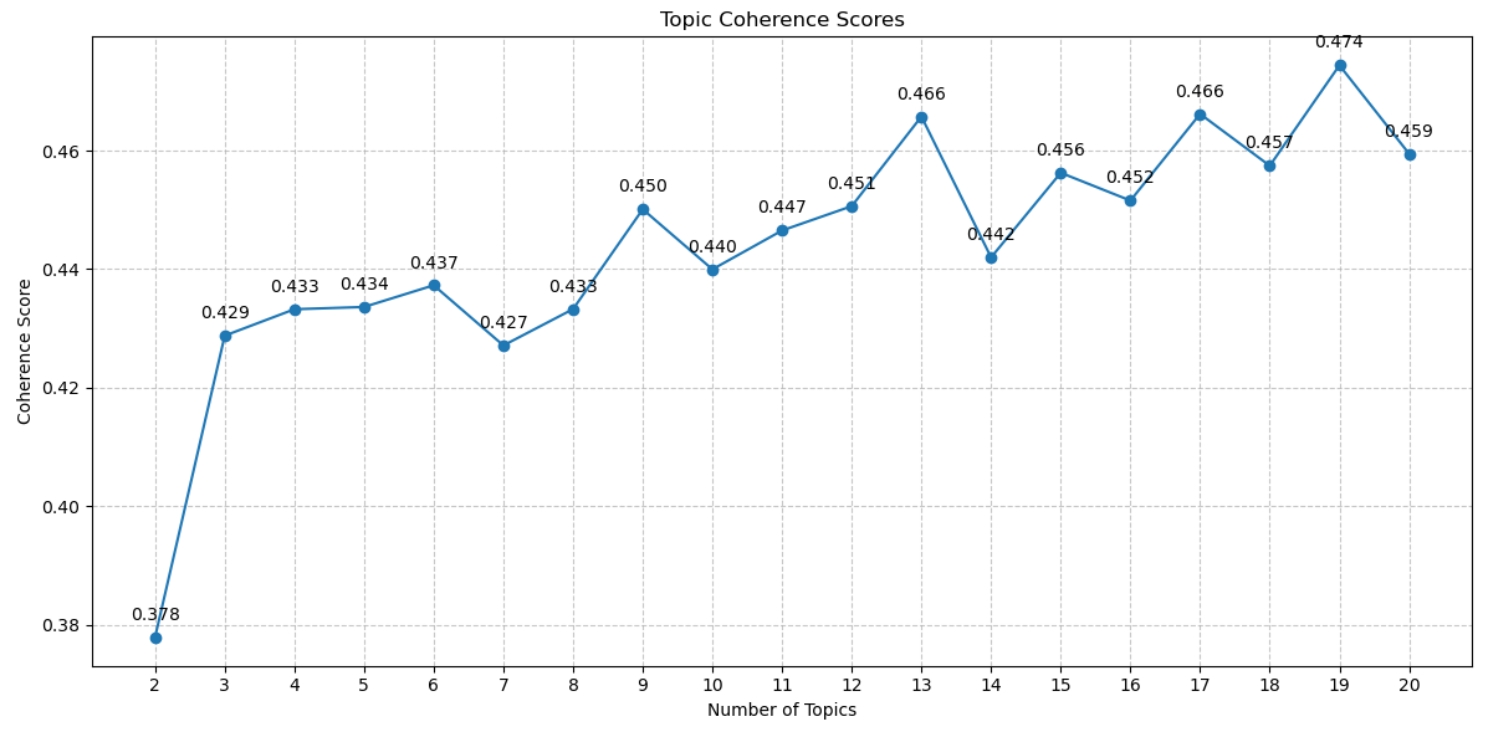
Figure 1: Optimal topic number and coherence for user-support, indicating high topical diversity.
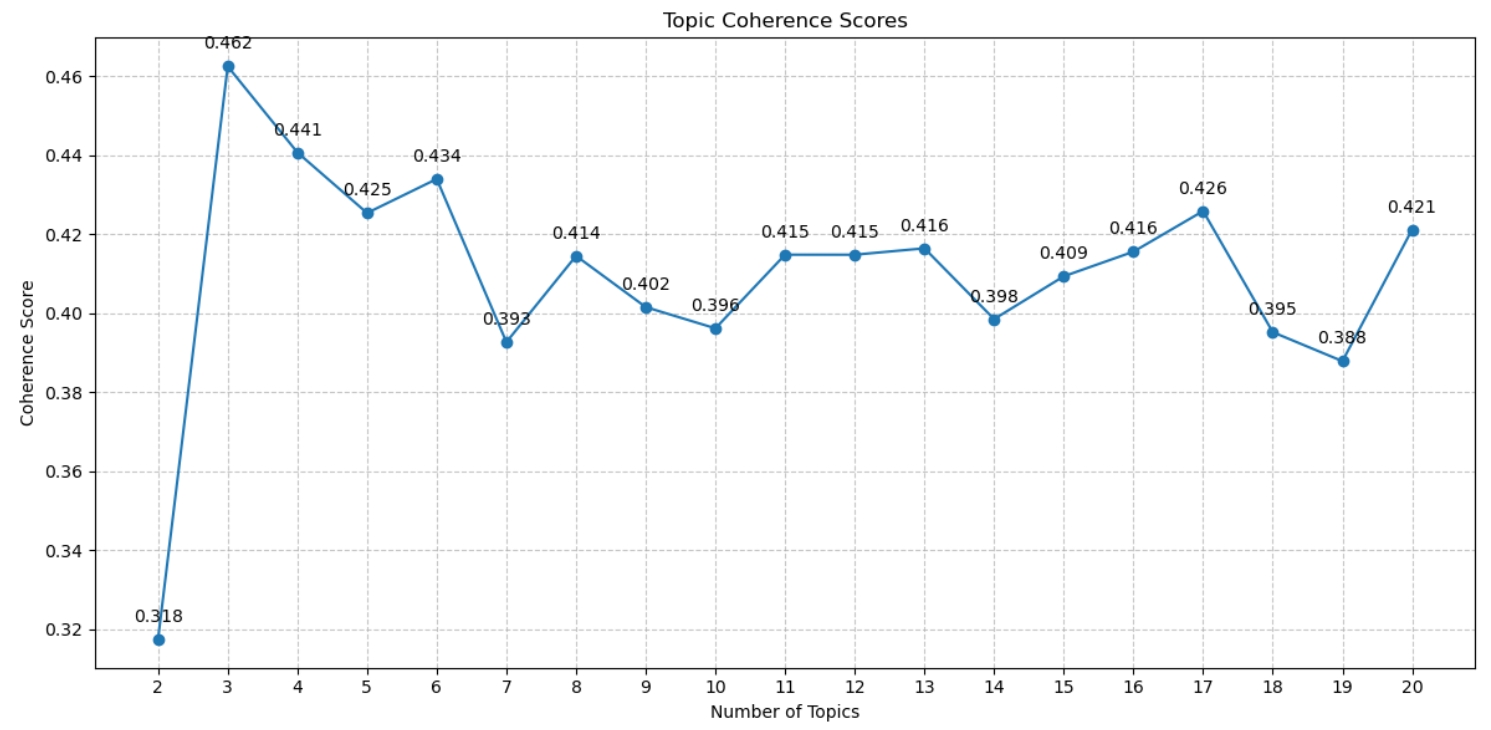
Figure 2: Optimal topic number and coherence for AI-support, showing narrow topical focus.
Temporal analysis uncovered that user-support consistently exhibits higher engagement, more sustained conversational threads, and pronounced activity peaks linked to community events. Conversely, AI-support, while initially drawing user curiosity, shows stable but lower engagement without pronounced periodic surges.
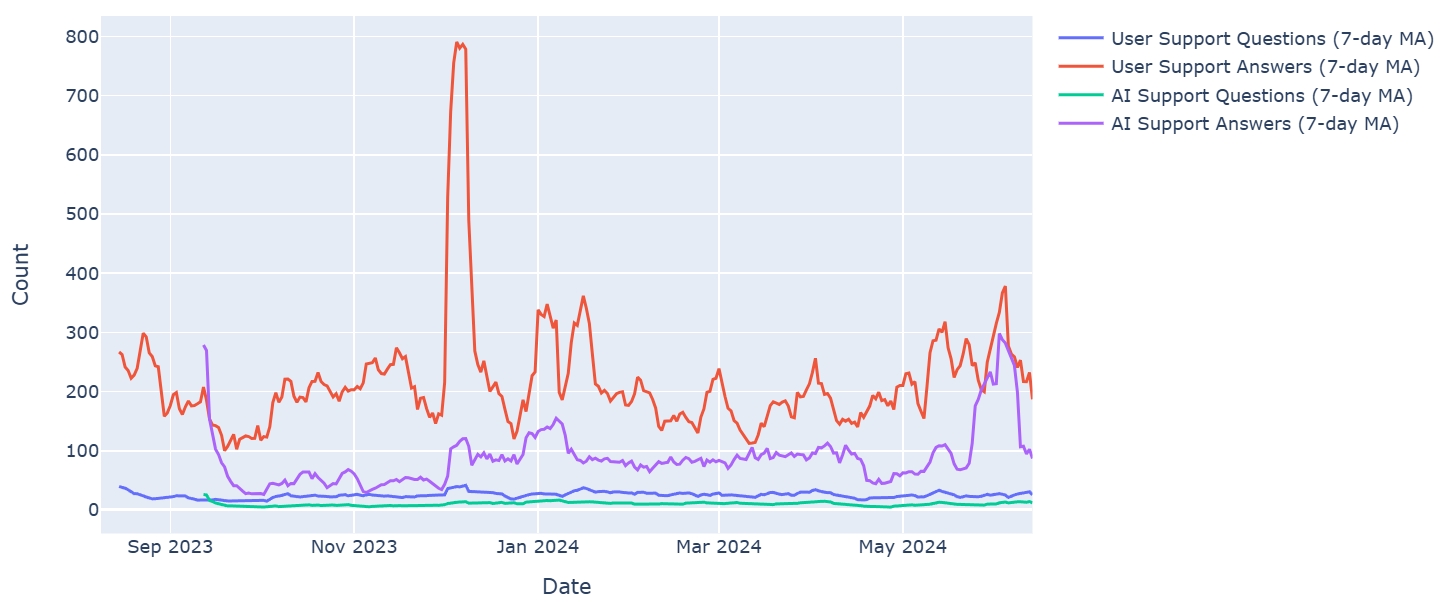
Figure 3: Smoothed temporal activity trends show higher, more fluctuating engagement in user-support compared to AI-support.
Histograms of reply counts confirm that while most AI-support threads remain shallow, user-support discussions frequently develop into extended, high-activity threads, occasionally exceeding 1,700 replies.
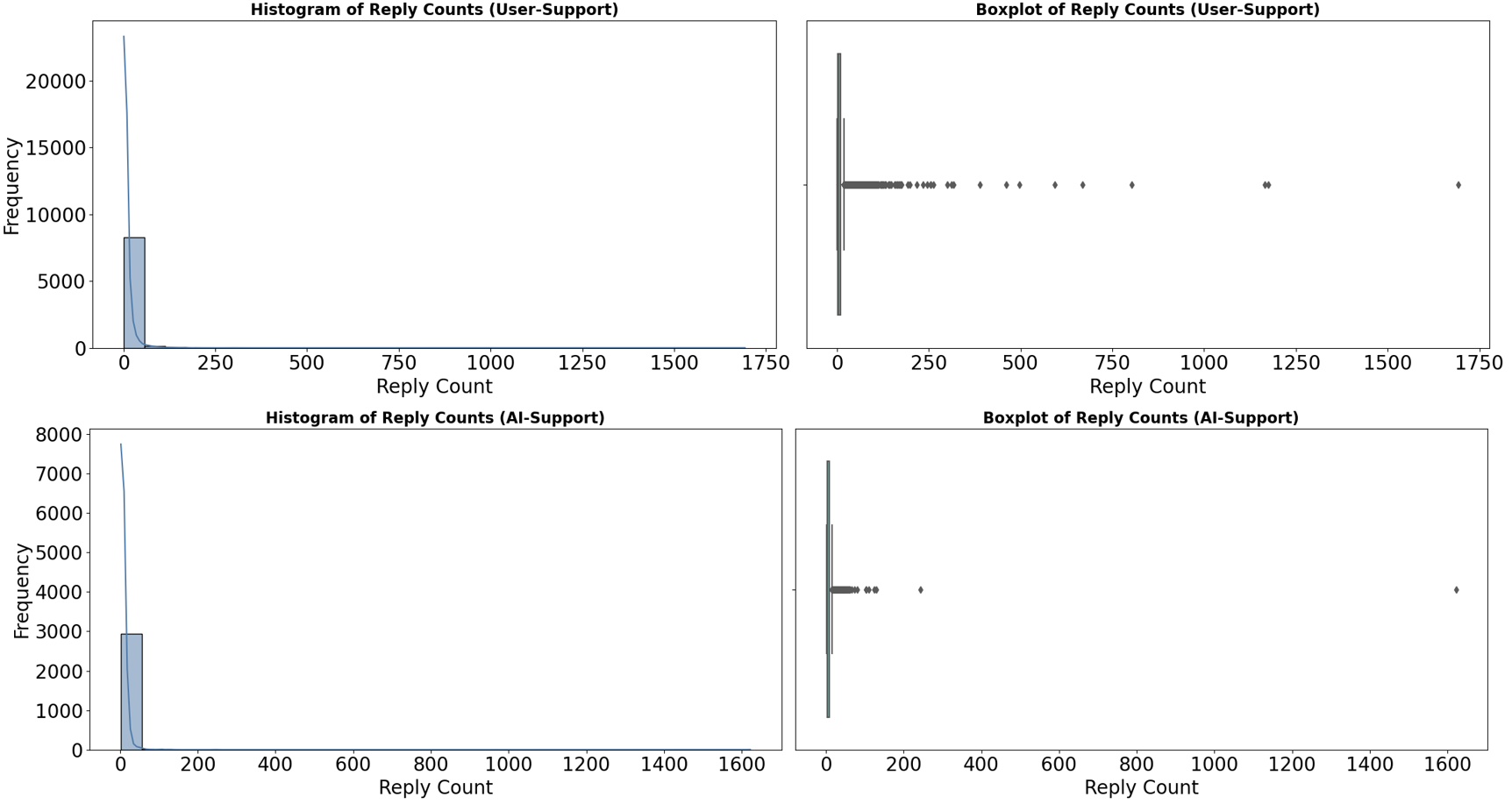
Figure 4: Distribution of reply counts reveals more high-engagement threads in user-support.
Engagement, Sentiment, and Reaction Profiles
Semantic similarity and engagement analysis reveal distinctions in user expectations and interactional norms. Although higher-quality answers (higher topical alignment) are present in both channels, user reactions (emoji or upvotes) and thread depth are not well-correlated to answer quality in either channel. However, user-support responses span a much broader range, and high-quality answers can elicit strong community feedback, underscoring community recognition of expertise.
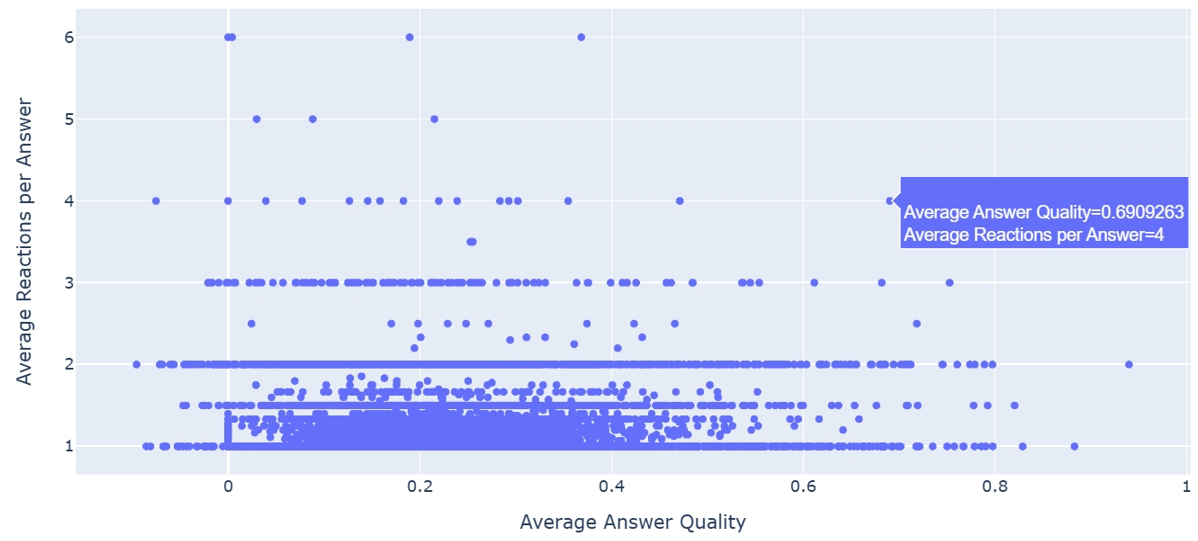
Figure 5: Relation between topical alignment and reactions in user-support; high variance and outliers present.
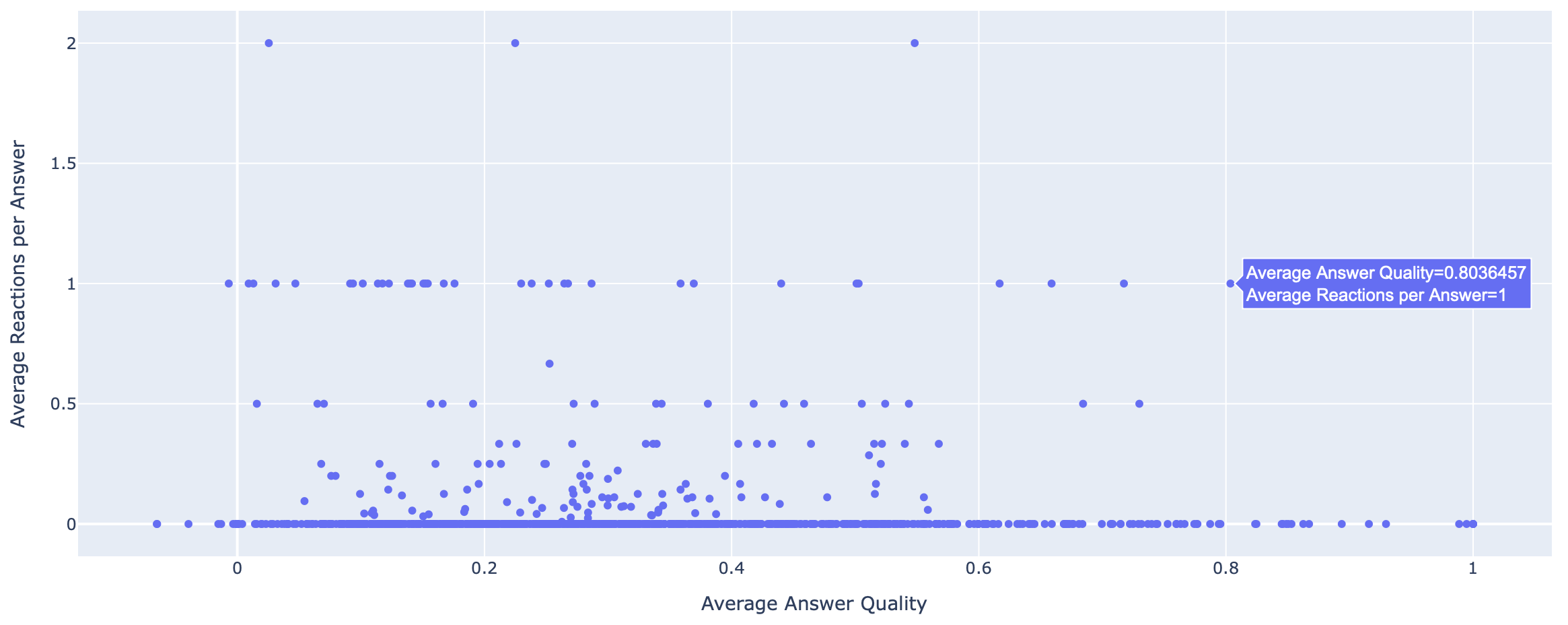
Figure 6: In AI-support, AI-generated answers rarely elicit significant feedback, even when topically aligned.
Sentiment analysis provides robust evidence of affective differences: user-support exhibits significant emotional variance, particularly early in discussions, with later convergence toward neutrality or mild positivity as collaborative troubleshooting unfolds. AI-support maintains low sentiment volatility, with most exchanges rapidly stabilizing at neutral even if user input begins with negative affect.
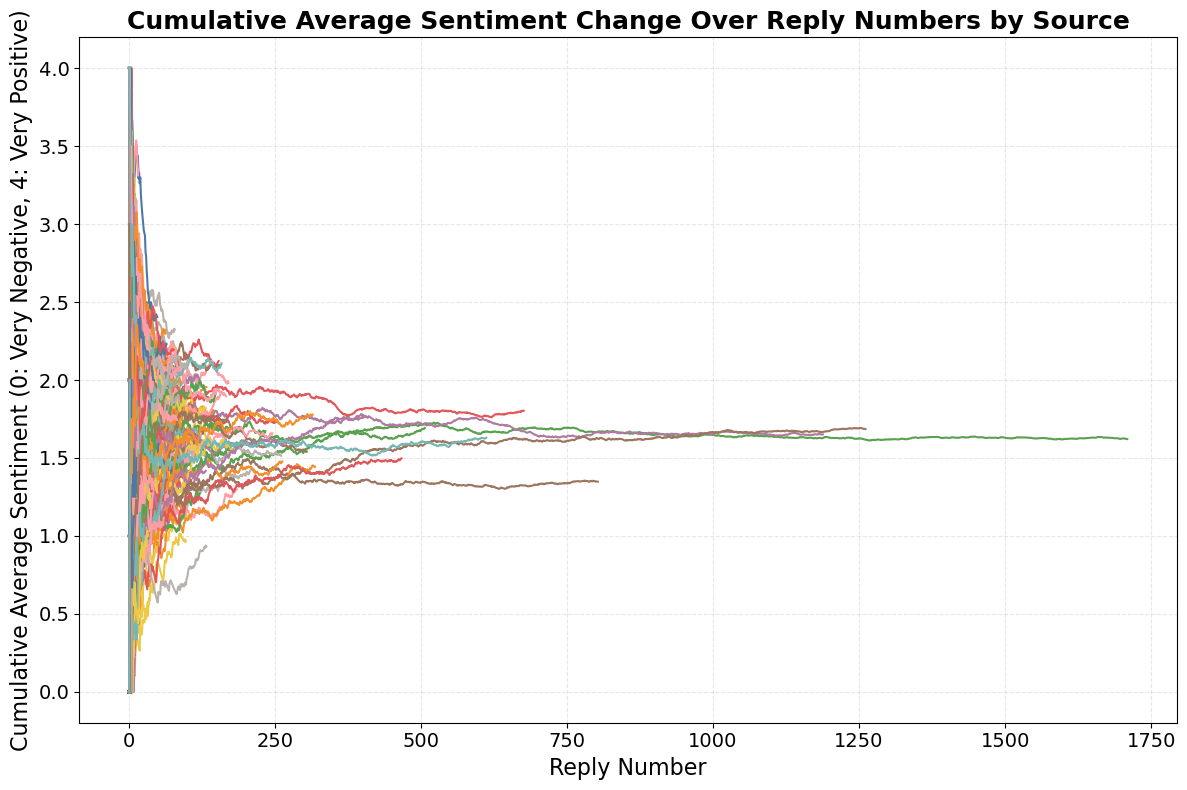
Figure 7: User-support cumulative sentiment trajectories show greater early fluctuation and emotional investment.
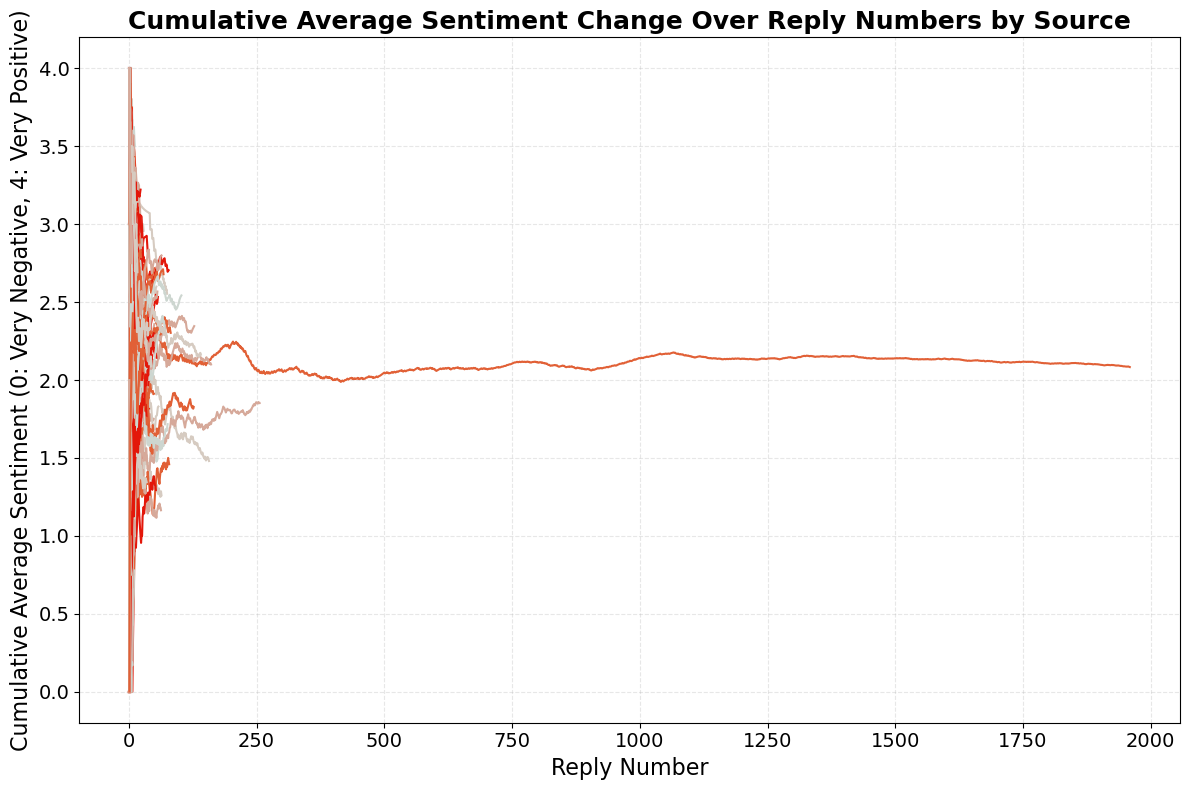
Figure 8: AI-support sentiment curves are flatter, with less emotional engagement.
User-level longitudinal analysis demonstrates that continued interaction with the AI bot brings users’ sentiment closer to neutral, particularly for initially upset users, while AI responses maintain a constant neutral-to-positive tone regardless of input.
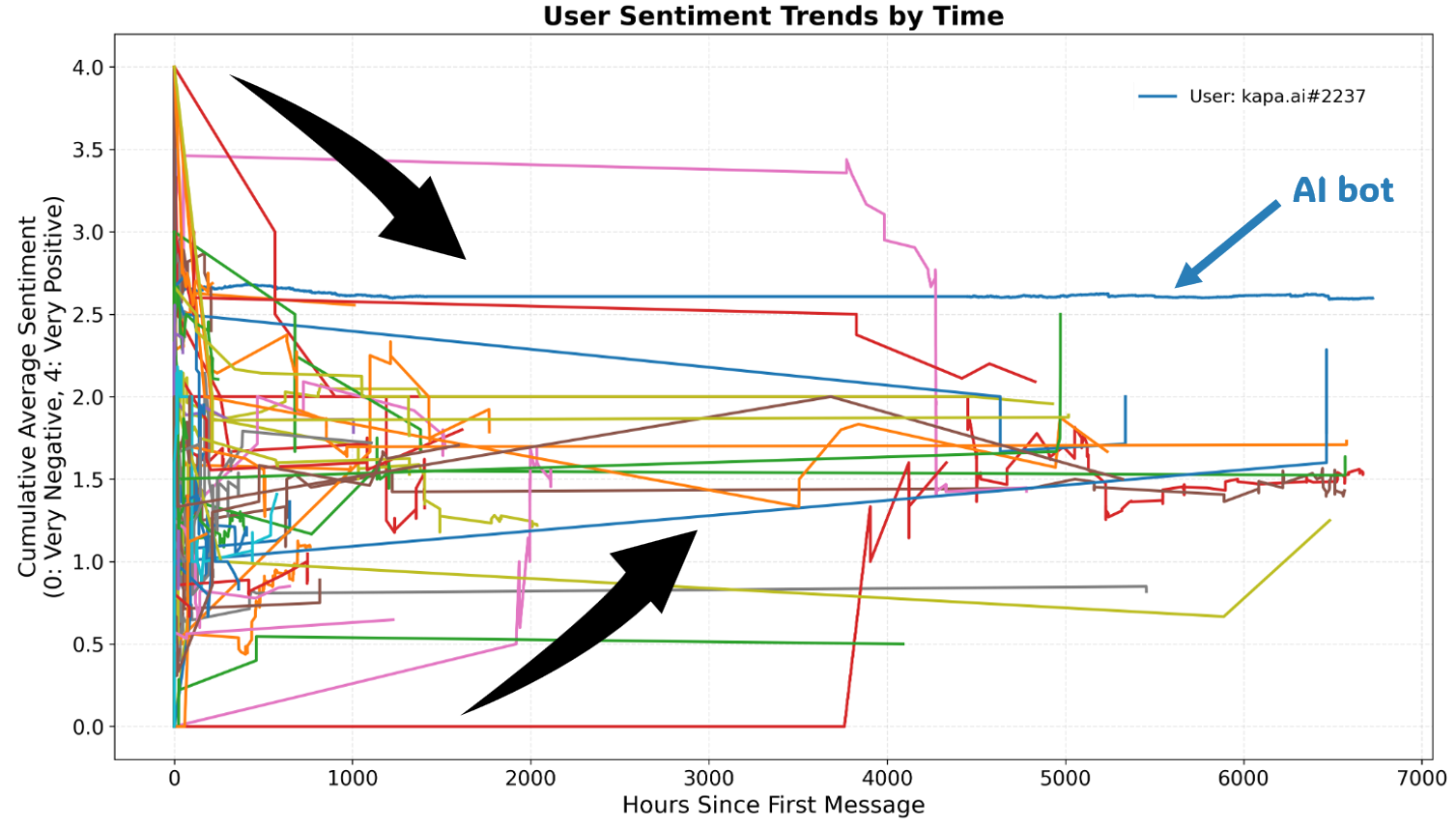
Figure 9: Sentiment by user over time in AI-support channel; AI remains steady, user sentiment converges toward neutrality.
Structural Network Analysis: Collaboration versus Centralization
Social network analysis highlights the pronounced distinction in interactional structure. The user-support network is decentralized, multi-community, and features several highly central users—community “experts” who mediate and bridge knowledge across topics and subgroups.
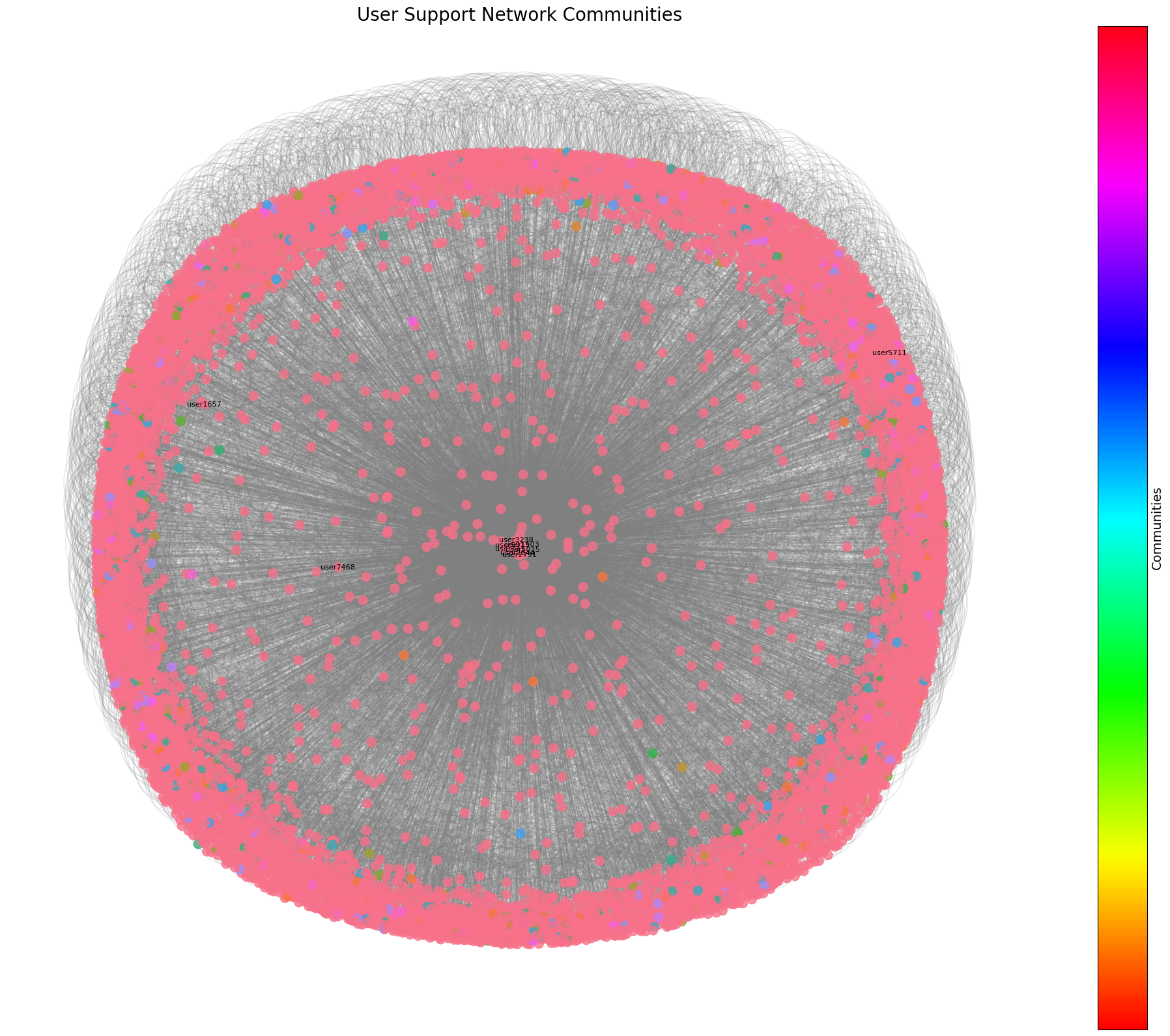
Figure 10: User-support channel network map—distinct user clusters and highly central node “experts”.
In contrast, AI-support is characterized by a star-like, centralized structure in which nearly all edges are between individual users and the AI bot itself. There is negligible user-to-user interaction, and thus minimal opportunity for emergent peer-mediated knowledge-building.
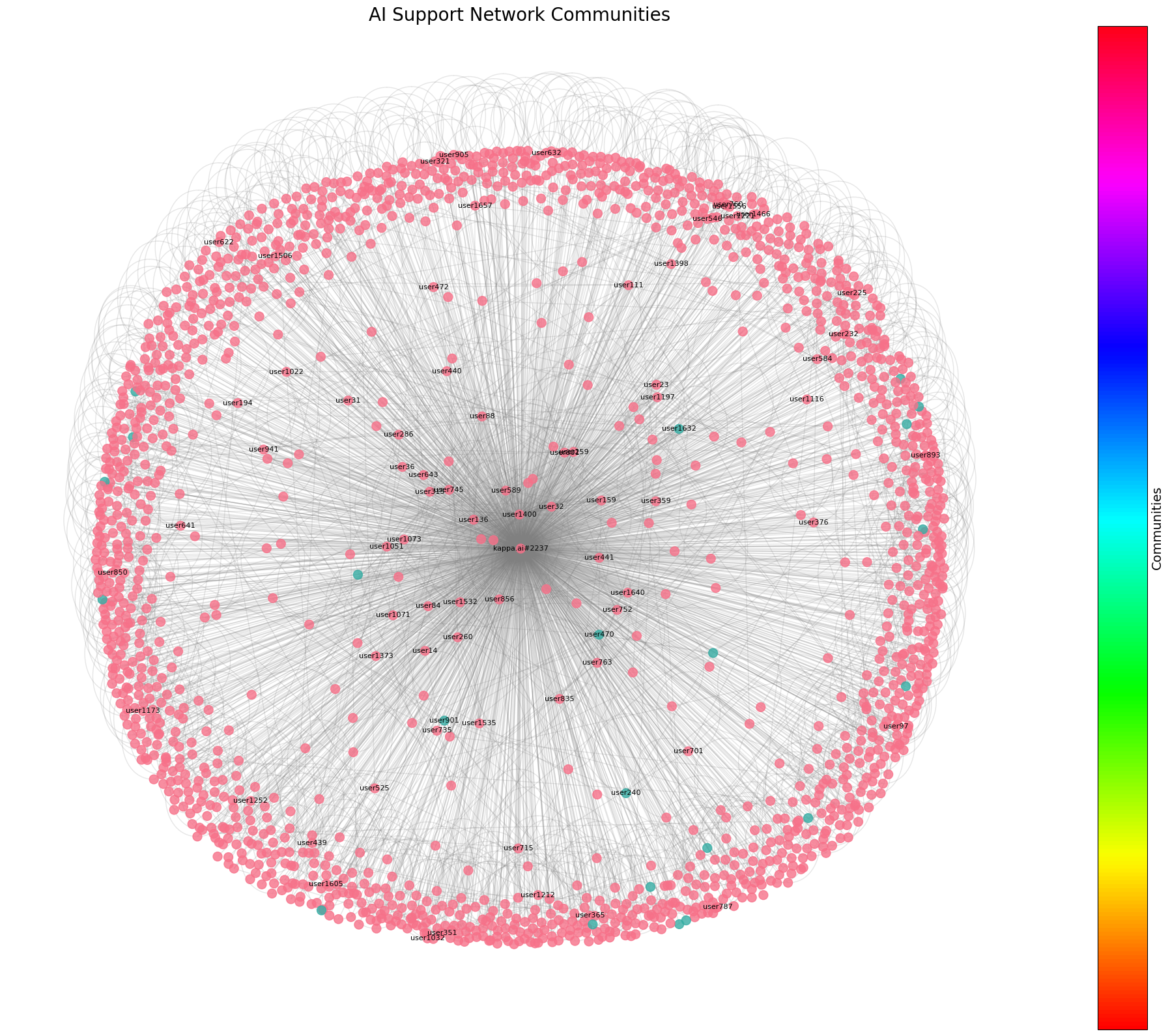
Figure 11: AI-support network—a hub-and-spoke topology, underscoring transactional, non-collaborative support.
Qualitative Behavioral Patterns and Interaction Styles
AI-support: User queries are typically concise, direct, and lack context—optimized for rapid, transactional answers. AI replies are uniformly structured: greeting, empathy (preset), question restatement, solution steps, and feedback solicitation. This yields predictable but impersonal support, effective for straightforward issues but limited for nuanced, context-dependent, or multi-step problems.
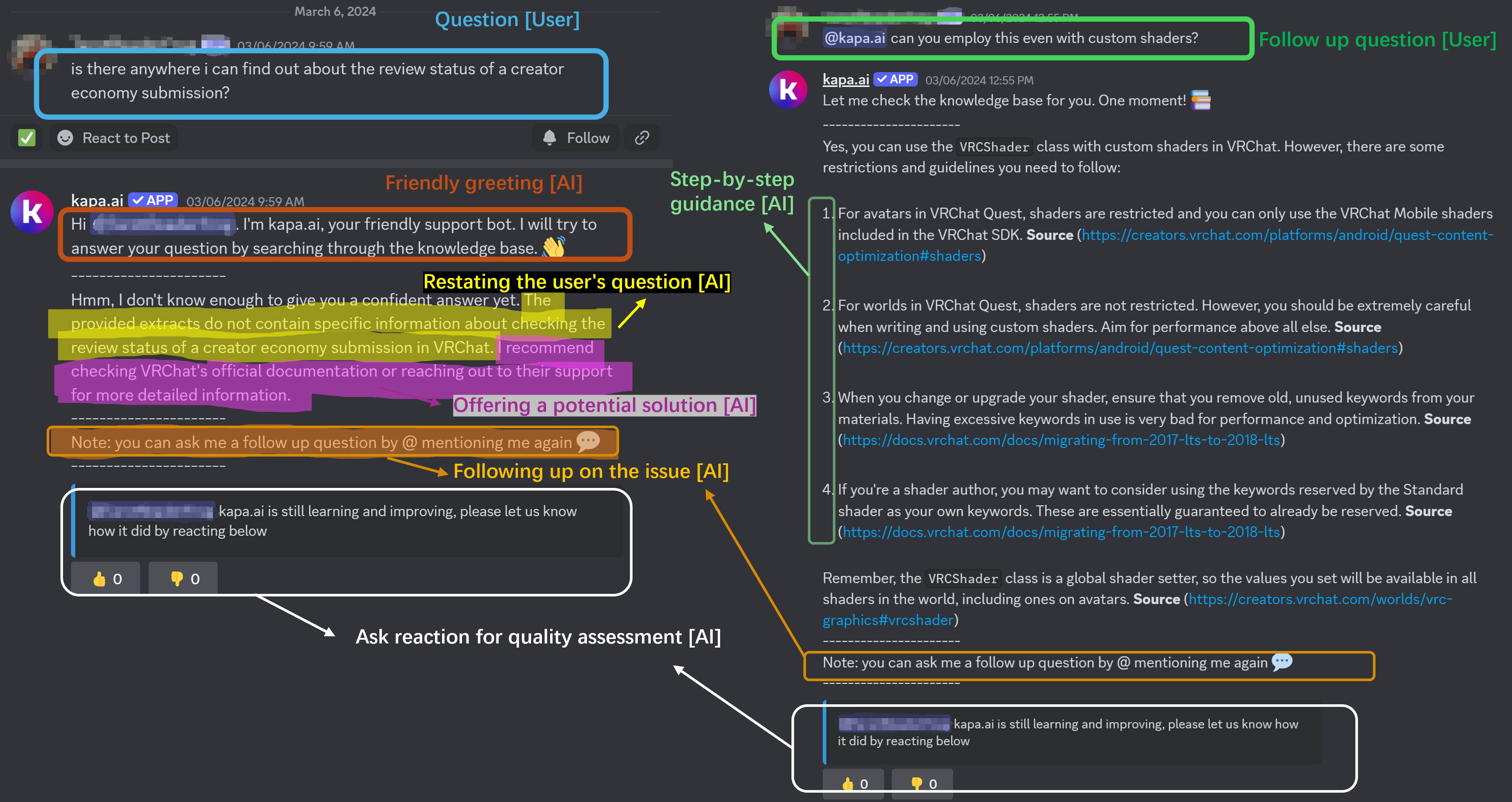
Figure 12: Typical AI-support thread with highly structured, stepwise AI responses and explicit reaction solicitation.
User-support: Users often provide rich context, screenshots, incremental debugging information, and explanatory background, inviting collaborative sensemaking. Threads organically involve multiple users, including expert responders and those sharing similar issues, resulting in more dynamic, co-constructed troubleshooting and “solidarity” support (e.g., “same issue here”).
Multimodality is far more prevalent—screenshots and even videos supplement text, facilitating resolution of visually complex issues. Response dynamics are unpredictable; peer interactions may diffuse initial frustration or escalate into lively debate, with community norms and moderator intervention tempering outcomes.
Collective Problem-Solving and Community-Building Phenomena
User-support threads display emergent collective behaviors absent in AI-support:
- Crowdsourced escalation: Multiple users encountering an unsolved issue increase its exposure and attract eventual solutions or developer/official intervention.
- Solidarity/supportive noise: “Unhelpful” comments, humor, and empathy reinforce community cohesion, even when not advancing direct troubleshooting.
- Expert aggregation: Certain users repeatedly supply efficient, experience-based advice, becoming informal knowledge brokers integral to community resilience.
Conversely, unresolved or highly technical problems sometimes go unanswered—conditions under which AI also fails. Yet, in human-centric threads, extended discussion history can eventually yield workarounds or actionable advice.
Practical and Theoretical Implications
System optimization opportunities:
- AI-support can benefit from adaptive, context-aware answer strategies that borrow from observed expert responder behavior in user-support. This includes scenario-driven clarifying prompts, step-wise troubleshooting, and integration of multimodal (image/video) processing.
- Hybrid models (AI triage funneling unresolved queries into peer discussion) enable synergy, leveraging transactional speed for routine problems while preserving community engagement and emergent problem-solving for complex or novel inquiries.
- Sentiment-aware and socially attuned AI responses may enhance user satisfaction, particularly in high-negativity or ambiguity contexts, but must be balanced with transparency and task-orientation.
Community management design:
- Nontechnical, solidarity-driven conversational practices are essential for robust online communities. Attempts to “perfect” support exclusively via AI may undermine engagement, knowledge retention, and social capital.
- AI systems serving non-dyadic, community environments should be labeled, limited in their scope of intervention (e.g., only question-askers, not responders in public forums), and subject to user/administrator oversight to prevent identity spoofing and content contamination.
Limitations and Generalizability:
- Results are drawn from a single, highly active Discord server; platform-specific, cultural, and application-level differences may modulate observed patterns.
- The technical details of the deployed AI (Kapa.ai) are proprietary, and future iterations with LLMs capable of context maintenance or multi-turn reasoning might reduce some of the observed qualitative differences.
- Sentiment models exhibit limitations in detecting sarcasm, humor, and subtle context; qualitative coding is essential for nuance.
Conclusion
This paper supplies compelling, empirically grounded evidence that human-mediated and AI-mediated support, while both functional, entail fundamentally different affordances for collaborative troubleshooting, knowledge transfer, and community building in online environments. While AI support streamlines resolution of routine issues and ensures consistency, its transactional, centralized structure limits opportunity for emergent expertise and social bonding, both of which are hallmarks of sustainable peer communities. The findings strongly suggest that hybrid, socially aware human-AI systems—designed with explicit safeguards, transparent AI-labelling, and affordances for context-rich collaboration—will enable optimal user experience, knowledge retention, and community resilience in future online support ecosystems.

