- The paper demonstrates that interlayer coupling significantly modulates HHG yields and selection rules in layered solids through numerical simulations and analytical perturbation theory.
- It distinguishes intraband and interband contributions using a dense k-point mesh and fourth-order Runge-Kutta time evolution to solve the semiconductor Bloch equations.
- The study establishes quadratic scaling laws with interlayer hopping, providing a robust method for non-contact optical characterization of layered materials.
Ultrafast Spectroscopy and the Influence of Interlayer Coupling in High Harmonic Generation from Layered Solids
Introduction
High harmonic generation (HHG) in solids has emerged as an incisive probe of strong-field ultrafast electron dynamics in quantum materials, sensitive to subtle features of band structure, correlations, and symmetry. Layered materials, especially van der Waals solids such as graphite, hexagonal boron nitride (hBN), and transition metal dichalcogenides (e.g., WS2), present unique opportunities for HHG-based spectroscopy due to their highly anisotropic electronic structure and tunable interlayer coupling. The paper "Ultrafast spectroscopy and role of interlayer coupling in high harmonic generation from layered solids" (2604.23506) undertakes a systematic numerical and analytical analysis of how interlayer tunneling modulates HHG yields and selection rules in prototypical layered systems, distinguishing intraband and interband contributions, and elucidating the general dependence of harmonic spectra on stacking, hopping, and orientation.
Simulation Framework and Physical Model
The study employs a tight-binding-based semiconductor Bloch equation (SBE) approach to compute HHG from three canonical systems: graphite, hBN, and WS2. The Brillouin zone is discretized on a dense 600 × 600 × 9 k-point mesh, and time evolution of the reduced density matrix is solved using a fourth-order Runge-Kutta scheme. Material-specific parameters—lattice constants, interlayer separation, band gap Δ, and intralayer/interlayer hopping amplitudes (t1, t2, tz)—are systematically varied, facilitating direct exploration of stacking and interlayer coupling effects. Crucially, the simulations distinguish between intraband (Bloch acceleration of carriers) and interband (interband polarization driven) current components.
Orientation, Stacking, and Symmetry Dependence of HHG
A primary result is the pronounced dependence of harmonic spectra on both crystal orientation and interlayer coupling tz, as demonstrated in the comprehensive orientation-resolved heatmaps for graphite, hBN, and WS2.
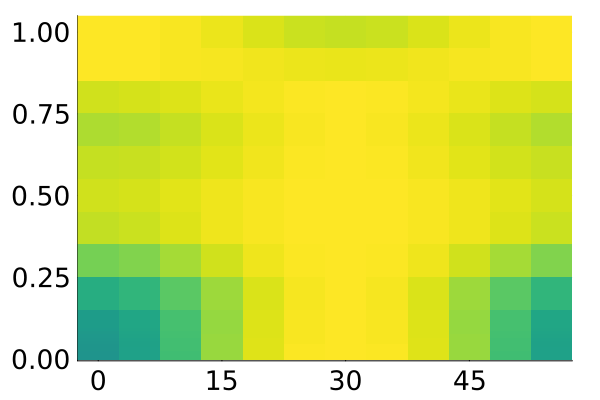
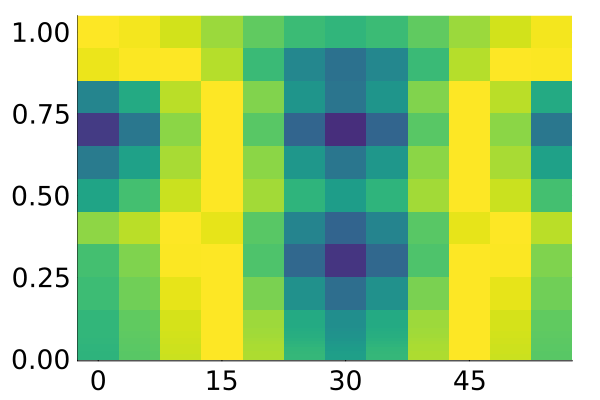
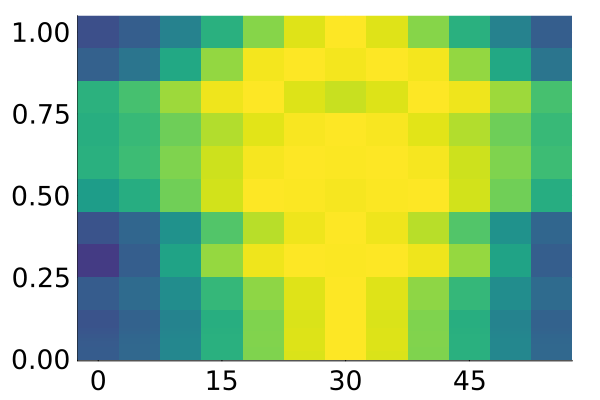
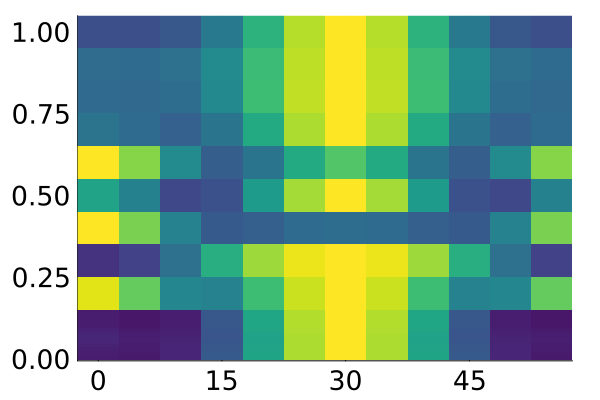
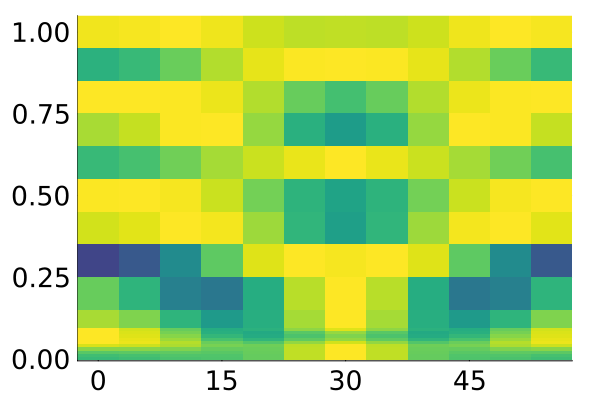
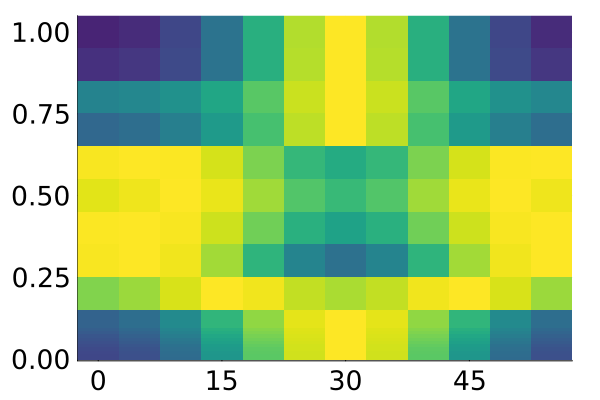
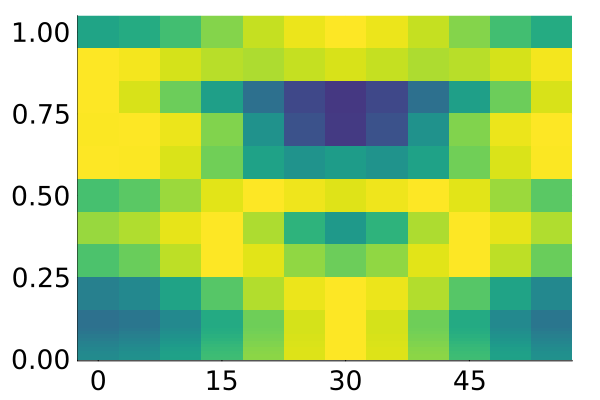


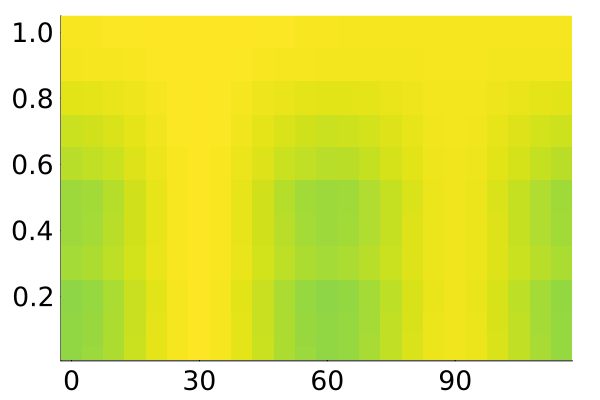
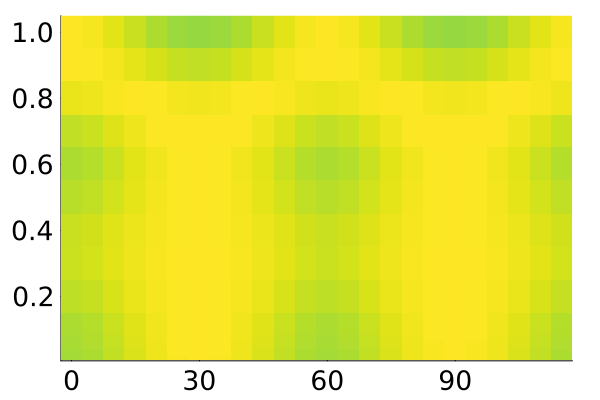
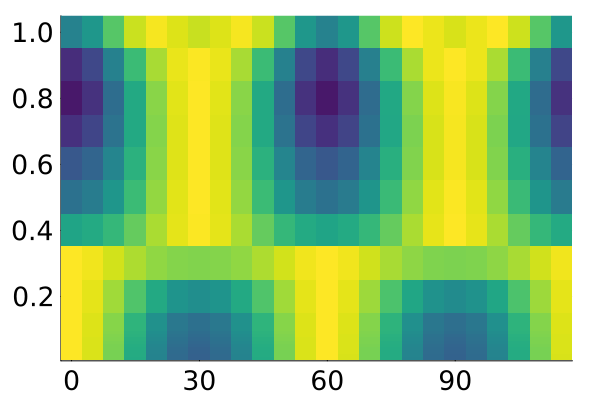
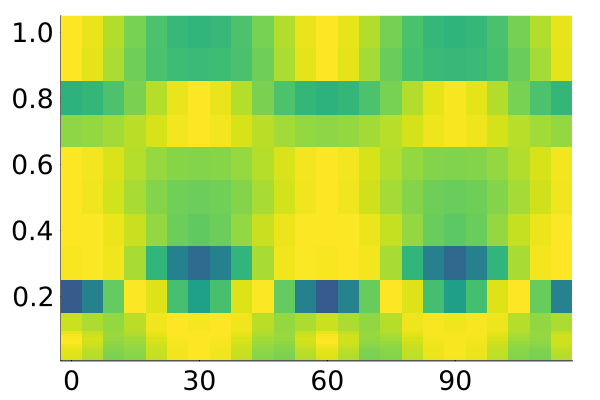
Figure 1: Orientation-dependent HHG spectra for layered solids. Panels (a–h) show Graphite harmonics, (i–t) hBN, (u–x) WS2.
These maps reveal pronounced anisotropy, arising from the underlying point group symmetry and its perturbation by stacking. For all three materials, both the intensity and selection rules (e.g., which harmonic orders are allowed/forbidden) are strongly modulated as the driving field is rotated relative to the crystal axes. Comparison across materials highlights how bandgap size, stacking order, and interlayer coupling conspire to determine the symmetry and magnitude of nonlinear response.
Intraband versus Interband Harmonics
By explicitly calculating and separating the intraband and interband contributions, the paper establishes that both mechanisms exhibit similar dependence on interlayer tunneling, implying that interlayer hybridization alters the band curvature and transition matrix elements in a comparable fashion for both current channels.
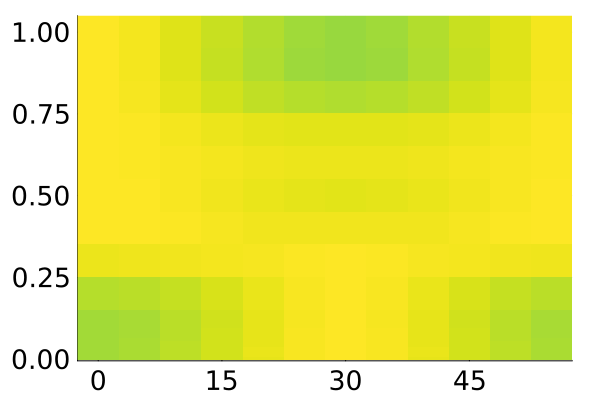
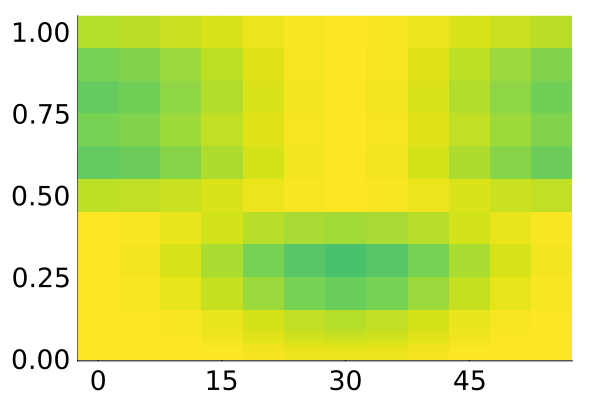
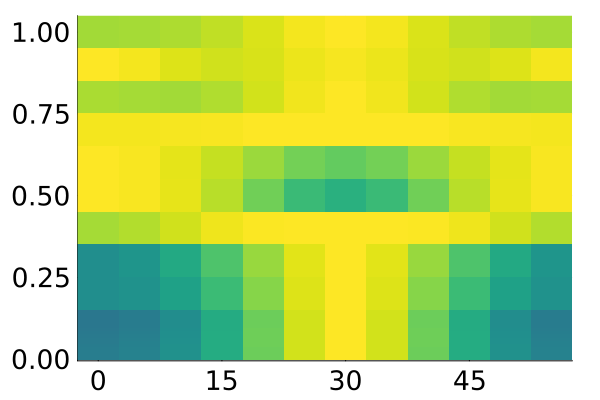
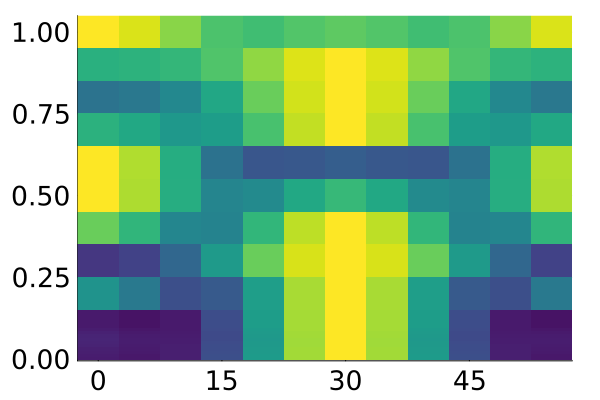
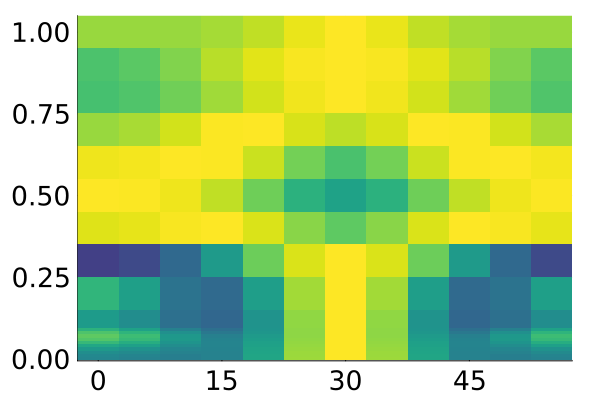
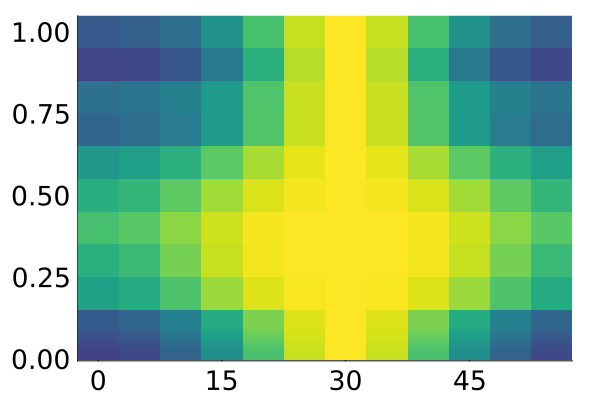
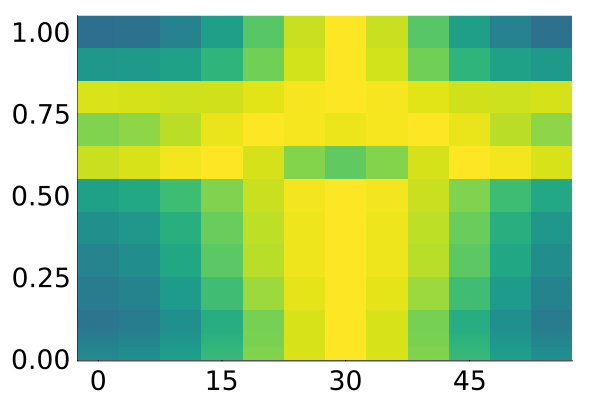
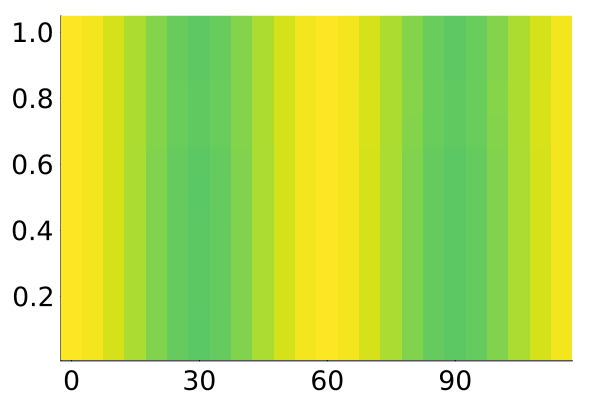
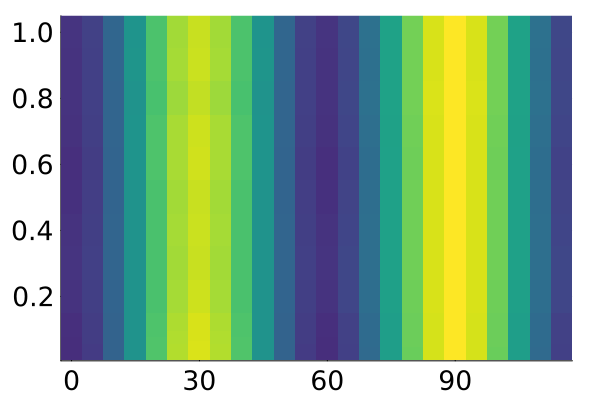
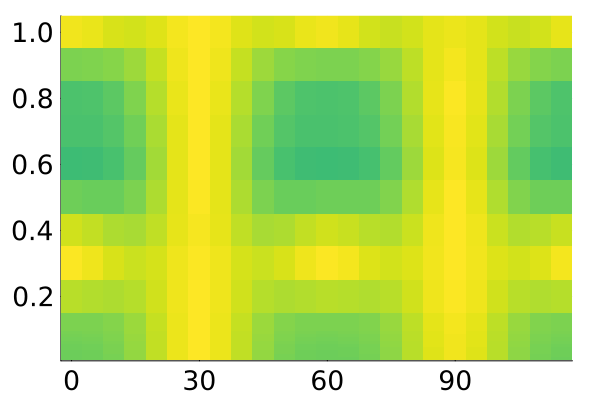
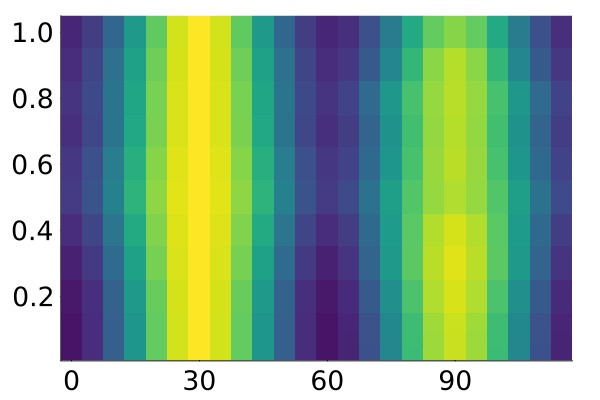

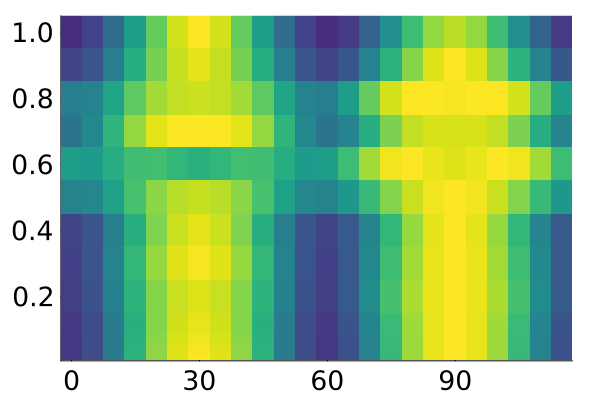


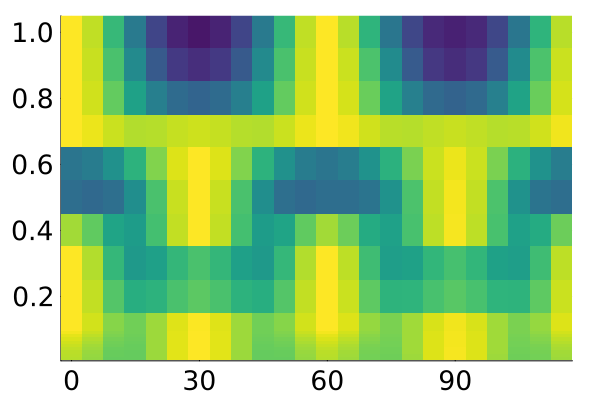
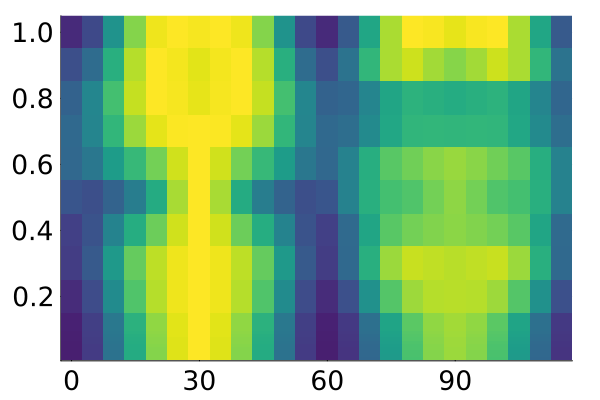
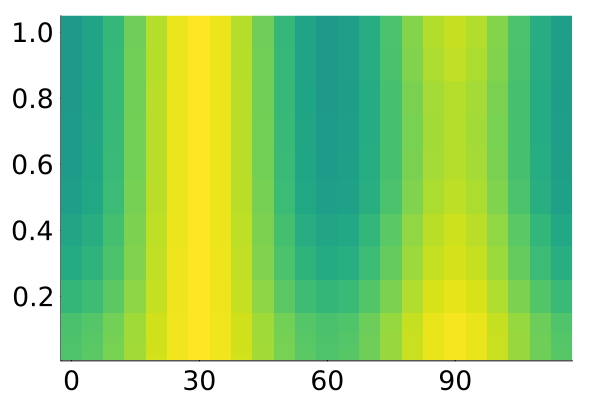
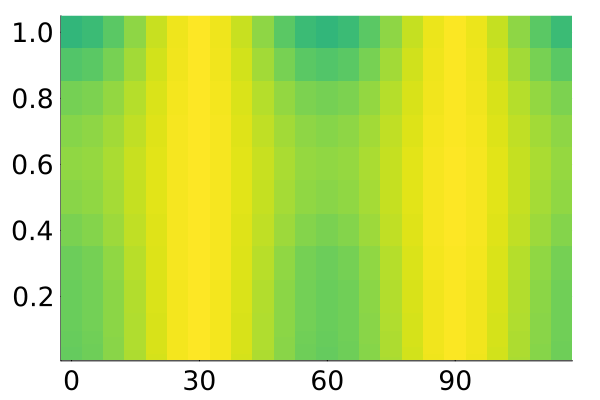
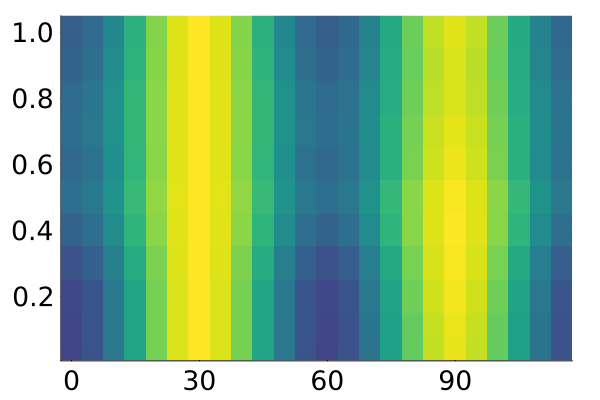
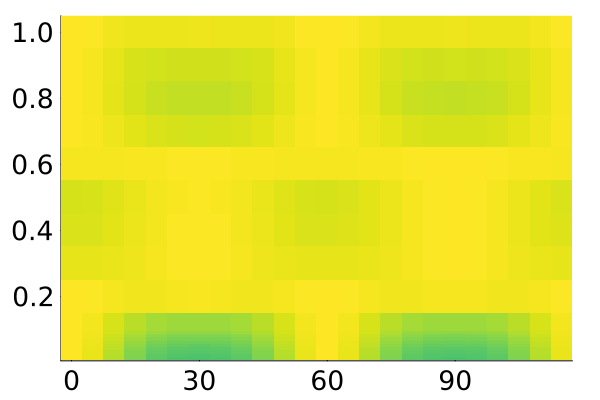
Figure 2: Orientation-dependent HHG spectra of intraband harmonics from layered solids, showing sensitivity to interlayer coupling tz.
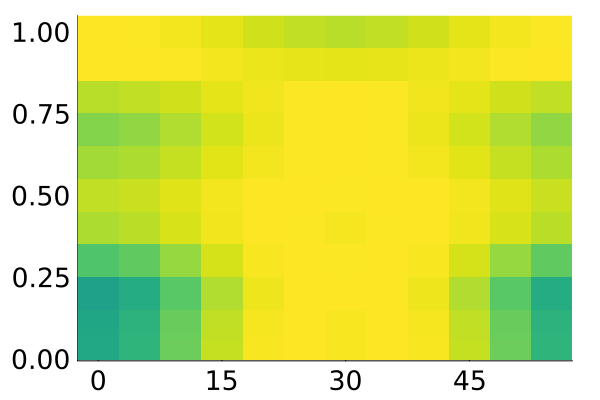
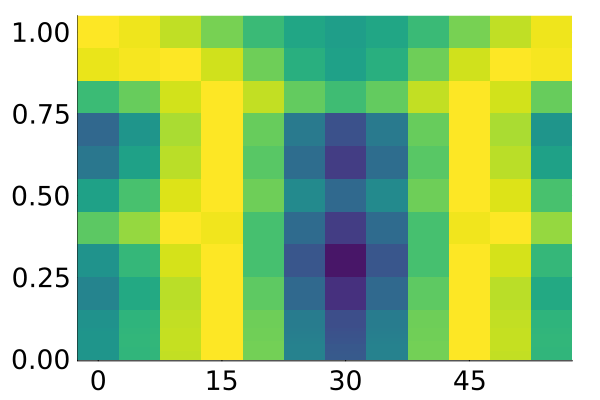
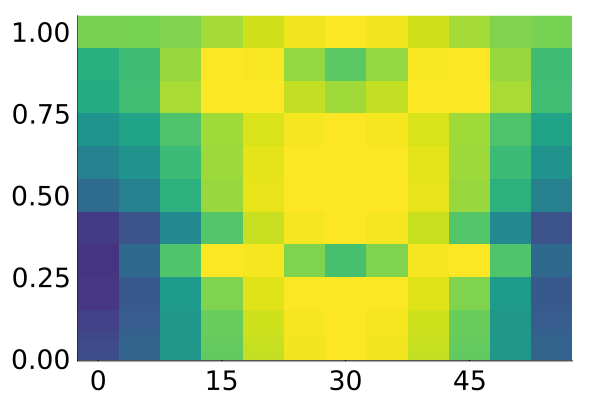
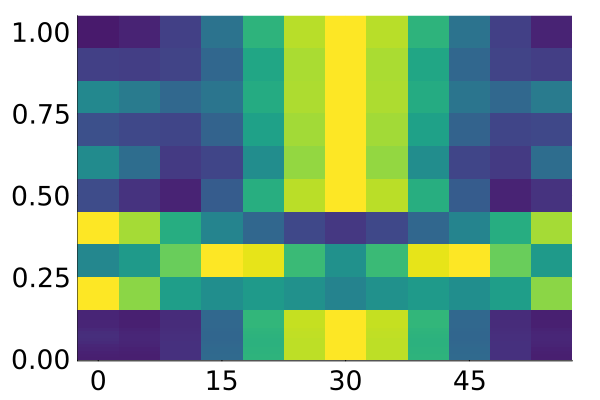
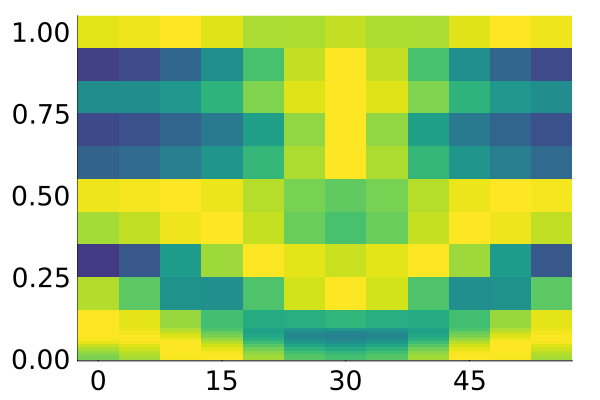
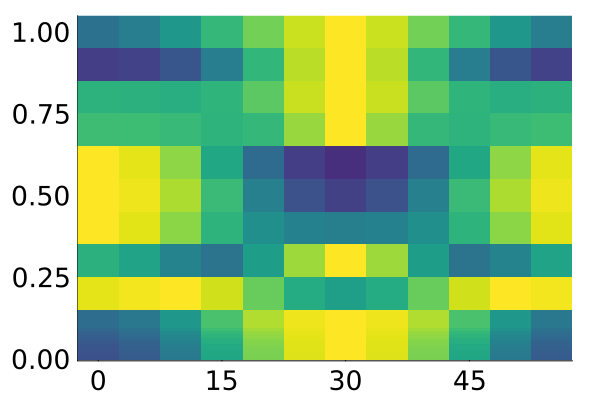
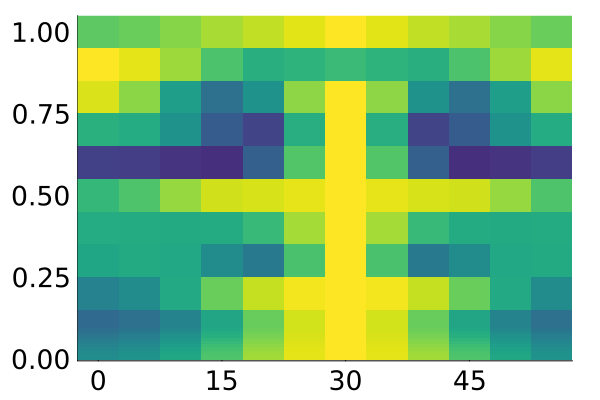


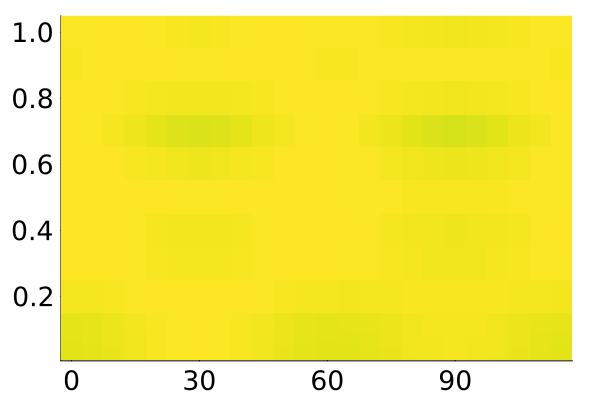

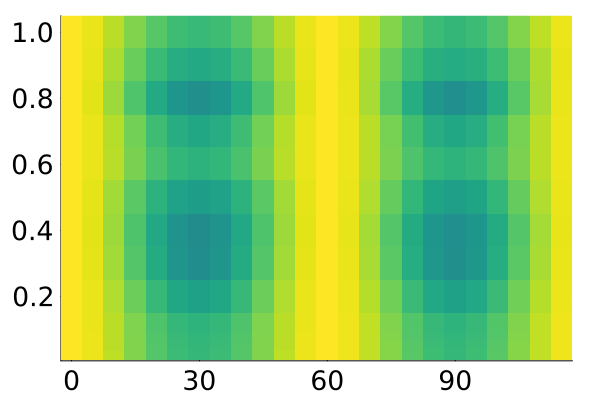


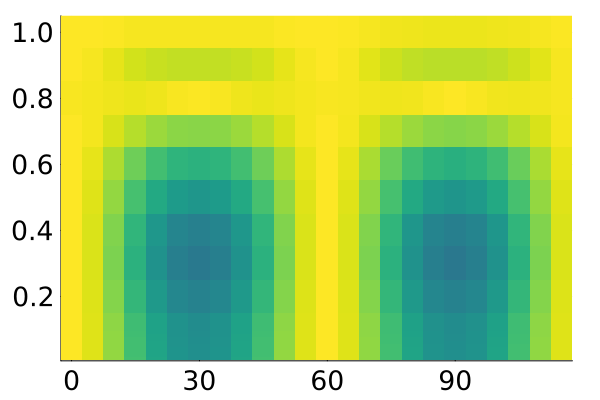
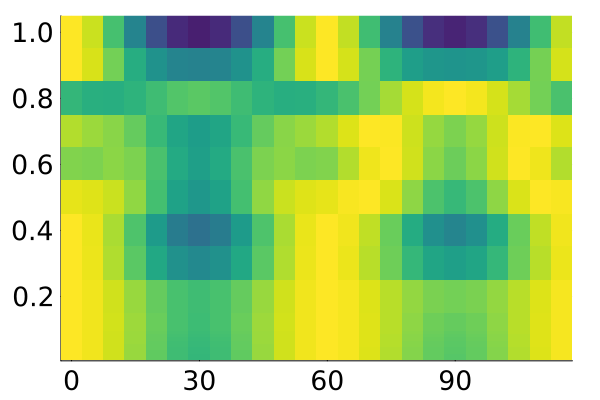
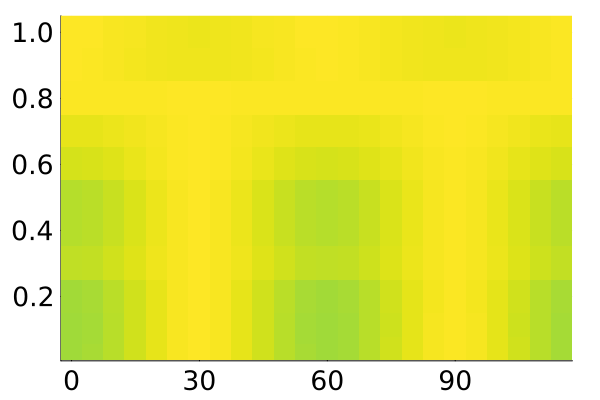
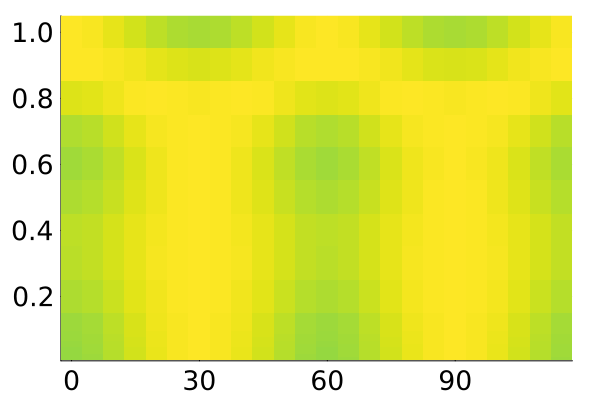
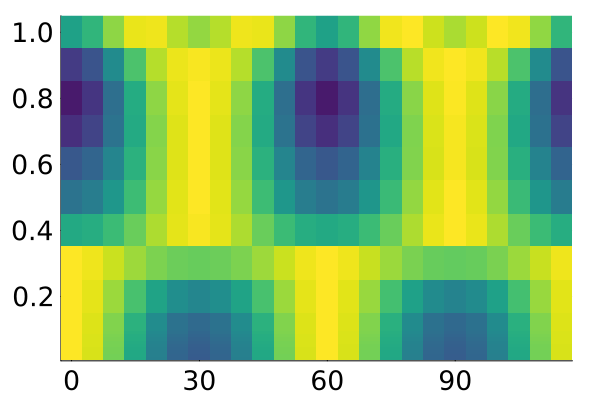
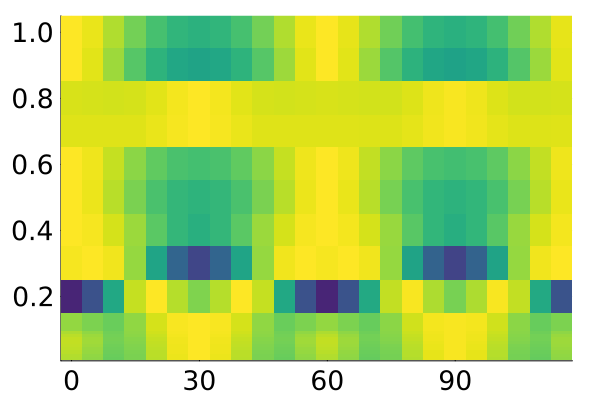
Figure 3: Orientation-dependent HHG spectra of interband harmonics from layered solids, also exhibiting strong dependence on tz.
Notably, in gapless systems (e.g., graphite, Δ=0), the intraband contribution displays distinctive behavior: the linear-in-20 term vanishes by symmetry, so the leading dependence is quadratic—a result analytically derived and numerically confirmed.
Analytical Perturbation Theory and Scaling Laws
The authors develop a perturbative expansion of the 3D tight-binding Hamiltonian, using the monolayer limit as a reference Hamiltonian and treating interlayer hopping as a perturbation. The analytical calculation yields that the dominant contributions to the current at each 21-point scale generically as a second-degree polynomial in 22 (with leading-order linear terms possible except in special symmetry cases), with coefficients depending on 23 and 24, but the overall polynomial scaling robust under Brillouin zone integration.
This analytical insight is crucially validated by numerical data, as displayed in the explicit fits for graphite:
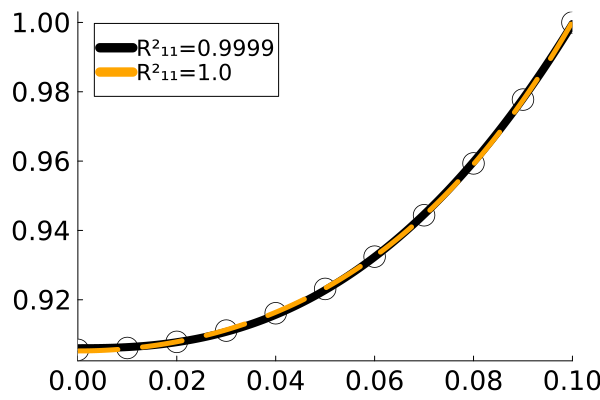
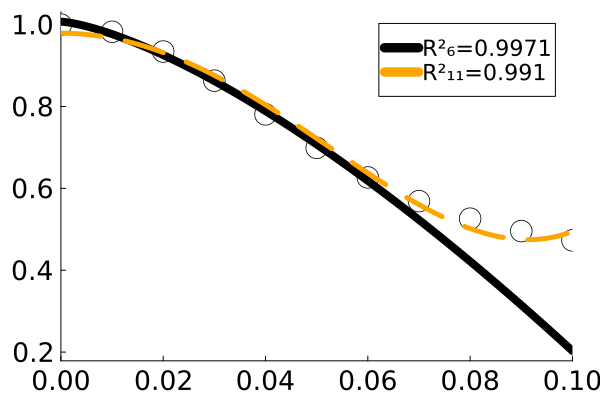
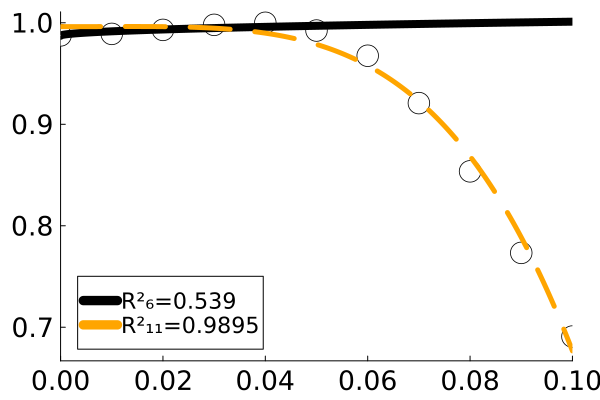
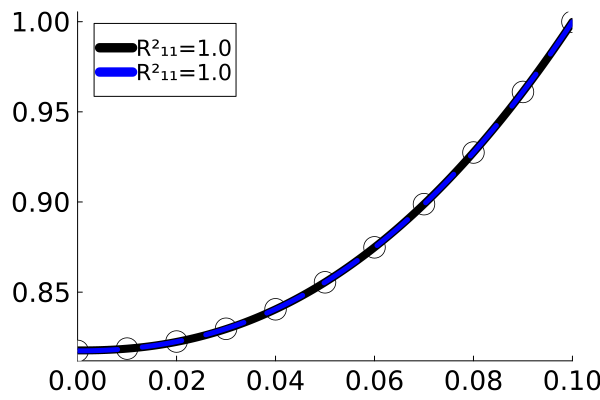
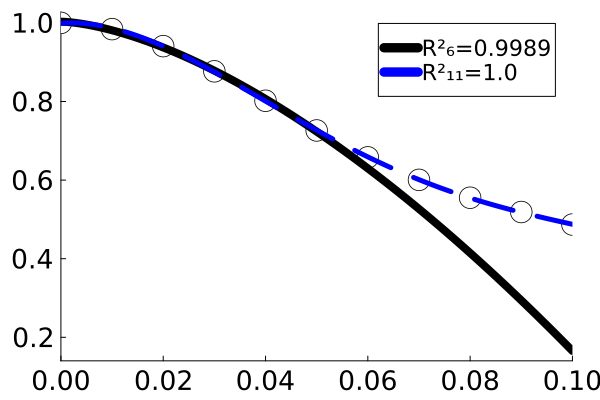
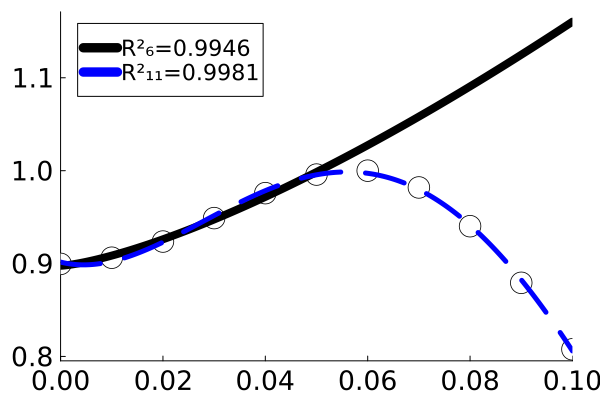
Figure 4: HHG yield dependence on the interlayer hopping parameter 25 in graphite, revealing a power law scaling with a dominant quadratic component for intraband processes.
The fits confirm the absence of linear 26 terms for intraband harmonics in gapless systems and support the theoretical scaling expectations across all harmonic orders.
Generality Across Material Systems
The distribution of ellipticity-dependent results, particularly for transition metal dichalcogenides (WS27), corroborates that the sensitivity to interlayer coupling is broadly preserved for other layered materials of diverse electronic character. This universality implies that HHG can serve as a quantitatively robust ultrafast probe of interlayer coupling, independent of the specific band gap or stacking registry.
Implications and Outlook
The combination of analytic theory and high-resolution SBE numerics provides a detailed physical picture of how interlayer hybridization—a central tuning parameter in van der Waals heterostructures and moiré materials—modulates HHG spectra. Practically, this opens the pathway for non-contact all-optical characterization of interlayer coupling strengths and stacking orientation in heterostructures, with direct relevance to device engineering in optoelectronics, valleytronics, and strong-field-driven petahertz electronics [Heide2024].
The quadratic and higher-order scaling laws extracted here are directly applicable to twist-angle- or pressure-tunable layered systems, where interlayer hopping can be dynamically modulated, as well as to correlated phases (e.g., flat bands, moiré superlattices) where t28 dictates bandwidth and emergent correlations [Bistritzer2011, Cao2020]. Furthermore, the approach is extendable to the study of Floquet engineering in stacked systems, where periodic driving synthesizes new topological phases [Lindner2010, Choi2025].
The clear separation of intraband/interband contributions and their scaling behaviors provides the foundation for future theoretical and experimental work aiming to disentangle correlated electron dynamics, selective valley control in TMDs, and the role of Berry curvature and quantum geometry in nonlinear optical response [Jiang2025].
Conclusion
This work provides an in-depth analysis of the role of interlayer coupling in high harmonic generation from layered solids, demonstrating via both simulation and analytical theory that HHG yields and selection rules are strongly and generically sensitive to stacking, orientation, and tunneling. The findings establish high harmonic spectroscopy as a potent, symmetry-sensitive probe for ultrafast interlayer dynamics and electronic structure in layered materials, with broad implications for quantum material characterization, optoelectronic device development, and Floquet engineering.