- The paper introduces a triple configuration framework using RNNs to isolate stimulus-driven, task-driven, and spontaneous brain network dynamics.
- It demonstrates that parietal cortex regions serve as critical hubs with anterior and posterior specializations for auditory and visual processing, respectively.
- Eliminating the common network readouts significantly impairs task performance, underscoring the computational necessity of hub integrity.
Triple Configuration of Brain Networks: Synergy of Exogenous Stimuli, Task Demands, and Spontaneous Activity
Introduction
This work proposes a computational framework to dissect how the human brain organizes its functional networks in response to both exogenous (stimulus- or task-driven) and endogenous (spontaneous) influences. Leveraging source-localized EEG from 114 participants, the authors employ recurrent neural networks (RNNs) with biologically grounded dynamics to model whole-brain activity. This triple configuration framework isolates the latent factors underlying brain network states, details the critical role of parietal regions as configuration hubs, and demonstrates functional specialization across anterior and posterior parietal cortices for auditory and visual modalities, respectively (2604.23525).
Methods and Analytical Framework
A fully connected RNN was trained to predict source-localized EEG time series, allowing the model to capture recurrent, dynamic processes underpinning resting-state activity. Three external input compartments targeted auditory, visual, or combined cortices through (1) aperiodic white noise with varying bilateral correlations, and (2) periodic 40 Hz signals with controlled phase offsets. Functional connectivity was assessed via Pearson correlation or phase locking value (PLV) across canonical frequency bands. Task-driven configurations were isolated by optimizing readout weights for integration (summation) or separation (differencing) of bilateral signals.
The analytical procedure enables identification of: stimulus-driven common networks (responding to both periodic and correlation manipulations), task-driven common networks, and their overlap (stimulus-task common network), as well as their relationship to resting-state (spontaneous) connectivity.
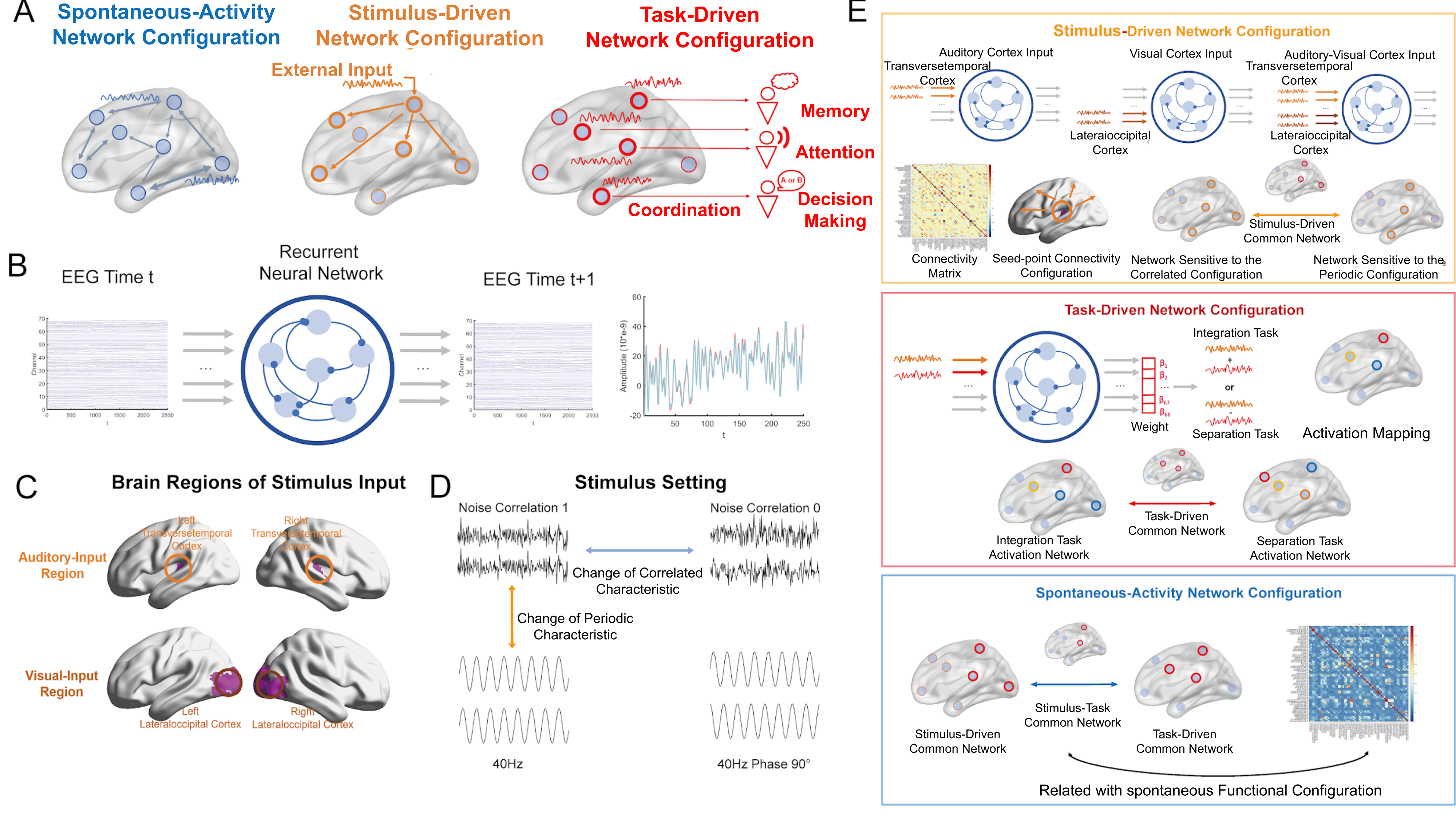
Figure 2: Study pipeline illustrating the triple configuration framework and data/modeling flow.
Results
Stimuli delivered to auditory cortex regions led to widespread changes in connectivity involving temporal and parietal regions irrespective of stimulus type. Modulating stimulus correlation selectively configured left limbic, right frontal, and bilateral temporal/parietal networks, while periodicity tweaks recruited left limbic, right occipital, right frontal, and right parietal regions. Notably, the stimulus-driven common network consistently included frontal, temporal, and parietal components, with cross-hemispheric connectivity especially prominent under correlated noise.
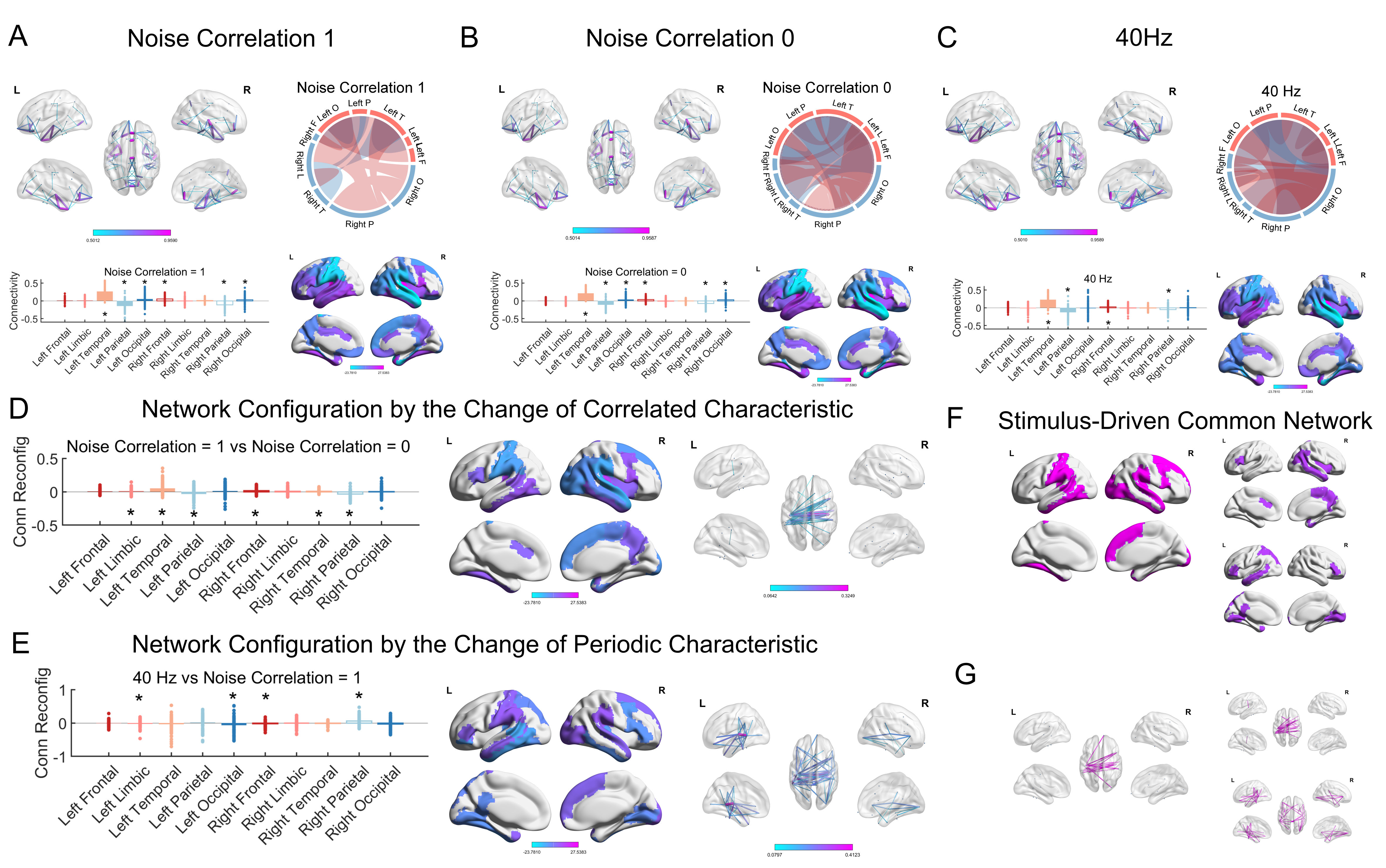
Figure 3: Stimulus-driven network configuration under auditory input, highlighting connectivity modulated by correlation and periodicity characteristics.
Task-based readouts (integration or separation of bilateral auditory inputs) revealed activation across left temporal/parietal and right frontal/parietal regions. Task-driven common networks were defined by regions consistently engaged by both processing demands, distinct from purely stimulus-driven configurations but overlapping in distributed parietal loci.
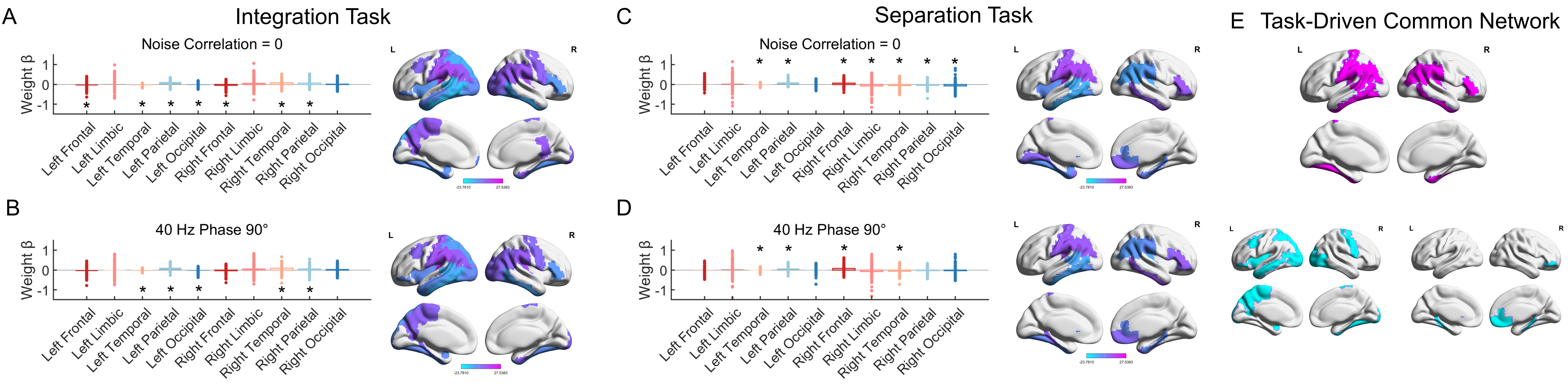
Figure 4: Task-driven network configuration under auditory input for integration and separation tasks.
Coupling of Exogenous and Endogenous Configurations
The stimulus-task common network, resulting from the conjunction of stimulus- and task-driven subnetworks, overlapped anterior temporal and parietal regions. Critically, its connectivity pattern correlated robustly with spontaneous alpha/beta PLV network structure, designating these regions as functional hubs. Significantly, configuration patterns of correlation- and periodicity-modulated networks, as well as integration/separation tasks, were strongly negatively correlated, suggesting opposing information channeling along this common network.
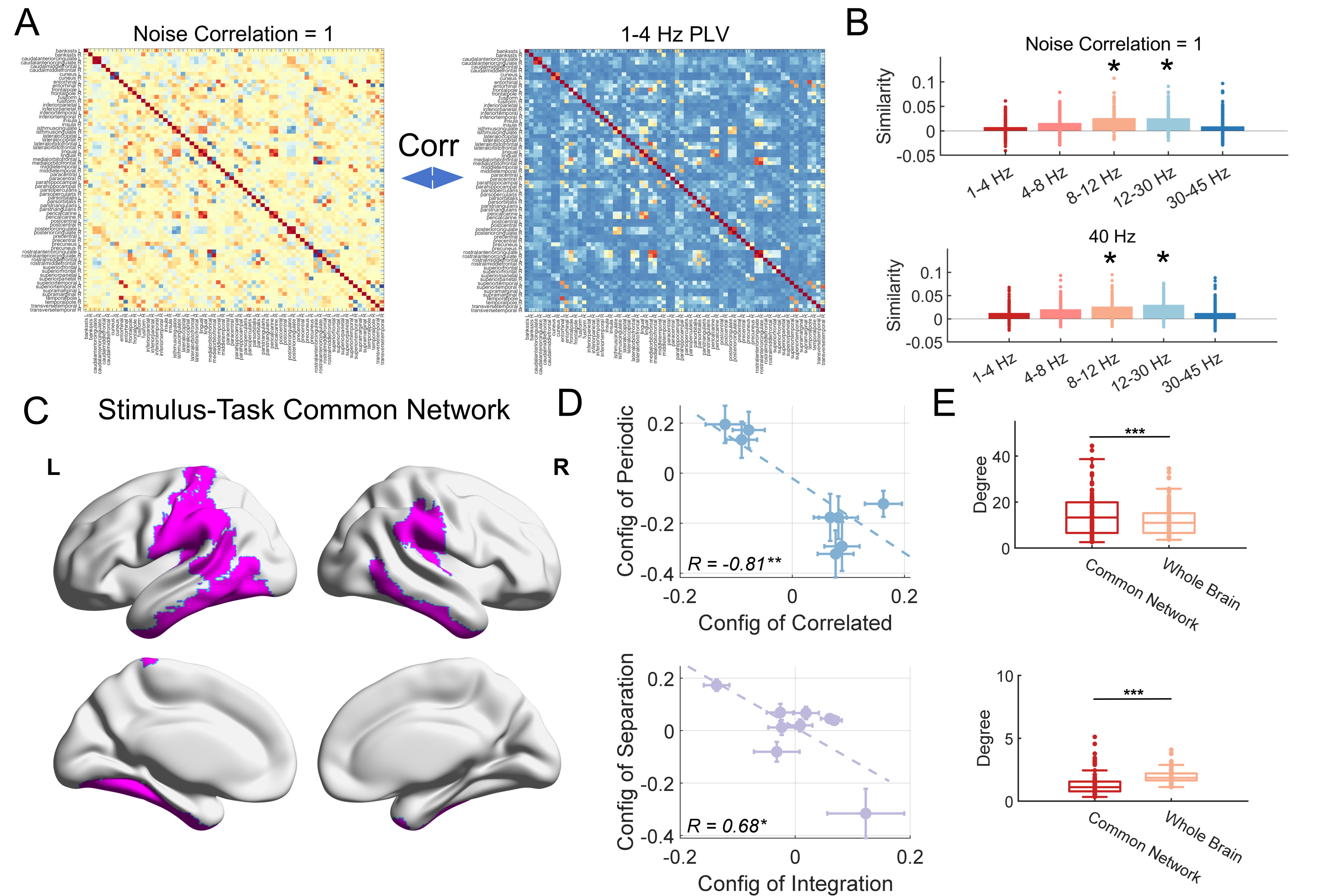
Figure 5: Spontaneous-activity network configuration and its similarity to stimulus-driven and task-driven patterns.
Functional Necessity: Common Network Disruption
Eliminating the readout weights corresponding to the identified common network produced a strong decrement in task performance (integration and separation) relative to random elimination and control conditions. This provides quantitative evidence for the computational necessity of these hub regions in supporting information integration and segregation tasks.
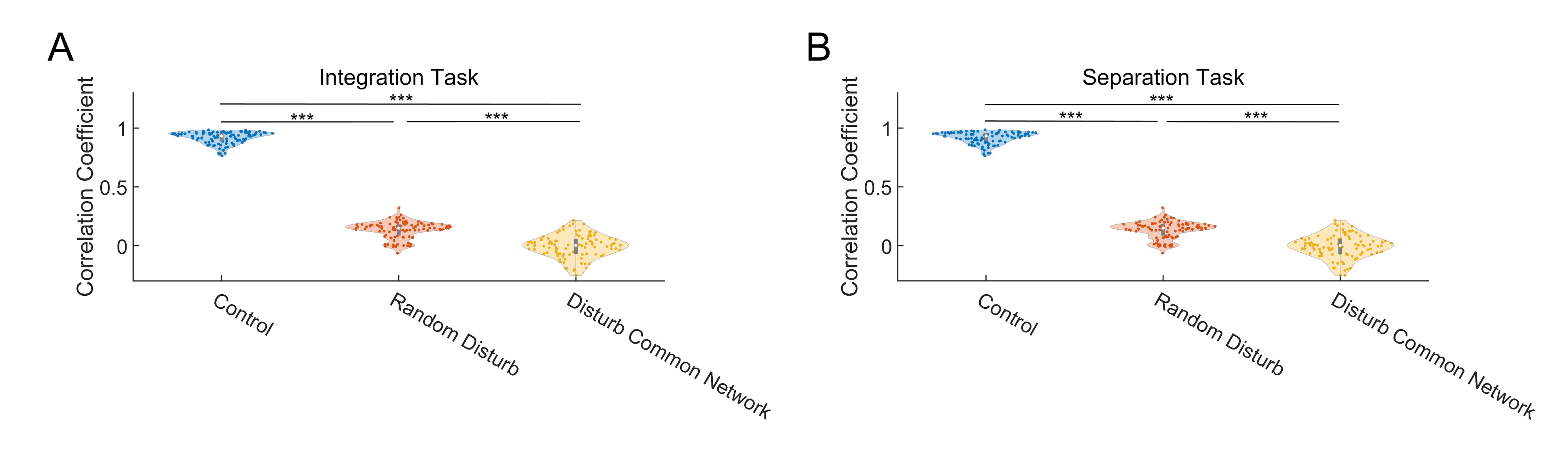
Figure 6: Task performance impairment following elimination of the common network readout weights.
Parietal Hub Specialization: Auditory, Visual, and Multimodal Configurations
For auditory inputs, the anterior parietal subregions (e.g., supramarginal) were central to the common network, whereas visual input conditions recruited posterior parietal/occipital areas. Visual task-driven and stimulus-driven configurations showed similar negative correlations between their respective patterns. Both networks had significantly higher nodal degree in alpha and beta PLV networks, indicating their hub status in spontaneous connectivity. Eliminating these structures again produced large decrements in task accuracy.
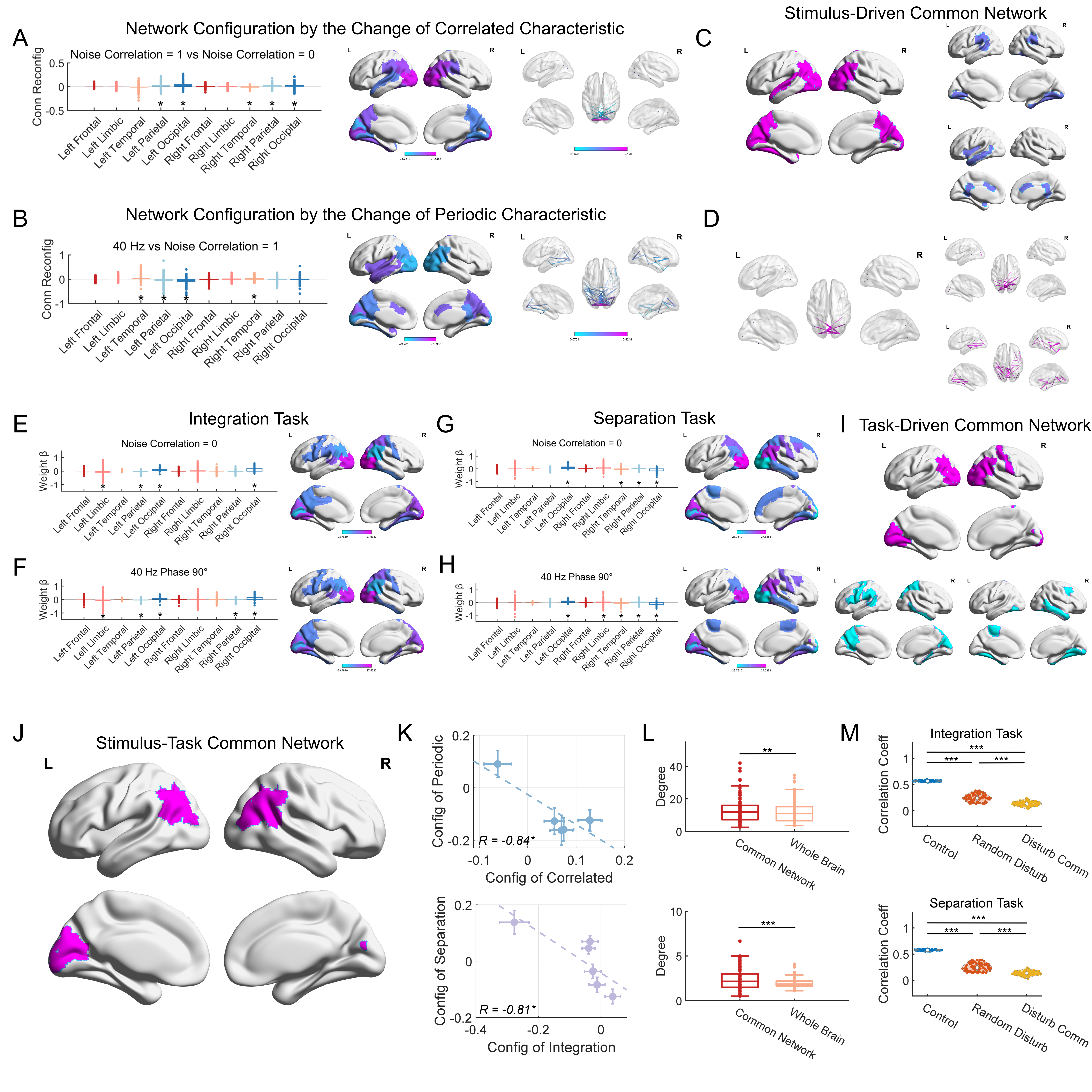
Figure 1: Triple network configuration under visual cortex input, showing distinct parietal and occipital network hubs per modality.
When both auditory and visual stimuli were provided, network overlaps recruited both anterior (auditory) and posterior (visual) hub nodes. Multimodal configurations dynamically combined single-modality subnetworks, with some cross-modal integration reflected in the resulting connectivity patterns and task performance.
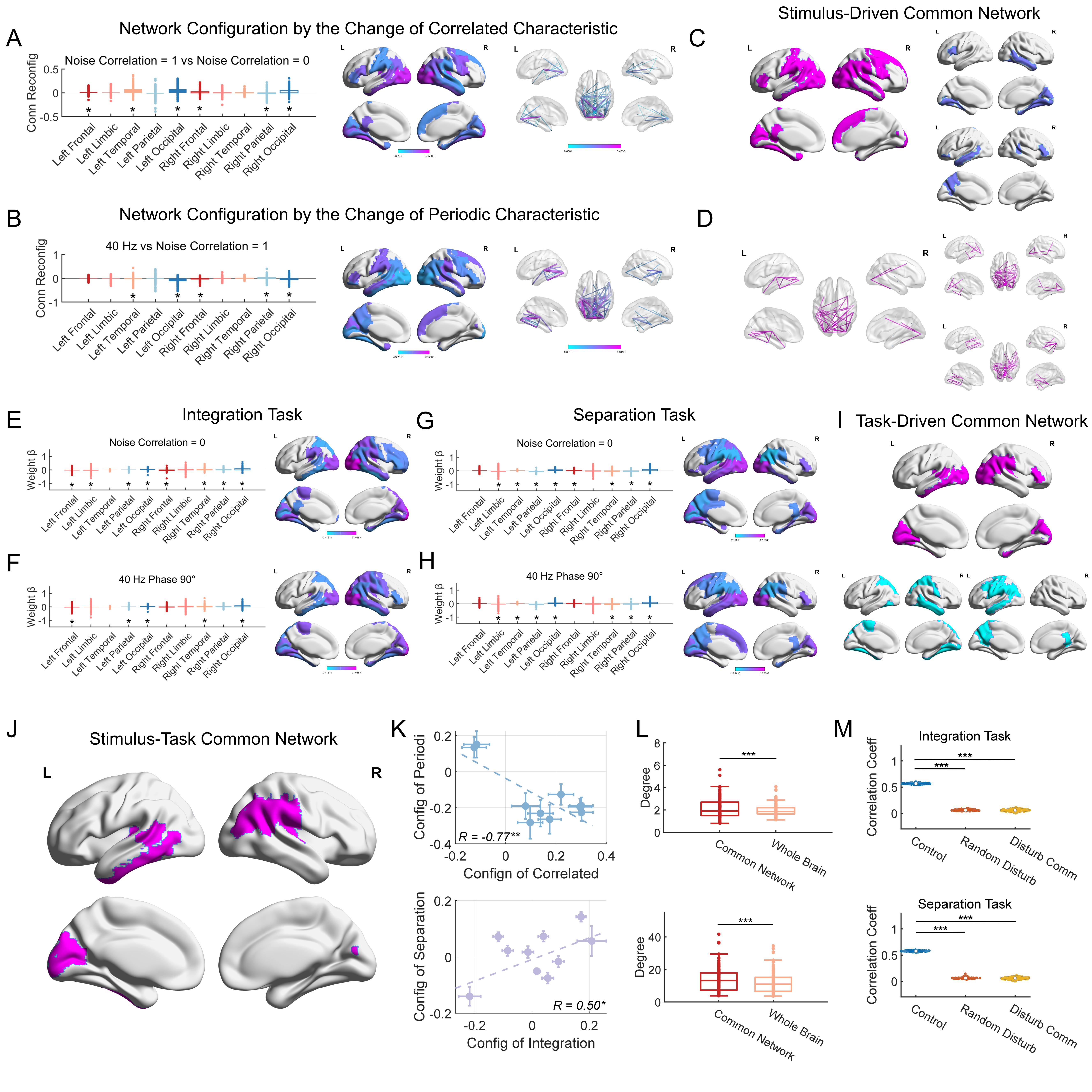
Figure 7: Triple network configuration under simultaneous auditory and visual inputs, illustrating multimodal hub recruitment and network integration.
Local vs. Global Connectivity Patterns
Analysis revealed that connectivity within the common network (internal) was consistently stronger and more anti-correlated compared to external or across-network links, across all stimulation and task paradigms. Alpha and beta PLV connectivity was especially amplified within the common network, confirming its intrinsic differentiation and readiness for flexible network configuration.
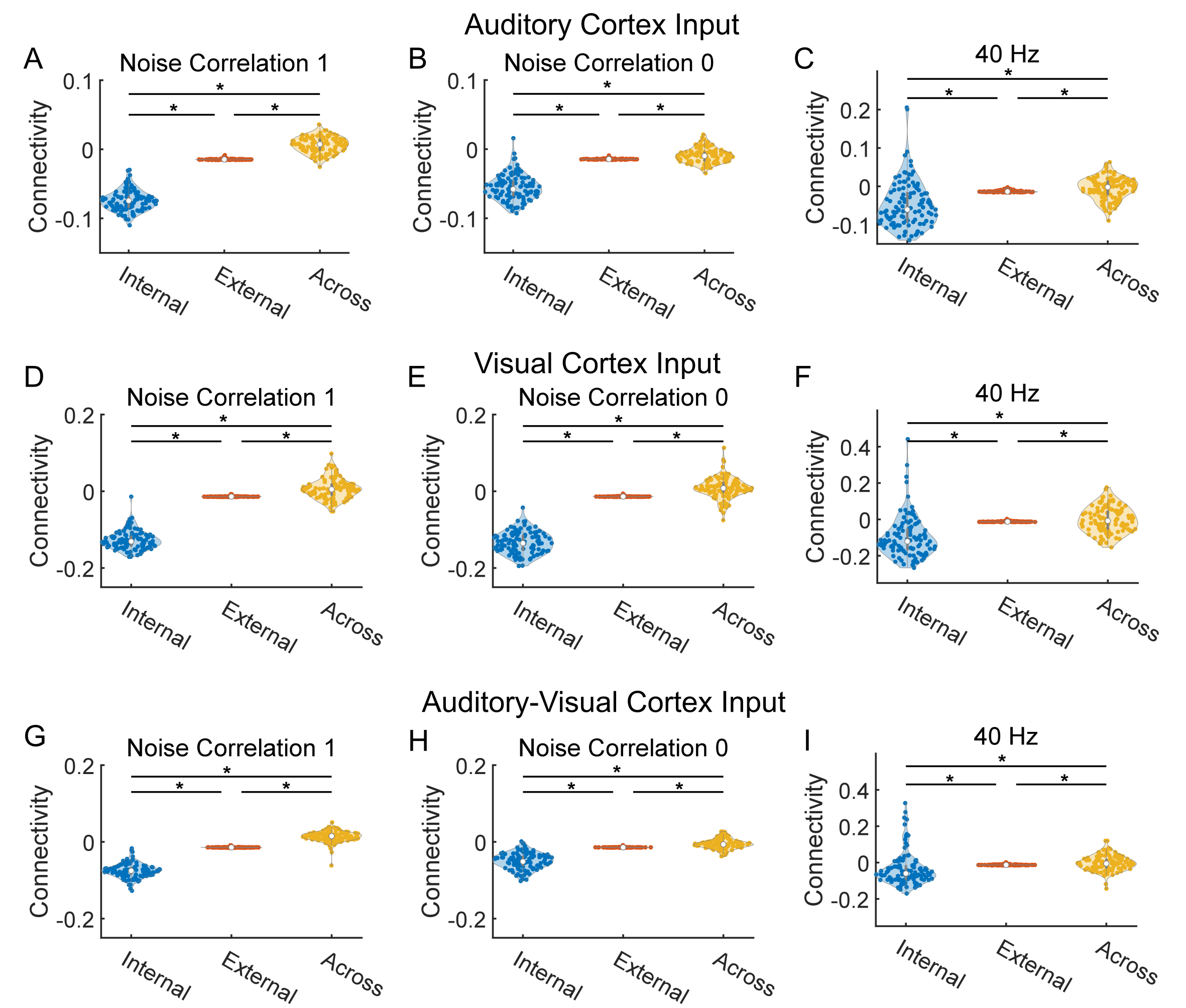
Figure 8: Internal vs. external connectivity comparisons, showing stronger and anti-correlated links within the common brain network under each input modality.
Theoretical and Practical Implications
This work provides evidence that, within the high-dimensional, nonstationary brain, a set of hub regions—localized predominantly to the parietal lobes but segregated along anterior-posterior gradients by sensory modality—serves as a convergence point for exogenous (stimulus/task) and endogenous (resting) network configurations. These findings position the parietal cortices as key substrates for cognitive flexibility and dynamic information routing, consistent with established small-world and hub-centric theories of brain network organization.
Strong numerical evidence is provided: elimination of common-network weights causes highly significant (p<0.001, Bonferroni-corrected) performance drops; negative correlations between alternative configuration patterns consistently exceed 0.7 in magnitude; and hub node degree in spontaneous networks is significantly above global averages.
This approach demonstrates how interpretable RNNs, trained directly from neurophysiological data, can reveal mechanistic underpinnings of cognitive network reconfiguration—an increasingly important direction for both neuroscience and biologically inspired AI.
Limitations and Future Directions
Spatial resolution limits of source-localized EEG, the use of relatively simple RNN models, and the restriction to parametric synthetic stimuli constrain the granularity and ecological validity of these findings. Integration with naturalistic tasks, finer-grained anatomical localization, and more sophisticated dynamical systems modeling will further elucidate the organizing logic of configuration hubs. Additionally, the identification of task-invariant vs. task-specific subnetworks offers a research avenue for adaptive AI systems capable of rapid context switches and robust multitasking.
Conclusion
This study formalizes and empirically validates a triple configuration framework for brain networks, showing that sensory, cognitive, and spontaneous activity states dynamically reconfigure overlapping yet modality-specialized parietal hub structures. The central role of parietal regions, demonstrated by targeted model ablation, and the strong coupling of these hubs to both exogenous and endogenous dynamics, underscore their computational importance for higher-order intelligence and flexible information processing (2604.23525).