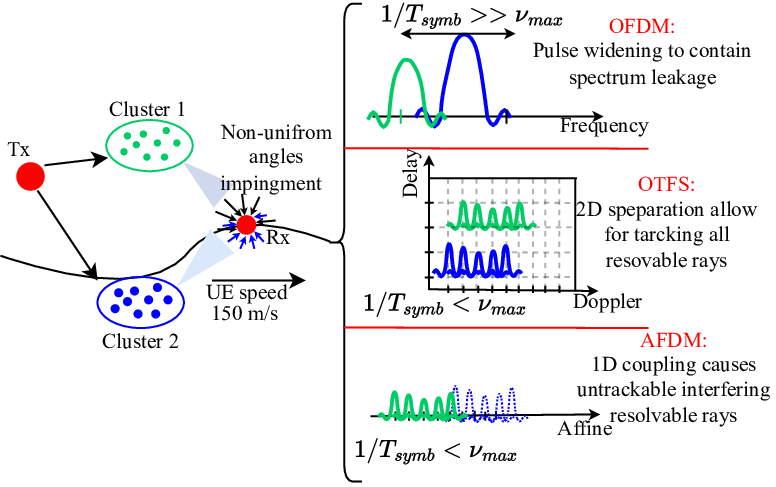
- The paper presents a generalized channel model embedding cluster birth-death processes to capture realistic 6G propagation dynamics.
- It derives input-output relationships for various waveforms, highlighting performance trade-offs between OFDM, DFT-s-OFDM, AFDM, and OTFS.
- The work proposes an adaptive waveform selection framework showing that conventional OFDM is more robust than sparse-domain alternatives under realistic scenarios.
Introduction
The proliferation of applications such as Integrated Sensing and Communication (ISAC), vehicular networks (V2X), digital twins, and non-terrestrial networks (NTN) is fundamentally altering the requirements and paradigms for 6G wireless physical layer design. Classical channel models—favoring sparsity, quasi-stationarity, and delay-Doppler separability—have historically enabled tractable performance analysis and algorithm development. However, these abstractions neglect critical real-world propagation phenomena including cluster birth-death, coupled time-varying delays and Doppler spreads, and the stochastic evolution of multipath density and dispersion. This paper, "Channel-Aware Waveform Selection Criteria Across Different Waveform Domains" (2605.01587), addresses these deficiencies by introducing a generalized parametric channel model designed to preserve computational tractability while incorporating the essential dynamics observed in advanced 6G environments.
Generalized Channel Model: Capturing Cluster Evolution and Non-Stationarity
The proposed channel model departs from conventional wide-sense stationary uncorrelated scattering (WSSUS) assumptions by embedding a birth-death process for multipath clusters, Doppler spectral spread, time-varying delays, and non-uniform angular incidence. It formalizes the continuous geometric evolution of propagation paths and provides a discrete-time matrix representation compatible with all major multicarrier and single-carrier waveform structures. Notably, the model encapsulates both intra-cluster and inter-cluster dynamics, with cluster and ray arrivals modeled via Poisson processes and angular/Doppler statistics governed by scenario-dependent distributions such as the Von Mises-Fisher model. This enables explicit modeling of mobility-driven non-stationary fading and the associated transition of clusters into and out of the channel support.

Figure 1: Dynamics of delay, Doppler, and channel coefficient evolution under sparse and proposed models, including single tap evolution contrasting WSSUS and non-WSSUS contexts.
The joint characterization of delay and Doppler—including their geometric coupling and segmentation over locally stationary regions—permits the analysis of signal distortion due to range migration, non-discrete Doppler, and WSSUS violations. The matrix form allows for modular implementation in simulation and direct integration within waveform-specific baseband processing.
Waveform-Domain Characterization: Input-Output Relationships and Effective Channel Structures
The paper systematically derives the input-output relationships and corresponding effective channel matrices for candidate 6G waveforms, including OFDM, DFT-spread-OFDM, Affine Frequency Division Multiplexing (AFDM), and Orthogonal Time Frequency Space (OTFS). For each waveform, the transform-domain structure induces a distinct interference and leakage profile based on how channel dynamics are projected and resolved.
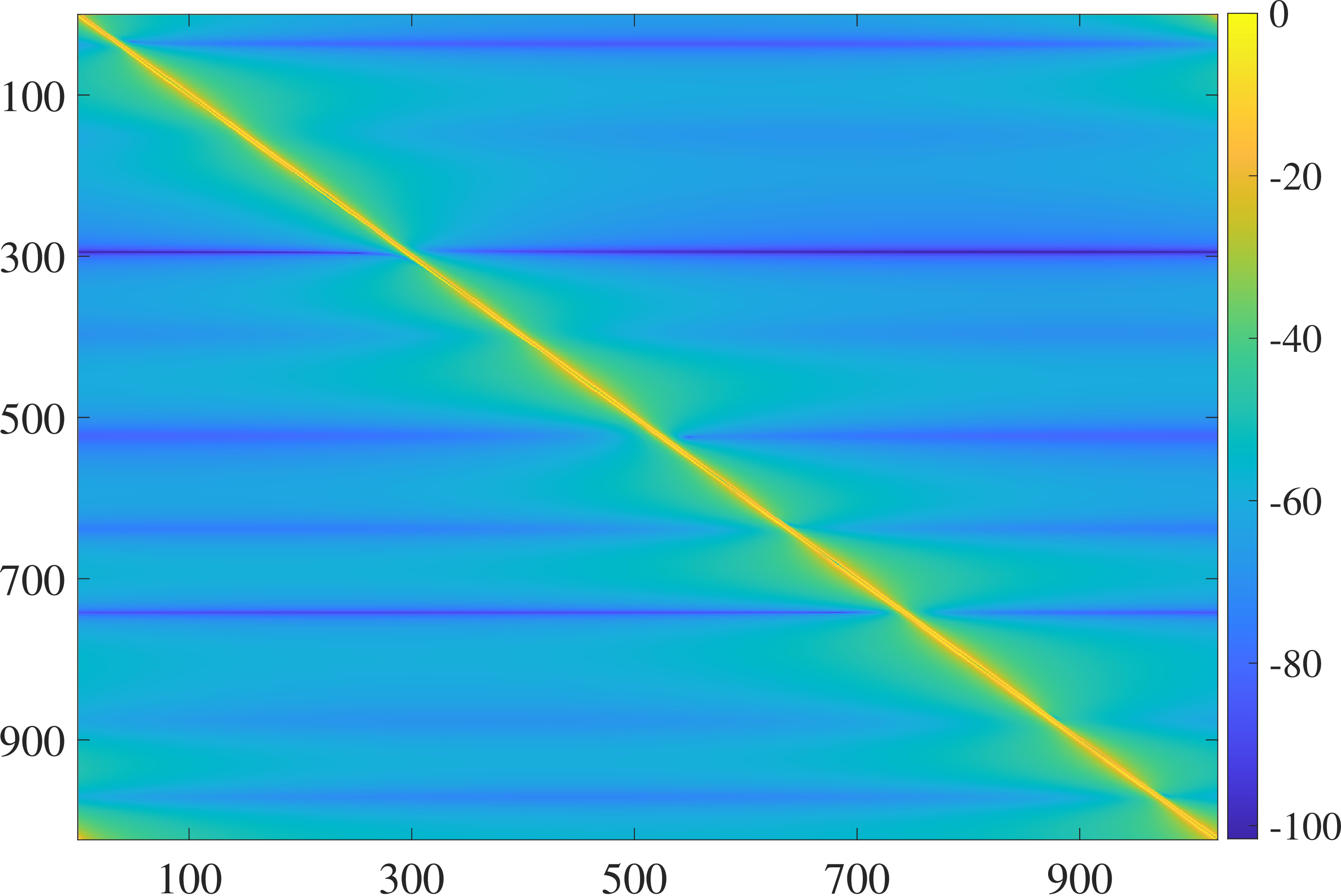
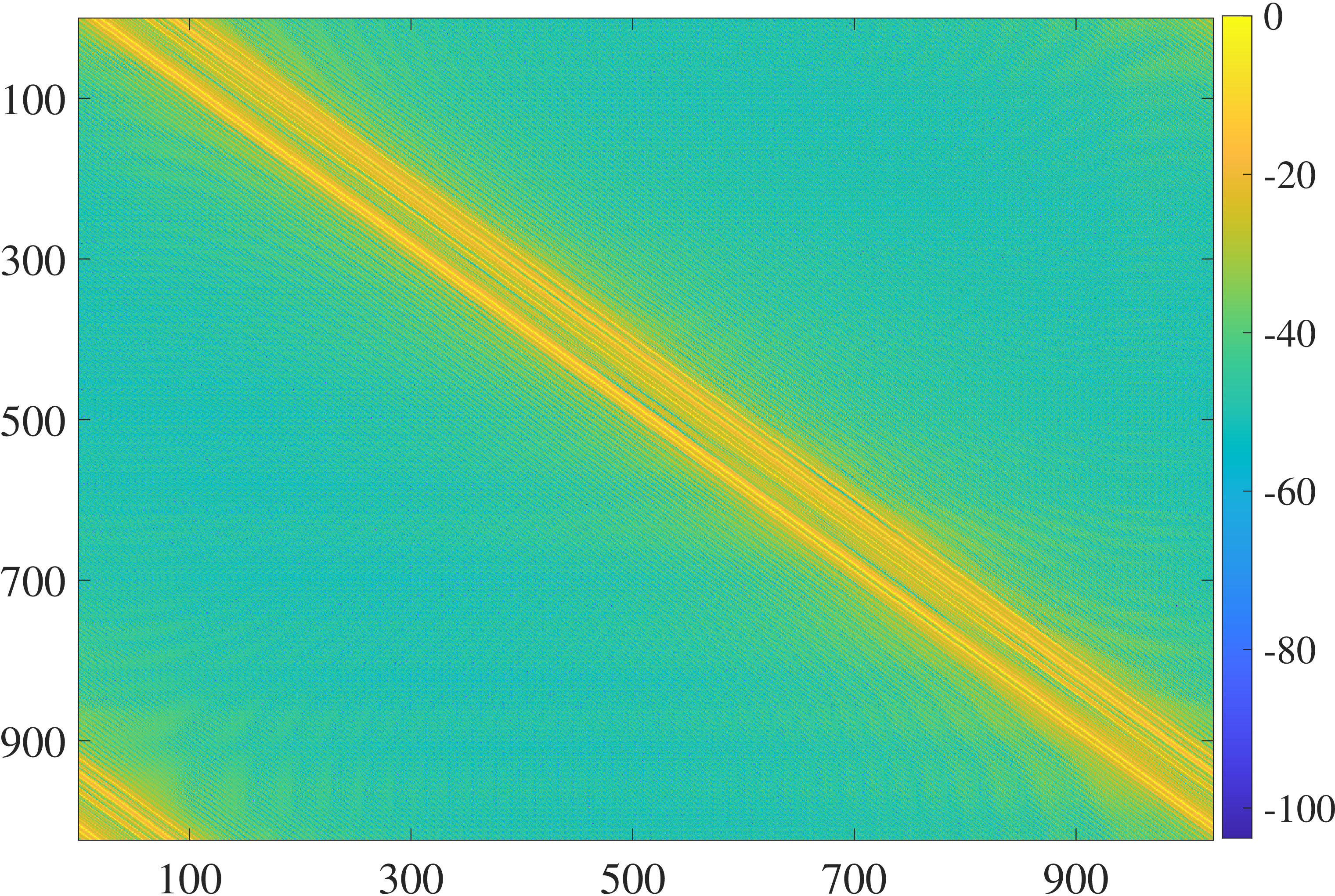
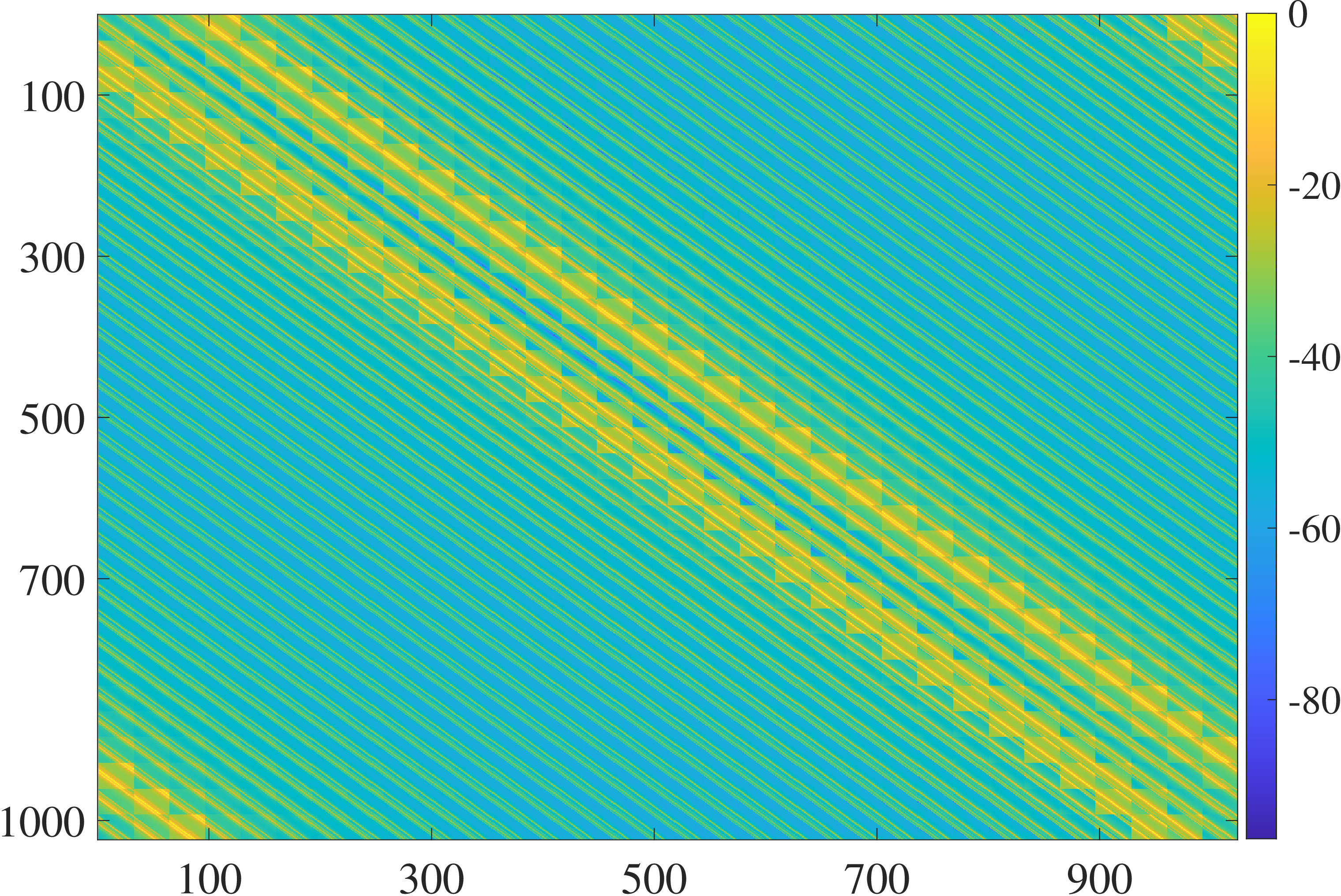
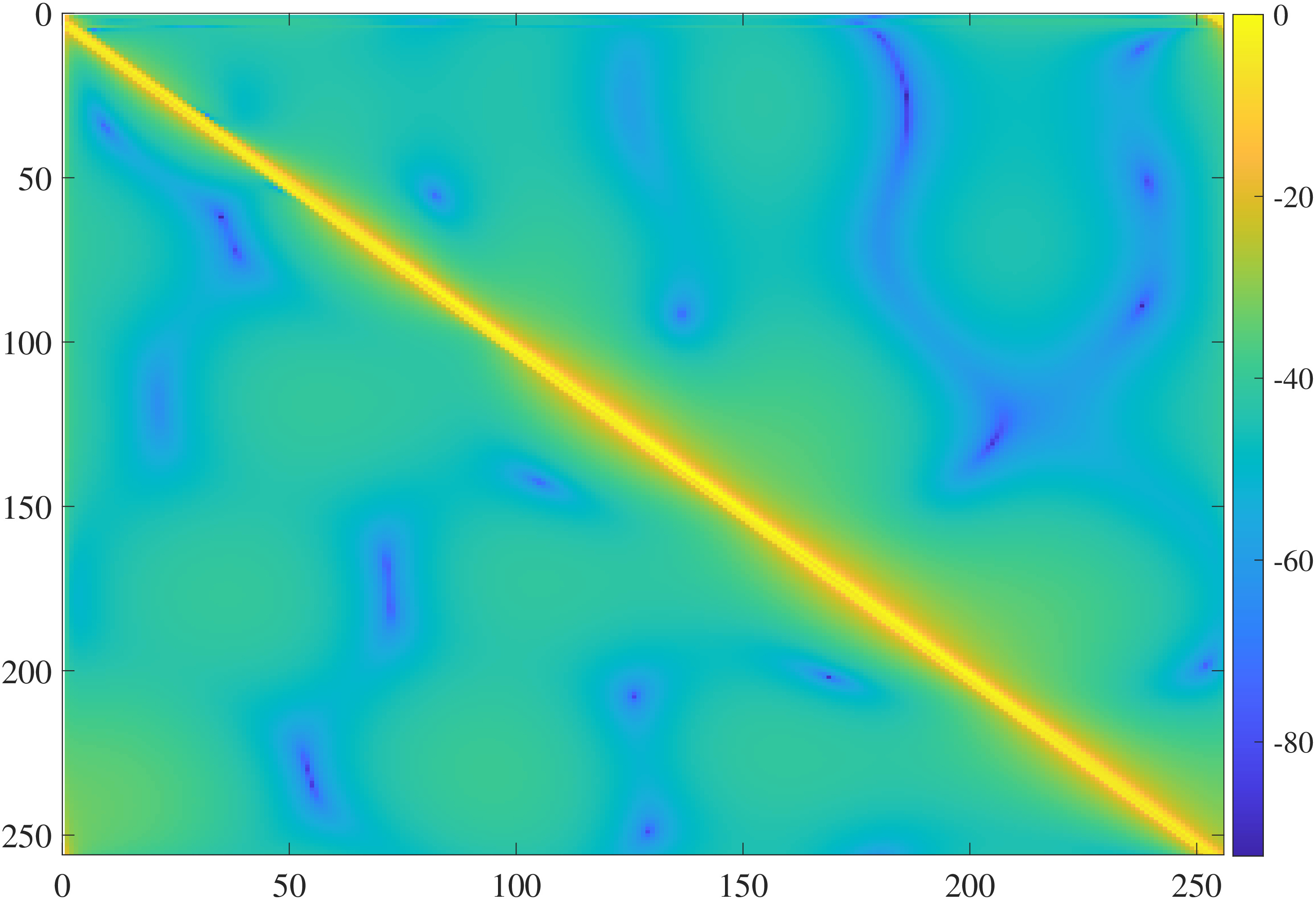
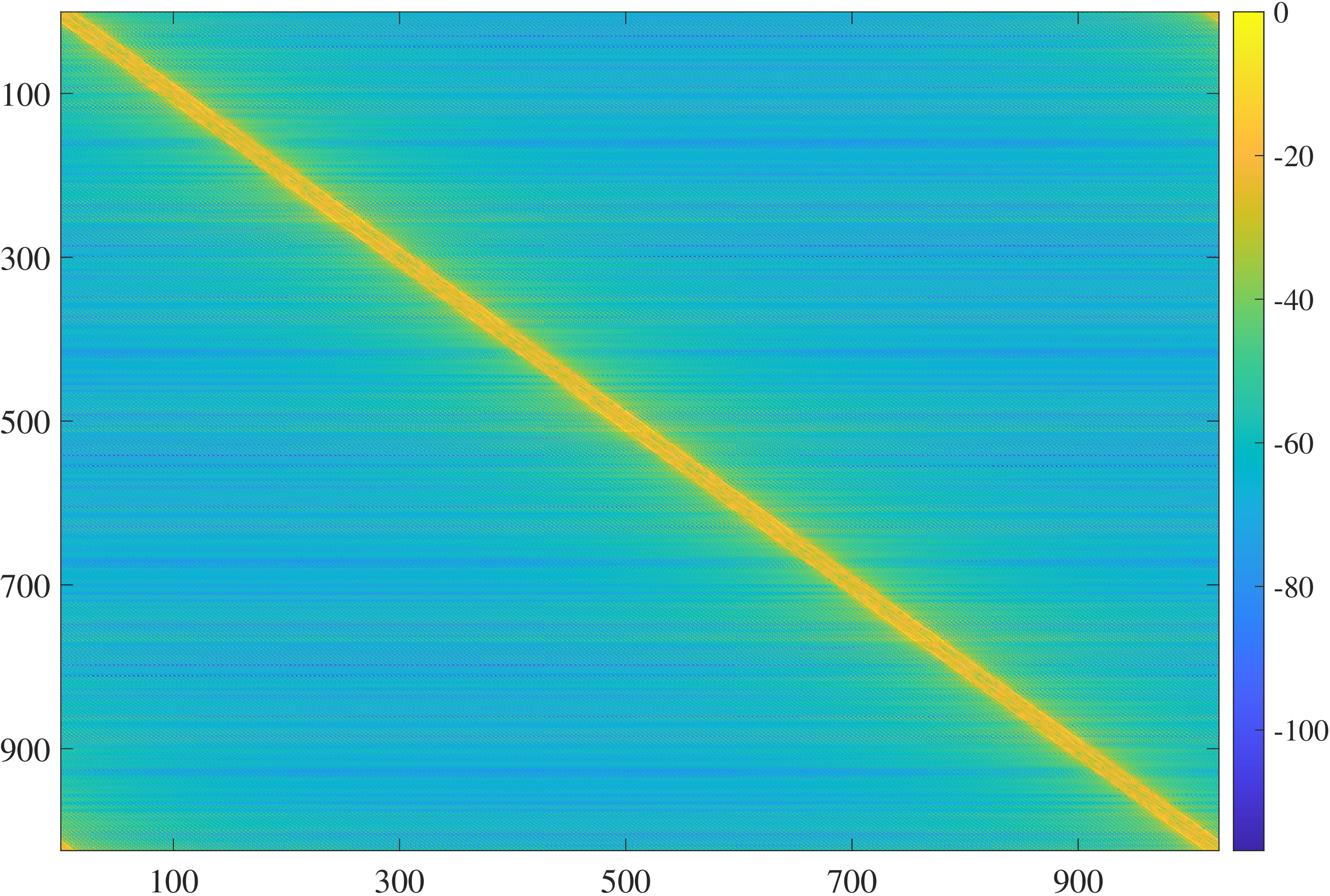
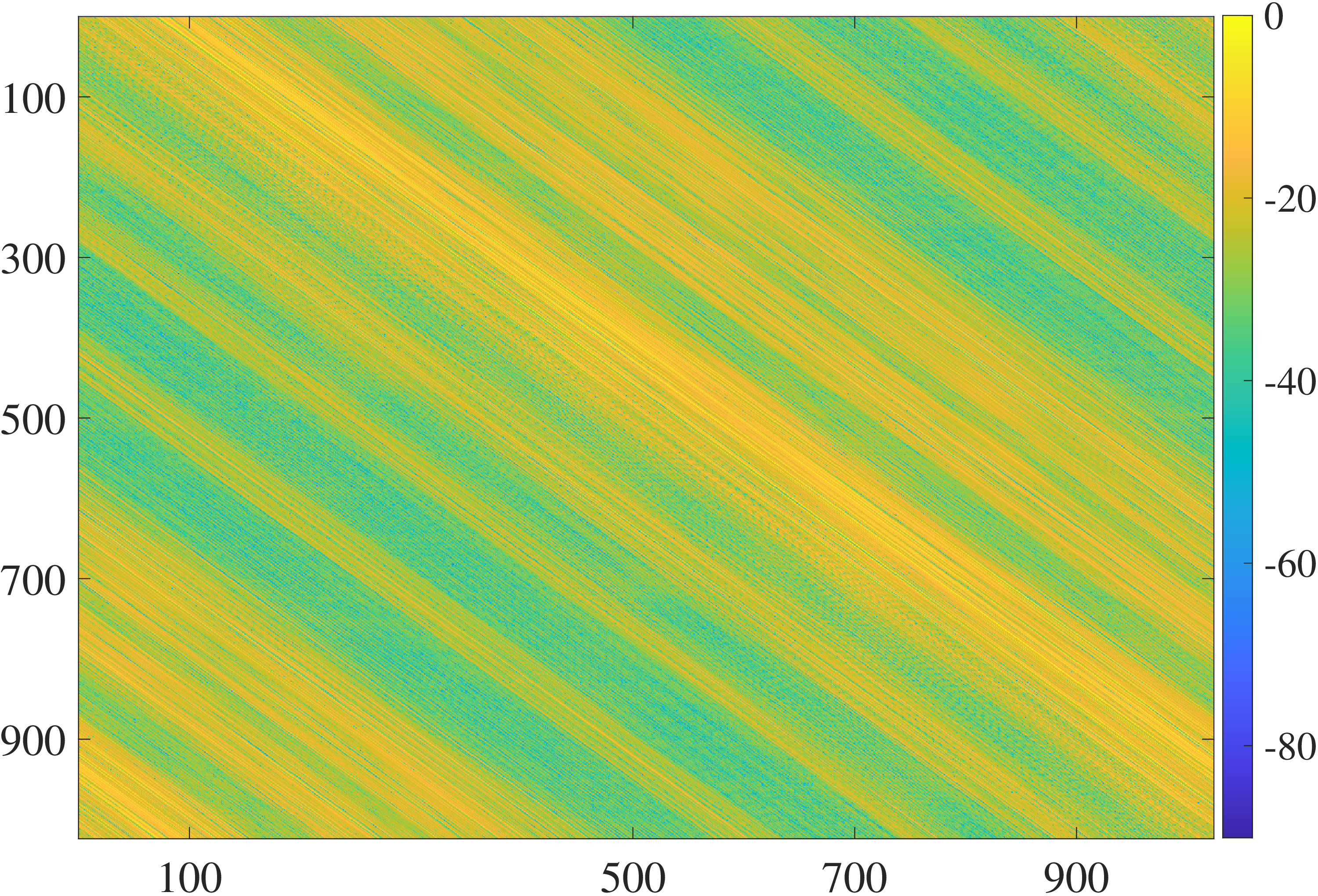
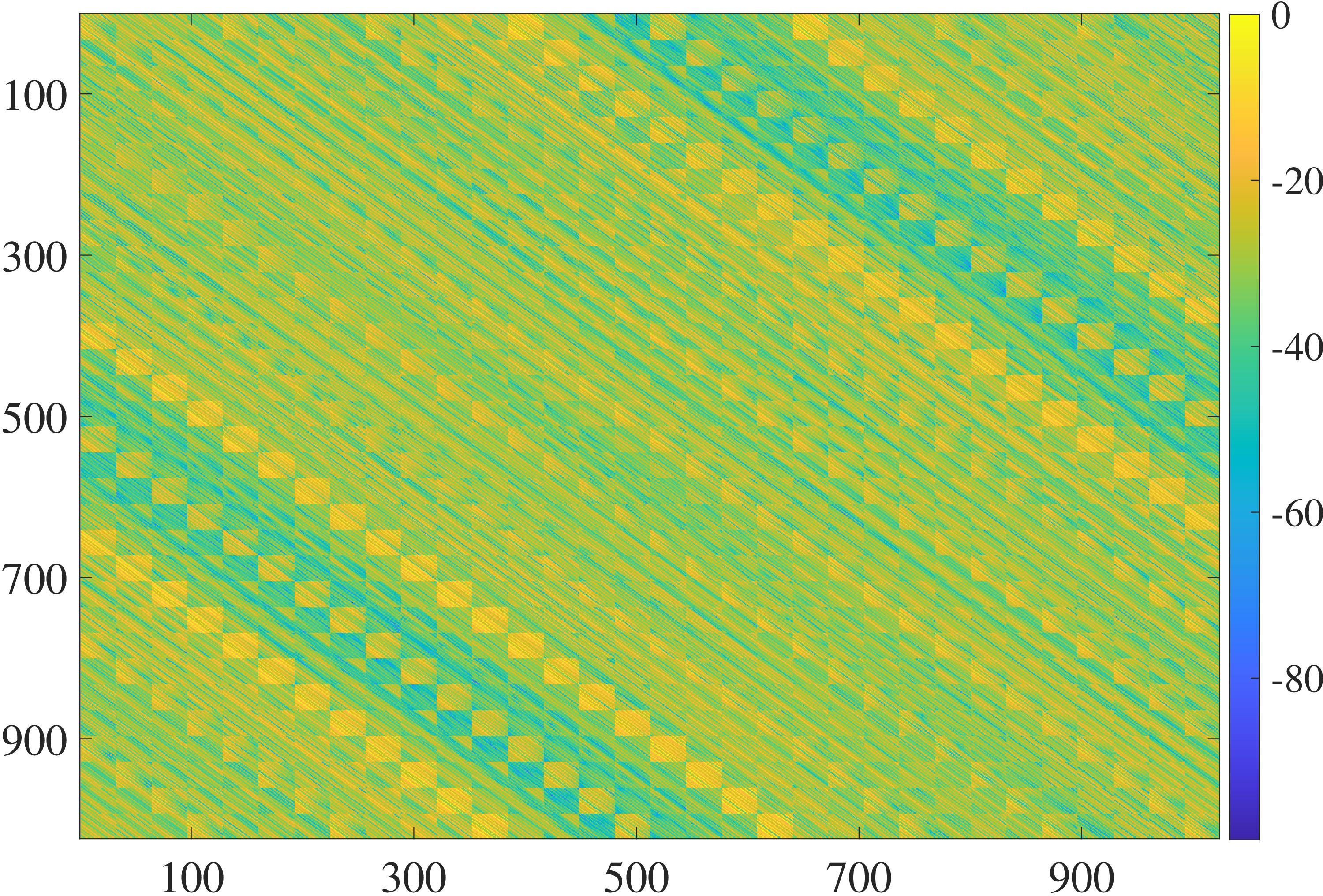
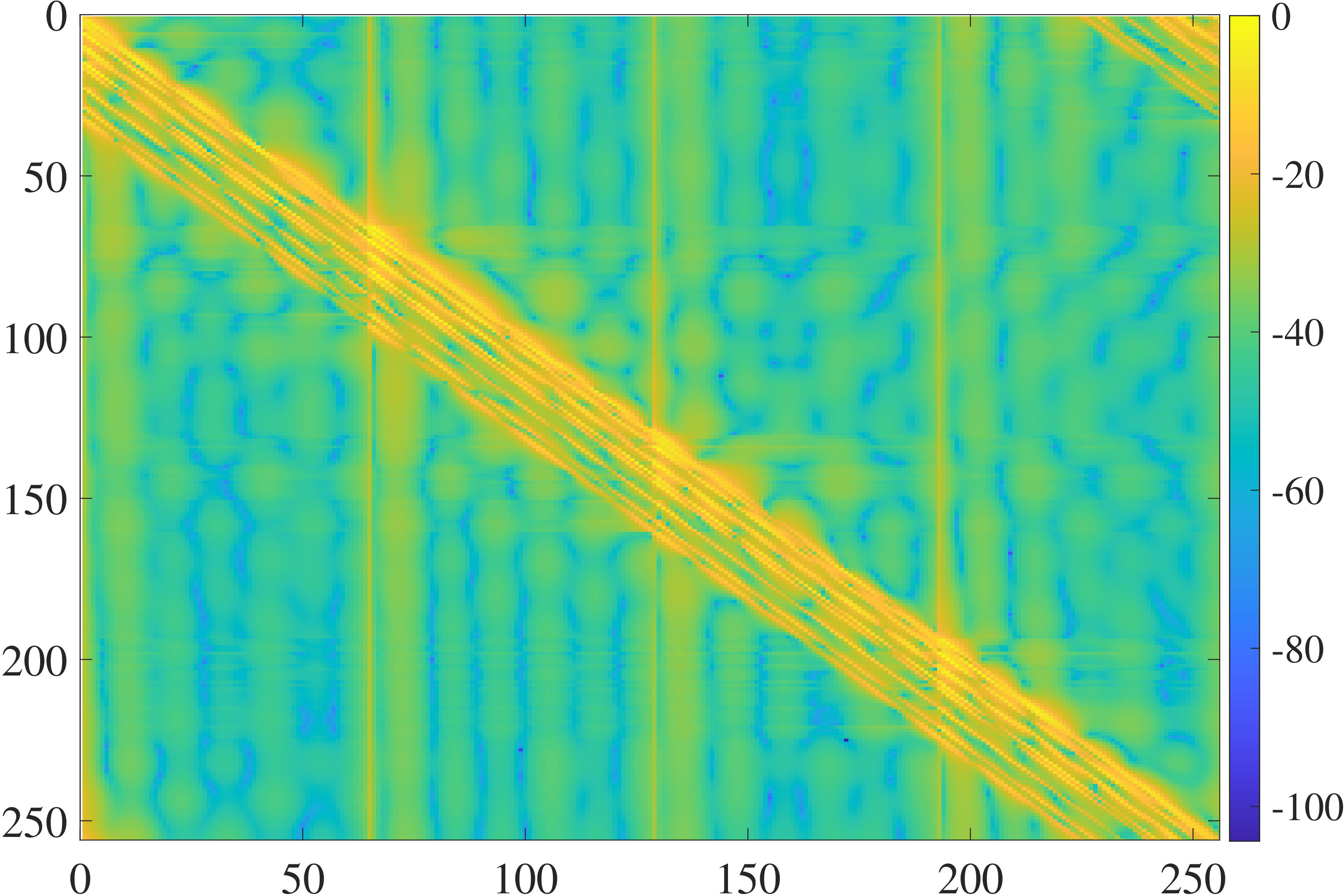
Figure 2: Representative OFDM frequency-domain structure and processing chain.
The construction of these effective channel matrices exposes critical and previously unquantified regime dependencies:
Effective leakage and transformation of the physical channel into domain-specific interference is analytically characterized. The model captures the non-orthogonality and increased interference arising under non-WSSUS, high-mobility, or dense-multipath conditions, accounting for leakage induced by fractional delays/Doppler, Doppler spectrum spread, and region transitions.
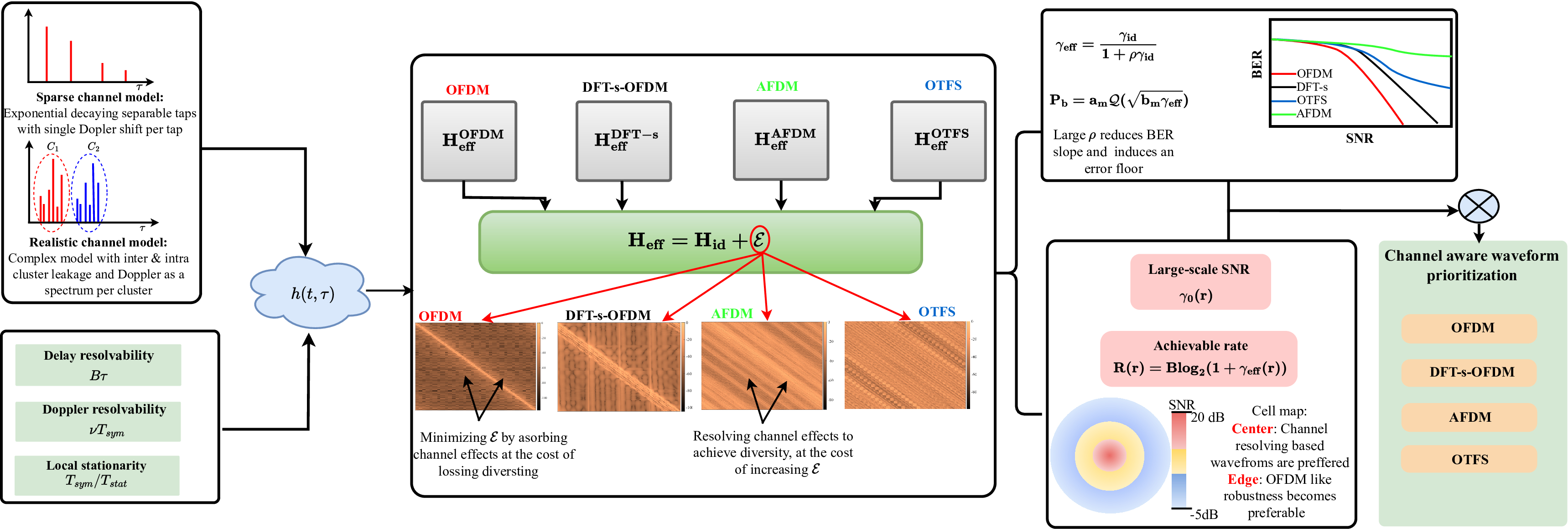
Figure 4: Block diagram of the proposed adaptive waveform prioritization framework.
Drawing on effective channel properties, the work introduces a principled channel-aware waveform selection framework. The selection criteria encompass:
- Delay-Doppler resolvability: Quantified through normalized indicators for resolvability (χτ, χν) based on system bandwidth, symbol duration, and channel spread.
- Local stationarity: Assessed via ratio of processing interval to local stationarity region duration.
- Effective SINR and leakage: Expressed via the decomposition of the effective channel into ideal (diagonal/sparse) and residual (leakage/interference) components, including explicit SINR floor analysis due to residual correlation and estimation mismatch.
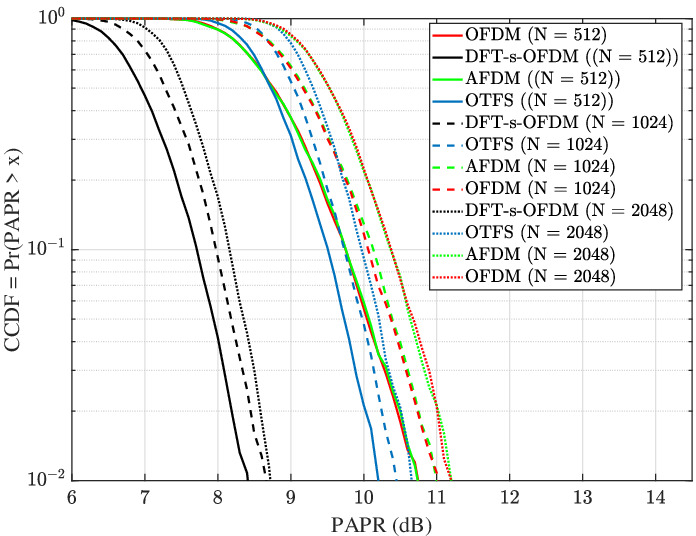
- Resource efficiency: Consideration of spectral efficiency, bit error rate (BER), and practical limitations such as PAPR.
This framework breaks with "one-size-fits-all" assumptions and instead defines operational regimes where each waveform type is optimal, advocating for adaptive selection based on real-time channel statistics and spatial distribution within a cell.
Numerical Evaluation and Comparative Analysis
Extensive simulations under both classical sparse and proposed realistic channel models are presented. Strong claims, numerically validated, include:
- AFDM/OTFS domain approaches only outperform OFDM in scenarios with highly sparse, locally stationary channels—such as idealized or lab-grade measurements or ultra-high bandwidths.
- Under realistic urban cellular models (3GPP CDL), AFDM and OTFS suffer pronounced NMSE and BER degradation, especially under unresolvable Doppler and cluster birth-death, resulting in order-of-magnitude (up to 3×) error increases at moderate to high SNR.
- OFDM and DFT-s-OFDM, especially when subcarrier spacing is adaptively increased, maintain robust BER and channel estimation performance, exhibiting only minimal degradation under proposed channel regimes even at high mobility.
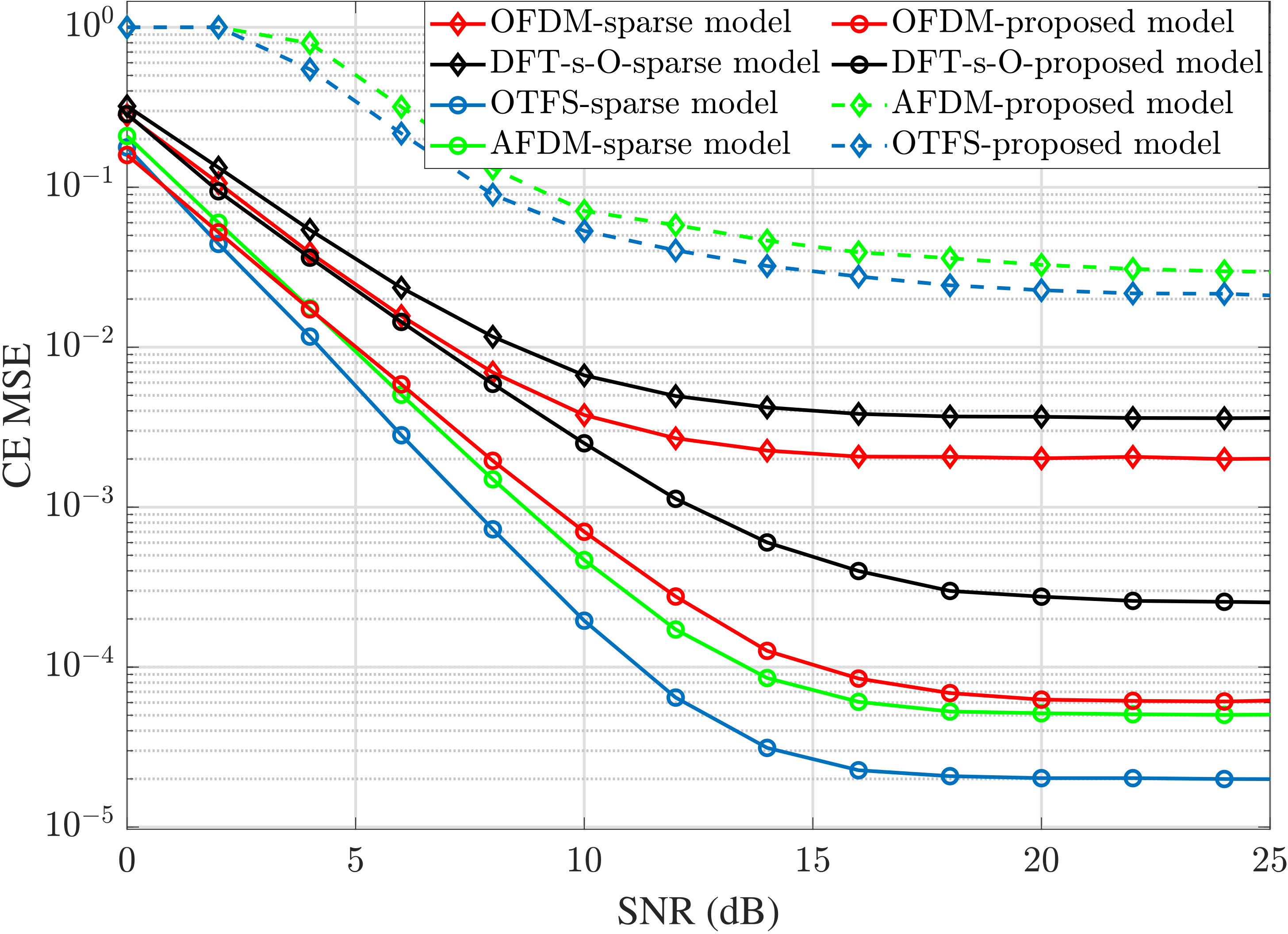
Figure 5: CE NMSE versus SNR for sparse and proposed channel models; AFDM/OTFS show dramatic NMSE increase under non-ideal conditions.
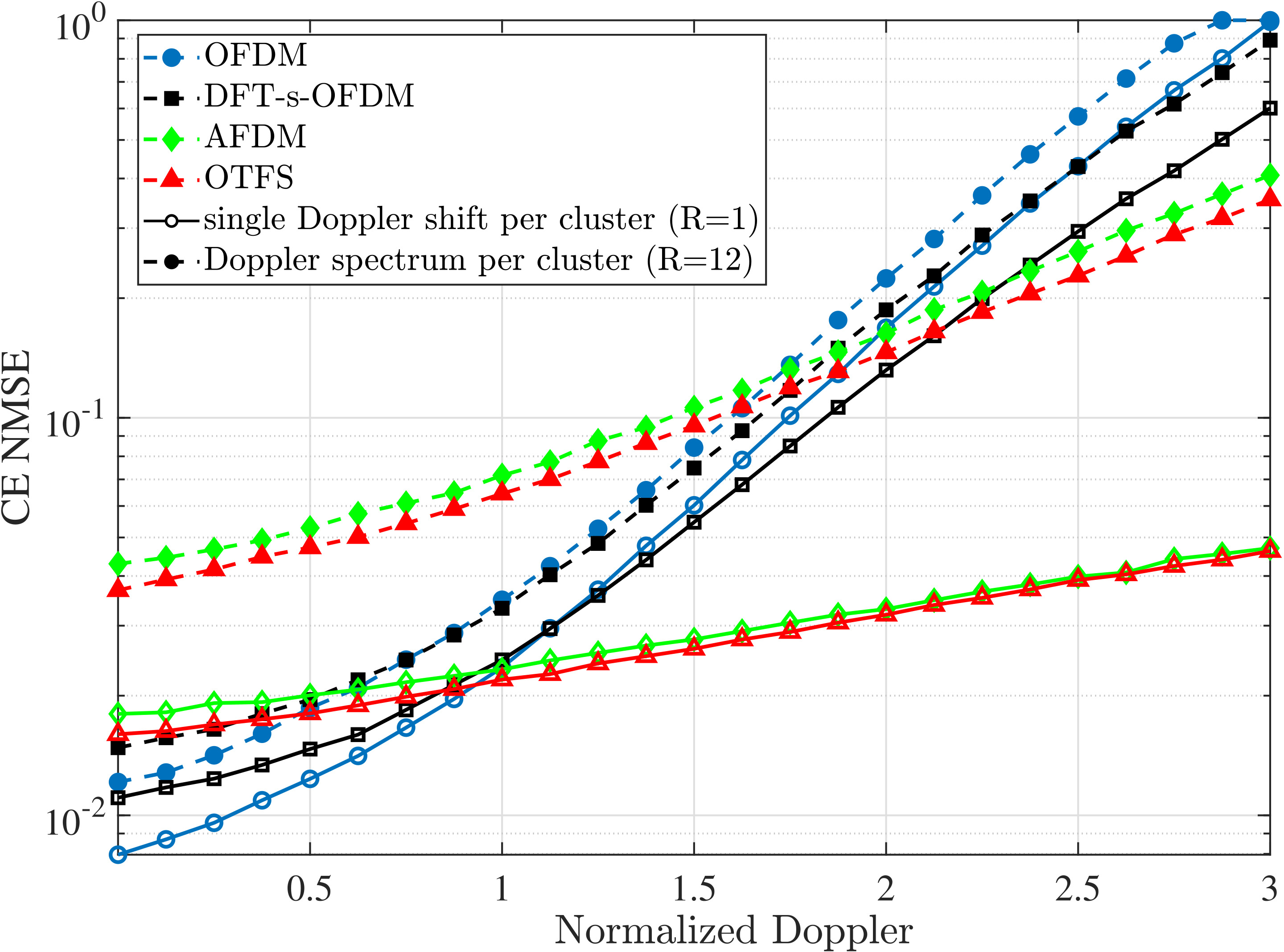
Figure 6: CE NMSE versus normalized Doppler—OTFS/AFDM degrade significantly in multi-Doppler per cluster settings.
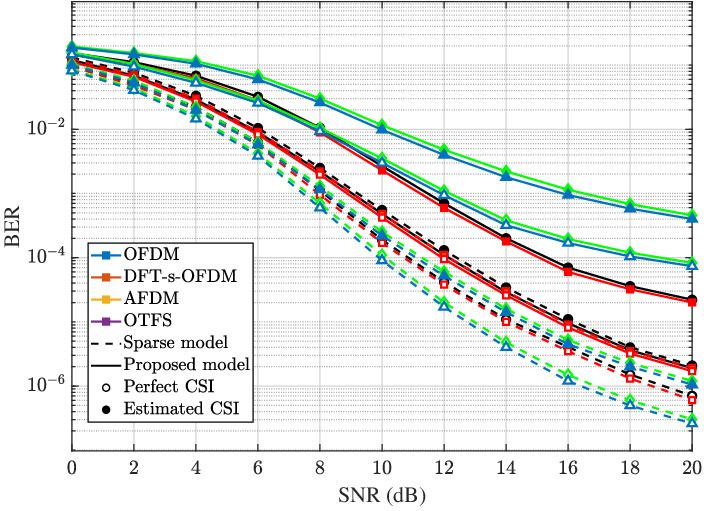
Figure 7: BER versus SNR with both perfect and estimated channel information, highlighting the emergence of BER floors for domain-based waveforms in realistic channels.
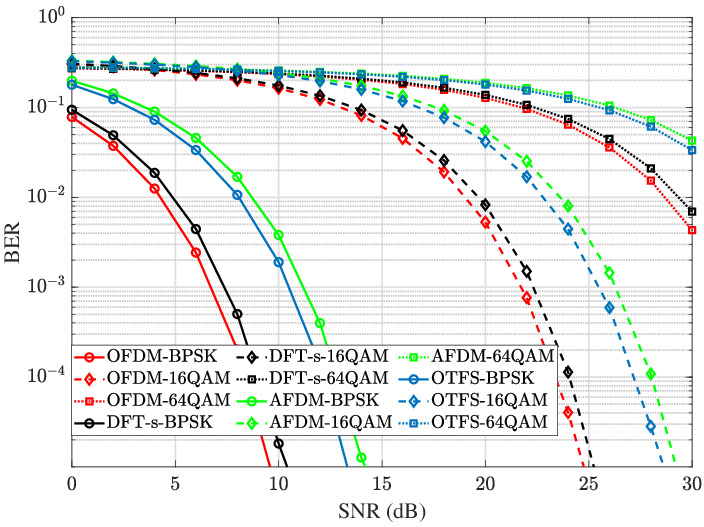
Figure 8: BER versus SNR for varying modulation orders under the proposed model—OFDM requires 5 dB less SNR for similar BER compared to AFDM/OTFS at 64-QAM.
The resource-effective spectral efficiency and achievable-rate per cell are also presented, demonstrating that:
Theoretical and Practical Implications
The analysis has significant implications for 6G system design:
- Practically, standardization decisions to retain OFDM for 6G are quantitatively validated by the inability of sparse-domain waveforms to maintain their theoretical diversity and resilience under realistic, dynamic propagation.
- Waveform adaptivity—which selects the processing domain based on instantaneous channel resolvability and stationarity—is demonstrated to be superior to static waveform assignment.
- The generalized channel model enables rigorous evaluation of physical-layer innovation under realistic, non-ideal conditions, facilitating more relevant algorithmic and architectural advances for high-mobility, sensing, and densified 6G networks.
Future Directions
The presented modelling and selection framework opens several research avenues:
- MIMO extension: Integrating spatial domain properties and correlation for massive MIMO and distributed antenna setups.
- ISAC and radar-communication coexistence: Tailoring waveform and channel estimation strategies for joint communication-sensing.
- Hardware impairments: Incorporating transmitter/receiver nonidealities and their cross-domain impact under non-stationary propagation.
- Online adaptation and learning: Deploying real-time estimation of channel resolvability and selection of optimal waveform on a per-link, per-user basis in 6G systems.
Conclusion
This work establishes a comprehensive, scalable channel modeling and waveform evaluation methodology for next-generation wireless. The findings demonstrate that advanced domain-structured waveforms such as AFDM and OTFS deliver their theoretical gains only under regimes of high sparsity and stationarity, which are rare in real environments. In contrast, OFDM and DFT-s-OFDM retain robust performance under the full range of channel conditions encountered in 6G settings. The proposed channel-aware prioritization presents a principled path to adaptive physical layer design, emphasizing the necessity of embedding physical channel complexity into both standardization and applied research (2605.01587).