- The paper presents a vision-only, monocular-based navigation system integrating triple-signal stair recognition and calibrated depth estimation for robust indoor search-and-rescue missions.
- The paper demonstrates precise door detection using appearance-invariant, depth-based cues and reliable stair ascent via a composite score from Sobel, Gabor filtering, and depth signals.
- The paper reports reduced depth error (8.5–9.2%) and high TRISTAR precision (0.92), validating the effectiveness of multi-signal fusion in complex indoor environments.
TRISTAR: Triple-Signal Stair Recognition and Vision-Only Indoor Navigation for Search-and-Rescue Micro-UAVs
System Overview and Motivation
The paper introduces a complete monocular-vision-based autonomous navigation framework for low-cost UAVs, targeting the operational constraints of indoor SAR where GNSS is unavailable and environmental complexity precludes traditional high-cost perception suites. The central aim is to explore how far autonomy can be advanced using commodity platforms devoid of specialized ranging sensors, focusing on corridor exploration, semantic scene analysis, and robust hazard/victim detection, all driven by a single monocular camera.
The architecture centers on the DJI Tello, an 80-gram, sub-150 EUR micro-UAV, integrating REST-based modular components for perception, control, and mission reporting. All perception critical to navigation—monocular depth estimation with Depth Anything V2, corridor navigation logic, TRISTAR stair recognition, AI-based victim/medical analysis, and OCR-based room-label reading—executed locally via a FastAPI backend.
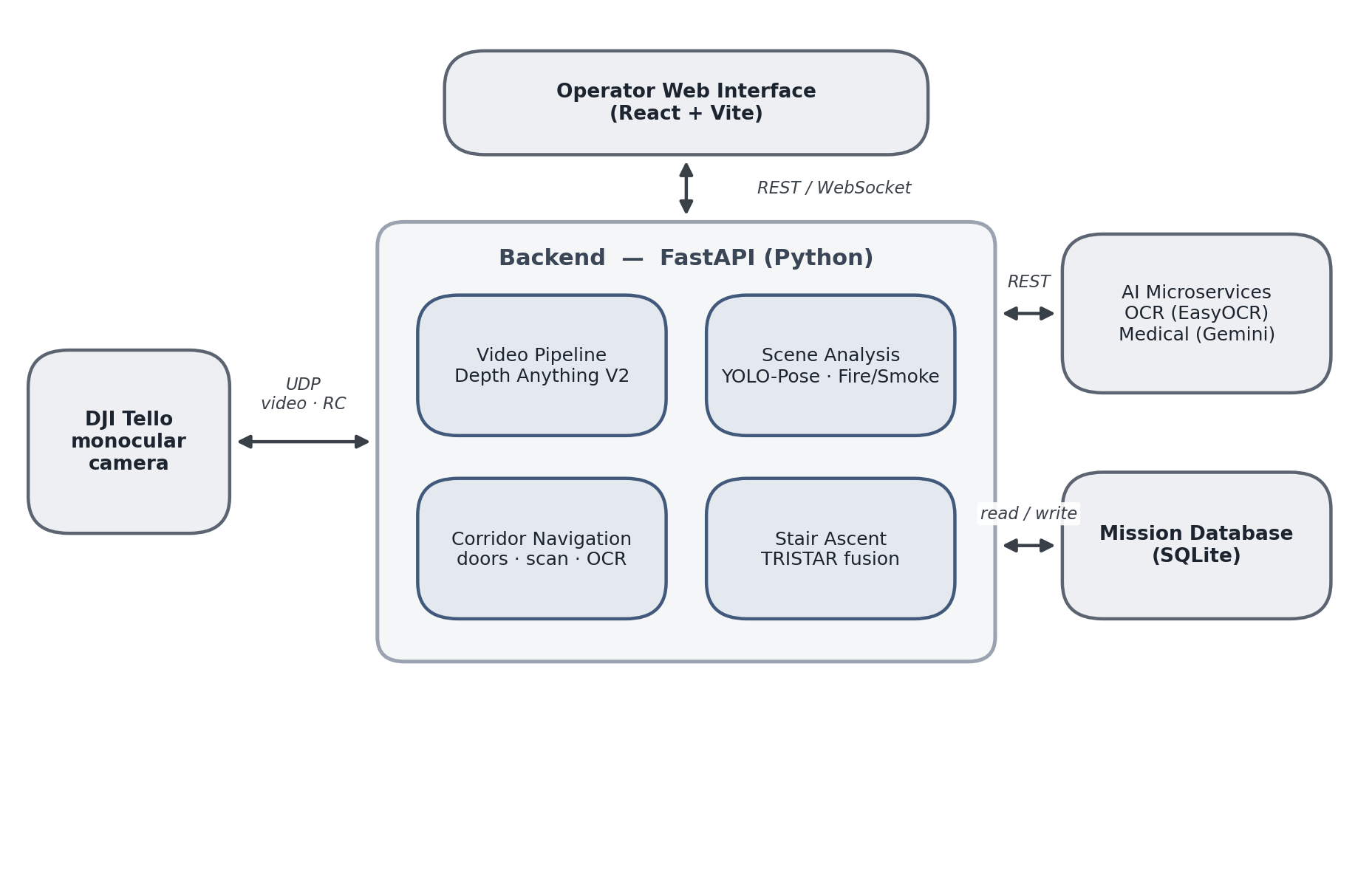
Figure 1: Overall system architecture detailing component integration and onboard/edge computing partitioning.
Monocular Perception and Calibration
Depth perception is achieved through Depth Anything V2 (ViT-S backbone), chosen for its favorable latency/temporal stability tradeoff. Empirical depth calibration aligns relative depth outputs to metric measurements via dynamic context-sensitive profiles (room/corridor), leveraging a lookup-table strategy derived from manual laser-ranging measurements. This calibration reduces mean relative depth error from 27.4% (raw output) to 8.5–9.2%, exceeding the fidelity required for all ensuing geometric controls.
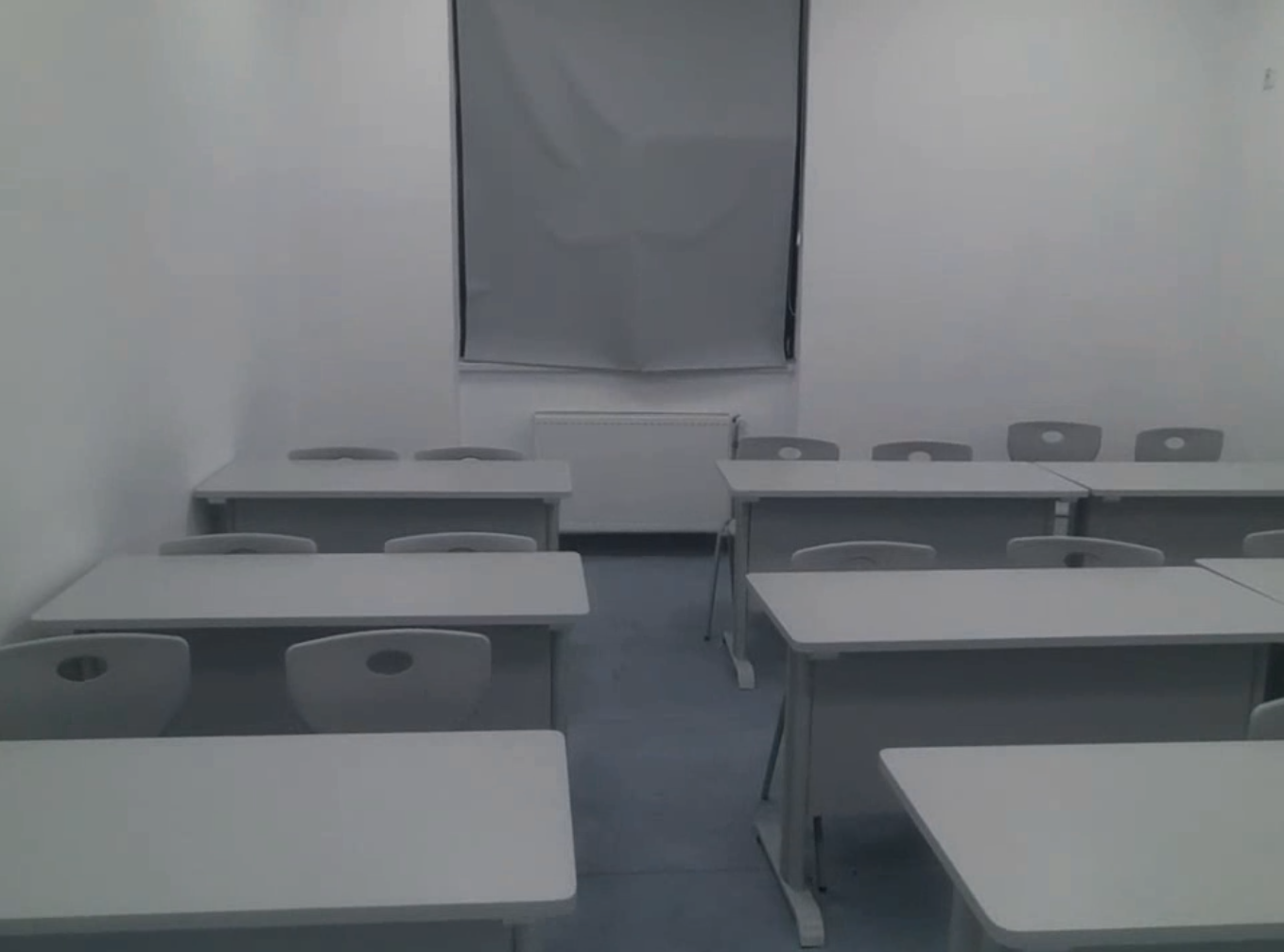
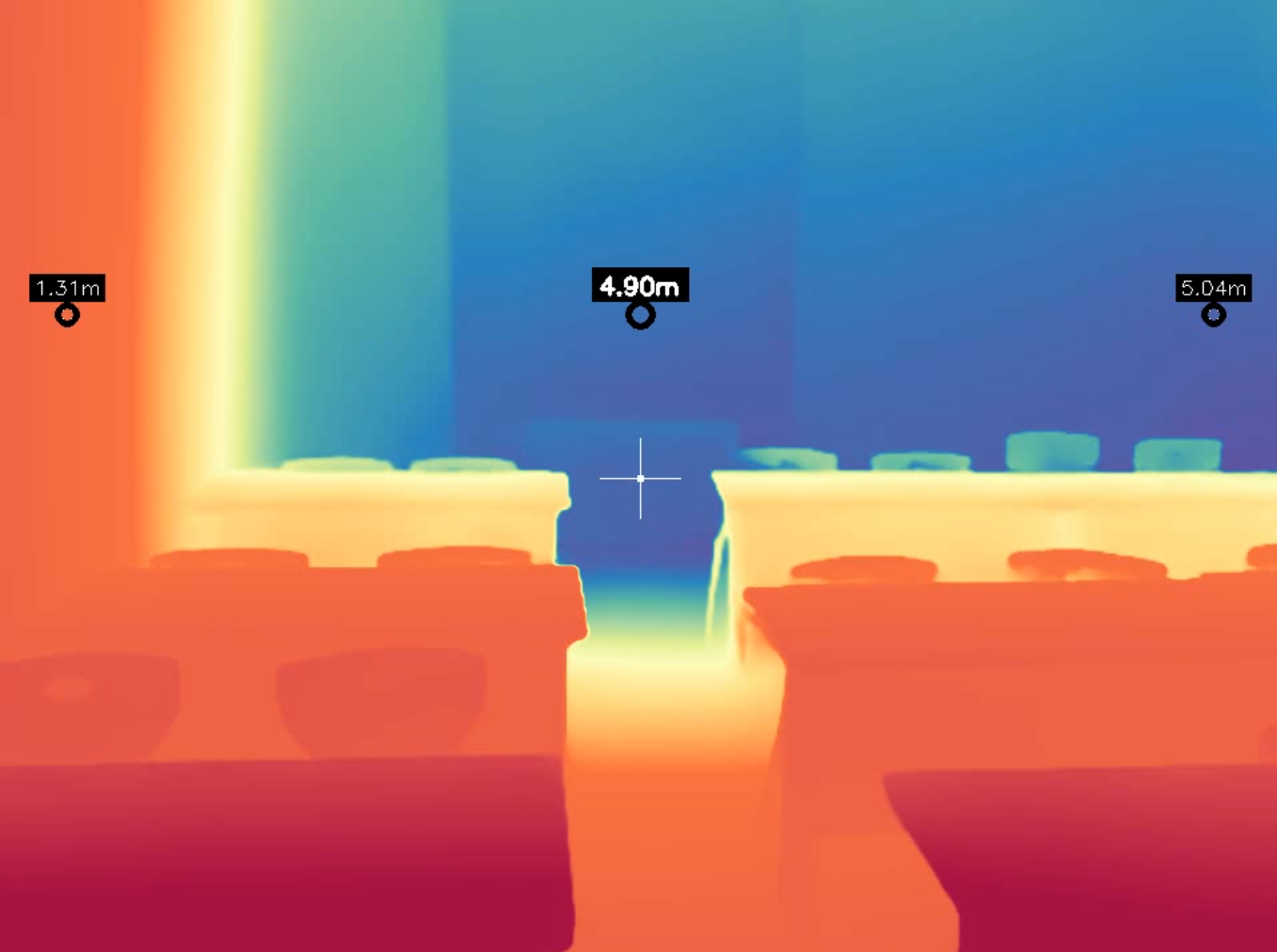
Figure 2: A raw RGB frame representing the input for system monocular perception.
Corridor Exploration and Door Detection
Corridor navigation employs lateral crab motion with sequential behavior modules: open-door detection, alignment, distance regulation, room entry/OCR, in-room 3D scan, and automated reporting. The door-detection mechanism is entirely appearance-invariant, exploiting spatial context on the depth map to localize open regions flanked by vertical casing edges, as defined by edge-based metrics (e.g., high vertical gradient, robust contour shape/content filters), independent of color, texture, or partial door field-of-view.

Figure 3: Door detection operates strictly on depth cues; vertical edges on the casing define open-door candidates.
The approach results in strong offline performance: precision 0.93, recall 0.90, F1-score 0.91. Vertical-edge filtering alone suppresses false positives by an order-of-magnitude relative to prior contour-only or appearance-based strategies. Notably, the method rejects standard appearance-based traps—mirrors and wardrobes lacking geometric casing structure—while expectedly failing on geometrically indistinguishable glass doors (false positives) and under low-light, where depth quality collapses.
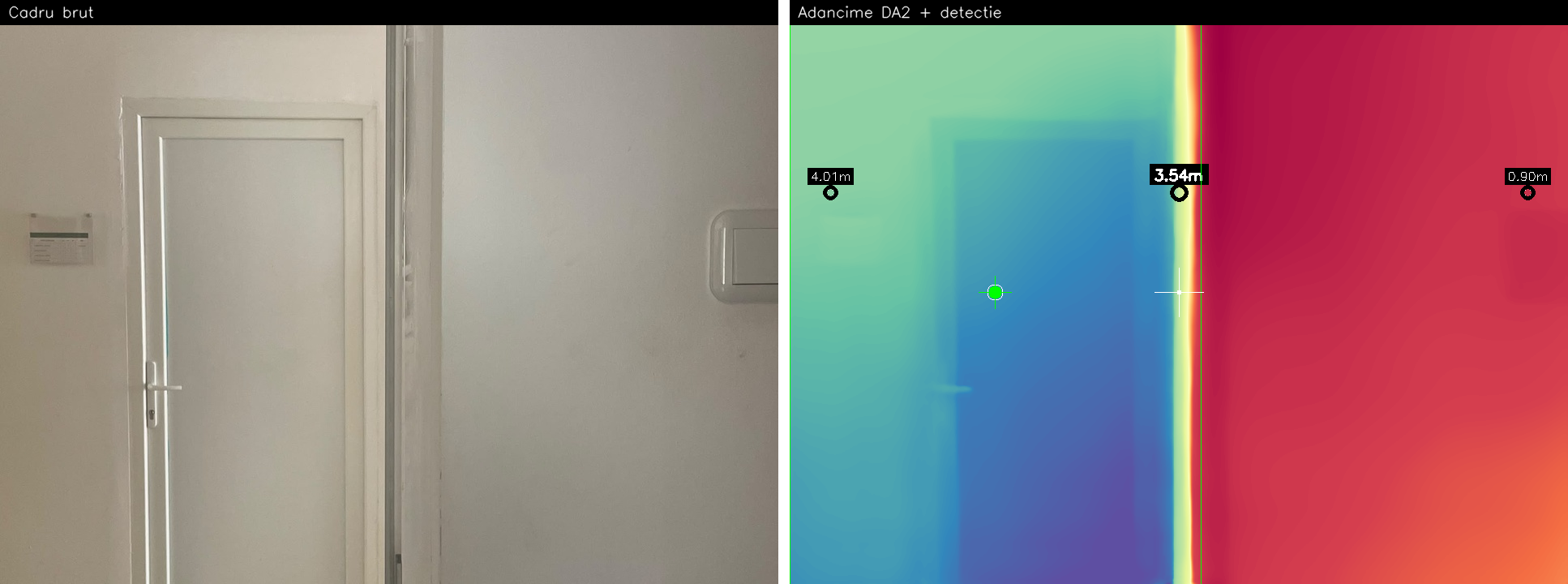
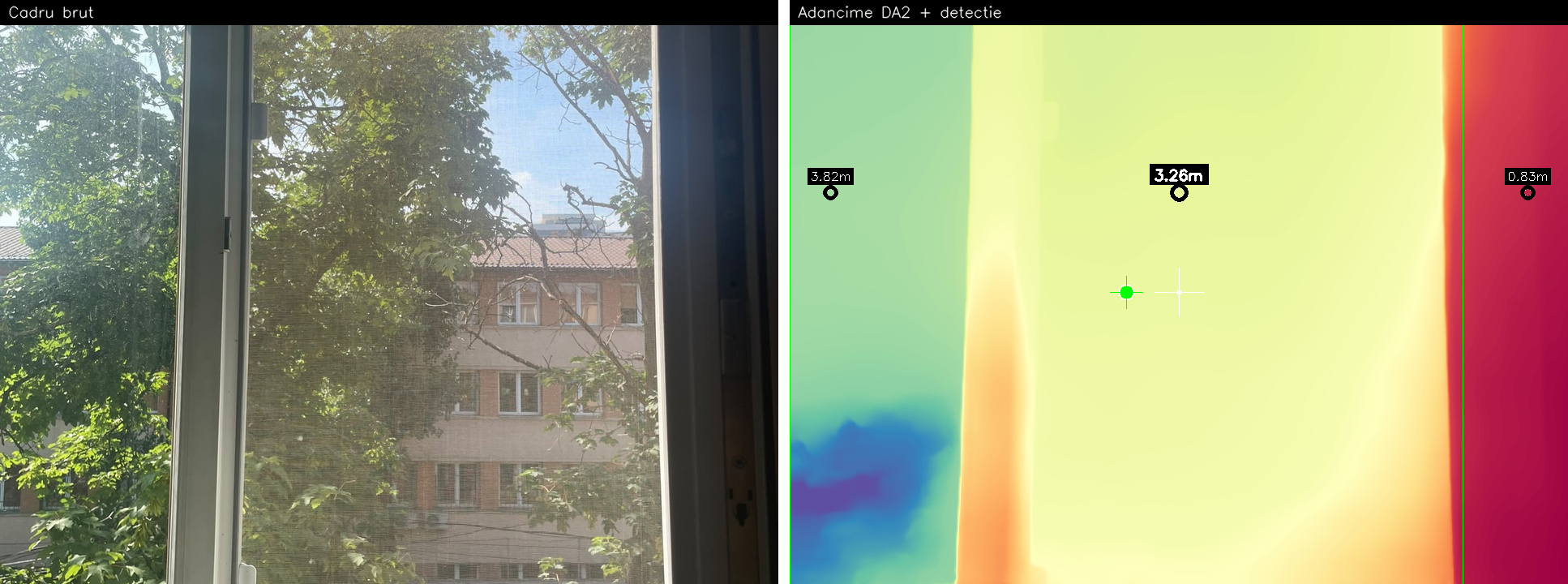
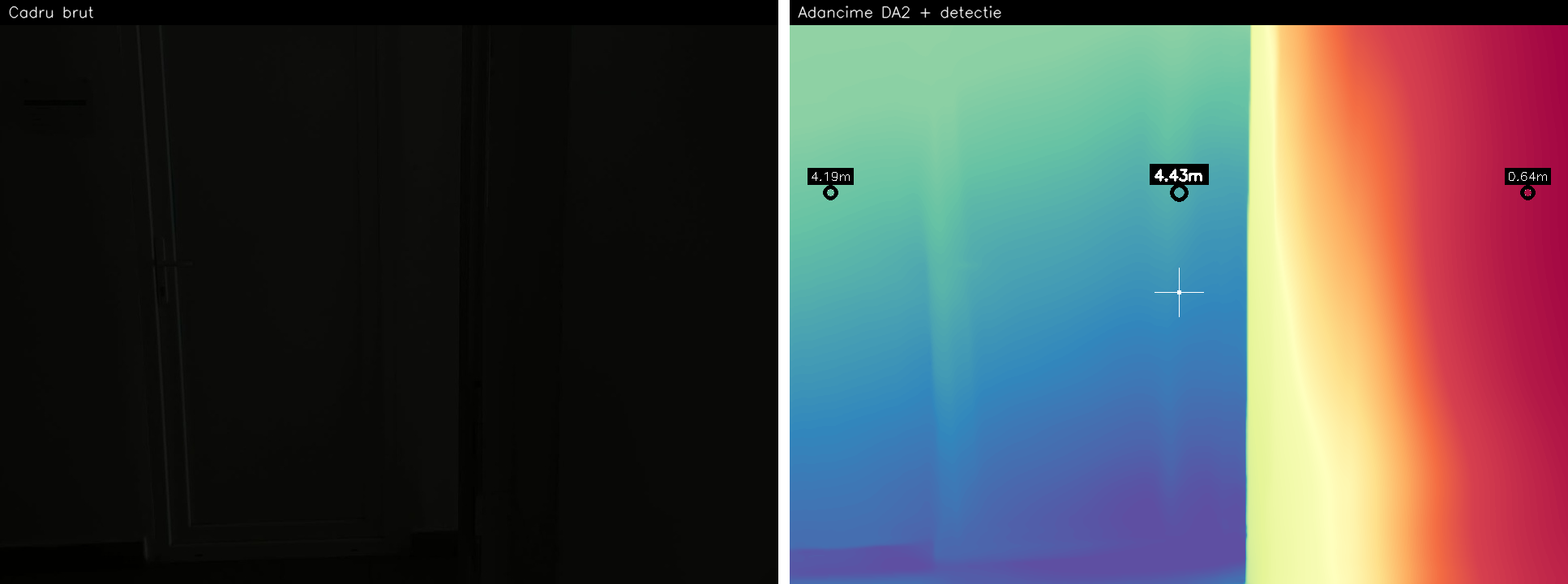
Figure 4: Partial door correctly detected under adverse view, confirming structural over appearance-based robustness.
Real-world mission logs further demonstrate that the EMA-filtered control metrics preclude unstable transitions during entry maneuvers, sustaining robust operation even under non-ideal signal conditions.

Figure 5: The full-frame blue ratio (EMA-filtered) during door entry, illustrating successful noise absorption and control stability.
TRISTAR: Triple-Signal Stair Recognition
Autonomous stair ascent is enabled by TRISTAR—a multi-sensor stair detector fusing three independent signals at frame rate for composite decision-making:
- Sobel Horizontal Gradient (∣Gy∣): Captures prominent step edge profiles through the vertical derivative. Trapezoidal ROI masking and nonmax suppression ensure only persistent structural stair edges contribute, with peak density and uniformity as principal scoring factors.

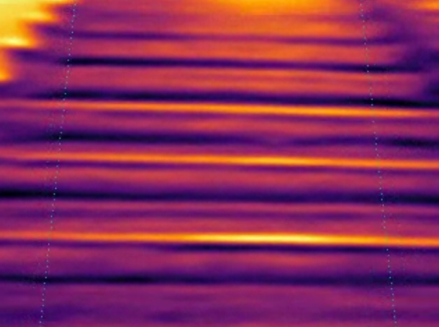
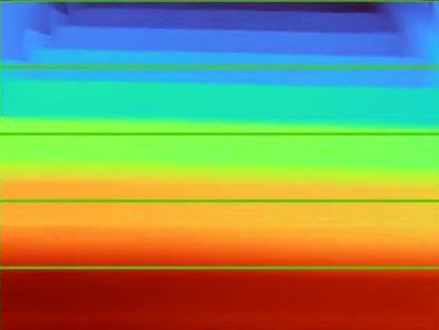
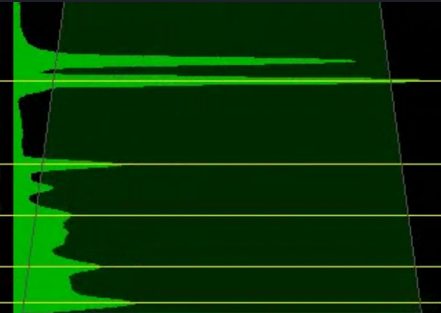
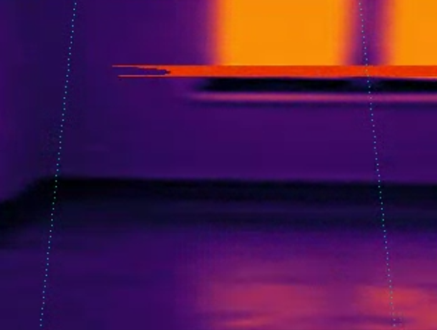
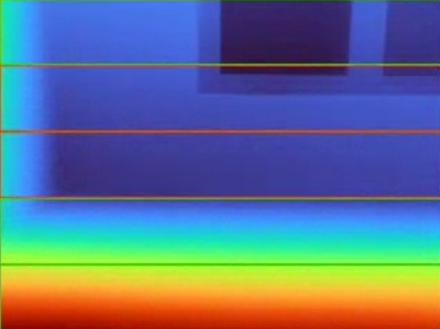
Figure 6: Sobel analysis isolates consistent horizontal step-edge structure requisite for reliable stair ascension detection.
- Multi-scale Gabor Filtering (θ=90∘): Adaptive wavelength selection, aligned with estimated metric step size from calibrated depth, accentuates edge-to-edge line coverage characteristic of stairs while rejecting texture-analogous distractors.
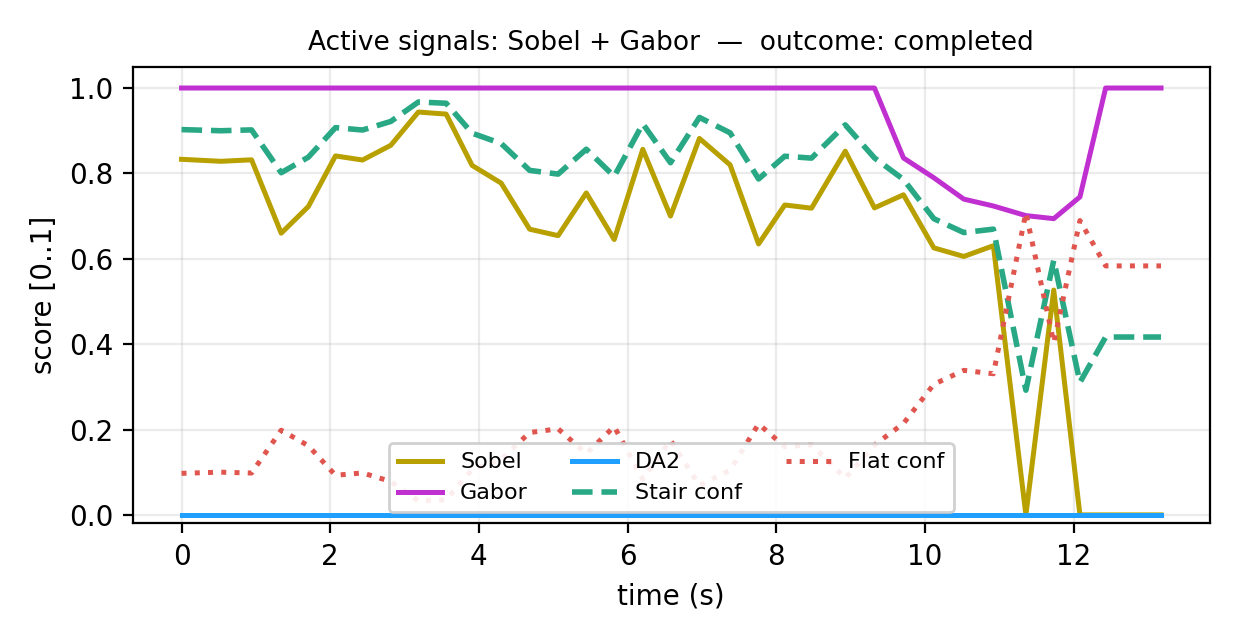
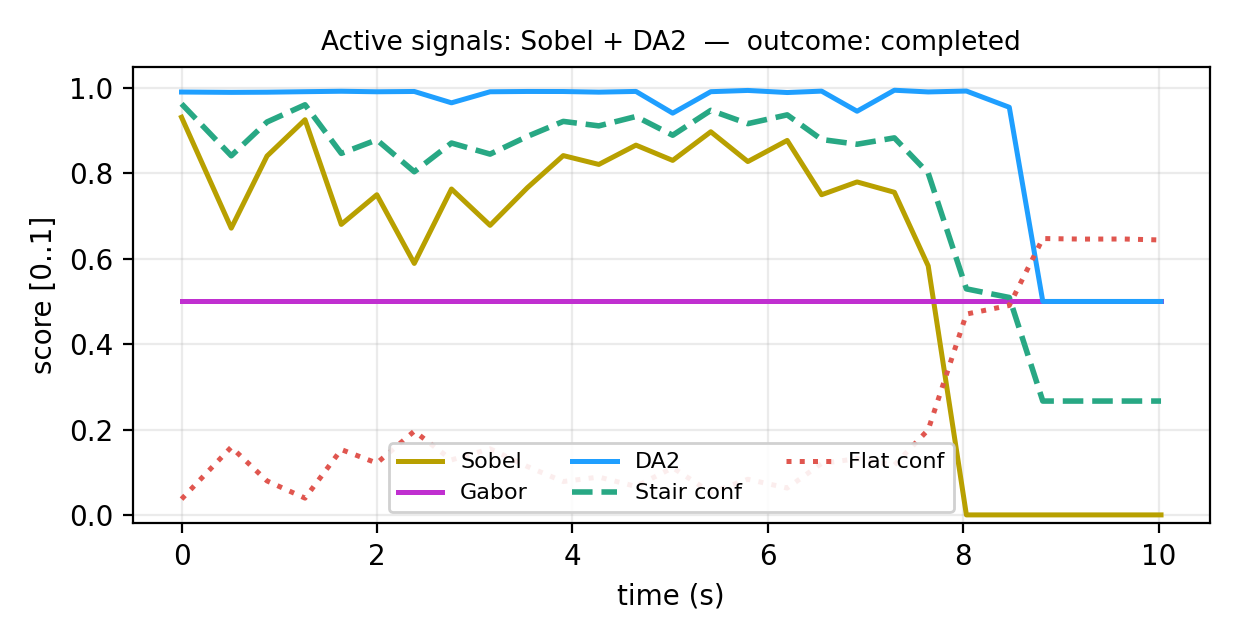
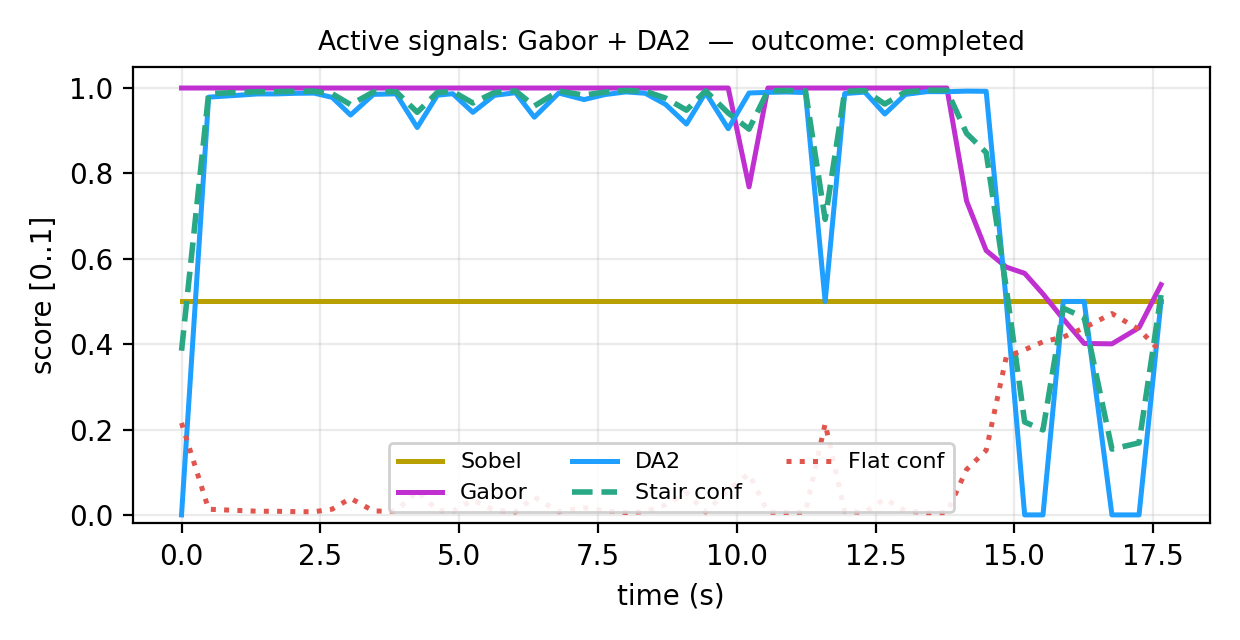
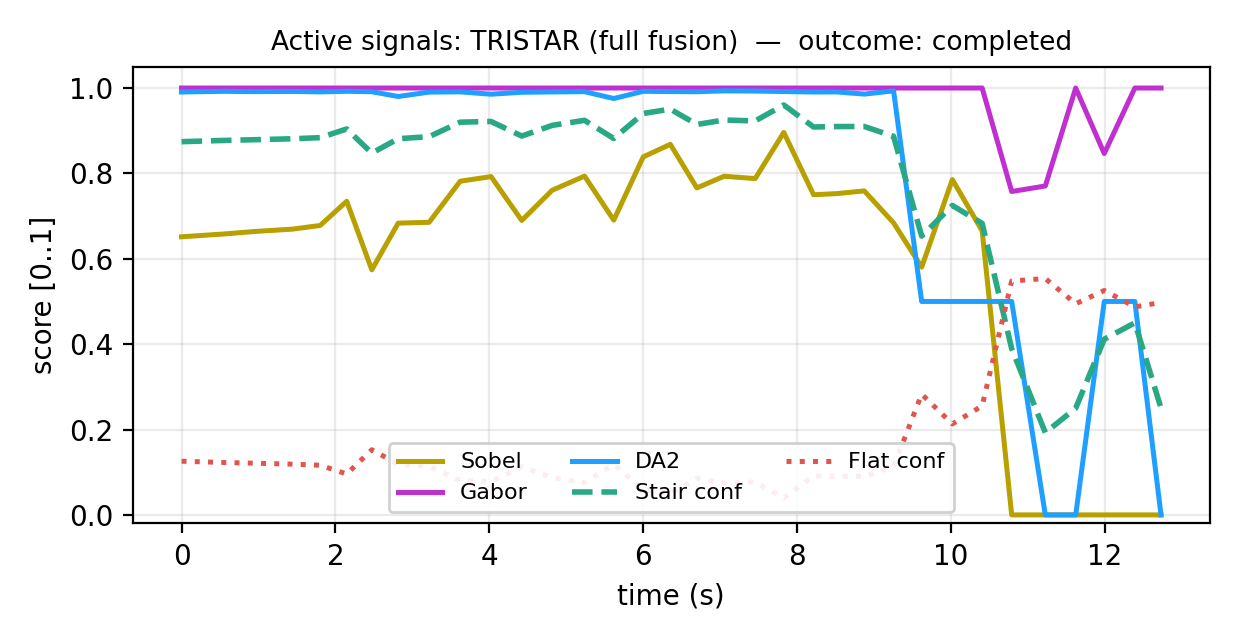
Figure 7: Gabor filtering, in conjunction with depth, enhances robustness to varying stair scales and perspective.
- Monocular Depth (DA2): Global CoV and horizontal-band monotonicity metrics confirm geometric consistency of step progression, with banded depth monotonicity acting as a hard constraint against flat or ambiguous surfaces.
The composite TRISTAR score—an unweighted mean of the three normalized subscores—triggers ascent at a cross-validated threshold of 0.52, with a parallel hardware-safety layer (timeouts, battery floor, operator abort, and direct frame-by-frame RC logging). Each control command (forward/brake, vertical lift, lateral correction) is derived from live signal consensus, achieving an effective vertical speed of ~0.11 m/s on standard indoor staircases.
Critically, a systematic ablation confirms that removal of any component leads to class-conditional characteristic failures: Sobel or Gabor absence misaligns per-step or edge-to-edge cues, depth absence precludes reliable landing identification and causes overshoots/premature stops, while DA2 alone is susceptible to structural mimics like shelves or window sills. Only the three-way fusion meets the operational reliability criteria (TRISTAR precision 0.92, recall 0.88 stairs; outperforms any partial configuration by ≥5–10 F1 points) across both offline datasets and repeated real ascents.
Auxiliary Perception and Reporting Modules
Room label reading is implemented via aspect- and area-filtered Canny-detection with EasyOCR deployed as a microservice, achieving 85% overall label recognition in operational settings (92% on optimal angles). Person/victim state estimation combines YOLO11n-Pose (17 keypoints), ByteTrack, a geometric posture classifier, and asynchronous medical assessment using Gemini 2.5 Flash, maintaining an end-to-end response time of ~1.6 s—sufficient for inclusion in automated mission reporting pipelines. Fire/smoke detection runs parallel to navigation to ensure minimum interference and high-priority event logging.
Practical and Theoretical Implications
Practically, the results confirm that state-of-the-art monocular depth algorithms combined with classical CV primitives and robust signal fusion can deliver fully autonomous indoor exploration, including robust stair traversal and semantic room/person/hazard understanding, on platforms previously restricted to teleoperation or trivial behaviors due to limited perception. The empirical framework sets a lower bound for hardware requirements and validates exportability to any UAV providing raw video and programmable RC interface.
Theoretically, the exhaustive ablation analysis of the TRISTAR detector underscores the fragility of unimodal visual sensing in ambiguous or adversarial indoor environments—monocular depth, structural, and texture cues must act in concert for robust indoor structure decipherment. The modular system also highlights how traditional CV methods, when fed by strong monocular priors and empirical calibration, retain relevance in the era of deep models, especially under latency and compute constraints.
The current system deliberately sidesteps global mapping (SLAM) and tight autonomy-mission chaining; these are not intrinsic limitations, but reflect deliberate hardware/software separation and the operational focus on task-level autonomy. Integrating monocular SLAM and continuous behavior chaining, as well as deploying local LLM-based medical reasoning, are direct future research directions. Robustness to adverse lighting and reflective surfaces remains an open research challenge, as does field adaptation of all neural inference for complete onboard operation.
Conclusion
This research establishes a solid operational baseline for autonomous indoor multi-task UAV navigation using exclusively monocular vision, blending calibrated depth estimation, classical signal-processing, and deep-learning-based scene/semantic understanding into a deployable SAR application. The system meets or exceeds practical thresholds for latency, perception fidelity, and mission success rates in real flights, and empirically demonstrates the necessity of multi-signal fusion for complex indoor understanding. The implications extend to the democratization of autonomous indoor robotics and inform future approaches to minimal-hardware, high-functionality embodied AI in SAR and beyond.