- The paper introduces a system that automatically detects and decodes honey bee waggle dances to extract spatial foraging coordinates.
- The methodology integrates an attention module, a 3D CNN filter, and Fourier-based orientation analysis, achieving over 90% accuracy.
- The mapping module translates dance data into polar coordinates, validated through controlled feeder placements and precise localization.
Automatic Detection and Decoding of Honey Bee Waggle Dances
Introduction
The paper "Automatic detection and decoding of honey bee waggle dances" (1708.06590) presents a novel system for the automatic detection and decoding of the communication dances performed by honey bees, known as the waggle dance. This system efficiently maps the spatial dance information to physical coordinates with significant accuracy. Forager bees convey the location of resources via these dances, which contain encoded polar coordinates to direct other bees to profitable locations. Traditional methods of decoding these dances involve manual and time-consuming processes. This research automates this task with high precision and provides the code and specifications publicly, promoting extensive use in biological research.
System Architecture and Methodology
The proposed system comprises several modules: the Attention Module (AM), the Filter Network (FN), the Orientation Module (OM), and the Mapping Module (MM), each designed to operate sequentially to detect, validate, and decode the dances from video data.
- Attention Module (AM): This real-time module isolates potential waggle runs by identifying pixel intensity variations consistent with bee waggles. Using a combination of frequency analysis and hierarchical clustering, the AM identifies areas of movement resembling the dance patterns at a low computational cost.
- Filter Network (FN): Utilizes a 3D convolutional neural network to filter false positives detected by the AM. This network processes spatiotemporal features efficiently, maintaining an accuracy of 90.07% with a recall of 89.8% at 95% precision, thus confirming detections as genuine waggles.
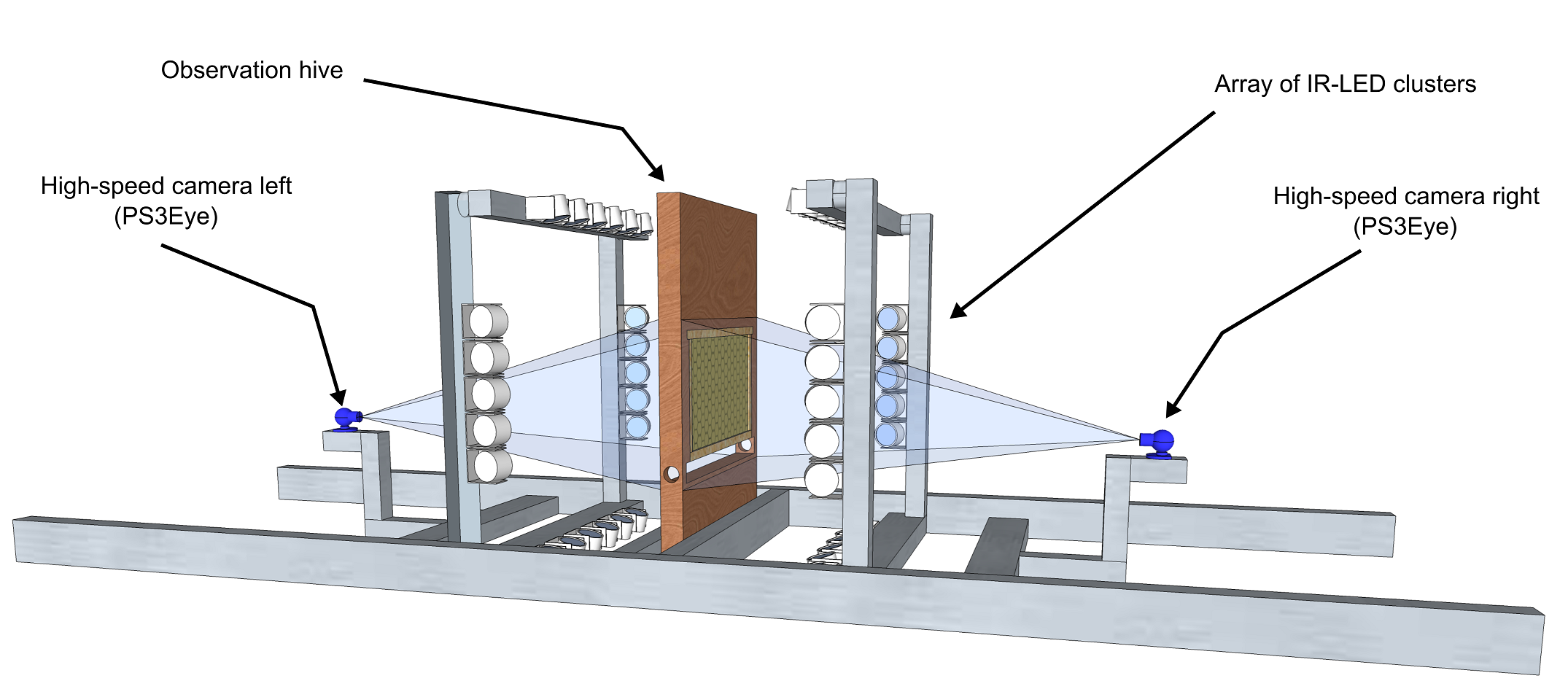
Figure 1: Recording setup for capturing video data in hives, demonstrating the camera and lighting configuration.
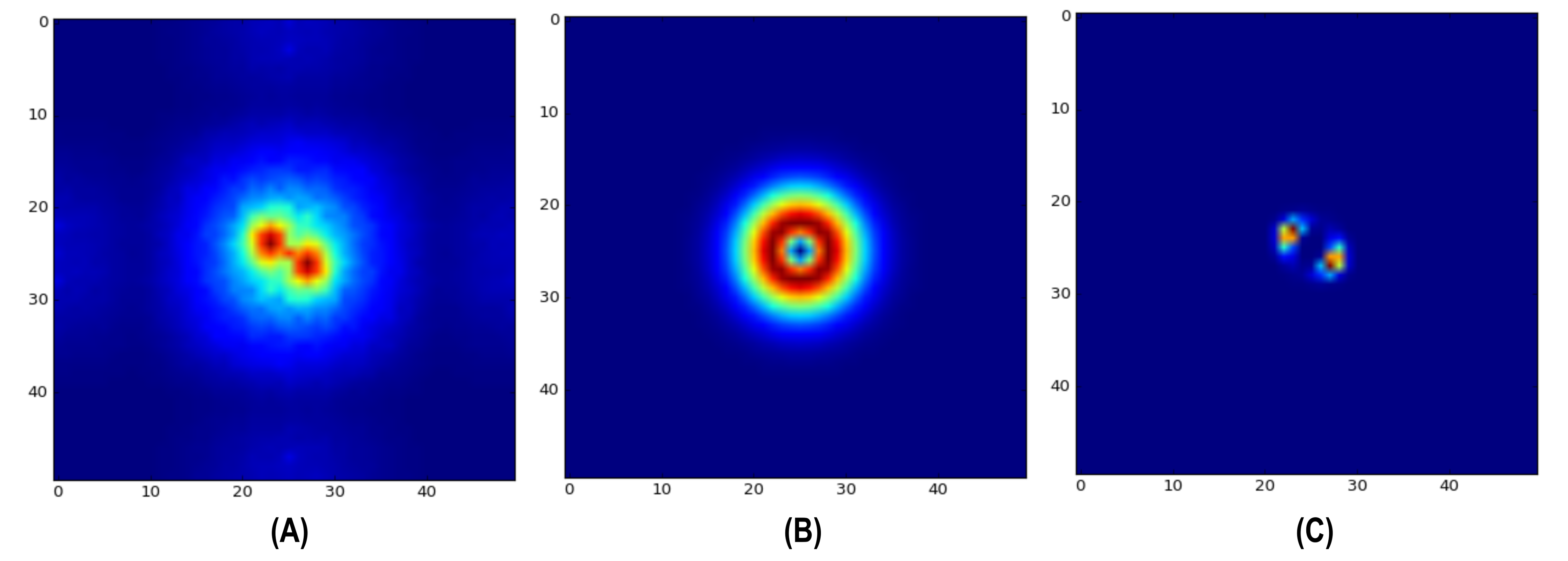
- Orientation Module (OM): Computes the waggle orientation utilizing the Fourier analysis of inter-frame differences, which manifest as Gabor-like patterns. Use of Principal Component Analysis and specific filters narrows down the movement vectors essential for decoding.
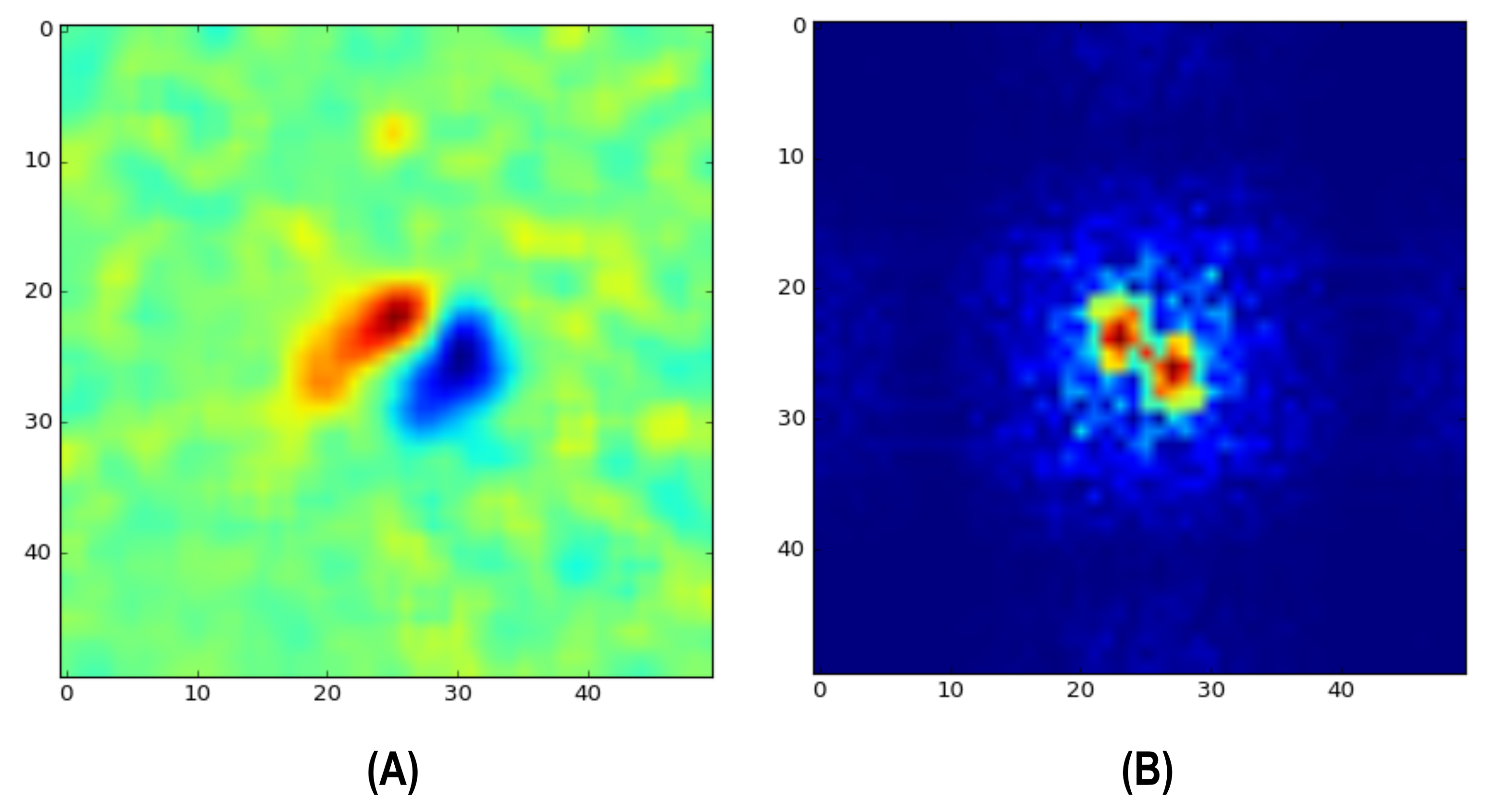
Figure 2: Difference image and its Fourier transformation showing typical waggle patterns.
- Mapping Module (MM): Clusters detected waggle dances using spatial and temporal data and translates the aggregate dance information into polar coordinates, achieving mapping back to field locations. This conversion incorporates calibration data acquired from controlled feeder placements.
Experimental Validation
The system's efficacy was assessed using a honey bee colony with trained feeders at known distances. Validation involved comprehensive tests on the AM, FN, and OM components separately:
Results and Discussion
This research establishes the utility of an automated method in monitoring and analyzing honey bee dance communications on a scale previously impractical. Despite existing challenges — such as occasional dance misreading due to occlusion or short waggles — this system marks a significant procedural advance. The system's availability and performance hold the potential to vastly enrich ecological and ethological research, leveraging large datasets to study bee foraging behaviors, environmental assessments, and more.
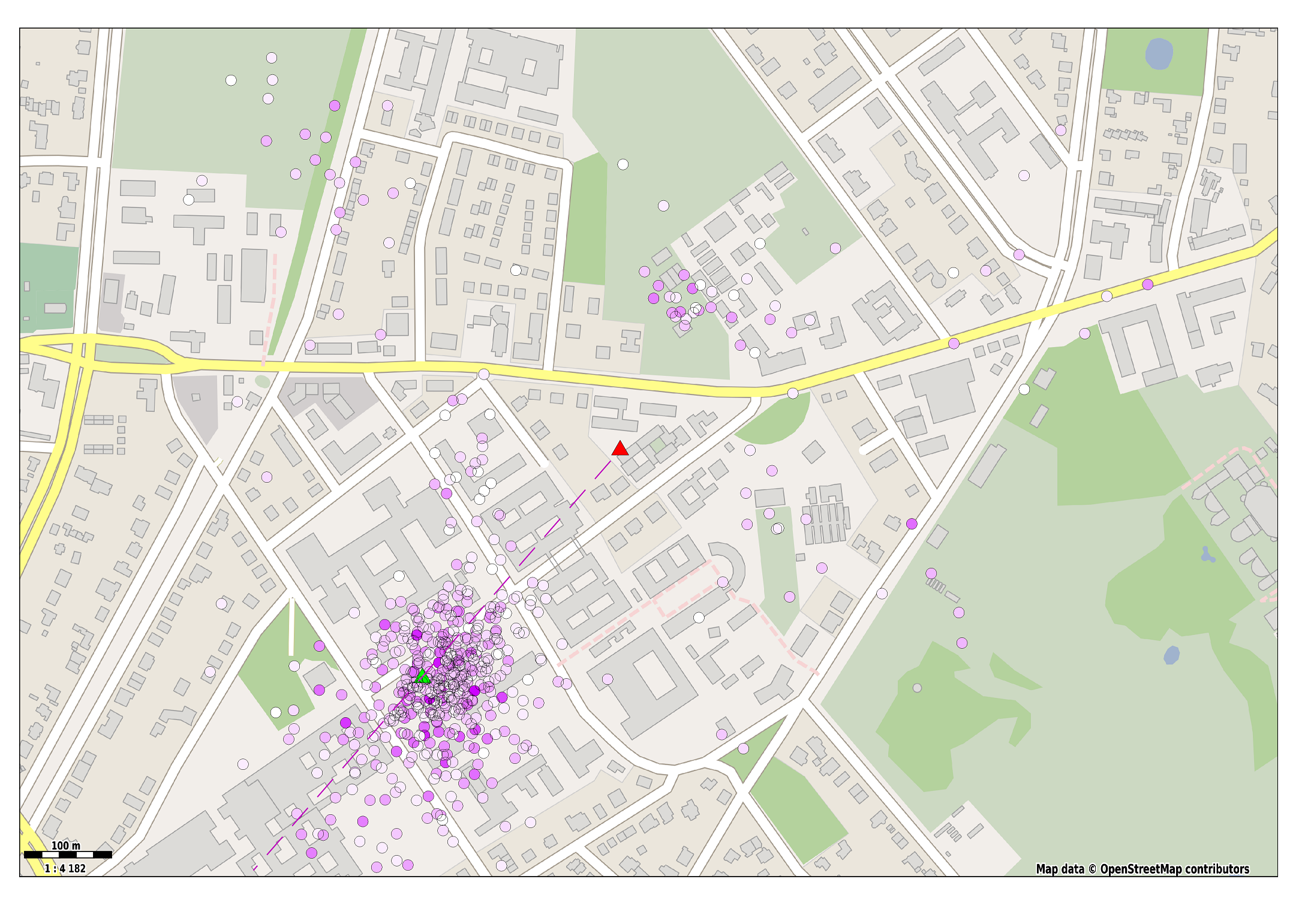
Figure 4: Detected dances mapped back to the field showing feeder alignment.
Conclusion
The development of this automated detection and decoding system for honey bee waggle dances is a significant step forward, combining artificial intelligence with behavioral ecology. The study's results, demonstrating a high level of accuracy, suggest that the system will be instrumental in facilitating numerous biological studies and could be further refined with enhanced video resolutions and deep learning models. Future work includes refining mapping modules and broadening system usability through improved user interfaces. This research opens pathways for detailed investigations into the spatiotemporal dynamics of bee foraging and the impacts of environmental changes, harnessing AI to elucidate complex biological communication systems.