Papers
Topics
Authors
Recent
Search
2000 character limit reached

Longitudinal surface-based spatial Bayesian GLM reveals complex trajectories of motor neurodegeneration in ALS

Published 4 Oct 2021 in stat.AP | (2110.01510v1)

Abstract: Longitudinal fMRI datasets hold great promise for the study of neurodegenerative diseases, but realizing their potential depends on extracting accurate fMRI-based brain measures in individuals over time. This is especially true for rare, heterogeneous and/or rapidly progressing diseases, which often involve small samples whose functional features may vary dramatically across subjects and over time, making traditional group-difference analyses of limited utility. One such disease is ALS, which results in extreme motor function loss and eventual death. Here, we analyze a rich longitudinal dataset containing 190 motor task fMRI scans from 16 ALS patients and 22 age-matched HCs. We propose a novel longitudinal extension to our cortical surface-based spatial Bayesian GLM, which has high power and precision to detect activations in individuals. Using a series of longitudinal mixed-effects models to subsequently study the relationship between activation and disease progression, we observe an inverted U-shaped trajectory: at relatively mild disability we observe enlarging activations, while at higher disability we observe severely diminished activation, reflecting progression toward complete motor function loss. We observe distinct trajectories depending on clinical progression rate, with faster progressors exhibiting more extreme hyper-activation and subsequent hypo-activation. These differential trajectories suggest that initial hyper-activation is likely attributable to loss of inhibitory neurons. By contrast, earlier studies employing more limited sampling designs and using traditional group-difference analysis approaches were only able to observe the initial hyper-activation, which was assumed to be due to a compensatory process. This study provides a first example of how surface-based spatial Bayesian modeling furthers scientific understanding of neurodegenerative disease.
Summary

  • The paper introduces a novel longitudinal surface-based spatial Bayesian GLM that accurately models individual ALS progression using fMRI hand clenching tasks.
  • The analysis reveals an inverted U-shaped activation pattern with initial hyper-activation at mild disability followed by a reduction as the disease advances.
  • The study distinguishes fast from moderate progressors, suggesting that early hyper-activation in fast progressors may result from a loss of neural inhibition.

Longitudinal Surface-Based Spatial Bayesian GLM in ALS Neurodegeneration

Introduction

The paper presents a novel application of a longitudinal surface-based spatial Bayesian General Linear Model (GLM) to study Amyotrophic Lateral Sclerosis (ALS) using functional Magnetic Resonance Imaging (fMRI). ALS is a rapidly progressing neurodegenerative disease characterized by severe loss of motor function. Traditional neuroimaging methods are limited in their ability to capture the individual trajectories of brain function over time, particularly in diseases like ALS that exhibit heterogeneity in progression rates. This study aims to overcome these limitations by implementing a Bayesian GLM on cortical surfaces, allowing for detailed examination of disease progression on an individual basis.

Methods

The dataset comprises 190 hand clenching task fMRI scans from 16 ALS patients and 22 healthy controls, with up to 10 scans per participant. Each participant's MRI data is processed to build a participant-specific template, preserving individual anatomical features and minimizing smoothing across cortical tissue classes. The Bayesian GLM, enhanced with a longitudinal extension, is applied to model the cortical activations over time, leveraging spatial dependencies to yield robust individual-level estimates of activation amplitude and extent.

The spatial Bayesian GLM differs from classical models. It utilizes the joint posterior distribution to identify areas of activation, avoiding type-I error inflation typically observed with multiple comparisons in voxel-wise analyses. Computational efficiency is maintained by resampling surfaces and masking non-essential cortical regions.

Results

The data analysis revealed a complex, inverted U-shaped activation trajectory as dictated by motor disability levels in ALS:

  • Initial Hyper-activation: Occurs at relatively mild disability levels, potentially caused by loss of inhibitory neurons rather than compensatory mechanisms.
  • Declining Activation: As disability progresses, a marked reduction in activation size is observed, reflecting neuron degeneration.

Surprisingly, fast progressors showed earlier and more pronounced hyper-activation patterns as compared to moderate progressors, suggesting distinct neuronal pathways and mechanisms underlying different clinical progression rates. Figure 1

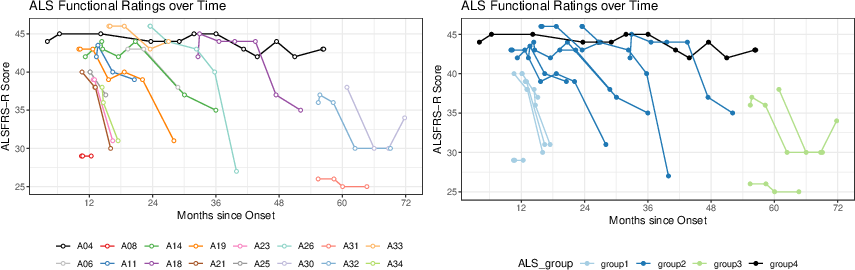
Figure 1: ALSFRS-R disease trajectories demonstrating the heterogeneity of ALS progression among individuals.

Discussion

The findings challenge prior assumptions that hyper-activation in ALS was purely compensatory, proposing instead a loss of inhibition perspective corroborated by studies of inhibitory signaling using modalities like TMS and MRS. The disparities in activation trajectories among fast and moderate progressors highlight the need for personalized biomarkers in ALS and may provide a basis for early detection and intervention strategies.

The surface-based spatial Bayesian modeling approach offers a powerful analytical framework for such nuanced neurodegenerative profiles, particularly when integrated with longitudinal study designs. This statistical approach promises applications in other dynamic processes like aging and neurodevelopment as well.

Conclusion

This study demonstrates the potential of advanced statistical models in capturing the intricacies of ALS progression at an individual level. By leveraging robust spatial Bayesian techniques, researchers can explore the underlying neurophysiological changes with great precision—imperative for formulating targeted therapeutic interventions. Future research could extend this approach to diverse neurodegenerative and neurodevelopmental conditions, facilitating innovative biomarker discoveries. Figure 2

Figure 2

Figure 2

Figure 2

Figure 2

Figure 2

Figure 2

Figure 2

Figure 2

Figure 2

Figure 2

Figure 2

Figure 2

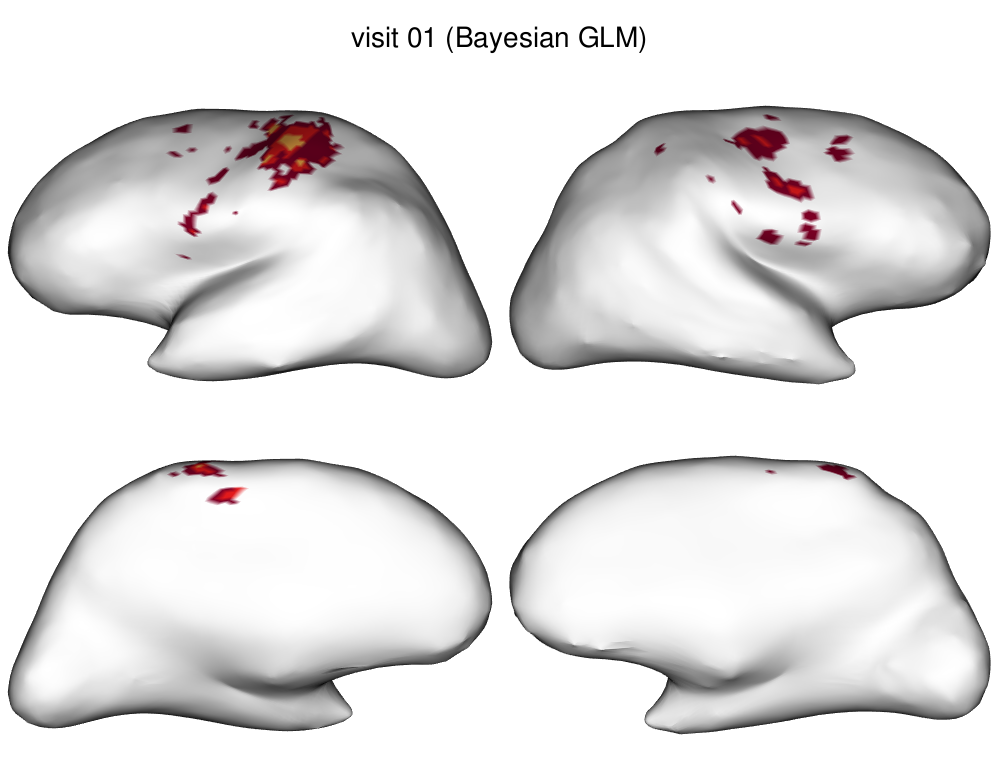
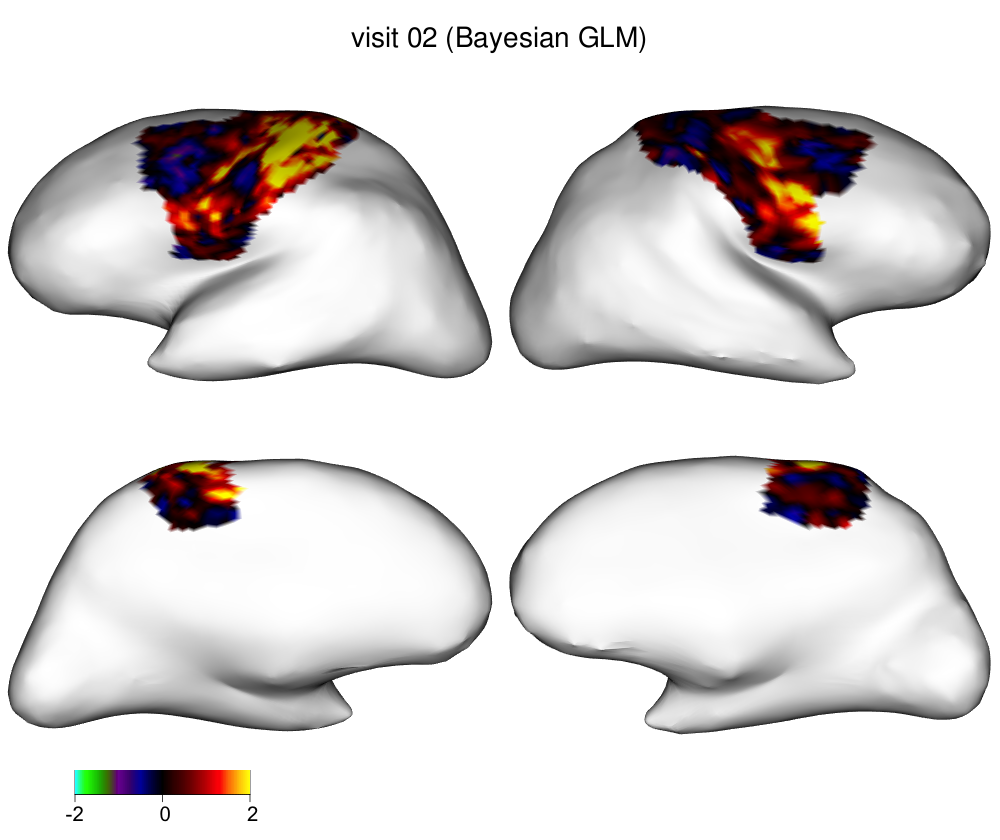
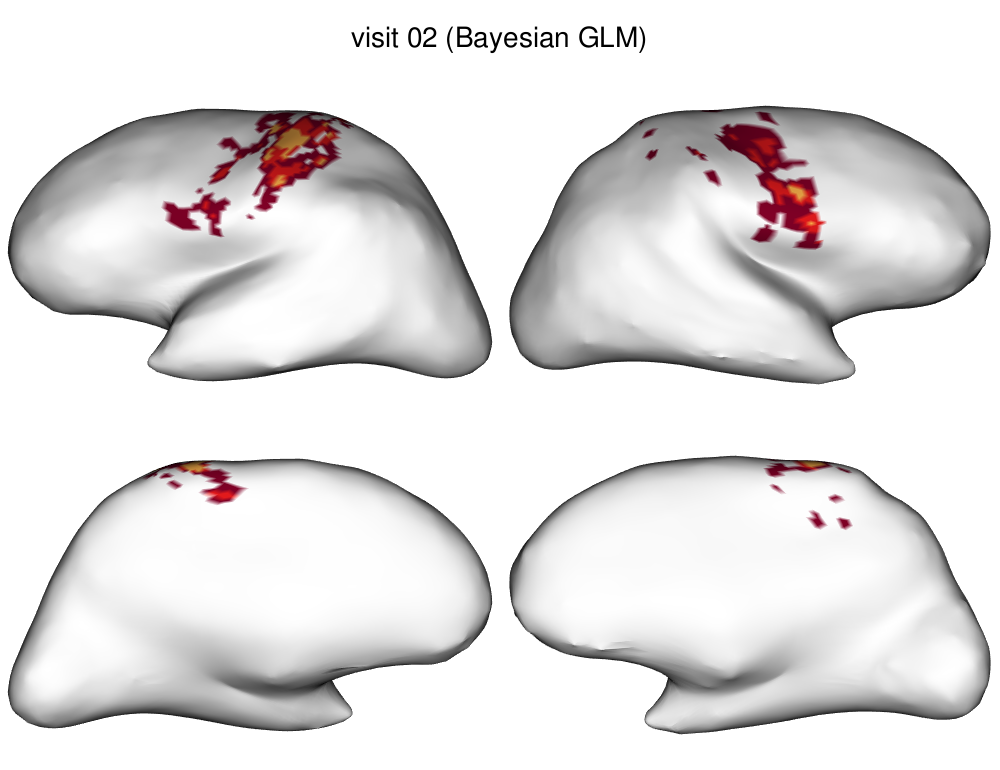
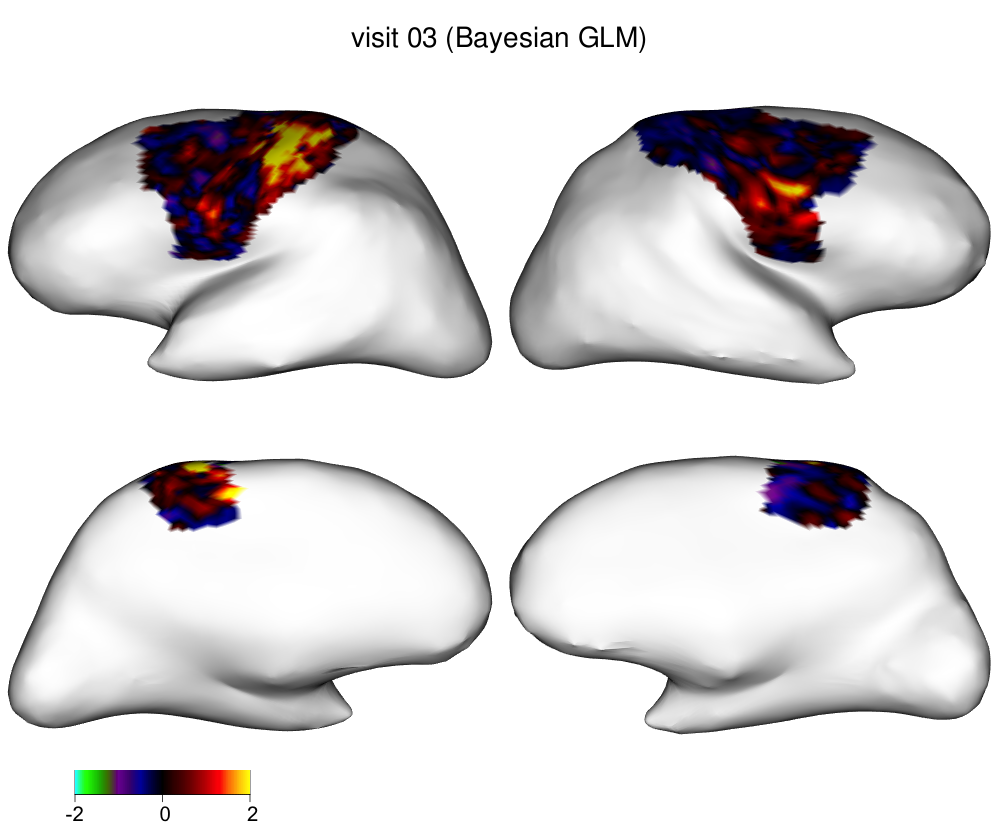
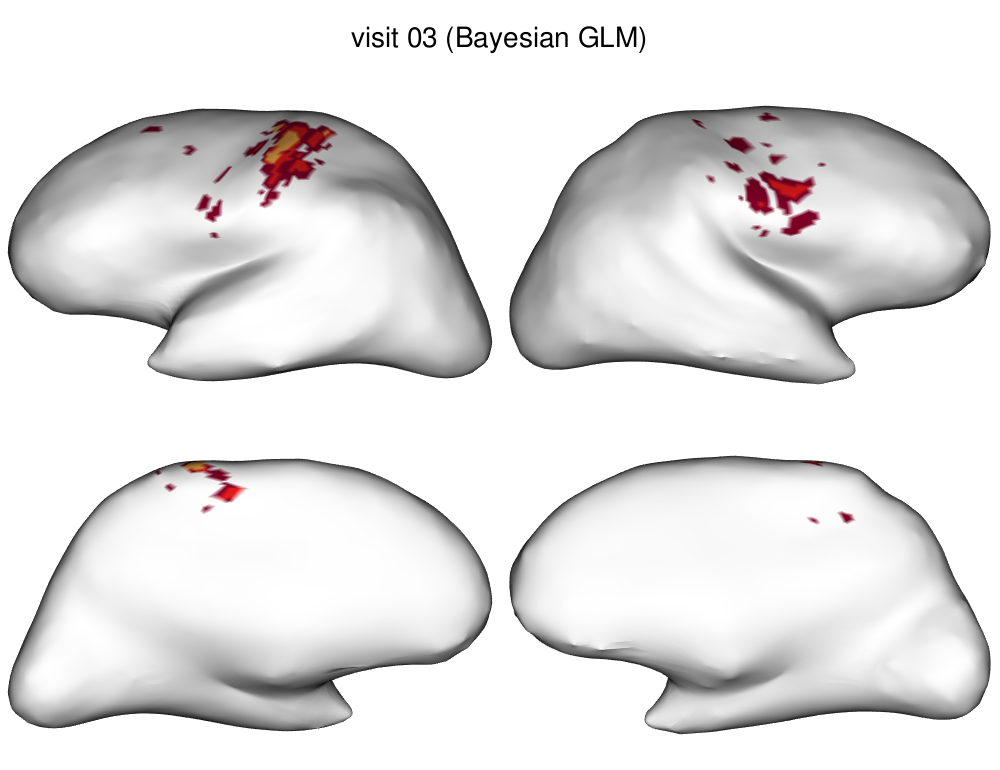
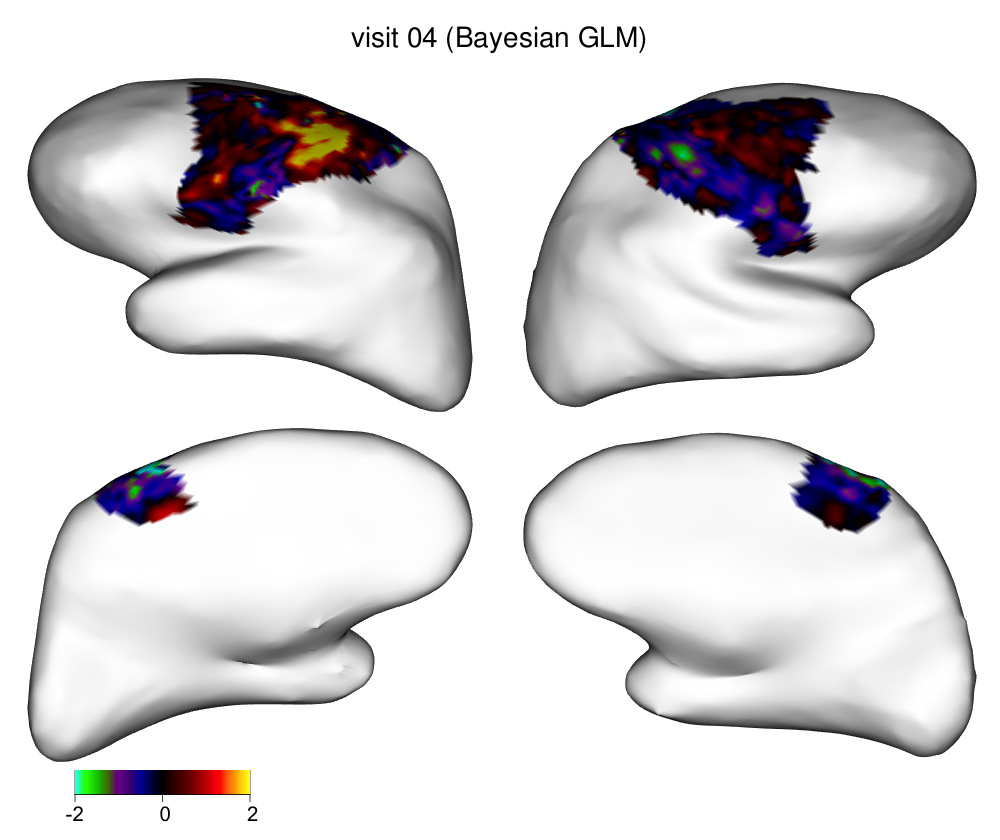
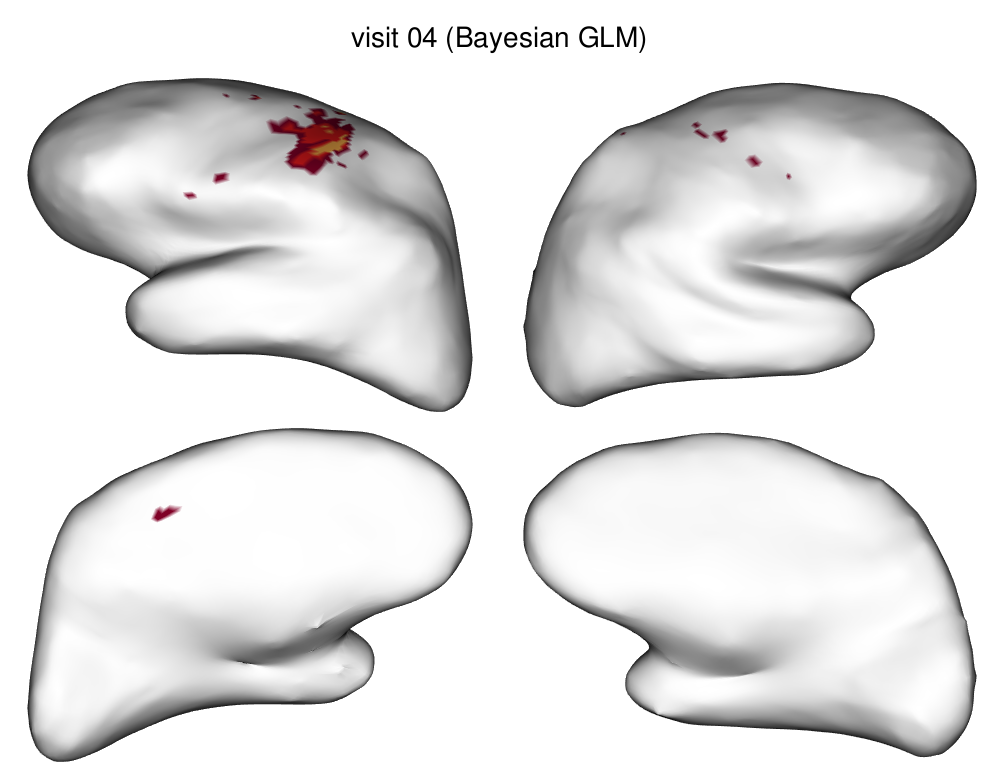
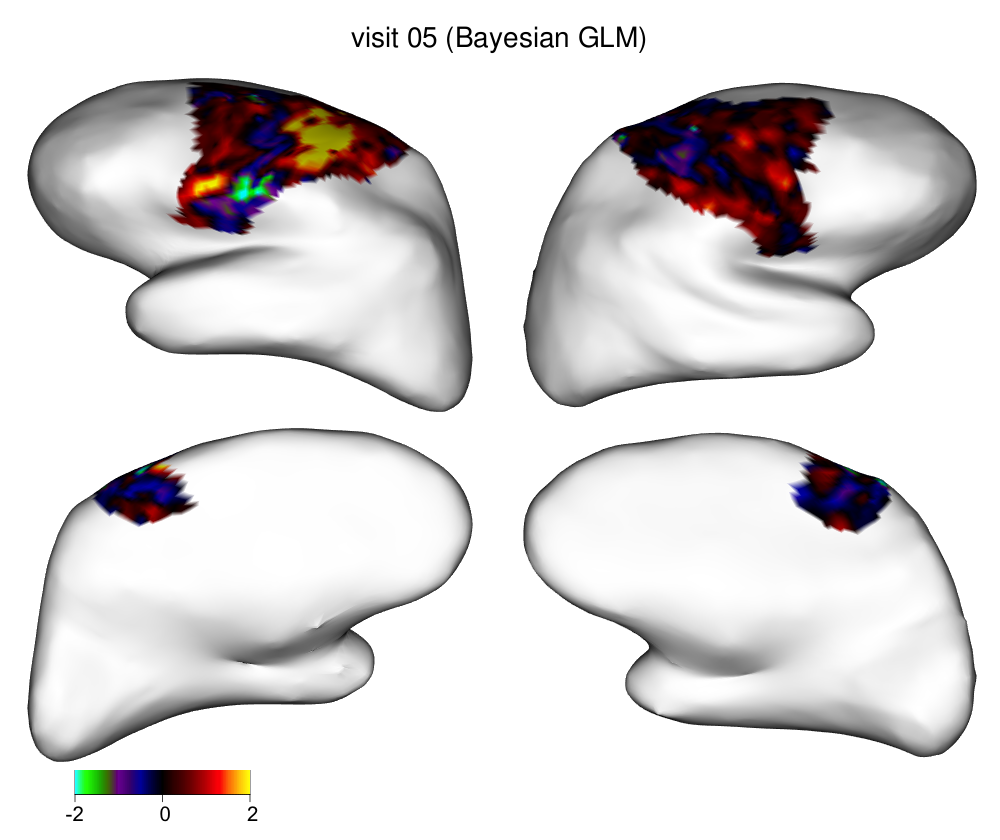
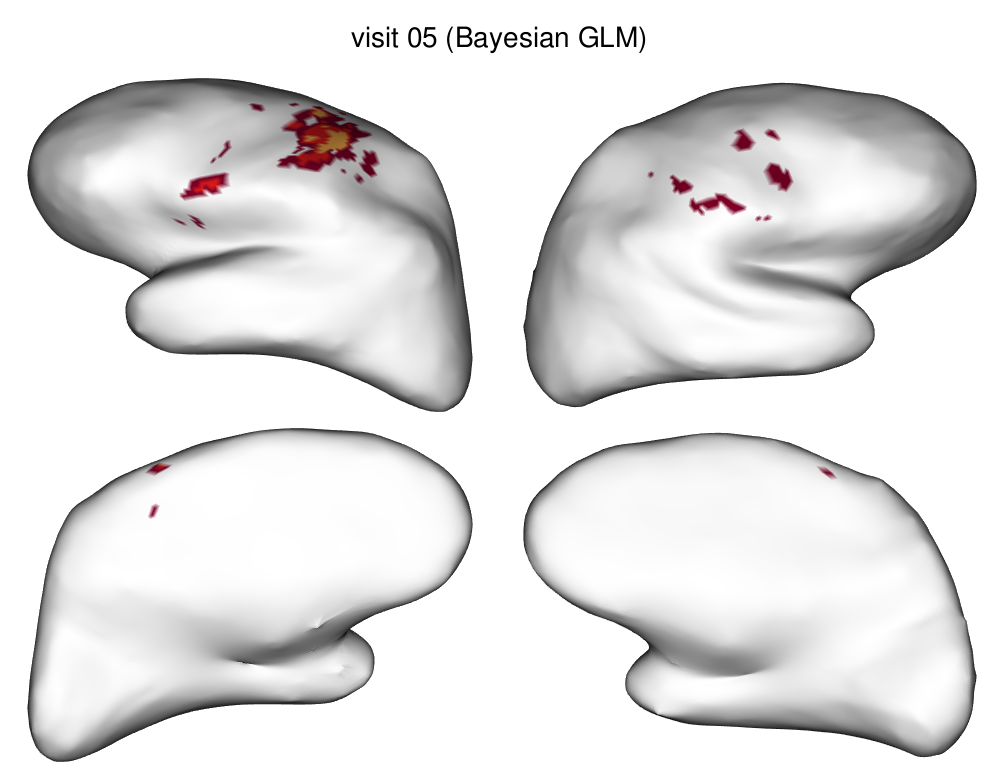
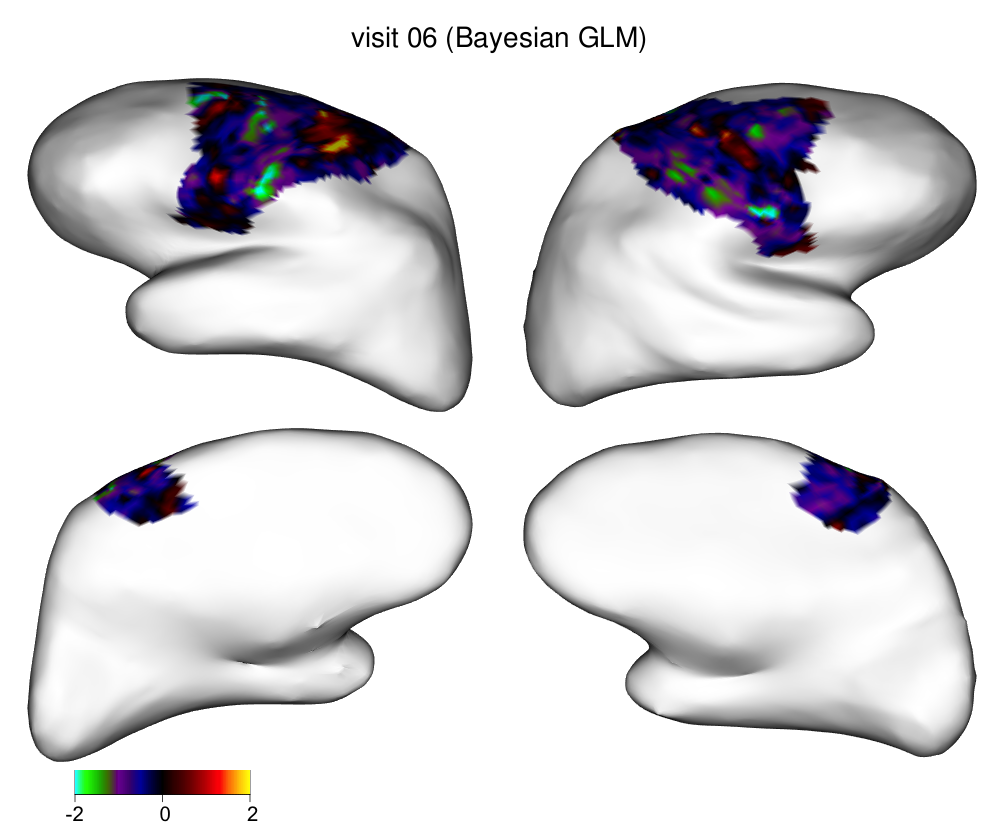
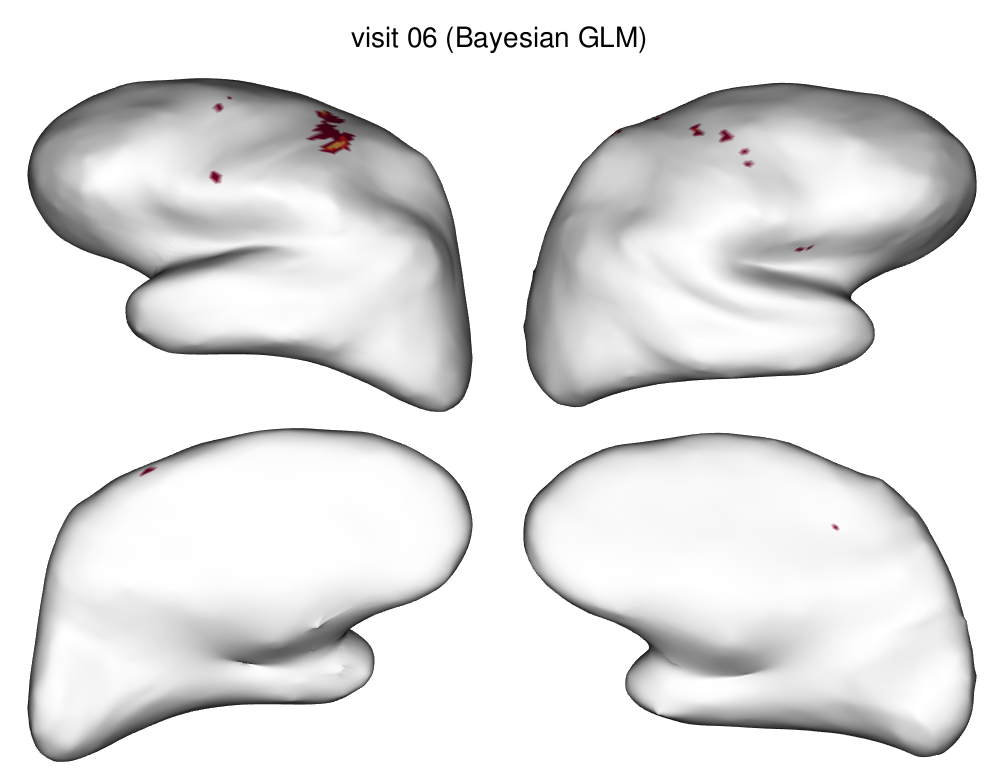
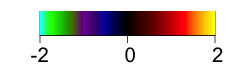
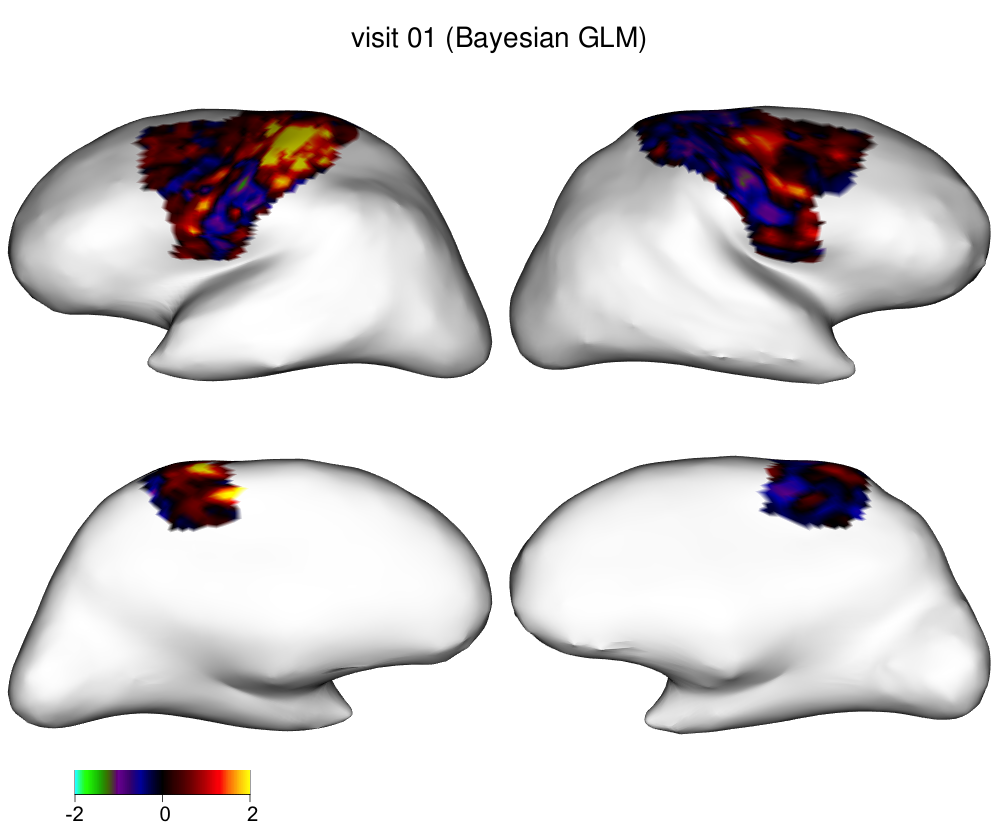
Figure 2: Estimates and areas of activation during hand clenching highlighting the dynamic changes observed in ALS participants contrasted with stable activation in healthy controls.

Whiteboard

No one has generated a whiteboard explanation for this paper yet.

Open Problems

We haven't generated a list of open problems mentioned in this paper yet.

Collections

Sign up for free to add this paper to one or more collections.