- The paper presents an automated system that combines robotics and deep neural networks to replicate human solubility assessments.
- It details a method using Mask R-CNN for vial detection and a CNN classifier, achieving 99.04% accuracy with a fine-tuned ResNet18 model.
- The study demonstrates real-world experiments with caffeine and benzimidazole, highlighting potential improvements in material discovery and pharmaceutical development.
Autonomous Solubility Screening with Deep Learning
The paper "SOLIS: Autonomous Solubility Screening using Deep Neural Networks" (2203.10970) introduces an automated system for solubility screening, a crucial step in material discovery and pharmaceutical development. The system combines a robotic platform with a cascaded deep learning model to determine whether a solute has dissolved in a solvent, mimicking a human chemist's visual assessment. This approach aims to reduce manual labor, improve throughput, and enhance the reliability of solubility measurements in laboratory settings.
SOLIS Architecture
The SOLIS architecture (Figure 1) comprises three main stages: image acquisition, image segmentation, and solubility classification.

Figure 1: Overview of the proposed approach for determining whether a molecule dissolves in a given solvent.
A Franka Emika Panda robot, equipped with an Intel RealSense D435i camera, captures images of the solute-solvent mixture in a vial. A Mask R-CNN, pre-trained on the TransProteus dataset, identifies the vial within the image, generating a region of interest (RoI). A CNN-based image classifier then analyzes the RoI to determine if the solute has fully dissolved. The Mask R-CNN uses ResNet as a backbone. The bounding box coordinates of the glass vial, predicted by the Mask R-CNN, are used as input to the CNN.
Dataset and Experimental Setup
The authors created a novel dataset consisting of images of caffeine and benzimidazole in water, ethanol, and acetone (Figure 2).
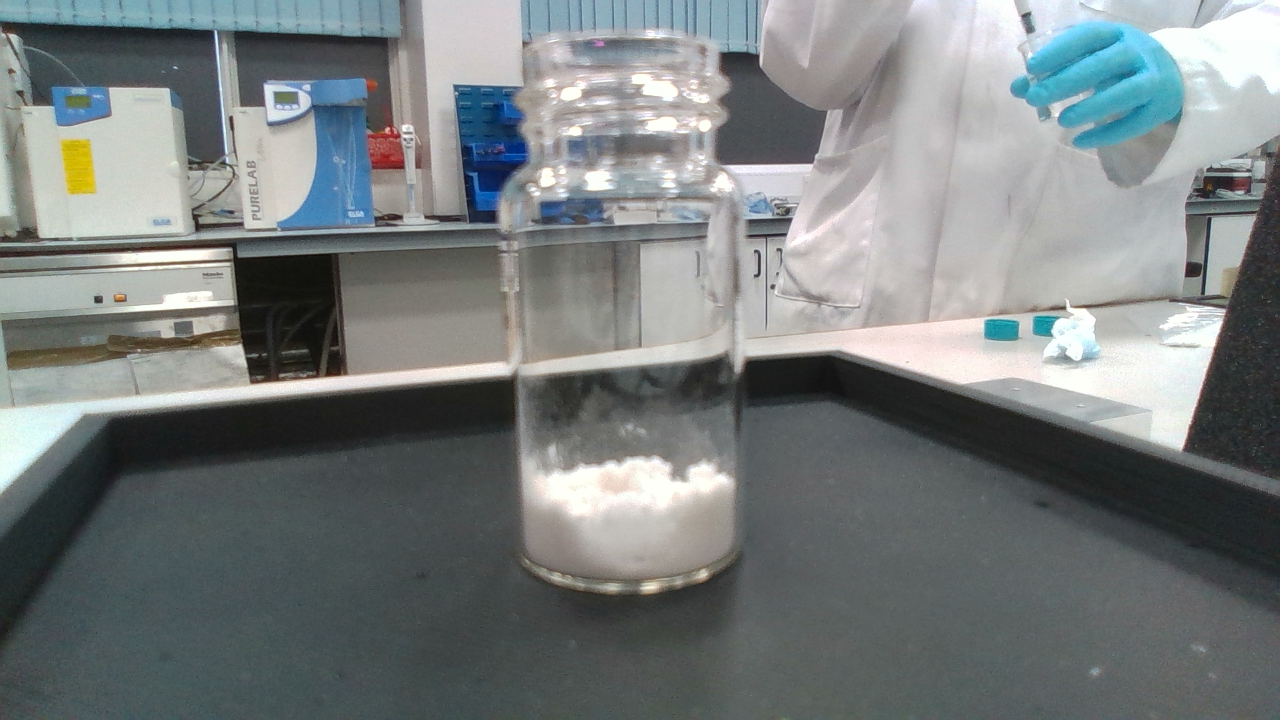
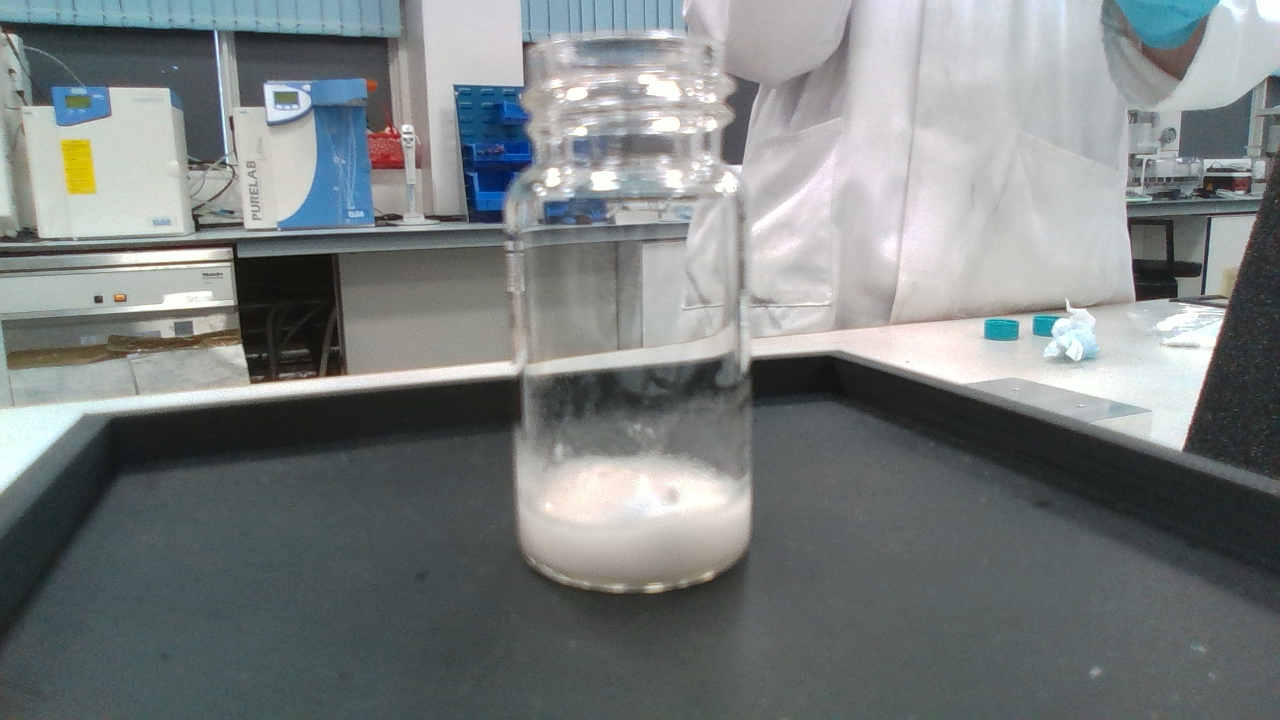
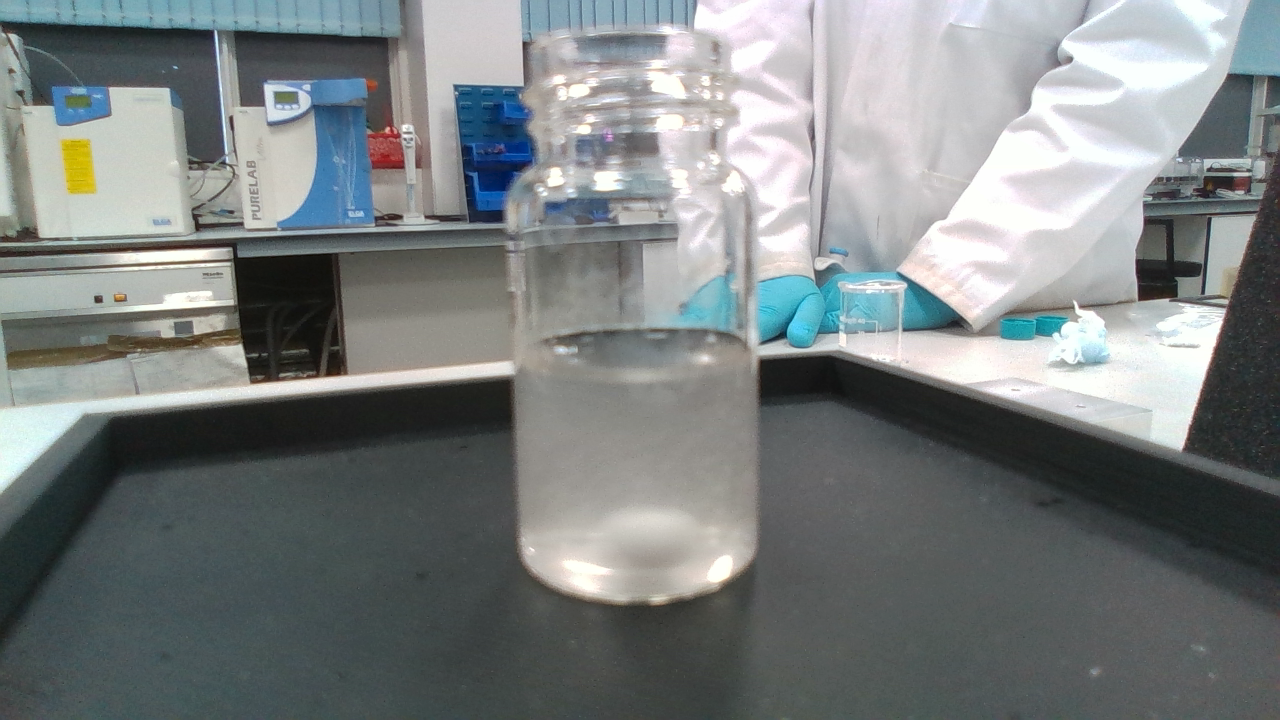
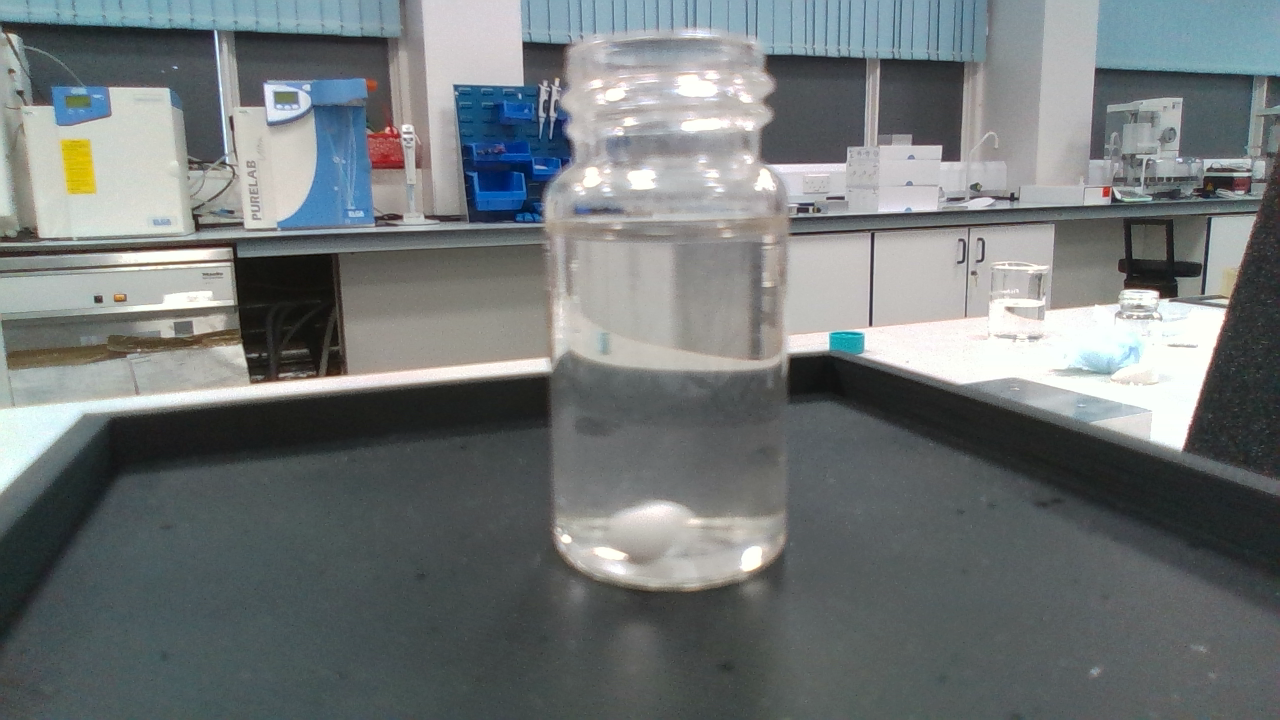
Figure 2: An overview of the recorded dataset for benzimidazole with acetone.
The data was collected in a real-world chemistry laboratory, capturing the challenges associated with uncontrolled environments. During the experiment, the sample was continuously stirred with a magnetic stirrer to prevent the powder dropping to the bottom of the vial or sample clumping. The dataset was annotated by a human chemist. The experiments were supervised by a human chemist, who was also responsible for annotating the dataset.
The models were evaluated based on their ability to predict the state of the solution. The cross-entropy loss and accuracy were used as evaluation metrics. The experiments were conducted using PyTorch on a machine equipped with an AMD Ryzen Threadripper 3970X CPU and an NVIDIA GeForce RTX 3090 GPU.
Experimental Results and Analysis
The authors evaluated several CNN architectures for the solubility classifier, including VGG, ResNet18, InceptionV3, and DenseNet. Both fine-tuning and feature extraction strategies were employed. The results indicated that fine-tuning pre-trained models on ImageNet generally outperformed feature extraction. ResNet18 achieved the best performance, with a test accuracy of 99.04% and a cross-entropy loss of 0.0264.
Further analysis of misclassifications revealed that reflections on the vial walls and the small proportion of solution in the early stages of the experiment were the primary sources of error (Figure 3).
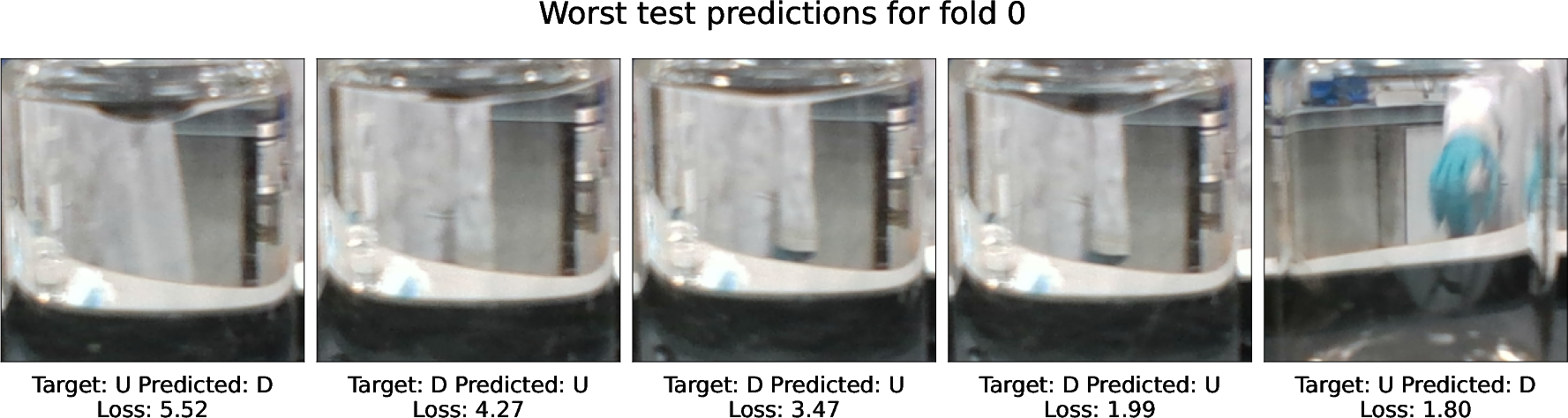
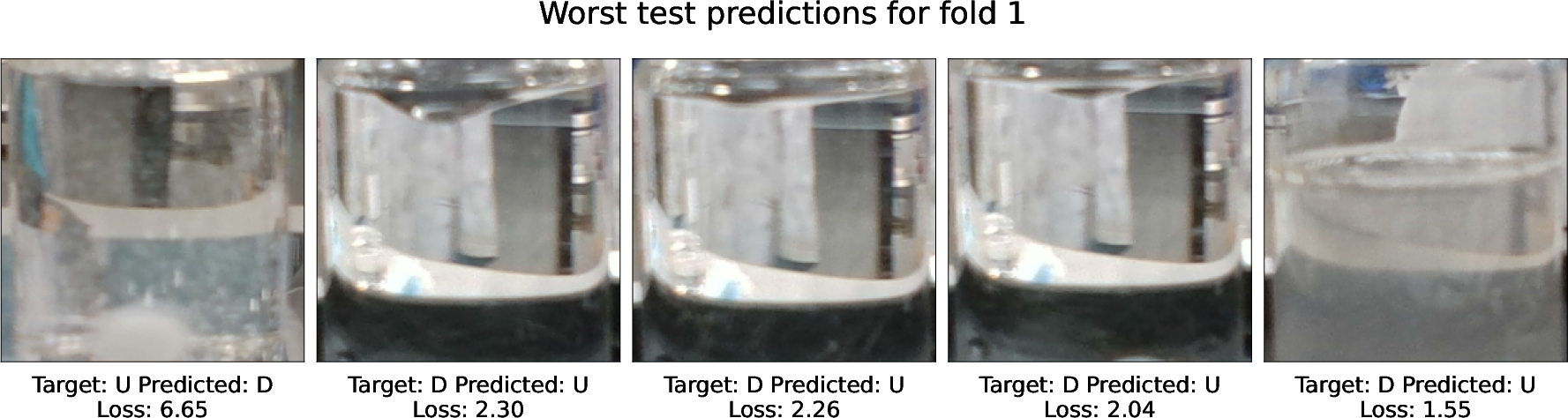
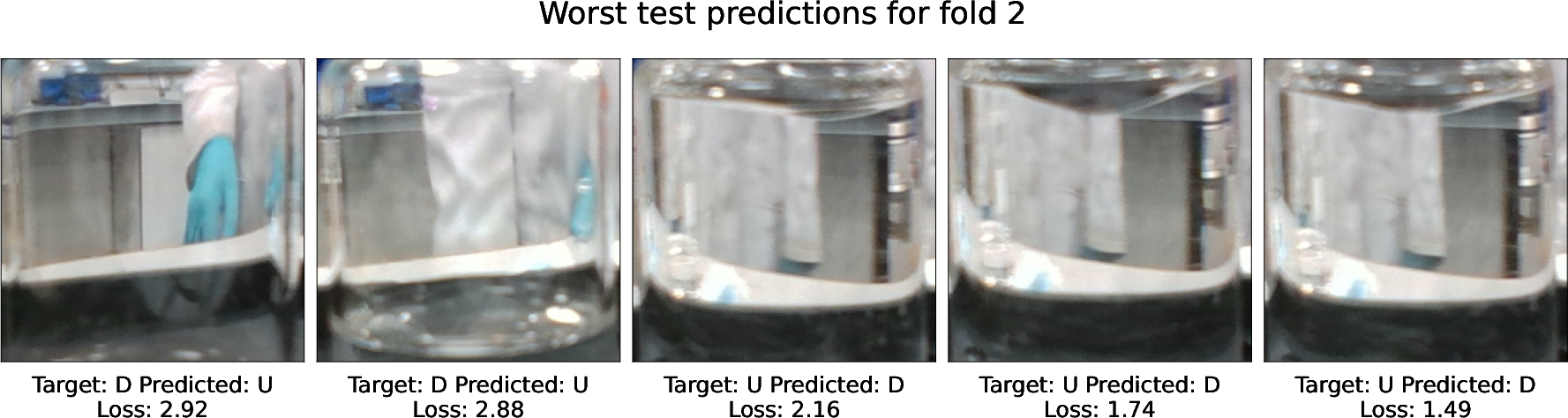
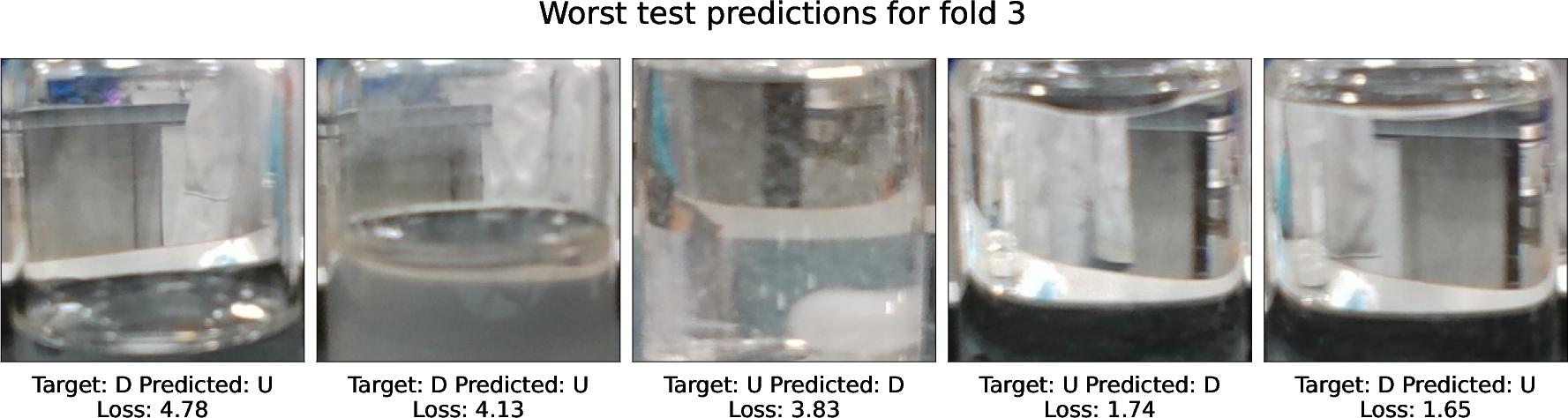
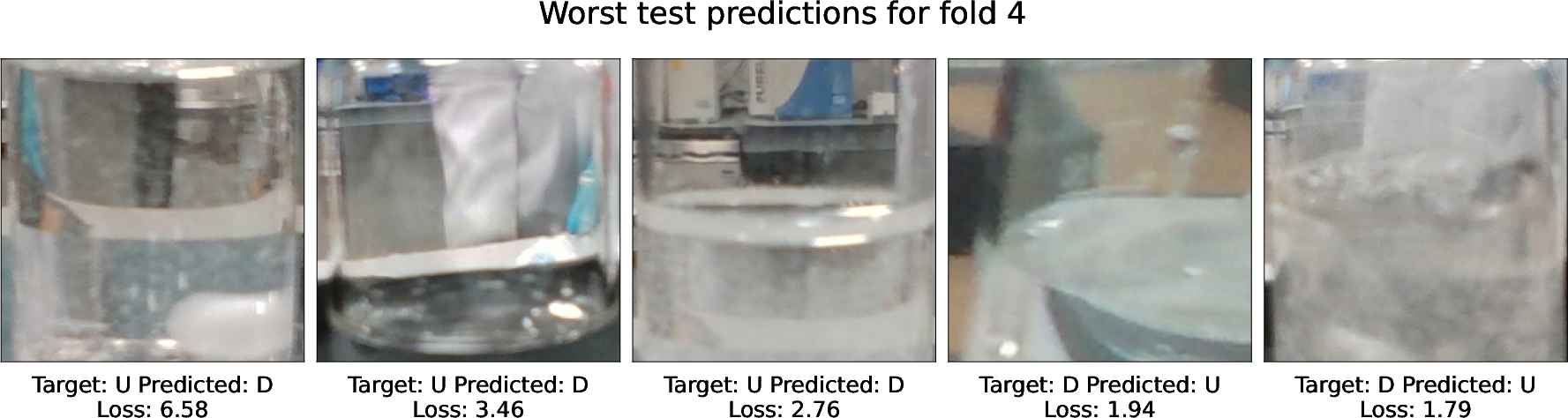
Figure 3: An in-depth analysis of the misclassifications across the five different folds for the ResNet18 model, which is finetuned. For each fold, we report the top five worst predictions.
The study suggests that a buffer of images could improve the system's robustness.
Implications and Future Directions
The SOLIS system offers a practical solution for automating solubility screening in materials discovery and pharmaceutical chemistry. Its ability to operate in real-world laboratory conditions without human intervention makes it a valuable tool for increasing efficiency and throughput. The modularity of the method suggests its potential to change visual assessment of samples in pharmaceutical and clean energy applications.
Future research directions include deploying the model on a robot in a closed-loop material discovery workflow and exploring the use of organic solvents. Additional refinements could facilitate a more accurate estimation of solubility.