- The paper introduces Alleviate, demonstrating an AI-enabled chatbot that delivers personalized mental health support and enhances clinician decision-making.
- The paper employs personalized patient knowledge graphs and explainable reinforcement learning to integrate clinical guidelines with patient data safely.
- The paper shows efficient monitoring with real-time emergency alerts, ensuring adherence to clinical safety in telehealth settings.
"Demo Alleviate: Demo Artificial Intelligence Enabled Virtual Assistance for Telehealth: The Mental Health Case" (2304.00025)
Introduction
The development of technologically advanced solutions in mental healthcare has become crucial following the pandemic-induced surge in demand. The paper introduces Alleviate, an AI-enabled chatbot specifically designed to provide personalized support to patients suffering from mental health issues, thereby assisting clinicians in understanding their patients better. The Alleviate system leverages a diverse set of clinically validated mental health databases to offer medically sound and informed decisions.
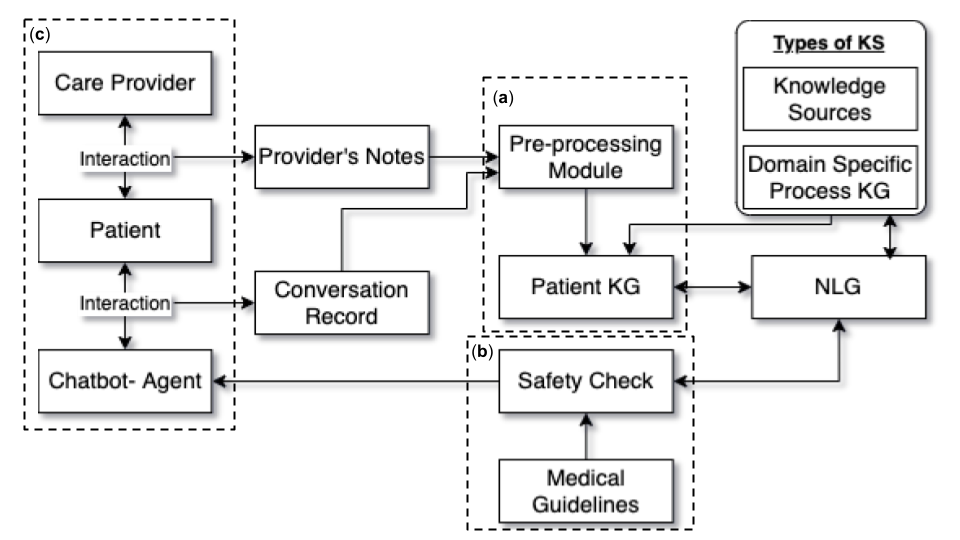
Figure 1: Alleviate constructs personalized patient knowledge graphs integrating mental health and medical databases.
Personalized Patient Understanding
At the core of Alleviate is the ability to represent personalized patient knowledge as a graph. This graph captures information from mental-health-specific databases, such as suicide and depression rating scales, along with broader medical context data including medication interactions and side effects. Through structural integration, patient-specific information extracted from clinician's notes and past interactions is incorporated. This mechanism allows for personalized assessments based on a rich foundation of standardized medical knowledge, ensuring adherence to clinical safety standards.
Safety-Constrained Chatbot-Patient Interactions
Alleviate is designed with safety and compliance at the forefront. It enforces medically validated guidelines through knowledge graph path constraints, guaranteeing interactions are consistent with established safety standards. The chatbot's decisions are backed by modular, explainable AI processes that facilitate robust feedback-driven refinements, enhancing the system's efficacy through continuous learning from patient and clinician feedback.
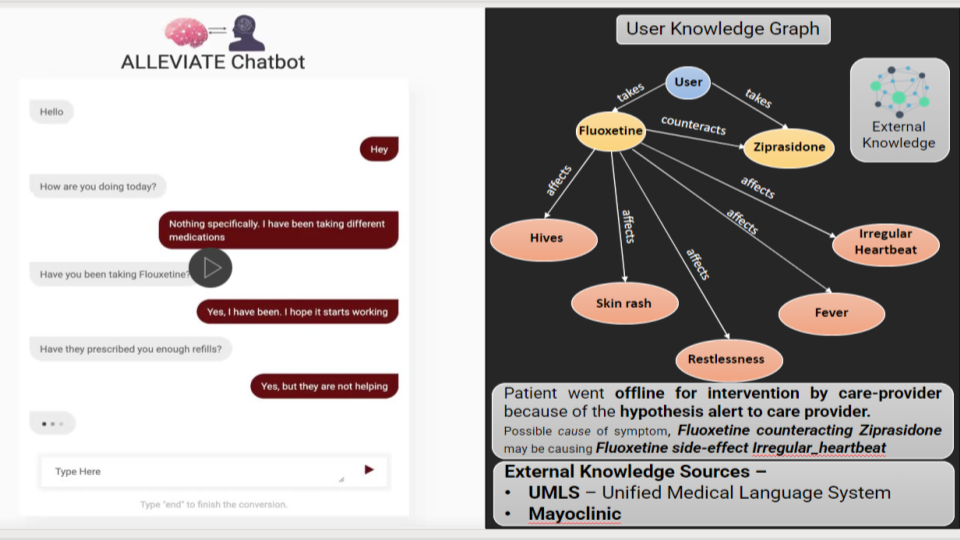
Figure 2: Alleviate integrates personal medication and medical database information for medication inquiries and troubleshooting.
Explainable Reinforcement Learning Algorithms
A notable aspect of Alleviate's framework is its implementation of reinforcement learning algorithms for ongoing system enhancements. These algorithms allow the system to adapt by integrating clinician and patient feedback to optimize interaction strategies. This capability ensures that Alleviate remains effective, continually improving its assistance quality based on real-world interactions.
Efficient Monitoring and Emergency Alerts
Alleviate incorporates mechanisms for identifying emergency situations requiring human intervention. It performs real-time monitoring of patient interactions, applying algorithms developed to detect patterns indicative of critical mental health states, such as potential suicidal ideation. The deployment of these algorithms ensures timely alerts to emergency services when necessary, enhancing the safeguarding of patient wellbeing.
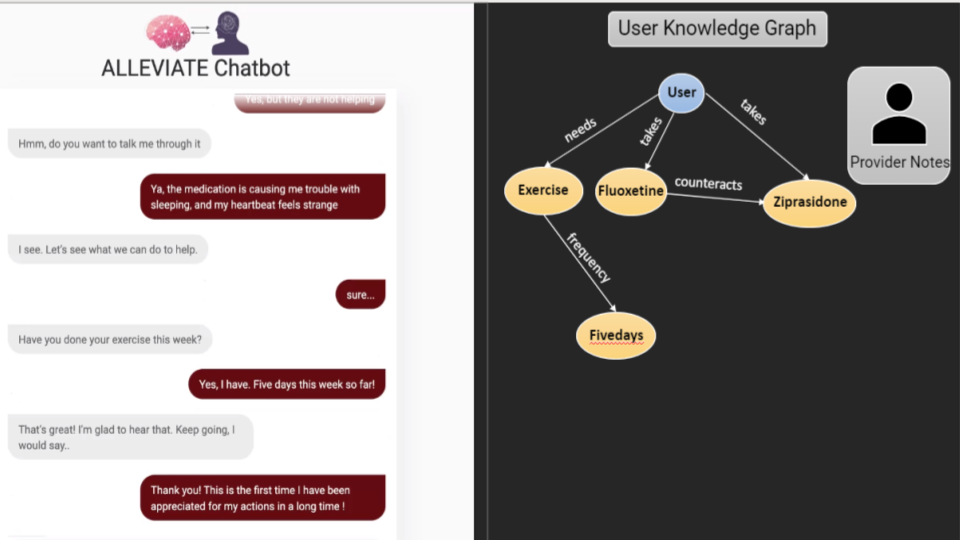
Figure 3: Illustration of Alleviate appraising user adherence to medical recommendations such as exercise.
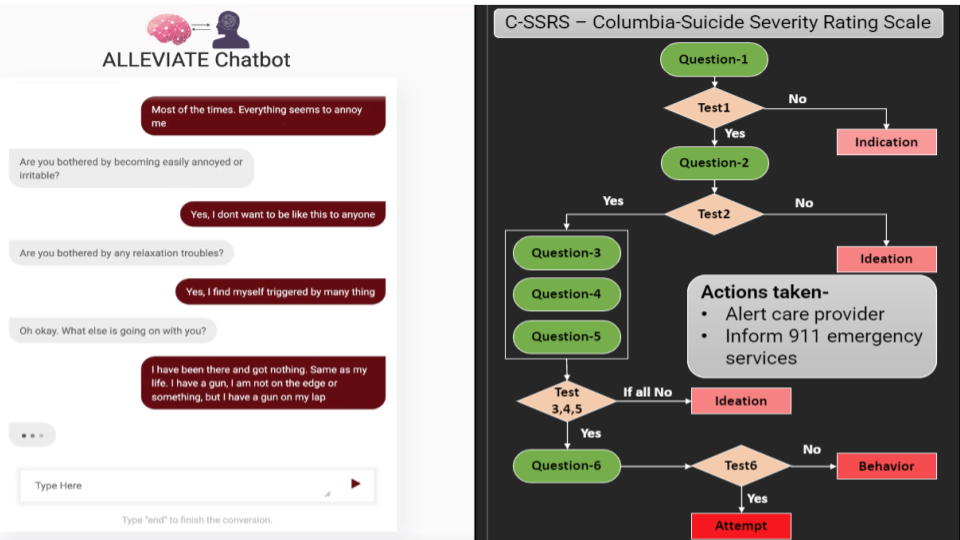
Figure 4: Alleviate's emergency service alert for potential suicidal ideation detected through patient conversation monitoring.
Conclusion
Alleviate represents a significant advancement in the application of AI to telehealth services, particularly within mental health care. By combining personalized knowledge graphs, strict safety standards, and explainable reinforcement learning mechanisms, Alleviate provides both patients and clinicians with a reliable, personalized healthcare assistant. This paper highlights the potential for further research and enhancements in AI-driven patient care, pushing towards the development of increasingly intelligent systems capable of managing complex healthcare scenarios autonomously.