Papers
Topics
Authors
Recent
Search
2000 character limit reached

Prompt Design and Engineering: Introduction and Advanced Methods

Published 24 Jan 2024 in cs.SE and cs.LG | (2401.14423v4)

Abstract: Prompt design and engineering has rapidly become essential for maximizing the potential of LLMs. In this paper, we introduce core concepts, advanced techniques like Chain-of-Thought and Reflection, and the principles behind building LLM-based agents. Finally, we provide a survey of tools for prompt engineers.

Definition Search Book Streamline Icon: https://streamlinehq.com
References (21)
  1. Machine learning: The high interest credit card of technical debt. In SE4ML: Software Engineering for Machine Learning (NIPS 2014 Workshop), 2014.
  2. Chain-of-thought prompting elicits reasoning in large language models. In S. Koyejo, S. Mohamed, A. Agarwal, D. Belgrave, K. Cho, and A. Oh, editors, Advances in Neural Information Processing Systems, volume 35, pages 24824–24837. Curran Associates, Inc., 2022.
  3. Automatic chain of thought prompting in large language models, 2022.
  4. Tree of thoughts: Deliberate problem solving with large language models, 2023.
  5. Toolformer: Language models can teach themselves to use tools, 2023.
  6. Gorilla: Large language model connected with massive apis, 2023.
  7. Art: Automatic multi-step reasoning and tool-use for large language models, 2023.
  8. Selfcheckgpt: Zero-resource black-box hallucination detection for generative large language models, 2023.
  9. Reflexion: Language agents with verbal reinforcement learning, 2023.
  10. Exploring the mit mathematics and eecs curriculum using large language models, 2023.
  11. Promptchainer: Chaining large language model prompts through visual programming, 2022.
  12. Large language models are human-level prompt engineers, 2023.
  13. Retrieval-augmented generation for knowledge-intensive NLP tasks. CoRR, abs/2005.11401, 2020.
  14. Amazon Web Services. Question answering using retrieval augmented generation with foundation models in amazon sagemaker jumpstart, Year of publication, e.g., 2023. Accessed: Date of access, e.g., December 5, 2023.
  15. Unifying large language models and knowledge graphs: A roadmap. arXiv preprint arXiv:2306.08302, 2023.
  16. Active retrieval augmented generation, 2023.
  17. Retrieval-augmented generation for large language models: A survey. arXiv preprint arXiv:2312.10997, 2023.
  18. Hugginggpt: Solving ai tasks with chatgpt and its friends in huggingface. arXiv preprint arXiv:2303.17580, 2023.
  19. Rewoo: Decoupling reasoning from observations for efficient augmented language models, 2023.
  20. React: Synergizing reasoning and acting in language models, 2023.
  21. Dera: Enhancing large language model completions with dialog-enabled resolving agents, 2023.
Citations (30)

Summary

  • The paper presents foundational and advanced prompt engineering techniques, notably Chain-of-Thought and Tree-of-Thought methodologies.
  • It details strategies to boost model reliability, including self-correcting prompts, self-consistency, and Retrieval-Augmented Generation.
  • The paper also examines integrating external tools like Langchain to empower LLM agents for sophisticated decision-making.

Exploring "Prompt Design and Engineering: Introduction and Advanced Methods"

Introduction

The paper "Prompt Design and Engineering: Introduction and Advanced Methods" explores the burgeoning field of prompt engineering, which has become crucial for leveraging the potential of LLMs. It systematically introduces both core concepts and sophisticated techniques such as Chain-of-Thought and Reflection, while also exploring the infrastructure required to build LLM-based agents. This essay unpacks these components to offer a detailed, expert-level understanding.

Core Concepts of Prompt Engineering

Definition and Importance

A prompt is the textual command given to generative AI models, guiding their output. In LLMs, prompts can vary from simplistic queries to complex instructions and examples designed to elicit specific responses. The paper underscores the importance of prompt engineering in achieving desired outcomes from models like GPT-4, emphasizing how this discipline combines domain expertise with a nuanced understanding of model capabilities.

Basic Prompting Techniques

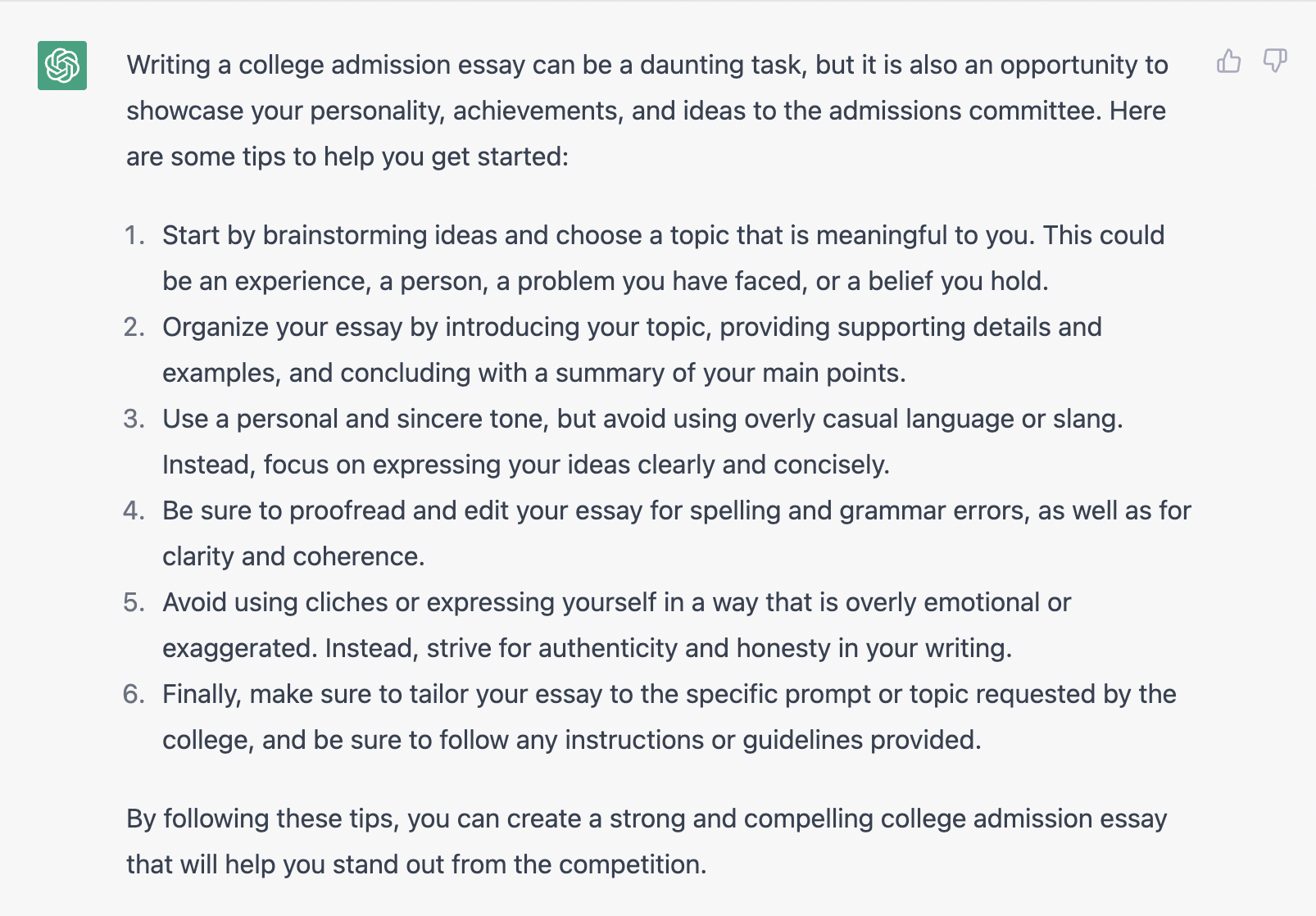
The paper initially covers basic prompting strategies, illustrating how components like instructions and questions shape the AI's responses. For instance, a prompt might include a structured question about writing a college essay, complemented with guidelines on tone and structure. Figure 1

Figure 1: Instructions + Question Prompt result example.

Advanced Prompt Engineering Strategies

Chain of Thought (CoT) Prompting

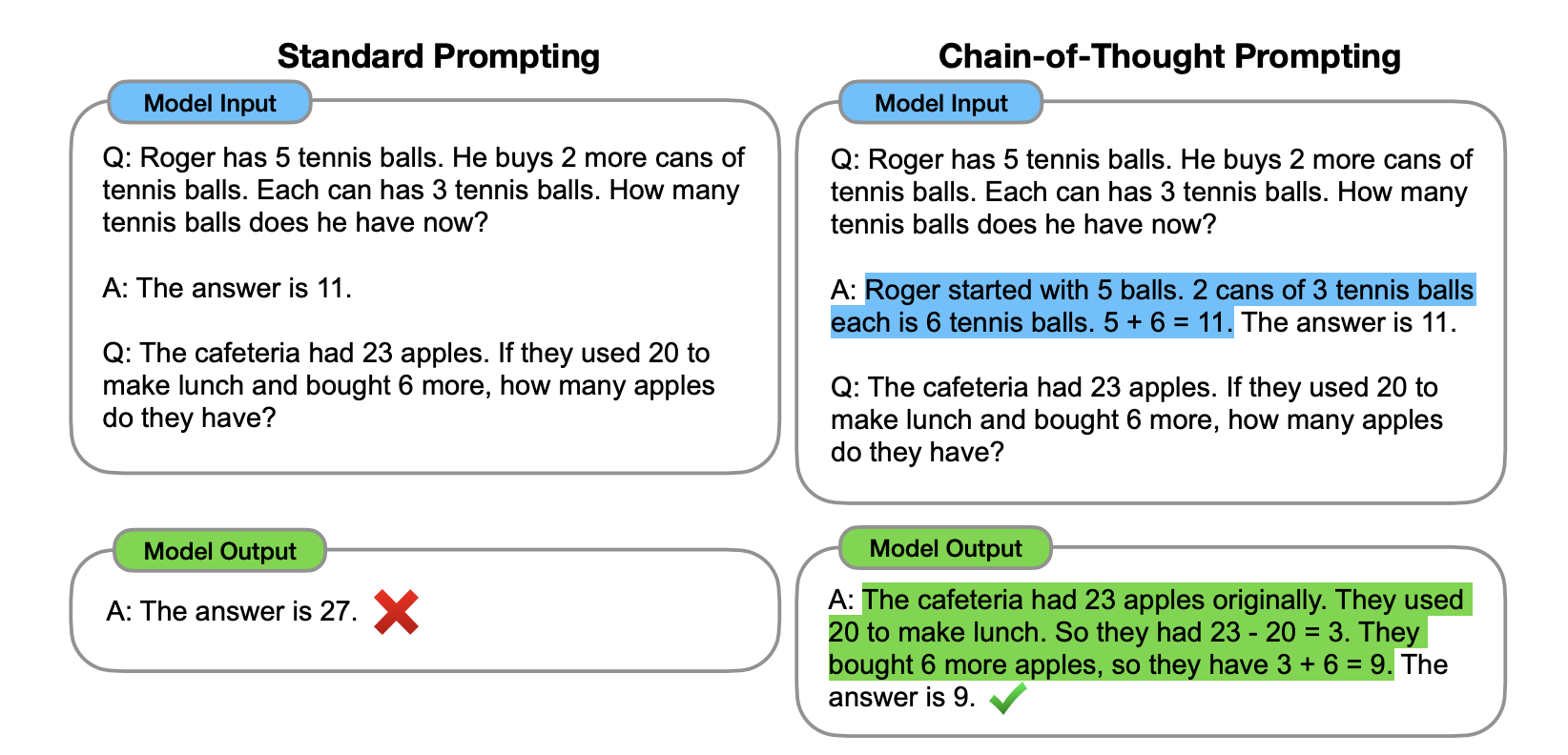
CoT is highlighted as a pivotal strategy where the model is encouraged to engage in a series of reasoning steps, enhancing factual accuracy. The paper differentiates between Zero-shot CoT, which allows models to unravel problems progressively, and Manual CoT, which provides explicit reasoning templates. Figure 2

Figure 2: Illustration of Chain of Thought Prompting versus Standard Prompting.

Tree of Thought (ToT) Prompting

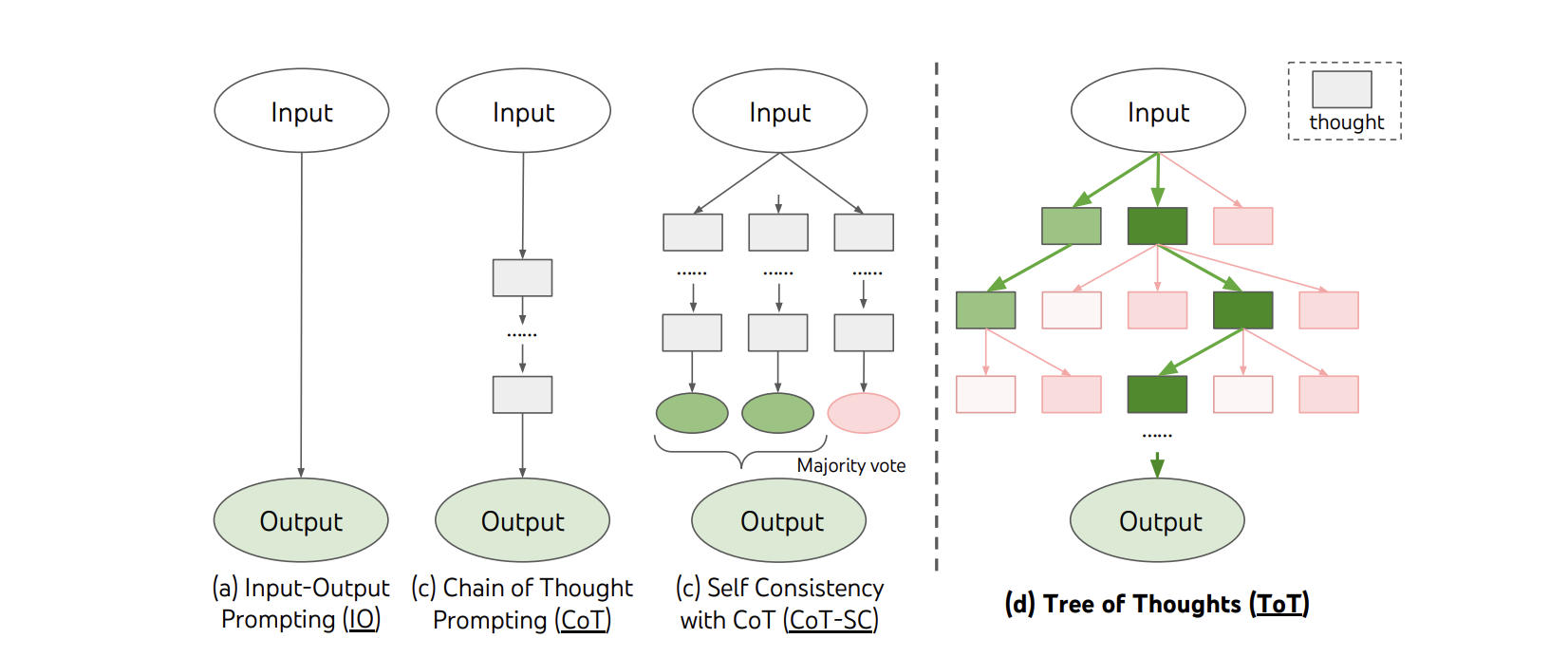
ToT prompting is an advancement where models explore multiple reasoning pathways simultaneously, akin to constructing a decision tree. This methodology is particularly effective in complex problem-solving by allowing exploration of diverse solutions before convergence. Figure 3

Figure 3: Illustrative representation of the Tree of Thought methodology.

Enhancing Reliability and Reducing Hallucinations

Factual and Self-Correcting Prompts

To mitigate the propensity of LLMs to generate incorrect information ("hallucinations"), the paper suggests structured reasoning prompts that compel models to cite and verify sources, thus improving factual reliability. Figure 4

Figure 4: Getting factual sources.

Self-Consistency

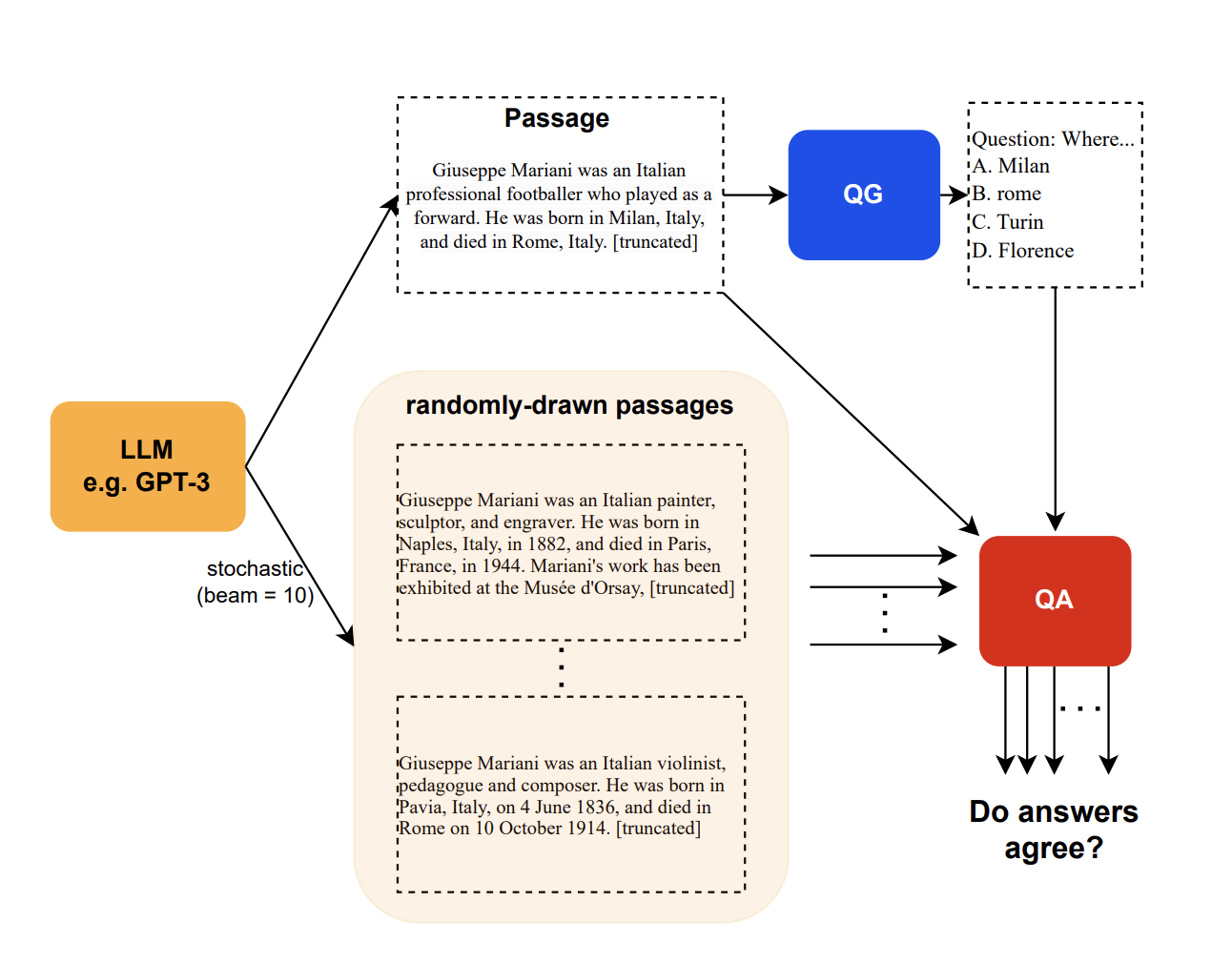
The Self-Consistency approach involves prompting models to produce multiple outputs for the same query. By evaluating the consistency across these answers, the reliability of the response can be increased. Figure 5

Figure 5: Illustrative diagram of the Self-Consistency approach.

Tools and Integration

Utilizing External Tools

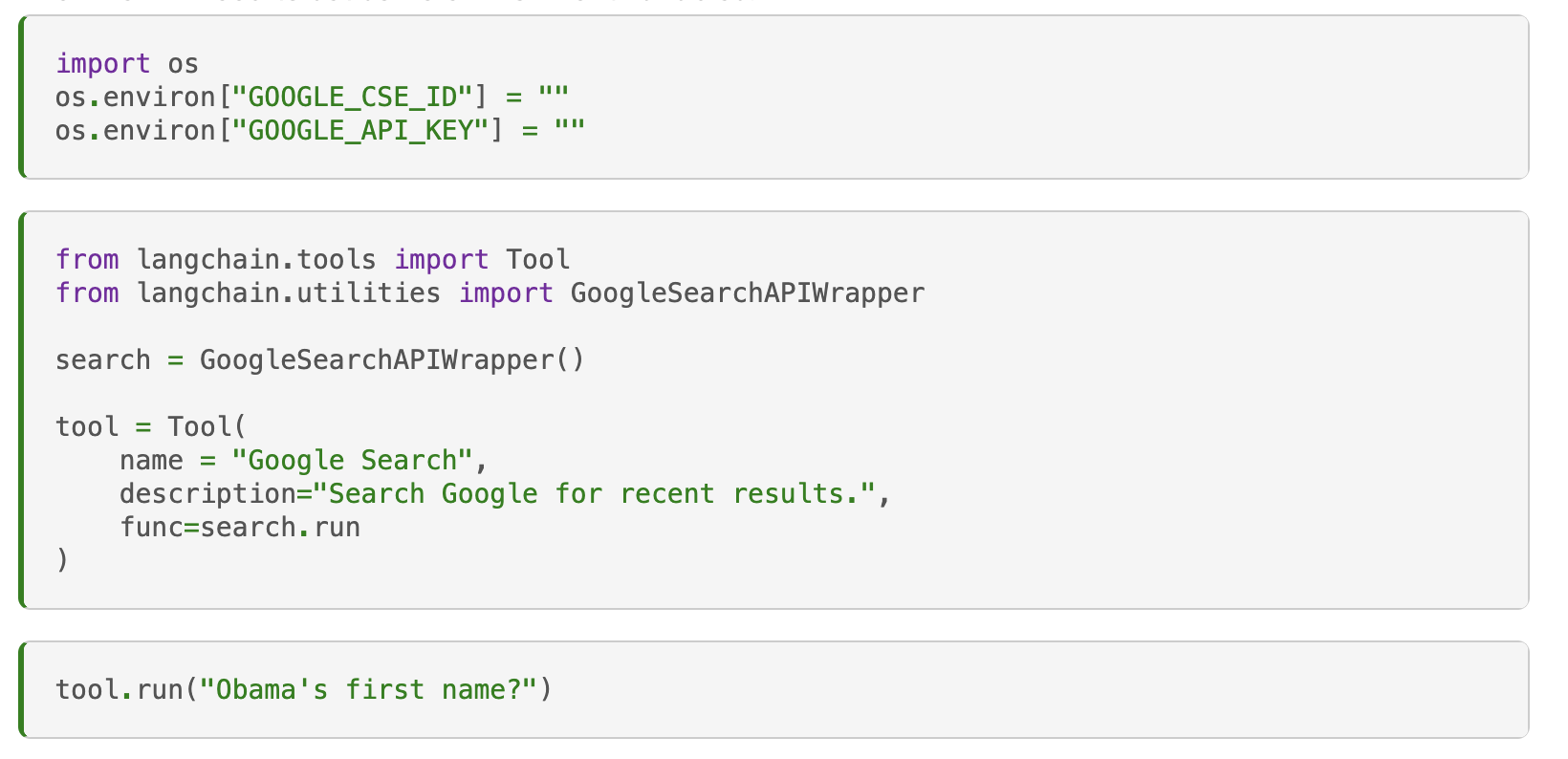
The paper explores the integration of external tools through tools like Langchain and semantic kernel, which extend the LLMs' functionalities beyond inherent capabilities, allowing them to interact effectively with external databases and APIs. Figure 6

Figure 6: An example of tool usage from Langchain library.

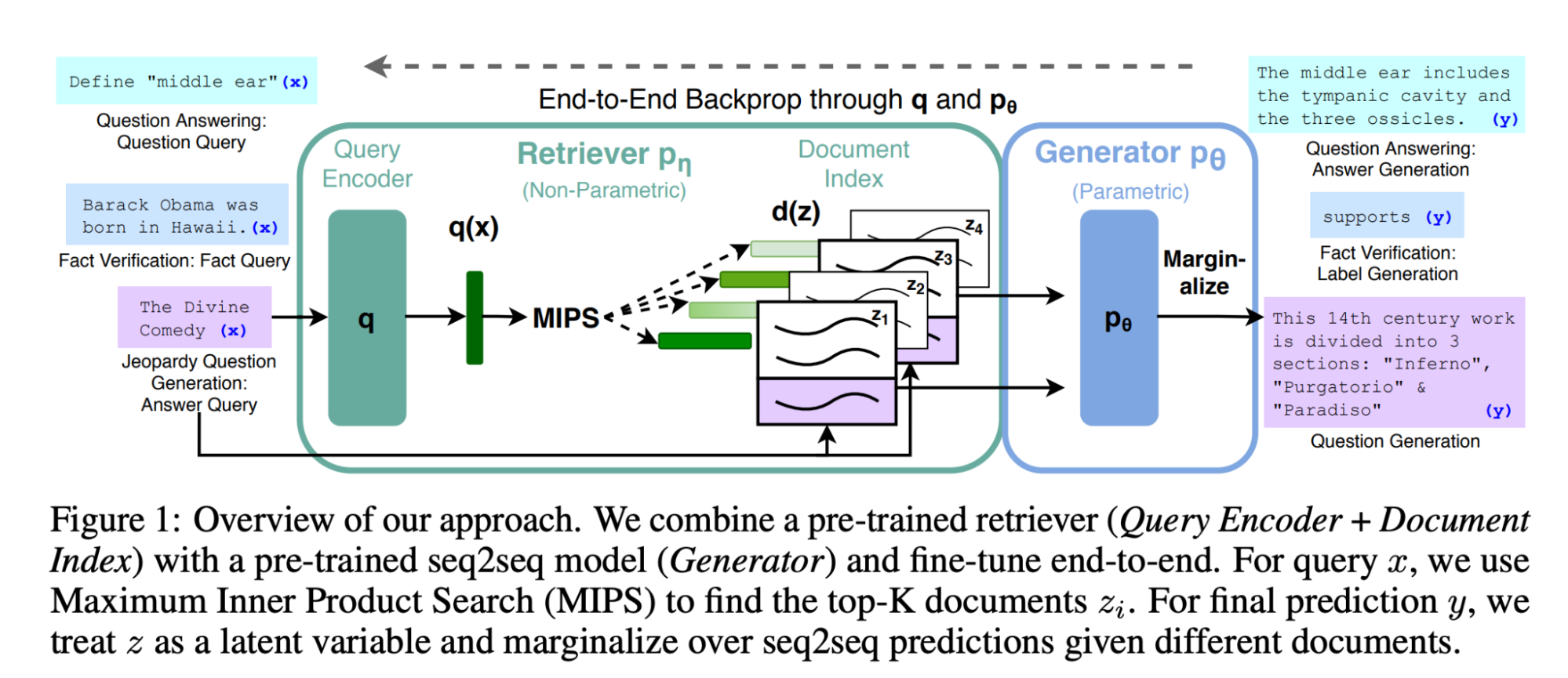
Retrieval-Augmented Generation (RAG)

RAG enhances model capability by fetching external information, thereby augmenting responses with real-time or domain-specific knowledge absent in static LLM training datasets. Figure 7

Figure 7: An example of integrating RAG with LLMs for a question answering application.

Specialized Techniques for LLM Agents

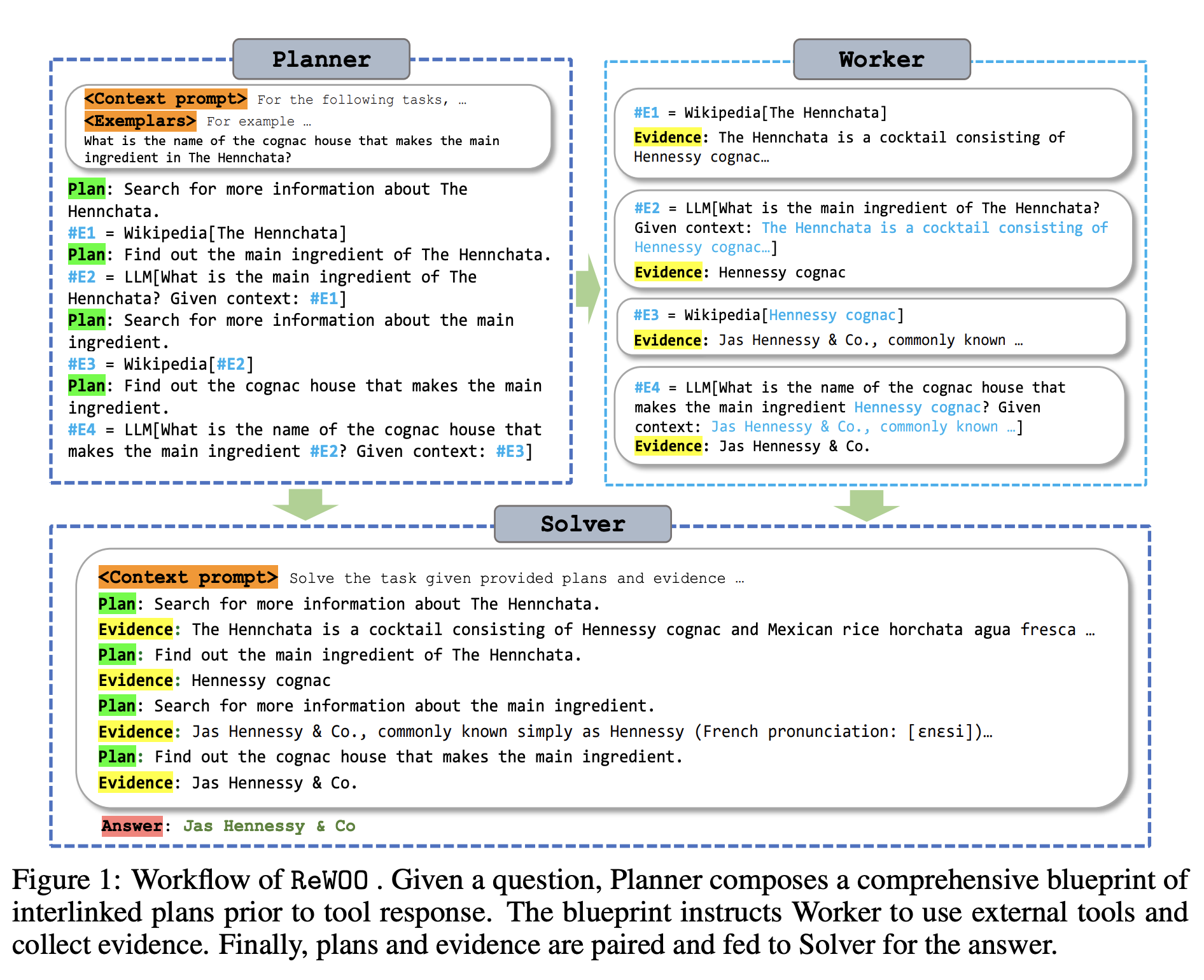
ReWOO, ReAct, and DERA

The paper discusses advanced techniques like Reasoning without Observation (ReWOO), Reason and Act (ReAct), and Dialog-Enabled Resolving Agents (DERA), which endow LLMs with autonomous decision-making capacities, further elevating their capabilities. Figure 8

Figure 8: Workflow of ReWOO, illustrating the meta-planning and execution phases in the reasoning process.

Conclusion

The paper presents a comprehensive overview of prompt engineering, encapsulating both foundational strategies and advanced methodologies that expand the utility of LLMs enormously. Through a mix of systematic prompt engineering and strategic use of external tools, LLMs can deliver outputs with enhanced accuracy, relevance, and adherence to user intents. The integration of these approaches positions LLMs not just as language interpreters but as dynamic agents of decision-making and problem-solving in complex applications. This paper serves as an essential reference for researchers and practitioners striving to maximize the utility and performance of LLMs.

Paper to Video (Beta)

No one has generated a video about this paper yet.

Whiteboard

No one has generated a whiteboard explanation for this paper yet.

Open Problems

We found no open problems mentioned in this paper.

Authors (1)

Collections

Sign up for free to add this paper to one or more collections.

Tweets

Sign up for free to view the 18 tweets with 439 likes about this paper.