- The paper proposes a neuromorphic framework that quantifies, simulates, adapts, and implements artificial consciousness using brain imaging and spiking neural networks.
- It integrates neuroscience, machine learning, and neuromorphic computing to emulate neural dynamics and bridge biological and artificial consciousness.
- The study highlights ethical implications and practical applications, laying a foundation for future advancements in machine consciousness.
Summary of "Neuromorphic Correlates of Artificial Consciousness" (2405.02370)
The paper "Neuromorphic Correlates of Artificial Consciousness" explores the potential of artificial consciousness by merging neuromorphic design and brain simulations, proposing the framework Neuromorphic Correlates of Artificial Consciousness (NCAC). It emphasizes the importance of studying artificial consciousness given our limited understanding of consciousness and the potential for machines to replicate conscious experiences. This paper integrates insights from neuroscience, artificial intelligence advancements, and state-of-the-art technologies like fMRI, EEG, and neuromorphic computing, positing machine learning as a central element in realizing artificial consciousness.
Introduction
Consciousness, with its rich philosophical and scientific roots, presents one of the most perplexing phenomena within both biological entities and potential artificial systems. Historically, consciousness has been a topic discussed by philosophers, psychologists, and neuroscientists. With the advancement in artificial intelligence, the research community has started to explore the notion of artificial consciousness. The paper aims to address whether machines could emulate consciousness, leveraging philosophical theories alongside neuroscientific evidence.
Figure 1 and Figure 2
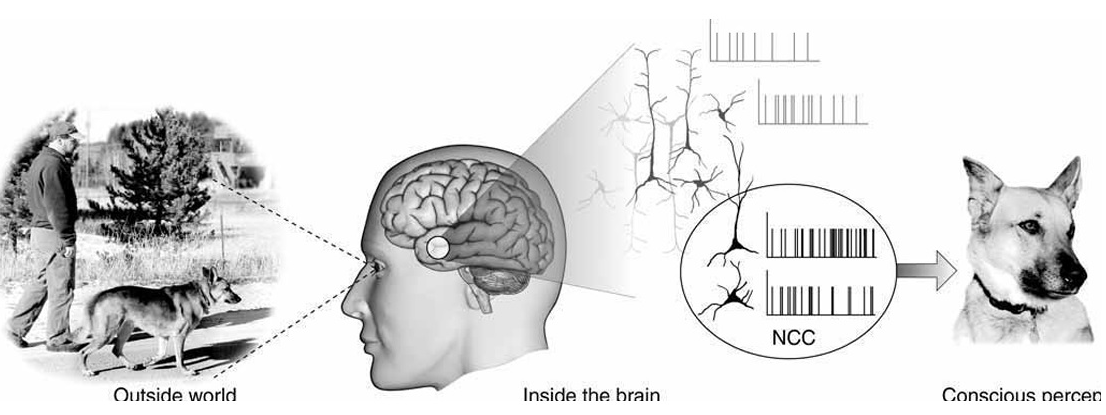
Figure 1: Schema of the neural processes underlying consciousness, illustrating the intricate interplay within the brain's complex network.
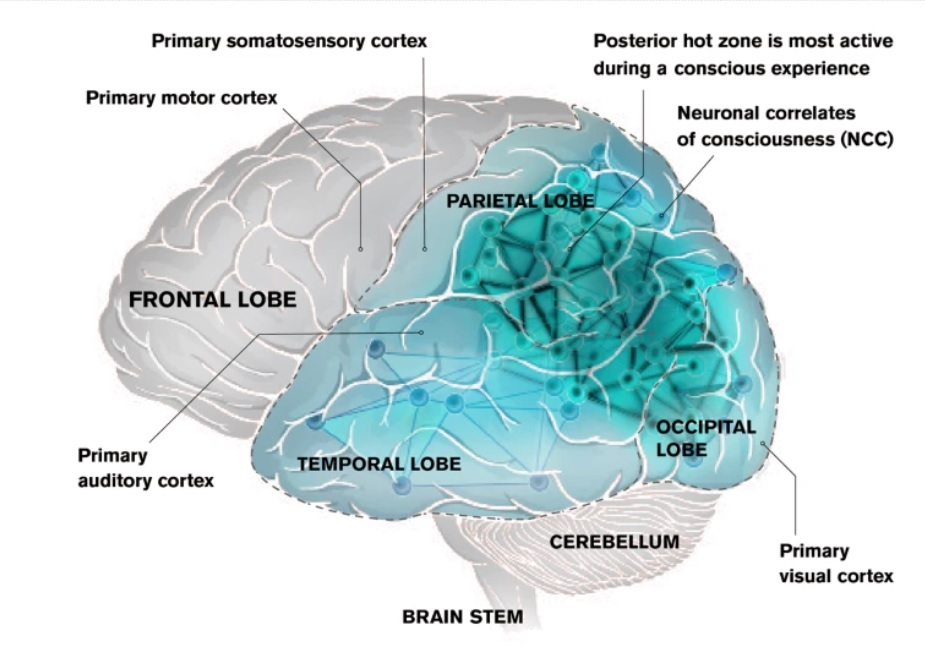
Figure 2: Conscious experience is associated with specific integrated states in the brain's posterior hot zone.
Background Work
Neural Correlates of Consciousness
Neural Correlates of Consciousness (NCC) refer to the specific neural mechanisms underlying conscious experience. Through advanced imaging and methodologies like fMRI, EEG, and TMS, neuroscience has mapped the brain areas involved in conscious states. Koch and others highlight the complexity and specific nature of neural activities that correspond to consciousness.
Figure 3
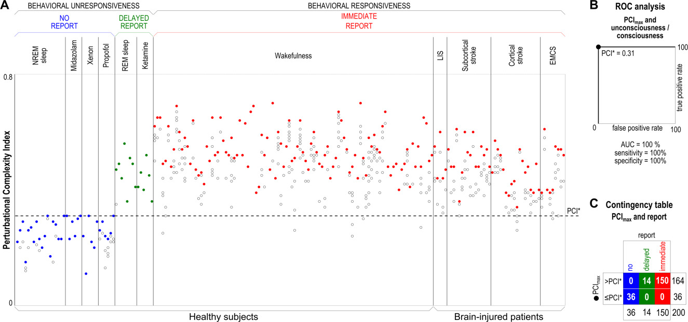
Figure 3: Associations between PCI values and various consciousness states.
Integrated Information Theory (IIT), proposed by Giulio Tononi, provides a mathematical framework for understanding consciousness, presenting Phi (Φ) as a measure of integrated information within a system. IIT posits consciousness as emergent from the integration of information within neural networks.
Figure 4
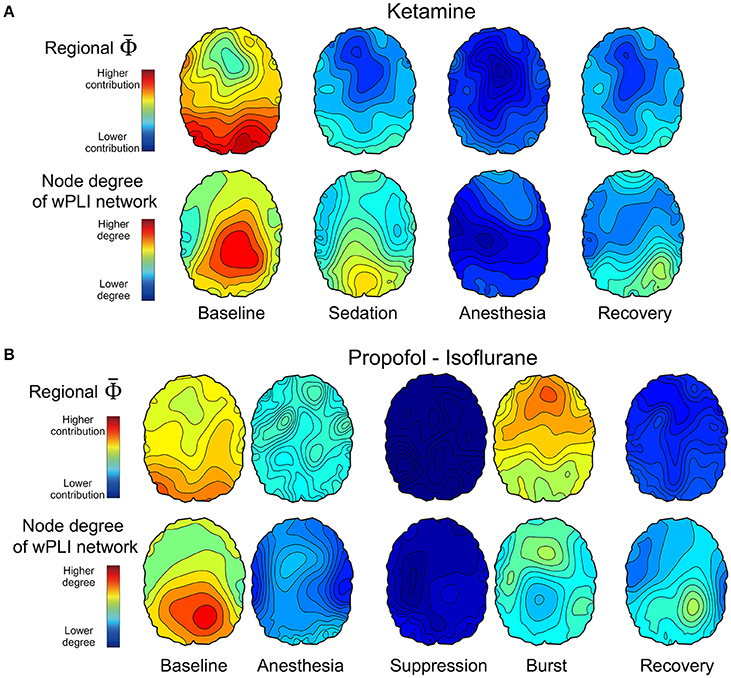
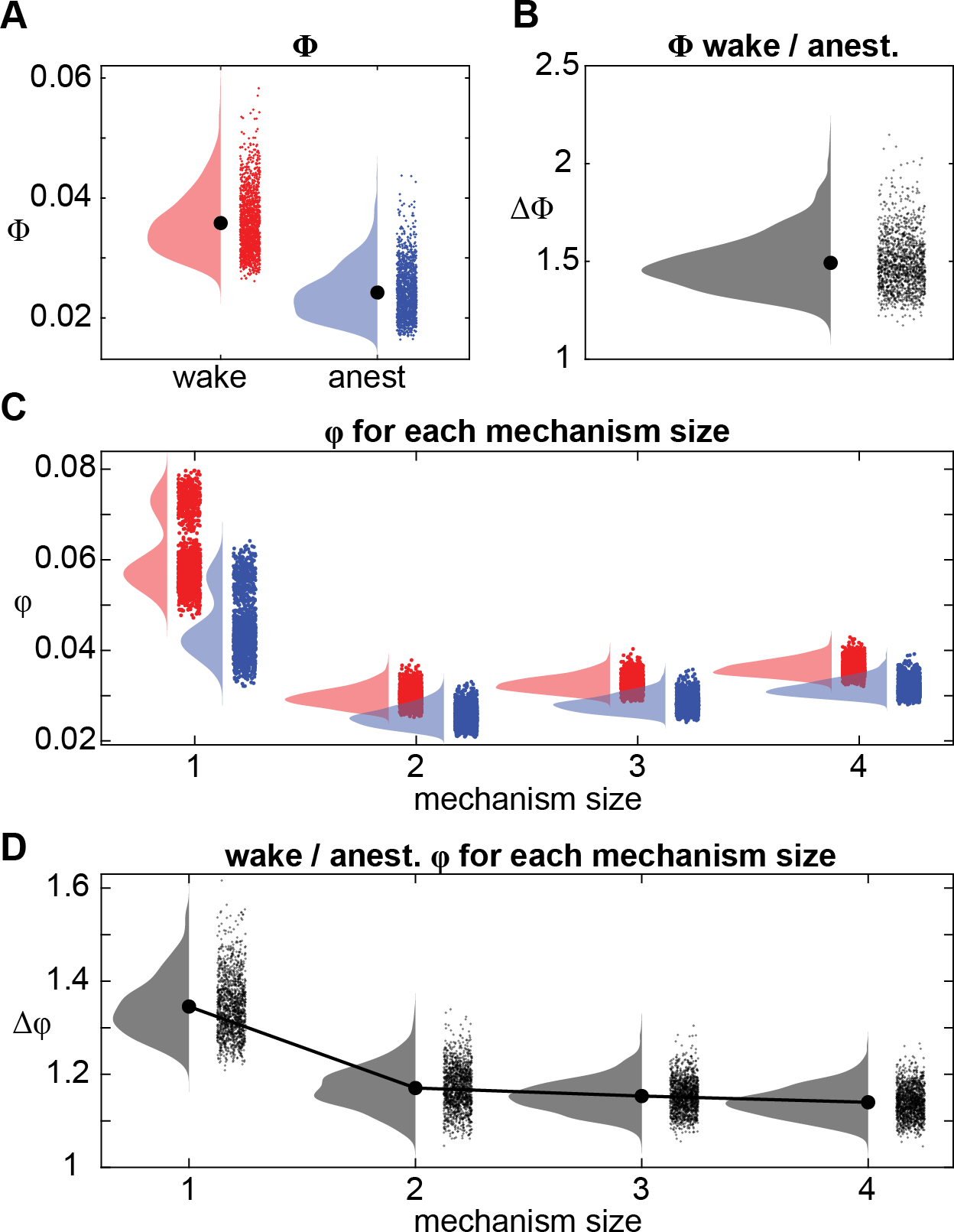
Figure 4: Illustrates ΦR and EEG connectivity across different states.
Spiking Neural Networks and Neuromorphic Computing
Neuromorphic computing, using Spiking Neural Networks (SNNs), emulate the biological processing of the brain. SNNs facilitate efficient and biologically inspired computation by leveraging asynchronous and sparse communications of spikes, similar to neurone firing.
Neuron Dynamics and Brain Simulations
Brain simulation projects like the Blue Brain and Human Brain Project seek to model the intricate dynamics of neuronal interactions and brain structures. While these projects provide invaluable insights, replicating the complexity of human consciousness remains a significant challenge.
Figure 5 and Figure 6
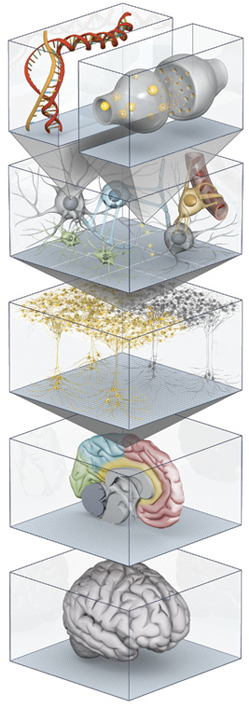
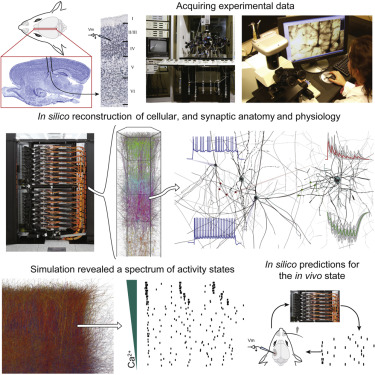
Figure 5: Diagram of Spaun modeling, illustrating brain structures and communication pathways.
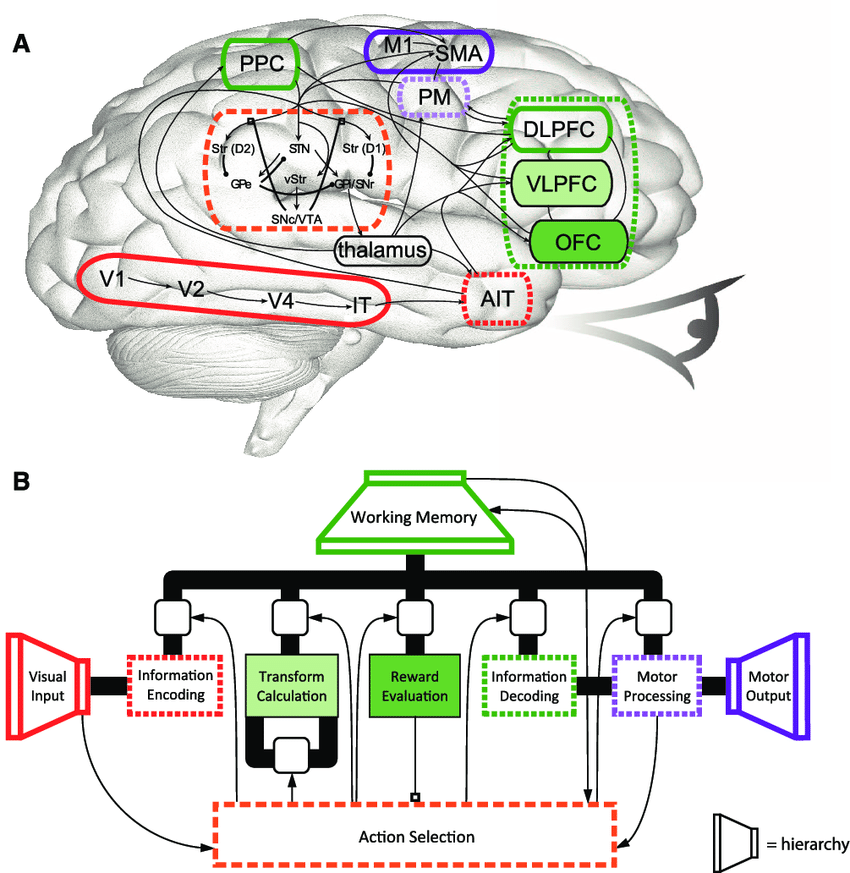
Figure 6: Abstract representation of the Human Brain Project.
Theoretical Framework for NCAC
The theoretical framework proposed in the paper details four phases for achieving artificial consciousness through neuromorphic designs:
- Quantification: Establish empirical links between NCC and consciousness stages, leveraging brain imaging technologies to quantify consciousness using Φ values.
- Simulation: Replicate neural dynamics with brain-inspired architectures, aiming to emulate neural circuits through Spiking Neural Networks.
- Adaptation: Use machine learning to refine simulations, capturing connections essential for simulating consciousness through optimisation techniques.
- Implementation: Deploy neuromorphic systems in hardware, ensuring ethical considerations and integrations for practical applications.
Figure 7
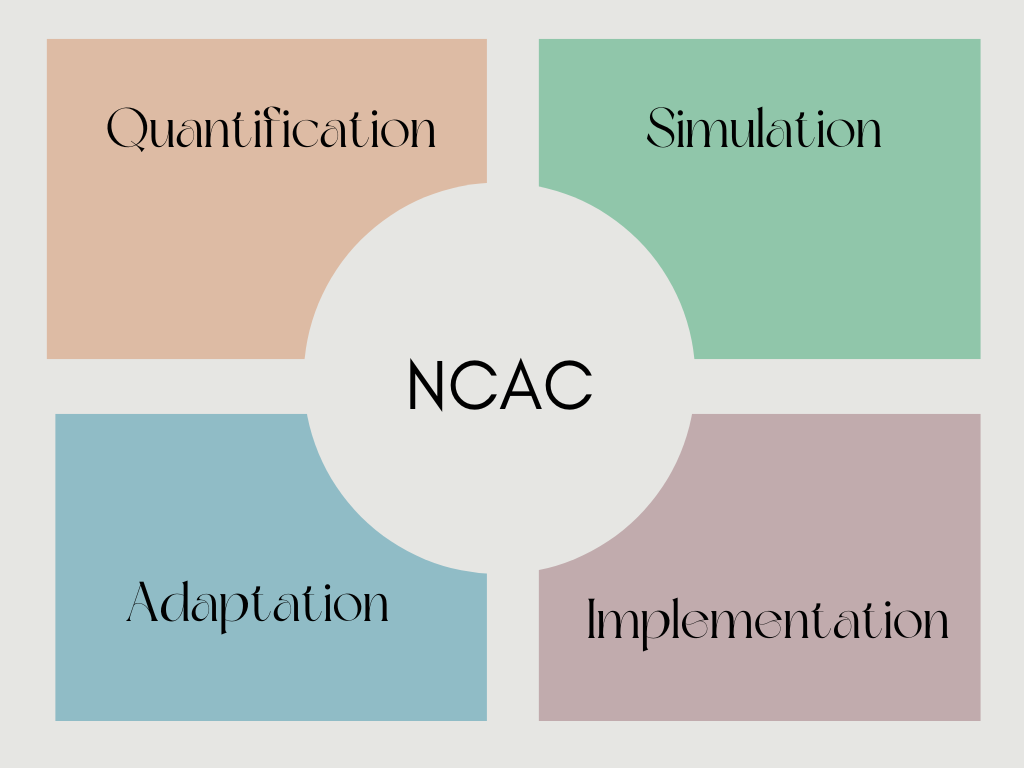
Figure 7: NCAC theoretical framework aligned with integrated information principles.
Discussion and Implications
The pursuit of artificial consciousness involves significant ethical and philosophical implications. It represents a multidimensional endeavour aiming to deepen understanding of subjective experience while advancing AI capabilities. The implications span multiple domains, including improved human-machine interactions and potential medical applications.
Conclusion
The paper posits that while the challenge of artificial consciousness is considerable, integrating advancements in neuroscience, AI, and neuromorphic computing provides pathways to explore consciousness in machines. Neuromorphic Correlates of Artificial Consciousness could serve as foundational tools for future exploration in machine consciousness, with machine learning playing a key role in bridging the gap between biological and artificial consciousness.