- The paper presents an extension to BPMN that enables precise modeling of human-agent workflows through enhanced agent profiling and reflection strategies.
- It introduces formalized constructs to capture agent roles, trust scores, and uncertainty metrics, addressing current BPMN limitations.
- The proof-of-concept implementation using the Sirius framework demonstrates practical applicability in complex multi-agent environments.
Modeling Human-Agentic Collaborative Workflows: A BPMN Extension
Introduction
The proliferation of LLMs and their integration into autonomous agents have catalyzed advancements in solving complex tasks through agent cooperation. However, the orchestration of such agents, especially in collaboration with human participants, remains a challenging pursuit. Current business process modeling languages, notably BPMN, do not adequately accommodate these mixed human-agentic scenarios. This paper addresses this gap by proposing an extension to BPMN, allowing for precise specification of human-agentic collaborative workflows. The paper presents formalized concepts, a graphical notation, and an implementation of this extension as an open-source tool available on GitHub.
Background and Motivation
BPMN serves as a cornerstone for modeling workflows but lacks constructs for the integration of intelligent agents, particularly those powered by LLMs. These agents can act autonomously, make decisions, and learn from feedback, often functioning within Multi-Agent Systems (MAS). Their interaction with human participants necessitates precise modeling of tasks, strategies, and decision-making processes.
Current limitations in BPMN include the inability to denote agent reliability, strategies for task completion, or decision-making frameworks. As such, this extension is motivated by the need to bring clarity and structure to collaborative workflows that involve both humans and agents in dynamic and complex environments.
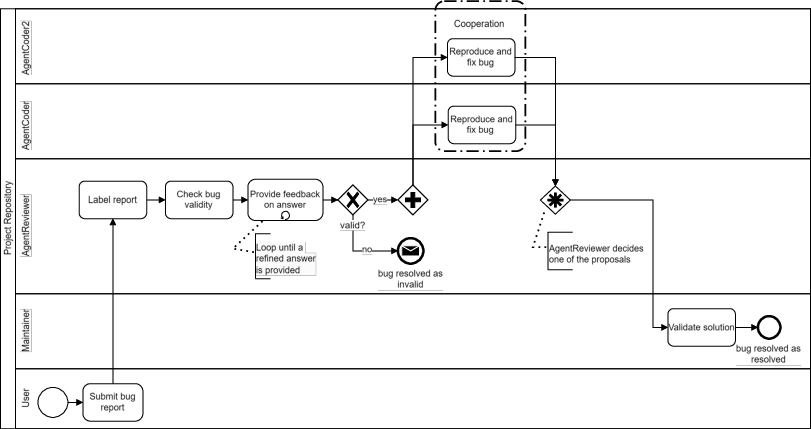
Figure 1: Running example with standard BPMN.
Extension of BPMN
Agent Profiling
The proposal extends the BPMN Lane element to include agent profiling capabilities, introducing attributes such as role (e.g., manager, worker) and a trust score to convey agent reliability. These enhancements enable finer granulation when representing agents within pools, facilitating more effective workflow orchestration and decision-making processes based on agent roles and trustworthiness.
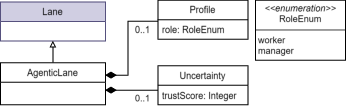
Figure 2: Domain model of the AgenticLane.
Reflection Strategies
Incorporating reflection strategies into BPMN is pivotal for modeling agentic workflows. Reflection mechanisms—self-reflection, cross-reflection, and human-reflection—are embedded into tasks, enabling agents to evaluate and adapt their outputs. The AgenticTask extension in the BPMN metamodel formalizes these strategies, supported by associated uncertainty scores to represent the reliability of the task output.
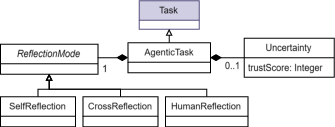
Figure 3: Domain model of the AgenticTask.
Collaboration and Merging
The extension further introduces constructs for agent collaboration, by expanding BPMN’s Gateway and MessageFlow elements. It defines cooperation and competition strategies, with corresponding merging strategies within Agentic Gateways and MessageFlow contexts. This facilitates modeling complex interaction patterns among agents and between agents and humans.
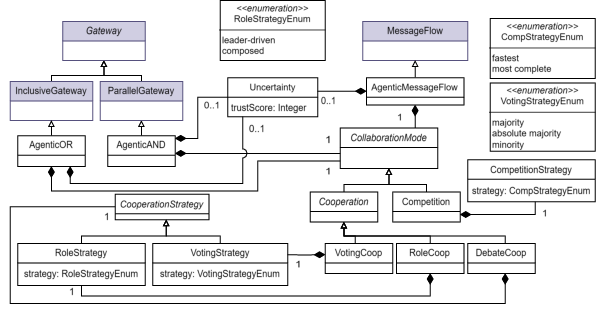
Figure 4: Domain model of the AgenticOR, AgenticAND and AgenticMessageFlow.
These transformations imbue BPMN with the capacity to represent sophisticated collaboration dynamics in agentic environments.
Implementation and Proof of Concept
An editor leveraging these extensions was implemented using the Sirius framework, producing a tool that allows developers to model workflows with the proposed BPMN enhancements. The tool supports the full complement of standard BPMN notation along with the new agentic elements, enabling intuitive modeling of human-agent interactions.
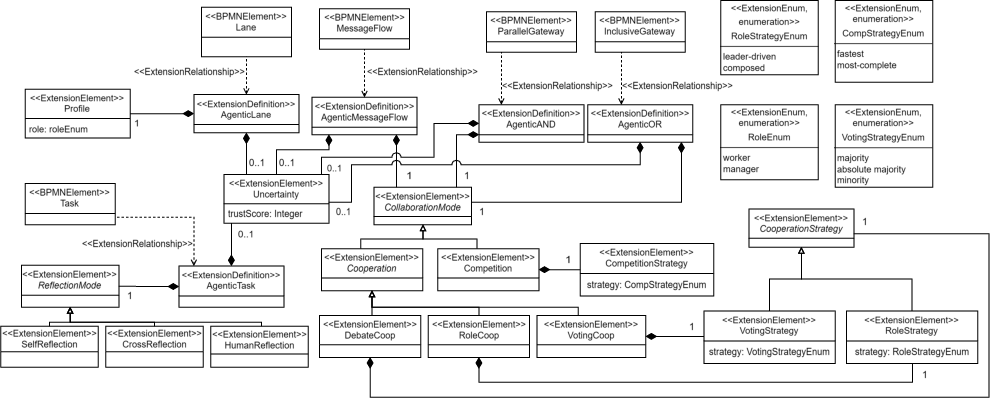
Figure 5: Extension model.
Conclusion
The proposed BPMN extension substantially enriches its modeling capabilities for human-agentic collaborative workflows. This extension offers a robust framework for articulating intricate interactions between humans and agents and their shared tasks, enhancing both theoretical understanding and practical implementation of MAS. Future work aims to develop finer governance specifications, uncertainty propagation mechanisms, and executable models to further support this domain.
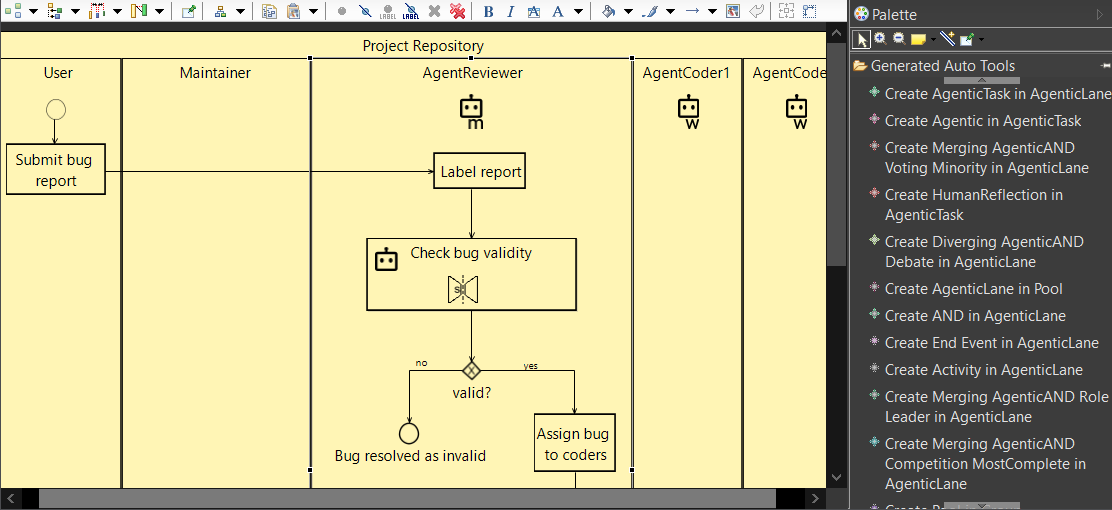
Figure 6: Platform-independent implementation.