- The paper introduces an AI-embedded digital textbook that leverages GPT-4o for dynamic, context-aware student interaction.
- It employs retrieval-augmented generation and a ReactJS-based design to facilitate immediate content summarization and tailored quiz assessments.
- User studies demonstrate enhanced engagement while highlighting the need for improved response speed and contextual accuracy.
Rethinking Course Material Interfacing in the Era of GPT
Introduction
The paper "The Textbook of Tomorrow: Rethinking Course Material Interfacing in the Era of GPT" (2501.03618) introduces a novel approach to enhancing student interaction with course materials using AI. By embedding a virtual teaching assistant (VTA) directly into digital textbooks, this approach seeks to bridge the existing gap between traditional course readings and interactive learning tools. This is inspired by Neal Stephenson's concept from "The Diamond Age," envisioning a robust, intelligent interface where the course material itself becomes a proactive participant in the learning process. Utilizing retrieval-augmented generation (RAG) methods, these textbooks promise to elevate student engagement through conversational AI capable of summarizing content, answering queries, and generating personalized assessments.
Implementation and Capabilities
The design is grounded in ReactJS, incorporating the VTA-GPT system, which uses the GPT-4o model as its backbone. This integration facilitates multi-modal interactions, embracing text alongside potential audio and visual expansions.
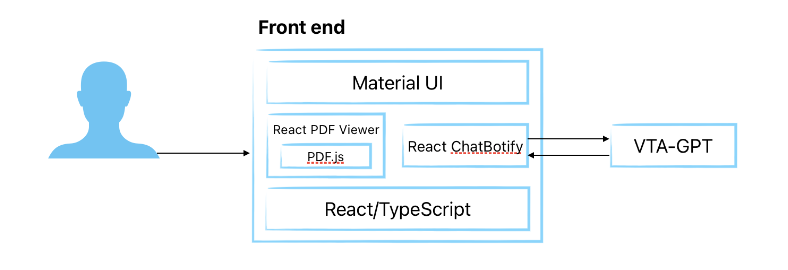
Figure 1: Architecture diagram of PDF-embedded Jill Watson. The React Chatbotify library directly connects to VTA-GPT, the GPT-based virtual teaching assistant.
On the client side, the system is constructed using the React PDF Viewer and React Chatbotify libraries, ensuring efficient setup and customization options. These foundations enable users to converse directly with their readings, enhancing the speed and depth at which students can process and comprehend complex educational material. The system allows students to highlight text, receive immediate explanations, and engage with quiz questions designed to stimulate deeper cognitive processing.
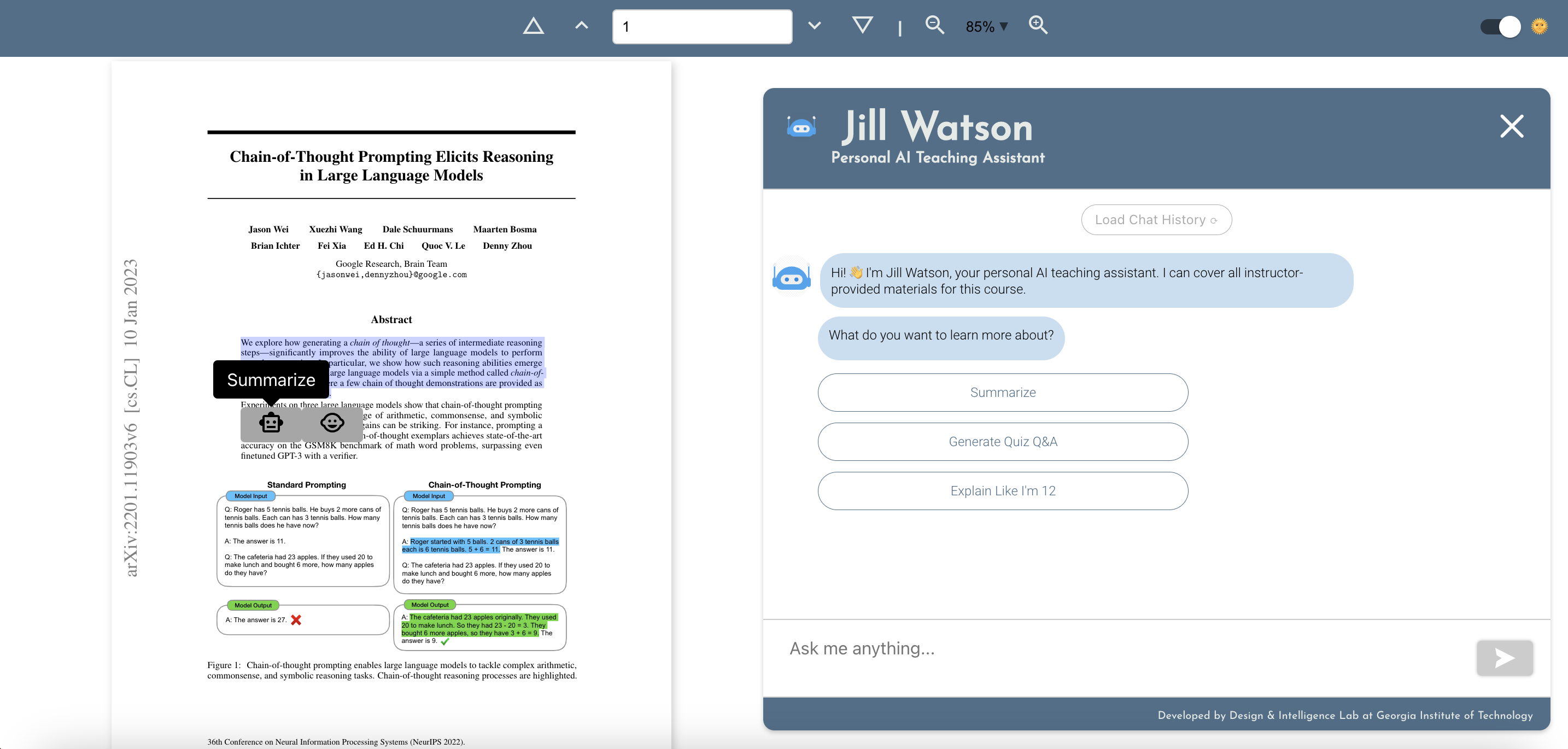
Figure 2: Sample text with embedded Jill Watson.
User Studies
Initial usability studies utilizing A/B testing reveal insights into application efficiency and user interaction patterns. Feedback indicates a need for reducing response latency and ensuring that answers are contextually grounded within the text, enhancing trust and comprehension. Variability in usage patterns points to different student preferences and engagement strategies, highlighting the necessity for more personalized approaches to learning.
To address these findings, future development aims to incorporate real-time response streaming and explicit in-text referencing for AI-generated outputs. These adjustments are essential to maintaining contextual integrity and ensuring efficient learning pathways tailored to individual needs.
Discussion
User feedback outlines crucial directions for refining the interface. Immediate technological priorities include optimizing response times and contextualizing AI interactions within the educational texts themselves. Incorporating user demographic data to personalize learning experiences draws from existing data integration frameworks, such as SAMI, and pedagogical principles, like Mayer's personalization principle. This adaptation aligns with the ultimate vision of a genuinely interactive educational tool, fostering increased cognitive presence and prolonged discourse.
For fostering deeper engagement, enhancements such as implementing the Leitner system for quiz interactions promise more robust, individualized learning reinforcement. This approach targets frequent reiteration of challenging concepts, adapting instructional strategies to the learner's proficiency over time.
Course Integration
The intelligent textbook must seamlessly interface with Learning Management Systems (LMS) like Blackboard and Canvas to fully realize its potential in transforming educational environments. This includes evolving from single PDF displays to multi-document integration, enabling comprehensive classroom adoption and facilitating research on its impact on learning outcomes and the Community of Inquiry framework.
Conclusion
This paper represents a significant advancement toward a futuristic, AI-embedded educational tool reminiscent of Stephenson's vision, utilizing the ReactJS library integrated with GPT-4o. The ongoing user studies inform optimization strategies in real-time answer generation, reference highlighting, and personalization to enhance cognitive presence and sustained learner discourse. Future deployments aim to evaluate the tool's scalability and efficacy in diverse, dynamic educational settings through LMS integration, ultimately transforming how students interact with course materials.