- The paper demonstrates the integration of Rydberg spectroscopy in millimeter-scale micromachined vapor cells for high-sensitivity quantum sensing.
- The paper highlights the use of electromagnetically induced transparency and Autler-Townes splitting to achieve RF field detection as low as 10 μV/cm.
- The paper identifies spatial variations and electrostatic effects within the cell that impact spectral linewidths and frequency offsets.
Subwavelength Micromachined Vapor-Cell Based Rydberg Sensing
Introduction
The integration of Rydberg atomic quantum sensing within micromachined vapor cells has emerged as a promising frontier in chip-scale quantum technology. Rydberg atoms, characterized by extremely high energy levels for their electrons, have significant applications in areas spanning RF field detection to quantum communications due to their heightened sensitivity to electric fields. Despite existing techniques predominantly employing glass-blown, centimeter-scale vapor cells, this paper demonstrates the efficacy of employing micromachined vapor cells with millimeter-scale dimensions for Rydberg spectroscopy, marking a new phase of miniaturization and integration in quantum sensing technologies.
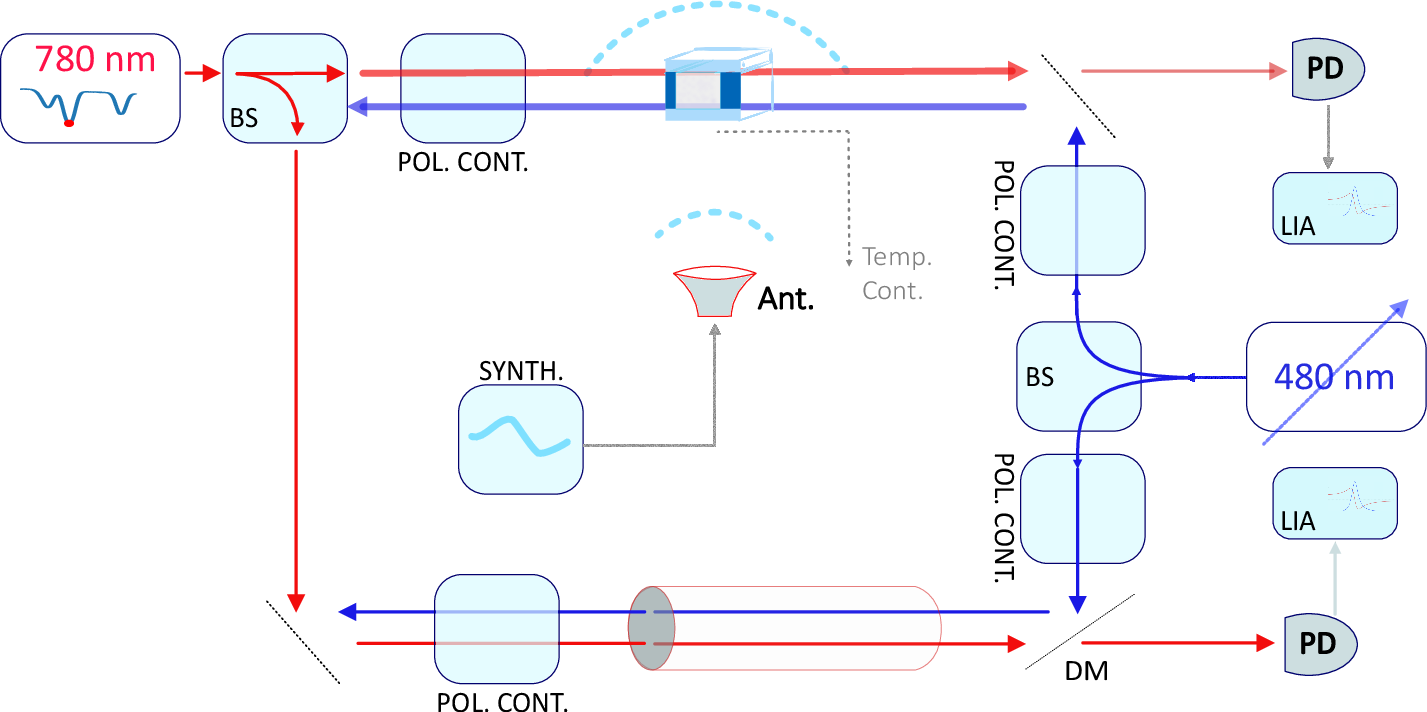
Figure 1: Schematic illustration of experimental system setup for chip-scale Rydberg quantum sensing.
Experimental Methodology
The core of the experimental setup includes a Pyrex-Si-Pyrex cell designed with millimeter-scale dimensions. This construction facilitates Rydberg spectroscopy using two laser beams: one at 780 nm for probing and another at 480 nm for pumping. These beams are counter-propagating and tailored to the cavity volume of the vapor cell. The system is designed to leverage the phenomenon of electromagnetically induced transparency (EIT), allowing for the observation of Autler-Townes (AT) splitting when an external RF field interacts with the Rydberg states.
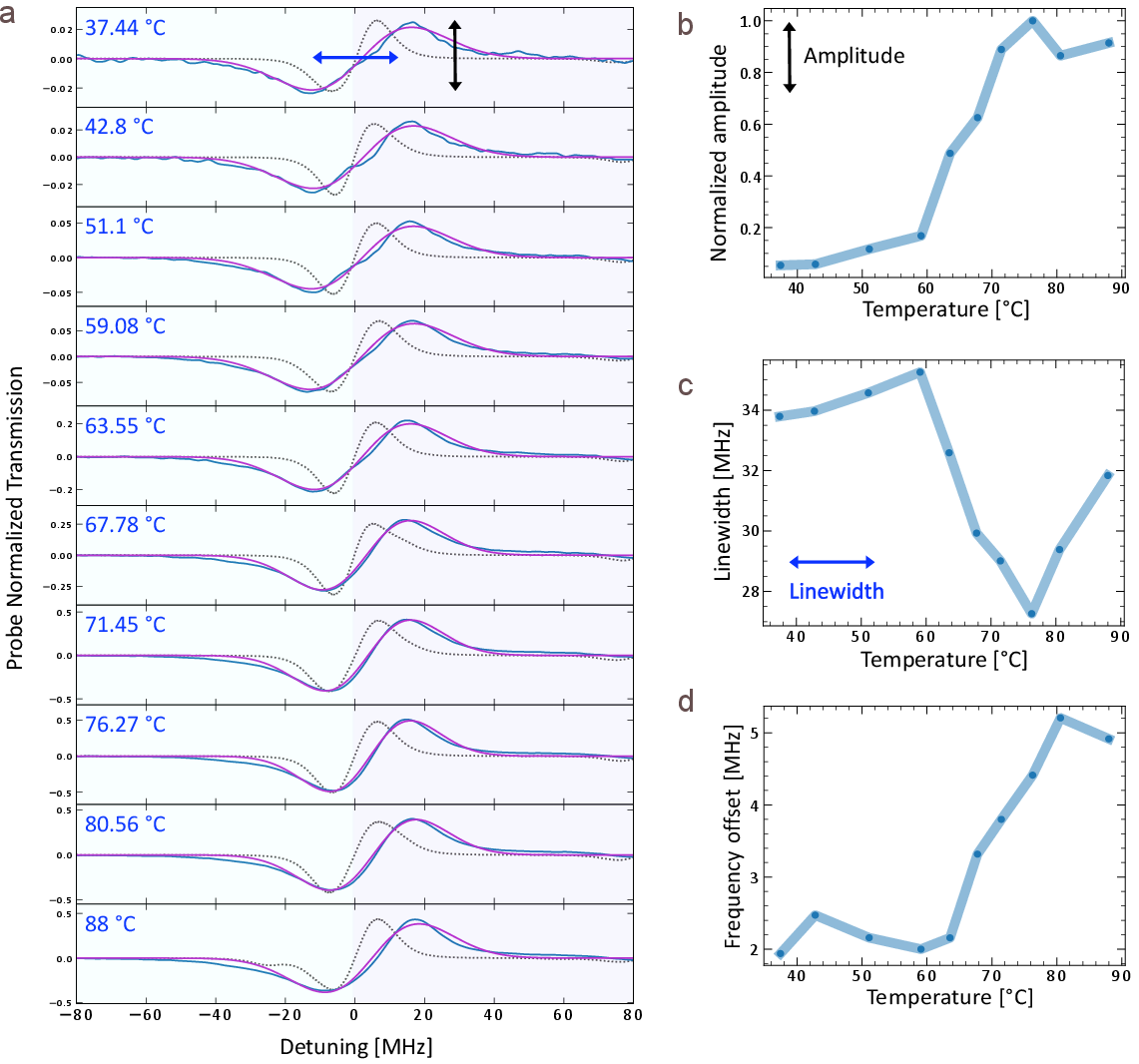
Figure 2: Cell temperature dependence of Rydberg spectra illustrating the amplitude, linewidth, and offset changes as a function of temperature.
Results and Analysis
A key focus of the paper is the characterization of Rydberg spectroscopic lines concerning various parameters such as temperature, light intensity, and RF field conditions. Experimentation identifies a significant role played by internal electrostatic fields affecting spectroscopic features, evidenced by variations in linewidth and spectral offsets at differing operational conditions.
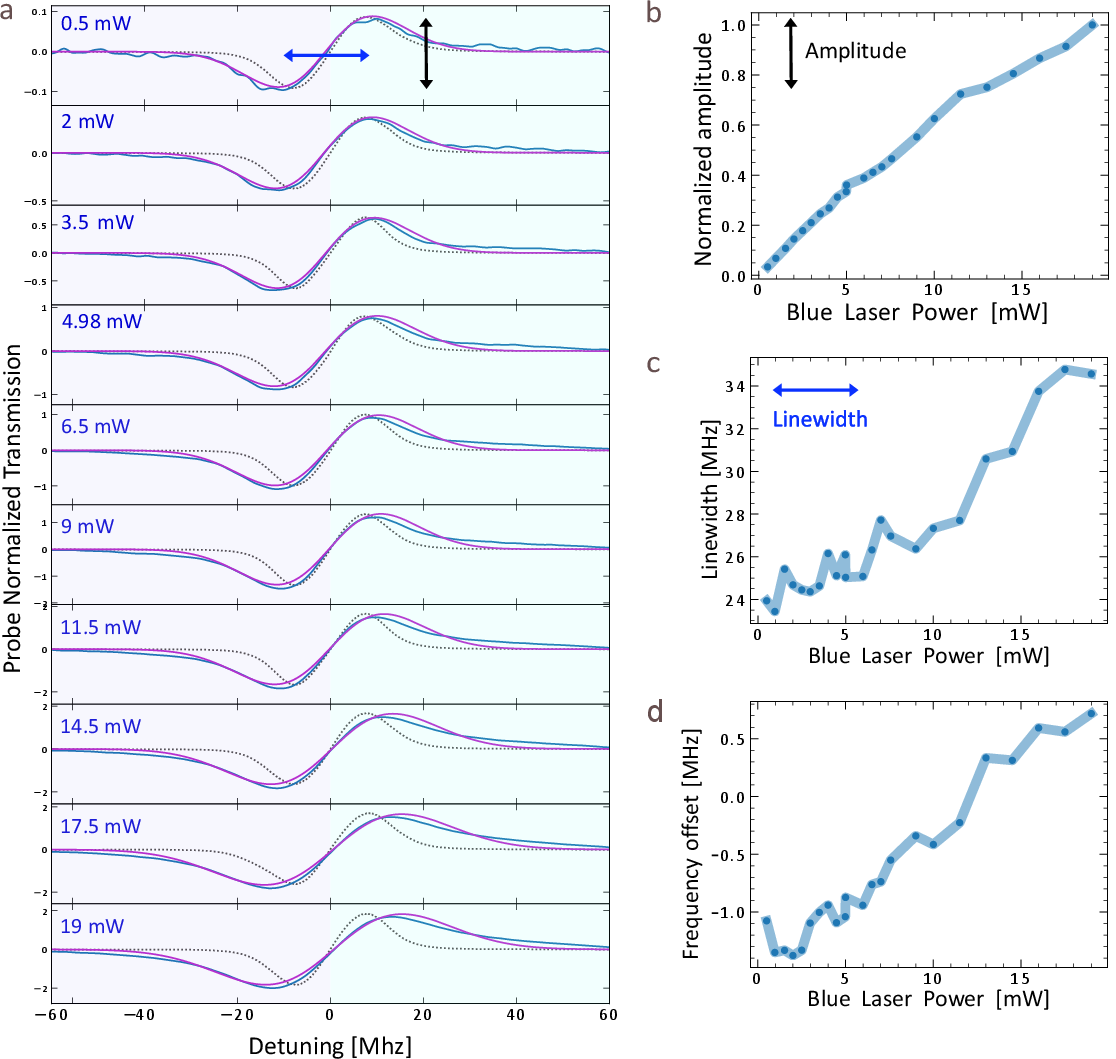
Figure 3: Impact of pump laser power on the linewidth, amplitude, and frequency offset in Rydberg spectra.
The results underscore the sensitivity of the micromachined cells to electric fields, with RF detection sensitivities recorded as low as 10 μV/cm. This showcases the potential to surpass traditional antenna technologies regarding sensitivity and resolution, even enabling applications in subwavelength field imaging and communications.
Spatial and Electrostatic Considerations
Crucially, the study reveals that spectroscopic responses vary based on the spatial positioning within the vapor cell, influenced by the silicon-pyrex construction's electrostatic environment. As different spatial regions exhibit variable charge accumulation, disparities in electric field profiles lead to unique spectral features.
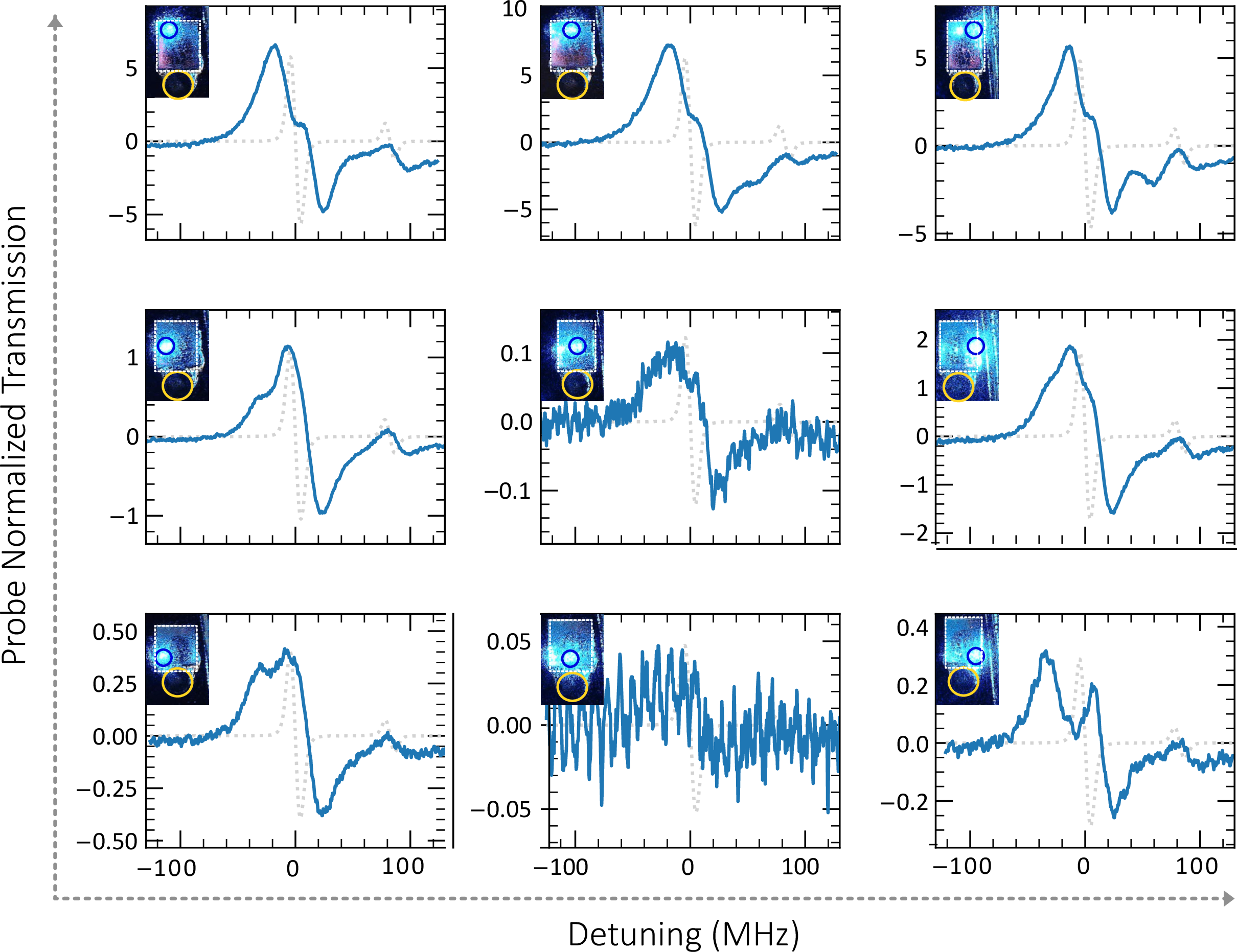
Figure 4: Mapping of spatial variation within the cell and its impact on spectral line characteristics.
Implications for Rydberg Sensing
This novel integration of Rydberg atoms in micromachined cells potentially extends to various applications such as atomic clocks and magnetometers, offering improvements in size, integration, and electromagnetic compatibility with photonic components. The findings have pronounced implications for enhancing precision in electromagnetic measurements and advancing the scope of non-invasive sensing technologies.
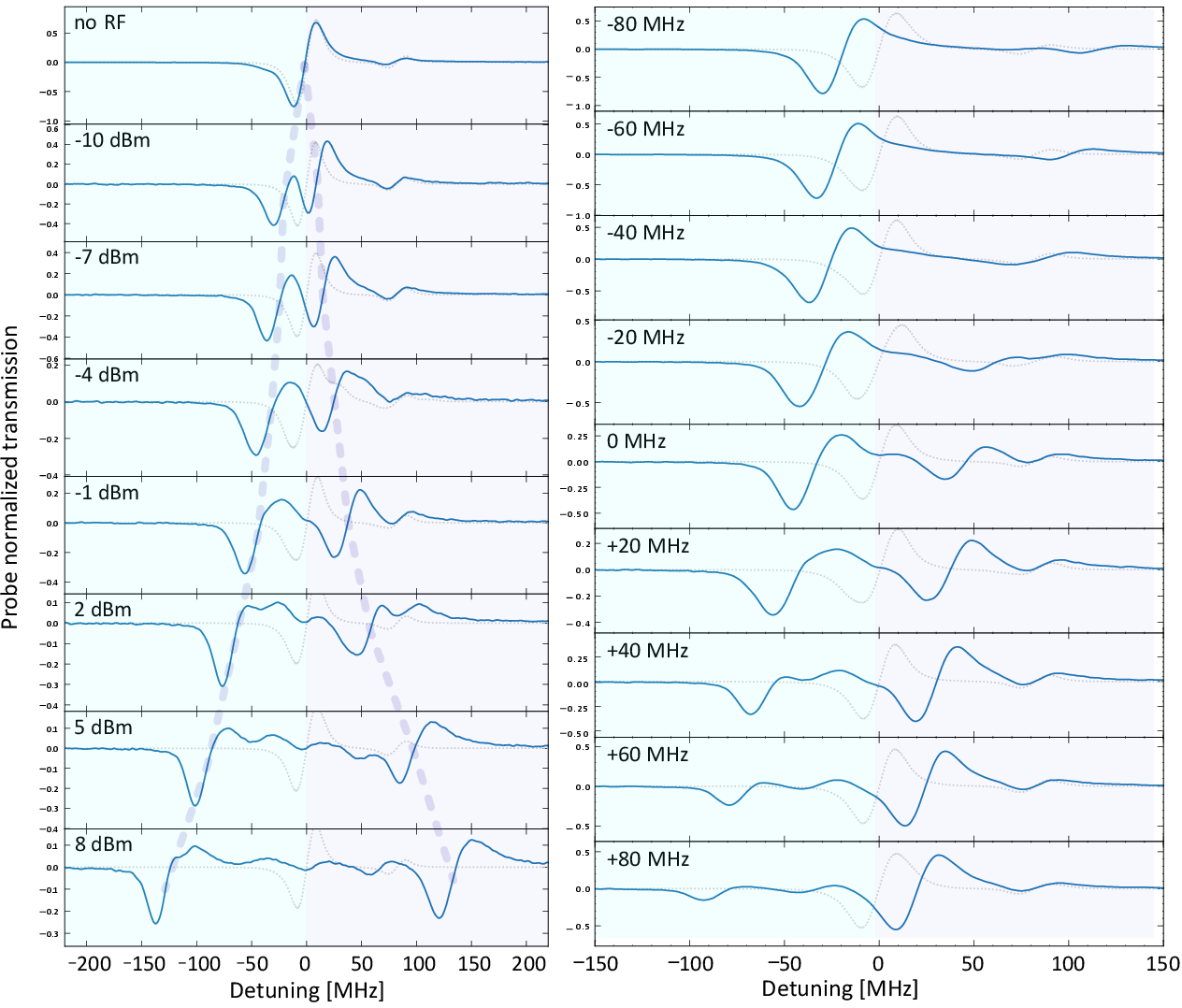
Figure 5: RF-induced Autler-Townes splitting revealing the impact of frequency offsets under fixed power conditions.
Conclusion
The research delineates a definitive path towards micromachining vapor cells for high-sensitivity, integrated quantum sensing solutions. By reducing form factor and leveraging semiconductor manufacturing processes, the study propounds new opportunities for deploying quantum sensors in complex electromagnetic environments. Future work should focus on optimizing materials and configurations to further enhance performance and mitigate electrostatic influence, marking significant steps toward practical chip-scale quantum technologies.