- The paper introduces ReelsEd, an AI platform that converts long lectures into short-form educational reels while preserving essential content.
- It employs a rigorous between-subjects experiment that demonstrates higher quiz scores and faster task completion for AI-generated reels.
- The results indicate that LLM-generated reels enhance learner engagement, trust, and overall educational effectiveness.
The paper "The Reel Deal: Designing and Evaluating LLM-Generated Short-Form Educational Videos" (2509.05962) explores the application of LLMs in transforming traditional educational content into short-form videos. This research focuses on enhancing educational delivery by leveraging new generative AI techniques, particularly through the ReelsEd system. It contrasts the efficiency and effectiveness of AI-generated short videos against traditional long-form content, and assesses their impact on learning outcomes, user experience, and trust in AI-generated content.
Introduction and Motivation
The authors identify a significant trend in modern educational frameworks where traditional long-form videos are increasingly complemented by short-form media formats, such as TikTok or Instagram Reels. These formats align with microlearning strategies that emphasize concise and focused learning experiences. The advent of LLMs has facilitated the rapid generation of such educational content, but the implications on learning outcomes and user trust remain unclear. The paper aims to address this gap through the development and evaluation of ReelsEd, an AI-driven platform designed to automatically generate educational reels from long-form lecture videos.

Figure 1: Overview of research methodology. Key components of the study include content interaction and data analysis of comprehension and user experience metrics.
Research Objectives
The study's primary aim is to evaluate the performance of ReelsEd against traditional video formats in terms of learning engagement, task efficiency, and cognitive load. The authors investigate whether LLM-generated content enhances educational delivery without compromising pedagogical clarity or learner trust. The specific research contributions include:
- Development of the ReelsEd System: A web-based platform using GPT-4 to transform lecture videos into structured short-form reels while preserving essential educational content.
- Empirical Evaluation: A rigorous user study involving 62 university students, comparing the effectiveness of short-form AI-generated reels with long-form videos in educational contexts.
Methodology
The paper details the methodological framework, focusing on a between-subjects experiment where participants were divided into control (traditional long-form videos) and experimental (LLM-generated short-form reels) groups.
ReelsEd System Architecture
ReelsEd was built using various technologies and methodologies to ensure seamless video transformation, including Django for server backend, PostgreSQL for data management, and OpenAI's GPT-4 API for automated content summarization. The system effectively processes video transcripts to identify key moments, generate educational content summaries, and assemble these into engaging short-form reels.
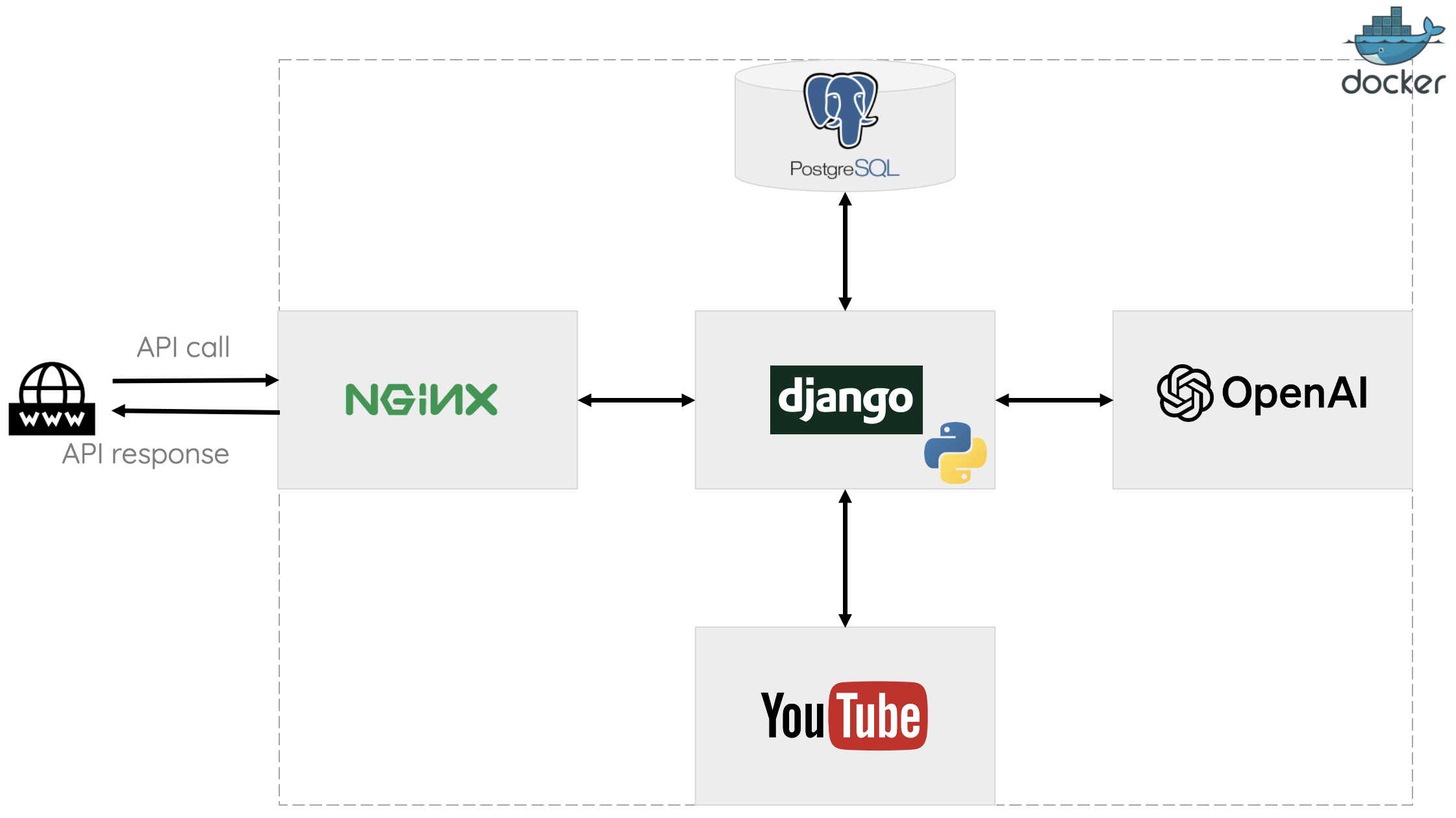

Figure 2: Architecture of the ReelsEd system, illustrating the integration of cutting-edge AI techniques for content generation.
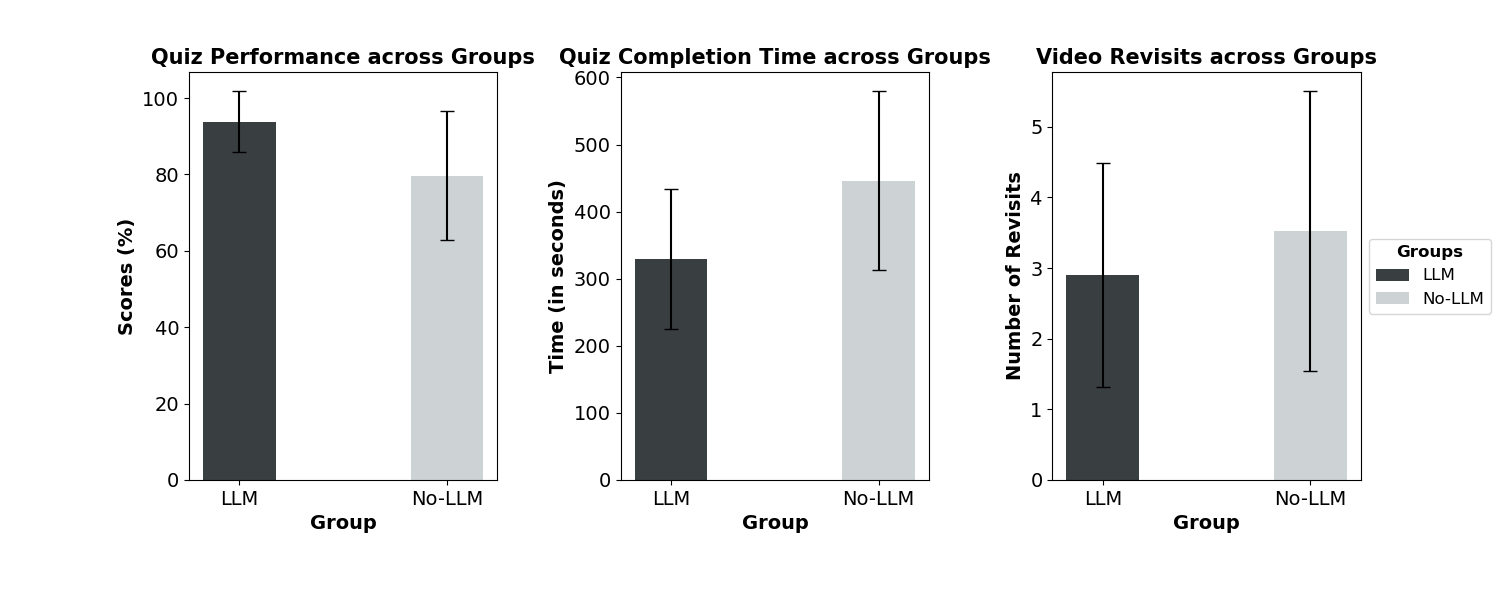
Figure 3: The ReelsEd interface showcasing summary creation and video segmentation for optimal learning delivery.
Results
The paper reports notable improvements in learning effectiveness metrics when using LLM-generated educational reels. The ReelsEd group exhibited higher quiz scores, faster completion times, and comparable cognitive load relative to traditional formats.
Discussion
The research underscores the potential benefits of integrating AI-generated content into educational settings. The LLM-generated reels facilitated improved engagement and satisfaction without increasing cognitive load. They offer a promising avenue for microlearning strategies, enabling a broader reach and adaptability in various educational contexts.
Implications
This study encourages further exploration of AI capabilities in educational systems, particularly focusing on sustaining learner autonomy and trust while employing automated content generation. As institutions seek to modernize their pedagogical approaches, the integration of AI-driven microlearning tools like ReelsEd could significantly enhance the depth and reach of educational offerings.
Conclusion
The paper concludes that embracing LLMs for short-form educational content can lead to meaningful improvements in learner engagement and performance. The ReelsEd platform exemplifies how AI can be harnessed to provide structured, efficient, and appealing educational experiences. Future work should address the long-term applicability and potential ethical concerns of AI-generated educational material, alongside continued refinement of system features to maximize learner benefit.