- The paper presents a multi-agent framework that automates hypothesis generation through structured knowledge curation and transparent ideation processes.
- It employs diversified idea generation and multi-stage selection, ensuring that resulting research proposals are novel, evidence-aligned, and rigorously evaluated.
- The system’s demonstration on the k-truss breaking problem highlights its effectiveness in literature retrieval, creative ideation, and expert review synthesis.
TrustResearcher: Automating Knowledge-Grounded and Transparent Research Ideation with Multi-Agent Collaboration
Introduction
TrustResearcher, a multi-agent framework, aims to facilitate the generation of diverse and evidence-based research ideas by automating ideation processes. As fields proliferate and literature grows exponentially, researchers face the challenge of synthesizing vast amounts of information and overcoming cognitive biases that limit hypothesis exploration. TrustResearcher addresses these challenges by integrating structured knowledge curation, diversified idea generation, multi-stage idea selection, and expert review synthesis into a domain-agnostic, transparent pipeline.
Traditional approaches using LLMs for research ideation have advanced the domain by demonstrating the capability to expand candidate spaces and align outputs with existing literature through prompting strategies and structured pipelines (Li et al., 2024). However, they are often black-box systems lacking transparency and control over the generated content. TrustResearcher integrates intermediate reasoning states, execution logs, tunable agents, and evidence-aligned hypothesis generation to overcome these limitations.
System Design
The architecture of TrustResearcher encompasses four pivotal modules, seamlessly woven into an end-to-end pipeline. Each module is designed to emulate critical stages of human research ideation, ensuring exhaustive traceability from literature retrieval to hypothesis generation and selection.
Structured Knowledge Curation
Structured Knowledge Curation initiates the process by constructing a knowledge graph based on retrieved literature. Through multi-granularity retrieval and incremental KG construction, the module aims to balance topical coherence with comprehensive coverage. The system employs LLM-guided topic decomposition to retrieve and organize evidence, enabling rigorous grounding for subsequent ideation phases.
Diversified Idea Generation
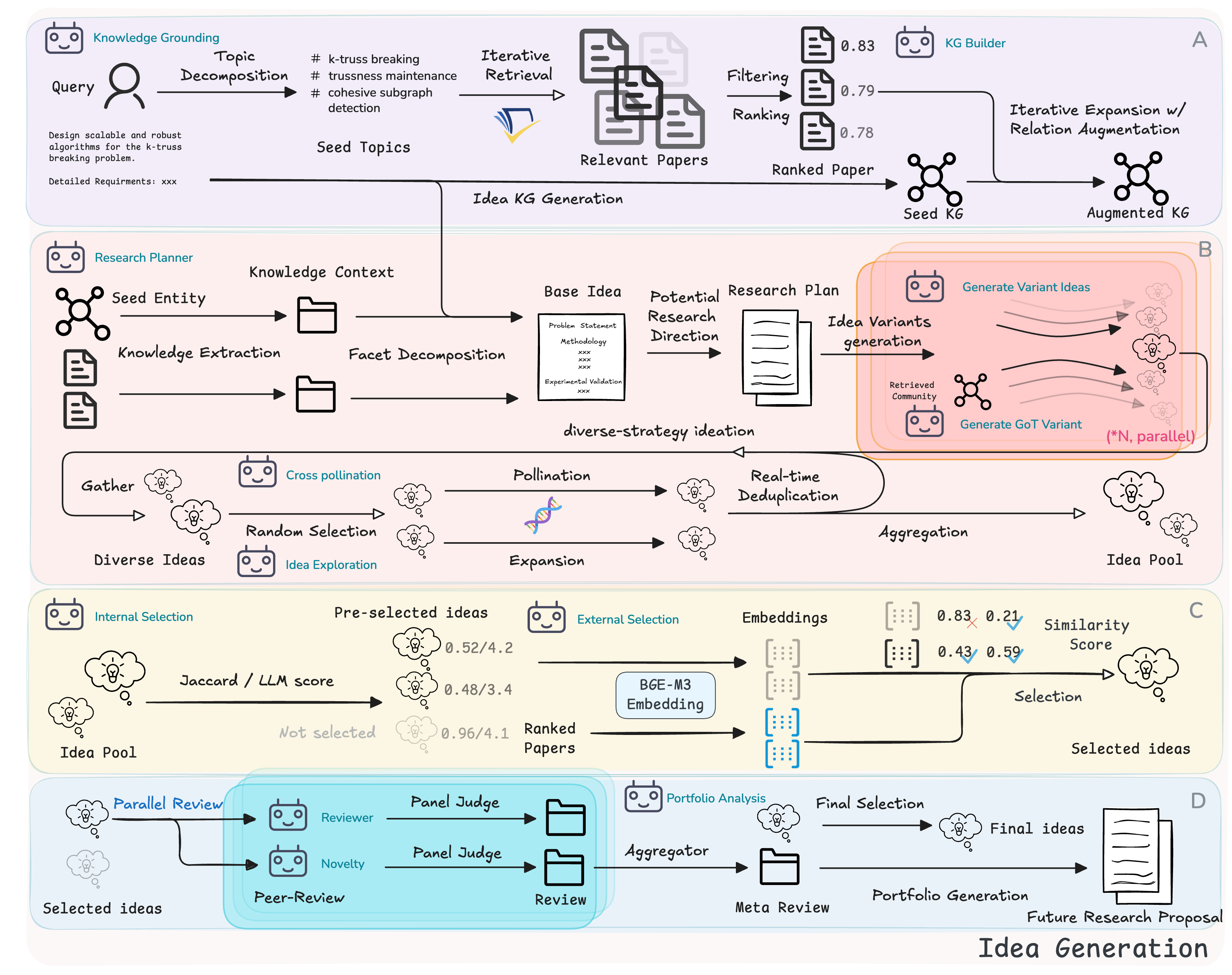
Figure 1: System architecture of TrustResearcher, illustrated with the k-truss breaking problem.
In this module, research ideas are generated through literature-informed planning and graph-of-thought exploration. Diversified strategies like base, GoT variants, and cross-pollination ensure that candidate hypotheses are both diverse and methodologically sound. Idea generation is enhanced by iterative refinement and self-critique, ensuring the production of transparent and structured proposals.
Multi-stage Idea Selection
TrustResearcher employs both internal and external validation mechanisms to filter generated ideas. Internal selection combines evaluation scores across criteria like novelty and impact, while external selection measures semantic similarity against the literature, pruning redundant or weakly-supported ideas. The system's robust evaluation ensures the retention of high-quality, evidence-aligned hypotheses.
Expert Panel Review and Synthesis
The multi-agent evaluator mimics the peer review process, assessing ideas for feasibility, originality, and technical soundness. Reviewer agents provide structured feedback, integrating expert critiques into a coherent proposal. This synthesis not only scores research ideas but also suggests revisions, facilitating transformative advancements in scientific inquiry.
Demonstration and Case Study
TrustResearcher showcases its capabilities through a live demonstration on the k-truss breaking problem, a computationally demanding graph-mining task. The demonstration highlights TrustResearcher's prowess in retrieving relevant literature, generating innovative research directions, and performing detailed evaluations.
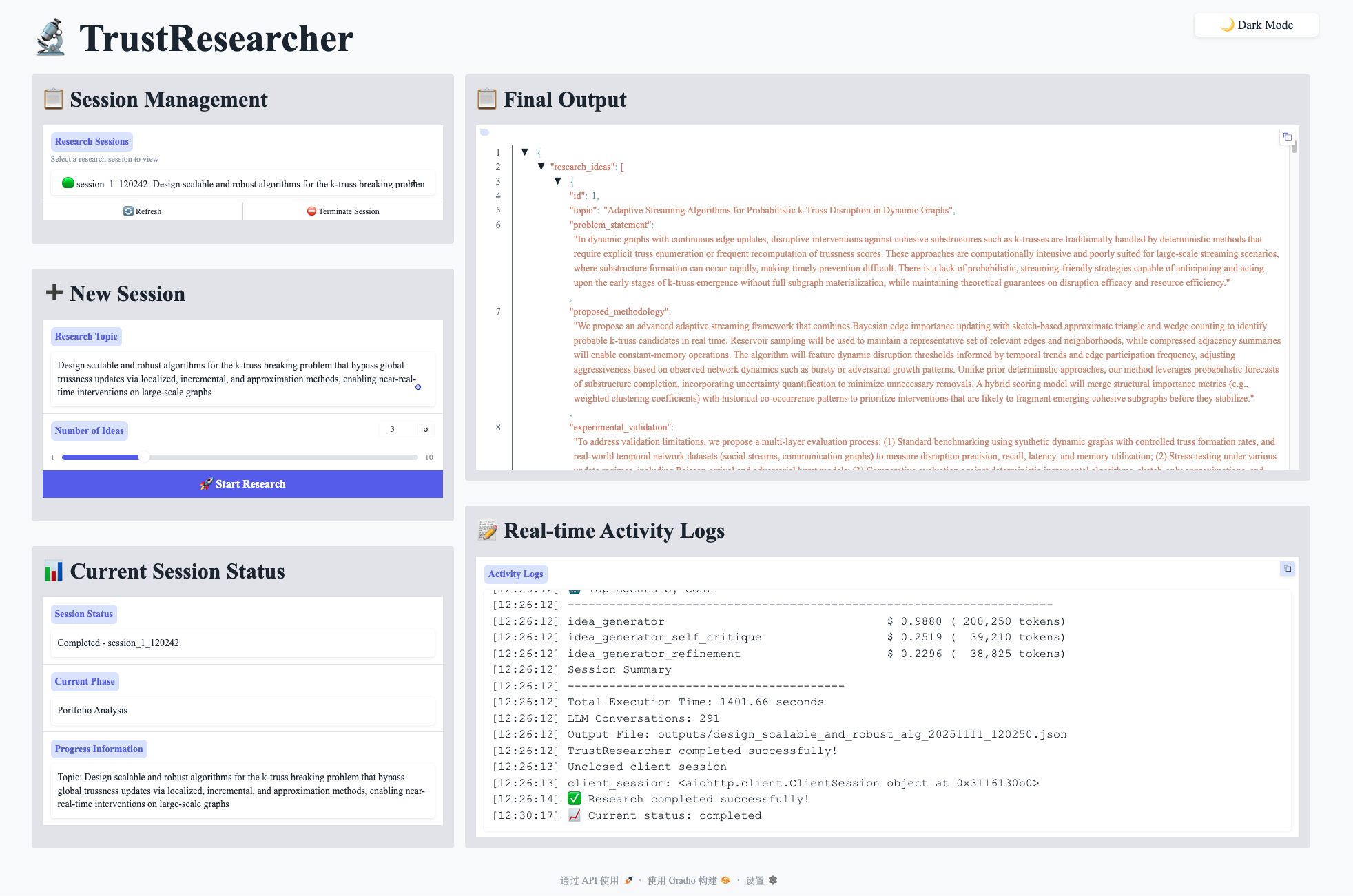
Figure 2: System interface during a live demonstration on the k-truss breaking problem.
The case study successfully illustrates TrustResearcher's ability to generate diverse and robust hypotheses, utilizing localized algorithms, epidemic containment strategies, and learning-based predictions. Each proposal is meticulously expanded, critiqued, and evaluated, ensuring its scientific validity.
Conclusion
TrustResearcher represents a significant advancement in automating research ideation through a transparent and evidence-grounded framework. By systematically integrating structured knowledge, diversified generation strategies, rigorous selection criteria, and expert review processes, TrustResearcher facilitates the creation of innovative and plausible hypotheses across scientific domains. As the system evolves, its modular design promises scalability and adaptability to emerging research challenges, paving the way for trustworthy AI-driven scientific discovery.