- The paper demonstrates that explicit contracts and performance incentives shift employer focus to ability over prosocial behavior, with a marginal ratio of about 3:1 in conflict settings.
- The methodology uses real-subject experiments combining a Dictator Game for prosociality and a timed addition task for assessing ability across varied job scenarios.
- The findings reveal significant ranking disagreements and homophily biases, underscoring implications for contract design, organizational fit, and diversity in hiring practices.
Hiring Intrinsically Motivated Agents: A Principal's Dilemma
Introduction and Motivation
This paper presents an experimental framework to analyze how Principals (Managers) trade off measures of productive ability and prosocial behavior when ranking Agents (Workers) for independent jobs. The central question is how much weight evaluators place on intrinsic motivation to avoid shirking (prosociality) versus observable talent (ability), especially under varying contractual environments. The study is motivated by practical constraints in labor markets, such as incomplete contracts and the crowding-out of intrinsic motivation by external incentives, and by the increasing recognition of the value of personality traits in hiring decisions.
Experimental Design
The experiment simulates a job market with real subjects acting as Workers and Managers. Workers are evaluated on two dimensions:
- Prosocial behavior: Measured by the number of tokens shared in a modified Dictator Game.
- Ability: Measured by the number of correct answers in a timed addition task.
Workers then perform two jobs:
- Conflict (C): Shirking is financially rewarding for Workers but detrimental to Managers.
- No Conflict (NC): Shirking yields no benefit; financial incentives are sufficient to align interests.
Managers observe only the signals from the Dictator Game and addition task, then rank and assign cardinal values to Workers for each job. The design ensures that signals are not strategically generated, and that all Managers evaluate the same set of Workers, controlling for confounds in signal interpretation.
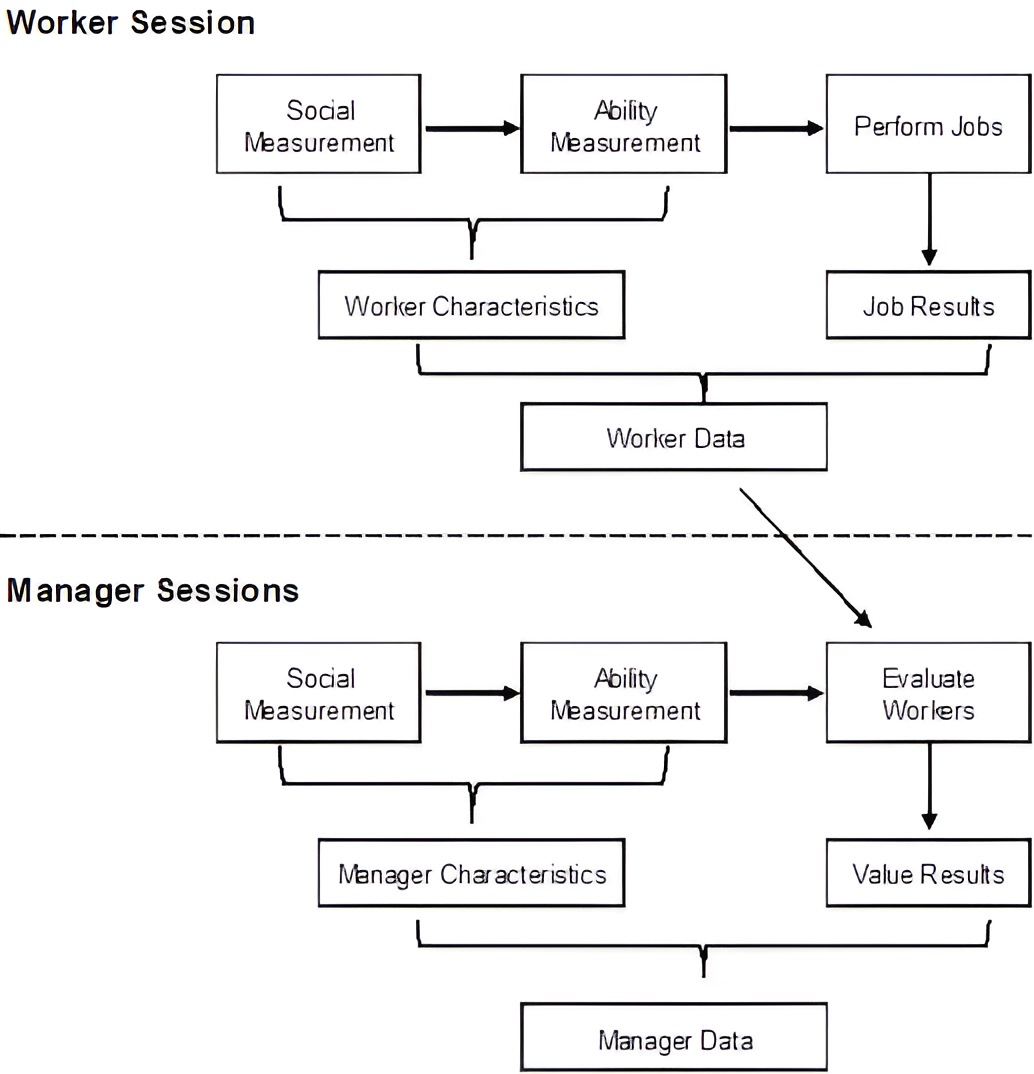
Figure 1: Flowchart of Experimental Sessions.
Measurement of Prosociality and Ability
Prosociality is elicited via a strategy-method Dictator Game, where each token sent reduces the Dictator's payoff but increases the Receiver's payoff, up to a 50/50 split. This structure generates variance in sharing behavior, serving as a general signal of intrinsic motivation.
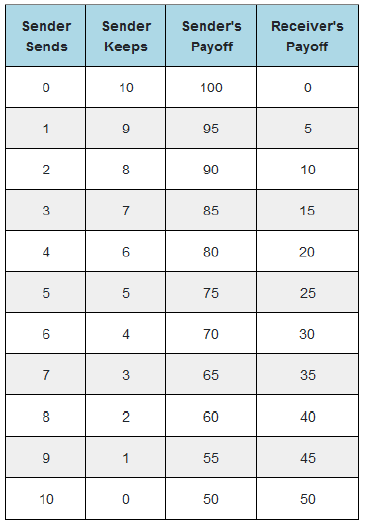
Figure 2: Screenshot of Dictator Game Table.
Ability is measured by a 10-question, 60-second addition task, with each correct answer earning points. This provides a discrete, interpretable signal of productive capacity.
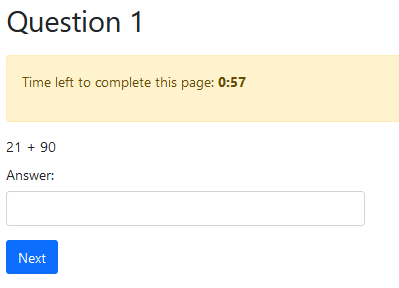
Figure 3: Screenshot of Addition Task.
Job Task and Manager Evaluation
In the job task, Workers choose how many addition problems to attempt, with time allocated proportionally. In C, skipping questions is financially advantageous for Workers but not for Managers; in NC, skipping yields no benefit. Managers rank Workers and assign values using a Becker-DeGroot-Marschak mechanism, incentivizing truthful reporting of cardinal preferences.
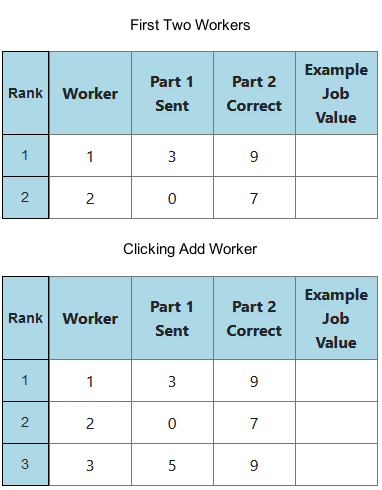
Figure 4: Table of Workers from Example Job.
Empirical Analysis and Main Findings
Worker Pool Characteristics
The Worker pool spans a range of prosocial and ability signals, with additional synthetic pairs to ensure coverage of the (x,y) space.
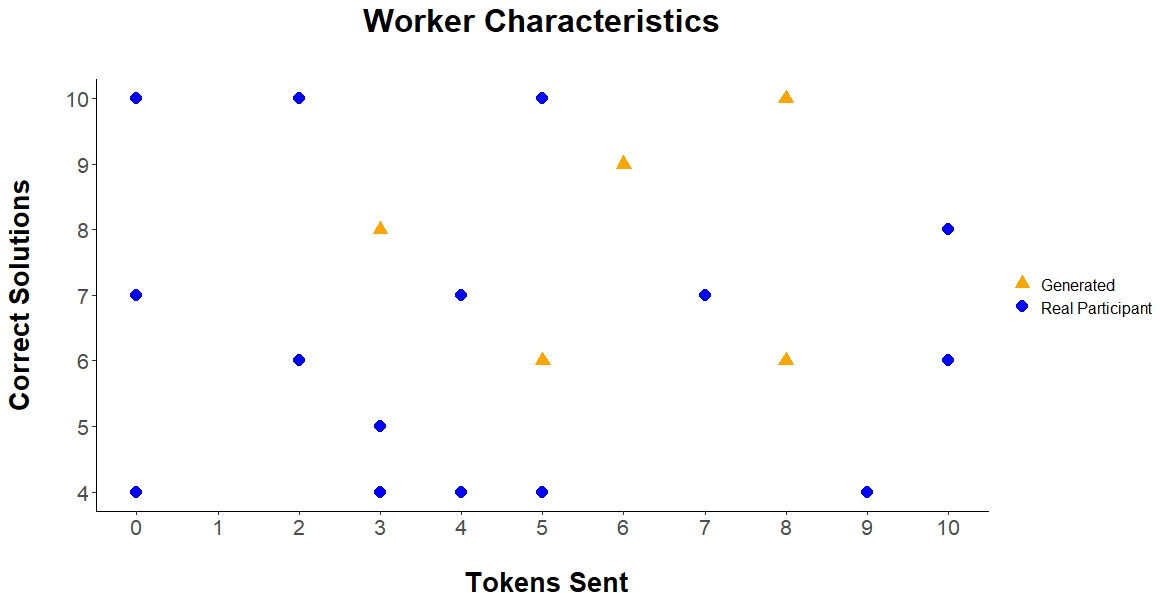
Figure 5: Workers In Pool.
Aggregate Manager Preferences
Managers consistently prioritize ability over prosocial behavior. In C, the marginal value of an additional correct answer is approximately three times that of an extra token sent; for STEM Managers, this ratio exceeds eight. In NC, ability almost exclusively drives valuations, with prosociality having negligible impact when controlling for Manager characteristics.
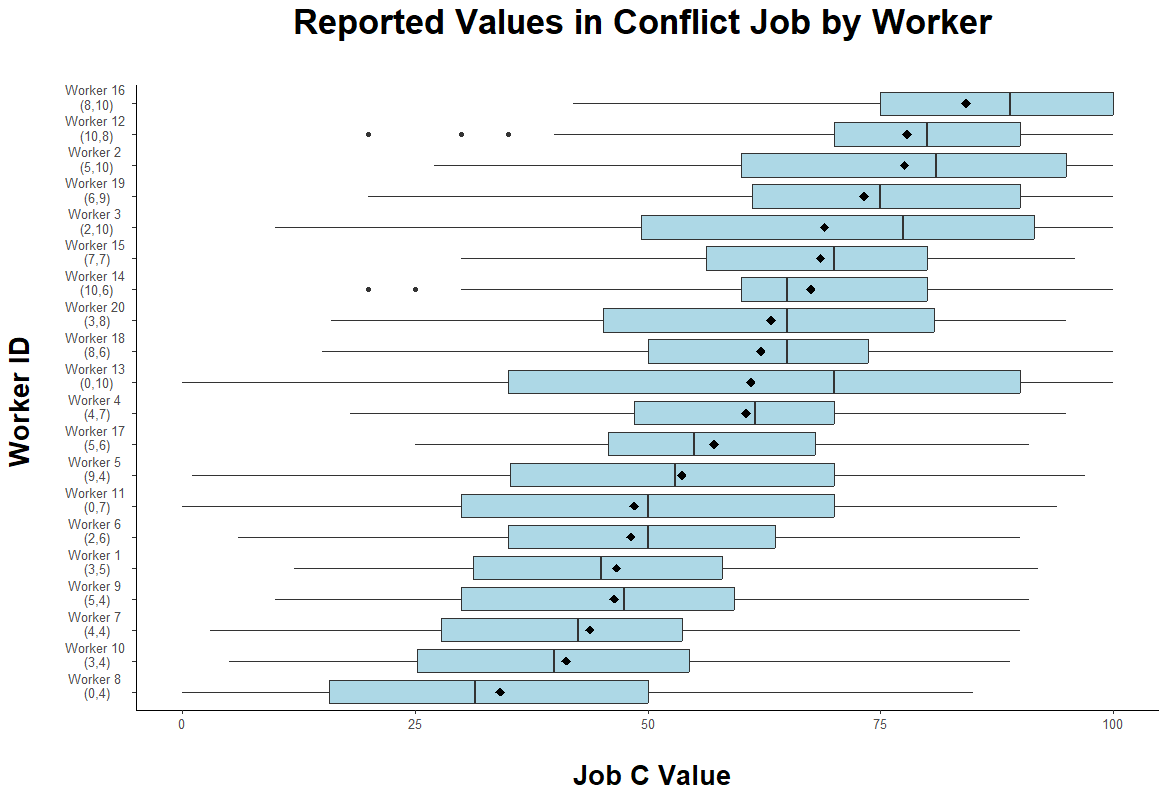
Figure 6: Box Plots of Job C Values.
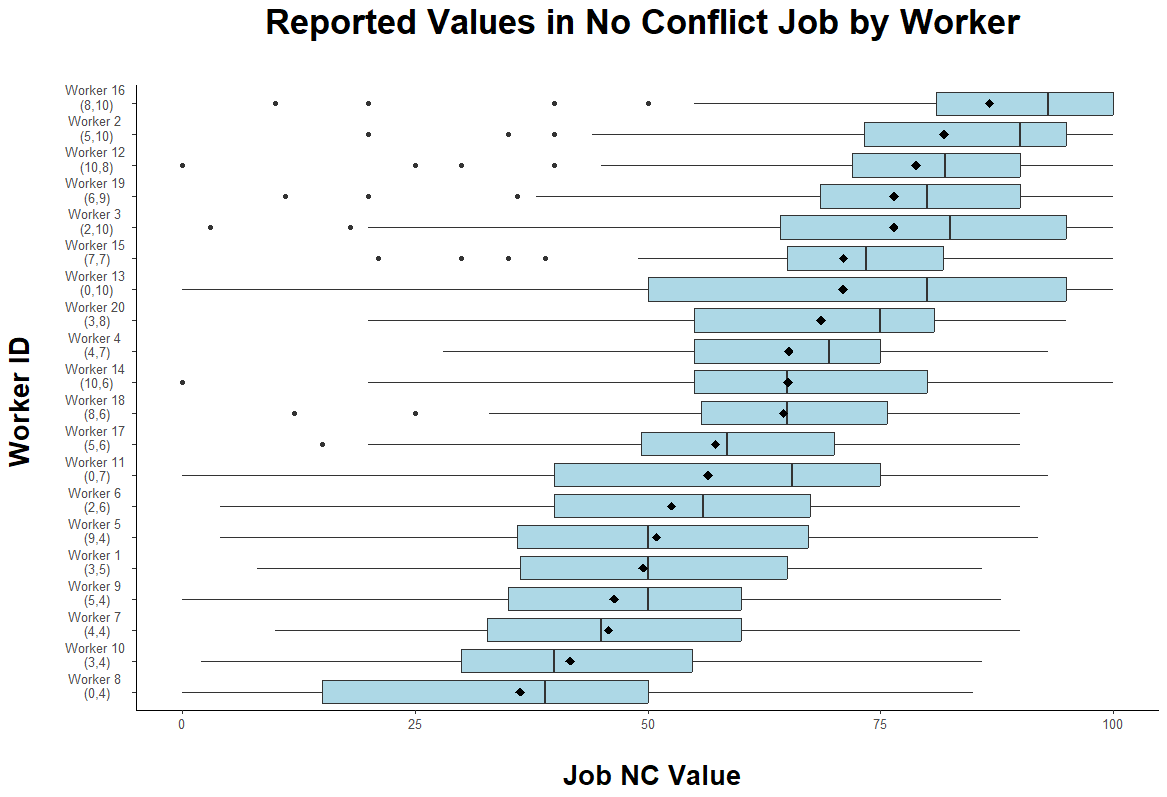
Figure 7: Box Plots of Job NC Values.
Rank Disagreement and Social Perception
Substantial disagreement exists in the ranking of Workers with high ability but low prosociality, and vice versa. Workers high in both dimensions are uniformly ranked at the top, while those low in both are ranked at the bottom. This pattern aligns with the warmth-competence model in social perception literature.
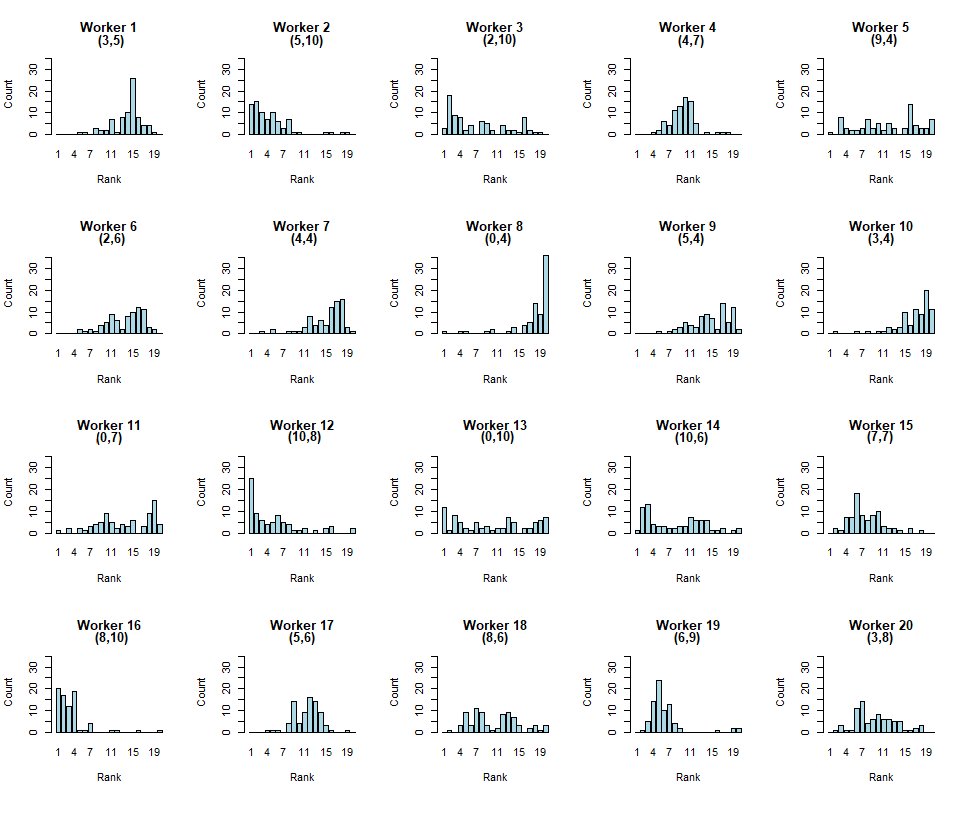
Figure 8: Rank Distribution of Workers in C.
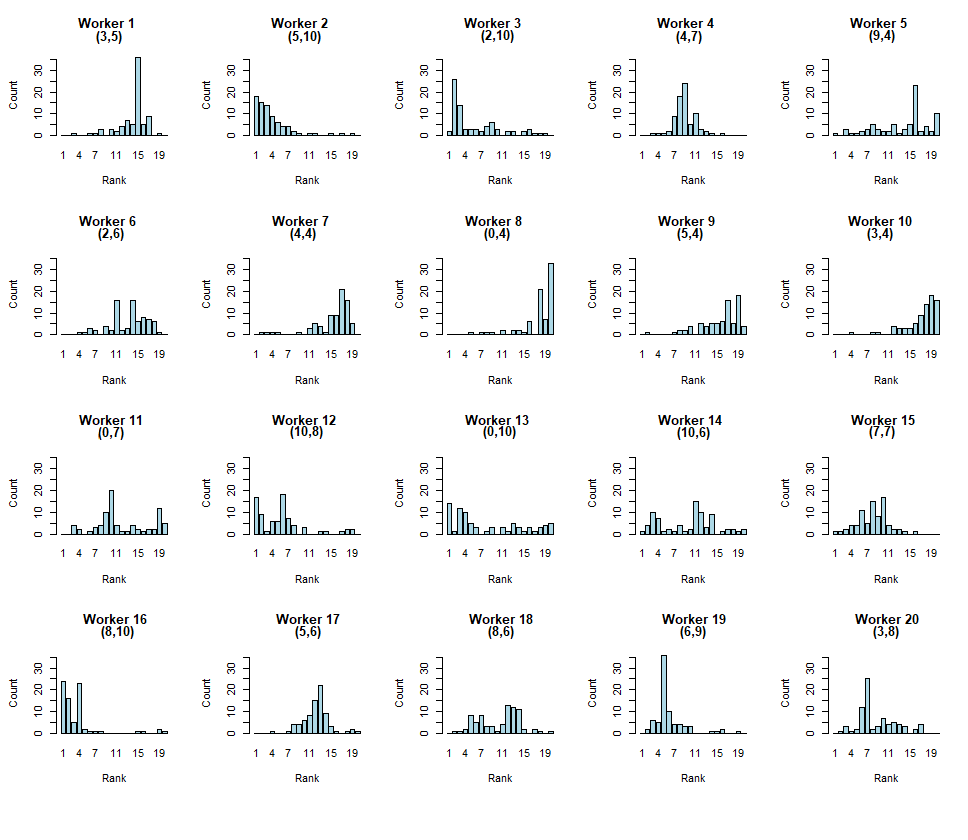
Figure 9: Rank Distribution of Workers in NC.
Marginal Value Analysis
Nonparametric regressions reveal that, at nearly all points in the (x,y) grid, increases in ability yield larger increases in Manager-reported value than increases in prosociality.
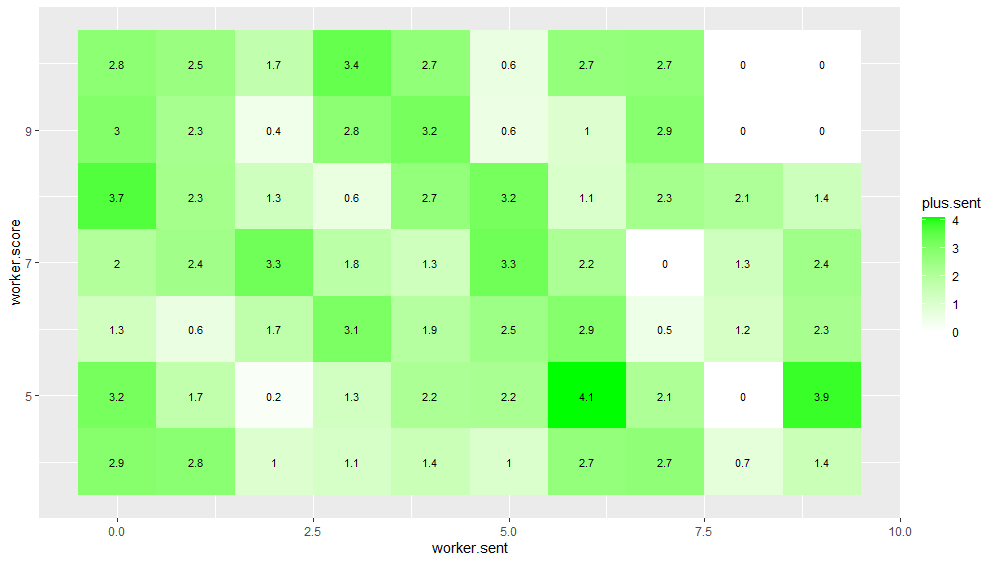
Figure 10: Increase in Reported Value for +1 Sent V(x+1,y)−V(x,y).
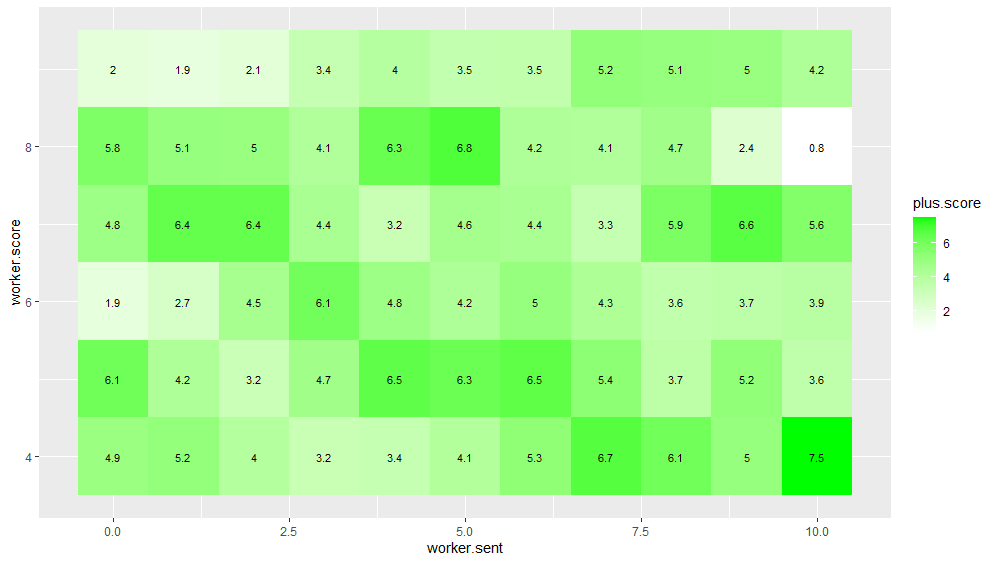
Figure 11: Increase in Reported Value for +1 Score V(x,y+1)−V(x,y).
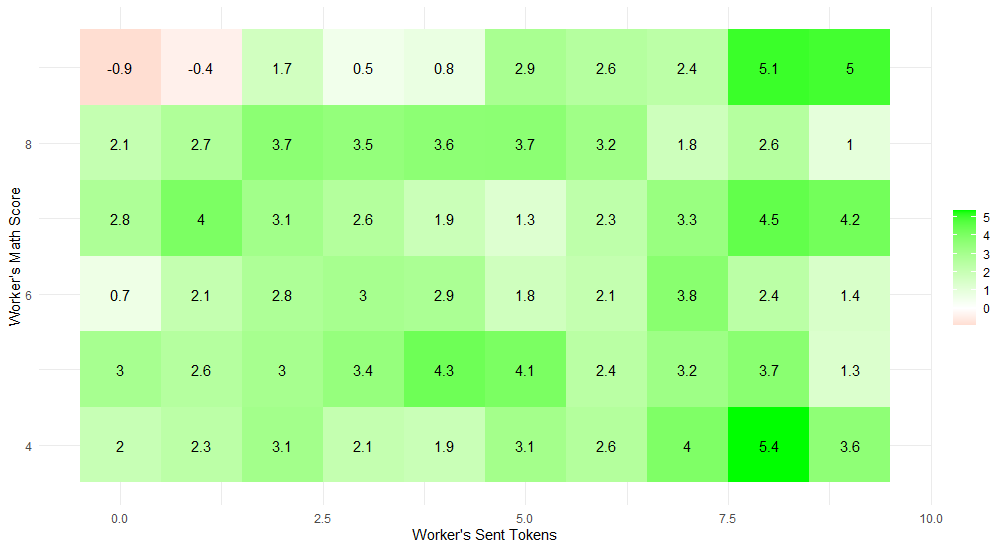
Figure 12: Difference in Increases in Reported Value V(x,y+1)−V(x+1,y).
Homophily and Likeness Bias
A pronounced likeness bias is observed: Managers with high prosocial scores place significantly more value on prosociality in Workers, sometimes compensating for or surpassing ability. This bias is not observed for ability; all Managers value ability highly, regardless of their own scores. STEM Managers discount prosociality more than non-STEM Managers, and males value prosociality more than others, but still less than ability.
Dictator Game Distribution
The distribution of sent tokens in the Dictator Game deviates from standard results, with mass points at zero and at the 50% split, and a relatively uniform distribution otherwise.
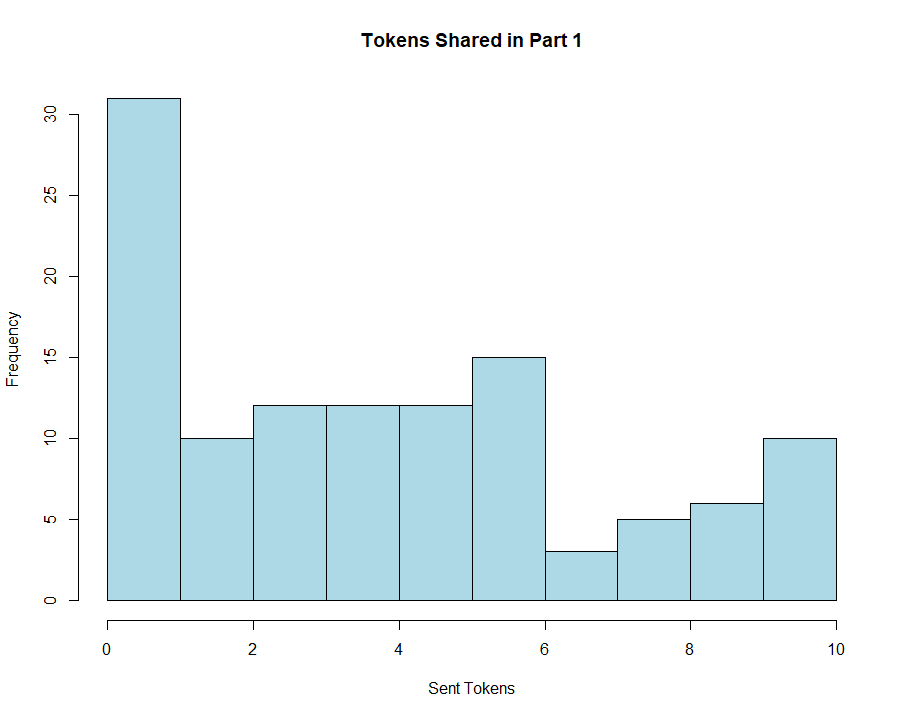
Figure 13: Histogram of Token Sent Amounts in Part 1.
Theoretical and Practical Implications
The findings challenge prior literature on partner choice, which often finds generosity to be more influential than competence in the absence of contracts. Here, explicit contracts and performance incentives crowd out the premium placed on prosociality, even when shirking is possible. This suggests that in economic relationships with enforceable contracts, ability is a more salient criterion for selection than intrinsic motivation.
The observed homophily in prosociality has implications for organizational fit and diversity. While likeness bias may improve fit, it can also reduce diversity and the associated positive externalities in team performance and strategic decision-making. The lack of bias in ability valuation suggests that productive capacity is universally recognized as valuable.
Future Directions
The experimental framework is extensible to other dimensions of partner choice, such as honesty or toxicity, and to repeated interactions where reputation effects may be stronger. Group-based evaluation and committee decision-making are natural extensions, as is the study of how evaluators' own traits influence candidate confidence and self-presentation.
Conclusion
This study provides robust evidence that, in the presence of explicit contracts and performance incentives, Principals prioritize ability over prosocial behavior when hiring Agents. Prosociality is valued primarily by highly prosocial Managers, indicating a homophily effect. The results have direct implications for hiring practices, contract design, and the management of organizational culture, suggesting that the optimal mix of ability and prosociality depends critically on the contractual environment and the characteristics of evaluators. The framework developed here offers a rigorous basis for future research on multi-dimensional partner choice in economic and organizational contexts.