- The paper introduces a hybrid workflow combining generative AI and clay 3D printing to simplify Chinese ceramic design.
- It details a two-phase methodology that integrates AI prompts with traditional craft techniques, enabling rapid model iteration and cultural authenticity.
- Empirical evaluations highlight reduced design time and improved creative exploration, although challenges like overhang failures remain.
ClayScape: GenAI-Supported Hybrid Workflow for Chinese Ceramic Design with Clay 3D Printing
Introduction
The paper "ClayScape: A GenAI-Supported Workflow for Designing Chinese Style Ceramics with Clay 3D Printing" (2604.25657) presents the development and evaluation of an integrated hybrid workflow for ceramic craft that combines generative AI-based design and clay 3D printing, specifically tailored to Chinese ceramic aesthetics. This research addresses longstanding barriers in traditional ceramic-making—particularly the steep technical gradient of CAD/CAM and digital fabrication—by operationalizing a non-parametric, generative AI-driven process accessible to both novices and expert craft practitioners.
Traditional Chinese ceramics encompass complex, interdependent workflows involving form generation, surface decoration, and glazing, requiring advanced tacit knowledge across multiple domains. While digital fabrication tools (notably CAD/CAM and 3D printing) have been adopted to some extent, their operational complexity impedes their mainstream uptake among craftspeople, especially those working within established cultural paradigms. Generative AI has recently shown promise in reducing the technical threshold for digital design tasks, particularly through multimodal capabilities spanning 2D-to-3D model generation and style transfer, yet its integration with the physical constraints of clay 3D printing and material-aware workflows remains underexplored.
Hybrid Workflow Design and Methodology
The study employed a two-phase research-through-design methodology:
- Phase 1 involved co-design and cross-disciplinary knowledge sharing between experts in GenAI and traditional ceramics. Initial explorations used text-to-image and sketch-guided LLM models for generating ceramic forms, which were further transformed into 3D models and UV textures by specialized tools (e.g., Meshy, Tripo3D). Subsequent stages included structural analysis, pattern engraving, and material-aware adaptation using Rhino, Grasshopper, and clay 3D printing.
- Phase 2 operationalized these findings into ClayScape, an integrated design tool combining multimodal AI prompting, template-driven geometric constraints, and material-aware print simulation, facilitating empirical studies with four Chinese ceramic creators of diverse backgrounds.
The hybrid workflow mirrors traditional craft stages—sketching, shaping, decorating, glazing, and firing—while introducing generative GenAI intervention and clay 3D printing to lower the barrier for creators and maintain engagement across craft traditions.
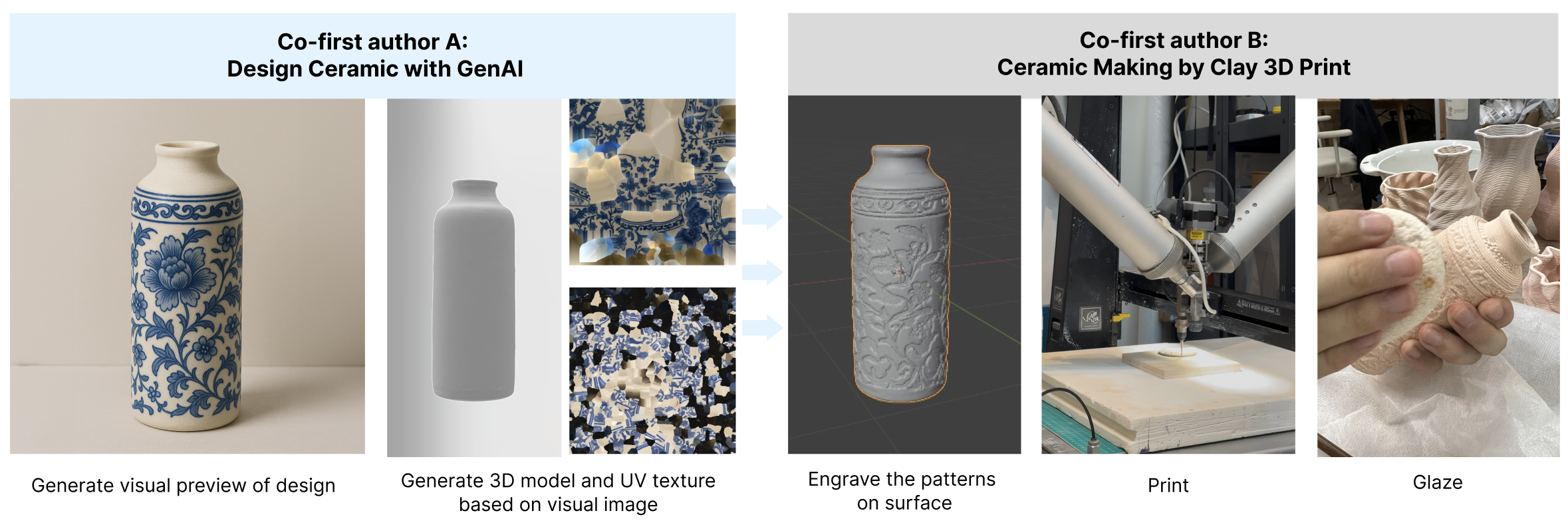
Figure 1: Phase 1 collaborative design and fabrication, integrating GenAI-driven design, clay 3D printing, and glazing to yield a culturally situated ceramic piece.
ClayScape’s architecture consists of three core workspaces:
- AI Prompt Area: Supports sketch-, text-, and template-based inputs, integrating a domain-specific set of reference shapes and patterns extracted from canonical Chinese ceramics.
- 3D Design Preview: Provides high-fidelity, rotatable inspection of AI-generated models and textures, supporting iterative refinement with real-time feedback.
- Clay Print Preview: Offers material and print-specific controls (engraving depth, line thickness, print speed) and previews print feasibility, reinforcing workability constraints from the physical clay process. The G-code export functionality enables direct translation into clay 3D printer operations.
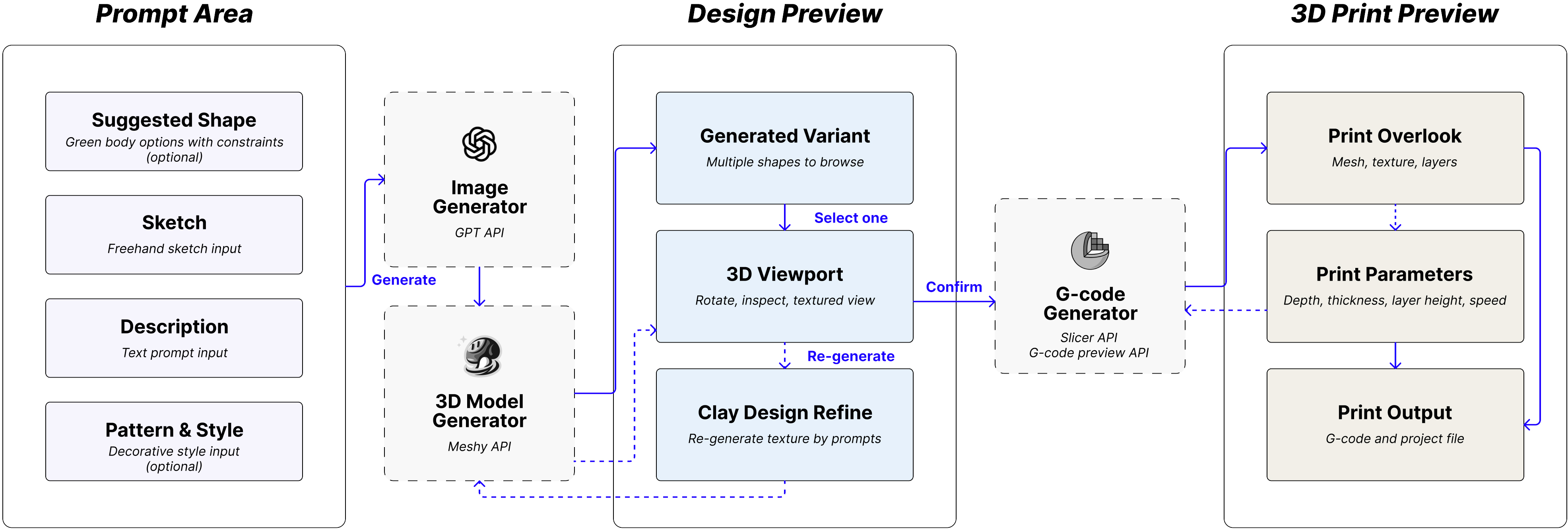
Figure 3: ClayScape architecture, showcasing the generative pipeline converting multimodal input to printable G-code and iterative feedback mechanisms.
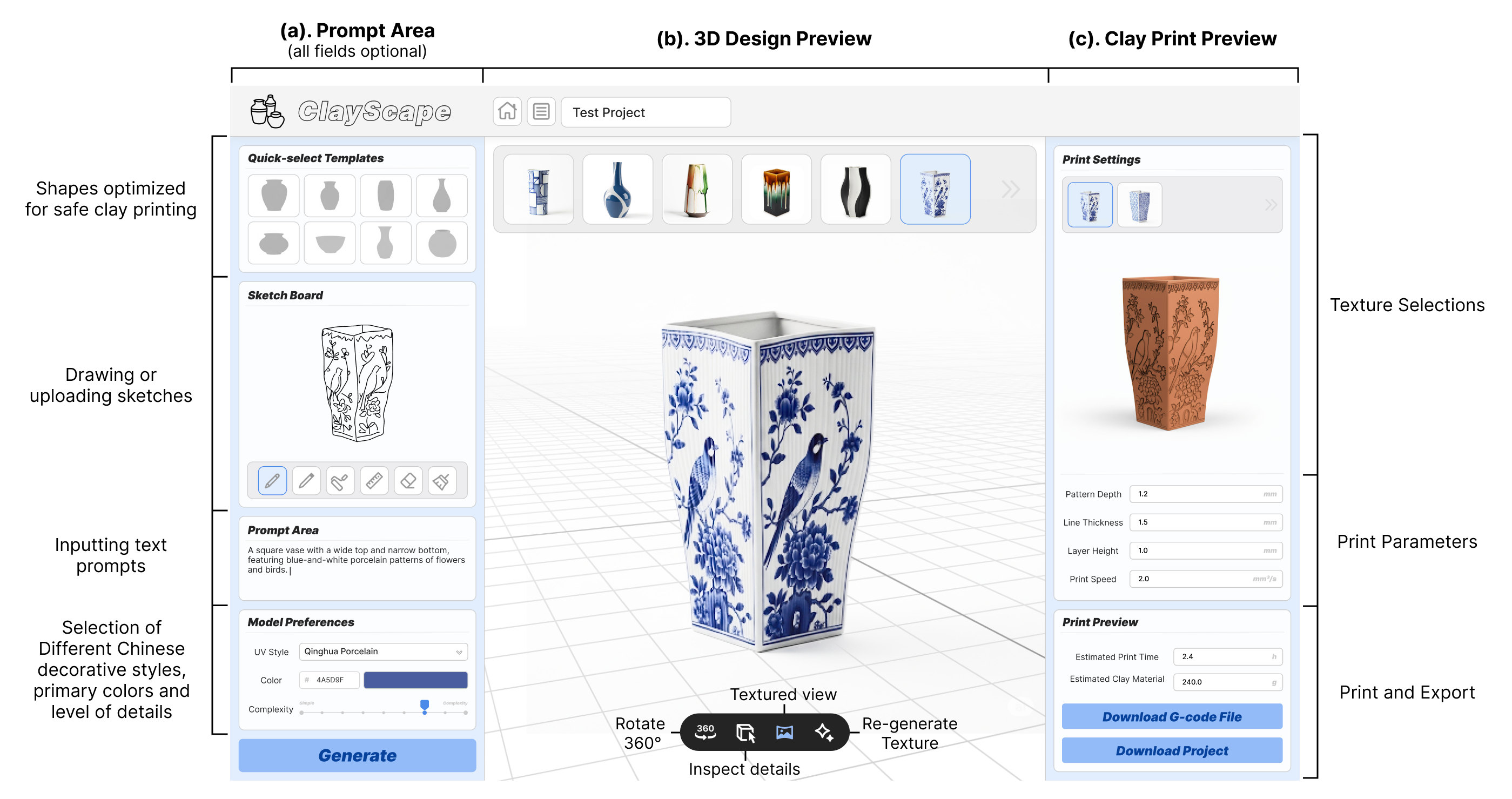
Figure 5: Full ClayScape interface, linking AI prompt, 3D preview, and clay print parameterization in a workflow aligned with traditional and digital craft practice.
Culturally embedded reference templates (canonical vessel shapes, traditional surface motifs) are optionally integrated without constraining creative freedom, serving as prompts to reinforce both aesthetic fidelity and print feasibility.
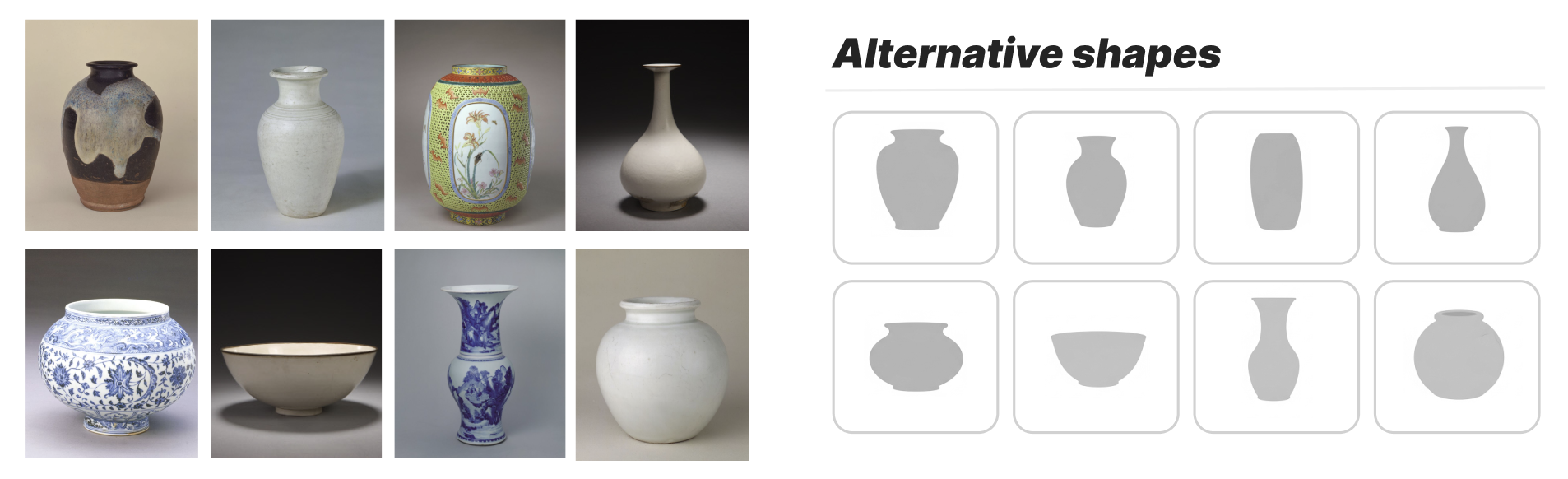
Figure 7: Canonical Chinese ceramic form templates and their derivations, imposed for direct compatibility with 3D printing mechanical constraints.
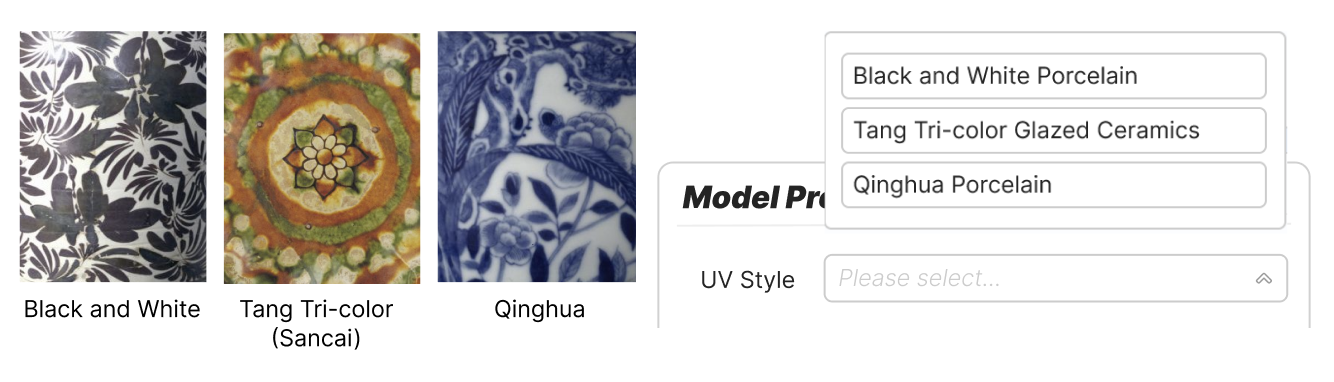
Figure 9: Historically grounded Chinese decorative motifs, curated and embedded as selectable system references for surface pattern generation.
Empirical Evaluation and Findings
Creative Opportunities
Empirical trials with creators at different proficiency levels highlighted several trends:
- Efficiency: Both beginners and experts reported significantly reduced overhead in ideation and modeling. Particularly, hand-sketch-to-print times were decreased, and the cognitive burden of direct CAD modeling was eliminated.
- Expanded Creative Space: GenAI outputs embedded with randomness and cultural resonance provided new directions for creative exploration. Novices were able to execute complex forms and motifs previously unattainable by hand or with standard digital tools; experts leveraged the tool for rapid transformation of conceptual sketches into functionally adapted objects.
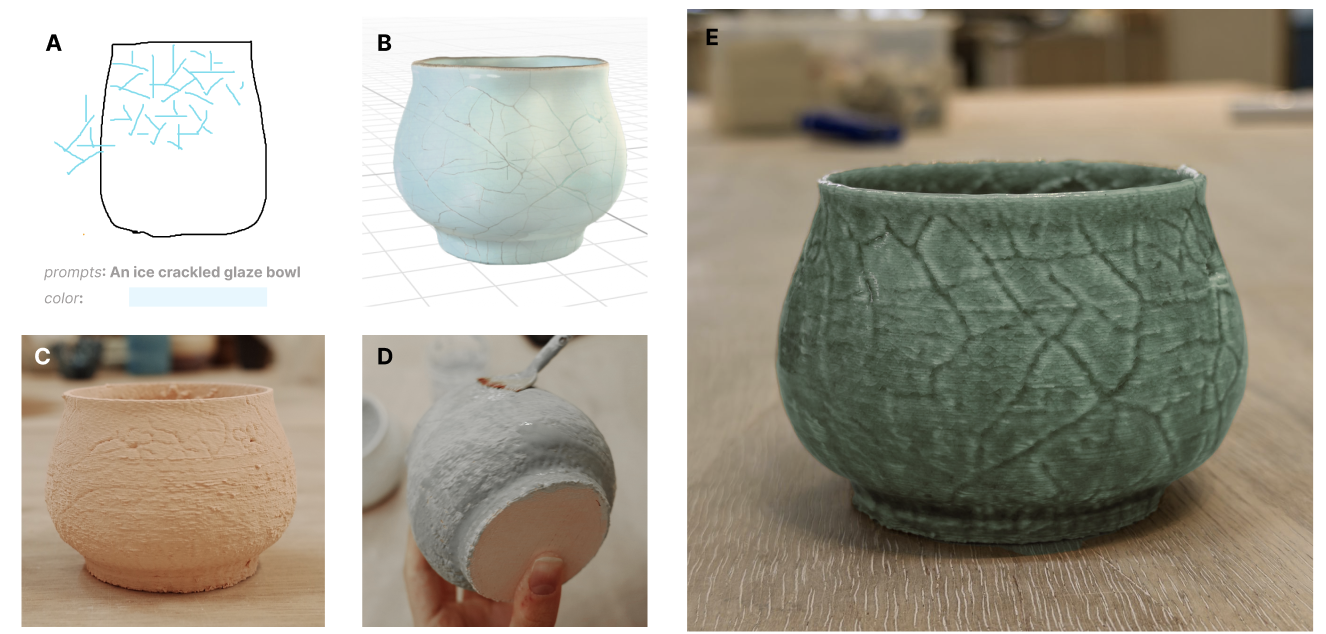
Figure 11: Complete working process for a novice (A01), from initial sketch through AI design, print, glaze, to final piece.
Creative Process and Tangibility
The digital-to-physical translation, particularly the ability to realize tangible artifacts from AI-generated designs, served as a strong source of engagement and sense of ownership among users.
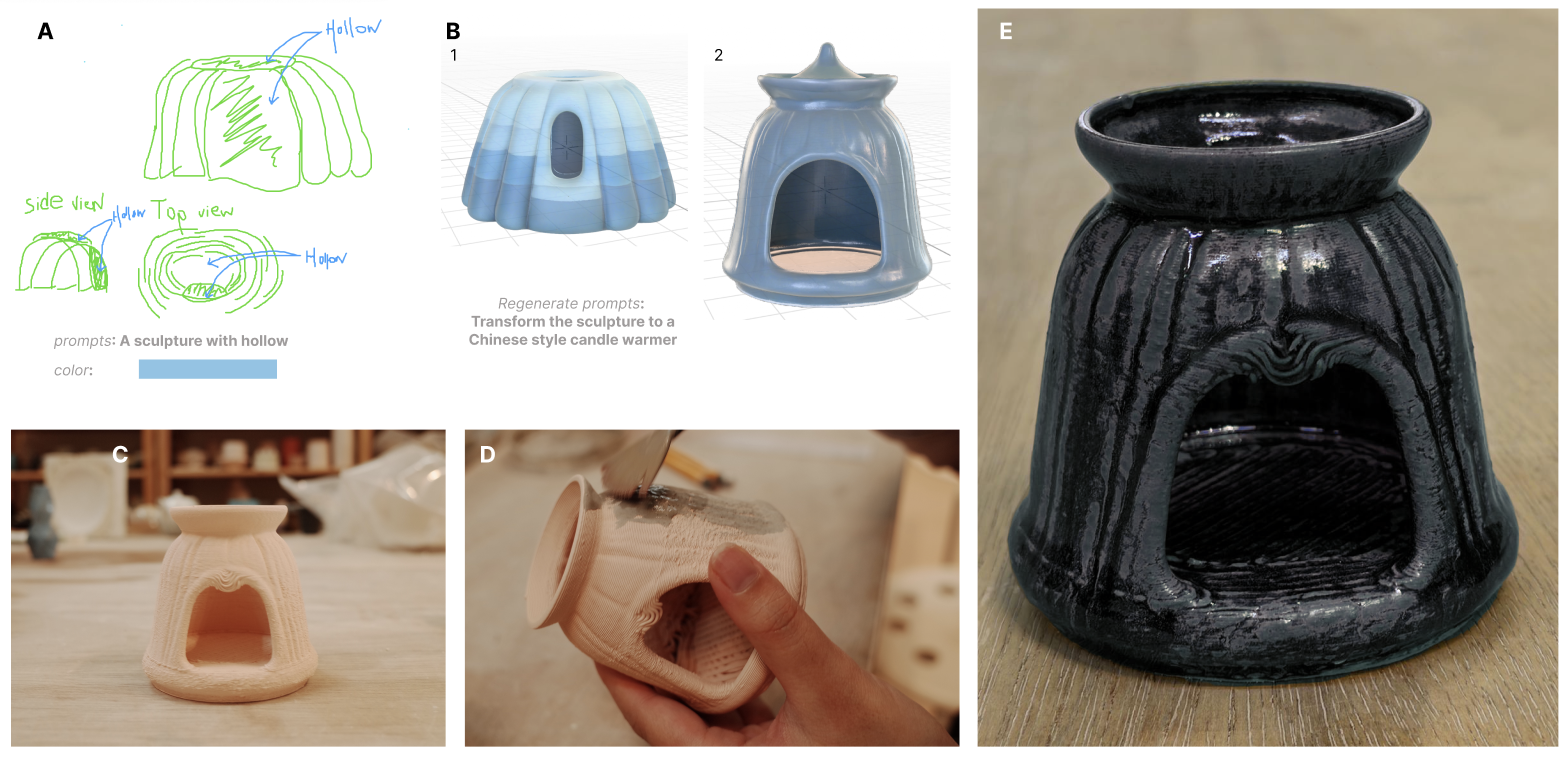
Figure 13: Transformation of a conceptual sketch into a functional candle warmer (A03), iteratively refined for both aesthetics and printability.
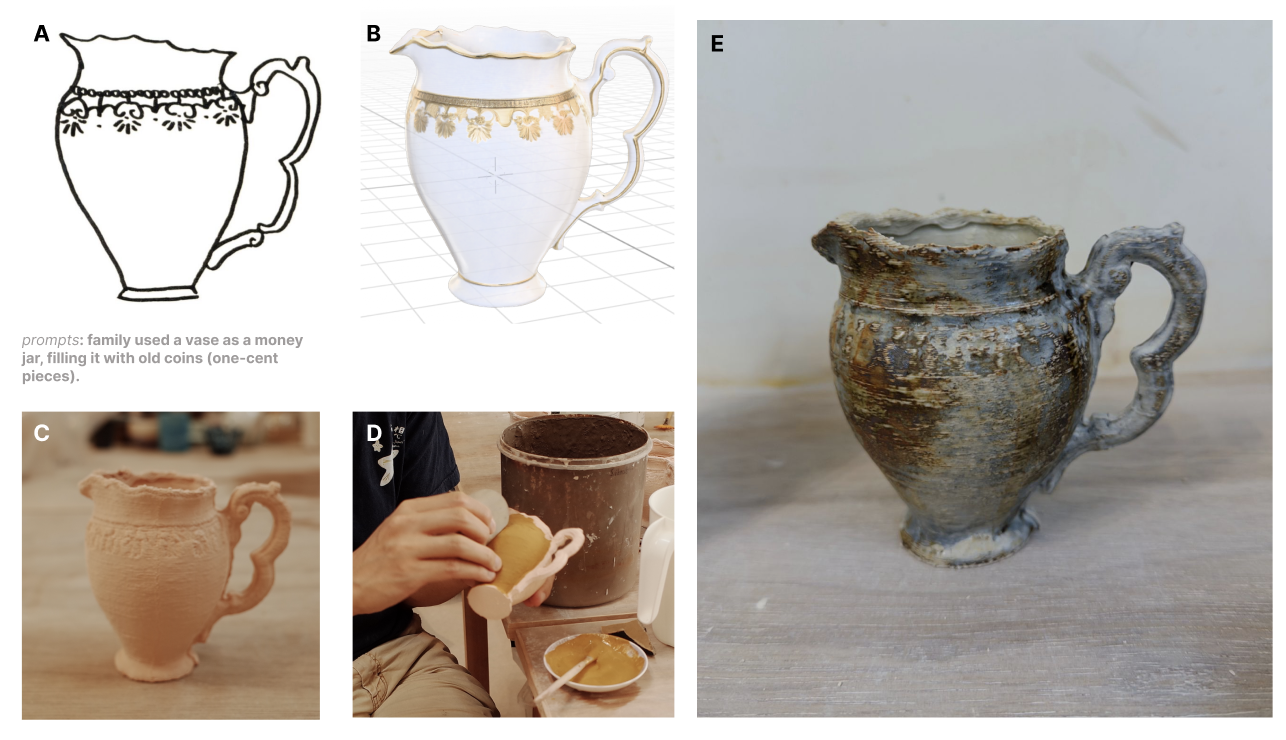
Figure 15: Reminiscence-inspired design (A04), blending personal narrative with template-driven form generation and manual glazing intervention for final interpretation.
Material and Process Constraints
Despite improved efficiency, GenAI-generated forms sometimes resulted in structural failures during clay printing, such as overhang collapse or voids, corroborated by Grasshopper-based simulation visualizations.
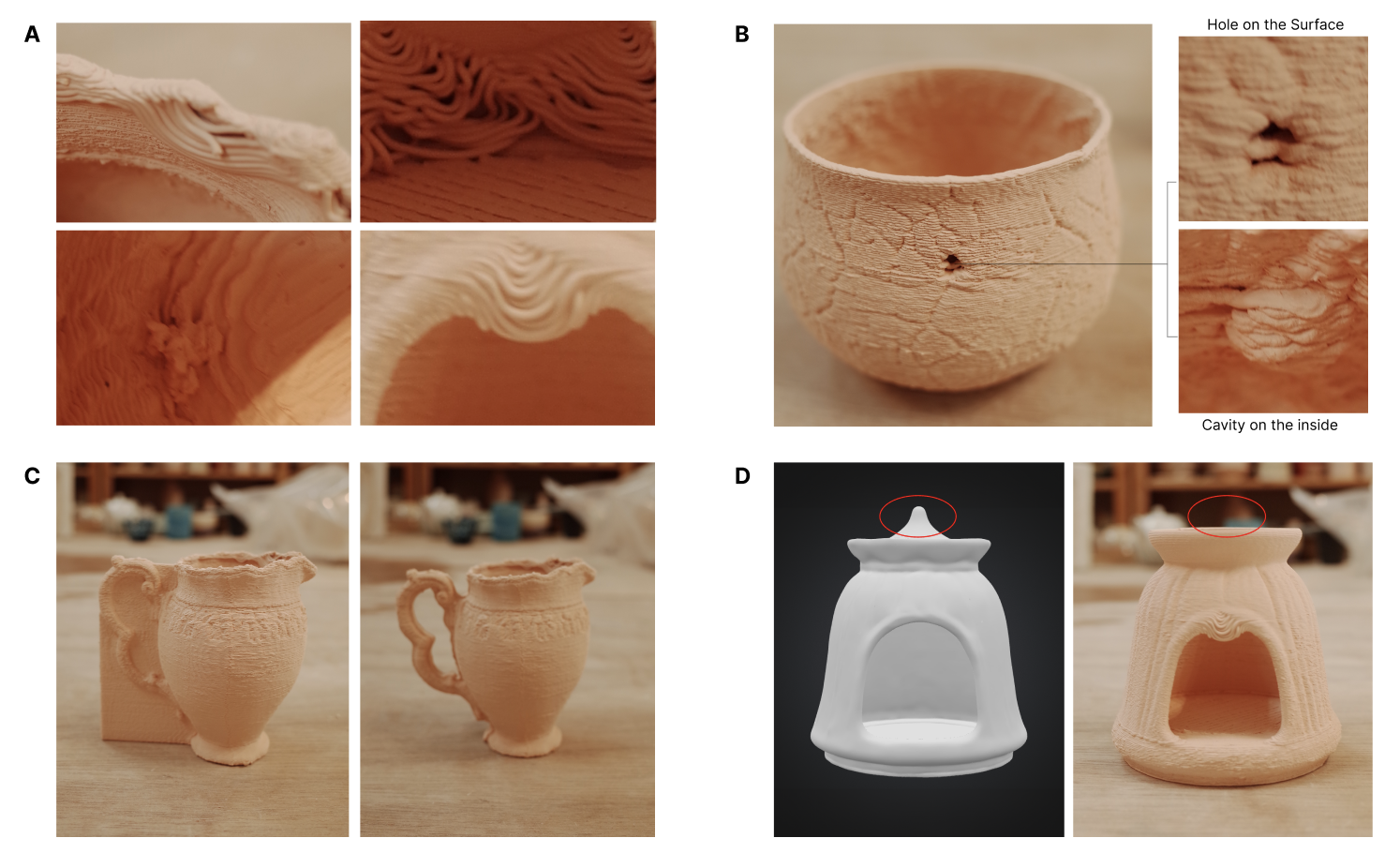
Figure 2: Documented failures and interventions: collapsed print sections, unintended voids, and necessary design modifications demanded by the physicality of clay printing.
Surface roughness from print striation and engraved patterning introduced glazing difficulties and aesthetic compromises, particularly for unpolished or high-detail motifs. Moreover, while engraving templates effectively guided decoration, they sometimes prescribed the act of glazing, constraining the expressivity valued in traditional craft.
Theoretical and Practical Implications
This research demonstrates that generative design workflows mediated by LLMs and domain-focused 3D generation enable significant lowering of entry barriers for culturally situated ceramic craft. ClayScape’s non-parametric input and rapid preview mechanisms foster designer agency, supporting both exploratory and targeted workflows. However, achieving optimal synergy between human authorship, machine assistance, and the inherent constraints of wet clay/firing mandates careful balance.
For advanced practitioners, AI tools function as time-saving assistants rather than replacements, and the workflow’s ultimate efficacy hinges on transparency of generative parameters, iterative feedback, and post-generation manual control.
From a practical perspective, the hybrid workflow introduces a model for integrating culturally-grounded computational tools into craft education and participatory design contexts, reflecting ongoing trajectories in computational craft and digital fabrication research.
Limitations and Future Directions
The research identifies key technical constraints: limitations in clay DIW printing resolution, physical overhang/void risks, and the necessity for iterative simulation-feedback loops. Additionally, current GenAI models offer limited granularity of control, presenting challenges for realizing precise user intent and functional adaptation. Expertise in GenAI prompting, print process troubleshooting, and glazing remains essential for high-fidelity results.
Future developments should prioritize:
- Higher-resolution, material-adaptive clay printing platforms
- Integration of more comprehensive material simulations and real-time print failure diagnostics
- Fine-tuning GenAI models with expanded, high-resolution datasets of traditional and contemporary ceramics for domain control
- Encoding expert craft knowledge into the digital workflow, enabling adaptive generation and informed post-processing guidance for creators seeking deeper manual intervention.
Conclusion
ClayScape exemplifies an end-to-end hybrid workflow that leverages GenAI for accessible, culturally-informed, and materially grounded ceramic design. The outlined approach effectively reduces procedural overhead, supports broad creative engagement, and offers empirical evidence for the potential of non-parametric, AI-assisted digital fabrication in traditional crafts. It points toward a future in which digitally mediated workflows balance accessibility, material engagement, and preservation of craft-specific creative agency, informing both research and the evolution of computational craft practice.