- The paper presents a computer vision-based system for spatially monitoring and analyzing insect behavior to enhance precision pollination.
- It leverages multi-point video capture and a hybrid detection model using YOLOv4 and K-nearest neighbors to accurately track multiple insect species.
- Field tests at a commercial berry farm show high detection accuracy (F-scores >0.8) with honeybees effectively meeting pollination needs.
Spatial Monitoring and Insect Behavioural Analysis Using Computer Vision for Precision Pollination
Introduction
The paper introduces a computer vision-based system aimed at facilitating spatial monitoring and insect behavioural analysis for precision pollination in agriculture. The system leverages edge computing and automated video processing to track multiple species of insects across large agricultural spaces without markers, focusing specifically on pollination behavior analysis. The implementation and testing occurred in a commercial berry farm, demonstrating the system's capability to track several insect varieties and assess their relative impact on crop pollination.
Methodology
The proposed system consists of a comprehensive methodology involving multi-point video capture and automated multi-species insect tracking to predict pollination efficacy. A schematic overview of the methodology outlines four key components: remote edge computing-based video capture, automated offline multi-species motion tracking, insect counting, and behavioural analysis (Figure 1).
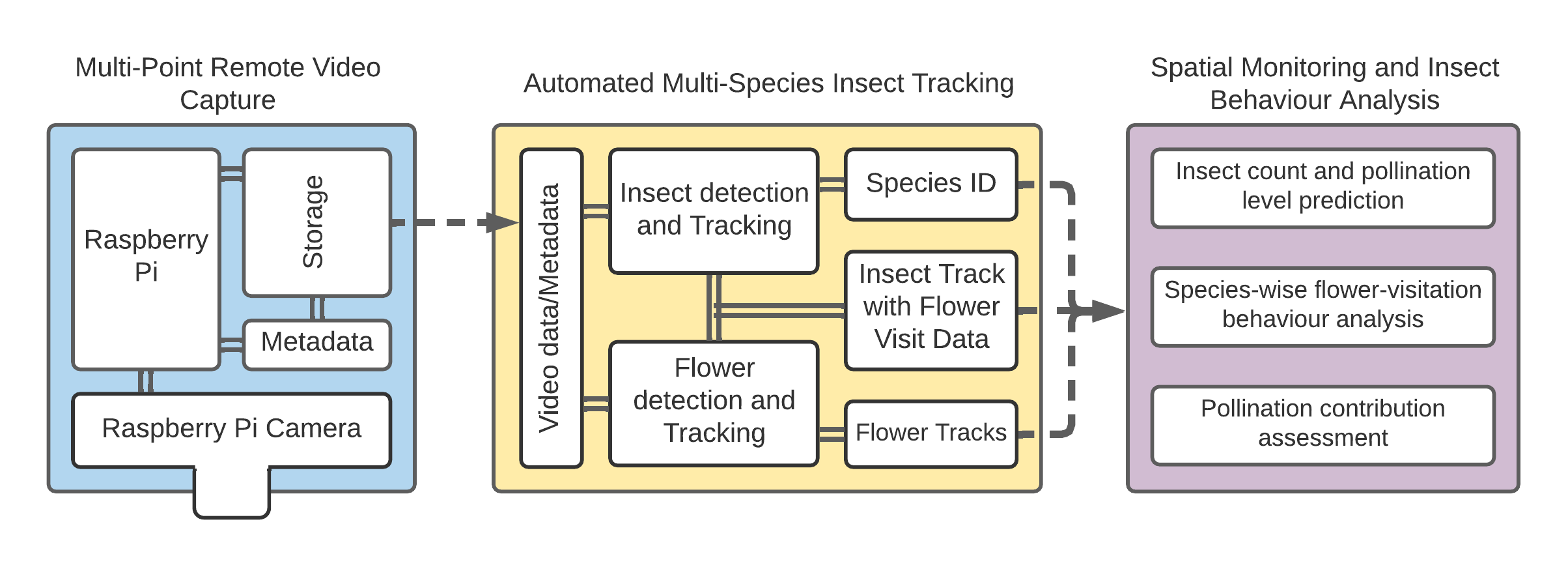
Figure 1: Overview of the proposed methodology
Multi-point Remote Video Capture
The system utilizes Raspberry Pi-based cameras to record high-resolution videos at 30 fps, capturing unmarked insects' movements and interactions. These recording units are distributed across various locations in an experimental site, providing extensive coverage and metadata-embedded video clips, including location and time data.
Automated Multi-species Insect Tracking
The core of the system lies in its hybrid detection model, incorporating YOLOv4 object detection and K-nearest neighbours-based segmentation for reliable insect and flower detection amidst dynamic environmental conditions. The system processes each video sequence, tracking insect movements, identifying flower visitation behavior, and compiling this data for subsequent analysis.
Implementation and Testing
The implementation occurred at the Sunny Ridge farm in Australia within strawberry polytunnels, a controlled environment chosen due to its conducive conditions for both strawberry cultivation and insect foraging (Figure 2). The system focused on four key insect types, including honeybees and hoverflies, deploying nine monitoring stations to capture comprehensive data.
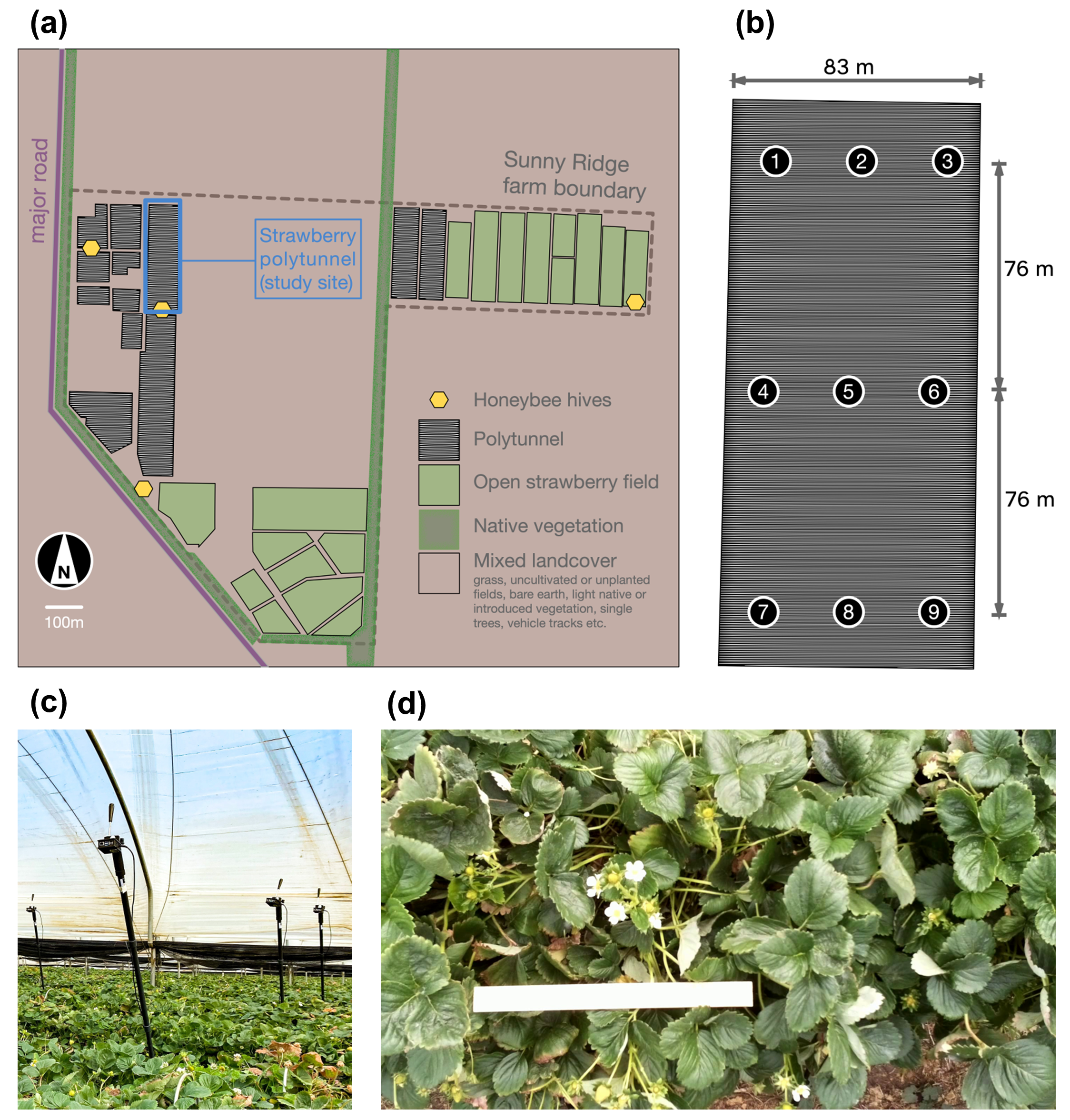
Figure 2: Implementation of the pollination monitoring system. (a) Map of the Sunny Ridge berry farm, (b) data collection points, (c) remote video capture setup.
Results
Experimental Evaluation
The system showed high detection accuracy, achieving F-scores above 0.8 for all insect varieties tracked. Honeybees were the predominant insect type detected, vastly contributing to strawberries' pollination (Figures 3 and 4).
Figure 3: Trajectories of insects and flower positions recorded in test videos.
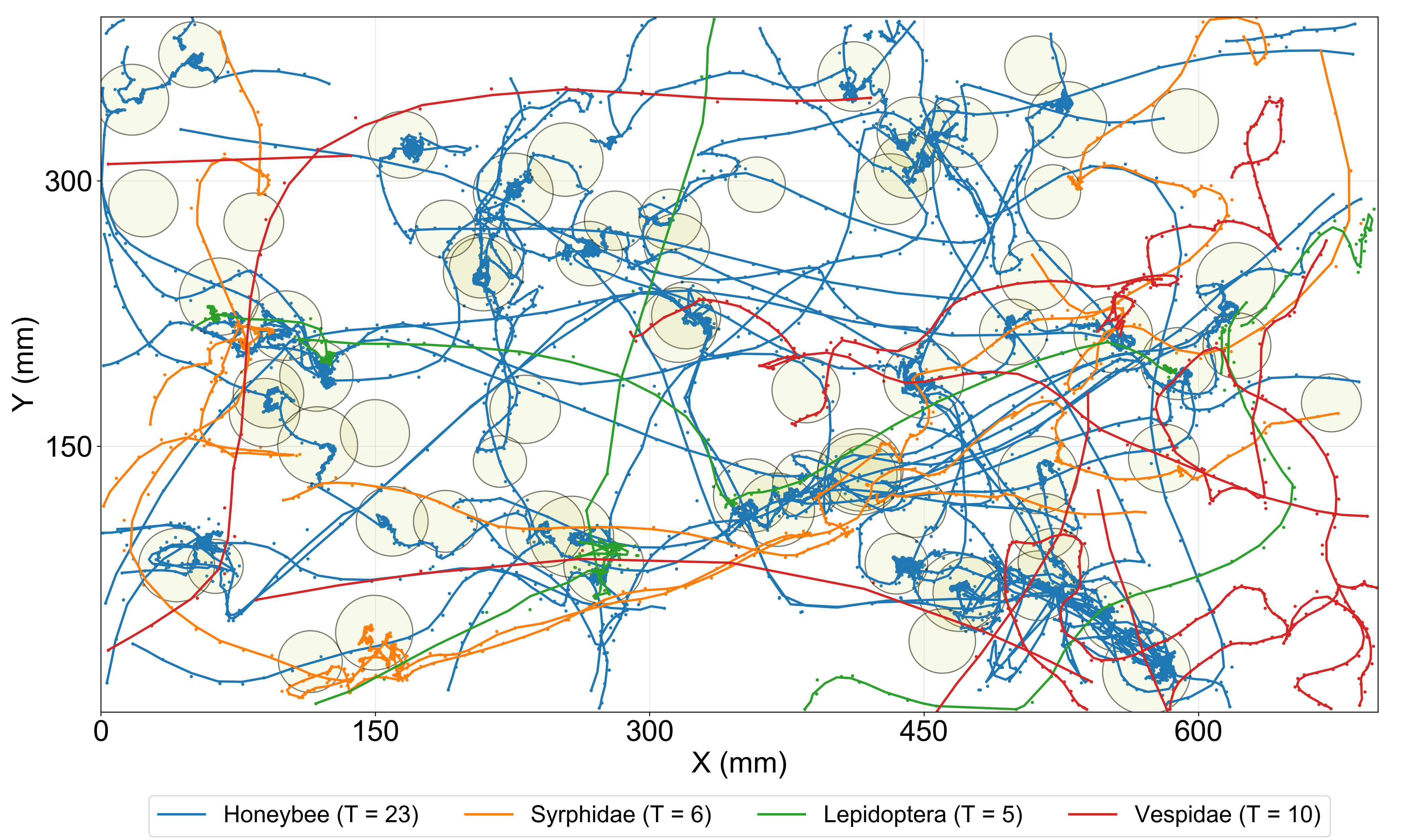
Figure 4: The distribution of recorded track lengths (in seconds) for the four insect types, indicating their interaction durations.
Insect Behavioural Analysis
Through spatial monitoring, the study quantified insects' pollination contributions, showing that honeybees alone could fulfill strawberry pollination needs under the testing conditions. Vespids, while present in high numbers, contributed minimally to pollination.
Discussion
The system offers a scalable and customizable solution for real-time insect monitoring, overcoming traditional laborious methods. The hybrid detection model efficiently handles the complexities of identifying and tracking multiple insect species, although improvements in video quality and model training datasets could further enhance system capabilities. The lack of current alternative monitoring systems highlights the system's potential for adoption in large-scale agricultural operations.
Conclusion
The research presents a novel system for precision pollination monitoring, demonstrating its efficacy through deployment in a commercial farm environment. The rich datasets generated could inform data-driven management decisions, thereby contributing to optimized pollinator management and improved crop yield, essential under increasing global food demands. This methodology shows promise for future developments in AI-enhanced agricultural technologies.